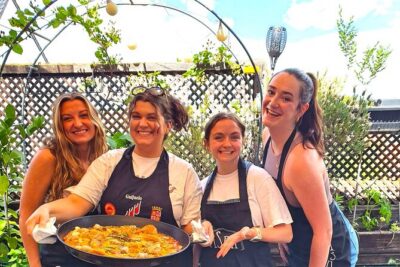
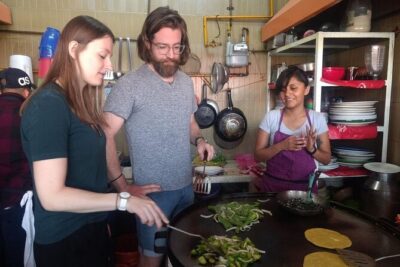
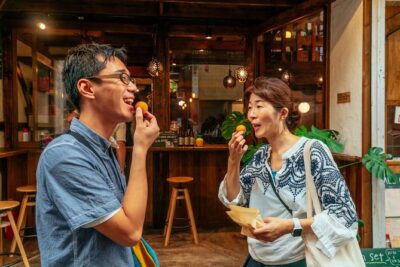
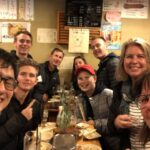
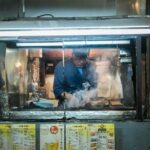
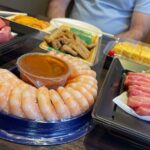
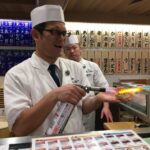
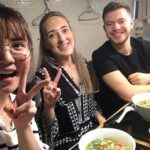
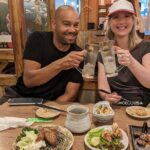
Quit time in Tokyo tastes like this. I love the 5 food stops and two included drinks, and the way guides like Asami (with Lora) explain eating manners so you can fit in with the post-work crowd.
One thing to weigh: this is adults only (20+) and it’s not recommended for vegans or gluten-free diets. Depending on the night, you may also run into less common items like raw chicken.
In This Review
- Key Highlights You’ll Care About
- Shimbashi at 4:30 pm: Why This Neighborhood Works
- Price and Value: Is $217 Fair for Tokyo Food?
- What the Tour Logistics Actually Feel Like
- Stop-by-Stop: From SL Square to the Pre-Meal Warm-Up
- Stop 1: SL Square (Shimbashi Station West Entrance Square)
- Karasumori Jinja
- New Shinbashi Building
- Advertising Museum Tokyo
- The Old Shimbashi Station Railway History Exhibition Hall
- Hamarikyu Gardens
- Stop 2: The Food Circuit in Shimbashi (5 Tastings, 2 Drinks)
- Drinks included: what that means for pacing
- How the guide helps you fit in
- The Izakaya Experience: What You’re Really Paying For
- Food Options and Diet Fit: Who Should Book
- Group Size, Vibe, and the Karaoke After Party
- Pacing Tips: How to Get the Most From 5 Tastings
- Who This Tour Is Best For
- Should You Book This Shimbashi Food Walk?
- FAQ
- How long is the Shimbashi Hidden Gem Walking Tour?
- What time does the tour start?
- What’s included in the price?
- Is the tour suitable for vegetarians or pescatarians?
- Is it recommended for vegans or gluten-free diners?
- What’s the group size?
- Is there free cancellation, and what if weather is bad?
Key Highlights You’ll Care About
- 5 food stops + 2 drinks included makes it more than just walking
- Shimbashi’s after-work izakaya streets gives you a local vibe, not a tourist trap
- Local English-speaking guide who teaches how to eat and socialize in Japan
- Max group size of 10 keeps it friendly and manageable
- Mobile ticket makes start-of-tour logistics easy
- Karaoke after party available if you want to keep the night going
Shimbashi at 4:30 pm: Why This Neighborhood Works
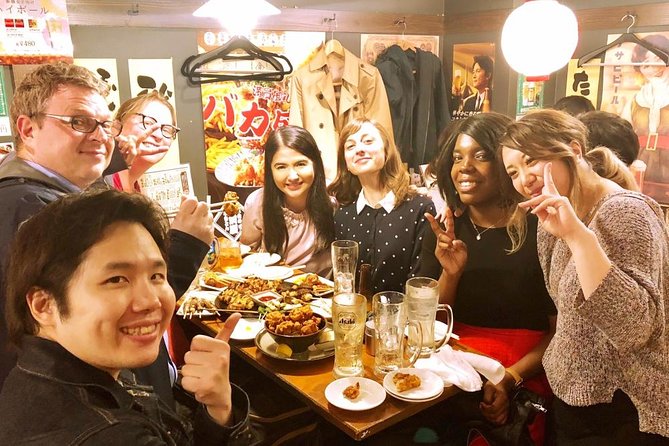
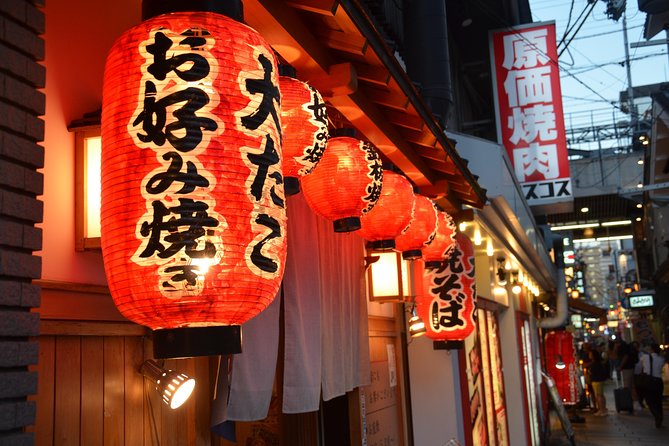
Shimbashi is one of those Tokyo areas where the rhythm feels real. Office workers spill out after work, and the streets fill with small bars and casual places where people eat fast, talk a lot, and order again if they’re still hungry. That’s exactly what this tour leans into.
The starting time matters. A 4:30 pm start means you’re there as the neighborhood shifts from commute mode to dinner-and-drinks mode. You get the feeling of everyone has a plan, but the plan changes once food shows up. It’s also a smart time for visitors: you avoid the dead hours and you’re not stuck with late-night crowds only.
I also like that the tour isn’t only about food. Before the meal stops really kick in, you move through recognizable landmarks and local spots around Shimbashi Station West Entrance Square and nearby areas. That walk helps you understand the layout, so the dinner streets make more sense once you reach them.
You can also read our reviews of more walking tours in Tokyo
Price and Value: Is $217 Fair for Tokyo Food?
At $217 per person, this isn’t a cheap night out. But you’re not just paying for “a few bites.”
Here’s what the tour includes:
- 5 food stops with local and seasonal dishes
- two drinks included
- a local English-speaking guide
- a small group (maximum 10 travelers)
In Tokyo, a single sit-down meal plus drinks can add up fast, especially if you’re trying to eat like a local. This tour stacks multiple tastings back-to-back, in places that are meant for the after-work crowd. That’s where the value can show up: you’re getting variety and guidance in the kind of spots you might hesitate to enter alone.
Still, the price is premium. If you’re the type who wants a long, fully seated meal with a big menu, this may feel more like a focused food circuit than a formal dinner. One “bad stop” can also hurt the overall feeling of value on a night like this, and at least one rating calls out a weak second and fourth stop. That’s not the norm, but it’s worth knowing.
What the Tour Logistics Actually Feel Like
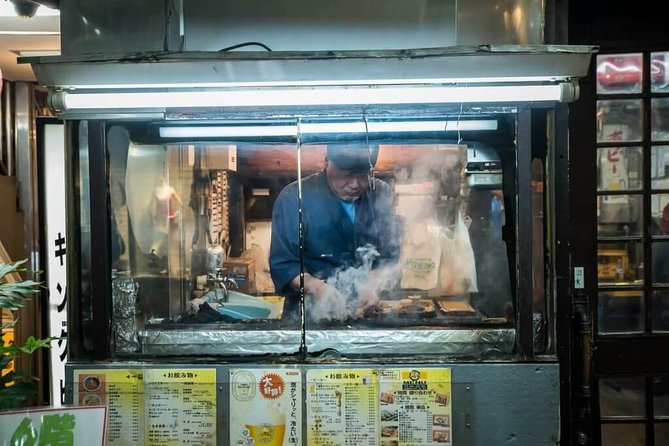
This is a 3-hour walking tour, and it ends at JR Shimbashi Station. The meeting point is at 2-chōme-7-1 Shinbashi, Minato City, Tokyo 105-0004 near Shimbashi Station West Entrance Square (SL Square).
A few practical notes that help you enjoy it more:
- Wear shoes you can walk in. The tour lists moderate physical fitness, so you’ll be on your feet.
- Come ready to snack and move. This is built as a food sequence, not a museum crawl.
- Bring a little patience. Spots can change due to restaurant schedules, public holidays, weather, or other unforeseen issues. If something switches, the tour still aims to keep the same “type” of experience.
- Mobile ticket only. This makes entry simpler, but make sure your phone battery is decent.
It also helps that the tour is near public transportation. If you need to adjust, you’re not stuck far from transit.
Stop-by-Stop: From SL Square to the Pre-Meal Warm-Up
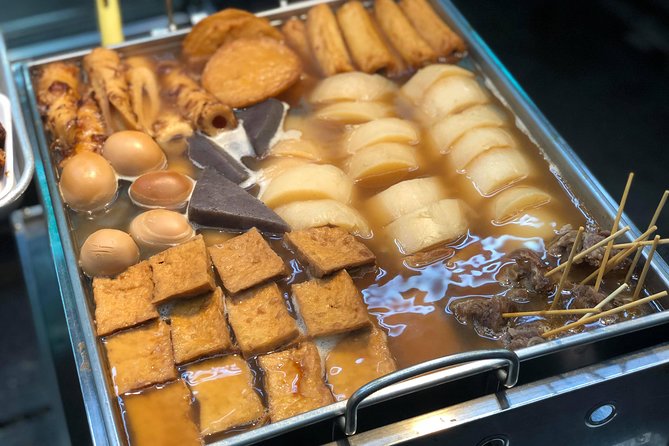
Even before the main tastings, the early part sets the tone. Think of this section as getting oriented, meeting the group, and building context for what comes next.
Stop 1: SL Square (Shimbashi Station West Entrance Square)
You meet at SL Square and start with a quick orientation. The tour notes that you try several seasonal and authentic Japanese dishes as part of the overall experience. While the details on exact items at this first moment aren’t spelled out as a single list, the intent is clear: start with food early so you’re not just listening to instructions while hungry.
You’ll also see this as a quick “wake-up” for the evening. Once you taste something right away, the rest of the walking feels purposeful.
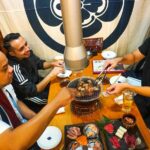


Karasumori Jinja
After that meeting moment, you move toward Karasumori Jinja. Jinja sites aren’t just scenery here. They help break up the urban office-worker vibe so you can feel the neighborhood’s older layers. It’s a small shift in atmosphere, and that matters because the tour later moves into dense streets of eating and drinking.
New Shinbashi Building
Next comes New Shinbashi Building. This kind of stop is useful even if you’re not planning to spend ages there. It’s a visual way to understand how Shimbashi mixes office life, new development, and old-school food streets in a tight area.
Advertising Museum Tokyo
Then you head to the Advertising Museum Tokyo area. Even if you don’t go in deeply, this stop gives you a quick sense of why Japanese urban life looks the way it does—where design, signs, and branding become part of the everyday scene. That’s handy later when you’re looking at menu boards and small storefronts.
The Old Shimbashi Station Railway History Exhibition Hall
This is one of the stops that really signals Shimbashi’s identity: The Old Shimbashi Station Railway History Exhibition Hall. It’s a reminder that this neighborhood has been a transit hub for a long time, which helps explain why food culture here is compact, fast, and close to commuters.
Hamarikyu Gardens
Finally in this pre-meal stretch, you reach Hamarikyu Gardens. The tour lists it as part of the route. Even if your time there is brief, it’s a good contrast: you go from office and rail history to a more calm space. It helps keep the evening from feeling nonstop.
Stop 2: The Food Circuit in Shimbashi (5 Tastings, 2 Drinks)
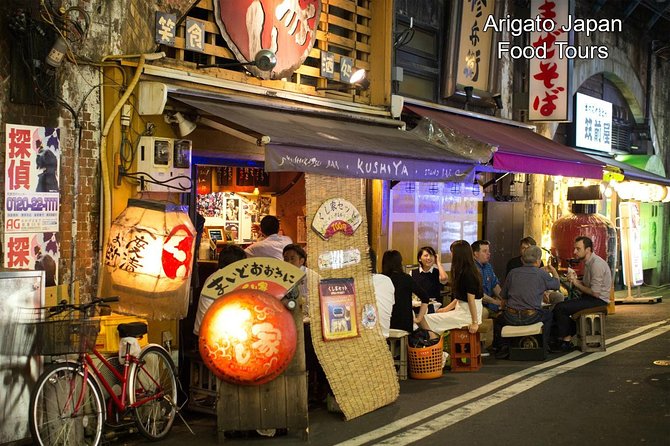
The main action is the Shimbashi section built around five food stops. The goal is not just to feed you. It’s to teach you how Tokyo drinking-dining works—ordering, timing, and how people mingle.
The tour highlights classic after-work favorites you might see during the tastings:
- yakitori (grilled skewers)
- gyoza (dumplings)
- sashimi
- okonomiyaki (Japanese-style savory pancake)
- gyoza nabe (dumpling hot pot)
- taiyaki (fish-shaped dessert)
In other words, you’re not limited to one style of eating. You get grilled, fried, steamed, and hot-pot vibes across multiple casual settings.
One review mention stood out: raw chicken. That tells me there’s at least a chance one stop includes a daring item. You don’t have to “perform bravery,” but it’s good to know this tour can go slightly beyond the safest tourist menus.
Drinks included: what that means for pacing
You’ll get two drinks included during the tastings. Tokyo izakaya nights are paced around drinks and sharing. Two included drinks often makes it easier to try what’s on offer without doing the mental math every time.
What’s not spelled out: what exact drinks you’ll get. The tour only states that two drinks are included, and that tastings follow the plan. If you have strong preferences—like no alcohol—you’ll want to confirm before you book so you don’t end up paying extra to fix the mismatch.
How the guide helps you fit in
This tour’s biggest strength is the social piece. The guide role isn’t just “translate the menu.” It’s help with customs and manners so you don’t feel out of place when the pace speeds up and tables get lively.
In reviews, guides like Asami and Lora are praised for being lively and talkative. Another guide name that shows up is Anne, noted for sharing local knowledge and making the walk feel like more than food stops. That kind of energy usually matters on a food tour, because your enjoyment depends on timing and comfort.
The Izakaya Experience: What You’re Really Paying For
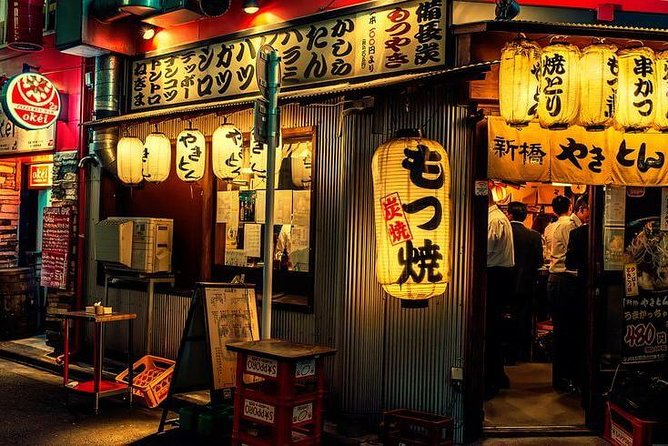
I like that the tour focuses on lesser-known drinking dens and casual izakayas rather than only mainstream, easy-to-find restaurants. That’s where you feel the difference between “I’m in Tokyo” and “I’m seeing how people live.”
Here’s what that tends to look like in practice:
- small places where the menu is not designed for tourists
- lots of side conversation
- fast ordering and quick rounds
- a group dynamic where people lean toward sharing
If you enjoy trying new foods, and you’re comfortable being a little social, this format works well. If you prefer quiet dining, this may not be your best match. The tour is built around post-work energy.
Food Options and Diet Fit: Who Should Book
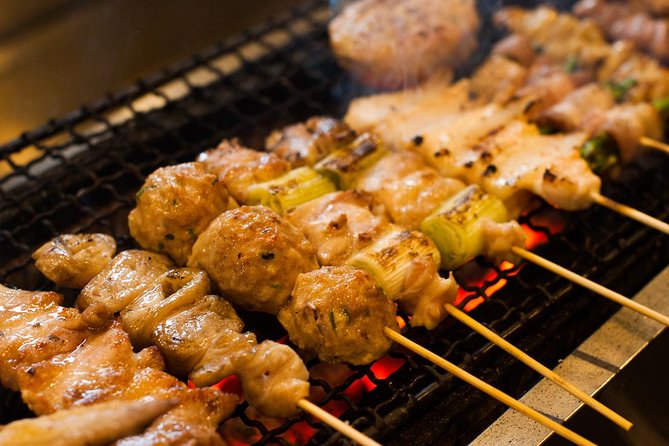
The tour is listed as pescatarian and vegetarian friendly. It is not recommended for vegans and gluten-free.
That means:
- If you eat dairy and eggs, vegetarian options should be workable.
- If you eat fish, pescatarian should be easier to accommodate.
- If you’re vegan, you might run into constraints not handled well by the tour’s standard tastings.
- If you’re gluten-free, the lack of recommendation is a clue that you shouldn’t assume safe substitutions.
Also note: the tour is designed as a fixed tasting circuit. It’s not described as a custom menu. So if your diet is strict, you may prefer a different style of food tour that offers explicit substitutions.
Group Size, Vibe, and the Karaoke After Party
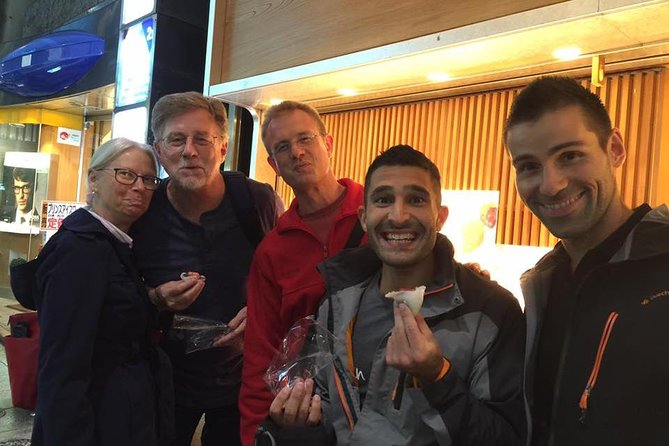
This is max 10 travelers, so it should feel friendly. Smaller groups make it easier for the guide to keep you on track and also keep conversation going.
Adults only (20+) also shapes the vibe. This feels like an evening out, not a family-friendly outing.
There’s also a karaoke after party available. The data doesn’t say it’s mandatory or included. It just means you have the option if the group wants to keep socializing. If you like to end your night with a laugh, it can turn the food tour into a full Tokyo night.
Pacing Tips: How to Get the Most From 5 Tastings
Even when the tastings are well planned, you can overdo it if you don’t manage your pace. Here are practical ways to enjoy without getting stuffed too early:
- Take small bites at each stop and focus on texture and flavor, not quantity.
- Save your questions for the guide while you’re seated or during the walk between places.
- Order water if you need it, especially since you’re also getting two included drinks.
- Plan a relaxed evening afterward. This tour is active and food-heavy.
If you’re sensitive to strong flavors or unfamiliar ingredients, tell yourself this is a guided sampling route. You’re there to learn, not to win a food challenge.
Who This Tour Is Best For
You’ll likely love this if:
- you want Tokyo after-work culture in walking form
- you enjoy casual izakaya dining
- you like trying several small tastings instead of one big meal
- you’re happy being social with a small group
You might skip it if:
- you need gluten-free or vegan reliability
- you want a quiet, seated experience with long course pacing
- you dislike any chance of unconventional items (like raw chicken, which has shown up in at least one tasting mention)
Should You Book This Shimbashi Food Walk?
I’d book it if you want a short, high-energy Tokyo evening that teaches you how people actually eat after work. The best part is the combination of 5 tastings, two drinks, and a guide who helps you navigate manners and social rhythm.
I’d reconsider if your diet is strict (especially vegan or gluten-free) or if you’re expecting a calm, restaurant-only dinner. At this price point, you want the group vibe and the guide to land well, and the tour’s ratings suggest that usually happens.
If you’re the type who likes stepping into a neighborhood after the office crowd arrives, this is the kind of experience that feels like Japan, not just a highlight list.
FAQ
How long is the Shimbashi Hidden Gem Walking Tour?
It runs for about 3 hours.
What time does the tour start?
The start time is 4:30 pm.
What’s included in the price?
You get 5 food stops with local and seasonal food, plus two drinks. A local English-speaking guide is included.
Is the tour suitable for vegetarians or pescatarians?
Yes. The tour is listed as pescatarian and vegetarian friendly.
Is it recommended for vegans or gluten-free diners?
No. It is not recommended for vegans or gluten-free travelers.
What’s the group size?
The tour has a maximum of 10 travelers.
Is there free cancellation, and what if weather is bad?
Cancellation is free up to 24 hours before the experience starts. The tour also notes it requires good weather, and if it’s canceled due to poor weather you’ll be offered a different date or a full refund.