REVIEW · OSAKA
Absolute Osaka Food Tour
Book on Viator →Operated by Arigato Japan KK · Bookable on Viator
Neon lights, food in hand, and a guide steering you away from tourist traps. This 3-hour Absolute Osaka Food Tour hits Osaka’s best street bites like takoyaki and kushikatsu, then threads you through alleyways you’d miss on your own. I like that you get history context along the way, and I also like the small-group feel, capped at 10 travelers.
The biggest plus is the pacing: 4 tastings at set stops, plus 1 drink and a traditional Japanese dessert, so you’re not constantly spending money just to keep things interesting. One thing to plan for: it’s not recommended for gluten-free, and you’ll still likely want to budget extra for additional drinks or snacks beyond what’s included.
In This Review
- Key things to know before you go
- A 3-Hour Osaka Street-Food Walk With a Small Group
- Starting at the Dotonbori Glico Sign: More Than a Photo Stop
- Dotonbori District: How You Avoid the Lines
- Minami (Namba) and Street Food Energy
- Hozenji Yokocho: The Alleyway Side of Osaka
- Sennichimae Doguyasuji Shotengai: Eats Next to Everyday Life
- Kuromon Market: Where the Tasting Makes Sense
- Misono Building Area: The Osaka Photo-Feeling Finish
- What’s Included (and How to Budget Smart)
- Weather, Changes, and What Happens If Plans Shift
- Who This Tour Fits Best
- Price and Logistics: Is $231 Worth It?
- Should You Book This Osaka Food Tour?
- FAQ
- How long is the Absolute Osaka Food Tour?
- Where does the tour start and end?
- What time does it start?
- What is included in the price?
- Is it suitable for vegetarians or pescetarians?
- Is it gluten-free friendly?
- What’s the cancellation policy and what if the weather is bad?
Key things to know before you go
- Small group size (max 10): easier conversations with your local English-speaking guide and less waiting around.
- 4 food stops, plus drink and dessert: you get a structured sampling plan, not random wandering.
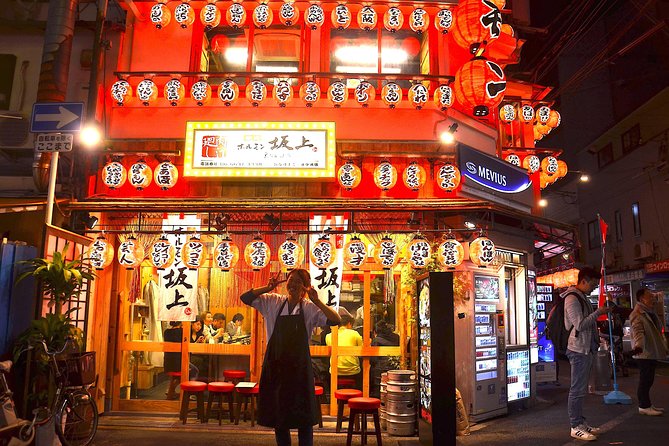
- Alleyway route with a secret shrine area: a chance to see real Osaka pockets away from the loudest queues.
- Food changes by season and availability: you’ll get the concept even if exact items shift.
- Not gluten-free friendly: if you have strict dietary needs, this matters more than anything else.
- Starts at 5:00 pm: ideal for that after-work lighting and dinner-food momentum in central Osaka.
A 3-Hour Osaka Street-Food Walk With a Small Group
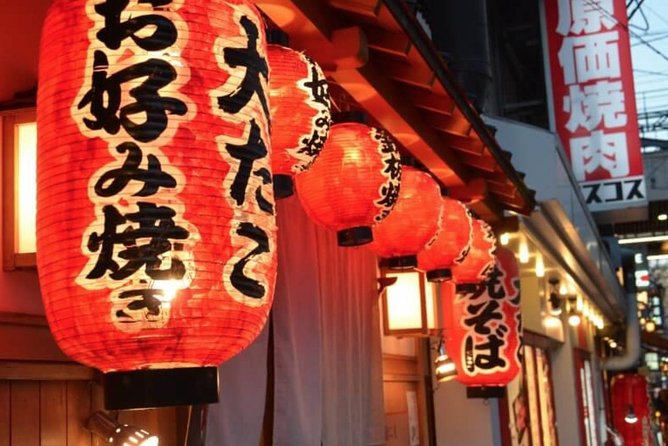
This tour runs about 3 hours, starting at 5:00 pm. That timing is smart. Dotonbori and Minami are at their most energetic right when dinner crowds kick in, so you get that classic Osaka atmosphere without being stuck in daytime heat.
You’ll meet at a specific point in Dotonbori (near the big commercial hub of Osaka street life) and finish in the Sennichimae area. The walk is the main “transportation,” and it’s convenient because the route stays in central neighborhoods where you’ll find public transit nearby.
The group size is capped at 10, which changes the vibe. With bigger food tours, you end up standing in a line more than eating. Here, you can usually keep moving, ask questions, and get quick guidance on what to try—and how to eat it like locals do.
Price-wise, it’s $231 per person. That sounds steep until you look at what’s bundled: 4 food stops, 1 drink, and a traditional Japanese dessert, guided by a local English-speaking foodie who explains what you’re eating and why it matters. Also, you don’t pay extra for entry tickets for the key sightseeing moments included in the route (like the first stop). When the tour is busy, planning ahead also helps—this one is commonly booked around a month in advance.
You can also read our reviews of more food & drink experiences in Osaka


Starting at the Dotonbori Glico Sign: More Than a Photo Stop
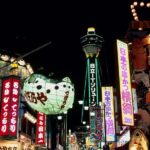
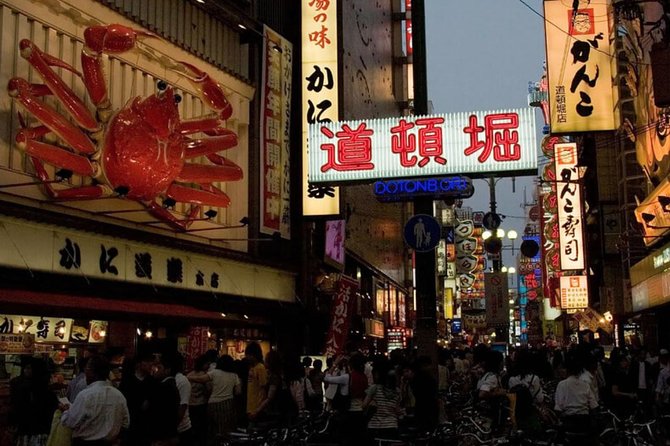
You begin at the Dotombori Glico Sign, right in the bright, loud Dotonbori zone. This is a great opener because it sets the stage fast: Osaka street food is tied to media, brands, and pop culture as much as it is to old-school tradition.
What I like here is the quick story element. You’ll learn about Glico man—based on a Filipino sprinter named Fortunato Catalon—who inspired both a nation and a company. That might sound like random trivia, but it’s the kind that makes neon Osaka make sense. It also gives you something to remember besides the photo.
This first stop is short (about 5 minutes) and there’s no admission ticket involved. It’s essentially your briefing, so you understand what you’re going to see next: the route will take you past the showy parts of Dotonbori and then intentionally steer you toward better eating.
Dotonbori District: How You Avoid the Lines
After the sign, the route moves through the Dotombori District. This is where most people wander for themselves—following lights, crowds, and the loudest restaurant signage. The risk is that Osaka’s most famous street-food corners also attract the most tourist-heavy queues.
The tour approach is practical: you’ll learn how Dotonbori can lead you astray into overly commercial restaurants with long lines, and you’ll be taken to places with better odds of a satisfying meal experience. In plain terms, this means less time waiting and more time eating and asking questions.
It’s a 15-minute segment, but it plays a key role: it’s not just a stroll. It’s also a setup for how to interpret what you see—what’s worth ordering, what’s likely packed because it’s popular with visitors, and how to choose stalls and counter spots that fit the local rhythm.
If you’re sensitive to crowds, this part still puts you in the center of them. The benefit is that you get the guide’s judgment on where to spend your appetite once you’re within reach.
Minami (Namba) and Street Food Energy
Next comes Minami (Namba), another core Osaka district known for food-first street life. The tour keeps this portion focused on eating, with about 15 minutes allotted for this stop.
This is where Osaka’s street-food identity really clicks. You’ll typically start to notice the patterns locals rely on: compact menu boards, quick service at counters, and dish names that are easier to recognize once you’ve heard the guide explain them.
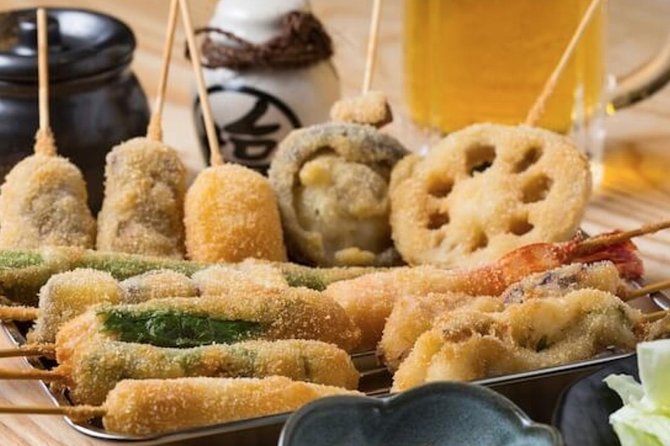
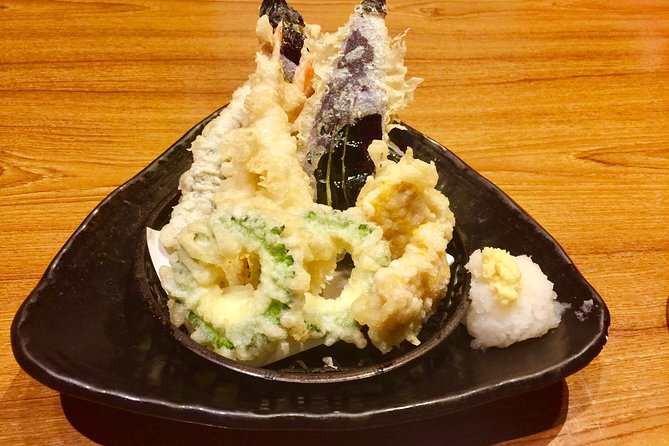
From the tour’s highlights, you should expect taste testing tied to Osaka icons—especially takoyaki and kushikatsu styles. Even if the exact offerings shift based on season and restaurant schedules (and they can), the guide’s job is to keep the sampling experience aligned with the Osaka “greatest hits.”
One more thing: there’s a minimum drinking age of 21. The tour includes 1 drink, so if you’re under that age, you’ll want to confirm how the included drink is handled for your situation before you go. It’s also why this tour works best as a dinner plan for adults, even though it’s described as family-friendly.
Hozenji Yokocho: The Alleyway Side of Osaka

From the big neon lanes, the route turns into smaller streets—specifically toward Hozenji Yokocho. This alley area is famous for its old-school feel: narrow lanes, cozy restaurant lighting, and an atmosphere that feels less like a shopping arcade and more like a local after-work hangout.
This is one of the parts that’s hardest to recreate on your own. You can find the alley if you walk around enough, but it’s easy to miss the mood entirely. A guide helps you arrive at the right moment and understand what to look for once you’re there.
The tour’s highlight mentions discovering a secret shrine away from the crowds, and the route through alley-style streets is the kind of setup that makes that possible. Exact timing can shift with schedules and weather, but the goal is consistent: trade straight-line sightseeing for a more story-driven, less packed Osaka lane.
If you like photos, this stop delivers. If you prefer eating, it delivers that too—because you’re not just looking at a street; you’re being timed into a meal moment.
A few more Osaka tours and experiences worth a look

Sennichimae Doguyasuji Shotengai: Eats Next to Everyday Life
Next up: Sennichimae Doguyasuji Shotengai. This is a shopping arcade setting where food exists right alongside everyday errands and local commerce. The value here is contrast. You’ve had neon and alleyway atmosphere; now you get something more grounded.
Arcades like this help you understand Osaka beyond its postcard image. You’ll likely see cookware, gadgets, and lots of small retail storefronts that remind you this city isn’t built only for tourists.
It’s also a smart place for food tastings because you’ll get a variety of flavors and styles without feeling like you’re stuck in one type of restaurant. The tour structure—4 food stops total—means this arcade section is tied to specific choices rather than random sampling.
A drawback to note: this isn’t described as gluten-free friendly, and street-food environments often involve shared kitchens and shared tools. If gluten is a serious concern, you may need to skip this tour or confirm details with the provider ahead of time.
Kuromon Market: Where the Tasting Makes Sense
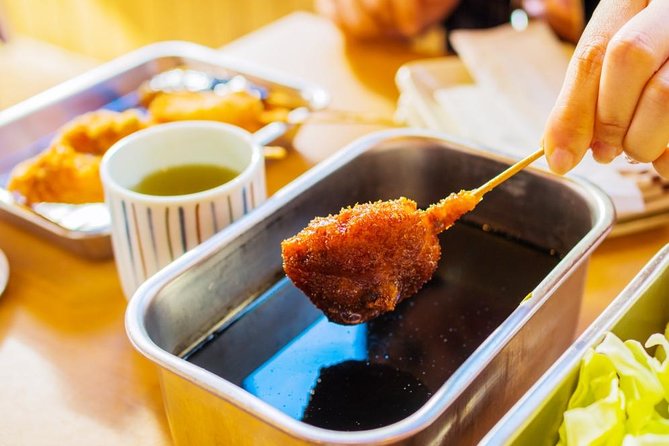
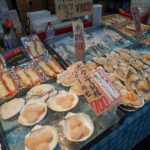
The route then brings you to Kuromon Market, one of Osaka’s most well-known food hubs. Markets can go two ways: they either feel like you’re just walking past food displays, or you actually get to eat the good stuff with context.
Here, the tour connects the market energy to the “why” behind what you’re sampling. The included food stops are designed so you don’t just browse—you taste. That’s a big difference from strolling through on your own, where you might buy snacks you recognize but miss items that are local specialties.
What I like about bringing Kuromon into a 3-hour tour is efficiency. In a short time window, you get the sensory overload of a famous market and the practical help of a guide to keep your orders aligned with Osaka classics.
You’ll also have a better sense of how the food fits the city’s culture. Osaka street food is quick, portion-smart, and often built around social eating—so hearing local context makes it more than just “try these things.”
Misono Building Area: The Osaka Photo-Feeling Finish
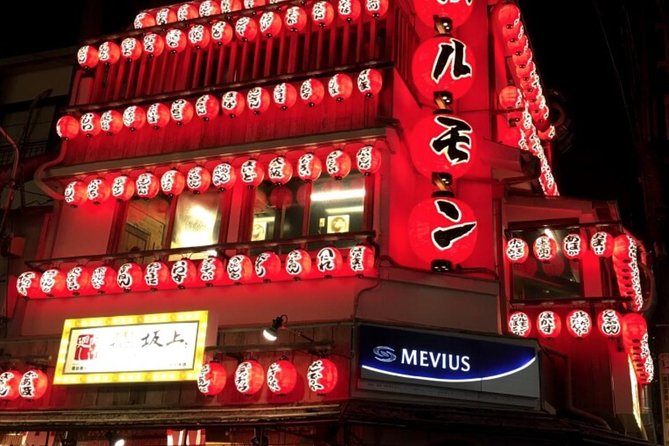
The final stretch includes a stop around Misono Building before the tour ends near Sennichimae. This is where the experience often shifts from tasting into remembering: a last moment of Osaka identity, a chance for final pictures, and then a natural exit into an area with more dining and browsing options.
Why this ending works: you’re not dumped back at the exact same spot you started. Ending around Sennichimae gives you flexibility for afterward dinner, dessert, or a bit of shopping without backtracking across the loudest sections.
Also, the tour’s timing means you’ll still have energy after. Around 8:00 pm-ish (depending on pacing), central Osaka is still active, but you’re not stuck in a late-night food slog. You’ve already done the tastings that make the tour worth it.
What’s Included (and How to Budget Smart)
Included:
- 4 local food stops
- 1 drink
- Traditional Japanese dessert
- Local English-speaking guide
- Mobile ticket
Not included:
- Additional food and drinks (you can purchase them)
- Transportation cost
- Hotel pickup (can be arranged for an extra charge)
This is where the $231 price starts making sense. You’re paying for a guided sampling plan across multiple recognizable Osaka food areas, plus the included drink and dessert. It’s not just access—it’s the route design and the meal timing.
Still, plan to spend extra if you love street food. The tour provides enough to feel satisfied, but Osaka food culture encourages you to keep going once you’ve tasted your way through a few specialties.
If you’re vegetarian or pescetarian, the tour is described as friendly. That’s a huge deal for food tours, where options can be limited. In examples shared by other participants, the guide was able to find vegetarian options at each stop, which suggests the tour doesn’t treat dietary needs as an afterthought.
Gluten-free is different: it’s explicitly not recommended. If you’re gluten-free due to celiac or severe intolerance, don’t gamble. Either choose a different tour style or ask direct questions to confirm how they handle cross-contact and ingredient restrictions.
Weather, Changes, and What Happens If Plans Shift
The tour requires good weather. If it’s canceled due to poor weather, you’ll be offered a different date or a full refund.
Also, like many walking food tours, the exact spots can change because of restaurant schedules, public holidays, and weather conditions. Substitutions will happen, but the overall goal stays the same: you’ll still get your Osaka street-food sampling in the target neighborhoods.
A practical tip: wear comfortable shoes. This is a walking route through multiple districts and arcades, and the “comfort level” affects how much you enjoy the food.
Who This Tour Fits Best
This tour is a strong fit if:
- You want Osaka street food without guessing where to go
- You like eating different styles in a short window
- You prefer a small group and an English-speaking guide who can explain the dishes
- You’re traveling solo (single travelers are accepted)
It may be a less perfect fit if:
- You need gluten-free options
- You hate crowds even when walking through central areas like Dotonbori and Minami
- You want hotel pickup included in the price (it’s not included, though it can be arranged)
It’s family-friendly, but the included drink means adult participation matters most. If you’re bringing kids, they must be accompanied by an adult, and passport info is required for kids age 10 and above (a copy, specifically).
Price and Logistics: Is $231 Worth It?
For $231, you’re paying for four main things:
1) Food structure (4 stops)
2) Included extras (1 drink + dessert)
3) A guide who handles ordering and context
4) Route efficiency through high-traffic areas and back-street settings
If you’ve ever tried to do Osaka street food solo, you’ll know the hidden costs: missed places, wrong timing, confusion over what’s popular, and the time sink of reading everything while you’re hungry. This tour replaces that guesswork with a plan.
Could you eat well in Osaka for less? Yes. But the question is whether you want your time to be “shopping for food” or “enjoying the city while someone else handles the best path.” This tour is priced for people who value both.
Given the high rating (4.8 from 309 reviews) and the 96% recommendation rate, it suggests most people feel the included tastings and guide value match the cost. The max of 10 travelers also signals they’re trying to keep the experience personal.
Should You Book This Osaka Food Tour?
Book it if you want Osaka street food with guardrails. You’ll get a guided path through Dotonbori and Minami, then into alley and market areas where locals actually eat and shop. The mix of street neon + back-alley mood + market energy is the kind of combination that’s hard to stitch together well on your own.
Skip or reconsider if you’re gluten-free, or if you’re expecting a quiet, low-crowd walking experience. Central Osaka gets busy—this route does too, even though it tries to reduce the worst tourist queues.
My practical take: if you’re doing Osaka for a short stay and want the “food city” identity in 3 hours, this tour is a solid play. You’ll leave with full taste memories, better instincts for what to try next, and a route you could never quite recreate by accident.
FAQ
How long is the Absolute Osaka Food Tour?
It’s about 3 hours.
Where does the tour start and end?
It starts in the Dotonbori area at 1-chōme819 浪速道頓堀ビル (542-0071, Osaka) and ends in the Sennichimae area (542-0074, Osaka).
What time does it start?
Start time is 5:00 pm.
What is included in the price?
The tour includes 4 food stops, 1 drink, a traditional Japanese dessert, and a local English-speaking guide.
Is it suitable for vegetarians or pescetarians?
Yes, it’s described as vegetarian and pescetarian friendly, and food changes may occur depending on season and availability.
Is it gluten-free friendly?
It is not recommended for gluten-free.
What’s the cancellation policy and what if the weather is bad?
You can cancel for a full refund up to 24 hours before the experience starts. If the tour is canceled due to poor weather, you’ll be offered a different date or a full refund.