REVIEW · OSAKA
Eat Osaka: Street Food Cooking in an Authentic Kitchen!
Book on Viator →Operated by Eat Osaka · Bookable on Viator
Cooking Osaka street food beats any food tour because you make the dishes yourself in a real kitchen setting. This Eat Osaka class takes place in a purpose-built studio inside an old Japanese house, with a local bilingual chef guiding you step by step. You’ll also eat what you cook, matched with welcome drinks and later beer, sake, or green tea.
I especially love two things about this experience: first, the chance to make iconic Osaka-style okonomiyaki completely from scratch, not just assemble toppings. Second, you get hands-on practice with professional tools and ingredients, including learning how to shape hand-made udon noodles instead of buying them ready-made.
One possible drawback: it’s an active cooking class (not a sit-and-watch show), so if you don’t want kitchen work or you’re short on time, the 2.5-hour schedule may feel fast.
In This Review
- Quick takeaways before you book
- Inside the old-house kitchen in Higashinari
- What you’ll cook: Osaka classics, not tourist shortcuts
- Okonomiyaki pancake from scratch
- Hand-made udon noodles
- Tempura with an Osaka street-food twist
- Yakitori skewers and signature sauce
- Pickled cucumber
- Sweet mochi dessert
- How the 2.5 hours typically feel: a clear flow
- Welcome drink and fast orientation
- Cooking stations: build, fry, shape, sauce
- Sitting down with your meal and included drinks
- Why this class feels more personal than most
- Maximum 8 travelers means real coaching
- The chef’s teaching style matters
- Vegetarian needs: ask ahead
- Price and value: what $79.28 really buys you
- Where you meet: Higashinari and getting in on time
- Who should book this Eat Osaka class
- FAQ
- FAQ
- What dishes will I learn to make?
- How long is the cooking class?
- Is this class small group size?
- What’s included in the price?
- Where is the meeting point?
- Can I cancel for free?
- Should you book Eat Osaka street food cooking?
Quick takeaways before you book
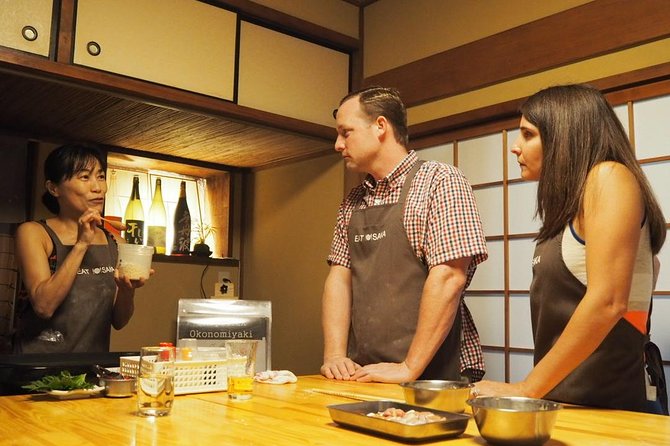
- Old Japanese house kitchen: You cook in a real townhouse-style setting, not a generic demo room.
- Hands-on menu: You work through a full Osaka street-food lineup, including okonomiyaki, udon, tempura, yakitori, and dessert.
- Small group, max 8: More time for questions and direct help when your batter, noodles, or sauce needs fixing.
- Drinks included: Welcome drinks plus beer, sake, or green tea at the table after cooking.
- Structured instruction + included ingredients: You don’t have to hunt for supplies or translate recipes on your own.
- Real teaching energy: Multiple hosts like Miki, Nathalie/Natalie, and Niki are praised for calm pacing and clear reasoning.
Inside the old-house kitchen in Higashinari
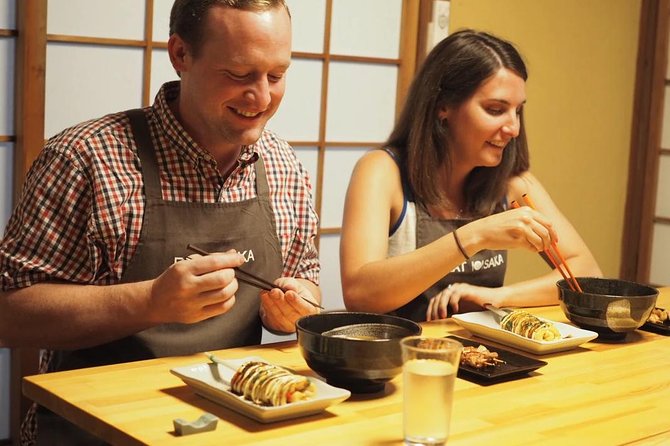
Osaka street food has a reputation for being quick, loud, and snack-sized. This class keeps that spirit but turns it into something you can actually repeat at home, because you’ll learn technique, timing, and seasoning in a kitchen built for cooking.
The setting matters more than people think. When you’re working inside an old Japanese house-style space, the class has a grounded, everyday feel. You’re not chasing vibes through photos; you’re learning what makes Osaka food taste like Osaka food.
The group size is also a quiet superpower. With a maximum of 8 travelers, the chef can spot problems early, whether that’s dough that needs more kneading or a sauce that needs adjusting. You’ll feel the difference compared with bigger classes where you wait your turn and hope for help.
You can also read our reviews of more food & drink experiences in Osaka



What you’ll cook: Osaka classics, not tourist shortcuts
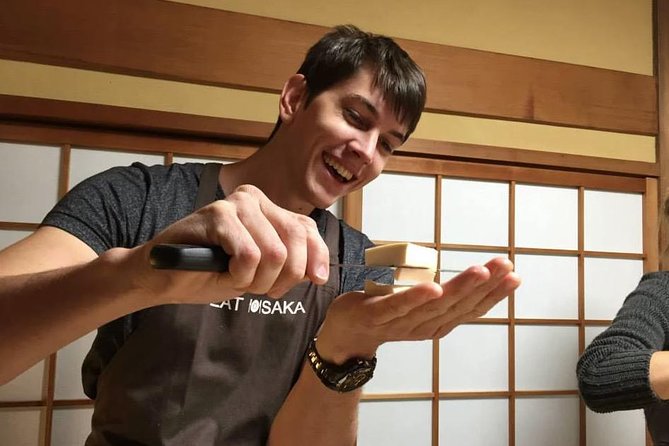
This is one of those menus that feels like Osaka in list form: savory pancakes, noodles, skewers, fried vegetables, and a sweet finish. You won’t just taste a few bites; you’ll build a full meal from multiple street-food styles.
Okonomiyaki pancake from scratch
Okonomiyaki is the headline dish here, and the class focuses on making it from the ground up. That means you’re not just placing ingredients into a pre-made base. You’ll learn the process that gives the pancake its Osaka character, from batter handling to how you assemble and cook it so it comes out right.
The practical benefit: once you’ve made it once, you understand why certain textures work. You also learn what to look for while it cooks, instead of relying on a recipe that may not match your stove at home.
Hand-made udon noodles
Udon sounds simple until you try to shape it. Here, you’ll learn the secrets of hand-made noodles, including the steps that affect thickness, chew, and overall texture.
This part is valuable even if you’re not a lifelong noodle person. You’ll walk away with a feel for dough consistency and handling—stuff that usually gets skipped in casual cooking demos.
Tempura with an Osaka street-food twist
You’ll also make tempura, including vegetable tempura. The point isn’t just eating something crisp; it’s understanding how the batter and frying approach change the final bite.
If you’ve ever made tempura at home and wondered why it turns soggy, this is the lesson you’re looking for. The class gives you a controlled way to practice and adjust.
A few more Osaka tours and experiences worth a look
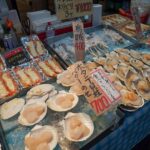


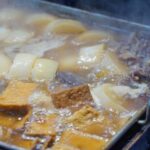
Yakitori skewers and signature sauce
Yakitori is another street-food favorite, and you’ll prepare skewers with the class’s signature sauce. This is where you learn balance: not just sweetness or salt, but how the sauce clings and develops flavor during cooking.
If you’re the type who likes to recreate meals later, sauce technique is the real takeaway. You can buy chicken anywhere; you can’t always copy the sauce timing without a teacher.
Pickled cucumber
Pickled cucumber is part of the set. It may seem like a side dish, but it plays an important role: it cuts through fried and savory flavors and keeps the meal from feeling heavy.
This is a smart inclusion for home cooks, too. Once you understand how the pickle refreshes the palate, you’ll stop skipping it when you make your own spread.
Sweet mochi dessert
Finally, you’ll finish with a sweet mochi dessert. Dessert is usually where classes either rush or go vague. Here, it’s part of a complete Osaka street-food meal, so you get the satisfying ending that matches the rest of the cooking.
How the 2.5 hours typically feel: a clear flow
The duration is about 2 hours 30 minutes, which is long enough to build real dishes but short enough that you don’t drift into a slow cooking day. The structure is designed so you keep moving, yet you still get instruction when things change.
Welcome drink and fast orientation
You start with a welcome drink. That’s not just hospitality; it also helps you settle into the rhythm of the kitchen. You’ll get direction on how the class will run and what to focus on as you cook.
This is where the teaching style shows. Multiple hosts (names like Miki, Niki, and Natalie show up) are praised for explaining not only what to do, but why. That matters because it helps you troubleshoot without panicking.
Cooking stations: build, fry, shape, sauce
As the class progresses, you work through the main menu. You’ll mix batter and assemble okonomiyaki, work with dough for udon, prep tempura, and handle skewers for yakitori.
The practical trick you’ll learn in a hands-on class is timing. Street food is all about hitting the sweet spot between underdone and overdone. Here, you’re practicing that balance in a guided way.
A quick caution: frying and noodle handling are tactile tasks. If you’re squeamish about mess, you’ll want to come ready for some kitchen contact. The payoff is that you’ll understand the texture outcomes instead of guessing.
Sitting down with your meal and included drinks
After cooking, you sit down and enjoy what you made. You’ll match it with beer, sake, or green tea, so the meal feels complete rather than “taste test and goodbye.”
This part is also useful for learning. When you’re eating together, you notice the differences between dishes: how the pickle lifts the flavors, how the sauce behaves, and how the udon texture changes your whole bite.
Why this class feels more personal than most
A cooking class can be three things: a performance, a checklist, or a real skill-building session. This one leans hard toward skill-building because of two ingredients: small group size and guided attention.
Maximum 8 travelers means real coaching
With up to 8 people, you’re more likely to get help right when you need it. That can mean adjusting thickness, fixing a sauce balance, or getting a better grip on noodle shaping.
That’s the difference between leaving with pictures and leaving with confidence. You don’t have to be “good at cooking” beforehand. You just need to pay attention.
The chef’s teaching style matters
In past sessions, hosts like Miki and Natalie/Nathalie are described as friendly, patient, and focused on clear explanation. The common thread is that they create space for questions, which is huge in a language-learning setting.
If you’re worried about Japanese terminology, don’t. A bilingual chef can bridge gaps fast, and the instructions come with direct action you can copy immediately.
Vegetarian needs: ask ahead
One review mentions vegetarian accommodation. That doesn’t mean every dish can always be adjusted, but it does suggest the hosts may be willing to work with dietary needs when possible. If you have restrictions, I’d message in advance and be specific.
Price and value: what $79.28 really buys you
At $79.28 per person, you’re paying for more than a cooking demo. The class includes the ingredients and instruction, plus welcome drinks and later beer, sake, or green tea.
That pushes the value beyond “paying for recipes.” You’re paying for:
- a small group setting (better coaching),
- professional tools and ingredients (so you can practice properly),
- and an actual meal with drinks (so you’re not spending extra dinner money).
Also, 2.5 hours is a realistic chunk of time. You’ll leave with multiple dishes you can talk about and recreate, which beats a short snack-only stop.
Where you meet: Higashinari and getting in on time
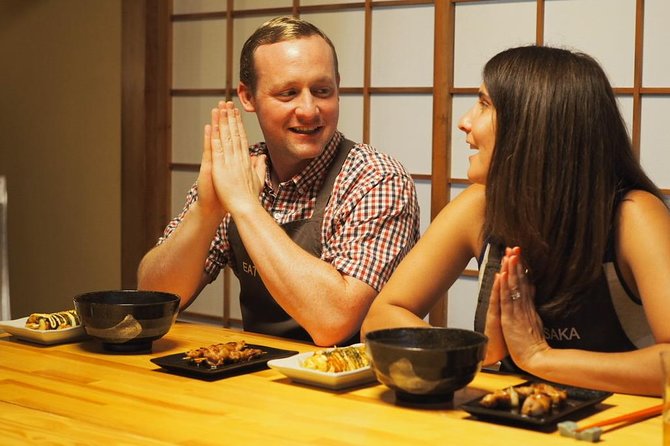
You meet at Eat Osaka in Higashinari (1-2-10 東中本, 東成区, 大阪市, 大阪府 537-0021). The location is near public transportation, which is what you want in Osaka. It’s also described as a short walk from the station, so you’re unlikely to lose your whole evening hunting for it.
Practical tip: arrive a few minutes early. Kitchens run on timing, and starting with a welcome drink usually means the team wants to begin on schedule.
Who should book this Eat Osaka class
This is a great fit if you want a hands-on Osaka experience that goes past sightseeing. It’s especially good for couples, small groups, and families who enjoy learning by doing.
You’ll likely enjoy it most if:
- you like street food flavors but also want technique,
- you want to eat a full meal you made yourself,
- you value a small group class where questions are welcome.
If you’re not into cooking, or you want a totally relaxed evening with no active prep, then it may feel like work. But if you’re open to rolling up your sleeves, the payoff is real.
FAQ
FAQ
What dishes will I learn to make?
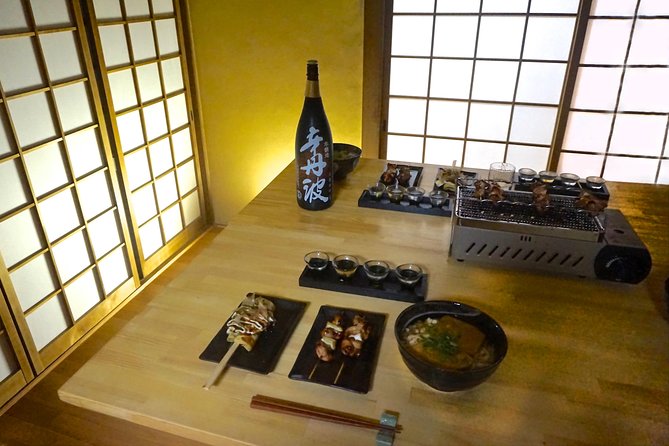
The class includes Osaka-style okonomiyaki made from scratch, hand-made udon noodles, yakitori skewers with signature sauce, vegetable tempura, pickled cucumber, and a sweet mochi dessert.
How long is the cooking class?
It runs for about 2 hours 30 minutes.
Is this class small group size?
Yes. It has a maximum of 8 travelers.
What’s included in the price?
Ingredients and instruction are included. Welcome drinks are included too, and after cooking you’ll enjoy your creations with beer, sake, or green tea.
Where is the meeting point?
You meet at Eat Osaka in Higashinari, Osaka, Japan, at 1丁目-2-10 東中本 東成区 大阪市 大阪府 537-0021. The activity ends back at the meeting point.
Can I cancel for free?
Yes. You can cancel for a full refund up to 24 hours in advance of the start time.
Should you book Eat Osaka street food cooking?
If you’re the type who likes to learn flavors by making them, I’d book it. The value is strong because you get a full Osaka street-food meal plus drinks, and you’re cooking in a small group with guided instruction inside an old Japanese house-style kitchen.
I’d say yes especially if okonomiyaki and udon are on your Osaka checklist. This class turns them from something you order into something you understand.
If you want something quieter or purely observational, look elsewhere. But if you’re ready to cook for real, this is one of the most efficient ways to experience Osaka cuisine with confidence.