REVIEW · OSAKA
Kuromon Market Food Walking Tour in Osaka (6 stops, 6 tastes)
Book on Viator →Operated by MagicalTrip Inc. · Bookable on Viator
Kuromon Market can feel like sensory overload, in a good way, and this tour turns that chaos into easy ordering and good pacing. I like that you’re not just eating, you’re also learning why Osaka snacks look and taste the way they do, with a local guide who helps you navigate the scene without stress.
My other favorite part is the mix of food plus real shopping street time on Doguyasuji, where you can browse kitchenware and cooking tools like a local. The main drawback to consider is that this is built around tastings, not a full sit-down meal, so if you have a big appetite, plan to buy a little extra on your own.
In This Review
- Key things that make this tour work
- Why Kuromon Market Beats the Dotonbori Snack Rush
- Getting to the start: Nipponbashi meeting point and quick prep
- Kuromon Market: how the tastings actually feel while walking
- Doguyasuji Street: kitchenware shopping with real Osaka energy
- Namba’s comedy stop and the walk toward Dotonbori lights
- Guides who help you eat: ordering help, pacing, and culture
- Value for $50.41: what you’re really paying for
- Dietary needs: what’s supported and what to double-check
- Weather, timing, and what to wear
- Should you book this Kuromon Market Food Walking Tour?
- FAQ
- How long is the Kuromon Market Food Walking Tour?
- Where does the tour meet?
- How many tastings are included?
- What is the group size limit?
- What dietary requests can you accommodate?
- Do I need cash during the tour?
Key things that make this tour work
- 6 tastes over about 2 hours, so you try a range without burning your whole day
- Kuromon Market first, which means fresh food in a market built for snack-hopping
- Doguyasuji kitchenware stop, a fun contrast to the neon food streets
- Small group size (max 7), which helps your guide manage the pace and questions
- Help ordering and local know-how, with English support from guides like Nina and Yuto
- You’ll still want cash for extra snacks, because tastings aren’t a guaranteed dinner
Why Kuromon Market Beats the Dotonbori Snack Rush
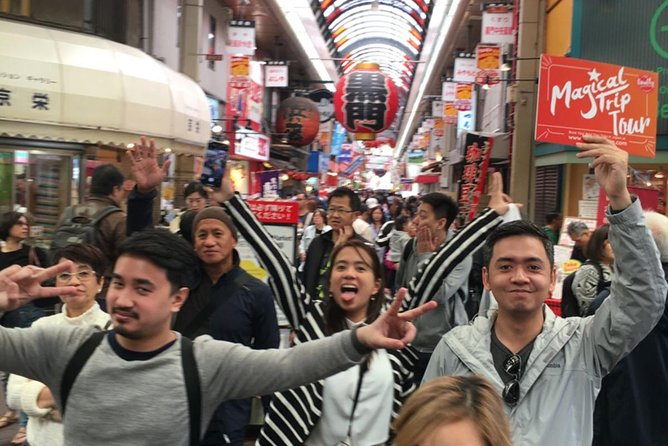
If you’ve ever walked Dotonbori on your own, you know the vibe can push you toward the loud, tourist-friendly choices. Kuromon Market is different. It’s more about short lines, quick buys, and vendors that expect you to snack while you walk.
On this tour, you get the best of both worlds: you start where the food is naturally front-and-center, then you move through Namba and toward the Dotonbori area to see the famous lights and signage. The result is a day that feels like Osaka, not just Osaka food on a checklist.
And yes, you’ll likely hear about Osaka food culture in plain language, not museum-speak. Guides in past groups include Nina, Rie, Niko, Yuto, and Megumi, and multiple people highlighted that their guides explained things in a way that felt genuine and fun.
You can also read our reviews of more walking tours in Osaka
Getting to the start: Nipponbashi meeting point and quick prep
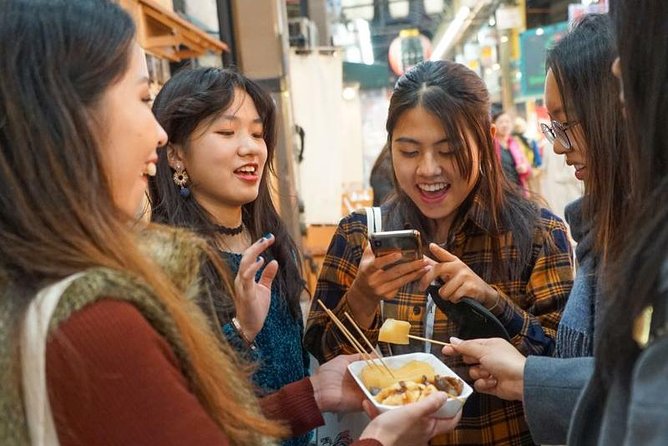
The meeting point is in Nipponbashi: in front of the SMBC ATM near Kintetsu Nipponbashi Station (Exit 10). This matters because that exit puts you in the right pocket for the market area, so you’re not spending the first part of your tour cutting across town.
You’ll start on time. If you show up late and miss the group, you can’t join afterward. So I’d treat the start like a train: arrive a few minutes early, then relax.
The tour uses a mobile ticket, and the market itself doesn’t require admission. Also, the guide’s food and drinks are covered, so you only need to budget your own money if you want additional snacks or drinks. Bringing some cash helps, since that’s the easiest way to handle extra stops.
Kuromon Market: how the tastings actually feel while walking
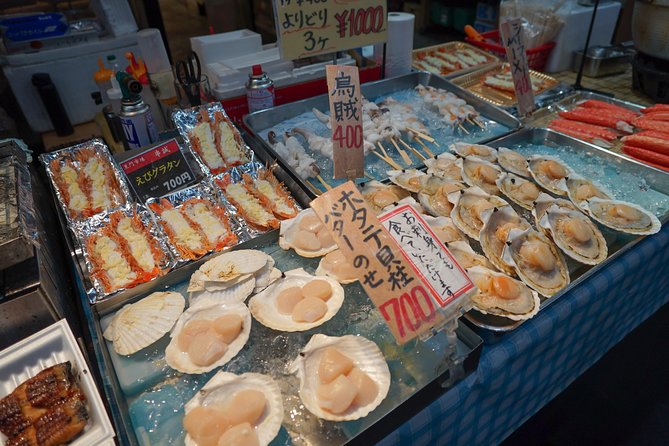
This is the heart of the experience. Kuromon is the kind of place where you can easily get distracted by everything at once, so having a guide to route you through the best moments makes a big difference.
The tour is designed around 6 stops and 6 tastes spread across the walk. Even when you’re not told every detail ahead of time, you can expect the tastings to be the main event, not just a quick peek at food counters. The goal is to help you avoid the trap of staring at menu photos and accidentally ordering the most expensive option.
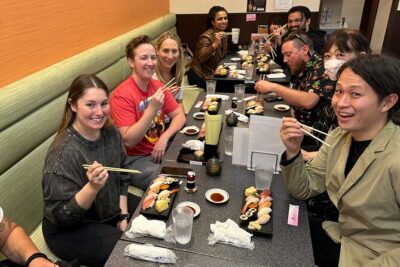
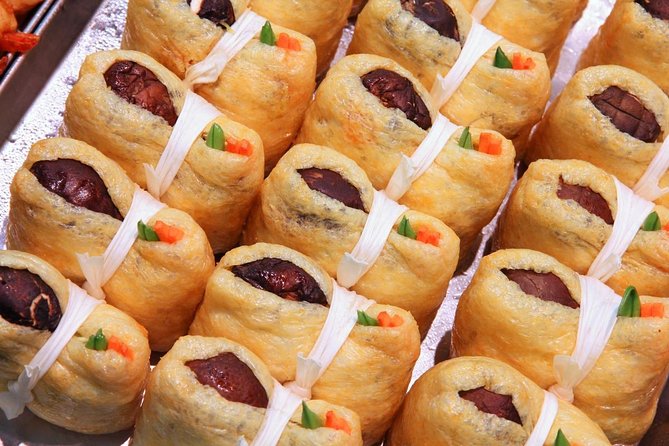
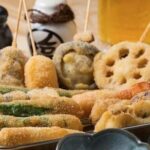
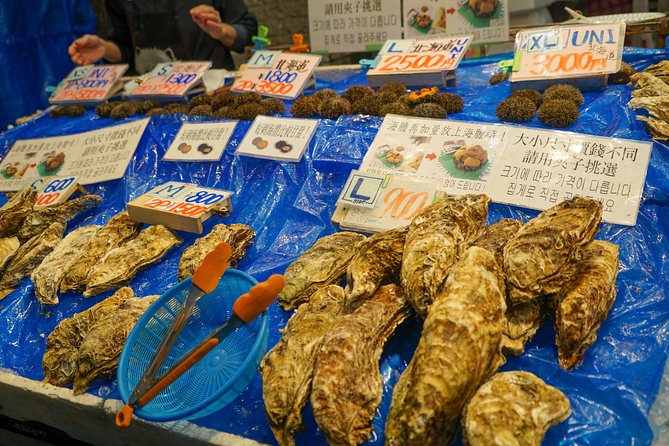
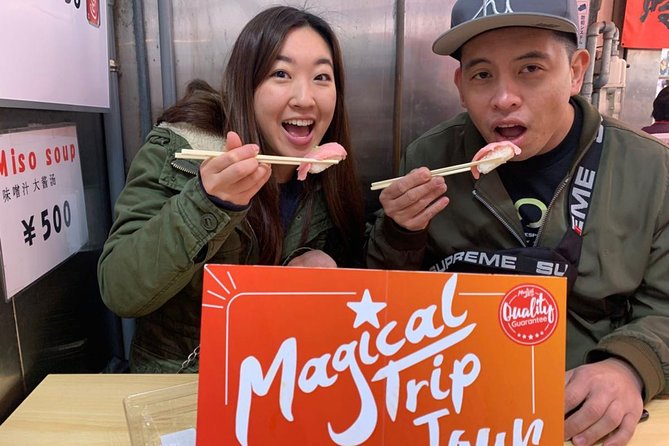
From past guests, I know the tastings can include Osaka classics like takoyaki, and also items such as sushi, yakitori (one guest called out a mushroom skewer as especially good), and dumplings. Others reported gyoza and oden through guide recommendations.
Here’s the practical part: tastings are meant to sample, so don’t plan your day around this replacing a full dinner. One disappointed experience described leaving hungry because the tastings felt too limited for their appetite. I don’t think that will happen if you treat the tour as a smart introduction and then eat more afterward based on what you liked.
Doguyasuji Street: kitchenware shopping with real Osaka energy
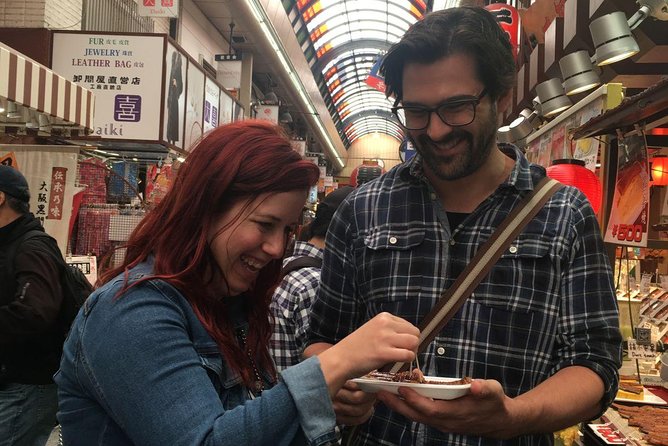
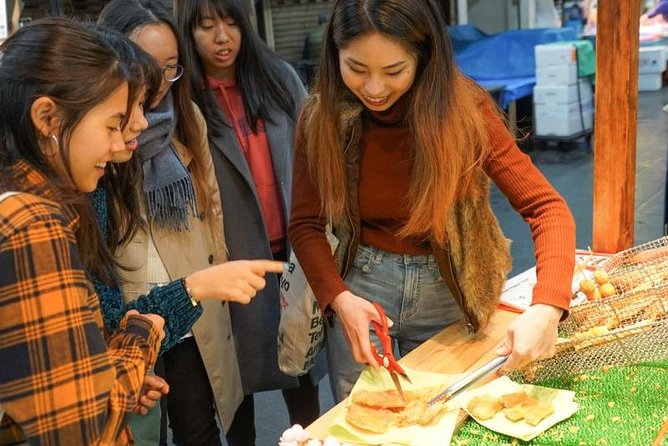
After the market snack time, you also head into Doguyasuji Street, the area known for kitchenware, tableware, and cooking equipment. This is a great angle on Osaka because it shifts the focus from eating to how people cook, serve, and shop.
Why you’ll like it: you get to browse things you may never find back home—specialty knives, pans, serving tools, and everyday kitchen items sold with that serious Japanese practical vibe. Multiple people mentioned that the guide also helped with recommendations to use later in Osaka, and this stop is a natural place for that kind of advice.
The browsing here is low-pressure. You’re not forced to buy souvenirs. You can just walk, look, and learn what locals actually shop for when they’re stocking up.
One small note: the tour doesn’t promise a gluten-free path. If you have strict dietary needs, you should plan carefully before you get to the tastings.
Namba’s comedy stop and the walk toward Dotonbori lights
The tour doesn’t stay stuck in one market bubble. You also pass by Nanba Grand Kagetsu, then move through Namba and on to the Dotonbori area.
This section is about atmosphere and orientation. If it’s your first time in Osaka, Namba and Dotonbori can be overwhelming, especially when you’re trying to spot landmarks and figure out where you are relative to trains. Passing through with a guide helps you connect the dots faster than wandering alone.
In Dotonbori, you’ll see the famous oversized billboards—mentions include the Shochikuza Theater, Kani Douraku, and the Glico sign. Even if you don’t stay long to take photos, seeing these in context helps later when you return for a night walk.
Practical tip: if you want photos, this is one of the moments when having your guide around can help. Several solo travelers specifically mentioned that guides helped take pictures, and that makes a difference when the streets are crowded.
You can also read our reviews of more food & drink experiences in Osaka


Guides who help you eat: ordering help, pacing, and culture
What makes this tour feel worth it isn’t only the food. It’s the way the guide manages the group so you don’t feel rushed or lost.
People consistently praised guides for being friendly, organized, and able to answer questions. Named examples include Nina, who got special mention for being funny, kind, and great with kids’ questions; and Yuto, who was described as knowledgeable and helpful even with dietary restrictions. Others called out guides like Aya, Rie, Niko, and Taku for their energy and their ability to adjust based on preferences.
You also get practical ordering support. In Osaka, menus and ticket systems can be intimidating. On this kind of walk, your guide becomes a translator in real time, which reduces the chance you’ll order something you didn’t actually want.
There’s also a cultural angle. One guest mentioned guidance around a shrine etiquette moment, where the guide helped them participate correctly. You won’t feel like you’re just consuming snacks; you’ll understand the social rhythm around food and local customs as you move.
And yes, small details matter. One person noted their guide brought hand wipes after messier foods. That kind of realism is exactly what makes market tours work.
Value for $50.41: what you’re really paying for
Let’s talk value without fluff. At $50.41 per person for about 2 hours, you’re paying for three things: a local guide, route planning through busy food streets, and the cost of multiple tastings.
The tastings are the obvious part, but the guide time is the real savings. Without a guide, you’ll spend time guessing: which stalls are best, which items are worth it, and what you can actually order quickly. Even if you can navigate on your own, you’re still paying with time and decision fatigue.
Also, this tour caps at a maximum of 7 travelers. That helps with pacing and makes it easier for the guide to check in with you. A reviewer who had only five people in the group said the smaller size made it feel better and not scripted, which matches how these tours should feel.
So if your goal is to get oriented, try several Osaka staples, and leave with names and recommendations for your next meals, the price can feel very fair. If your goal is to fully stuff yourself like an all-you-can-eat buffet, you might find the tastings don’t go far enough.
Dietary needs: what’s supported and what to double-check
Food tours should meet your needs. This one can help, but you need to plan.
The tour notes that it is unable to accommodate gluten-free requests. In the same additional information block, it also says the tour can accommodate vegetarian and vegan, and mentions gluten-free options too, with limitations. That contradiction is why you shouldn’t assume. The safe move is to confirm your specific needs before booking and still message at least one day ahead, since the tour asks for dietary requests and allergies to be shared early.
It’s also important to know the tour doesn’t guarantee allergy-free meals because food is prepared in kitchens not operated by the tour. In other words, the guide can try to steer you toward better fits, but you still have to treat this as a cultural tasting experience, not a medical program.
The good news: guides have shown willingness to adapt. One guest said the guide modified plans based on dietary restrictions and preferences, and another noted accommodation even with restrictions. So bring flexibility, communicate clearly, and have a backup plan for eating later if needed.
Weather, timing, and what to wear
Osaka weather can get intense. The tour notes summers up to 40°C (110°F) and winter lows down to -5°C (20°F). So dress for walking and for temperature swings, and bring what you need to stay comfortable.
Because the tour starts on time, you also want to avoid being underprepared. Hot weather can turn a short two-hour walk into a slog if you don’t have water and shade-friendly gear.
For rain, one guest described enjoying the walk even during heavy rain, with their guide working around the conditions. Still, I’d treat it like any market outing: wear shoes you can slip-walk in, and carry a light layer for sudden changes.
Should you book this Kuromon Market Food Walking Tour?
I’d book it if you want a smart first taste of Osaka. This tour is best for people who like structure without feeling trapped, and who want to sample multiple foods while also learning enough culture to order better on your own afterward.
You should also book if you care about the full Osaka picture. The combo of Kuromon, Doguyasuji kitchenware browsing, and the move through Namba and Dotonbori gives you variety in a short time, so you don’t spend all day in one tiny zone.
I’d hesitate if you have strict dietary needs, especially anything involving gluten, unless you confirm details ahead of time. And if you’re a very big eater, treat the 6 tastings as a kickoff. I’d plan to eat a real meal right after, based on what you liked best during the walk.
If that sounds like your style, this is a high-odds, good-value way to get oriented fast and leave with more than just photos—you’ll have a sense of what to look for when you come back the next day.
FAQ
How long is the Kuromon Market Food Walking Tour?
The tour lasts about 2 hours.
Where does the tour meet?
Meet in front of the SMBC ATM at Nipponbashi 1-chome near Kintetsu Nipponbashi Station (Exit 10).
How many tastings are included?
The tour includes 6 stops and 6 tastes.
What is the group size limit?
This tour has a maximum of 7 travelers.
What dietary requests can you accommodate?
The tour says gluten-free requests cannot be accommodated, and it also states it can accommodate vegetarian and vegan needs if you notify them at least one day before. It also notes that options may be limited and allergy-free meals are not guaranteed.
Do I need cash during the tour?
You do not need to pay for the guide’s food, but bringing cash is recommended if you want to buy additional snacks or drinks.