REVIEW · OSAKA
Osaka: Guided Food Tour of Shinsekai with 15 Dishes
Book on GetYourGuide →Operated by Hungry Osaka · Bookable on GetYourGuide
Food tastes better when someone else leads. This Osaka evening tour walks you through Shinsekai and Tsutenkaku while you work your way across classic street foods and comfort bowls. You also get built-in storytelling from a bilingual guide, so the neighborhood makes sense beyond the photos.
What I love most is the sheer variety packed into 15 dishes, plus the fact that you’re not just eating one style of food. One meal might mean crispy skewers, the next might be a slow-simmered miso and sweet-sake beef tendon bowl, and then you finish with oden and Osaka-style udon at the end of the walk.
The one thing to consider: you’ll likely eat a lot of fried and grilled foods in a short window, so come hungry and plan your pacing if you’re sensitive to heavy textures or strong flavors.
In This Review
- Key highlights at a glance
- Why Shinsekai and Tsutenkaku work so well for food
- Ebisucho Station to Tsutenkaku: the warm-up before you eat
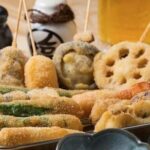
- Kushikatsu plus doteyaki and garlic cloves: the Osaka classics starter set
- Karaage and takoyaki: crunchy, gooey, and pick-your-topping fun
- Yakitori and marinated sides: charcoal grill rhythm
- The standing bar finale: oden and Osaka-style udon
- What the included drinks add (and how to pace them)
- Small group format: why up to 8 people feels better
- Price and value: is $91 a good deal?
- Who this tour suits best
- Should you book Hungry Osaka’s Shinsekai food tour?
- FAQ
- How long is the Osaka Shinsekai guided food tour?
- What does the tour cost?
- Where do I meet the guide?
- Where does the tour end?
- How many dishes and drinks are included?
- What types of food are included?
- Is the tour in English?
- How many people are in the group?
- Is the tour wheelchair accessible?
- Can you accommodate dietary requirements?
- What happens if a restaurant is closed or fully booked?
- Is there free cancellation and a pay-later option?
Key highlights at a glance
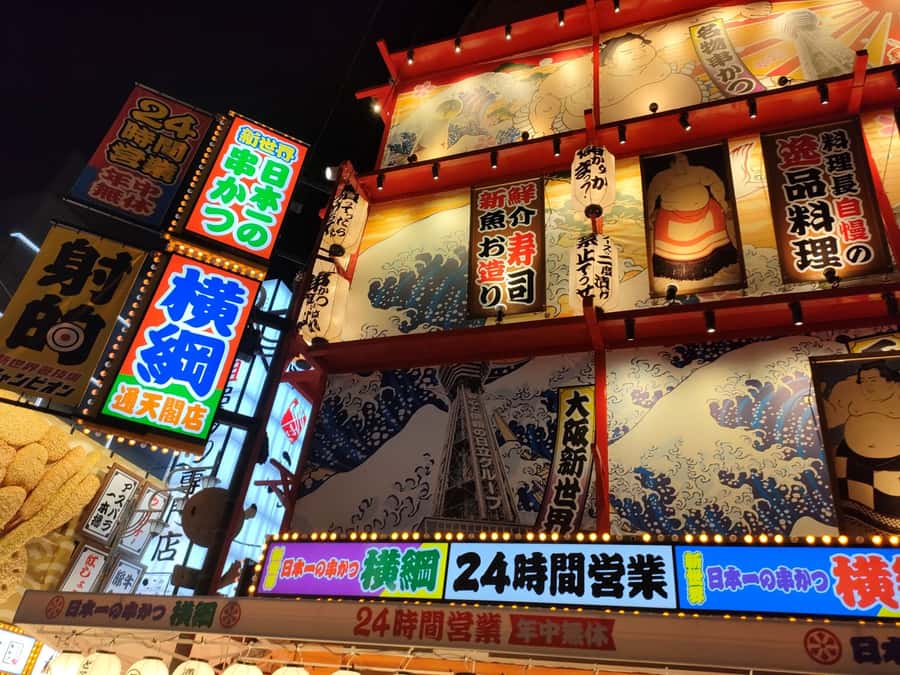
- Shinsekai plus Tsutenkaku start: you get oriented right away before the food starts
- 15 dishes with 2 drinks: included variety, so you’re not constantly paying extra
- Osaka staples on the menu: kushikatsu, takoyaki, karaage, doteyaki, yakitori, oden, udon
- Small group size (up to 8): easier questions, faster ordering, and a more social night
- Stops include different formats: izakaya, a street stall, and a standing bar
- Guides bring the local rhythm: people like Tim, Anna, Andy, and Scott have been called out for energy and rapport
Why Shinsekai and Tsutenkaku work so well for food
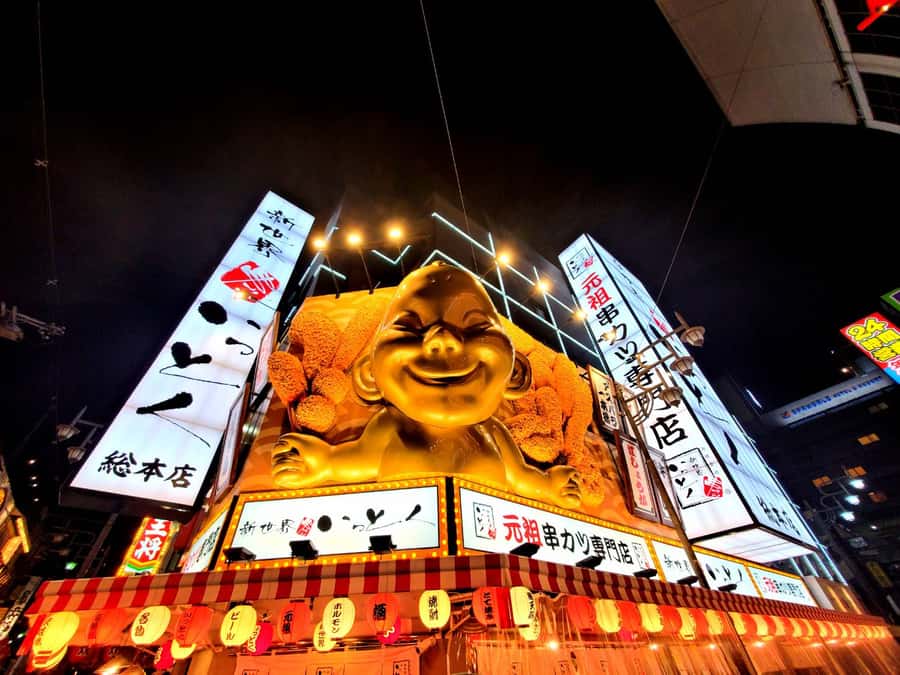
Shinsekai is one of those Osaka neighborhoods where food and street life are inseparable. You’re not waiting for a restaurant reservation and a menu translation. Instead, you’re walking through the part of the city that still feels like it runs on local habits: quick bites, shared skewers, and the warm smell of hot pans and charcoal grills.
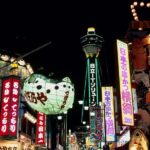
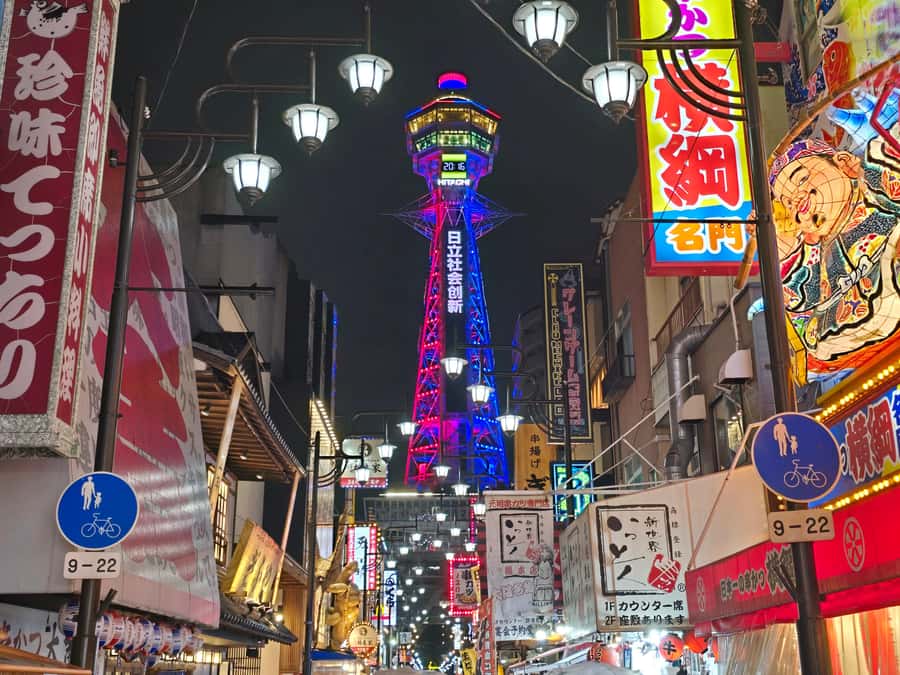
The tour starts you in the right place, too. You meet at Ebisucho Station (top of the stairs, Exit 3 on the Sakaisuji Line), and then you head toward Tsutenkaku. That matters because Tsutenkaku isn’t just a landmark. It’s a quick orientation point for what Shinsekai is about, so your first food stop lands with context.
Also, Osaka’s nickname as the Kitchen of Japan is not just marketing. This tour is built like a sampler of what locals actually crave: crunchy, savory, salty-sweet, and comforting. If your Osaka plan is mostly sushi or ramen, this is the evening that adds texture and variety.
You can also read our reviews of more food & drink experiences in Osaka
Ebisucho Station to Tsutenkaku: the warm-up before you eat
At the start, you’re not thrown into the crowd with no plan. The group gathers at Ebisucho Station and heads out on a short guided segment toward Tsutenkaku. That initial orientation step helps in two ways.
First, it gets you moving through Shinsekai in a logical order. Second, you learn the neighborhood’s story while you’re still fresh and ready for the first round of dishes. One reason people rave about the experience is that the guide keeps the pacing fun, with jokes and city context, not just a list of foods.
Practical tip: wear comfortable shoes. Even though the tour is about three hours, Shinsekai is a walking neighborhood, and you’ll feel it once you add in multiple stops and short waits for food.
Kushikatsu plus doteyaki and garlic cloves: the Osaka classics starter set
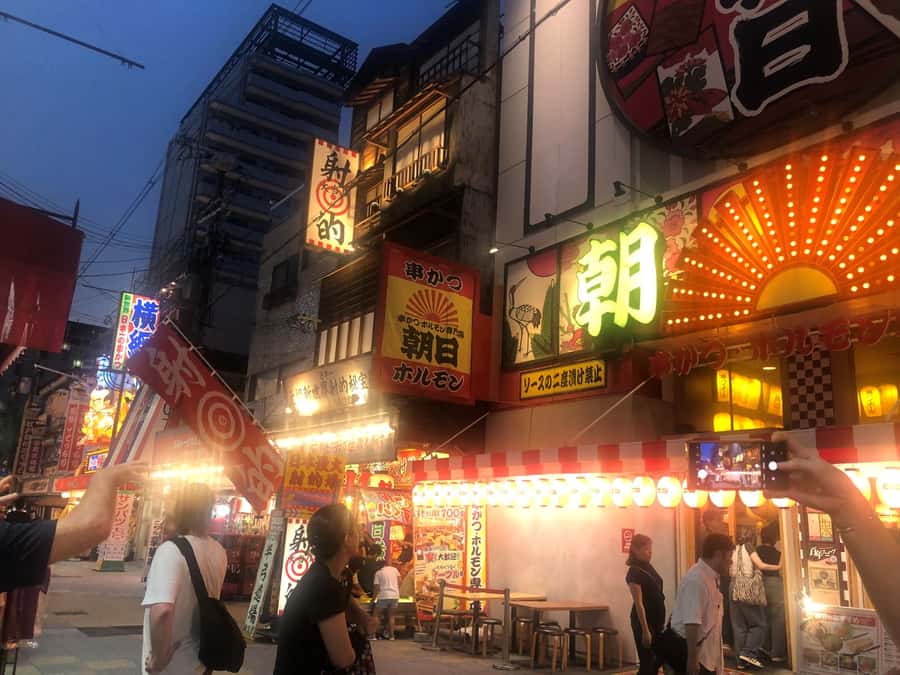
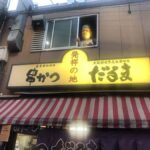
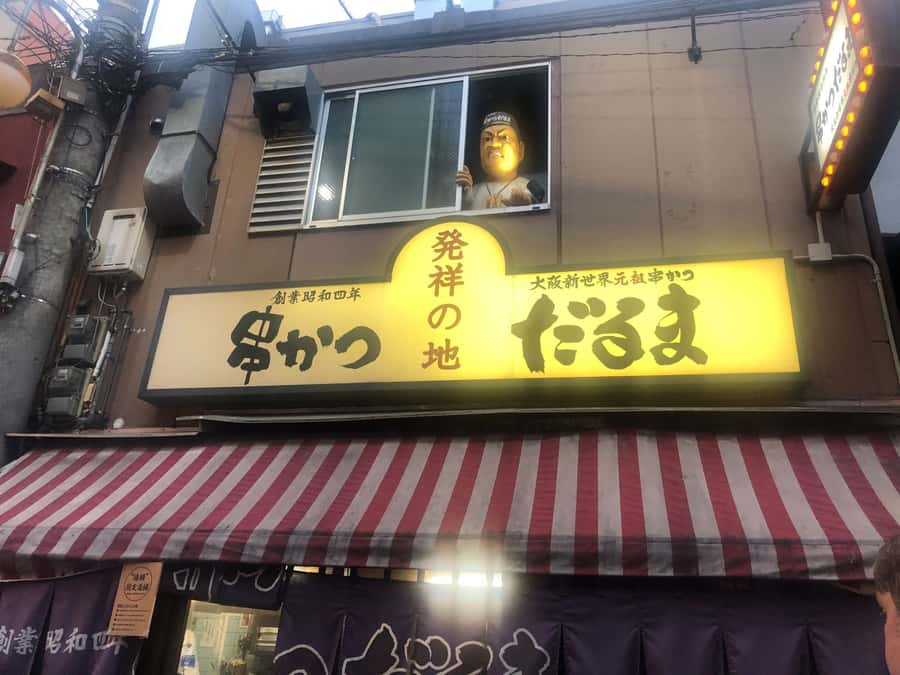
The early stops set expectations for what you’re going to taste. The first big hit is kushikatsu, a lightly fried skewer style that’s strongly associated with this area of Osaka. It’s crispy, easy to share, and it’s one of those foods where the texture does half the work.
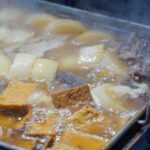
Right after that, you’ll likely run into one of Osaka’s signature comfort dishes: doteyaki. This is the slow-simmered beef tendon bowl, flavored in miso and sweet sake. The texture is richer than you might expect, and it’s perfect here because it balances the crispness of fried items with something warm and deep.
Then there’s roasted garlic cloves. It sounds simple, but it’s a clever move: the garlic cuts through heavier flavors and gives you a bold palate reset between dishes. If you’re the type who gets overwhelmed by salt after fried food, this is the kind of stop that keeps you going.
Possible drawback to note: if you don’t like gelatinous or tendon textures, doteyaki might be a challenge. The tour does include it as part of the local staples, so it’s worth thinking about how adventurous you want to be before you book.
Karaage and takoyaki: crunchy, gooey, and pick-your-topping fun
Once the tour gets rolling, it starts stacking classic Osaka flavor profiles back to back.
Karaage (Japanese fried chicken) comes next in the usual format: potato starch coating gives you that crunchy bite, and it arrives hot. The tour includes options for bold flavor variations, which means you’re not stuck tasting just one version of the fried-chicken idea.
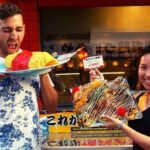
After that, you’ll hit takoyaki, one of the best-known Osaka street foods. This is made in special cast-iron molds, which is how you get those signature round shapes. Expect crispy edges, a gooey inside, and a filling that’s savory and addictive. You can also choose toppings, so you get a little control over your own ideal bite.
This part of the tour is where I think the experience really earns its reputation. The foods aren’t random. They step through textures: crispy skewer, warm savory tendon, crisp chicken, then the crunchy-outside-gooey-inside takoyaki effect. That makes it easier to keep enjoying every stop instead of feeling like you’re eating the same thing repeatedly.
Yakitori and marinated sides: charcoal grill rhythm
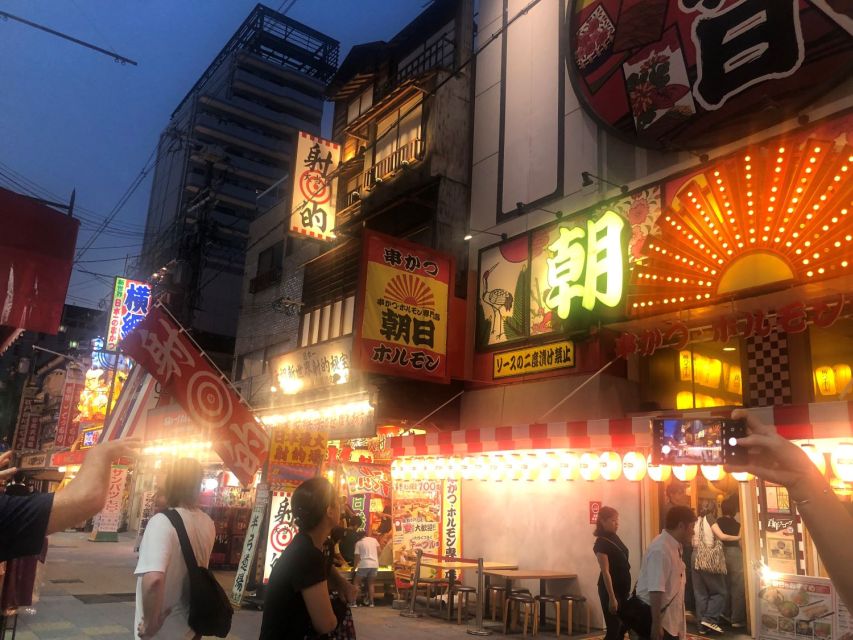
Next comes yakitori, which shifts the flavor focus toward charcoal-grilled skewers. If karaage and takoyaki are about crunch and comfort, yakitori brings a smoky, grilled depth. The skewers are grilled slowly over charcoal, and you’ll also see vegetables along with the meats.
To keep it moving, the tour includes sides like marinated vegetable dishes, plus another drink. This is important because it prevents the meal from turning into a straight fried-food marathon. The acidity and sweetness of pickled or marinated sides help clean your palate between heavier bites.
In Osaka, yakitori is often a social food, not a quick “eat and go” snack. That’s why the tour format helps. You’re guided to places where the food culture works, not just where food exists.
A few more Osaka tours and experiences worth a look

The standing bar finale: oden and Osaka-style udon
You finish with food that feels like a slow exhale: warm bowls and comfort flavors.
At the standing bar stop, you’ll try oden, a mix of simmered vegetables and meats in seaweed broth. It’s not flashy, but it’s exactly the kind of food that makes you understand why people keep returning to this style of cooking. It’s warming, savory, and built for eating while you chat.
Then there’s Osaka-style udon, thick wheat noodles in savory broth. Udon is hearty enough to close the loop after skewers and fried items. It also gives you that satisfying last spoonful moment when you finally realize you’re full.
Dessert is included at the end, and depending on your preference, there’s also mention of a last drink. The guide keeps it upbeat so the night doesn’t feel like a rushed finish.
One note: some participants have mentioned that tasting is not evenly perfect in every single stop. That’s normal with any multi-stop eating tour. The value here is that most of the lineup is strong, and you still end on comfort food.
What the included drinks add (and how to pace them)
You get 2 drinks included, with alcohol and non-alcoholic options available. That’s a big part of why this tour feels like an actual night out, not just a list of snacks.
Drink pacing matters because you’ll be eating multiple courses in a short window. If you’re going for alcohol, consider taking it slow—one drink early and one later helps you enjoy the flavors rather than just getting buzzed. If you prefer non-alcoholic options, you can still follow the same rhythm and focus on taste.
Small group format: why up to 8 people feels better
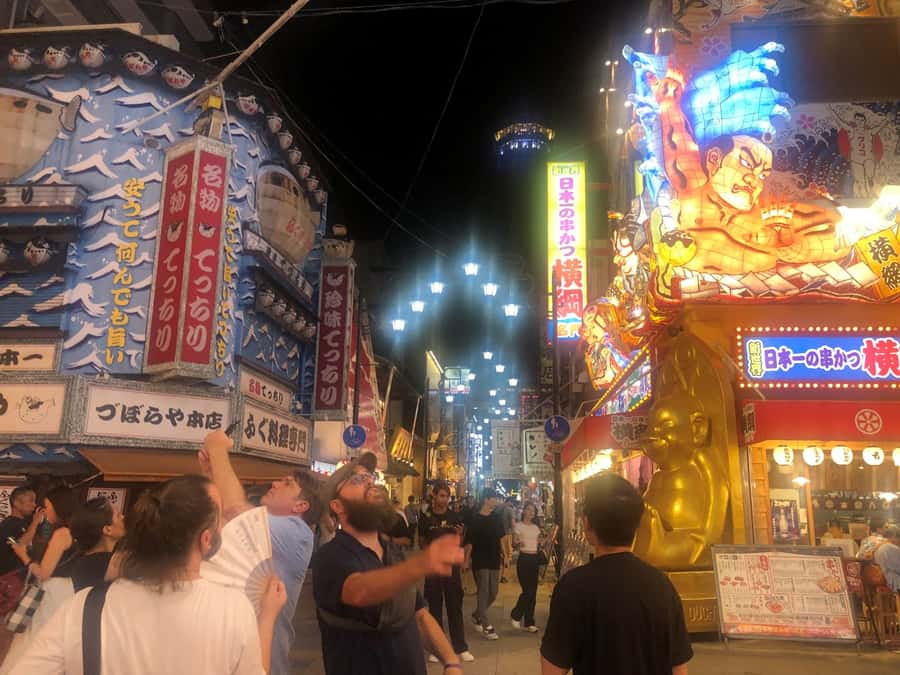
This tour caps at 8 participants, which changes the whole vibe. In a bigger group, you often end up waiting longer, ordering awkwardly, and spending half the night scanning for your guide.
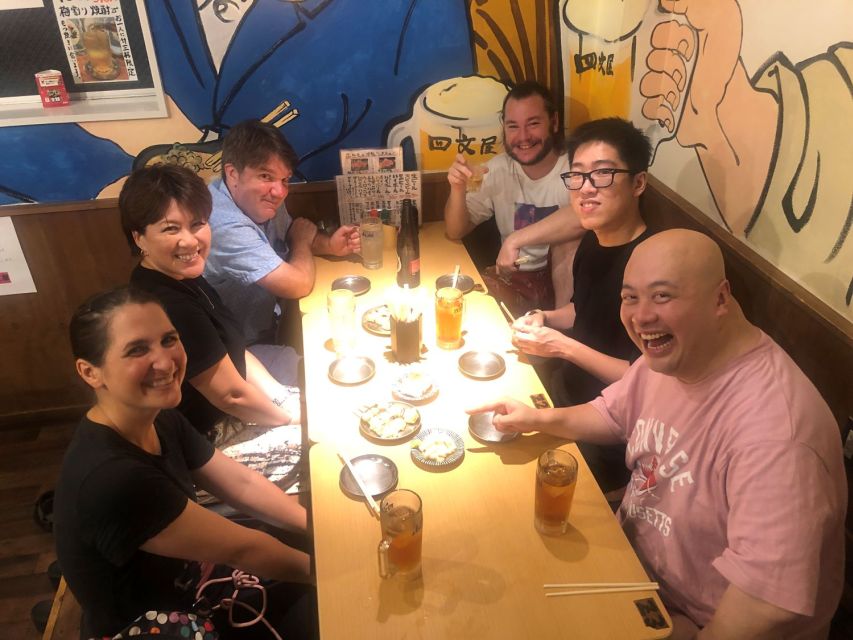
With a small group, it’s easier to ask questions when something lands on your tongue and you want to know what it is or how it’s made. It’s also easier for the guide to manage the pace, especially when you’re moving between an izakaya, a street stall, restaurants, and a standing bar.
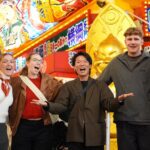
You also get more of that social Osaka feeling. Many guides are known for energy and a good rapport with the owners/managers, which usually means smoother ordering and more time spent enjoying the moment.
Price and value: is $91 a good deal?
At $91 per person, you’re paying for a package: a guided walk, access to multiple eating formats, and up to 15 dishes plus 2 drinks in about 3 hours.
Here’s the value logic I’d use as a buyer:
- If you tried to recreate this on your own, you’d spend time hunting for each stop, and you’d likely overpay for “tourist-friendly” versions.
- The tour removes that friction by batching the experience. You eat 15 items across different styles—fried, grilled, simmered, and noodle-based—without needing planning for each meal.
- You’re also getting a bilingual guide, which helps you order confidently and understand what you’re eating. Even when you’re adventurous, context makes foods more satisfying.
The best fit is someone who wants an efficient, high-reward evening and doesn’t want to spend Osaka time doing restaurant logistics.
Who this tour suits best
This tour is ideal if you:
- Want to taste a broad slice of Osaka without building an itinerary dish by dish
- Like street-food textures: fried, grilled, gooey, simmered
- Enjoy learning while you eat, especially about local neighborhood identity
- Prefer a group that stays small and social
It may be less ideal if you:
- Hate fried foods or heavy sauces and textures
- Strongly dislike the idea of trying foods like beef tendon in doteyaki
- Have dietary needs that you haven’t communicated in advance
Tip: if you have dietary restrictions, contact the operator before booking so the guide can plan accordingly. There’s evidence that guides can accommodate food allergies during ordering when they’re aware ahead of time.
Should you book Hungry Osaka’s Shinsekai food tour?
I’d book it if your Osaka trip has room for one “walk-and-eat” evening and you want the neighborhood story along with the food. The combination of 15 dishes, 2 included drinks, and a guided route through Shinsekai and Tsutenkaku is exactly the kind of value that makes a short trip feel longer.
I’d think twice if you’re sensitive to fried textures or you’re not interested in trying several classic Osaka foods in one sitting. But if you can handle a full plate and you like variety, this is one of the most efficient ways to eat your way through Osaka culture.
FAQ
How long is the Osaka Shinsekai guided food tour?
It’s listed as a duration of 3 hours (with starting times depending on availability).
What does the tour cost?
The price is $91 per person.
Where do I meet the guide?
Meet at the top of the stairs at Exit 3 of Ebisucho Station (Metro Sakaisuji Line), and arrive 15 minutes early.
Where does the tour end?
The itinerary says the tour finishes at Dobutsuen-Mae Station.
How many dishes and drinks are included?
You get food at 1 izakaya, 1 stall, 1 standing bar, and 2 restaurants, with up to 15 dishes, plus 2 drinks.
What types of food are included?
The tour includes Osaka staples such as kushikatsu, karaage, takoyaki, yakitori, doteyaki, oden, and udon, along with items like roasted garlic cloves.
Is the tour in English?
Yes, the live guide speaks English.
How many people are in the group?
It’s a small group limited to 8 participants.
Is the tour wheelchair accessible?
The tour is listed as wheelchair accessible.
Can you accommodate dietary requirements?
The information says to contact before booking if you have specific dietary requirements.
What happens if a restaurant is closed or fully booked?
Very occasionally, stops might be fully booked or closed, and then you’ll be taken to alternative locations.
Is there free cancellation and a pay-later option?
Yes. Free cancellation is available up to 24 hours in advance for a full refund, and there’s a reserve now & pay later option.