REVIEW · OSAKA
Osaka: Guided Food Tour with 12 Dishes at 4 Local Eateries
Book on GetYourGuide →Operated by Local Guide Stars · Bookable on GetYourGuide
Osaka eats fast, and you’ll keep up. This Dotonbori-focused food walk packs 12 dishes into a fun 150-minute format, and it also steers you toward local sake bars instead of only the obvious, crowded counters. I also like that guides such as Mao and Spike tend to tailor the night based on what you enjoy.
One thing to plan for: you’ll eat and drink a lot, and any extra orders beyond what’s included are paid in cash. If you’re under 20, you can join, but you won’t be able to consume alcohol on the tour.
In This Review
- Key highlights at a glance
- Why This Osaka Food Tour Feels Like a Real Night Out
- Starting in Dotonbori Outside Don Quijote: Your Osaka Launch Pad
- Stop 1: The First Local Restaurant and Your 2 Drinks Baseline
- Stop 2: Local Sake Bar Energy Without the Guesswork
- The Street-Food Moment and the “You Can’t Find This Alone” Stops
- The 12-Dish Challenge: How Osaka Food Fits Together
- Is $73 Good Value for 12 Dishes and 2 Drinks?
- Timing, Footwear, and Appetite: How to Prepare
- Who Should Book This Tour (and Who Might Skip It)
- Tips for Enjoying Osaka After the Last Bite
- Should You Book This Osaka Guided Food Tour?
- FAQ
- How long is the Osaka guided food tour?
- How much does the tour cost?
- How many dishes and drinks are included?
- Where do I meet the guide?
- Is the tour in English?
- Is the tour wheelchair accessible?
- Are participants under 20 allowed?
- Do I need cash for the tour?
- Will the dishes always be the same?
Key highlights at a glance
- 12 dishes in 150 minutes so you can try a wide mix without overthinking what to order
- Sake bar stops locals actually use to see a different side of Osaka nightlife
- Street-food energy with Michelin Guide mentions for classic Osaka snacks
- Friendly, high-energy English guides like Mao, Ukyo, Ken, Nao, Kenta, and Momo (varies by date)
- Bring cash for extras because the included bites and drinks don’t cover everything
Why This Osaka Food Tour Feels Like a Real Night Out
Osaka food tours work best when they do two things at once: you get great bites, and you also get the little social cues that make eating out in Japan smoother. This one is built for that. You’re not just collecting snacks, you’re walking from one local food scene to another, with an English-speaking guide keeping the pace and translating what matters.
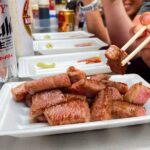
I also like the balance of flavors you’re set up to experience. The tour’s lineup is meant to cover different categories of Osaka eating—fresh fish dishes, grilled skewers, and traditional sweets—so the night doesn’t feel like you’re repeating the same thing in a new wrapper. That variety is a big part of the value, because it helps you understand what Osaka does especially well.
The other reason this works is the “with-you” feel. Multiple guides in past runs, including people like Spike, Ukyo, and Momo, are praised for friendliness and for making time to talk. Even when the group is small, you’re not left wandering alone.
You can also read our reviews of more food & drink experiences in Osaka

Starting in Dotonbori Outside Don Quijote: Your Osaka Launch Pad

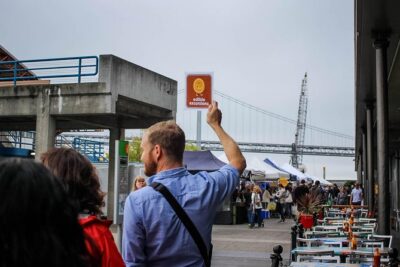
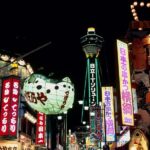
Your meeting point is easy to spot: in front of Don Quijote Dotonbori Midosuji Store, looking for the Local Guide Stars sign. I like this setup because Don Quijote is a big, recognizable landmark. After a long travel day, you don’t want to play “Where is everyone?” with a crowd of neon signs.
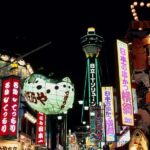
This start location also tells you something about the tour style. Dotonbori is instantly Osaka—loud lights, constant foot traffic, and street-level food everywhere. A guided start matters here because the area is popular for a reason, but it can also push visitors toward the same few menus. By meeting right at the edge of the action, you’re positioned to move into the places your guide knows are worth your time.
Practical tip: wear comfortable shoes. The tour lasts 150 minutes and includes walking between multiple spots. A camera is also helpful, since Osaka’s street scenes and food signage are half the fun. If you’re planning to post photos later, charge your phone before you meet.
Stop 1: The First Local Restaurant and Your 2 Drinks Baseline
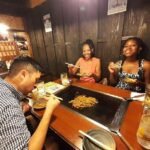
The first eating stop is a local restaurant where you’ll get an aperitif and a drink included (your choice is part of the experience). The tour also includes street food as part of the overall program, but this early restaurant stop helps you reset your appetite and get oriented.
In a restaurant setting, the guide can do the key job you want from a food tour: ordering help. Osaka menus can be dense when you’re reading Japanese text, and a guide can point you toward items that match the tour’s theme—fresh, grilled, and sweet—so you don’t accidentally end up with the wrong “version” of a dish.
What I like about the structure is that the tour starts with something comfortable and then builds. You get your bearings, you start tasting, and you learn how the guide expects you to eat each style. By the time the night shifts toward nightlife-flavored stops later, you’ll already know what your group’s rhythm is like.
Possible drawback to consider: because guides may use different restaurants on different days, your exact dish lineup can vary. That’s not a problem if your goal is broad exposure. It matters if you’re chasing one specific item with zero flexibility.
Stop 2: Local Sake Bar Energy Without the Guesswork

One of the most praised parts of this tour is the move toward sake bars beloved by locals. This is where the night turns from “food sampling” into a proper Osaka evening. Sake bars have a different pace than tourist-heavy spots. They’re built for conversation, small plates, and trying a few things rather than ordering one huge meal.
On this tour, you’re not just standing in front of a bar menu. The guide helps with what to expect from the drink selection and how the food pairs with it. In past experiences tied to this tour, people have mentioned enjoying the izakaya vibe—fresh sashimi, fried chicken, and sake—so if you’re the type who likes to balance raw and cooked bites, this portion tends to fit.
Why this part is valuable: Osaka’s nightlife culture is part of the food story. When you sit where locals sit, you learn how people actually order. You’ll also pick up small etiquette cues, like how to handle a shared table moment and what to pay attention to beyond the first flavor hit.
One consideration: the tour includes plenty of food and drinks, but any extra alcohol or additional orders aren’t included. The key is to pace yourself early, so you’re still enjoying later bites instead of pushing through.
The Street-Food Moment and the “You Can’t Find This Alone” Stops
A big reason this tour gets high marks is the feeling that you’re seeing Osaka food from street level, not from a list. The program includes street food featured in the Michelin Guide, and that matters because it signals you’re getting classic, repeat-worthy items—not random snack-table filler.
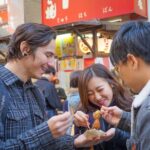
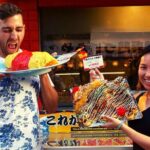
You’ll have at least one street-food-style stop where the energy is fast and the flavors are bold. In past runs, people have specifically pointed to favorites like takoyaki as part of the night’s fun. That’s exactly the kind of dish that makes Osaka feel like Osaka: griddled, aromatic, and designed for grabbing while you keep walking.
Then there’s the later stop on the route, labeled as a hidden side stop in the format. This portion includes dessert, and it’s a smart move. Finishing with something sweet helps reset your palate after savory skewers and fish-focused bites.
The drawback here is weather. Osaka weather can shift quickly, and one tour experience included heavy rain on the way to the last place. The good news is you’re not left to sprint between spots. You’ll typically find covered spots to wait while the group keeps moving to the next stop.
A few more Osaka tours and experiences worth a look

The 12-Dish Challenge: How Osaka Food Fits Together
The tour is designed as a “full-night sampler,” not a light tasting. You get 12 recommended Japanese dishes and 2 drinks. That ratio is the core of the value: you’re paying for guidance and sequencing, which is hard to do solo unless you already know where to go and what to order.
Here’s how the tour’s flavor map tends to read in your head:
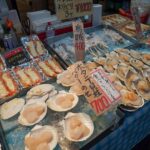
- Fresh fish dishes give you clean, ocean-forward contrast.
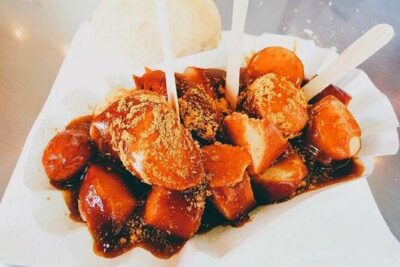
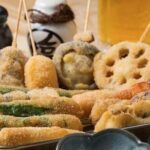
- Grilled skewers bring heat, smoke, and that Kansai-style comfort factor.
- Traditional sweets help you finish without feeling like dinner ended with a heavy savory note.
And you’ll probably notice that guide-led ordering changes what you taste. Instead of choosing dishes randomly, the guide’s choices usually connect with each other. That’s when a food night becomes memorable, because each bite feels like part of a planned story.
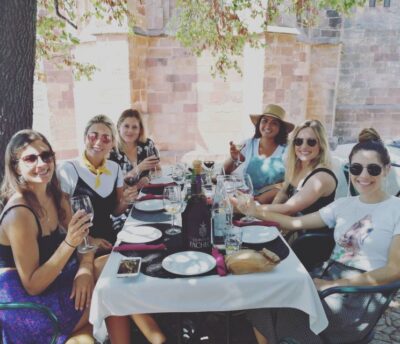
Also, I like the social side. People mention meeting new friends during the walk, and because the guide is present for most of the ordering moments, it’s easy to chat without feeling like you’re interrupting dinner. Even if you’re solo, it tends to feel like a shared plan rather than a random group of strangers.
Diet note: the tour includes plenty of food and drinks, but it does not say that every dietary need can be guaranteed. If you have restrictions, ask clearly when you reserve, and don’t assume an accommodation will automatically be available.
Is $73 Good Value for 12 Dishes and 2 Drinks?
For many food-focused activities, the price question is simple: do you get enough eating time to justify the guide cost. Here, the math is more practical than it looks.
You’re paying for:
- 150 minutes of a live English guide,
- 12 recommended dishes,
- 2 included drinks,
- and the ordering help that prevents wasted money on the wrong items.
At $73 per person, you’re essentially buying an organized evening that stacks many small purchases into one payment. If you were doing it on your own, you’d still spend money on multiple dishes and drinks, and you’d also spend time figuring out what’s worth it and where to go next.
The one “don’t be surprised” part: extras need cash. The tour includes food and drinks, but if you want additional items, you’ll pay separately. Bring some cash so you’re not negotiating mid-night with an ATM or a closed payment terminal.
Timing, Footwear, and Appetite: How to Prepare
This is a short-but-full meal marathon: 150 minutes, several stops, and lots of tasting. I recommend going in with a realistic appetite. If you plan to start the day with heavy meals, you’ll feel the crunch later, especially after fish, skewers, and then dessert.
Wear comfortable shoes, because you’ll be walking through Dotonbori and between restaurants and bars. Bring a camera if you like food photos, but don’t spend the whole night behind a screen. Let the bites lead, then grab pics in gaps.
If you’re choosing between a daytime food activity and an evening one, this fits the evening crowd. Osaka at night feels made for this kind of walking. You’ll get the street energy and the bar atmosphere in the same loop.
Who Should Book This Tour (and Who Might Skip It)
This tour is a strong match if you:
- are new to Japanese food and want structured guidance,
- want to try many dish types instead of repeating one favorite,
- like sake bar settings and want a local night-out feel,
- enjoy meeting people, even if you’re a solo traveler.
It may be less ideal if:
- you’re very picky and only want one or two familiar flavors,
- you hate walking and standing in active streets,
- you’re looking for a single guaranteed dish with no variation (because restaurants and dishes can differ by day),
- you’re traveling with strict dietary needs and require specific ingredient control.
Good news: you can still join if you’re under 20, but alcohol won’t be part of your stops. Wheelchair access is also listed, so this isn’t designed as a hard-to-navigate route in general terms.
Tips for Enjoying Osaka After the Last Bite
When the tour ends back at Don Quijote Dotonbori Midosuji Store, you’re set up with two advantages: you’ve tasted a range of flavors, and you now know what to look for.
Here’s how I’d use that knowledge the rest of your trip:
- Follow your tour favorites. If you fell for skewers or fish-focused dishes, choose your next meal with that direction in mind.
- Use the area as your map. Dotonbori can feel chaotic, but after a guided loop, the layout starts to make sense.
- Bring cash on your own food runs too. You’ll see places where paying with cash is simpler than you expect, and you’ll avoid getting stuck mid-snack.
And a small mindset tip: don’t try to recreate the tour exactly. Instead, let the tour teach you how to order and what categories you enjoy. That makes future meals feel easier and more local.
Should You Book This Osaka Guided Food Tour?
Book it if you want the most efficient way to eat your way through Osaka’s food culture in one evening. The included 12 dishes and 2 drinks are the headline, but the real win is the guide-led ordering plus the shift into sake-bar and street-food scenes you might not choose confidently alone. Past guides named in English-led experiences, including Mao, Ukyo, Ken, Nao, and Momo, are repeatedly praised for keeping the night fun and smooth.
Skip it only if you can’t handle a lot of walking or you need very specific dietary control. Otherwise, this is a high-value, low-stress introduction to Osaka eating, built for first-timers and also for food lovers who want a new neighborhood story.
FAQ
How long is the Osaka guided food tour?
The duration is 150 minutes.
How much does the tour cost?
The price is $73 per person.
How many dishes and drinks are included?
You’ll get 12 recommended dishes and 2 drinks.
Where do I meet the guide?
Meet in front of Don Quijote Dotonbori Midosuji Store. Look for the Local Guide Stars sign.
Is the tour in English?
Yes, the live guide is English.
Is the tour wheelchair accessible?
Wheelchair accessibility is listed as available.
Are participants under 20 allowed?
Participants under 20 are welcome, but they are not permitted to consume alcohol.
Do I need cash for the tour?
Extras beyond what’s included must be paid in cash, so bring some cash.
Will the dishes always be the same?
The tour may visit different restaurants depending on the day, so the dishes can differ.