REVIEW · OSAKA
Osaka: Local Foodie Tour in Dotonbori and Shinsekai
Book on GetYourGuide →Operated by MagicalTrip · Bookable on GetYourGuide
Osaka night markets can feel chaotic, until someone local leads. This 3-hour food walk mixes retro Shinsekai sights with real eating in Dotonbori, and it moves at a comfortable pace. I especially liked how my guide framed each bite with practical street-level context—people like Mich, Tea, and Taku made the stops feel like part of everyday Osaka life, not a checklist.
Two things I really like: first, you get a serious sampling of classic Osaka comfort foods without standing in lines. Second, the guide doesn’t just point—he or she explains what to expect, from ordering style to what makes each dish worth your time. The food portion is filling too, with 6 pieces of Kushikatsu plus Okonomiyaki and Takoyaki so you’re not hunting for dinner later.
One consideration: this tour is not set up for vegan or gluten-free needs. If you have strong dietary restrictions or allergies, you’ll need to plan ahead, because the food prep isn’t done in an allergy-free kitchen.
In This Review
- Key Points You’ll Care About
- Why Shinsekai + Dotonbori Is a Smart Osaka Food Choice
- Finding the Tour Start Near Dobutsuen-mae
- Shinsekai Walk: Kushikatsu in the Old District Mood
- Jan-Jan Yokocho: That Tiny Alley That Feels Like a Time Machine
- A Temple Moment Between Neon Streets
- Dotonbori: Okonomiyaki and Takoyaki Where the City Eats Loudly
- Drinks and Pacing: How You Avoid the Line Trap
- Price: Does $108 Feel Fair for What You Get?
- Who This Tour Fits Best (and Who Should Skip It)
- Should You Book This Osaka Food Tour?
- FAQ
- What food is included on the tour?
- Is the tour vegan-friendly or gluten-free?
- How do vegetarian options work?
- Where do I meet the guide?
- Is transportation included between Shinsekai and Dotonbori?
- What happens if I’m late to the meeting point?
Key Points You’ll Care About
- Shinsekai first, with the Billiken statue and Jan-Jan Yokocho, including a famously narrow 1.2-meter alley experience
- Six pieces of Kushikatsu plus at least three drinks (alcohol and non-alcohol options)
- Dotonbori finishes with Okonomiyaki and Takoyaki, including a box of takoyaki to take home the fun
- Private or small-group options make it easier to ask questions and get restaurant pacing right
- The guide helps you escape queue chaos, while still seeing the neon chaos from a better angle
- Diet limits are real: no vegan, and no gluten-free accommodation
Why Shinsekai + Dotonbori Is a Smart Osaka Food Choice
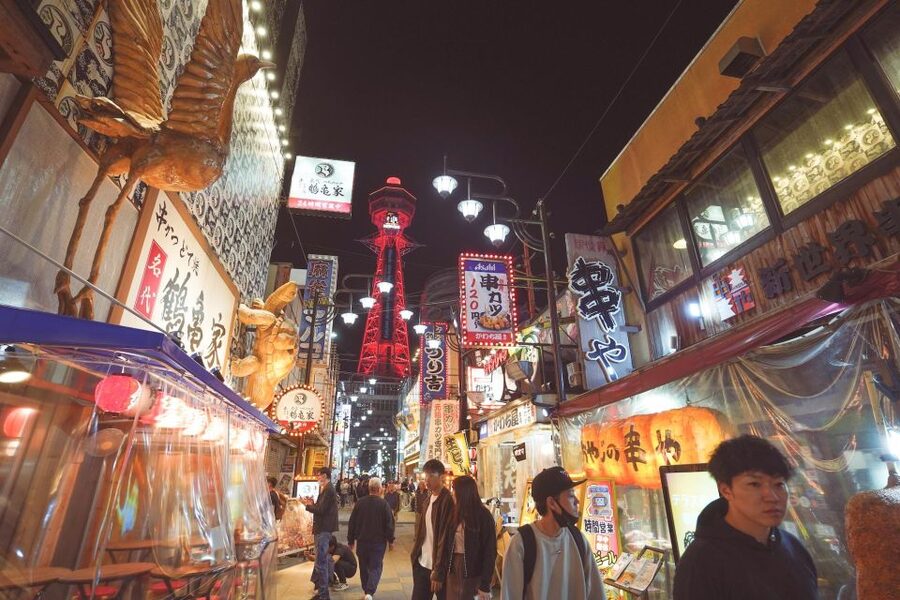
This tour works because it pairs two different sides of Osaka cooking. Shinsekai is old-school, slightly mischievous, and built for snack culture. Dotonbori is where the city’s food energy turns into full-on theater—neon signs, busy lanes, and the kind of restaurants that feel like they’ve been feeding Osaka for generations.
I also like that the walking route solves a common first-timer problem: you’re not trying to figure out where to go while you’re also figuring out what to eat. A good guide keeps the flow simple—show up, follow the plan, and get set up at the right moments.
And yes, you’ll still see crowds. But with a guide, you spend less time stuck and more time tasting.
A few more Osaka tours and experiences worth a look

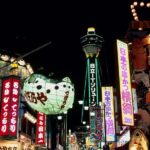
Finding the Tour Start Near Dobutsuen-mae
You’ll meet in front of FamilyMart Sanno Dobutsuen-mae, right outside Exit 1 of Dobutsuen-mae Station. Your guide will be holding a sign for MagicalTrip.
Why this matters: Shinsekai can be a little maze-like, especially at night. Meeting at a clear station landmark helps you avoid that first 20 minutes of stress—because you’ll want that energy for food.
Shinsekai Walk: Kushikatsu in the Old District Mood
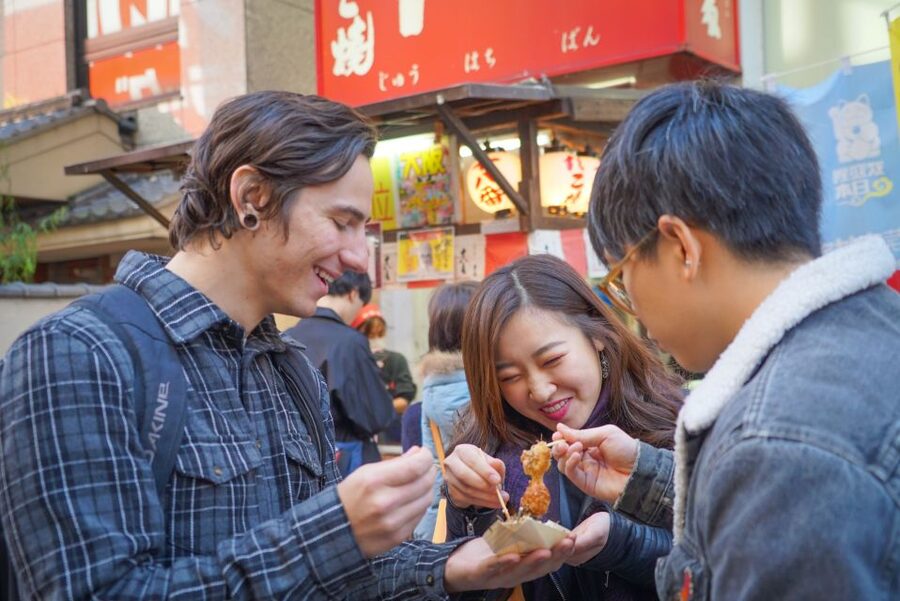
The first stretch is all about settling your brain into Osaka mode. You’ll stroll through Shinsekai’s retro vibe, passing the Billiken statue, old arcade feel, and little lanes that look like they’ve kept their original character.
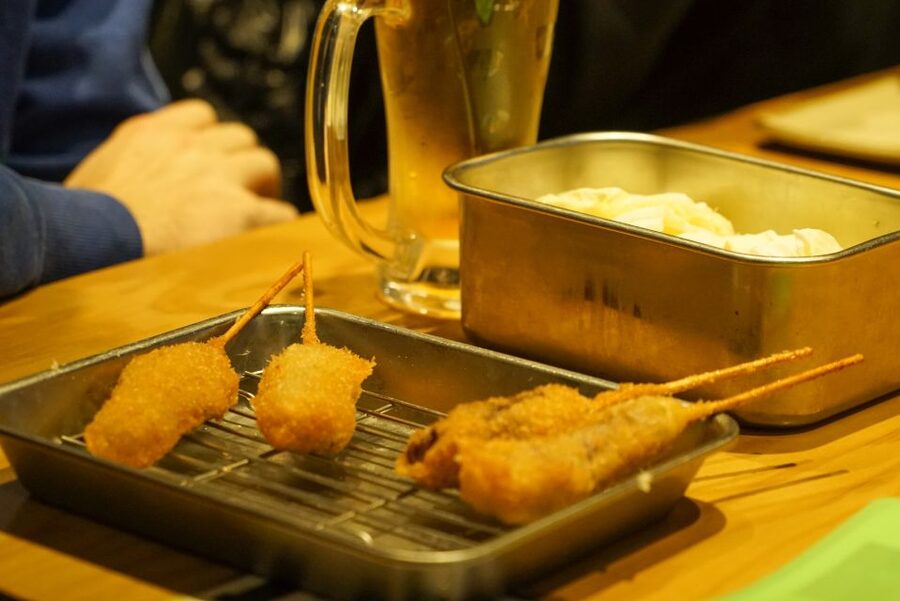
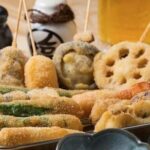
Then comes the food anchor: Kushikatsu, the classic deep-fried skewers Osaka is famous for. This tour includes 6 pieces, which is enough to make you pay attention to texture, not just taste. Crispy batter matters here. The skewer format also makes it easy to eat without feeling like you need cutlery training.
A real practical note from the tour rules: even the vegetarian Kushikatsu uses dashi (pork broth). If you avoid pork broth entirely, you need to tell the operator ahead of time so they can prepare other vegetarian dishes.
My take: Kushikatsu is a perfect first bite on this route because it’s fast, shareable, and “works” in almost every Shinsekai snack shop setting.
Jan-Jan Yokocho: That Tiny Alley That Feels Like a Time Machine
After Kushikatsu, you shift from eating mode to “look closer” mode.
The standout stop is Jan-Jan Yokocho, described as a museum-like alley that recreates Osaka’s center as it existed over 80 years ago. The alley is only about 1.2 meters wide, and that narrow scale is exactly why it works. You’re not just looking at signage—you’re walking through a compressed slice of the past, with wall artwork helping build the mood.
You’ll also notice how the guide uses this moment. Instead of rushing back to food, the tour gives your brain a breather. It’s short, but it makes the rest of the night’s eating feel grounded in local culture.
If you’re the type who likes details—old arcade shutters, specific statues, the feel of narrow lanes—this stop is where you’ll slow down and actually look.
A Temple Moment Between Neon Streets
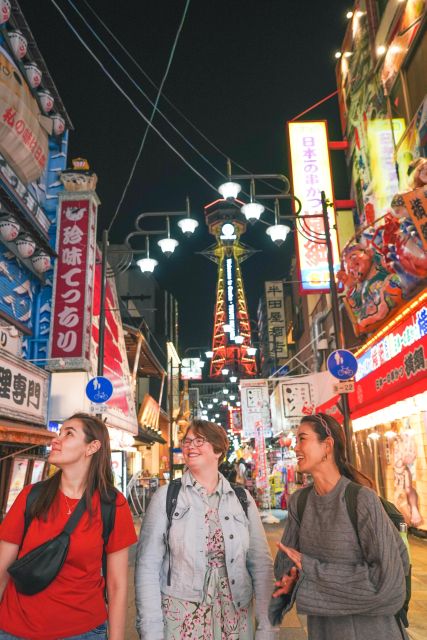
Next you’ll visit a temple tucked between Namba’s bright neon signs and shopping streets. The point isn’t a long religious lesson—it’s a reset. When you step into a quieter temple space, the contrast makes Shinsekai and Dotonbori feel even more vivid when you return to the street.
Also, etiquette matters in temples. One review highlighted learning shrine and temple etiquette as part of the experience, which is a nice add-on if you want to be respectful without feeling awkward.
This is the kind of stop that benefits first-timers the most. You get to breathe for a minute and still keep the tour moving.

Dotonbori: Okonomiyaki and Takoyaki Where the City Eats Loudly
Then you reach Dotonbori—the “nation’s kitchen” identity that Osaka wears like a badge. The tour explains why Dotonbori became such a central food-and-trade area historically, and today that legacy shows up as pure street-level energy.
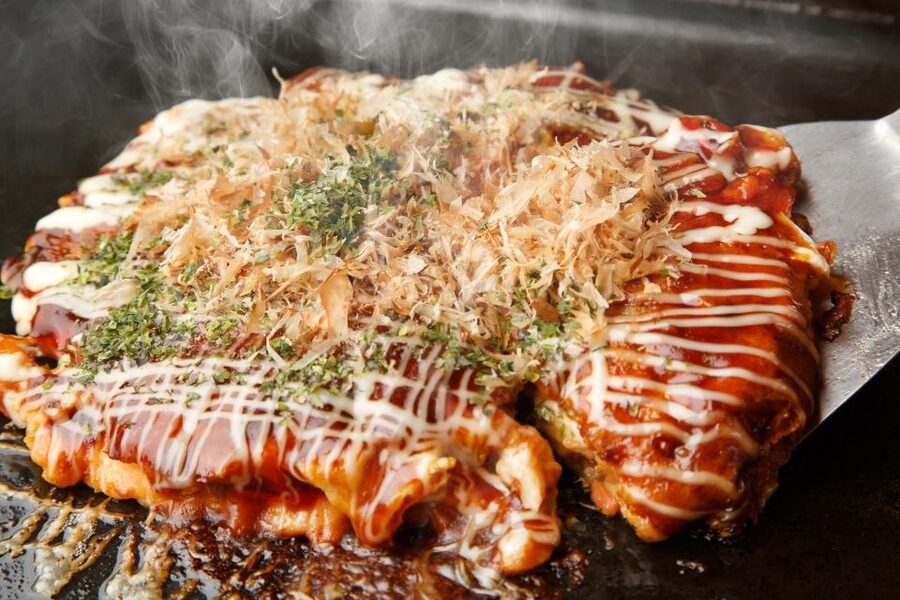
You’ll end up at a local Okonomiyaki restaurant for one piece of Okonomiyaki included in the tour. One of the most memorable parts for me about this style of stop is that it turns dinner into an event. You’re seated, you get the dish you came for, and you’re not piecing it together alone.
Some guides also add a hands-on touch at the table. In past runs, visitors mentioned cooking their own Okonomiyaki at the restaurant, which is a big reason this tour feels different from just ordering off a menu and moving on. (You’ll still get fed either way.)
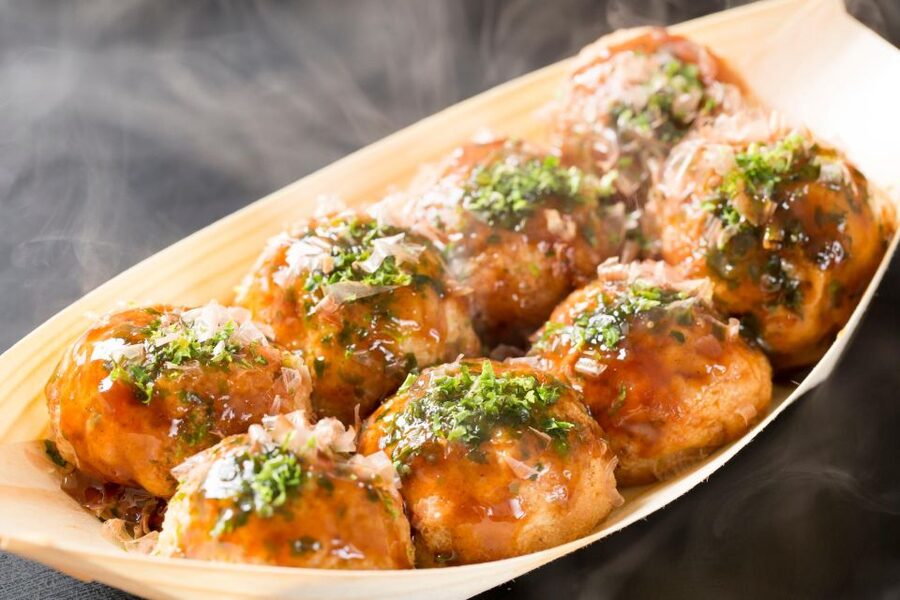
Finally, the tour finishes with Takoyaki—included as a box of takoyaki. Takoyaki is the perfect late-night wrap-up: warm, round, and easy to keep eating while you keep exploring.
Small reality check: the included portions are meant to be satisfying, but they’re still tasting-sized compared with a full stand-alone dinner. If you’re a huge eater, you may want to plan a little “snack budget” after the tour—especially if you’re the kind of person who can’t resist dessert.
Drinks and Pacing: How You Avoid the Line Trap
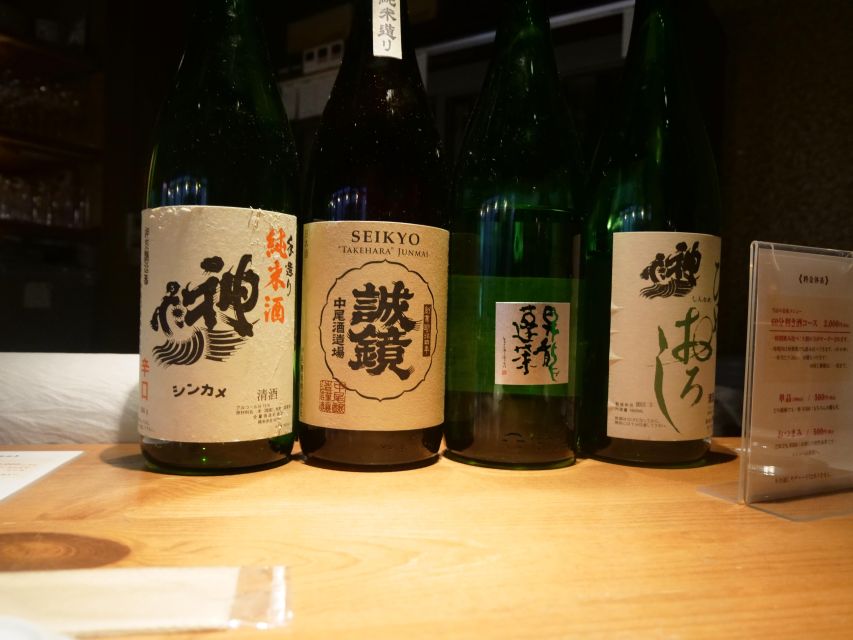
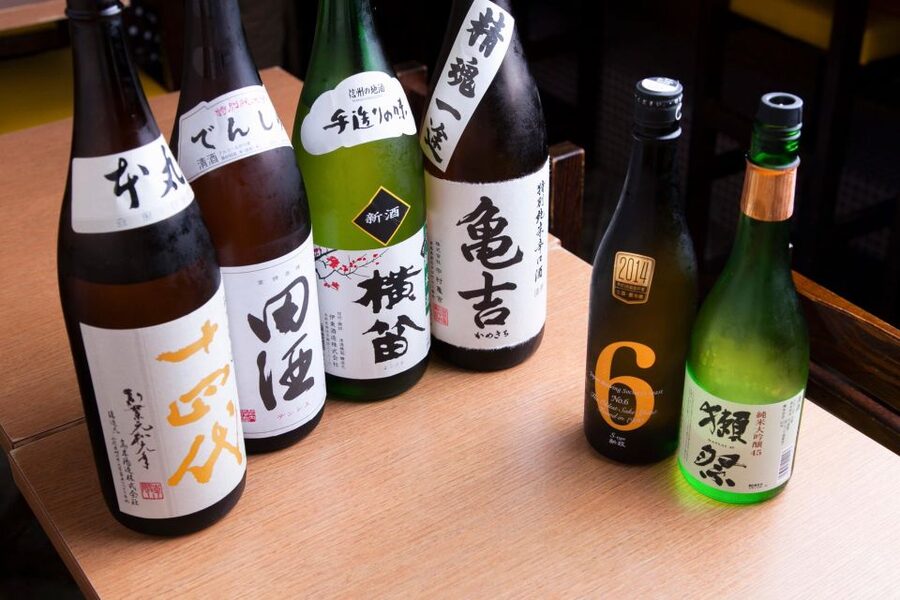
The tour includes three drinks, with alcohol and non-alcohol options. That’s a smart inclusion because Osaka food is best when you pair savory with something cooling or warming—so you don’t feel like you’re just eating fried things back-to-back.
Pacing is also a major part of the value. Several guides described in the reviews kept a nice walking rhythm through the chaos, and that matters when you’re trying to see Shinsekai and Dotonbori both in one go. At around 3 hours, you’re not stuck all night, but you also get enough time to actually taste and learn.
In real terms, you’ll get:
- a clear sequence of food stops
- time to look around without rushing
- enough drink included to reset between heavier bites
Price: Does $108 Feel Fair for What You Get?
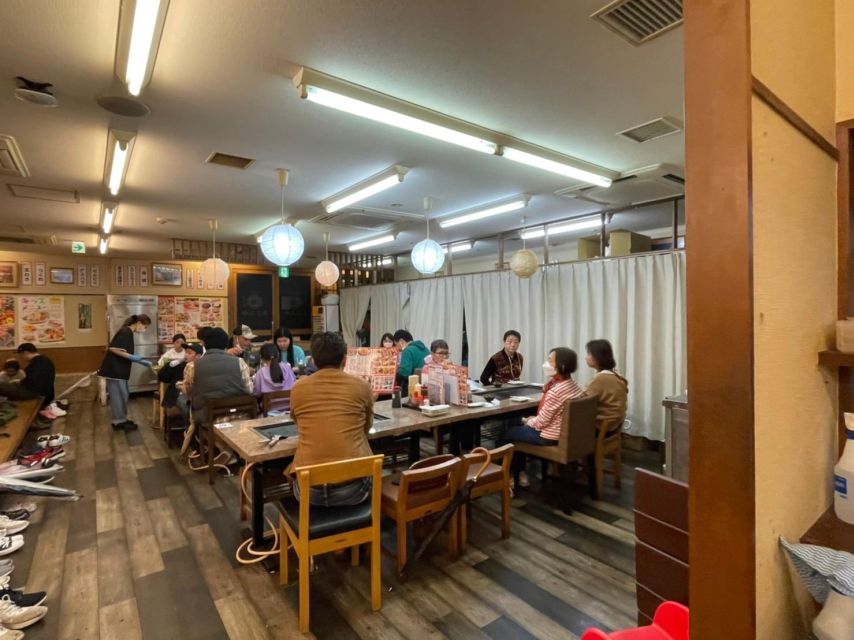
At $108 per person for about 3 hours, the value depends on two things: how many meals you’d otherwise try to coordinate, and how much you hate standing in lines.
This tour includes:
- 6 pieces of Kushikatsu
- 1 piece of Okonomiyaki
- 1 box of Takoyaki
- 3 drinks
- a certified English-speaking guide
That’s already a meal worth of structure and calories, plus guided navigation. If you’re traveling with friends or family, small-group or private options can also reduce the hassle factor—one person doesn’t have to become the “food planner” for the night.
One extra cost to understand: transportation from Shinsekai to Dotonbori is not included and is listed as ¥190. It’s minor, but it matters for budgeting.
My bottom line: if you want maximum eating per hour and minimal decision fatigue, $108 is reasonable. If you’re on a super-tight budget and would happily eat street snacks without a guide, you might find cheaper ways to DIY. But you’ll pay for convenience one way or another.
Who This Tour Fits Best (and Who Should Skip It)
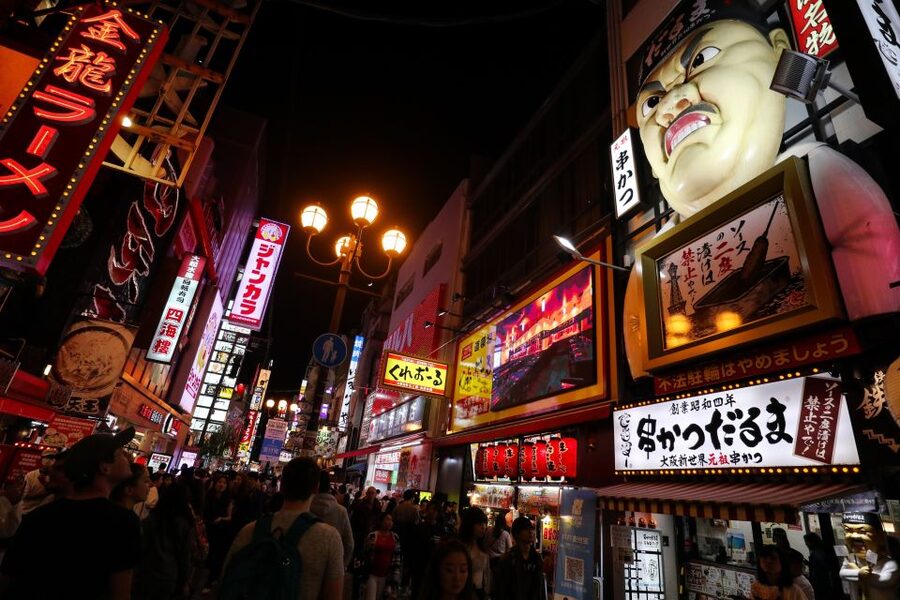
This tour fits best if you:
- want to eat the big Osaka comfort foods in a planned sequence
- like walking neighborhoods at night, not just photo spots
- prefer a guide to handle the “where exactly do we go?” part
It’s also a good fit for teenagers and families, especially because some groups get small enough to feel comfortable and question-friendly.
Skip it if:
- you’re vegan (not accommodated)
- you need gluten-free meals (not accommodated)
- you rely on allergy-free preparation (the tour can’t guarantee allergy-free conditions, and kitchens aren’t operated by the tour)
If you’re vegetarian: you can choose that option when booking, but again, vegetarian Kushikatsu still includes dashi, so plan carefully.
Should You Book This Osaka Food Tour?
I’d book it if you want an easy, food-first night that shows you Osaka’s personality in Shinsekai + Dotonbori, with a guide doing the heavy lifting. The included lineup is strong—Kushikatsu to start, Okonomiyaki in the heart of the action, Takoyaki to close—and the pacing keeps it from turning into a rushed blur.
My “don’t book” moments are mostly about diet. If you’re vegan or gluten-free, skip this one and look for a tour that explicitly handles your needs. And if you have serious allergies, don’t assume substitutions are possible on the day.
If you fit the right audience, this is exactly the kind of tour that helps you leave Osaka feeling like you ate like a local—while also seeing the old-school streets that made those foods matter.
FAQ
What food is included on the tour?
You’ll get 6 pieces of Kushikatsu, 1 piece of Okonomiyaki, and 1 box of Takoyaki, plus 3 drinks. Additional food and drinks aren’t included.
Is the tour vegan-friendly or gluten-free?
No. The tour cannot accommodate vegan or gluten-free needs.
How do vegetarian options work?
You’ll need to choose the vegetarian option during booking or request it in advance. Also, at the Kushikatsu stop, dashi (pork broth) is still used in the vegetarian Kushikatsu. If you can’t have dashi, you must inform the operator in advance.
Where do I meet the guide?
Meet in front of FamilyMart Sanno Dobutsuen-mae, right outside Exit 1 of Dobutsuen-mae Station. The guide will be holding a sign that says MagicalTrip.
Is transportation included between Shinsekai and Dotonbori?
No. The tour notes that the transportation fee from Shinsekai to Dotonbori is ¥190, and it’s not included in the price.
What happens if I’m late to the meeting point?
The tour starts on time. If you arrive late and miss the group, you won’t be able to join, and you won’t receive a refund or reschedule.