REVIEW · OSAKA
Umami Town Street Food Tour
Book on Viator →Operated by Culinary Backstreets Walks · Bookable on Viator
Osaka has a way of feeding you knowledge fast. This 5-hour small-group street food outing strings together a shrine stop and two of the city’s best-known food zones, with a guide helping you order and spot what to watch for. I like the clear focus on umami and how the guide explains why flavors work, plus I like that you’re not bouncing around alone—your route is planned for efficiency.
One thing to consider: at $175 per person, this is a spendy meal plan. If you’re the type who loves to roam freely and decide on the spot, the structure and included dinner may feel less flexible than you want.
In This Review
- Key things to know before you go
- Why Osaka’s Umami Theme Works in 5 Hours
- Starting at Minami-Morimachi: A Smooth Way to Get Oriented
- Osaka Tenmangu Shrine Stop 1: Learning Before Lunch Bites
- Kuromon Market Stop 2: The Fast Track to Fresh Seafood
- Dotonbori Tsuribori Stop 3: Neon, Nibbles, and Osaka Energy
- What You’ll Actually Eat: Takoyaki, Okonomiyaki, and More
- Price and Value at $175: Where the Money Goes
- Group Size, Guides, and the Small-Group Advantage
- Practical Tips So You Enjoy Every Bite
- Should You Book the Umami Town Street Food Tour?
- FAQ
- FAQ
- How long is the Umami Town Street Food Tour?
- How many people are in the group?
- What’s included in the price?
- What are the main stops during the tour?
- Is there admission cost for the shrine or market stops?
- Where do I meet and where does it end?
- Is private transportation included?
Key things to know before you go
- Small group, max 7 travelers: easier pacing and better chances to ask questions while you eat
- Umami as the theme: you’ll learn what makes dishes taste deep, not just what to order
- 3 landmark stop areas: Tenmangu Shrine, Kuromon Market, and Dotonbori Tsuribori shape the route
- Dinner, snacks, and bottled water included: you’re not constantly whipping out cash mid-walk
- Alcoholic beverages included: it’s built for adults who want a relaxed food crawl
- Mobile ticket: less fuss once you’re near the start point at Minami-Morimachi Station
Why Osaka’s Umami Theme Works in 5 Hours
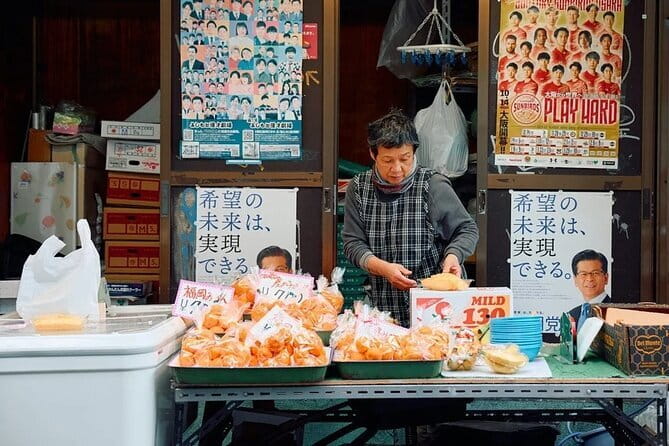
This tour doesn’t treat street food like random snacks. The big idea is umami—that savory depth you feel in things like takoyaki and okonomiyaki—and how it shows up through ingredients and technique.
The practical upside is simple. When you understand what makes a flavor “stick,” you can enjoy each bite more. You also start noticing patterns as you move, instead of just chasing whatever looks good in the moment.
The time-boxed format helps too. With about 5 hours, you get a good sampling arc without ending up on a food marathon that wrecks the rest of your day.
You can also read our reviews of more food & drink experiences in Osaka

Starting at Minami-Morimachi: A Smooth Way to Get Oriented
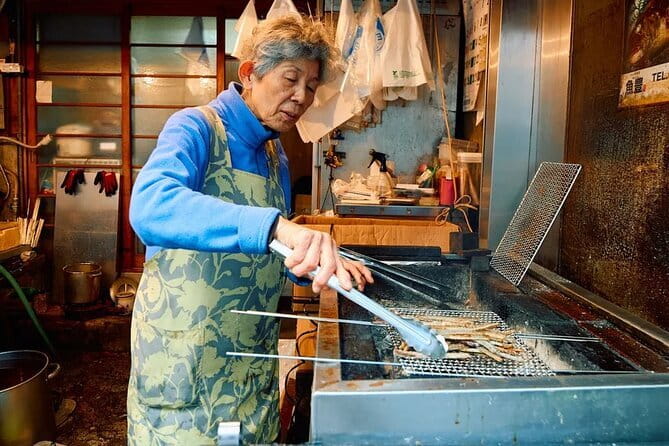
You meet at Minami-Morimachi Station (2 Chome-1 Minamimorimachi, Kita Ward, Osaka), and the experience ends back at the same meeting point. That round-trip setup matters. It means you can show up, get organized quickly, and not worry about navigating back later with a full stomach.
It also tends to reduce stress for a first-time Osaka visit. Your guide handles the “how do we get from here to there” problem, so you can focus on what you’re tasting and learning.
One more detail worth noting: the tour uses a mobile ticket, so expect straightforward check-in and minimal paperwork.
Osaka Tenmangu Shrine Stop 1: Learning Before Lunch Bites
The day starts with Osaka Tenmangu Shrine, a shrine dedicated to Sugawara no Michizane, a scholar and politician from Japan’s Heian period. He’s deified as Tenjin, and the shrine is associated with the kami of learning, scholarship, and literature.
Why this works for a food tour: it gives you a calm reset before the sensory overload of markets and neon streets. You also get a cultural anchor, so the day feels more like understanding Osaka than just consuming it.
Expect about 1 hour here. The potential drawback is also obvious: if you’re mainly in snack mode and not feeling the shrine portion, you might find this stop a little slower than the rest. Still, it’s free admission, so you’re not paying extra to include it.
Kuromon Market Stop 2: The Fast Track to Fresh Seafood
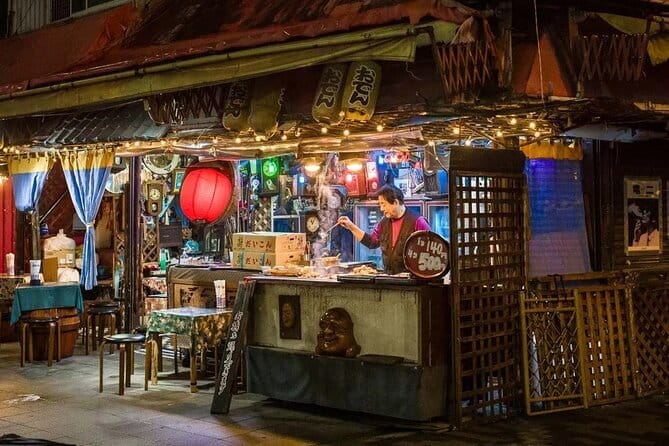
Next up is Kuromon Market, sometimes called Osaka’s Kitchen. This is where the city’s food reputation turns into real sights, smells, and vendors.
The stop is only about 30 minutes, but that’s enough to taste what this market is famous for—think fresh seafood and meat options, plus classic street bites like takoyaki and sushi.
The good part: you’re sampling in a concentrated area where you can see quality indicators fast (how items are handled, how stalls are set up, how people move). With a guide, you avoid the common rookie mistake of wandering without knowing what’s worth trying right now.
The trade-off: short market stops feel tight. If you want time to browse every stall like a hobbyist shopper, 30 minutes can feel rushed. The tour’s goal isn’t shopping time—it’s tasting and learning efficiently.
Dotonbori Tsuribori Stop 3: Neon, Nibbles, and Osaka Energy
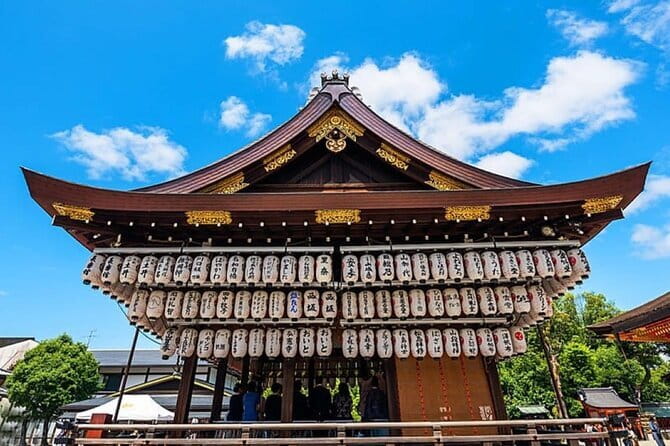
The final featured zone is Dotonbori Tsuribori, the entertainment area known for neon lights and oversized signboards. This is where Osaka looks like Osaka on postcards, and where the street-food vibe kicks up.
Here, the focus includes crowd-pleasers such as takoyaki and okonomiyaki. Expect about 1 hour in this area.
This is also the stop where lines and crowds can happen. A realistic consideration: if you don’t like busy scenes, Dotonbori may be a challenge. The plus side is that you’re not stuck guessing what to buy. Your guide helps you move through the area and make smarter choices.
A few more Osaka tours and experiences worth a look



What You’ll Actually Eat: Takoyaki, Okonomiyaki, and More

The tour centers on Osaka’s most popular street foods, with dish explanations tied back to the idea of umami. Based on what’s called out in the tour description, you can expect tastings connected to:
- Takoyaki: a savory bite where texture and seasoning matter
- Okonomiyaki: a hot, layered pancake style where sauce and toppings do most of the work
- Sushi and seafood options: especially connected to the market stop
Beyond specific dishes, you’ll get the “why” behind them. That’s not a trivia exercise. When you learn what ingredients contribute to umami, you start tasting with more precision. You’ll pick up differences between sauces, broths, and seasoning styles even if you can’t name every ingredient yet.
Also, the tour includes snacks and dinner. That’s a big deal in Japan, where you can easily end up overpaying for convenience if you’re hungry between stops. Here, the food plan is built-in.
And yes, alcoholic beverages are included. If you’re hoping for a zero-alcohol day, you’ll need to manage that yourself. But if you like beer or other local drinks with street food, it fits the mood.
Price and Value at $175: Where the Money Goes
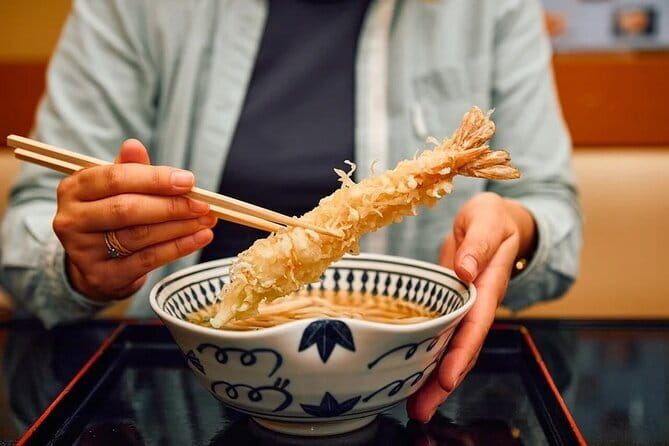
At $175 per person, you’re paying for more than “someone walks you to food.” You’re paying for planning, timing, and a guide who can reduce the friction of eating street food in a new language and culture.
Here’s where that value shows up:
First, small-group size matters. With a maximum of 7 travelers, the guide can spend real time helping you pick items, answer questions, and keep the group moving without leaving people behind.
Second, tastings and meals are included. Dinner, snacks, bottled water, and alcoholic beverages are part of the package. If you were doing this on your own, you’d likely spend a similar amount once you add multiple shops, drinks, and the “I’m hungry right now” purchases.
Third, the route is designed for efficiency. You hit Tenmangu Shrine, Kuromon Market, and Dotonbori Tsuribori in one outing. That’s a lot of ground covered without you having to build a day from scratch.
The potential downside is the same as with any guided food tour: you’re buying a set plan. If you’re the type who loves long meandering walks, extra browsing time, or picking your own detours, you might feel slightly constrained. Still, if your goal is to eat well and learn fast, the structure is a feature.
Group Size, Guides, and the Small-Group Advantage
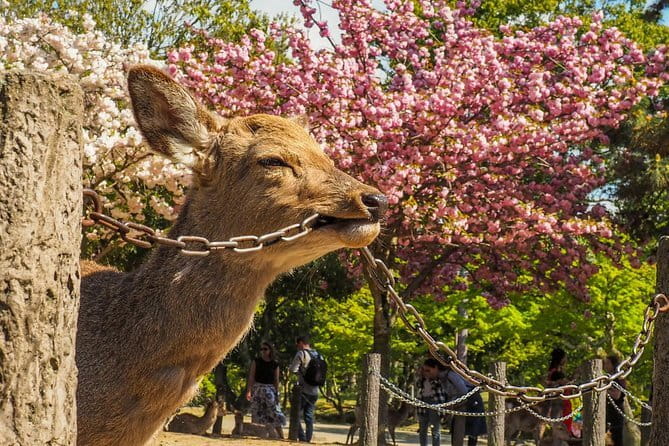
The tour runs with a maximum of 7 travelers, which changes the whole experience. You’re not shouting over a crowd. You’re not waiting forever for instructions. You get a more personal pacing to match your comfort level with trying new foods.
The guide approach also matters, and the feedback highlights a pattern: guides like Miyo, Miso, and Yuka are praised for being warm, prepared, and proactive. Examples include sharing detailed area facts (including references to unusual local details like hidden tunnels) and helping make hard-to-hunt items easier to get by planning ahead for popular food.
You’ll also get more than a food list. You can ask for local recommendations, which is the kind of information that pays off after the tour ends. A guide can point you toward neighborhoods, shops, or meal ideas based on your tastes.
If you’re traveling with kids or a mixed group of food comfort levels, this small-group setup helps. You can expect more flexible attention than you’d get on a bigger bus tour.
Practical Tips So You Enjoy Every Bite
A few simple things will make this day smoother.
Wear shoes you don’t mind getting a little scuffed. Osaka food areas are walk-heavy, and you’ll be in and out of market spaces and busy streets.
Come hungry, but don’t assume you’ll eat everything blindly. The tour is designed around sampling a variety of dishes, and it’s easier if you keep an open mind. You can also use the guide to steer you toward what fits your comfort level.
If you drink alcohol, pace yourself. Alcoholic beverages are included, which is fun, but it can also make you lose track of what you liked. I’d treat the drinks like a bonus, not the main event.
Finally, book with timing in mind. This tour is commonly booked about 50 days in advance on average, so waiting until the last minute can shrink your options.
Should You Book the Umami Town Street Food Tour?
Book it if you want a guided plan that helps you eat well and understand what you’re eating. The combination of small-group pacing, umami-focused explanations, and tastings across Tenmangu Shrine, Kuromon Market, and Dotonbori is a strong value for $175—especially since dinner, snacks, drinks, and bottled water are included.
Skip it if you hate crowds and tight time windows. The market stop is short by design, and Dotonbori can be loud and busy. Also skip it if you prefer total control over where you wander and what you try, because this experience is intentionally structured.
FAQ
FAQ
How long is the Umami Town Street Food Tour?
It runs for about 5 hours.
How many people are in the group?
The tour has a maximum of 7 travelers.
What’s included in the price?
The tour includes dinner, snacks, bottled water, and alcoholic beverages.
What are the main stops during the tour?
The featured stops are Osaka Tenmangu Shrine, Kuromon Market, and Dotonbori Tsuribori.
Is there admission cost for the shrine or market stops?
Osaka Tenmangu Shrine and Kuromon Market list free admission.
Where do I meet and where does it end?
You meet at Minami-Morimachi Station and the tour ends back at the meeting point.
Is private transportation included?
No. Private transportation is not included.