REVIEW · OSAKA
Osaka: 2-Hour Local Street Food Tour – Dotonbori & Namba
Book on GetYourGuide →Operated by DeepExperience, Inc. · Bookable on GetYourGuide
Two hours in Osaka, and your stomach votes yes. I love the photo moment at the Glico Man sign and the calm reset at Hozenji Temple in the middle of the city, with street-food tastings like takoyaki, takosen, and taiyaki along the way. One catch: the tour can’t accommodate vegan or gluten-free requests.
I also like the way this tour starts you off with an easy target. You meet at the Starbucks Coffee TSUTAYA EBISUBASHI store (outside the building), and your guide holds a yellow DeepExperience sign—so you’re not wandering around Namba guessing who’s who.
Since it’s just 2 hours, it’s a good option when you want big Osaka flavor without planning the whole night. Price is $51 per person, and the guide is included, but food and drink are not—so you’ll budget for snacks as you go.
In This Review
- Key highlights that make this tour worth your time
- Meet at TSUTAYA EBISUBASHI Starbucks and start on the right street
- Glico Man Sign: the fastest way to get oriented in Dotonbori
- Street food swaps in Dotonbori: takoyaki, takosen, taiyaki, and friends
- Hozenji Temple: a quiet pause that changes the mood
- Namba and the second round of snacks: more variety, less searching
- Price and value: $51 buys the guide and the route, not the food
- How your guide shapes the night (and why it matters)
- Practical fit: who this tour suits best (and who should think twice)
- Should you book this Osaka street food tour?
- FAQ
- Where do I meet the guide?
- How long is the tour?
- Is the $51 price enough to cover food?
- Can you accommodate vegan or gluten-free requests?
- What languages will the guide speak?
- What’s the cancellation policy and does reserve now pay later work?
Key highlights that make this tour worth your time
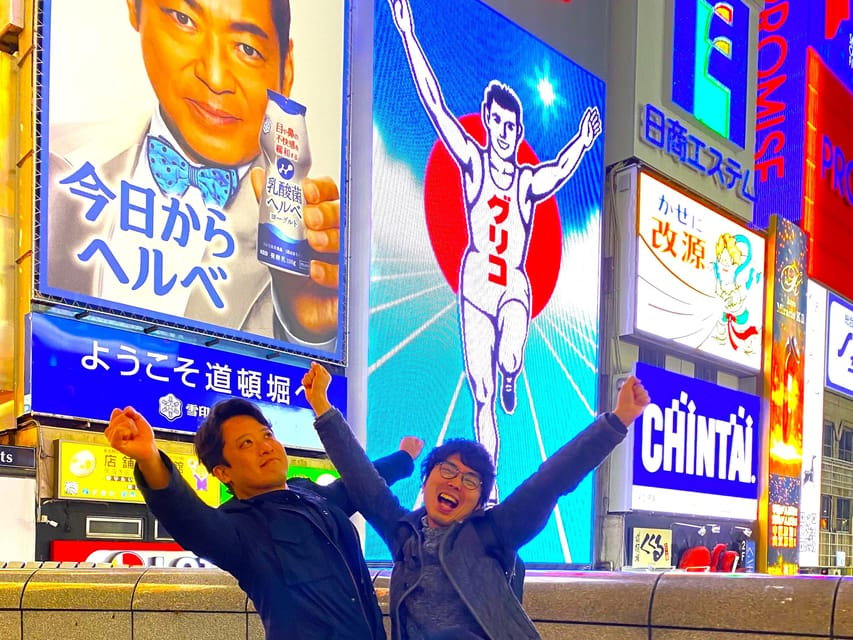
- Glico Man photo stop first in Dotonbori, so you start with a win (and a sense of where you are)
- Hozenji Temple visit gives you a rare quiet pause away from the neon and noise
- A mix of sweet and savory street food including items like takoyaki, takosen, and taiyaki
- Smart snack routing around Dotonbori and Namba so you spend time eating, not hunting
- English-speaking guidance to help you order and learn what you’re trying
- Small groups or private tours available, which can make the pace feel more personal
Meet at TSUTAYA EBISUBASHI Starbucks and start on the right street
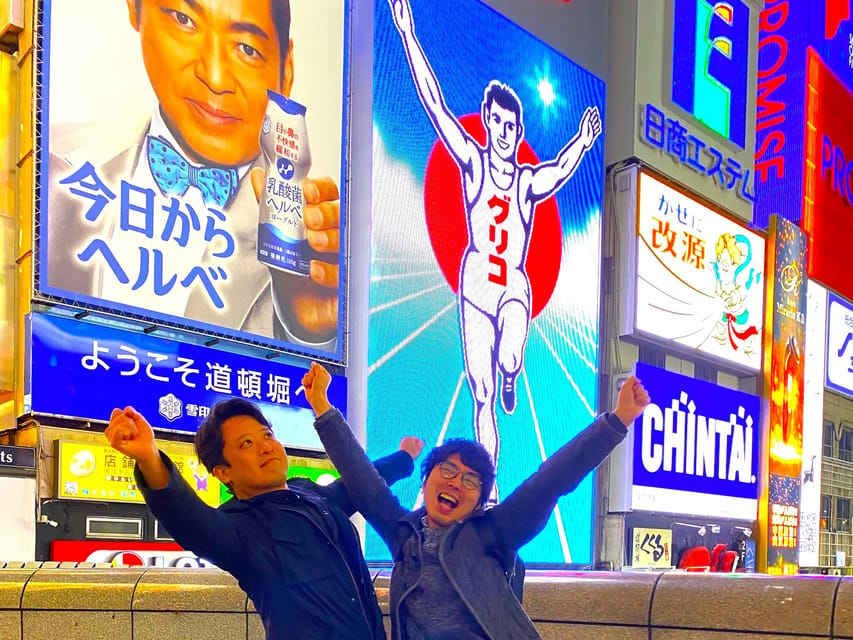
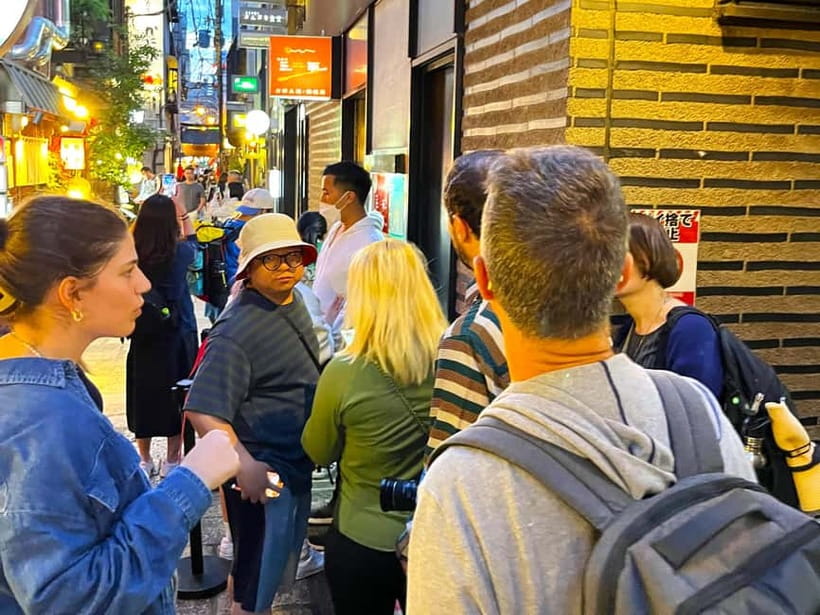
The practical side matters on a food tour, and this one gets that part right. You start at Starbucks Coffee TSUTAYA EBISUBASHI (outside the building), and your guide is easy to spot with a yellow DeepExperience sign. That sounds small, but it removes a lot of stress—especially when you’re walking around Dotonbori for the first time.
From there, you’re not stuck reading a map while your stomach starts negotiating with your brain. The guide does the heavy lifting: timing the stops, moving you through the area, and keeping the flow moving so you get a mix of photo time, a temple visit, and multiple snack stops.
Also note the tour format: it runs for 2 hours, with English speaking guidance (and Japanese is available too). It’s wheelchair accessible, and the provider lists private or small groups, which usually means less waiting and more attention to what you want to eat.
You can also read our reviews of more food & drink experiences in Osaka

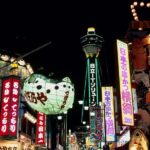
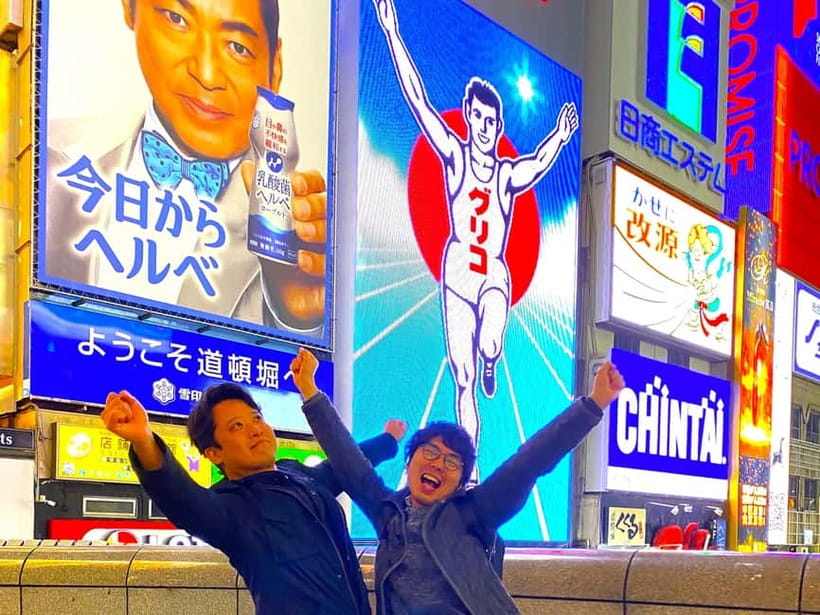
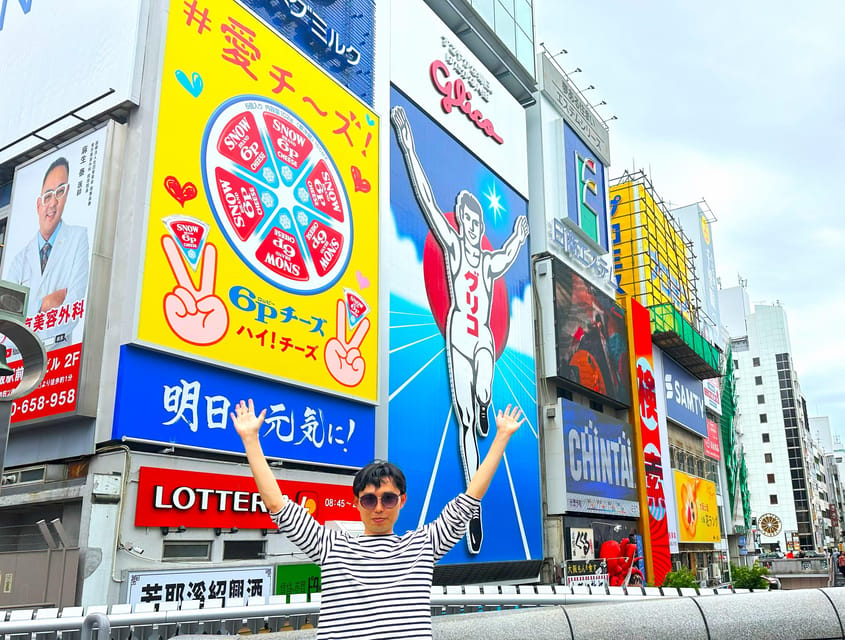
Glico Man Sign: the fastest way to get oriented in Dotonbori
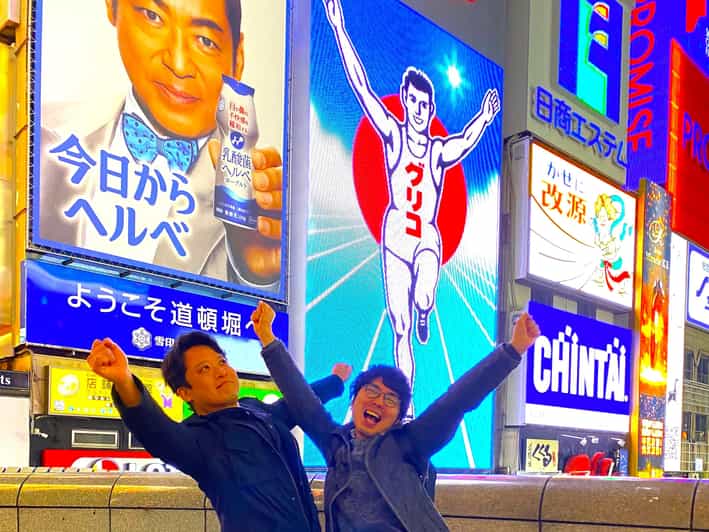
Osaka has a lot of eye-candy, but the Glico Man sign is one of the clearest “you’re here” landmarks. You get a guided photo stop early, which I love for two reasons: you leave the start feeling confident you’re in the right place, and you get a classic Dotonbori scene without needing to figure out the best angle on your own.
This first stop also helps set expectations. Dotonbori is all about food cues and street-level energy—signboards, stalls, and menus displayed where you can see them while walking. Getting the Glico Man moment upfront means the rest of the tour doesn’t feel like a scavenger hunt.
If you’re a first-timer, it’s a shortcut to the postcard version of Osaka. If you’ve already seen it, you may still appreciate the guide’s timing and where to stand for a cleaner shot. Either way, it’s a quick win that makes the night feel planned.
Street food swaps in Dotonbori: takoyaki, takosen, taiyaki, and friends
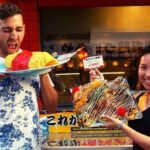
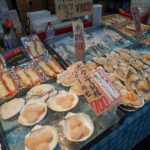
The core of this experience is eating your way through the streets of Dotonbori. Expect a guided flow that mixes famous Osaka hits with more street-friendly choices, including takoyaki, takosen, and taiyaki.
What makes this more useful than self-guided wandering is that you’re not just picking food—you’re tasting in a sequence that makes sense. Street-food menus can be confusing at night, and “what is this?” can turn into “why did I choose that?” With a guide, you’re more likely to end up with items that match what you like: crispy batter bites, sweet snacks, and savory skewers.
Depending on the day and your preferences, the tour may also include foods like:
- Okonomiyaki (savory Osaka-style pancake)
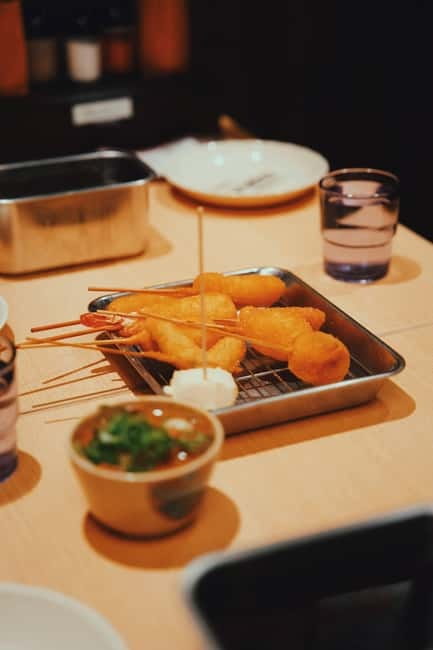
- Kushikatsu (fried skewers)
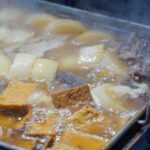
- Doteyaki (a local hot dish you’ll typically find in this area)
- Apple candy and pork buns (fun sweet-and-snack style options)
One practical consideration: this is not a tasting where everything is guaranteed to be the same for every person. Food is not included in the $51 price, so you’re paying for what you eat at each stop. The guide helps you choose and order, but your total snack bill will depend on what you say yes to.
Also keep in mind the dietary note from the operator: they say they can’t accommodate vegan or gluten-free requests. If you have other restrictions, ask directly and early, because guides may be able to adjust choices within what the restaurants can serve.
Hozenji Temple: a quiet pause that changes the mood
After the neon and snack smells, you get something different: a visit to Hozenji Temple. It’s a short stop on paper—yet it does a lot for the experience because it breaks the rhythm. You go from street food energy to a more grounded, calmer setting in the middle of a commercial district.
This matters because it keeps the tour from feeling like you’re just eating while walking. You get a moment to slow down, look around, and reset. It also adds variety to what you’ll remember about Osaka beyond the street-level food scene.
The guide provides a bit of context and keeps the visit moving at a sensible pace. It’s not the kind of temple stop where you feel rushed through the important parts, and it gives you photos that look different from the usual Dotonbori signage.
If you like experiences with contrast—food plus culture—this is the part that usually delivers the biggest “wait, that was unexpected” moment.
Namba and the second round of snacks: more variety, less searching
Namba is where Osaka’s street life shows up in full force—shops, signs, and food around every corner. On this tour, you don’t just pass through. You get food tastings that keep building your picture of what Osaka street food tastes like across different styles.
Then you circle back for more local snack stops. That second run through Dotonbori is a smart move. It means you’re not stuck with only whatever you happen to find first, and it also lets you try items you might have missed if you were wandering on your own.
This part is where you may notice how much the guide’s personality shapes your night. Some guides focus on classic items that match what you’re already craving. Others guide the choices toward a broader range—sweet, savory, fried, and hot dishes—so your food sampler feels like Osaka rather than random snack roulette.
From what you’re told by your guide, you might also pick up small cultural details that make the food choices feel less like a mystery. Several guides mentioned in past groups are known for adding bits of explanation, pointing out what to order, and offering quick Japanese phrases that make ordering smoother.
A few more Osaka tours and experiences worth a look

Price and value: $51 buys the guide and the route, not the food
Let’s talk money in a clear way. The tour costs $51 per person for 2 hours, and the included item is an English-speaking guide. Food and drink expenses are not included, so you’ll pay for what you eat during the tour.
That sounds like a “gotcha” until you look at what you’re actually purchasing: you’re paying for someone to steer you to good places, help you order, and build a route that mixes major sights (like the Glico Man sign) with a temple stop and multiple tastings. In other words, the value isn’t just the food—it’s the planning inside a short time window.
You can also treat this tour like a flexible sampler. If you don’t want a lot of alcohol or you only want bites (not full meals), you can keep costs down by choosing smaller portions at each stop. If you’re the kind of person who wants to commit to a few items, the guide can help you pick the ones that best fit what you like.
One more value signal: the tour holds a 4.6 rating based on 95 reviews, which usually means the pacing, guides, and overall experience land well more often than not.
How your guide shapes the night (and why it matters)
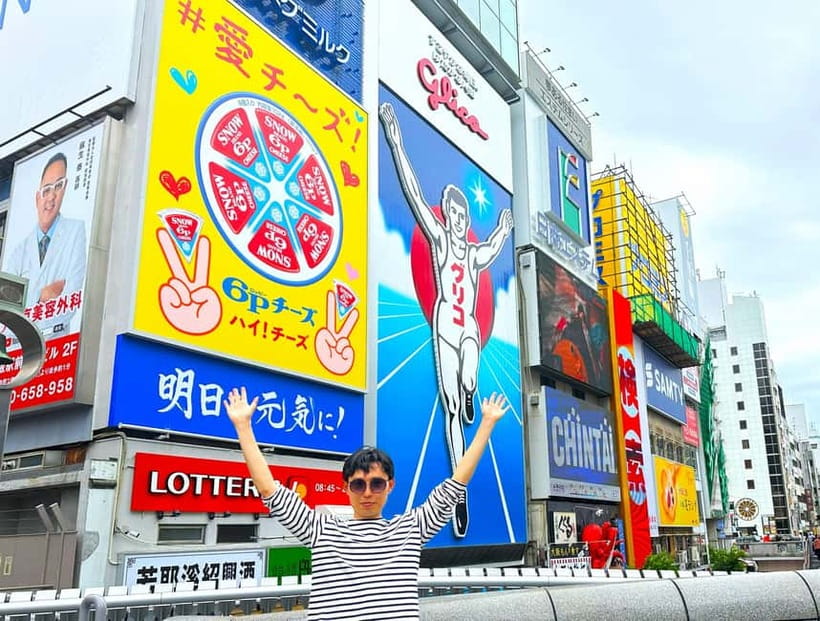
The biggest reason food tours either work or flop is simple: the guide. Here, your guide is the translator, the coordinator, and the person who knows where to stand, what to ask for, and how to avoid wasting time.
You’ll see patterns in the way guides handle the experience:
- They help you with photo timing and placement for the big Osaka icons.
- They often steer you toward local spots you probably wouldn’t find quickly on your own.
- Many guides tailor the food stops based on what you want to try and what you don’t.
- Several guides are known for teaching a few useful Japanese phrases so you’re not totally stuck when you’re ordering.
You might get a guide like Kanako, Aki, Hina, Kaito, or Hiro—and past groups mention guides like these for friendly explanations and smart choices. Even if the names change, the job stays the same: make the night easy enough that you can focus on eating and looking around, not figuring out how everything works.
Practical fit: who this tour suits best (and who should think twice)
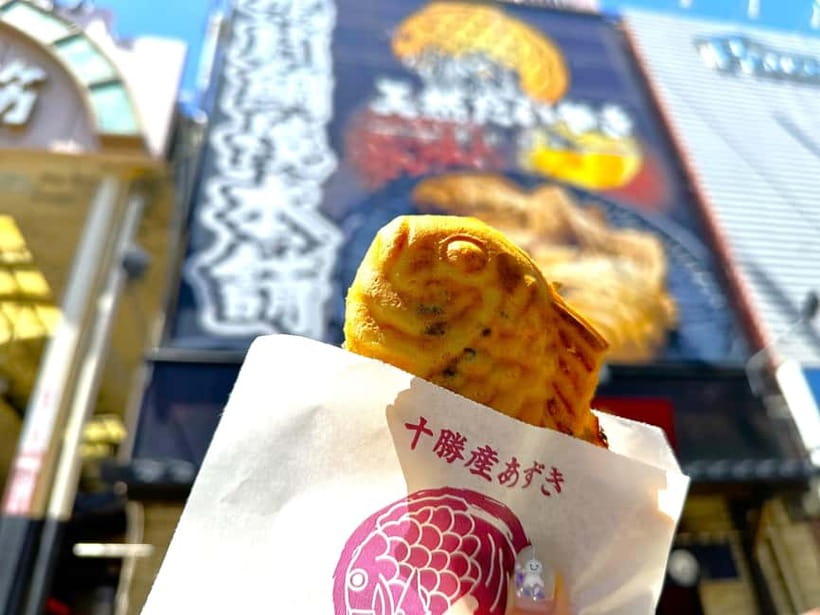
This tour is a strong fit if you want an Osaka night that checks multiple boxes without a long planning session. It’s great for Osaka first-timers because it hits recognizable landmarks, but it’s also useful for repeat visitors who want a guided run through the food scene and a calmer counterpoint at Hozenji Temple.
It’s also a solid choice if you’re traveling with someone who wants street food variety—savory fried bites plus sweet snacks—without getting overwhelmed by menus.
Two situations where you should plan carefully:
1) If you’re vegan or gluten-free, the operator states they can’t accommodate those requests.
2) If you’re traveling with kids, one past group flagged it as probably not the best fit. That may be tied to the food style, pace, or the overall street-night feel—so it’s worth considering your family’s comfort level before booking.
If you have allergies or other restrictions (not vegan/gluten-free), I’d still message ahead. The guide may be able to adjust within what restaurants can serve, but don’t assume the tour will be able to guarantee every need.
Should you book this Osaka street food tour?
Book this tour if you want a high-impact, 2-hour Osaka experience that blends the famous (Glico Man photo time) with the quieter side (Hozenji Temple) and then backs it up with street snacks you’ll actually want to eat.
Skip it—or at least message first—if vegan or gluten-free is non-negotiable, since the operator says they can’t accommodate those requests. Also be ready that the $51 price does not cover food, so treat it like paying for the guide and route, then budgeting for the tastings.
My bottom line: if you like guided direction, want help ordering, and want to sample several Osaka street foods without spending your whole evening figuring things out, this is a good bet.
FAQ
Where do I meet the guide?
Meet your guide in front of the Starbucks Coffee TSUTAYA EBISUBASHI store, outside the building. Your guide will be holding a yellow sign with the DeepExperience logo.
How long is the tour?
The tour lasts 2 hours.
Is the $51 price enough to cover food?
No. Food and drink expenses are not included, so you’ll pay for what you eat and drink during the tour.
Can you accommodate vegan or gluten-free requests?
The operator states they are unable to accommodate vegan or gluten-free requests.
What languages will the guide speak?
The tour offers an English-speaking guide, and Japanese is also available.
What’s the cancellation policy and does reserve now pay later work?
You can cancel up to 24 hours in advance for a full refund. You can also reserve now and pay later to keep plans flexible.