REVIEW · OSAKA
PRIVATE 6hr, Food tour from Osaka Castle, Kuromon, Dotonbori.
Book on Viator →Operated by Sakura Concierge · Bookable on Viator
Osaka in 6 hours is real. You’ll pair Osaka Castle sights with serious snacking at Kuromon Market, then finish in Dotonbori. It’s a private day with a guide who helps you move efficiently and pick the right bites without wasting time.
Two highlights I like: the lineup of included foods (tuna sashimi, wagyu bites, sushi, plus Michelin-award takoyaki) and the way the route mixes history with practical local wandering. One drawback to plan around: Osaka Castle admission isn’t included, and the day can feel more food-and-stroll focused than deep museum-style history, so bring questions if that’s what you want.
In This Review
- Key Highlights at a Glance
- Why This Private Osaka Castle and Food Tour Works
- The Morning Start: Morinomiya to Osaka Castle
- Kuromon Market Tastings: Tuna, Sushi, Wagyu, and Takoyaki
- Doguyasuji Street and Japanese Knives: The Kitchen-Tools Detour
- Sennichimae Shopping Street: Arcade Atmosphere and Quick Bites
- Hozen-ji Temple Lantern Glow Before Dotonbori
- Dotonbori and the Glico Sign: Finish Where the Lights Are
- Price and Value: What $155 Buys You (and What It Doesn’t)
- What I’d Ask Your Guide Before You Start
- A Realistic Trade-Off: Food-Forward vs. Deep Historical Lecture
- Who Should Book This Tour
- Quick Practical Tips for Your 6-Hour Day
- Should You Book This Private Osaka Castle and Food Tour?
- FAQ
- What time does the tour start, and where do I meet?
- Is pickup from my hotel included?
- What food is included in the tour?
- Is Osaka Castle admission included?
- Do I pay for transportation during the tour?
- Is this a private tour?
- Does the tour work for vegetarians?
- What if the weather is bad?
Key Highlights at a Glance
- Private guiding that speeds up the day from Morinomiya Station to Dotonbori
- Tastings you can actually eat and compare like tuna sashimi and wagyu bites
- Kuromon Market sampling with a local expert (with time built in)
- Doguyasuji Street for Japanese kitchen tools and knives
- Hozen-ji Temple lantern atmosphere before the lights of Dotonbori
- A guide names like Taku, Yuki, Mie, and Kenny often show up in standout experiences
Why This Private Osaka Castle and Food Tour Works
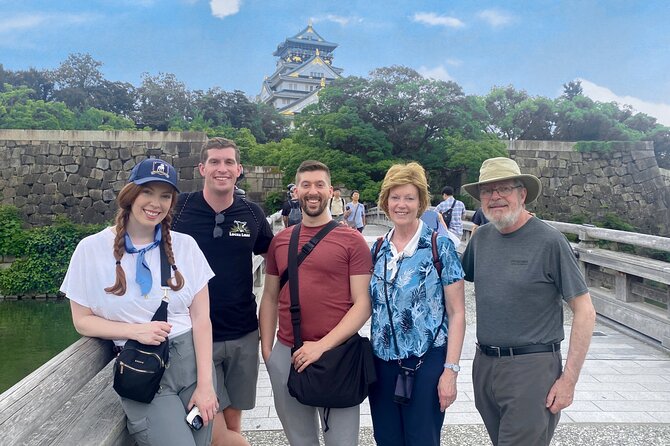
If you’re trying to get your bearings fast in Osaka, this route is built for that. You’re not choosing between history and food; you’re doing both, with a private guide managing the flow so you can simply enjoy the day.
The value comes from the structure: long enough at the major stops to feel like you did something, but short enough to keep your energy for eating. You also get a clear end point at the Glico Sign area, which is a nice mental bookmark for planning the rest of your evening.
One more thing I appreciate: the tour is designed to be flexible with food needs. The description says it aims to accommodate vegetarians as much as possible, and in real use that often means your guide will swap or adjust samples when they can. If you have restrictions, mention them early and repeat them the morning of the tour.
You can also read our reviews of more food & drink experiences in Osaka

The Morning Start: Morinomiya to Osaka Castle
The tour starts at Morinomiya Station around 9:30 am, with an option for pickup. That early timing matters because Osaka Castle and the surrounding area draw crowds, especially later in the day. Starting in the morning helps you get nicer walking pace and more room to breathe.
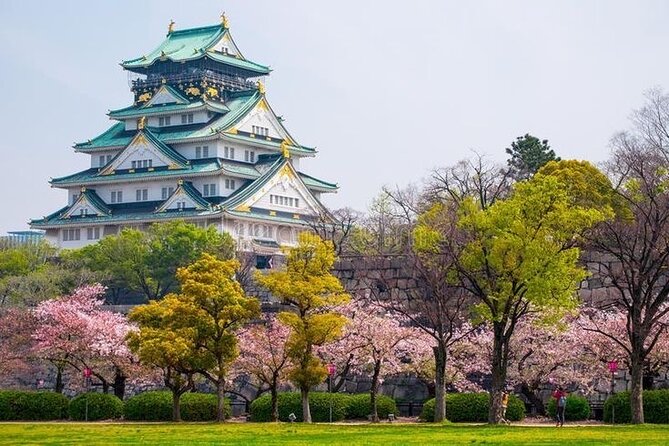
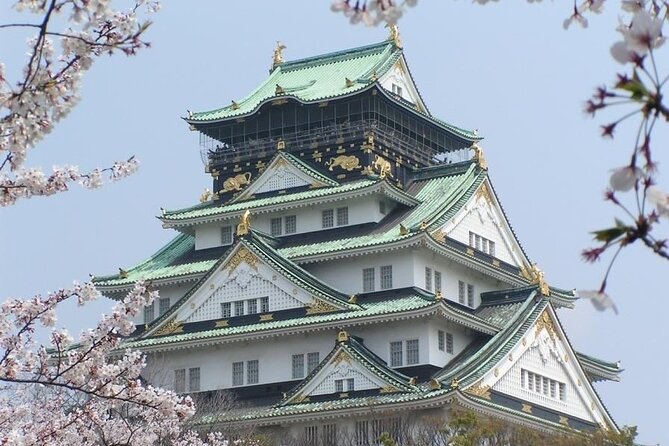
You’ll spend about 2 hours at Osaka Castle. Osaka Castle’s grounds are the main event here: feudal-era architecture and views that make the site feel important even before you get into any indoor exhibits. Osaka Castle admission tickets are not included, so you’ll want to treat this as a separate line item in your budget if you plan to enter museum areas.
A practical tip: bring a small bag for snacks you might buy at markets later. Castle days can turn into walking days, and it’s easier if your phone, water, and any purchased items stay organized.
Kuromon Market Tastings: Tuna, Sushi, Wagyu, and Takoyaki
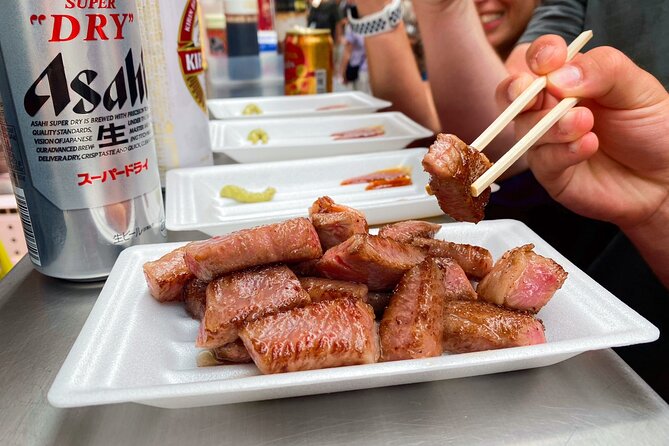
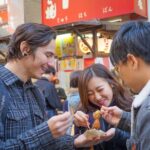
This is the center of gravity for the day. You’ll spend about 1.5 hours at Kuromon Market, and the admission for that stop is free. The goal isn’t just to see stalls; it’s to taste with guidance, so you don’t end up standing in front of 20 choices and feeling hungry and indecisive.
The included food list is one of the strongest parts of the offer:
- Tuna sashimi from a store specializing in tuna
- Takoyaki (octopus balls) that has won a Michelin award for three years
- Wagyu beef bites
- Sushi
- 1 drink (alcoholic or non-alcoholic)
That combo is smart. Tuna sashimi and sushi let you compare texture and seasoning quickly, while wagyu gives you the rich, savory contrast that’s easy to notice on a tasting day. Takoyaki is also a good bridge food because it’s fun to eat while you’re moving through the market.
If you’re vegetarian, don’t assume every sample will work. The tour says it tries to accommodate vegetarians as much as possible, but you should still expect that not every stall will have a perfect substitute. Your best move is to tell your guide exactly what you can eat before you arrive at Kuromon. One of the most repeated compliments from guides is how they handle dietary needs smoothly, which usually means planning swaps rather than forcing you to skip everything.
Doguyasuji Street and Japanese Knives: The Kitchen-Tools Detour
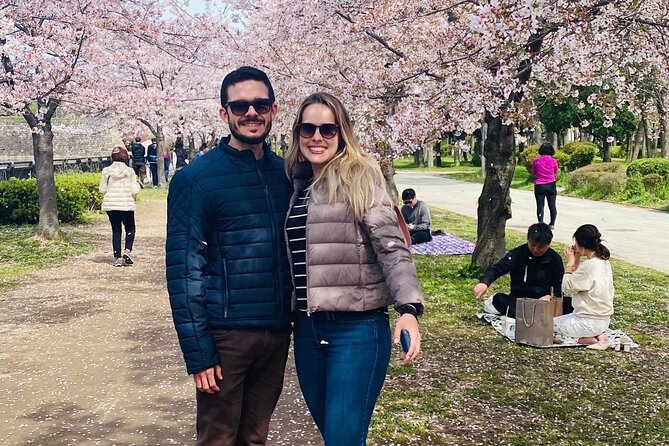
After Kuromon, you’ll head to Sennichimae Doguyasuji Shopping Street, sometimes talked about as Osaka’s kitchen-tool area. This stop is about 30 minutes, and it’s free to visit.
What makes this worth your time is that it’s not generic shopping. Doguyasuji focuses on utensils and tools, and the tour includes Japanese knife culture as a key theme. Even if you don’t plan to buy anything, it’s a fun change of pace: you get a sense of what professionals actually use, and you’ll see why Osaka food culture is so tied to the tools behind the scenes.
In practice, this is also a good time for souvenirs that feel locally meaningful. You might find sharpening stones, kitchen gadgets, or specialty items you can actually use at home. If you do buy, keep an eye on packaging and how you’ll carry it—market-to-street routes can be a lot of steps.
Sennichimae Shopping Street: Arcade Atmosphere and Quick Bites
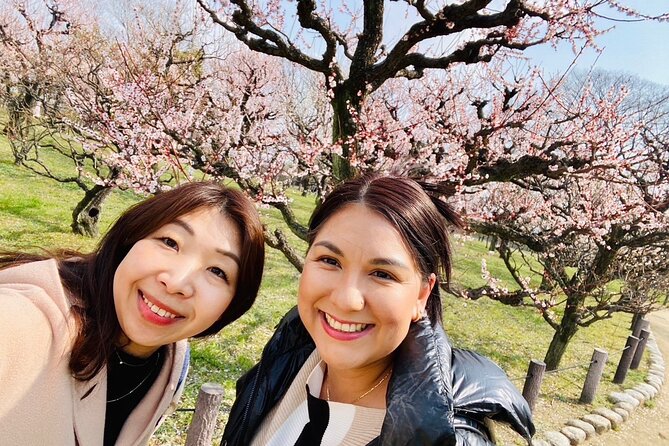
Next comes Sennichimae Shopping Street, an arcade area stretching between Dotonbori and the Sennichimae-dori direction. You’ll have about 20 minutes here, again with no admission required.
This is a “walk, look, and snack smart” stop. Think of it as a corridor of casual food options and older-school commercial energy, where the ceiling helps you keep moving even if the weather changes. If your stomach is already full from Kuromon, you can treat this as a browsing break and save purchases for later.
If you still want more to taste, the tour includes additional food/drinks that are available for purchase during the experience. That’s helpful because it gives you control. You don’t have to gamble on one unknown item for the whole day—you can buy small and keep sampling without losing your rhythm.
A few more Osaka tours and experiences worth a look

Hozen-ji Temple Lantern Glow Before Dotonbori
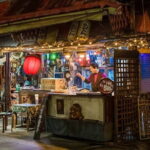
Then you’ll visit Hozen-ji Temple for about 20 minutes. This temple is known for its moss-covered look, and a key detail here is the timing: lanterns at Hozen-ji glow in the evening.
Even if you arrive before the full glow is at peak, the mood shift is real. The air feels calmer compared to the commercial streets around it, and it’s a nice contrast to all the eating you’ve been doing. It also gives you a chance to slow your pace for a moment, regroup, and take a breath before the final big photo zone.
For photos, go steady and keep your expectations realistic. This is a popular area, and you’ll likely share it with other people. Still, the temple lantern vibe is one of the nicer “Osaka at night” moments you can fit into a food-focused day.
Dotonbori and the Glico Sign: Finish Where the Lights Are
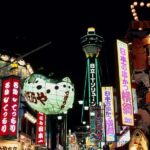
Your tour wraps at Dotonbori, with about 20 minutes in the area. You’ll end near the Glico Sign, which is a handy landmark if you want to meet friends later or navigate onward to dinner.
Dotonbori is where Osaka goes loud: bright signage, street energy, and the kind of people-watching that feels like part of the attraction. The tour focus here is more about the vibe and iconic sight than about sitting down for a long meal, so plan your next move after you finish. Many people will continue to dinner nearby, but you don’t have to.
If you’re the type who likes night photos, this is also a good time to check your battery and set your camera settings. The lighting can be intense, especially around the major signs.
Price and Value: What $155 Buys You (and What It Doesn’t)
At $155 per person for about 6 hours, the question isn’t whether you’re paying for transport or tickets—you’re paying for guided time, coordination, and a set food-and-drink experience.
Here’s what you get included:
- Osaka Castle is part of the route, but admission tickets are not included
- Kuromon Market food samples including tuna sashimi, Michelin-award takoyaki, wagyu bites, sushi
- 1 drink
- A private guide for your group
- Additional snacks and drinks are available to purchase
What’s not included:
- Transportation costs during the experience
- Attraction tickets (notably Osaka Castle admission)
So does it feel like a bargain or a splurge? For me, it leans toward a good value if you like structured eating. You’re getting multiple tastings, not just one “market highlight,” and the private format helps you keep the pacing right for your group. If you’re the type who can easily plan public transport routes and you’re happy picking foods randomly, you could DIY it. But if you want to avoid decision fatigue and get the right bites without guessing, this price starts making sense.
Also, it’s booked well in advance on average, which hints that it’s in demand. If you’re traveling during peak season, treat that as a reason to reserve early.
What I’d Ask Your Guide Before You Start
Because this is a private tour, you can use the guide as your tool. If you care about food quality, ask for what they think you should try first. If you care about history, ask for a short explanation that matches your interests rather than a longer lecture.
Helpful prompts:
- What foods should I skip if I don’t eat fish or dairy?
- Are there any substitutions for vegetarian options?
- If I want less shopping and more strolling, what would you adjust?
- Can we spend a bit more time on the castle grounds photos if lines allow?
In real use, guides like Taku, Yuki, Mie, Kenny, and Kumiko come up in excellent experiences, often for being attentive and adapting to people’s pace. That kind of responsiveness is the difference between a tour that feels scripted and one that feels personal.
A Realistic Trade-Off: Food-Forward vs. Deep Historical Lecture
One possible consideration: if you expect a heavy, academic breakdown of every era at Osaka Castle, this tour may not fully match that style. The day is designed to move efficiently between major stops with tastings as the core focus, so your guide’s time is split between food coordination and site explanations.
That doesn’t mean you’ll get nothing from history. It does mean you should guide the guide. If you want more context, ask direct questions, and ask early while you’re still at Osaka Castle. You’ll get better answers when the guide has your attention and the group isn’t already moving.
Who Should Book This Tour
Book it if you:
- Want a first-time Osaka day with a smart mix of sights and eating
- Prefer a private guide rather than figuring out everything yourself
- Love food stops where someone helps you order and taste
- Want a practical souvenir detour at Doguyasuji kitchen-tool shops
You might choose something else if you:
- Want a longer, museum-heavy history day with fewer meals
- Are planning to do most of your eating independently and don’t care about guided tastings
- Have very strict dietary needs and would rather confirm specific substitutions in advance
Quick Practical Tips for Your 6-Hour Day
- Wear shoes you can walk in for several hours. This is a stroll-heavy route.
- Bring water. You’ll be tasting, and it helps keep your energy up.
- If you’re buying knives or tools, ask how to carry them safely.
- If you’re aiming for specific dietary needs, say it clearly at the start of the day.
Should You Book This Private Osaka Castle and Food Tour?
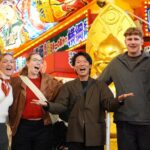
I’d book this when your goal is an efficient, food-forward Osaka highlight day. It’s a strong fit for couples and small groups who want tastings that feel curated by a real guide, plus a finish in the iconic lights of Dotonbori.
The reason it works is simple: you get a whole arc—castle atmosphere, market sampling, kitchen-tool street interest, temple mood shift, then the Dotonbori payoff—without you having to plan each step. Just make sure you budget separately for Osaka Castle admission, and bring questions if you want more history than the basics.
FAQ
What time does the tour start, and where do I meet?
The tour starts at 9:30 am at Morinomiya Station. You’ll end near the Glico Sign in Dotonbori.
Is pickup from my hotel included?
The tour offers pickup, so you can arrange to be collected from your hotel.
What food is included in the tour?
Included foods include tuna sashimi, takoyaki, wagyu beef bites, sushi, and 1 drink (alcoholic or non-alcoholic). Additional food and drinks are available for purchase.
Is Osaka Castle admission included?
No. Osaka Castle admission tickets are not included.
Do I pay for transportation during the tour?
Transportation costs are not included during the experience.
Is this a private tour?
Yes. It’s a private tour/activity, meaning only your group participates.
Does the tour work for vegetarians?
The tour description says it aims to accommodate vegetarians as much as possible. You should still tell your guide your needs so adjustments can be made.
What if the weather is bad?
The experience requires good weather. If it’s canceled due to poor weather, you’ll be offered a different date or a full refund.