Porto can feel like a puzzle at first. This walking tour helps you solve it with 8 tastings plus city stops that explain why Porto looks and eats the way it does. I like that you leave with a full-meal amount of food, not just a few bites, and I also like the small group size, which makes it easier to ask questions as you go.
One thing to plan for: you will walk. The tour lasts about 3 hours 30 minutes and includes hilly streets, so wear comfortable shoes and don’t schedule something tight right after.
In This Review
- Key Points to Know Before You Go
- A 3.5-Hour Porto Walk That Links Food With Real Landmarks
- Price and Value: What $100.42 Actually Buys You
- The Walking Reality: Comfortable Shoes Are Non-Negotiable
- Where You Meet and Where You Finish
- Stop 1: Porto’s Music-Focused Building and the Story It Signals
- Stop 2: A Historic Urban Park for a Reset
- Stop 3: The Lively Historic-Center District Where Daily Life Happens
- Stop 4: The Double-Deck Bridge Over the Douro
- Stop 5: The Tallest Campanile in Portugal for City Views
- The Tastings: 8 Stops That Make Porto Feel Like a Full Meal
- Guides: The Difference Between a Meal and a Story
- Hidden Gems Feel Like the Point, Not a Bonus
- Who This Tour Is Best For (And Who Might Want to Skip)
- Should You Book This Porto Food Tour of 8 Tastings?
- FAQ
- How long is the Porto Food Tour of 8 Tastings?
- What’s included in the tastings?
- What does the tour cost?
- Is the tour in English?
- How big is the group?
- Is there a lot of walking?
- Can dietary restrictions be accommodated?
- Where do you meet and where does it end?
- FAQ
- Do I need good weather for the tour?
- What happens if I cancel?
Key Points to Know Before You Go
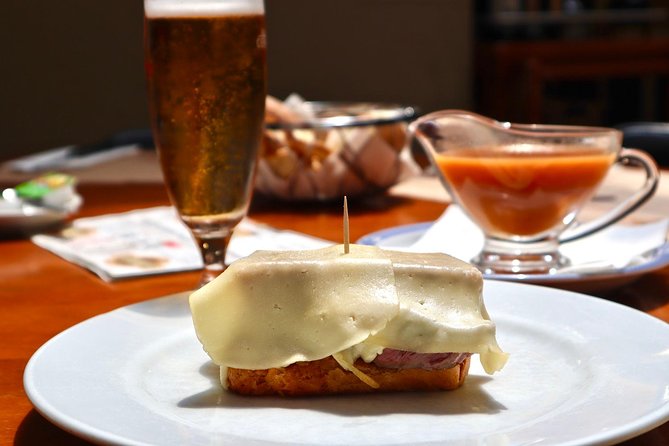
- 8 tastings designed to feel like a real meal, from Pastel de Nata to codfish cake
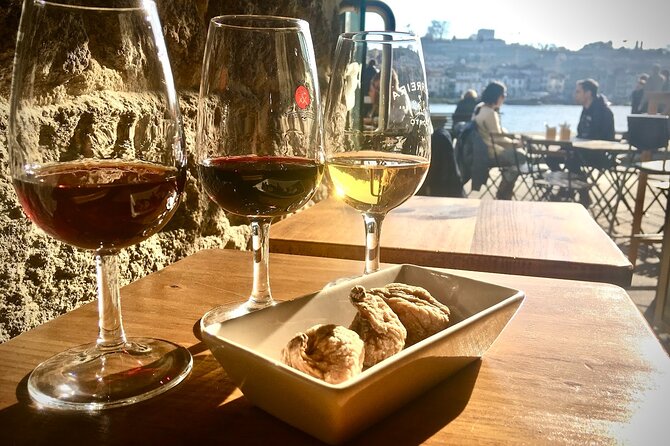
- Local drinks included: Vinho Verde, local beer, and aged Port wine, plus tea/coffee and water
- Small group up to 12, so the guide can slow down when you have questions
- A route that blends food with big Porto landmarks, including the Douro bridge and the tallest campanile in Portugal
- Hidden dish moment: you get a secret stop with a dish that is not listed in advance
- Guides like Jose, Marta, Nuno, and Victor are repeatedly praised for English and easy, friendly flow
A 3.5-Hour Porto Walk That Links Food With Real Landmarks
This tour is built for the first 1–3 days in Porto. You get that early-trip advantage: your stomach gets fed, but your eyes also get trained. As you move through the historic center, the guide ties what you’re eating to what shaped the city—trade, daily life, and local pride.
The itinerary is also smart because it mixes “look up” sights with “stop and taste” moments. You’re not just wandering toward food. You’re also learning how Porto’s layout and geography show up in everything from where people gather to what they buy and cook.
And you don’t need to be a wine expert. The tour includes wine and port, but the point is context and taste, not homework.
You can also read our reviews of more food & drink experiences in Porto


Price and Value: What $100.42 Actually Buys You
At $100.42 per person for about 3 hours 30 minutes, the best way to judge value is by what’s included. You’re not paying for a single snack. You’re paying for 8 tastings plus multiple drinks.
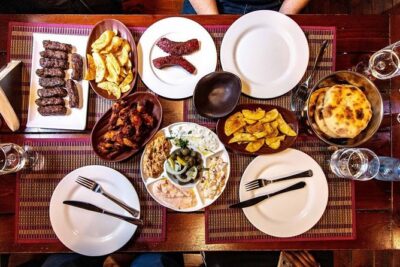
Included food items are the classics people come to Porto for:
- Pastel de Nata (custard tart)
- Traditional canned Portuguese fish
- Bifana (tender pork sandwich with local spices)
- The Most Traditional codfish cake
- A Secret Dish
And drinks include:
- Crisp Vinho Verde
- Local beer
- Aged Port wine
- Tea or coffee, plus water
If you tried to recreate this on your own, the bill usually climbs fast once you add drinks and multiple stops. Here, you get one guided bill that covers the food flow and keeps you from guessing which place is worth your time.
Also, the tour is commonly booked about 35 days in advance on average. That’s a sign it’s popular, so earlier planning can help you get the slot you want.
The Walking Reality: Comfortable Shoes Are Non-Negotiable
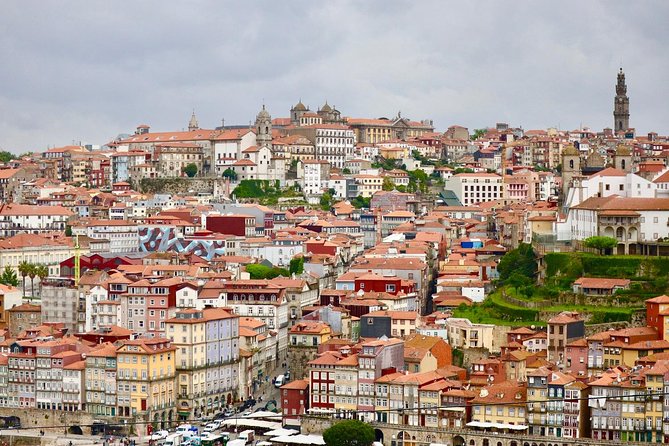
Porto is famous for charm and hills. This tour includes a fair amount of walking, and it’s set up to keep moving at a steady pace. Most people can handle it, but comfort matters.
Here’s how to prepare:
- Wear shoes with grip. You’ll likely be on uneven sidewalks and slopes.
- Bring a light layer. Stops are outdoors sometimes, and weather can change quickly.
- Pace yourself with the food. Some portions are substantial, and if you start with an early sandwich or cake, you’ll want to slow down for the later tastings.
One tip I really like: don’t eat right before you meet. If you go in hungry, you’ll enjoy the variety instead of forcing yourself through it.
Where You Meet and Where You Finish
You’ll start at R. de Passos Manuel 137, 4000-382 Porto, and the tour ends at Rua das Flores (the listing gives that as the final stop). That matters if you’re trying to plan your afternoon.
Because you finish near the Rua das Flores area, it’s easy to roll into your next meal or stroll without needing another long transport step. It’s also a convenient setup for continuing to explore the historic center on your own once you’ve got a mental map.
Stop 1: Porto’s Music-Focused Building and the Story It Signals
The tour kicks off at the first building in Portugal created exclusively for music, for both public performances and training/creation. Even if you’re not a music nerd, the idea is worth noticing.
This stop sets a tone: Porto didn’t just build for commerce and churches. It also invested in culture as a dedicated space. It’s the kind of civic priority you can feel in how the city talks about identity—through art, not only tradition.
Practical note: you may spend a short time here, but expect the guide to connect the architecture to the wider cultural story. That context makes the later food stops land better, because you understand this city thinks about more than survival.
A few more Porto tours and experiences worth a look




Stop 2: A Historic Urban Park for a Reset
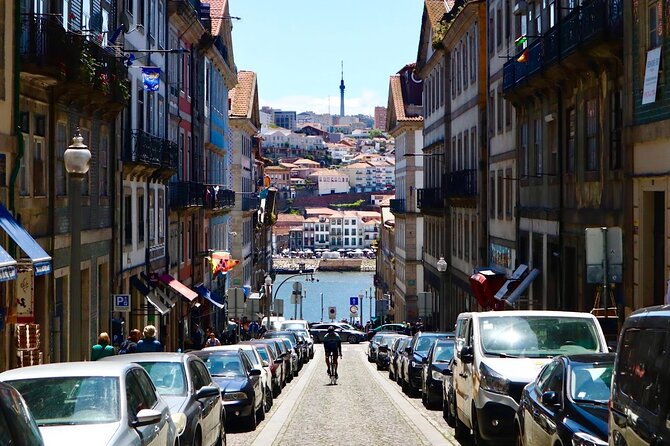
Next comes a small historic urban park with a serene vibe—trees, plants, and sculptures. Think of it as your breather. You’ll go from streets and conversation to something calmer, which helps the group stay fresh for the next food stretch.
Why this stop works on a food tour:
- It breaks up the walking rhythm.
- It gives you a moment to regroup without rushing.
- The guide can shift from “landmark mode” to “here’s how people live and eat” mode.
If you like tours that don’t feel like a sprint, this park stop is a big part of the appeal.
Stop 3: The Lively Historic-Center District Where Daily Life Happens
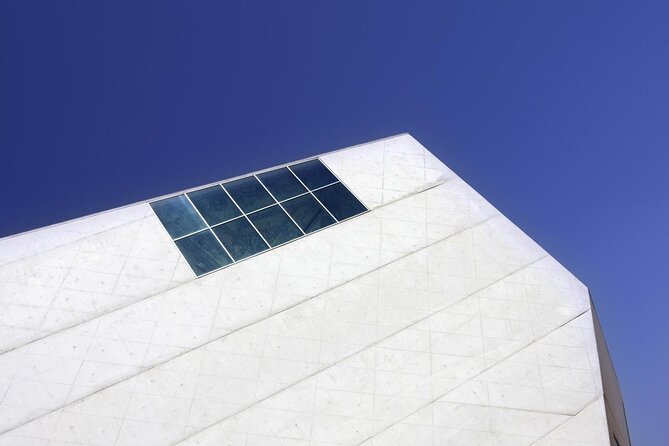
Then you’ll move into one of Porto’s most beautiful and lively districts in the historic center. This is where the tour starts to feel like local life, not a checklist.
You’ll typically connect the district atmosphere to the kinds of foods that show up again and again:
- quick, satisfying bites
- seafood flavors shaped by Portugal’s access and preservation habits
- sandwiches and pastries that fit real schedules
This is also often where the guide steers the group toward the logic of Portuguese ordering. You’ll learn what to look for and why the classics keep showing up.
Stop 4: The Double-Deck Bridge Over the Douro
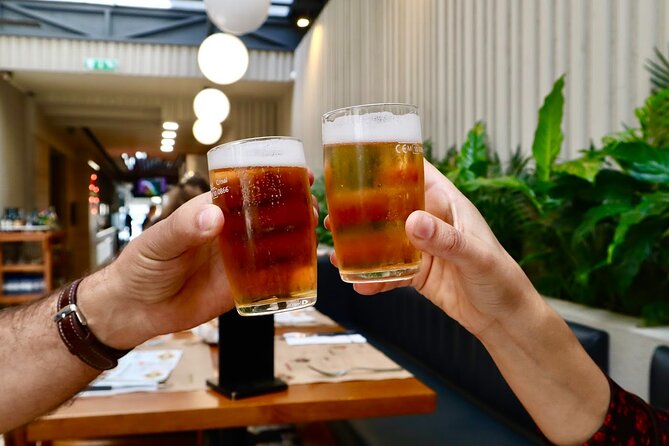
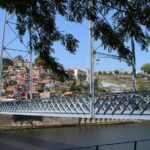
One of the most photogenic moments in the route is the double-deck metal arch bridge spanning the River Douro between Porto and Vila Nova de Gaia. Even without trying to memorize engineering facts, you’ll get the big point: this river is a major organizing force for the city.
Why it matters on a food tour:
- Porto’s food culture is tied to trade routes and movement across the river.
- Wine and port culture developed where access and transport mattered.
- The bridge is the physical reminder of that whole system.
This stop gives you a chance to look outward, then eat inward again. It keeps the tour from being purely culinary and makes it feel like a proper city orientation.
Stop 5: The Tallest Campanile in Portugal for City Views
The last landmark stop is at the tallest campanile in Portugal, visible from multiple points and one of Porto’s most characteristic symbols. This is the part where you’ll likely get the best “orientation payoff.”
High points like this help you understand the city’s layers:
- where streets climb
- how neighborhoods relate
- how the river shapes the view lines
Even if you don’t go for long photo sessions, the viewpoint usually makes the rest of your day easier. You’ll come back down with a clearer sense of where things are.
The Tastings: 8 Stops That Make Porto Feel Like a Full Meal
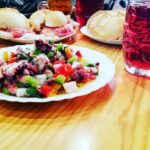
The food portion is where this tour earns its high rating. The goal is variety across the spectrum: pastry, sandwich, seafood, comfort cake, and wine/port.
Here’s the tasting sequence you should expect, based on what the tour includes:
Pastel de Nata (custard tart)
This is the flaky, creamy classic. It’s a smart first-choice item because it tells you what Portuguese pastry style tastes like: soft custard, crisp pastry, and a comforting sweetness that doesn’t feel heavy.
Canned Portuguese fish
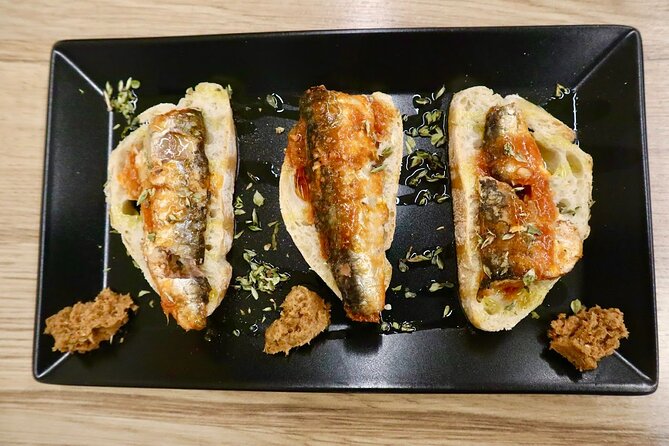
Yes, canned fish. In Porto, it works. The flavors are bold, and the guide will help you understand why preserved foods still matter in Portuguese everyday eating.
Bifana (pork sandwich with local spices)
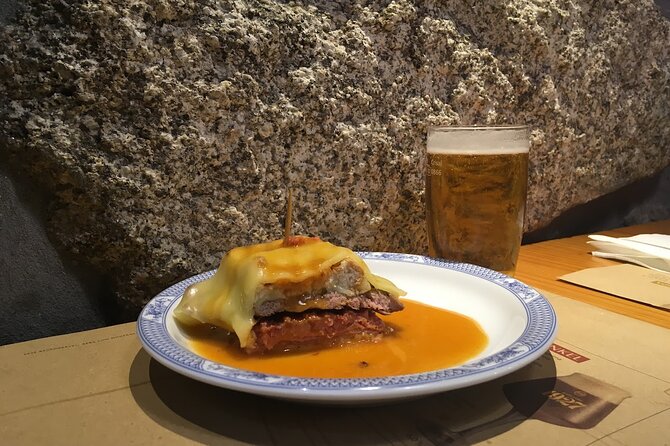
A real street-food favorite. The bifana here is described as tender pork with local spices, and it’s the kind of bite that turns a walking tour into something genuinely satisfying.
Codfish cake (the traditional classic)
The tour includes the most traditional codfish cake. If you like savory snacks, this is the one that can feel like a comfort meal, especially after a couple earlier tastings.
The Secret Dish
This is the fun part. You get a dish that isn’t listed in the standard lineup, so you’re rewarded for showing up hungry and letting the guide handle the surprise.
Portuguese drinks with your food
You’ll also taste:
- Vinho Verde (crisp)
- local beer
- aged Port wine
Plus tea or coffee and water.
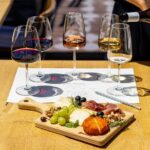
What I like about this mix is that it supports different tastes. The wines and port aren’t thrown in randomly; they work with pastry and savory bites so you can notice contrasts rather than just piling on more sugar or salt.
And the portions are generous. If you’re doing this as your first big meal of the day, it can genuinely carry you farther than you’d expect.
Guides: The Difference Between a Meal and a Story
This tour lives or dies by pacing and explanations, and the guide performance shows up in real ways.
Names that come up often include Jose and Marta, plus guides like Nuno and Victor. Across those different hosts, the recurring theme is clear: the guide ties Porto’s culture and food together in a relaxed way, and keeps the group moving without making it feel rushed.
If you have follow-up questions, you’ll usually get more than a quick answer. Some guides also help with next-step ideas, like where to continue with wine tastings after the tour.
One more practical strength: guides are willing to be flexible. For example, one host was noted for care when someone had an injured ankle, which tells you this is not a one-speed, one-size-fits-all operation.
Hidden Gems Feel Like the Point, Not a Bonus
The name mentions hidden gems, and the route supports that idea. The stops aren’t only the biggest postcard landmarks. You also get smaller, calmer moments—a park, a historic district vibe, and a purpose-built music space that signals what the city values beyond the obvious.
The food itself works like a hidden gem too. “Secret dish” isn’t just marketing. It’s built into the meal flow so you remember the tour for something beyond the famous pastries and sandwiches.
Who This Tour Is Best For (And Who Might Want to Skip)
This is a great fit if you:
- want your first-day bearings in Porto
- like food tours that actually feed you
- enjoy walking with frequent short stops
- want local drink pairings without planning a tasting route yourself
It might be less ideal if you:
- hate walking or hills
- need a fully seated experience the entire time
- want only ultra-slow pacing with zero crowd time
Should You Book This Porto Food Tour of 8 Tastings?
If you want a smart first orientation to Porto while eating your way through the city’s best-known flavors, I’d book it. The biggest strength is the balance: 8 tastings plus drinks, tied to landmark stops, all in a small group.
Book it especially if you arrive hungry and want a guide to handle the order of things so you don’t waste time second-guessing where to go. And if you’re the kind of traveler who likes leaving with both food memories and map clarity, this tour does that well.
Skip it only if your schedule can’t handle hills and steady walking, or if you already know you won’t be able to finish a meal’s worth of snacks and drinks.
FAQ
How long is the Porto Food Tour of 8 Tastings?
It’s about 3 hours 30 minutes.
What’s included in the tastings?
You get Pastel de Nata (custard tart), traditional canned Portuguese fish, bifana, codfish cake, a secret dish, plus Vinho Verde, local beer, aged Port wine, and tea or coffee. Water is also included.
What does the tour cost?
The price is $100.42 per person.
Is the tour in English?
Yes. It’s offered in English.
How big is the group?
The tour has a maximum of 12 travelers.
Is there a lot of walking?
Yes. It involves a fair amount of walking, and comfortable shoes are recommended. Porto is hilly.
Can dietary restrictions be accommodated?
If you have dietary requirements, contact the provider in advance so they can cater for you as best they can.
Where do you meet and where does it end?
You meet at R. de Passos Manuel 137, 4000-382 Porto, and the tour ends at Rua das Flores.
FAQ
Do I need good weather for the tour?
Yes. The experience requires good weather. If it’s canceled due to poor weather, you’ll be offered a different date or a full refund.
What happens if I cancel?
Free cancellation is available up to 24 hours in advance for a full refund.