REVIEW · GHENT
Ghent: Guided City Tour with Food Tastings
Book on GetYourGuide →Operated by Tours of Ghent · Bookable on GetYourGuide
Ghent tastes better with a guide. This 150-minute walking tour turns Ghent’s history into something you can eat and remember, starting at the Vrijdagmarkt and moving past major sights like the Graslei and Korenlei quays and the City Hall area. You’ll stop at five carefully chosen food locations, with stories that connect what’s on your plate to how Ghent became Ghent over nearly 1,400 years.
Two things I really like: the tour is led by Sophie, who mixes easy-to-follow city storytelling with real-world local food facts, and the tastings are genuinely filling, not token bites. One possible drawback is that you do need stamina for city walking: you’ll cover about 3–5 km at a gentle pace, and it runs rain or shine, so plan accordingly.
In This Review
- Key highlights at a glance
- Starting at Vrijdagmarkt: where Ghent’s stories begin
- How the 150-minute walk actually feels in your day
- The five food stops: what you’ll likely taste (and what each bite means)
- Vegetarians can still eat well
- Drinks: plan for your wallet
- Ghent landmarks you’ll walk past: City Hall, towers, canals, and Graffiti Street
- Why the small-business stops matter more than the menu
- Pace, weather, and comfort tips that keep the tour easy
- Price and value: is $93 per person worth it?
- Who should book this Ghent food and history walk
- Should you book it
- FAQ
- Where do I meet my guide?
- How long is the tour?
- What food is included?
- Are drinks included?
- Can the tour accommodate vegetarians?
- How much walking is involved?
- Does the tour run in bad weather?
- Is this tour suitable for everyone?
Key highlights at a glance
- Vrijdagmarkt meeting point makes it easy to find, right by the big Jacob Van Artevelde statue
- Five tastings mix small bites and larger portions so you leave properly fed
- Canals and landmark stops include the Graslei and Korenlei quays plus major medieval-era sights
- Graffiti Street adds a modern slice to the history-heavy route
- Local, often family-run businesses help the food feel part of everyday Ghent life
- Rain or shine means you’ll be wearing comfortable shoes for wet cobblestones at times
Starting at Vrijdagmarkt: where Ghent’s stories begin
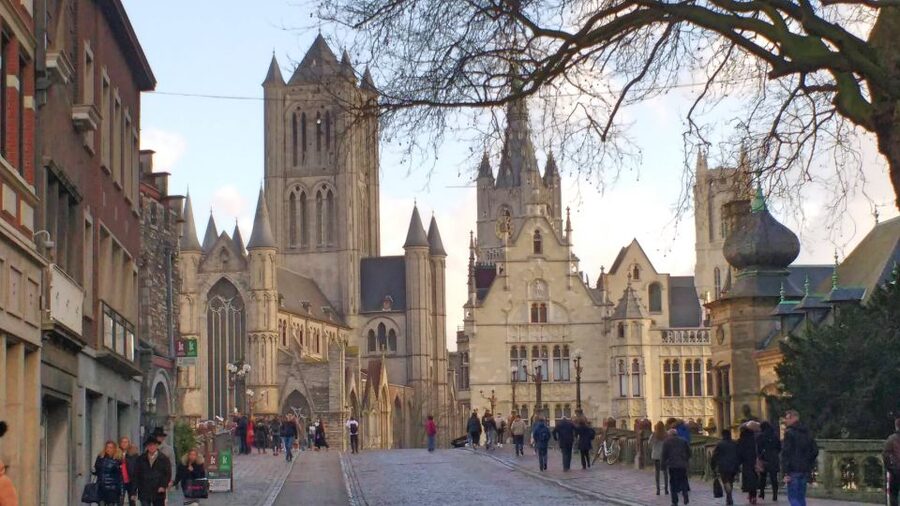
Your tour meeting point is the Jacob Van Artevelde statue in Vrijdagmarkt (the big statue in the center of the square). The area matters because it’s one of those Ghent hubs where old city life still feels close. If you’re arriving by tram, get off at Gravensteen or Korenmarkt and then walk about 7 minutes from there.
When your guide appears holding a sign, you’re basically set up for success: you won’t spend your tour time figuring out where to go next. You’ll also get an immediate feel for the city rhythm. Ghent isn’t only churches and viewpoints; it’s also markets, errands, and the casual flow of people heading into cafés and shops.
If you’re the type who likes to understand the “why” behind a place, you’ll appreciate how the tour frames the route with time and context, not just photo stops.
How the 150-minute walk actually feels in your day
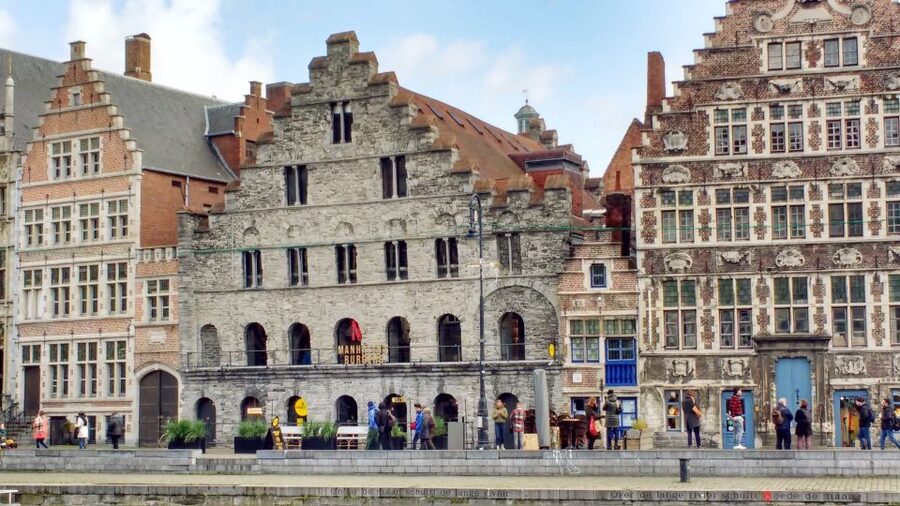
This is a relaxed walking tour, usually 150 minutes, and it’s designed for a gentle pace. The key practical detail is distance: you’ll need to walk about 3–5 km. That’s not “run through the city” mileage, but it does add up, especially on cobblestones.
Plan your timing with one rule: don’t schedule a tight event right after. The tour can run over time, so give yourself a buffer.
Also, this tour is rain or shine. That’s not a marketing line—it affects comfort. If it’s wet out, bring shoes you can trust. And pack water. A few people in this kind of tour set-up regret not having water in the afternoon heat, because you’ll be stopping often and thinking more than you expect.
The five food stops: what you’ll likely taste (and what each bite means)
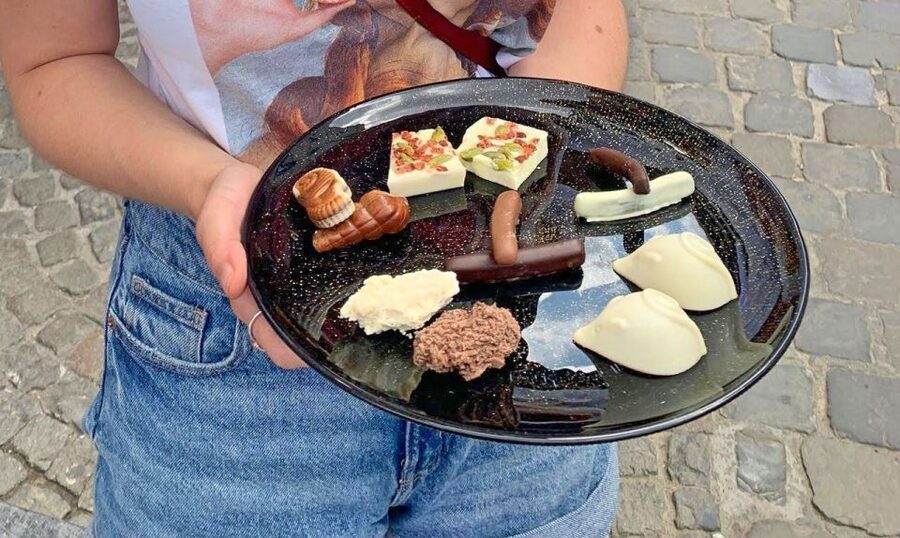
You’ll stop at five locations for tastings, and the sizes vary. Some stops are more bite-sized for sampling; others are more generous so your stomach doesn’t feel like it’s on a permanent waiting list.
Across the tour, the tastings are built around two goals:
- Show Ghent’s local classics alongside newer food influences.
- Pair what you taste with stories about the city and the people behind it.
Here’s what you should plan for, based on the kinds of items that come up on the tastings:
- Belgian staples like cheese and cured meats
- Frites with gravy (a classic move in Belgium, and a great comfort-food base for sightseeing)
- Chocolate and sweets as part of the dessert or snack rhythm
- Meatballs (a frequent Belgian-style highlight in food walks)
- Coffee with a historical nod to how certain brewing styles reached Ghent in earlier times
- Gelato as a modern contrast to older-school bites
- Beer at least sometimes as part of the tastings, though the tour doesn’t guarantee drinks at every stop
Two particularly memorable stories that come through in the tour style:
- A bakery tied to the idea of helping Belgian troops during WWI. It’s one of those facts that makes you look at bread like it has a job to do beyond today’s comfort.
- A coffee shop story connected to Italian-style coffee arriving in Ghent in the early 1900s. It explains why coffee culture feels so natural in the city now.
You’ll also get explanations that make the food feel personal. Instead of tasting “random stops,” you learn what each place is known for and how it fits into the local scene—like a neighborhood chain of cause and effect.
Vegetarians can still eat well
If you’re vegetarian, you’re not stuck with just bread and water. The tour can cater for vegetarians, and guides can adjust what you receive at stops so you still get a real tasting experience.
Drinks: plan for your wallet
A useful heads-up: not all places include drinks. Additional drinks are available to purchase. Some tours include beer as part of tastings, but don’t treat it like a guaranteed drink package. If you’re a serious beer drinker, you might want to budget extra or consider pairing this with a dedicated beer activity later.
Ghent landmarks you’ll walk past: City Hall, towers, canals, and Graffiti Street
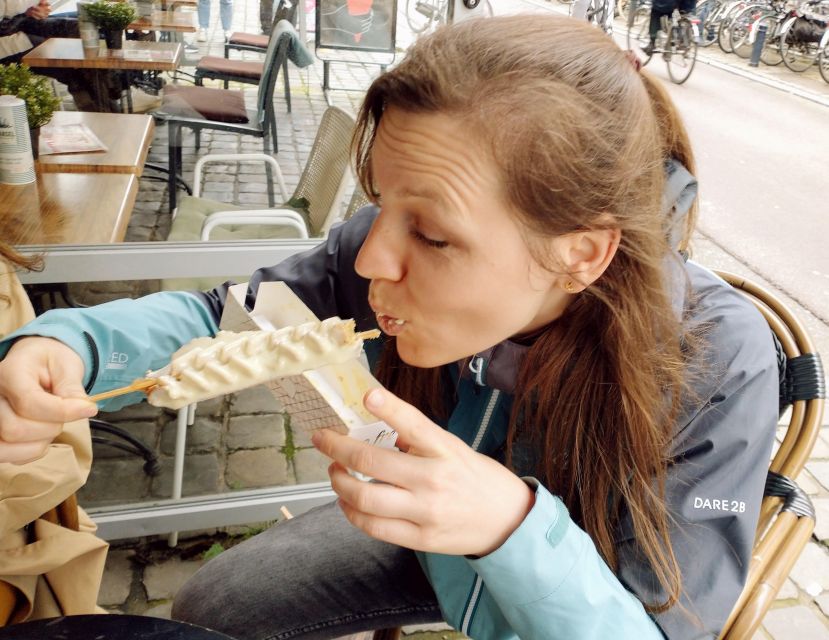
Food does the heavy lifting, but the city scenery is the backbone of the tour. You’ll see key Ghent landmarks while you walk, and you’ll be guided on what’s worth looking at and why.
Among the sights built into the route:
- Ghent City Hall (a major architectural focal point)
- The City Pavilion
- The Graslei and Korenlei canal quays (some of Ghent’s most photogenic waterfront scenes)
- Three medieval towers that shape the skyline
- Graffiti Street, which adds a contemporary edge so Ghent doesn’t feel stuck in the past
What I like about mixing landmarks with food stops is pacing. You don’t just march from one building to another. You get a taste break, then a sight story. After a few tastings, the canal quays and tower views land harder because you’ve already been thinking about how the city grew and where people gathered.
And yes, there are photo opportunities. You’re not fighting the crowds for viewpoints; you’re getting placed in the right spots as you go.
Why the small-business stops matter more than the menu
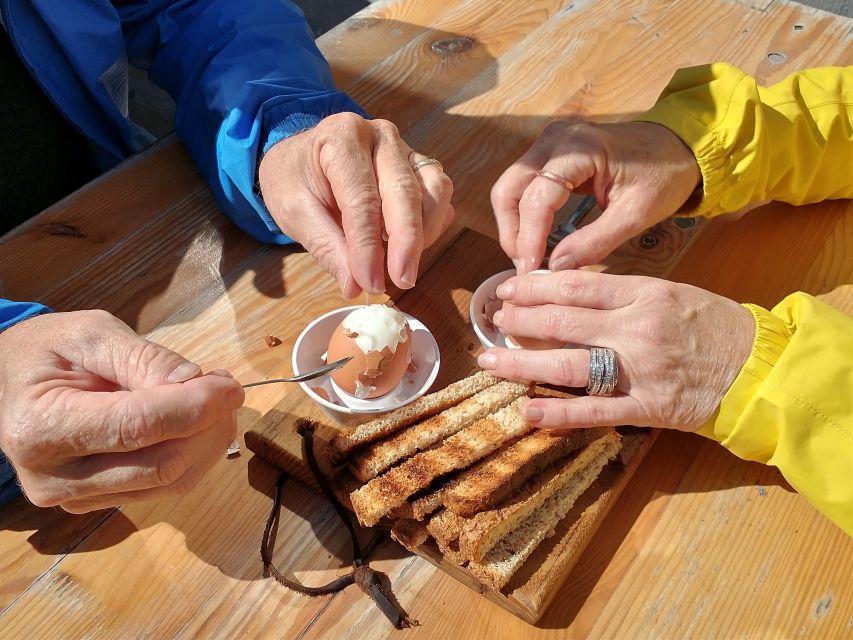
A good city food tour shouldn’t just feed you. It should connect you to how the city really works. This tour’s design leans hard into small businesses and eateries, which makes the experience feel like a local afternoon rather than a tourist conveyor belt.
That shows up in the types of places you’ll visit—historic spots with long ties to the area, plus modern spots that explain how Ghent food culture continues to evolve. It also helps you avoid the most common food-tour problem: ordering the same “safe” dishes you can find everywhere, from places you’ll never visit again.
If you like souvenirs you can actually enjoy, this style of stop selection helps. You’ll often pick up ideas for what to buy later, where to return, and what to skip because you already understand the local angle.
Pace, weather, and comfort tips that keep the tour easy
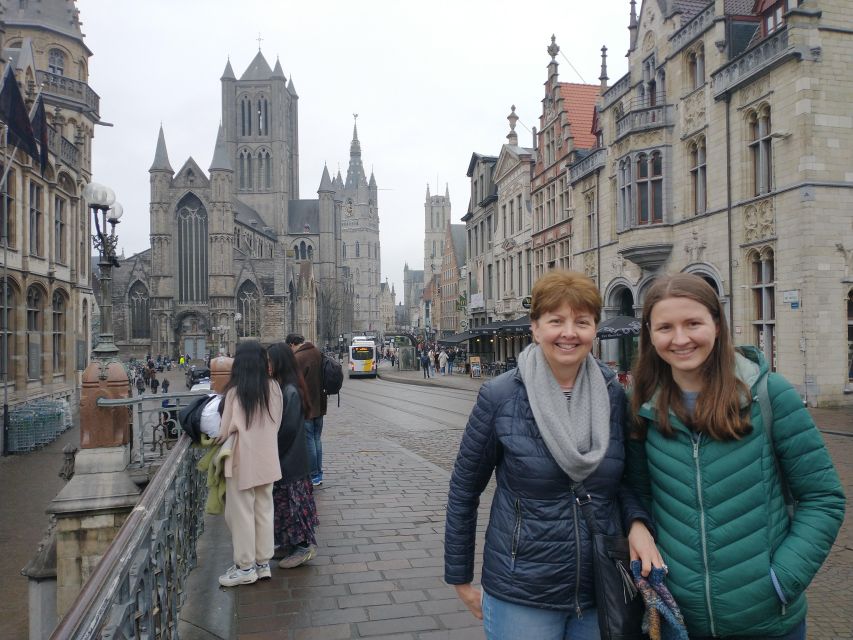
This tour asks for simple preparation, and it’s worth taking seriously:
- Wear comfortable shoes (Ghent’s streets can be hard on feet)
- Bring water
- Use weather-appropriate clothing since it runs rain or shine
You’ll also want to plan around the walking requirement. This isn’t for everyone:
- Not suitable for pregnant women
- Not suitable for people with back problems
- Not suitable for mobility impairments
- Not suitable for people with a cold
- Not suitable for low level of fitness
If any of those apply to you, it’s better to choose a shorter option. Even at a gentle pace, you’ll be on your feet for long enough that discomfort can become the main event.
One more practical note: no audio recording is allowed, and smoking isn’t allowed. It’s a normal tour rule set, but it’s good to know if you’re used to recording everything.
Price and value: is $93 per person worth it?
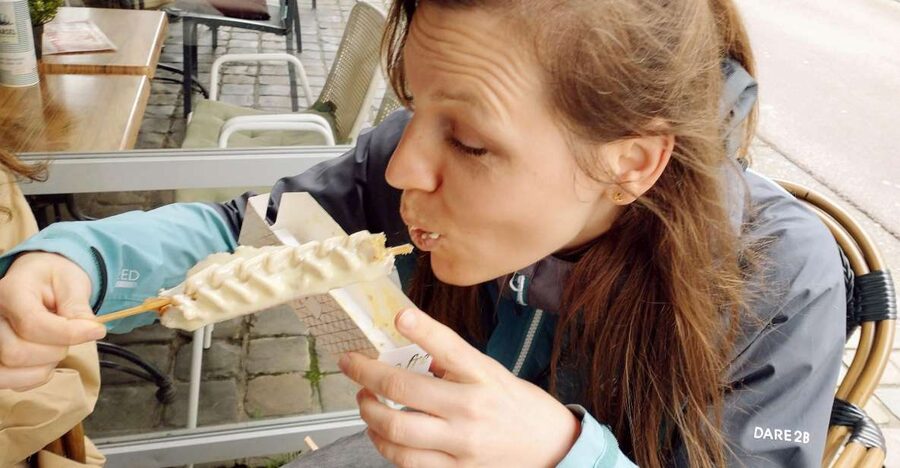
At $93 per person, this tour isn’t a “cheap snack walk,” but it also isn’t priced like a luxury tasting experience. It sits in a fair middle ground because you’re paying for three things at once:
- A guided city walk that covers real landmarks
- Five tastings (both small and larger portions)
- A local storyteller who ties it all together
The value question for me is: do you leave satisfied? From how the tastings are described (plenty of food, generous portions), this tour often replaces a full meal later, especially if you go in hungry.
If your goal is to do the major Ghent sights anyway, the walk saves time and effort. You’d have to pay for food on your own, then separately figure out what’s worth seeing and what stories to attach to it. Here, the food and the sightseeing are paid together.
My best advice for value: arrive with an appetite. If you’re already full, you’ll notice the cost more. If you come hungry, the whole day feels more like a meal plan plus city orientation.
Who should book this Ghent food and history walk
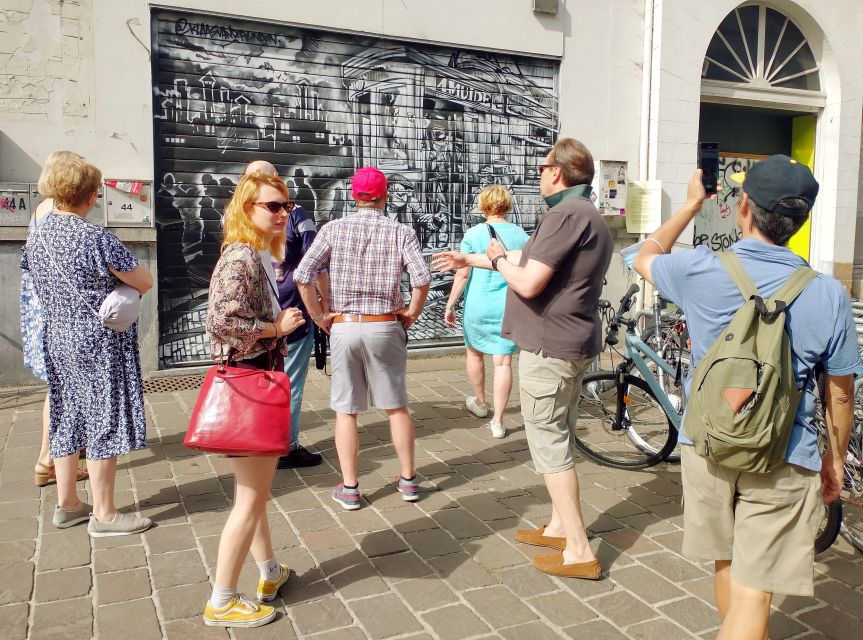
This fits best if you want:
- A balanced day: food plus landmark storytelling
- A way to learn Ghent fast without building your own route
- A local-feeling experience through small businesses, not just big-name attractions
- Something you can do early enough to guide your next steps, since you’ll finish with clear ideas for where to return
It can also work well if you’re traveling solo or in a small group, because the guide’s explanations and pacing create space to ask questions. If you’re coming with kids, the tour can be a fun family-friendly option in practice, since the tastings are varied and the guide can keep things moving.
If you’re mainly chasing nightlife or a long craft-beer crawl, you might prefer a tour that focuses more on drinks. This one is built around the mix of tastings and city context.
Should you book it
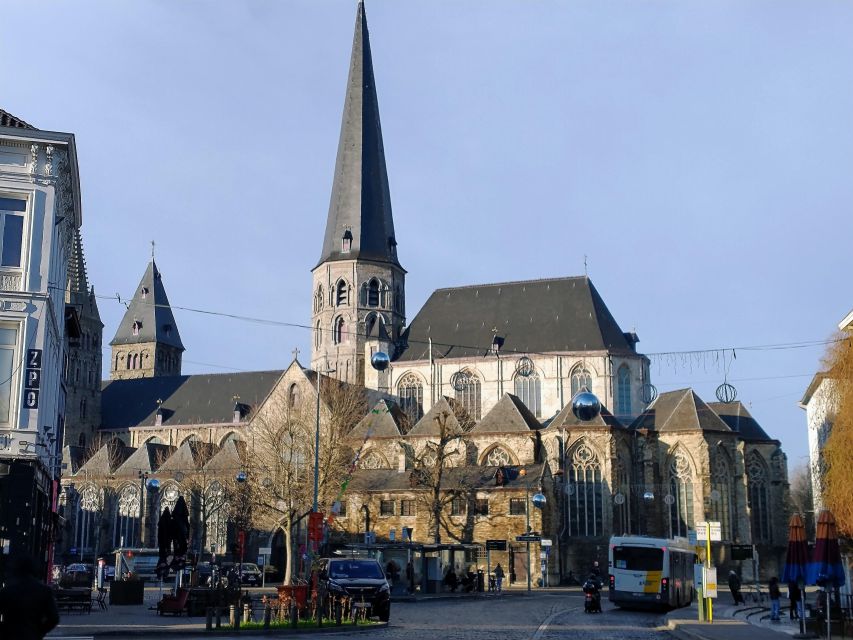
If you’re visiting Ghent and you want to understand the city through food stops tied to real stories, book it. This is especially worth it when you’re short on time and you’d rather spend your first day learning what to look for than just collecting photos.
I’d skip it if you:
- can’t handle 3–5 km of walking,
- need a very quiet, low-foot-traffic plan,
- or are currently under the weather (the tour isn’t designed for people with a cold).
Otherwise, come with comfortable shoes and an open stomach. You’ll leave knowing where Ghent’s past shows up in daily life, and you’ll have eaten your way through parts of town you might not find on your own.
FAQ
Where do I meet my guide?
Meet at the Jacob Van Artevelde statue in Vrijdagmarkt square. Your guide will be holding a sign.
How long is the tour?
The tour runs for about 150 minutes.
What food is included?
You’ll get five food tastings, with a mix of small bites and larger portions. What’s served can include Belgian classics and other local choices.
Are drinks included?
Not all stops include drinks. You can buy additional drinks at your own expense.
Can the tour accommodate vegetarians?
Yes. The tour can cater for vegetarians. Let the provider know about your dietary needs before booking so they can check what’s possible.
How much walking is involved?
You need to be able to walk 3–5 kilometers at a gentle pace.
Does the tour run in bad weather?
Yes, it operates rain or shine.
Is this tour suitable for everyone?
It isn’t suitable for pregnant women, people with back problems, people with mobility impairments, people with a cold, or people with low fitness.