REVIEW · DUBAI
Dubai: Old Town Walking Tour with Abra Cruise & Street Food
Book on GetYourGuide →Operated by Dubai Heritage Walks by Local · Bookable on GetYourGuide
Dubai’s Old Town feels like a different city. This walking tour strings together Al Fahidi heritage, souks, and a Dubai Creek abra ride, with Arabic coffee and street food to keep things fun. I love how it pairs traditional architecture with practical market tips you can actually use, and I love that the route moves you through classic areas instead of stopping at generic photo spots. One thing to consider: you’re walking (no strollers, no large bags), and it’s not suited to people with mobility impairments or wheelchair users.
I also like the human touch. Guides like Muhammed Bilal and Abdulla are repeatedly praised for clear explanations and for helping you shop without feeling pressured. If you want a guided plan that still feels local, this is a strong match.
In This Review
- Key Takeaways Before You Go
- Why Old Town Works So Well on Foot
- Getting There: Meeting at Wokyo Noodle Bar in Al Seef
- By metro
- By taxi or Uber
- Al Fahidi District: Arabian Architecture and the First Real Taste of Old Dubai
- The Old Mosque and Old Wall Remnants (Built Around 1800 AD)
- Dubai Museum: Artifacts That Turn Stories into Something You Can See
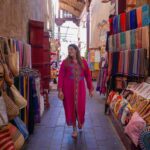
- Textile Souk: Color, Craft, and Why Fabric Still Matters
- Abra Across Dubai Creek: The Ride That Links Both Sides
- Gold Souk and the Spice Market: When the Senses Take Over
- Gold Souk
- Spice market
- Street Food, Arabic Coffee, and Camel Milk Chocolate
- Your Guide Makes It or Breaks It (Muhammed Bilal and Abdulla Stand Out)
- Price and Value: Why $26 Can Make Sense
- What to Bring (So the Weather Doesn’t Beat You)
- Who This Tour Fits Best
- Should You Book This Dubai Old Town Tour?
- FAQ
- Where is the meeting point for the tour?
- How do I get there by metro?
- What’s included in the price?
- Is hotel pickup included?
- Is this tour good for kids?
- Is it wheelchair accessible?
- What should I bring and wear?
- Can I bring a stroller or large bags?
Key Takeaways Before You Go
- Al Fahidi District as your starting point: Arabian-style streets and buildings that set the tone fast
- Abra cruise across Dubai Creek: a short boat ride that changes the way you experience the city
- Souk skills, not just sightseeing: help with prices and shopping flow in Gold and Textile markets
- Street food plus Arabic coffee: included bites that make the tour feel like a real day out
- A tight, small-group feel: private option available, and guides are known for keeping things relaxed
- Comfort matters: you’ll want comfortable shoes and sun protection for time outdoors
Why Old Town Works So Well on Foot
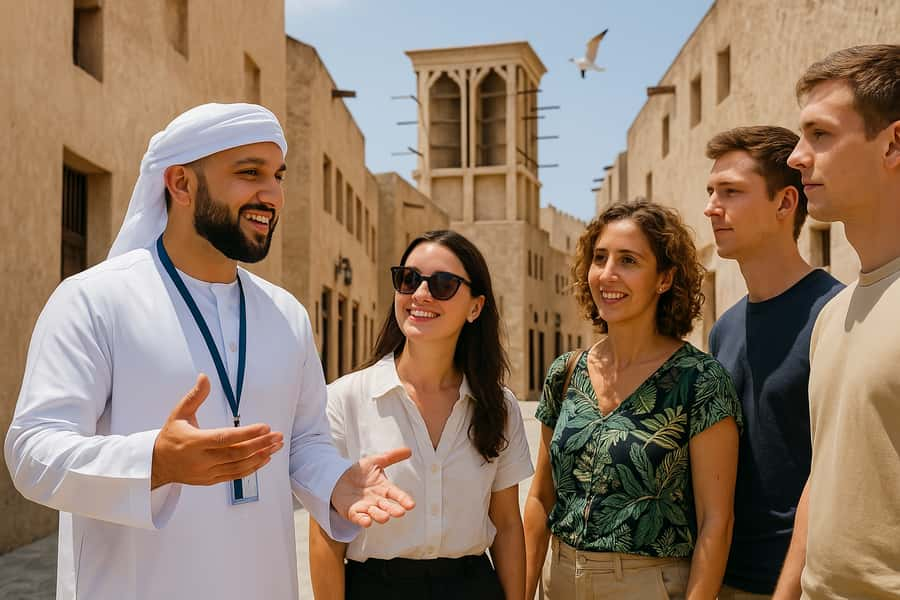
Old Dubai is the part of the city that can surprise you. Yes, Dubai is famous for height and speed. But walking through Al Fahidi District and then into the souks is where you understand how the city grew—trades, neighbors, and daily life shaping the streets over time.
What I like most is the pacing. This tour doesn’t treat heritage as a museum-only topic. It uses real places you can see and touch with your senses: architecture, old religious sites, walls and museums, then markets where people still sell textiles, gold, and spices. You get history you can point at.
And because you also cross Dubai Creek by abra, you get a built-in change of perspective. Even if the boat ride is short, it helps your brain link the two sides of the story.
You can also read our reviews of more tours and experiences in Dubai.

Getting There: Meeting at Wokyo Noodle Bar in Al Seef
Your tour starts in a very findable spot: in front of Wokyo Noodle Bar in Al Seef. Try to arrive about 10 minutes early. In hot weather, those extra minutes in the shade matter.
By metro
The closest station is Sharaf DG Metro Station on the Green Line. From there, it’s a few minutes’ walk to Al Seef.
By taxi or Uber
Use Wokyo Noodle Bar – Al Seef in your GPS. This saves time and avoids the classic problem of drivers who don’t want to guess.
Practical tip: Al Seef is lively, so give yourself buffer time to confirm you’re at the correct entrance area before your guide starts rounding everyone up.
Al Fahidi District: Arabian Architecture and the First Real Taste of Old Dubai
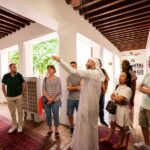
You begin in the Al Fahidi District, an area known for its older-style buildings and the character you don’t get in newer Dubai. This start matters. It’s not random. Your guide sets the context by pointing out how these buildings reflect traditional life and design.
From there, you’ll move through the district’s “everyday history” feel. You may pass sites that now function as museums or galleries, and there’s even a coffee museum mentioned as part of the area’s charm. The point isn’t to cram facts. It’s to see that the neighborhood was built for living, trading, and community long before Dubai became a global brand.
You can also read our reviews of more food & drink experiences in Dubai
The Old Mosque and Old Wall Remnants (Built Around 1800 AD)
One of the stops that helps the story click is the area around the Old Mosque. You’ll be looking at architecture that reflects Dubai’s heritage rather than flash. That matters when your brain starts comparing what you’re seeing with the modern skyline.
Next comes the Old Wall remnants, described as built around 1800 AD. Even as fragments, walls like this explain a lot. They show how cities used protection and boundaries, and how Dubai’s layout changed as trade shifted.
If you like understanding a place in layers, these moments are gold. You’ll leave with a sense of time—how the city’s “old parts” weren’t built for tourists first.
Dubai Museum: Artifacts That Turn Stories into Something You Can See
After the heritage street scenes, the tour heads to the Dubai Museum area. The value here is simple: it gives names and objects to what you’ve been seeing outside.
The museum stop focuses on relics and artifacts connected to Emirati civilization and the growth of the city. You’ll walk away with a clearer idea of what the markets were built on, and why the neighborhoods look the way they do.
A tip for getting more out of this stop: don’t rush for the biggest display. Let your guide point out what connects to the next parts of the day—souks, trade, and everyday commerce.
Textile Souk: Color, Craft, and Why Fabric Still Matters
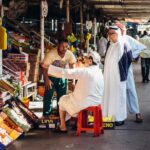
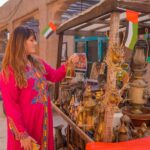
Then you’ll hit the Textile Souk. This is where the tour shifts from architecture and artifacts into the language of trade. Fabrics and traditional textiles show up in different colors, patterns, and styles, and the whole place feels like it runs on craft.
This stop is also a good warm-up for shopping later. You see how vendors display goods and how bargaining works in practice. You’re not thrown into the deep end with gold right away.
If you’re the type who freezes when faced with prices, this is one of the smart parts of the tour. You’ll have a guide to set expectations and help you shop without feeling awkward.
Abra Across Dubai Creek: The Ride That Links Both Sides
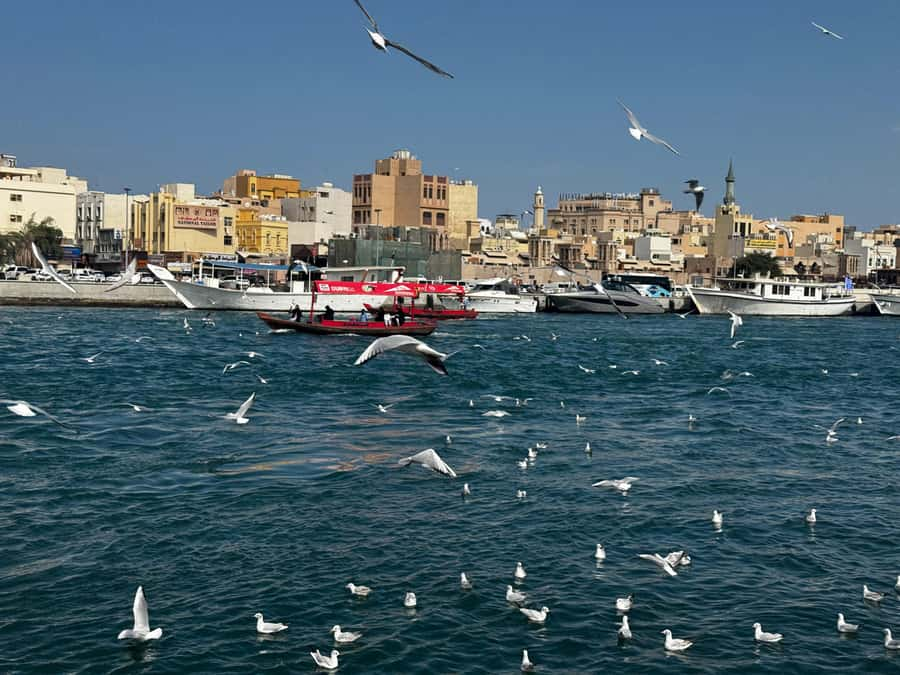
One of the most memorable “small moments” on this tour is the abra water taxi across Dubai Creek.
This isn’t just a transfer. It’s a perspective shift. Crossing the water helps you understand the geography of the Old Town trade routes and what makes the Creek such an important spine of Dubai.
Also, abra rides are part of how the city moves at street level. You’ll feel it’s not staged. It’s real transportation, not a theme-park boat.
When you come off the water, the Gold Souk makes more sense—because you’re now seeing the city’s commercial heart from the right angle.
Gold Souk and the Spice Market: When the Senses Take Over
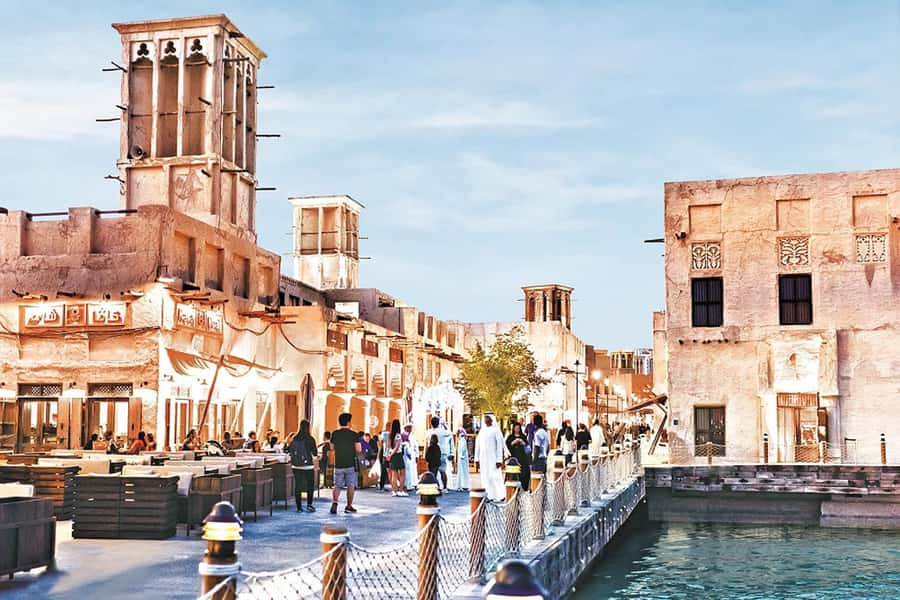
After the abra, the tour focuses on two of Dubai’s most iconic souk experiences: Gold Souk and the spice market.
Gold Souk
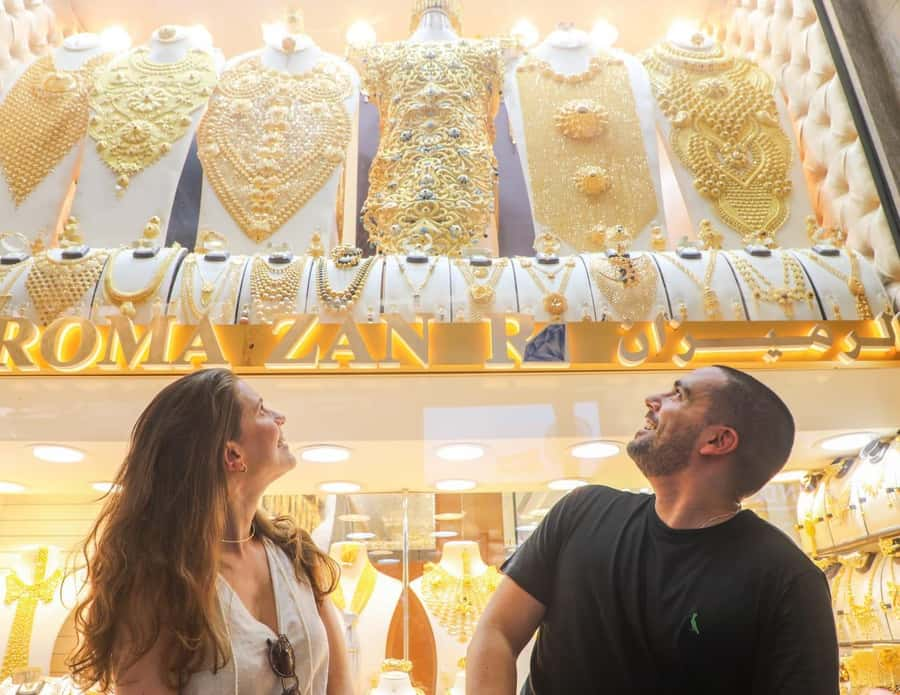
The Gold Souk is described as one of the largest gold retail markets in the world. That’s a big claim, but it matches what you’ll feel once you’re inside: the energy is immediate, and the displays are hard to ignore.
This stop becomes even better with a guide because you can move through the market with less hesitation. Some guides are known for steering you to fairer prices and helping you shop confidently. That makes a huge difference if you’re not experienced with bargaining.
Spice market
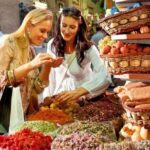
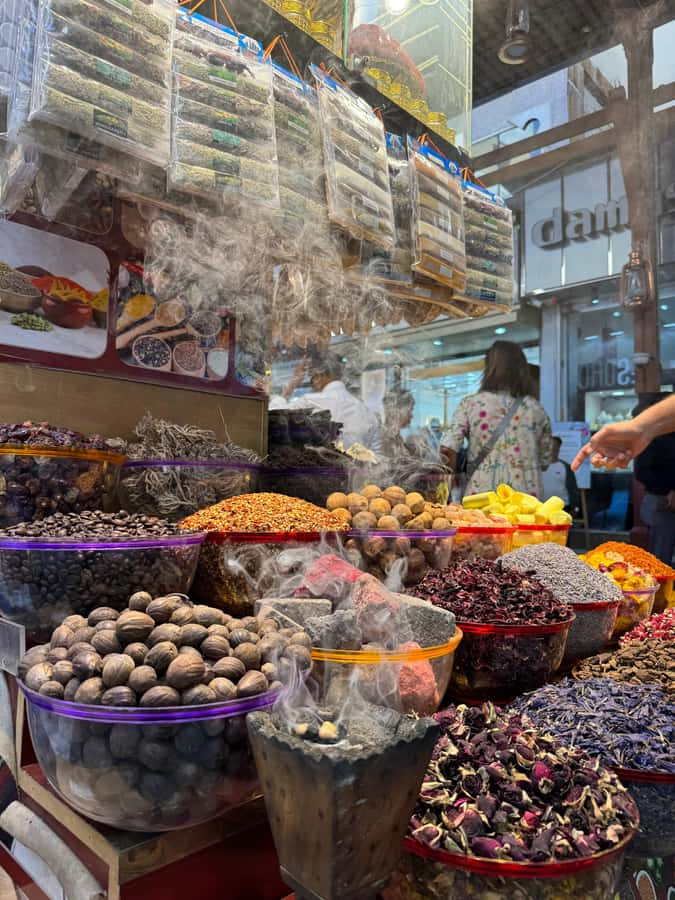
Then the tour heads to the traditional spice market, where vendors sell spices and you get a chance to connect the smells to the region’s food culture.
This is where you get that Middle East sensory map in your head. Gold tells one kind of trade story. Spices tell another. Both explain why markets still matter in this city.
Practical tip: if you plan to buy spices, ask how they’re stored and how you should keep them after buying. You’ll get much better value if you know what you’re taking home.
Street Food, Arabic Coffee, and Camel Milk Chocolate
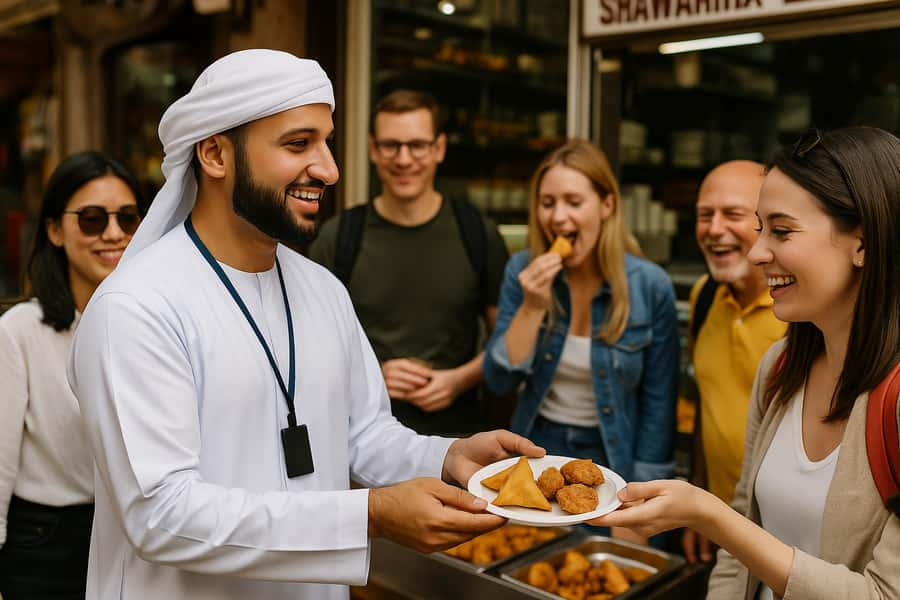
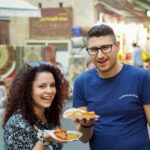
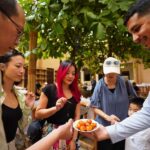
This tour includes more than sightseeing. It includes tasting, and that’s why the value stacks up.
You’ll get:
- Arabic coffee
- Street food
- Camel milk chocolate
- Water
Even if you’re picky about food, the way this is structured helps. The included stops give you a simple way to sample without turning the day into a food quest. You’re guided to places where you can eat with confidence.
And camel milk chocolate is a nice “try it once” souvenir. It feels local without requiring a shopping spree.
Your Guide Makes It or Breaks It (Muhammed Bilal and Abdulla Stand Out)
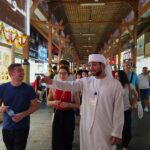
A walking tour is only as good as the guide’s ability to turn a route into a story. This one gets strong marks for that.
Names you may hear included Muhammed Bilal and Abdulla, and the consistent themes are:
- Clear explanations of culture and history
- Friendly, calm guidance that keeps the tour from feeling stressful
- Practical shopping advice, including tips for bargaining
One of the best outcomes of a good guide is that you feel comfortable inside the souks. You’re less intimidated, and you’re better able to compare what you see. That’s a real skill, especially in places where prices can vary widely.
If you like to ask questions, you’ll probably get your fill here. Guides are praised for being responsive rather than just reciting facts.
Price and Value: Why $26 Can Make Sense
At $26 per person, the headline cost looks affordable for Dubai. But the real value is what’s included.
You get:
- A guide
- Arabic coffee
- Street food
- Abra water taxi
- Water
- Camel milk chocolate
So you’re not paying extra for the boat ride and food along the way. If you were to price those things separately, you’d likely spend more than the tour amount just to cover transportation and snacks.
Also, this is about decision-making value. A guide helps you avoid wasting time and reduces the guesswork in markets. In Dubai, where walking from place to place can take effort (and time), that guidance is part of what you’re buying.
What to Bring (So the Weather Doesn’t Beat You)
This tour is outdoors for key parts, so plan like you’re going to be in the sun.
Bring:
- Comfortable shoes
- Sunglasses
- Sun hat
- Comfortable clothes
And leave at home:
- Baby strollers
- Luggage or large bags
If you carry a big bag, you’ll have a hard time moving through crowded souk alleys. Light and comfy wins here.
Who This Tour Fits Best
This experience is ideal if you want:
- A guided walk through Old Dubai’s key neighborhoods
- Souk time that feels less overwhelming
- Included food and a Dubai Creek crossing
- A chance to learn how heritage connects to daily life and trade
You might skip it if:
- You need wheelchair access or mobility accommodations (this tour isn’t suitable for wheelchair users)
- You’re traveling with a stroller or large luggage
- You prefer to explore completely on your own, with no structure
It’s also a good choice for an evening outing. One departure mentioned in feedback runs from 5–8pm, which can be a pleasant way to see Old Town when the city feels less intense.
Should You Book This Dubai Old Town Tour?
Yes, if you want a practical mix of heritage + markets + food, and you don’t want to coordinate the abra ride and souk wandering by yourself. The included Arabic coffee, street food, and abra crossing make it easier to have a complete experience without extra planning.
Skip or reconsider if walking is an issue for you, or if you need stroller-friendly access. This one is built for moving on foot with a guide, and it keeps things simple by limiting bulky items.
If your goal is to understand Old Dubai in a way you can actually use—how souks work, how to shop smart, how the Creek connects the trading story—this is a strong value at $26.
FAQ
Where is the meeting point for the tour?
The meeting point is in front of Wokyo Noodle Bar in Al Seef. The tour ends back at the same meeting point.
How do I get there by metro?
Use Sharaf DG Metro Station on the Green Line, then walk a few minutes to Al Seef.
What’s included in the price?
Included are a guide, Arabic coffee, street food, an abra water taxi trip, water, and camel milk chocolate.
Is hotel pickup included?
Hotel pickup and drop-off are not included unless you choose the private option.
Is this tour good for kids?
It’s not suitable for children under 2 years.
Is it wheelchair accessible?
No. It’s not suitable for people with mobility impairments and not for wheelchair users.
What should I bring and wear?
Wear comfortable shoes and bring sunglasses and a sun hat. Comfortable clothes help with walking in the sun.
Can I bring a stroller or large bags?
No. Baby strollers and luggage or large bags are not allowed.