REVIEW · AMSTERDAM
Eating Amsterdam: Food Tour & Canals Cruise
Book on Viator →Operated by Eating Europe Food Tours Amsterdam · Bookable on Viator
Taste Amsterdam in 3.5 hours. This tour is built around real local tastings plus city stories, then it ends with a calm canal boat ride through Amsterdam’s waterways.
I love the classic start at Papeneiland’s legendary apple pie, paired with your choice of coffee or tea, and I also love the straight-to-the-point Dutch flavor stops like herring and gouda.
One consideration: you’ll spend a good chunk of time walking, so the canal part is about an hour—plan on comfortable shoes and tight, cozy boat seating.
In This Review
- Key highlights
- Meeting Noordermarkt and stepping into the Jordaan
- Papeneiland apple pie and coffee: the legendary opening
- Vishandel Centrum: herring and kibbeling without the fuss
- Café De Poort: a cozy gouda tasting in a classic brown café
- Jordaan canal stroll: Golden Age stories and the Willemstraat “hallways”
- Mama’s Koelkast: Surinamese rotirol and Amsterdam’s food mixing bowl
- Pat’s Poffertjes: mini pancakes with butter and powdered sugar
- WWII context and the city’s flavor under pressure
- Café Dialoog: bitterballen and jenever with a proper Dutch finish
- Herengracht canal cruise on a vintage wooden boat
- Price and value: what you’re really paying for
- Dietary needs: what can be accommodated and what can’t
- Who this Amsterdam food-and-canals tour fits best
- Should you book this tour?
- FAQ
- How long is the tour?
- Is there a canal cruise, and how long is it?
- Where do we meet and where does the tour end?
- What is included in the price?
- Does the tour offer vegetarian or gluten-free options?
- Can I join if I have severe or life-threatening food allergies?
- What time should I arrive, and what if I miss the boat?
Key highlights
- Papeneiland’s 400-year-old apple pie with coffee, cappuccino, or tea to kick things off
- Dutch fish counter tastings like herring and kibbeling at a traditional fishmonger
- Organic gouda tasting ranging from younger to aged cheese in a classic brown café
- WWII context and Jordaan backstory as you stroll past canals and older neighborhoods
- Surinamese rotirol and poffertjes for variety beyond the usual Dutch hits
- 1-hour vintage wooden boat cruise with jenever and Dutch bites
Meeting Noordermarkt and stepping into the Jordaan
The tour starts at Noordermarkt 48 and then works through the Jordaan, a neighborhood shaped by workers, artists, and migrants. That matters, because the food isn’t treated like random snack stops—it connects to how people lived, ate, and adapted in the city.
In practice, you’ll want to arrive early. The boat portion has to depart promptly, and if you miss it, you won’t join the cruise. Also, the route involves multiple walking segments, so you’ll feel much better if you’re dressed for weather and wearing shoes that handle cobblestones.
One more detail I like for first-timers: guides often bring the place to life with personal stories and practical local suggestions. Names that pop up in guide feedback include Paul, Gerard, Elena, Bart, Aileen, Maddie, Johanna, and Katya. You can’t choose your guide in advance, but it’s clear the best versions of this tour lean into conversational storytelling.
You can also read our reviews of more food & drink experiences in Amsterdam

Papeneiland apple pie and coffee: the legendary opening
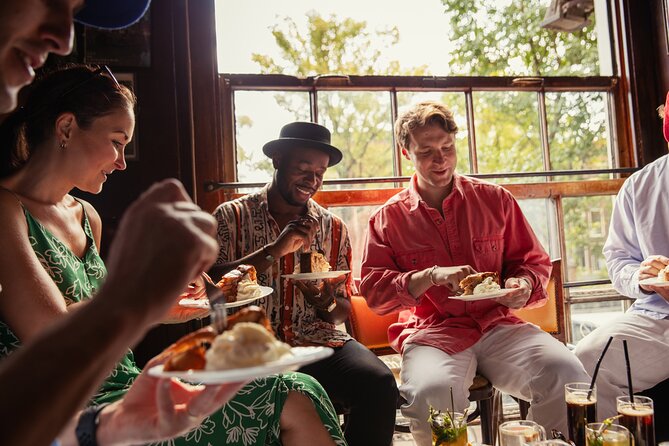
Your first stop is The Papeneiland, a brown café with a 400-year-old track record. Expect Amsterdam’s most famous-style apple pie—serving it here is almost like stepping into a food landmark.
You also get your choice of hot drink: coffee, cappuccino, or tea. That combination is more than comfort food. Apple pie is a sweet entry point that resets your palate before you move on to saltier, more punchy Dutch bites later.
A fun detail tied to the café’s reputation: it’s been associated with famous visitors like Bill Clinton. Whether or not you care about celebrity history, it’s still a sign you’re starting at a place with long, local staying power.
Vishandel Centrum: herring and kibbeling without the fuss
Next comes Vishandel Centrum, where you’ll experience the pace and theater of a traditional Dutch fishmonger. This is one of those stops that helps you understand why Dutch snack culture can feel bold: it’s direct, simple, and built for people who want something satisfying fast.
You’ll try herring and kibbeling (Dutch-style battered fish). The experience is also visual—you’ll see the fish being prepared in an open kitchen, which makes the tasting feel grounded rather than staged.
If herring sounds intense, don’t overthink it. The best approach is to treat it as a first-contact bite. You’re not being asked to like everything; you’re getting a feel for what’s normal here.
Café De Poort: a cozy gouda tasting in a classic brown café
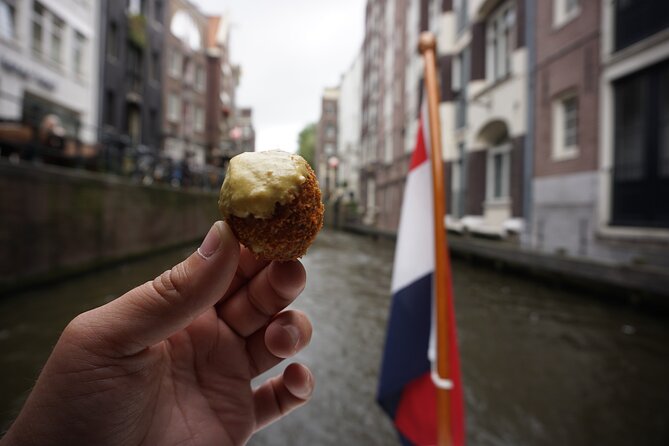
Cheese in Amsterdam can get trendy fast, but this stop keeps it traditional. At Café De Poort Amsterdam, you’ll savor four organic goudas, moving through flavors from younger to aged.
Why I like this stop: it’s not just about tasting cheese. It teaches your mouth the difference between styles—how aging changes texture and flavor intensity. You also get that unmistakable old-café feel, where the atmosphere supports the food instead of competing with it.
This is also a good moment to slow down. After fish and sweets, the gouda tasting gives your palate a calmer, steadier rhythm.
Jordaan canal stroll: Golden Age stories and the Willemstraat “hallways”
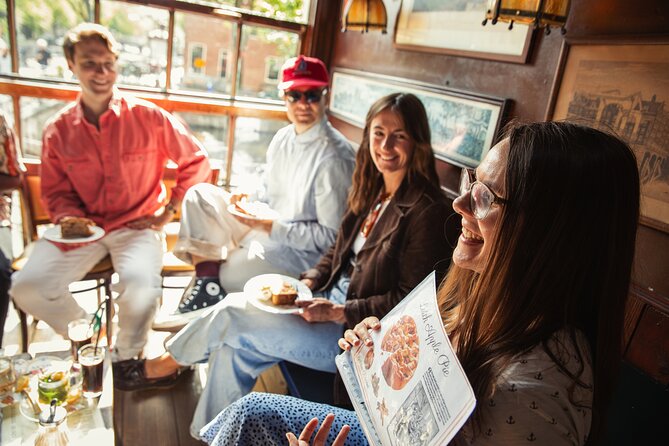
Between food stops, you’ll walk through the Jordaan’s canals and lanes. Your guide explains how the neighborhood grew into a tight community and how the city’s older era shaped Dutch food culture.
You’ll also walk along a canal lined with 17th-century architecture, and your guide ties those stories back to daily life. This is the part where you stop seeing Amsterdam as just pretty buildings and start noticing how trade, wealth, and street life influenced what ended up on tables.
Then you reach De Gangen Willemstraat, known as the “hallways” (or historically described as “slums”). This area is remembered as cramped lanes behind houses, where the city’s poorest residents faced overcrowding, hunger, and disease. It’s a heavy topic, but it adds context to why food culture in Amsterdam isn’t only about treats—it’s also about survival and adaptation.
A few more Amsterdam tours and experiences worth a look


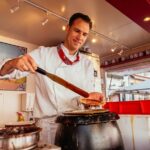

Mama’s Koelkast: Surinamese rotirol and Amsterdam’s food mixing bowl
If you only eat Dutch food in Amsterdam, you miss part of the city’s real story. At Mama’s Koelkast, you’ll try homemade Surinamese rotirol, a dish tied to Surinamese cooking and the way Amsterdam absorbed it through communities in the city.
This stop is short but meaningful—about 15 minutes—because you’re getting a specific home-cooked style rather than a generic “international snack.” You’ll also hear how women share culinary heritage through their catering and home-style preparation.
If you like food tours that reflect how cities actually evolve, this is one of the most important stops on the walk.
Pat’s Poffertjes: mini pancakes with butter and powdered sugar
Now for something sweet and classic: Pat’s Poffertjes Oude Leliestraat. You’ll try freshly made poffertjes, which are light, fluffy mini pancakes served warm.
The usual topping is butter plus powdered sugar, and it hits the spot after saltier bites. I also like that poffertjes are small by design—so it’s easy to enjoy without feeling like you’re eating a full dessert.
This stop can be the one you’re excited for in advance if you already know you like Dutch treats. Either way, it’s a satisfying palate reset before the later savory bites.
WWII context and the city’s flavor under pressure
As you keep walking, you’ll get WWII context from your guide at a historical site’s exterior. The focus is Amsterdam during the war and how that experience influenced the city’s culture, including what people ate and how traditions carried on afterward.
I appreciate this kind of storytelling because it doesn’t turn into a lecture. It gives you a lens for understanding why some food traditions feel stubborn—people keep eating the foods they can make, share, and pass down, even when life gets complicated.
Café Dialoog: bitterballen and jenever with a proper Dutch finish
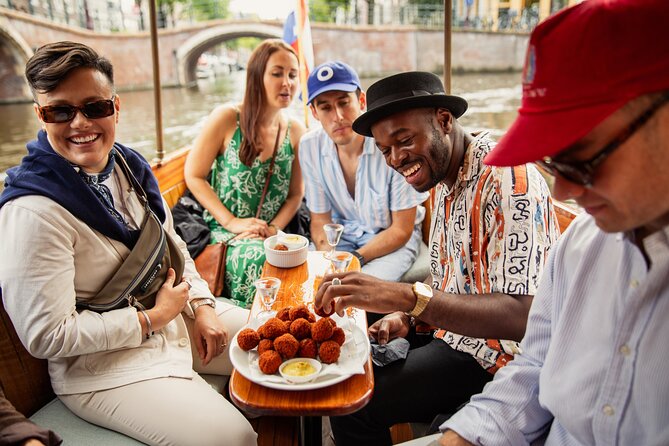
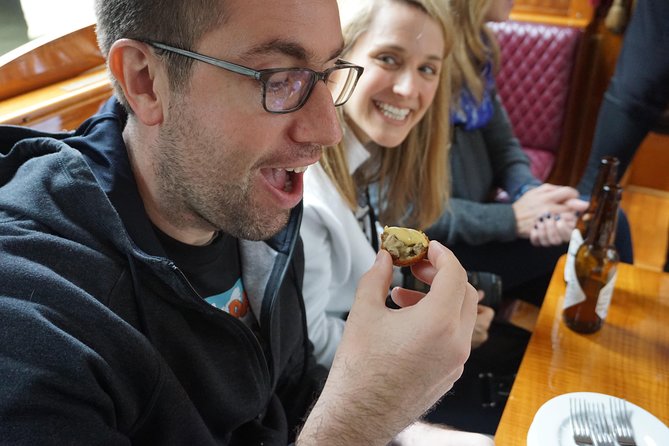
On Prinsengracht 261a, you’ll try crispy bitterballen with a glass of jenever at Café Dialoog. This is a very Dutch pairing: crunchy comfort food plus a local spirit.
Why it works: bitterballen are hearty and shareable, while jenever adds a sharp, herbal backbone that makes the snack feel like more than bar food. If you like the idea of ending strong with something salty and traditional, this stop delivers.
It also sets you up for the cruise, since you’ll want something filling in your stomach before you’re seated for the boat ride.
Herengracht canal cruise on a vintage wooden boat
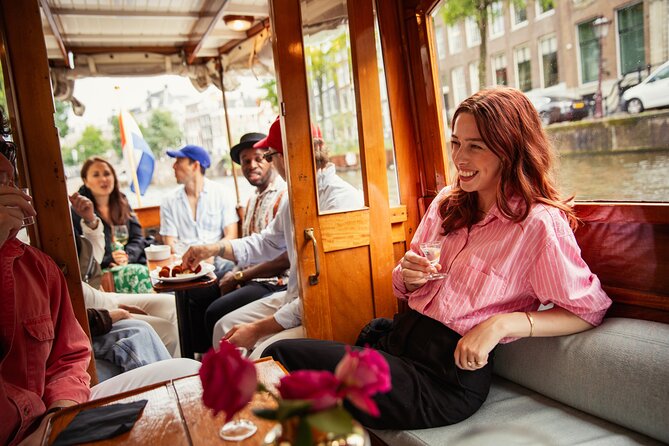
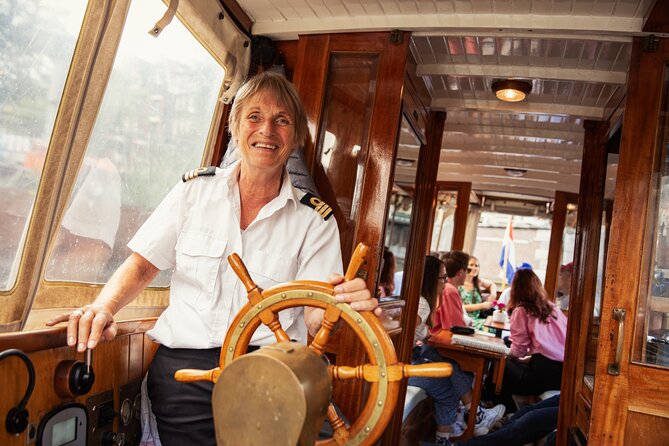
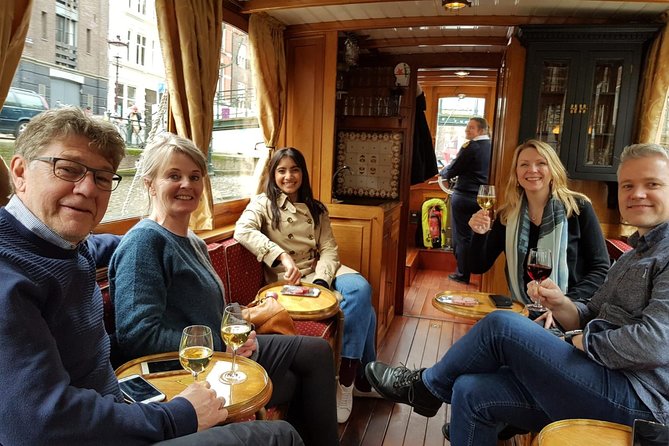
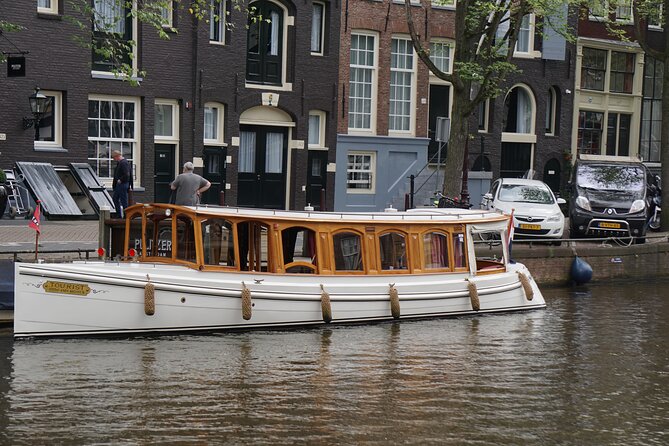
The final act is the calm part: you step onto a vintage boat and cruise through Amsterdam’s canals along Herengracht. The cruise is about 1 hour, and this is where you start appreciating how the city looks from the water.
A quick reality check: this boat segment is shorter than the walking portion. If you came expecting hours of pure cruising, you might feel like the walking leads the experience. The good news is the payoff is scenic and relaxing, and your guide shares canal-history context as you go.
Also plan for close quarters. One of the practical reasons small-group tours are loved here is that people can hear each other and adjust to the boat’s tight seating. It’s not a fancy, wide-open lounge. It’s Amsterdam on top of Amsterdam.
Price and value: what you’re really paying for
At $163.26 per person, this isn’t a budget snack crawl. The value comes from how much is included and how the tour is structured.
Here’s what you get inside the price:
- A multi-stop food-and-drink experience (including apple pie with hot drinks)
- Fish, cheese (four goudas), Surinamese rotirol, poffertjes, and Dutch bar bites
- Bitterballen plus a glass of jenever
- A 1-hour canal cruise on a wooden saloon-style boat
- An English-speaking local guide and insider tips
Also, the group size is small, with a maximum of 11 travelers. That’s meaningful on a tour like this, because it improves the flow between stops and makes the boat seating feel more manageable.
What’s not included:
- Tips/gratuities
- Extra drinks beyond what’s on the tour
So you can keep spending under control if you stick to included pours.
If you’re comparing alternatives, this is a good deal when you’d otherwise pay entry-level tastings plus a canal cruise ticket on top. The tour bundles the best parts into one plan.
Dietary needs: what can be accommodated and what can’t
If you have dietary restrictions, you should tell the operator when you book. They say they’ll do their best to accommodate vegetarians, gluten-free guests, or other dietary needs if you email or add a note.
Two important limits:
- The tour isn’t suitable for guests with severe or life-threatening food allergies to ingredients in the foods offered.
- They can’t take responsibility for food allergies or intolerances.
So the practical advice is simple: be specific about your needs. If it’s a mild preference, you’ll likely be fine. If it’s a severe allergy, you need to rethink participation entirely.
Who this Amsterdam food-and-canals tour fits best
This is a strong match if you:
- Want a first-time-friendly introduction to Amsterdam through food
- Like history that connects to everyday life, not just big monuments
- Prefer a mix of Dutch classics (apple pie, herring, gouda, bitterballen) plus immigrant-food influence (Surinamese rotirol)
- Want a canal experience without spending time planning food stops and booking a separate cruise
It may be less ideal if:
- You hate walking. The route includes a long on-foot portion before the cruise.
- You only want long boat time. The cruise is about an hour.
- You’re very sensitive to salty, savory flavors. Dutch food can be filling and straightforward—sometimes great, sometimes just not your taste.
Should you book this tour?
Yes, if you want an Amsterdam afternoon that feels like real local eating rather than a checklist. The included spread—apple pie, fish, cheese, Surinamese rotirol, poffertjes, bitterballen, and jenever—turns the price into something you can justify fast. Add in the small group feel and that 1-hour canal ride, and it becomes a solid way to spend a half-day.
Book it with clear expectations: you’re getting two experiences in one—a focused Jordaan food walk plus a shorter canal cruise. If that sounds like your style, this is an easy yes.
FAQ
How long is the tour?
The experience runs about 3 hours 30 minutes.
Is there a canal cruise, and how long is it?
Yes. The walking portion takes about 2.5 hours, followed by a 1-hour canal cruise.
Where do we meet and where does the tour end?
You meet at Noordermarkt 48, 1015 NA Amsterdam, Netherlands, and the tour ends at Herengracht 124-128, 1015 BT Amsterdam, Netherlands.
What is included in the price?
Food and drink are included throughout the tour, along with a local English-speaking guide, city stroll time, and insider tips.
Does the tour offer vegetarian or gluten-free options?
The operator says they can do their best to accommodate vegetarians, gluten-free guests, or other dietary needs if you contact them or add a note at booking.
Can I join if I have severe or life-threatening food allergies?
No. The experience isn’t suitable for guests with severe or life-threatening food allergies related to ingredients found on the tour.
What time should I arrive, and what if I miss the boat?
Arrive 15 minutes early so the tour can start on time. The boat must depart promptly, and if you miss it, you won’t be able to join the tour.