REVIEW · LIMA
Lima: Ultimate Peruvian Food Tour
Book on GetYourGuide →Operated by Exquisito Peru – Food Tours · Bookable on GetYourGuide
Your appetite gets a guided workout in Lima. This 4-hour Peruvian food tour in Barranco is built around seeing key dishes get made up close, from ceviche to lomo saltado, then tasting them with an expert English-speaking guide (people like Marcos or Valeria often lead groups). You also walk through Barranco’s artsy streets, with photo stops that break up the eating so you stay happy, not stuffed.
I especially like how the food stops feel like a meal plan, not random bites. You’ll get lunch plus pisco and drinks, and the chocolate time isn’t an afterthought—it’s a workshop tied to fair trade and local production, with sweets and fruit along the way.
One consideration: this tour is not a sure thing for strict vegetarian or vegan diets. The info is clear that vegetarian/vegan options are limited in Peru, with no tofu or lentils, so if you need a balanced protein-forward menu, you’ll want to think twice.
In This Review
- Key highlights worth your time
- Barranco start point: Mirador Sáenz Peña to your first tasting
- How the pacing works in 4 hours (and why it matters)
- Watching ceviche and lomo saltado take shape
- Pisco sour workshop: the cocktail lesson you’ll remember
- Local bakery and restaurant stops: how the flavors build
- Chocolate workshop: fair trade sweets with a real-world angle
- Barranco sights and photo stops: eating with a view
- Where the tour ends: Parque Municipal and your next steps
- Price and value: is $105 worth it?
- Who should book this Lima food tour (and who should skip)
- Should you book Lima: Ultimate Peruvian Food Tour?
- FAQ
- What’s the meeting point for the tour?
- How long is the Lima food tour?
- What’s included in the price?
- Is the tour offered in English?
- Are vegetarian or vegan options available?
- Is it safe for people with nuts allergies?
- Is the tour wheelchair accessible?
Key highlights worth your time
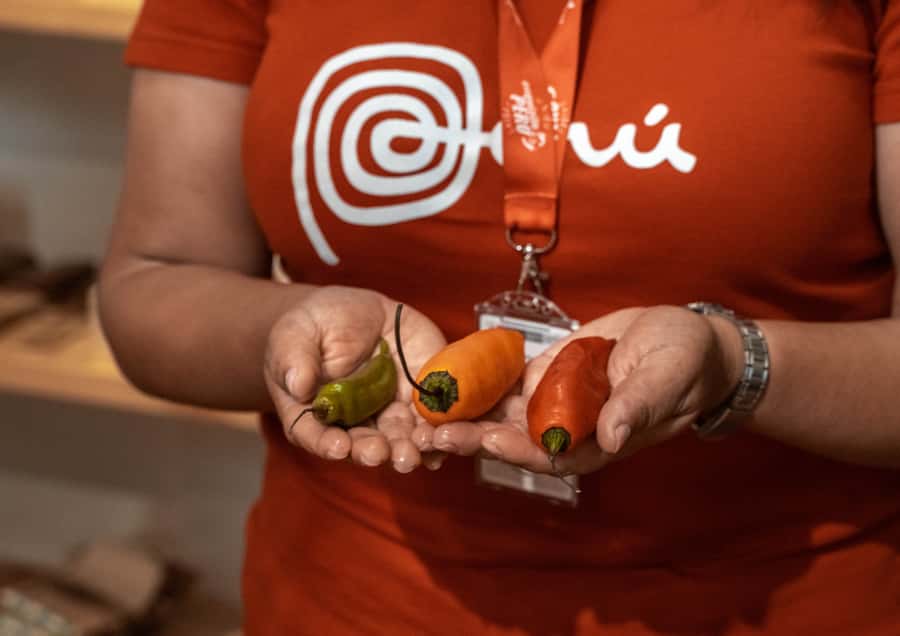
- Ceviche and lomo saltado demos you can actually watch
- Pisco sour preparation as part of the fun, not just a sip
- Fair trade chocolate workshop with locally produced sweets
- Barranco walking route plus photo stops, including the Bridge of Sighs
- A packed 4 hours with multiple tasting stops and a lot to eat
- Small group size (up to 10) so you get time with your guide
Barranco start point: Mirador Sáenz Peña to your first tasting
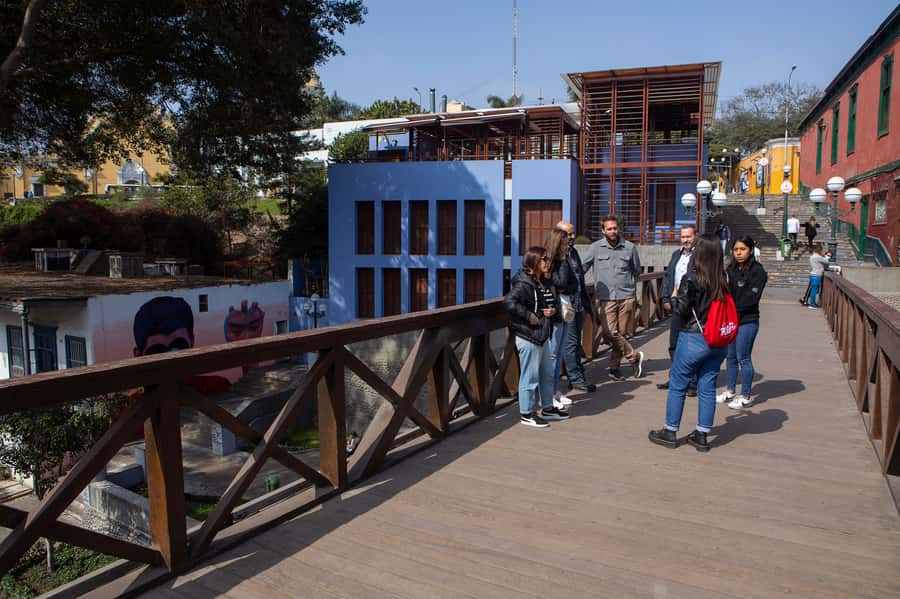
The tour kicks off at Mirador Saénz Peña, a meeting spot not too far from Casa República hotel. Look for the guide wearing a red lanyard. From there, you walk about 10 minutes into the Barranco district—close enough to ease in, long enough to shake off travel fatigue and get your bearings.
Barranco matters here. It’s one of Lima’s most personality-filled neighborhoods, with a creative, street-level vibe. The best part is you’re not just sightseeing while hungry—you’re learning what you’re about to eat while you walk. That changes the whole feel of a food tour. Instead of chasing flavors on autopilot, you start paying attention to ingredients, technique, and why certain dishes became Lima classics.
Before your first stop, I’d do one thing: take in the pace. This tour is designed as steady movement between places, with tastings timed so you keep going without long gaps. If you’re the type who needs frequent bathroom breaks or hates stairs, this walking format might be the only part that feels like work—so plan accordingly.
You can also read our reviews of more food & drink experiences in Lima

How the pacing works in 4 hours (and why it matters)
The tour runs for 4 hours with a small group (up to 10 people) and an English-speaking live guide. That small size is practical. It helps with two things: you can ask questions without shouting, and it’s easier for the group to keep together at busy spots.
The schedule is built around short walks and concentrated eating windows. You’ll have a first food tasting (about 35 minutes), then another brief walk, then time at a local bakery (about 30 minutes). Next comes a longer restaurant stop (about 45 minutes), followed by photo breaks and more tasting. Later you’ll hit a local bar (about 35 minutes) and finish with a short café stop (about 15 minutes).
Why does this pacing feel good? Because it matches how food actually works. You don’t taste one dish and then wait an hour to taste the next. You keep your taste buds fresh, and your stomach stays in “productive” mode. Several guides have been praised for keeping things on rhythm and not rushing the explanations, which makes a big difference when you’re moving from kitchens to counters to cocktail service.
Also, bring a real appetite. People commonly say you’ll leave full, and the amount of food and drink is clearly part of the plan—not a marketing promise. If you tend to eat light, you might still be surprised.
Watching ceviche and lomo saltado take shape
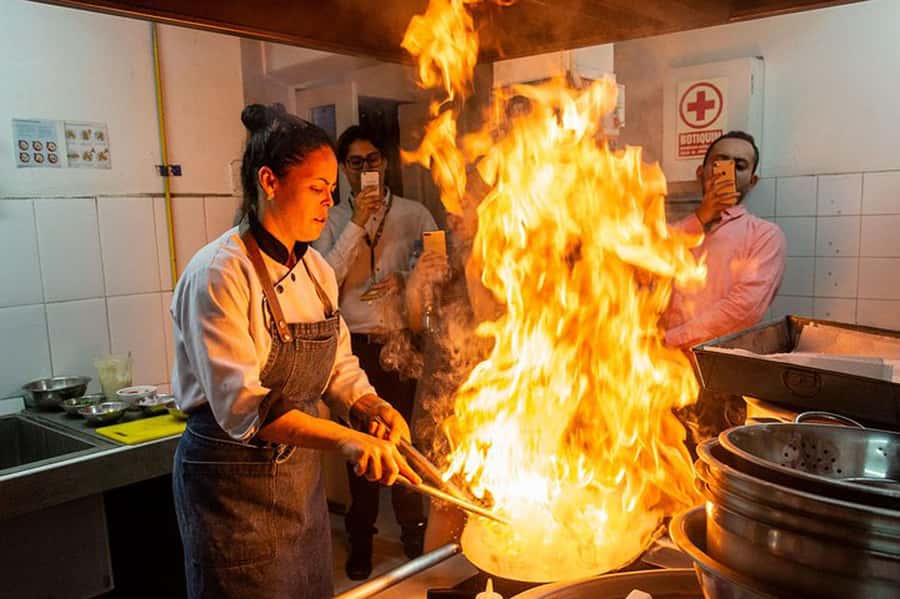
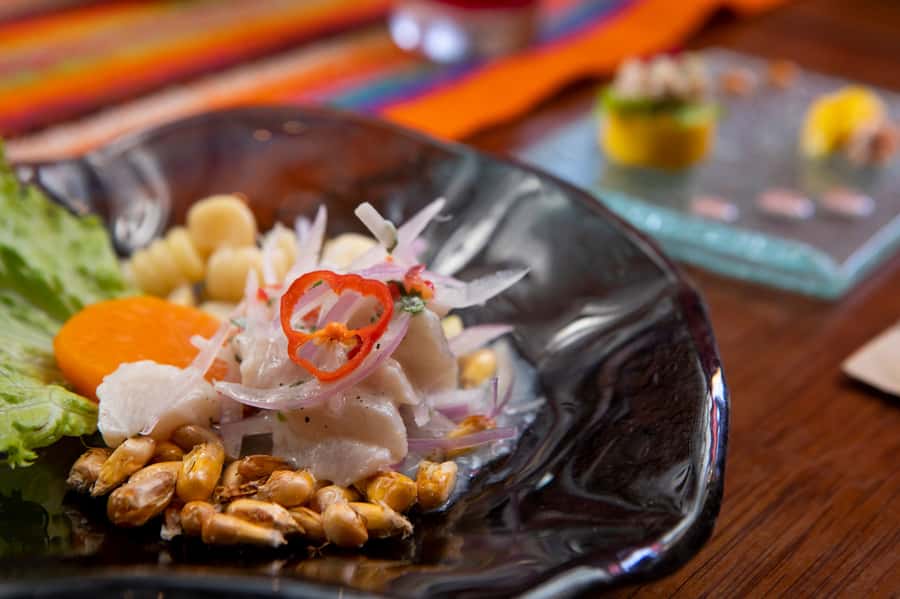
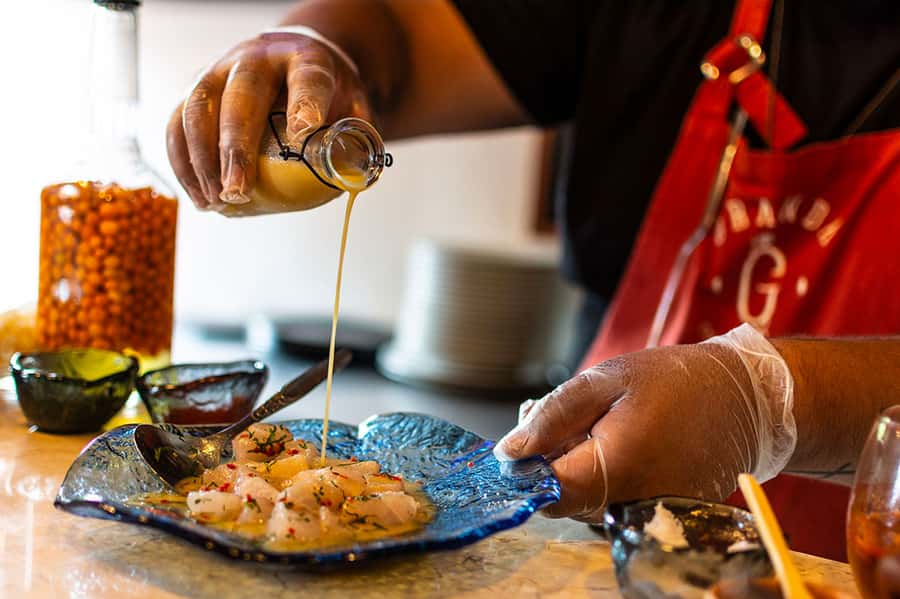
One of the best parts of this experience is the cooking demonstrations—you don’t just receive finished plates. You get to see preparation for staples like ceviche and lomo saltado, and you learn the stories behind them with your guide as the food gets made.
Here’s what to watch for with ceviche, conceptually: the balance. Ceviche is all about timing and acidity, plus the right freshness of seafood. When you see it prepared, it’s easier to understand why Peru takes this dish seriously. It’s not a casual salad with lime. It’s precision eating.
With lomo saltado, pay attention to the technique and the mix of influences that show up in Peruvian cooking. When a kitchen shows you the process, you start noticing why certain flavors click together—heat, seasoning, and the way ingredients come together at the last second.
Practical tip: ask what you’re tasting in plain language. Guides like Marcos and David are often praised for explaining how flavors connect to Peruvian culture, not just listing ingredients. If you’re unsure, ask one question early—like what makes this version different—so the rest of the tastings click into place faster.
Pisco sour workshop: the cocktail lesson you’ll remember
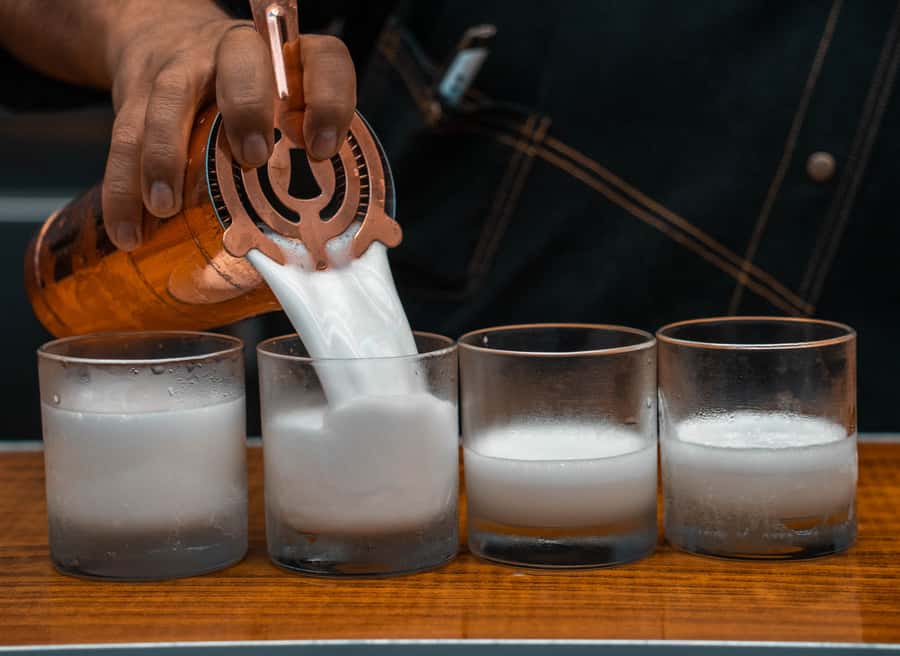
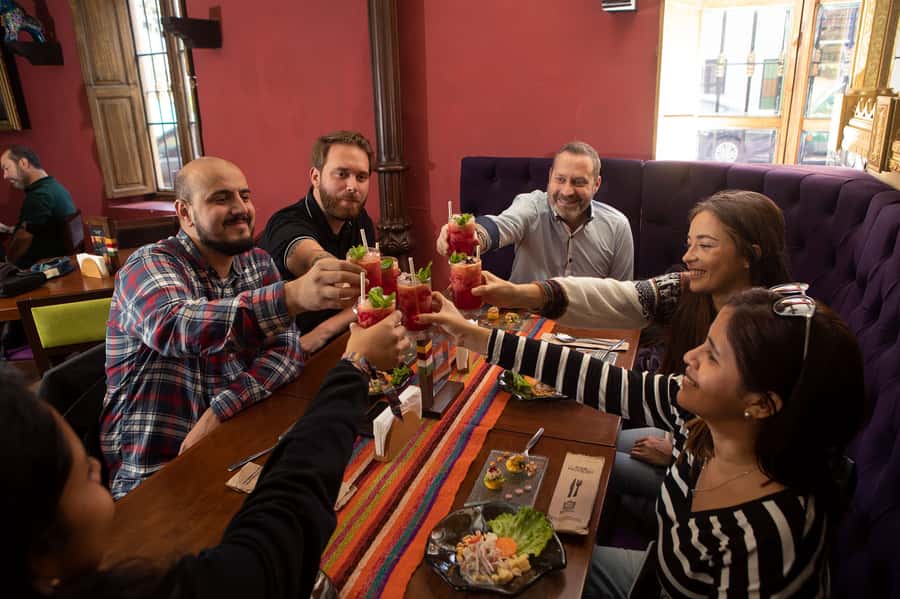
Peru’s most famous cocktail, the pisco sour, is part of the deal here—and it’s not only a drink you order. The tour includes pisco, and the experience is set up so you learn how it’s made during the event.
At a good pace, you’ll spend time at a local bar (about 35 minutes) where the cocktail part comes alive. Many people point out that the drinks feel strong—so if you’re not used to pisco, pace yourself. You don’t want to get sleepy halfway through your last café stop.
What I like about this part isn’t only the taste. It’s how the guide frames the drink in context: why it became iconic and how it fits into Lima’s drinking culture. That turns pisco sour from a souvenir cocktail into something with meaning.
Quick practical move: if you want photos, do them between sips, not while you’re shaking or pouring. This helps you enjoy the process without rushing the guide or your fellow group.
Local bakery and restaurant stops: how the flavors build
This tour doesn’t rely on one “big” meal. It uses multiple tastings to build a picture of Lima eating—salty, fresh, crunchy, sweet, and drink pairings that make sense with what you just tasted.
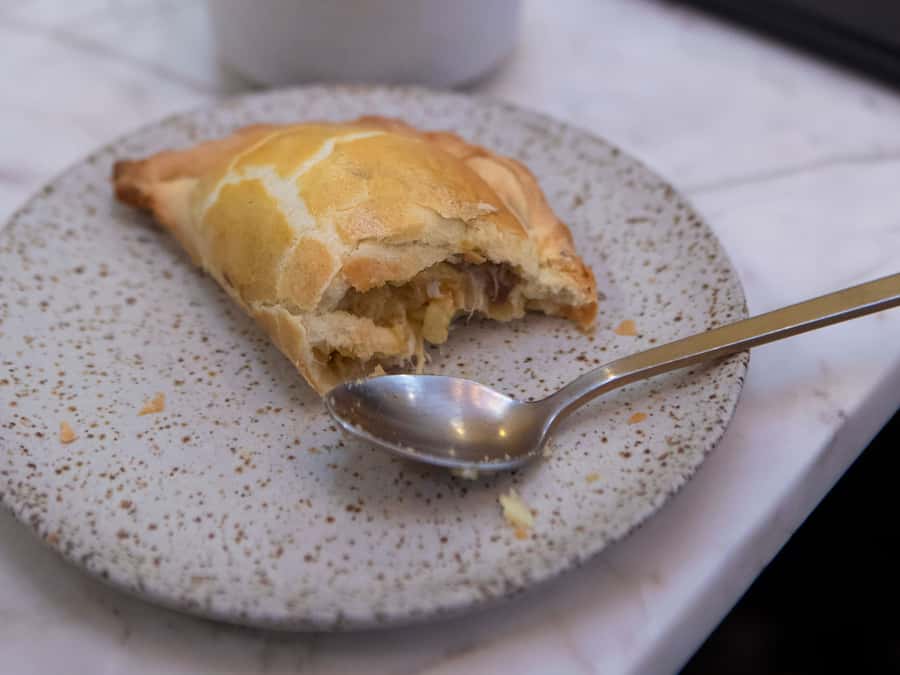
After the first Barranco tasting, you’ll stop at a local bakery (about 30 minutes). That’s where dessert or sweet bites often show up in tours like this, plus coffee-friendly snacks. Later you’ll reach a restaurant tasting (about 45 minutes), where the focus is more substantial. Another restaurant stop comes after some walking and photo time (about 35 minutes), and then you finish with a short café stop (about 15 minutes).
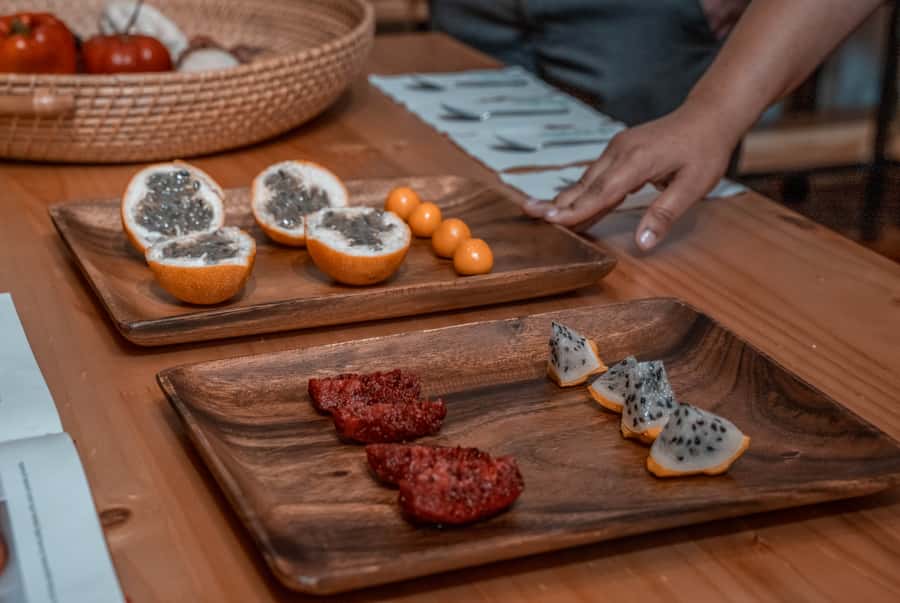
A pattern you’ll likely notice: the tour mixes classic dishes with Peru’s broader flavor world—fruits, sweets, and more drinks. Reviews also mention things like gelato and coffee ice cream as part of the lineup, which fits the idea of ending with something creamy after the salty dishes and cocktail.
What can be a drawback? Not in taste—more in timing. When you’re constantly sampling, it’s easy to miss your favorite thing if you don’t slow down for the first two bites. Take a moment at each stop to ask yourself: what’s the texture? what’s the acidity or spice? Then you’ll remember the dishes later, not just the fact that you ate a lot.
Chocolate workshop: fair trade sweets with a real-world angle
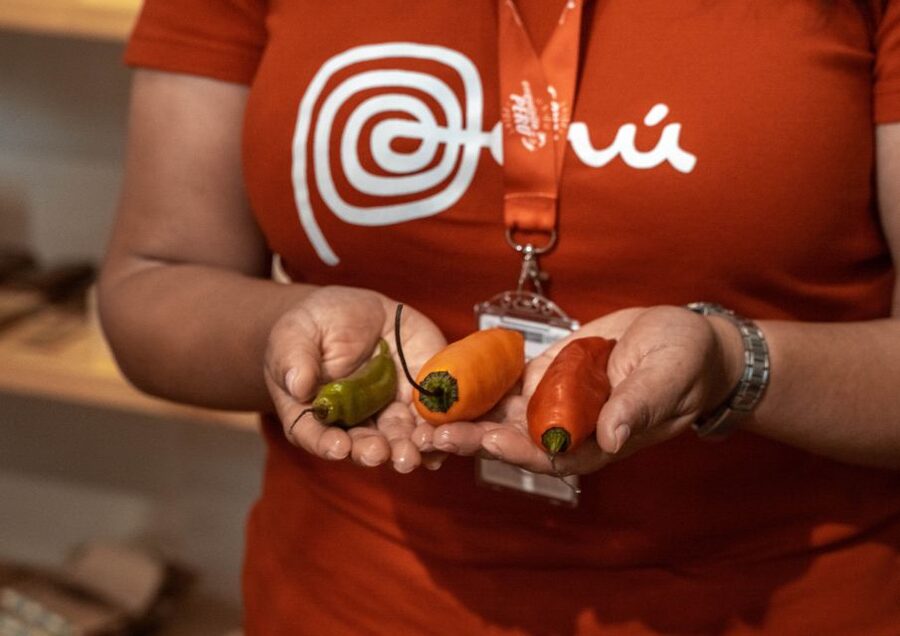
One of the most thoughtful pieces of the tour is the workshop about fair trade and locally produced chocolate. This isn’t just about having chocolate. It’s about understanding how the supply chain and farming choices connect to flavor and availability in Peru.
In a city where food is everywhere, it’s easy to treat chocolate like a generic treat. Here, it becomes a mini lesson: why local matters, what fair trade can change, and how that shows up in what ends up in your cup or on your spoon.
If you get a moment to shop (some guides have included an opportunity at a chocolate shop like Exquisito Peru), plan for it to be quick. The pace is part of the tour, so if you’re hoping to buy a lot, arrive with a list in mind or keep your questions ready for the staff.
Practical advice: treat chocolate as a flavor check. After sour and savory tastings, chocolate gives you a different rhythm—sweetness, cacao notes, and a smoother finish.
Barranco sights and photo stops: eating with a view
Between meals, the tour includes short scenic breaks. You’ll have time for sightseeing around Barranco, including photo stops near the Bridge of Sighs (Barranco). These pauses aren’t filler. They help your brain recalibrate after a couple of dense tasting blocks, and they keep the day from feeling like nonstop eating.
The Bridge of Sighs stop is about more than a photo. It’s a reminder that Barranco is its own Lima world—architecture, street character, and a neighborhood identity that shows up in how people gather, sell, and celebrate.
Walking here is also the easiest way to experience Lima’s scale. You see kitchens, storefronts, and the rhythms of daily life that you’d miss if you only took taxis between restaurants.
One note: this is still a walking tour. It’s not labeled as wheelchair-friendly, and there’s no promise of step-free routes. Wear shoes you trust for city sidewalks.
Where the tour ends: Parque Municipal and your next steps
The finish is at Parque Municipal. By the time you reach the end, it’s very likely you’ll feel done eating—plus the tour is designed so you’re full enough that you don’t need dinner right away.
If you’re planning your day, I’d treat this as a near-evening anchor. Several people suggest doing it early in your Lima trip, especially because it helps you get a feel for neighborhoods and how Peruvian dishes work. Once you learn what ceviche and lomo saltado mean in context, it’s easier to order confidently later.
What I recommend right after the tour:
- If you loved pisco sour, look for one tasting menu dish or a simple ceviche order so you can compare.
- If chocolate and coffee grabbed you, consider returning to a café for a slower dessert instead of squeezing in a full meal elsewhere.
You’ll walk away with a more useful kind of souvenir: the mental map of Lima flavors and the stories behind them.
Price and value: is $105 worth it?
At $105 per person for a 4-hour food experience, you’re paying for a lot of moving parts: multiple tasting stops, lunch, drinks (including pisco), and cooking demos for dishes like ceviche and lomo saltado. You’re also paying for a small group format and an English-speaking local guide who explains the culture behind what you’re eating.
This is not a cheap snack crawl. But it’s also not priced like a private, custom cooking class. The value comes from the mix: you get both food and context, plus real-time kitchen work and a neighborhood walk through Barranco.
The main reason to question the value is simple: if you don’t eat much, this will cost more than it returns. If you’re picky, you’ll need to communicate dietary needs clearly at booking, because the menu can’t be assumed to flex on short notice.
Also remember: local 18% sales tax is not included, so the final price in Peru may be a touch higher than $105.
Who should book this Lima food tour (and who should skip)
I’d book this tour if you want:
- A walking food tour with real stops and enough food to count it as lunch
- A chance to watch ceviche and lomo saltado being prepared
- A hands-on element like the pisco sour experience and a fair trade chocolate workshop
- An easy way to experience Barranco beyond photos
I’d skip or think hard if:
- You need lots of vegetarian/vegan options. The tour warns that vegetarian and vegan options are limited in Peru, with no tofu or lentils.
- You have a severe nuts allergy. Cross-contamination can happen with foods included in the tour.
- Mobility is an issue. It’s not suitable for people with mobility impairments or wheelchair users.
And if you’re doing the late-morning slot: plan lighter breakfast. People have suggested skipping a big breakfast so you can enjoy all the stops without feeling miserable.
Should you book Lima: Ultimate Peruvian Food Tour?
If your goal is to understand Peruvian food through flavor and context—and you like to eat enough that you don’t need dinner—this is a strong yes. The cooking demos, pisco sour experience, and fair trade chocolate workshop give you more than just tastings.
Book it with confidence if you’re comfortable with meat/seafood-focused classics and want Barranco as part of the story. Just be honest about your dietary needs, and you’ll end up with a full, flavorful afternoon that makes Lima feel personal.
FAQ
What’s the meeting point for the tour?
Meet your guide at Mirador Sáenz Peña, near Casa República hotel. The guide will be wearing a red lanyard.
How long is the Lima food tour?
The tour lasts 4 hours.
What’s included in the price?
The tour includes lunch, coffee/soft drinks/pisco, and a local guide.
Is the tour offered in English?
Yes, the tour is guided in English only.
Are vegetarian or vegan options available?
Vegetarian and vegan options are limited. The tour notes there won’t be tofu or lentils, and you need to advise dietary restrictions at booking so the menu can be adapted when possible.
Is it safe for people with nuts allergies?
If you have a severe nuts allergy, the tour is not recommended, since cross contamination can happen with foods included in the tour.
Is the tour wheelchair accessible?
No. It is not suitable for people with mobility impairments or wheelchair users.