REVIEW · DUBAI
Old Dubai: Premium Guided Tour with Street Food & Abra Ride
Book on GetYourGuide →Operated by OceanAir Travels · Bookable on GetYourGuide
Abra across the creek shifts your Dubai view. On this Old Dubai tour through Al Fahidi and Al Seef, you get a guide who helps you see the city’s older rhythm, plus karak tea-and-samosa style street-food tastings and a classic creek crossing.
I also like that it mixes heritage stops with market time, not just photos and then out. One heads-up: you’ll be on your feet for a few hours, so plan for sun and lots of walking, especially during the souk sections.
In This Review
- Key moments that make this Old Dubai tour work
- Old Dubai, simplified: what this tour actually delivers
- Starting at Al Khayma Heritage Restaurant: snack-first energy
- Al Seef promenade views: where the creek does the talking
- Al Fahidi Fort photo stop: quick context, not a long detour
- Bur Dubai souk streets and Abra dock: the short jump into market mode
- Dubai Creek by traditional Abra: a fast, authentic connector
- Dubai Spice Souk: smell first, bargain second
- Gold Souk: what to expect when you see it up close
- Street food tasting route: what you’re actually eating
- Heritage home hospitality in Al Fahidi: the welcoming part people remember
- Guides make or break it: who you’ll likely get and what they do well
- Price and value: why $31 can feel fair here
- Logistics that matter: what to bring and what to avoid
- Who should book this Old Dubai food and Abra tour
- Should you book this tour?
- FAQ
- How long is the Old Dubai Premium Guided Tour with Street Food & Abra Ride?
- How much does the tour cost?
- Where do I meet the guide?
- What’s included in the Abra ride?
- What food and drinks are included?
- What places will the tour cover in Old Dubai?
- What languages do the guides speak?
- Is the tour suitable for wheelchair users or limited mobility?
- Can I cancel for a full refund, and is there a pay-later option?
Key moments that make this Old Dubai tour work
- Abra ride across Dubai Creek to connect Bur Dubai with the souk side like locals do
- Karak tea, samosas, and more street-food tastings that keep you energized as you walk
- Spice Souk and Gold Souk with guided context, so you know what you’re looking at
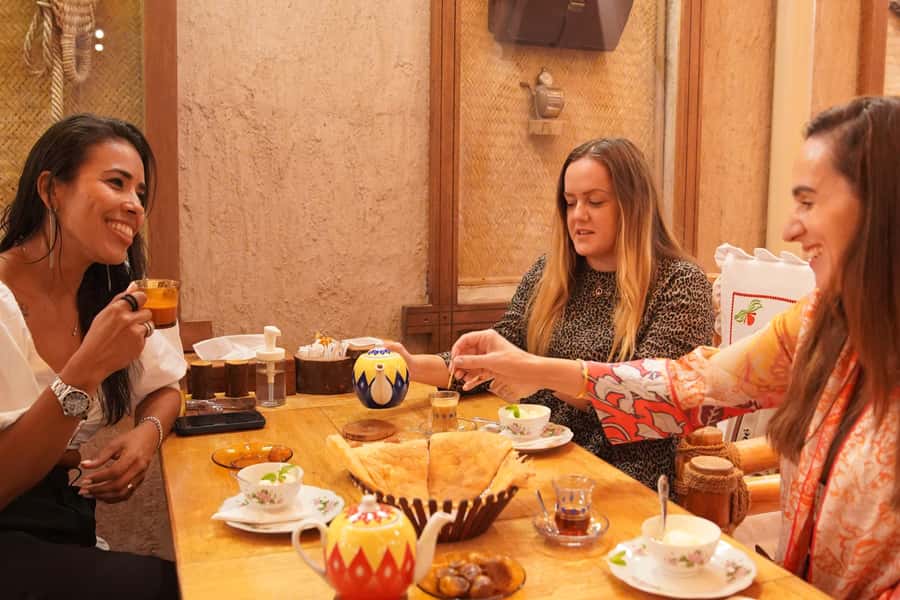
- Al Fahidi heritage home welcome with dates and Arabic tea/coffee
- Short, photo-friendly pauses at landmarks, then more time in the markets
- Guides often praised by name, including Waleed, Maaz Khan, Fesal, Hakim, Ibrahim, and Zeeshan
Old Dubai, simplified: what this tour actually delivers
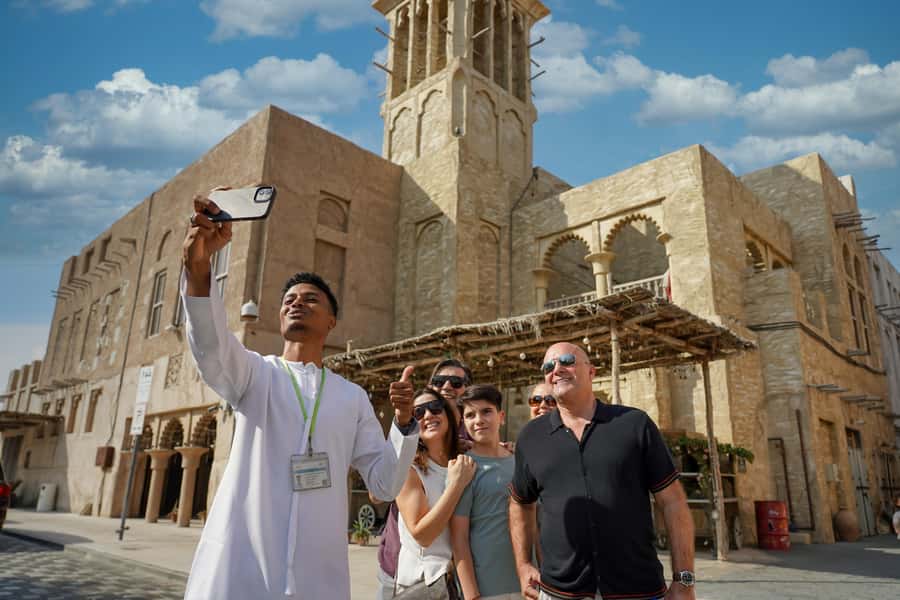
Dubai can feel like two different cities: the skyline you expect, and the older neighborhoods that taught the city how to trade, barter, and survive. This tour focuses on that second Dubai. You start in Al Fahidi, move along the creek views near Al Seef, and then cross the water by traditional Abra to reach the souks.
The smart part is pacing. It’s not a long museum day. It’s a guided walk where you taste, ask questions, and learn what makes the souks tick—spices, gold, and the everyday rituals around them.
You can also read our reviews of more food & drink experiences in Dubai

Starting at Al Khayma Heritage Restaurant: snack-first energy
Your tour meets at the entrance of Al Khayma Heritage Restaurant in the Al Fahidi Historical Neighborhood. That matters because you’re not immediately thrown into the sun. You get an initial heritage-restaurant welcome before the walking ramps up.
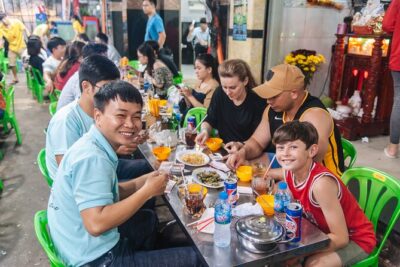
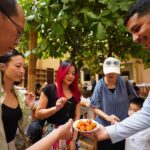
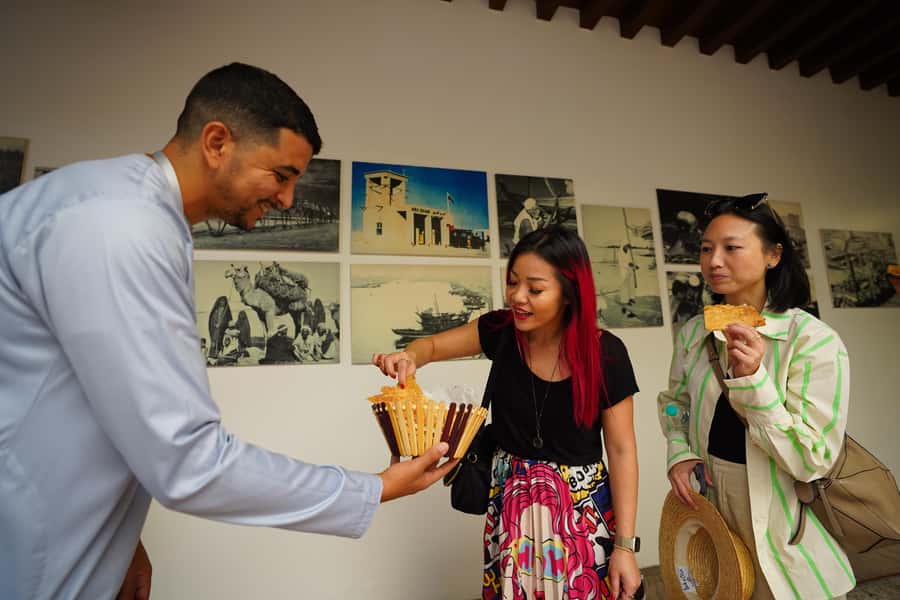
Expect a guided start (about 30 minutes) with drinks and local snacks. The tour includes Arabic tea or coffee, water, dates, and several bite-size treats such as Rogag and Luqaimat, plus things like camel milk ice cream and lemon mint fresh juice. If you’re the kind of traveler who needs a little fuel before you start asking questions, this beginning is a win.
If you get a guide like Maaz Khan or Fesal (names that come up often), you’ll likely notice how they use this early stop to frame what you’ll see next. They set you up so the souks make sense instead of feeling like a maze.
Al Seef promenade views: where the creek does the talking
After the start, you’ll head to Al Seef for sightseeing and a walk (around 30 minutes). This stretch is all about the relationship between the neighborhood and the Dubai Creek—especially the waterfront feel and the older architecture vibe.
You’ll also see a mosque along the route. It’s a small moment, but it helps you understand that this area isn’t just a shopping district. It’s a living neighborhood with everyday religious and community life woven in.
This section is also a good time to get your bearings fast. You’ll be walking later through tighter market streets, so having the creek-side overview early helps.
Al Fahidi Fort photo stop: quick context, not a long detour
Next up is Al Fahidi Fort for a short photo stop plus guided tour and sightseeing (about 15 minutes). This isn’t built to be a deep-dive fortress visit. It’s the “place this on the map” stop.
Why it’s worth doing: it gives you a sense of why the Al Fahidi area matters. You’re not just wandering—you’re moving through parts of Dubai that shaped how the city organized itself around trade routes and water access.
If you care about stories, guides like Waleed and Ibrahim are often praised for turning even quick stops into something you actually remember.
Bur Dubai souk streets and Abra dock: the short jump into market mode
You’ll pass by Bur Dubai Souk Market for another brief photo stop and guided sightseeing (about 15 minutes). Think of it as the transition zone: the area that feels market-adjacent, then the route funnels you toward the Abra dock.
Then you hit Bur Dubai Abra Dock (with a short break and photo stop, plus free time and the Abra ride). There’s also a short segment with scenic views while you move toward the water.
One detail I like here is that you’re not crammed. The tour description allows for a break and some free time. That helps if you’re hungry, need to cool down, or just want a moment to watch the creek bustle without being on someone’s heels.
A few more Dubai tours and experiences worth a look


Dubai Creek by traditional Abra: a fast, authentic connector
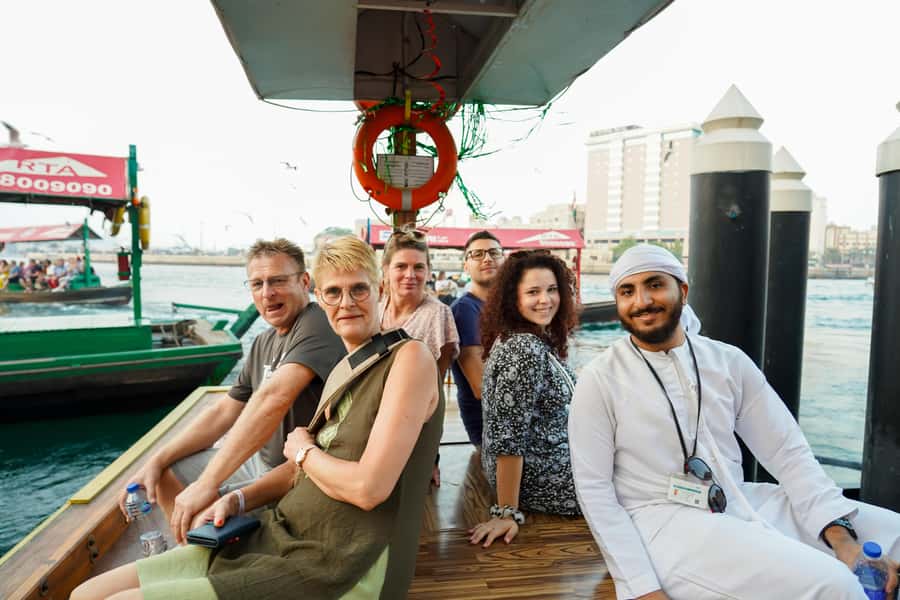
The Abra ride is one of the most “this is Dubai, not anywhere else” parts of the tour. You cross the creek by traditional boat, and it’s the practical shortcut that locals use to move between sides.
You’ll get photo stops and guided commentary around Dubai Creek as well (another short walk and sightseeing segment). The point isn’t to make this a long boat tour—it’s to give you the quick sensory hit: water, movement, and the sense that the creek is still the city’s spine.
If you’re the type who worries about missing the real local texture, this ride is the antidote. It’s not an edited view from a building. It’s transportation.
Dubai Spice Souk: smell first, bargain second
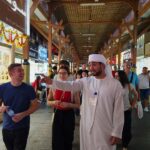
Now you’re in the Spice Souk, and the experience shifts from walking to browsing with meaning. You’ll spend about 30 minutes here with guided time, shopping time, and sightseeing.
This is where spices stop being just words. You’ll see the stalls and notice how the shopkeepers display products, how people ask for specific blends, and how the whole space works by scent. Even if you don’t plan to buy much, it’s a visual and olfactory lesson.
A guide makes a big difference in a market like this. Names that show up positively include Hakim, Zeeshan, and Khan, with comments about how they help people know what to look for and how to navigate the souk flow without getting overwhelmed.
Practical tip: go in with one idea of what you want—tea blend, cooking spice, or something small—and let the guide help you match names to smells. It keeps shopping fun instead of stressful.
Gold Souk: what to expect when you see it up close
After the spice side, you’ll reach the Gold Souk for photo stop, guided tour, sightseeing, and walking time (shorter than the spice segment).
Gold markets can feel like a different universe. It’s loud in its own way—glare, display, and the sense that every shop has something to show you. Here, the value of a guide is context. You’ll get the why behind what you’re seeing, rather than just the price tags (which can be a shock if you haven’t mentally prepared).
Important reality check: this is mostly about viewing and understanding. You may find it tempting to buy, but don’t let excitement speed up decision-making. If you want souvenirs, set a budget first.
Street food tasting route: what you’re actually eating
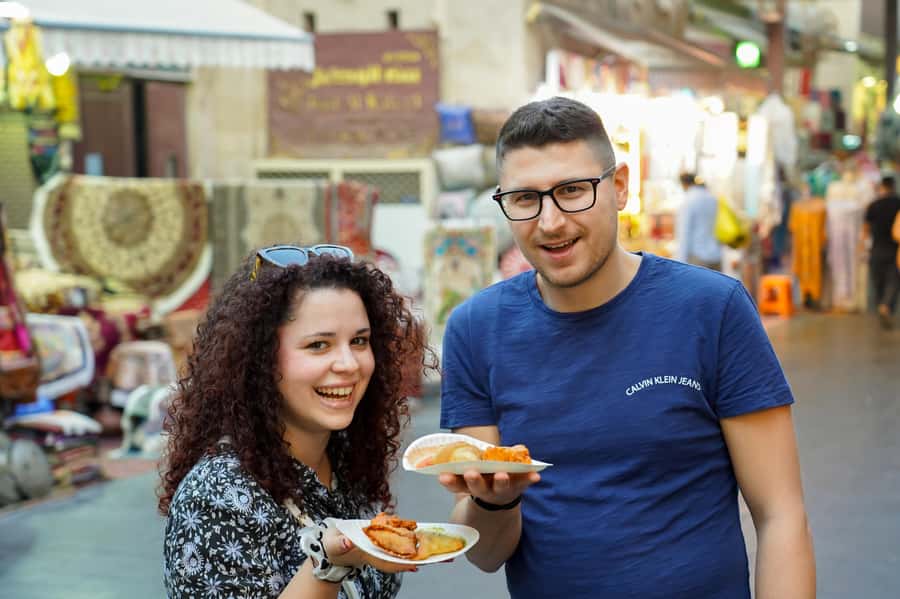
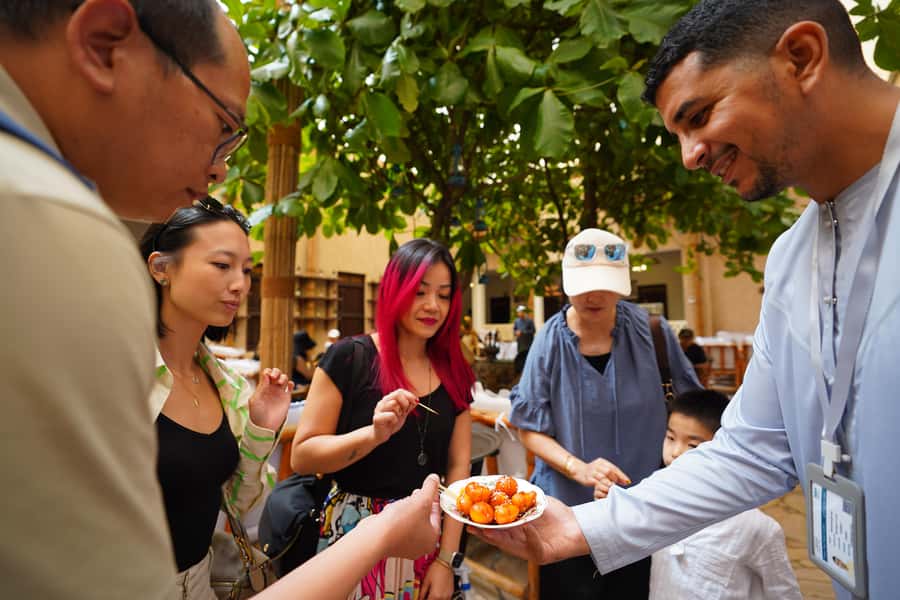
This tour earns its name with street-food style stops. You’ll taste local favorites such as:
- Karak tea (a signature stop)
- Samosas
- Shawarma and falafel
- Snacks like Rogag and Luqaimat
- Dates, plus drinks like lemon mint fresh juice
- Arabic tea or coffee
- Bottle of water
Here’s why that matters: Dubai’s old neighborhoods are built on everyday food habits. If you only watch the souks, you miss the human side—what people eat while they’re shopping, and what snacks keep them going through the heat.
If you’re worried about food variety, you should feel covered. You get savory items (samosa, shawarma, falafel), sweet bites (Rogag and Luqaimat), and drinks to balance the flavors (karak tea, fresh juice, coffee/tea).
Also, your early start at Al Khayma helps here. You’re less likely to feel drained when you hit the busiest market sections later.
Heritage home hospitality in Al Fahidi: the welcoming part people remember
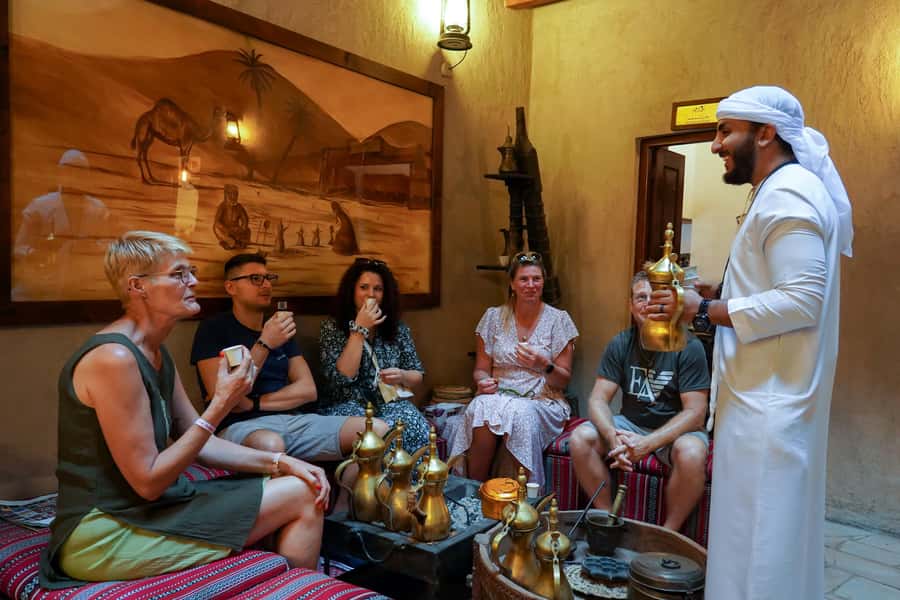
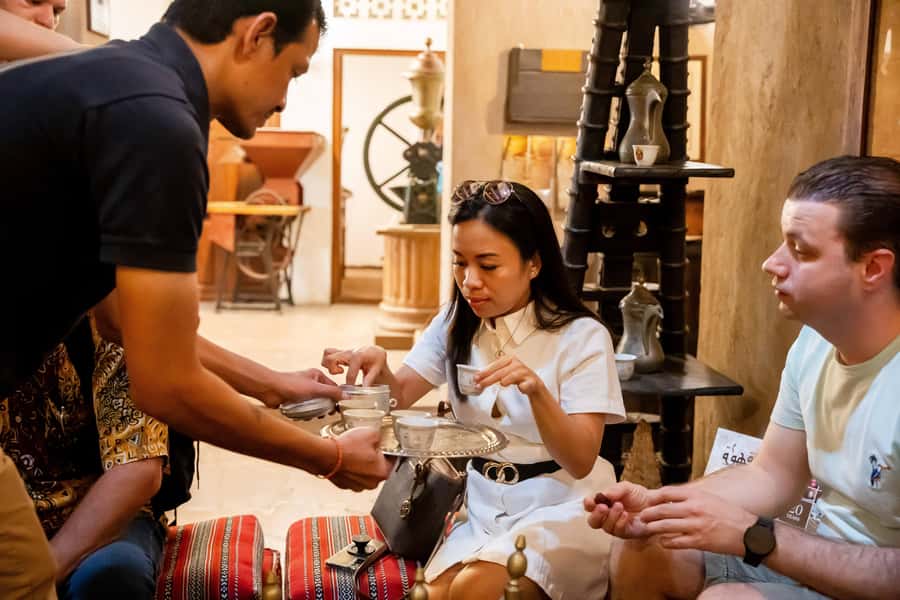
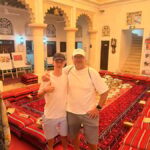
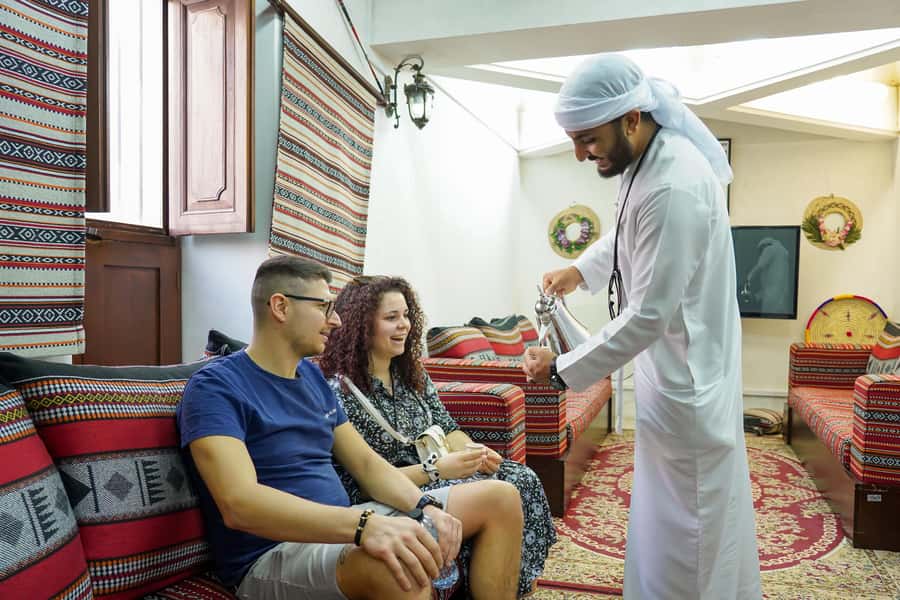
One of the most human sections is the Al Fahidi heritage house visit in the Al Fahidi district. This is where you’re treated to Emirati hospitality—dates, tea, and Arabic coffee—plus entry to the heritage house experience.
This stop is valuable because it slows everything down. Souks can move fast. Heritage visits add context. You’re not just buying spices and staring at gold; you’re seeing how hospitality and tradition work in a home setting.
In the same way that stories make a walking tour click, this part often becomes the memory anchor. It gives you a better sense of how Dubai’s older districts functioned before they became famous.
Guides make or break it: who you’ll likely get and what they do well
A big chunk of this tour’s value is the guide. The tour is offered with live guidance in multiple languages (German, English, French, Italian, Spanish). And in the feedback you provided, certain names show up again and again: Waleed, Maaz Khan, Fesal, Hakim, Ibrahim, Khan, Zeeshan, Hassam, and Ahmed.
What people consistently praise is how guides:
- keep the group engaged with stories tied to what you’re seeing
- give practical tips for navigating souks
- stay friendly and patient while walking
- explain cultural context in plain language
Even if you don’t speak one of the guide’s main languages, stories and “here’s what this means” commentary usually land. Just remember: a walking tour still depends on you asking questions.
Price and value: why $31 can feel fair here
At $31 per person for a 3–4 hour premium guided tour, the standout value is that you’re not just paying for a guide. You’re also getting a package of included experiences:
- guide-led visits (including heritage sites and the heritage house)
- Abra ride
- access to Gold Souk and Spice Souk time with guided support
- street-food tastings and drinks
- snacks like dates, camel milk ice cream, Rogag, and Luqaimat
- water
If you were to piece it together on your own, you’d likely spend a lot of time figuring out routes and which food stops are worth it. Here, the guide compresses the planning into one smooth flow: meet, eat, walk, cross the creek, and then shop with context.
Is it premium-priced compared to a super basic walk? Yes. But the included food and the Abra ride help justify it. You’re paying for convenience plus local know-how.
Logistics that matter: what to bring and what to avoid
This is a walking-focused tour, so bring:
- comfortable shoes
- sunglasses
- a sun hat
- comfortable clothes
Don’t bring:
- pets
- luggage or large bags
Also, it’s not a fit for everyone. The tour isn’t recommended for infants, and it’s not suitable for people with mobility impairments or wheelchair users. If walking and market crowds are hard for you, you’ll likely feel rushed.
Who should book this Old Dubai food and Abra tour
Book it if you:
- want a short, structured way to see Old Dubai
- love street food and don’t want to guess what’s good
- enjoy markets but want guidance so it doesn’t become wandering
- want a classic creek crossing without spending time researching boats and routes
Skip it if you:
- want long museum time or deep indoor sightseeing
- need step-free access for mobility reasons
- travel with toddlers in a stroller and expect it to be easy (infants aren’t recommended)
Should you book this tour?
Yes, if you’re in Dubai for a few days and you want Old Dubai to feel real, not like a checklist. The mix of heritage hospitality, Abra across Dubai Creek, and street-food tastings makes it more than a shopping walk. You’ll finish with the sense that you understood how the city used to operate—through water, trade, and daily food habits.
If you’re sensitive to walking in heat or you need accessibility support, choose another format. But for most visitors, this is a smart way to spend half a day getting the old side of Dubai right.
FAQ
How long is the Old Dubai Premium Guided Tour with Street Food & Abra Ride?
The tour lasts about 3–4 hours.
How much does the tour cost?
It costs $31 per person.
Where do I meet the guide?
Meet your guide at the entrance of Al Khayma Heritage Restaurant in the Al Fahidi Historical Neighborhood.
What’s included in the Abra ride?
You’ll take a traditional Abra boat ride across Dubai Creek.
What food and drinks are included?
Included items include street food such as shawarma, falafel, karak tea, and samosas, plus Rogag and Luqaimat snacks, dates, camel milk ice cream, lemon mint fresh juice, Arabic tea or coffee, and bottled water.
What places will the tour cover in Old Dubai?
You’ll visit Al Fahidi areas including an Emirati heritage house, see Al Seef, pass stops like Al Fahidi Fort and Bur Dubai Souk Market, and explore the Dubai Spice Souk and Dubai Gold Souk.
What languages do the guides speak?
Guided tours are available in German, English, French, Italian, and Spanish.
Is the tour suitable for wheelchair users or limited mobility?
No. The tour is not suitable for people with mobility impairments or wheelchair users.
Can I cancel for a full refund, and is there a pay-later option?
Free cancellation is available up to 24 hours in advance for a full refund, and you can reserve now and pay later.