REVIEW · DUBAI
Dubai: Premium Old Town, Street Food, Souks & Boat Ride Tour
Book on GetYourGuide →Operated by MAGIC LAMP TOURISM L.L.C · Bookable on GetYourGuide
Old Dubai is a sensory hit in 3 to 4 hours. The best part is how the tour threads Spice Souk smells, Gold market sparkle, and a traditional Abra boat ride into one simple walk-and-sail route. With guides like Seef and Hassan, you’re not just looking—you’re getting the why behind what you see.
I especially love the food timing. You’ll get shawarma or falafel-type street snacks, plus fresh juice like orange, sugar cane, and pomegranate, along with Arabic coffee and dates. The guide also helps you shop smarter, including practical haggling pointers so you don’t guess your way through the markets.
One consideration: you’ll do real walking in old streets and souks, and there’s no hotel pickup or drop-off. Also, cash is recommended for the local markets, so bring some just in case.
In This Review
- Key things you’ll notice on this tour
- Where the tour starts: Al Seef and the Dubai Creek views
- Al Fahidi Historical Neighborhood: Dubai’s “before the shine” pocket
- Souk Al Kabeer and market time: how to browse without wasting it
- Street food, juice, Arabic coffee, and dates: the best kind of break
- Spice Souk: where smell becomes a map
- Gold Souk: bling with guardrails
- The Abra boat ride across Dubai Creek: quick, classic, and worth it
- How the 3–4 hours work in real life
- Price and value: what $37 covers (and where it could cost extra)
- Who this tour suits best (and who should skip)
- Practical tips for Spice and Gold Souk shopping
- Should you book this Dubai Old Town and Souks tour?
- FAQ
- Where does the tour start?
- How long is the tour?
- What language options are available for the guide?
- Is hotel pickup included?
- What food and drinks are included?
- Do I need cash for the markets?
- Is there a dress code?
- Is this tour suitable for people with mobility impairments?
Key things you’ll notice on this tour
- Al Seef to the Creek: you start in a heritage-lined area with old Dubai views of dhow boats
- Abra crossing: the creek ride changes your perspective fast, with skyscrapers in the background
- Al Fahidi Historical Neighborhood: preserved infrastructure, museums, and heritage houses that explain how Dubai began
- Spice and Gold Souks: smells and colors at Spice, then major shine at Gold, with time to browse
- Food stops that don’t feel random: street snacks plus juice, Arabic coffee, and dates along the way
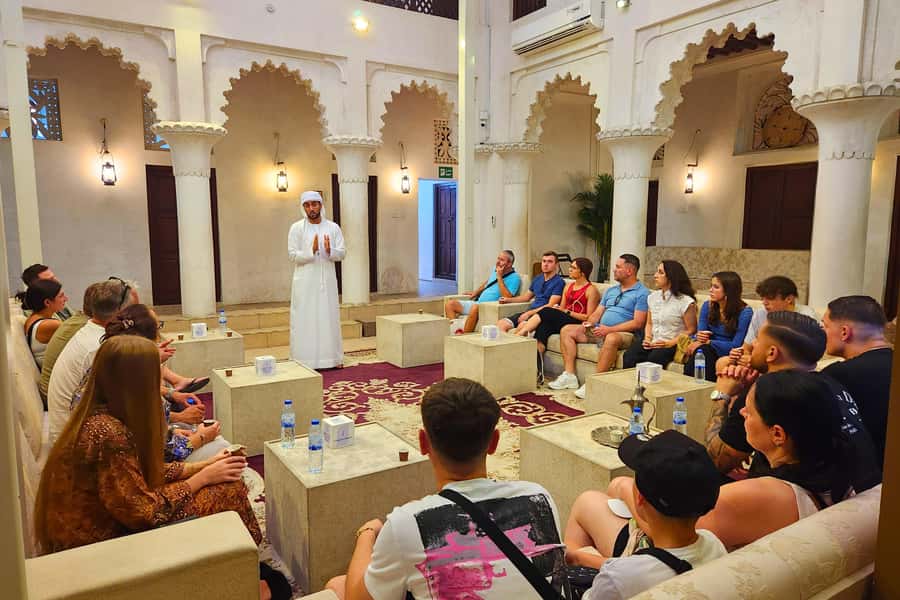
- Local guide help: guides like Seef, Hassan, Hamza, and Francis add cultural context and shopping tips
Where the tour starts: Al Seef and the Dubai Creek views
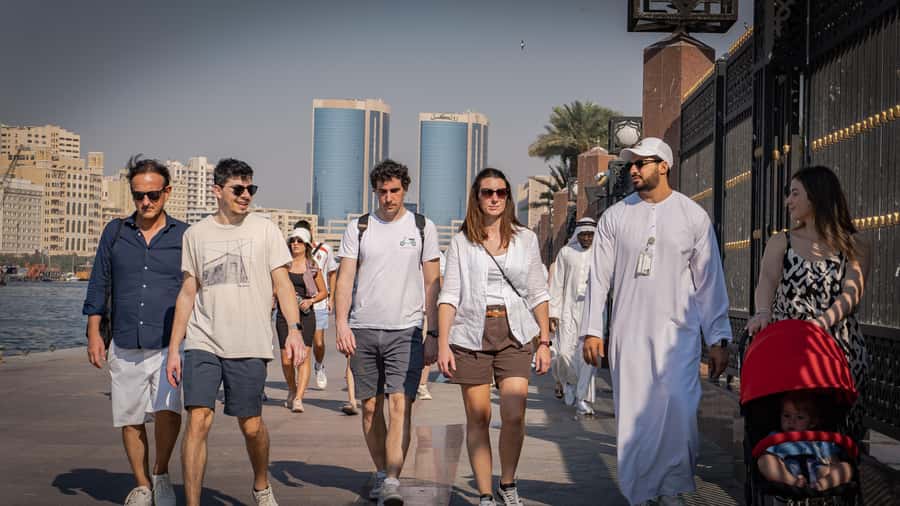
This tour begins around Al Seef Heritage—right along the banks of Dubai Creek. The meeting point is at the entrance of the Al Seef Heritage Hotel Dubai, Curio Collection by Hilton, and the guide is easy to spot with a badge. It’s a smart start because you’re already in the right mood: old waterfront edges, traditional boats nearby, and that sense of the city’s trading past.
What I like about starting here is that you get context before you hit the souks. You can look across the water and see the mix of old shoreline style and modern Dubai skyline. It’s not just pretty. It helps you understand why the creek mattered in the first place, and why so many historic areas cluster here.
If you’re the type who gets overwhelmed by a big city, this opening stage is a relief. It’s a guided route that keeps you moving, but not rushed.
You can also read our reviews of more food & drink experiences in Dubai

Al Fahidi Historical Neighborhood: Dubai’s “before the shine” pocket
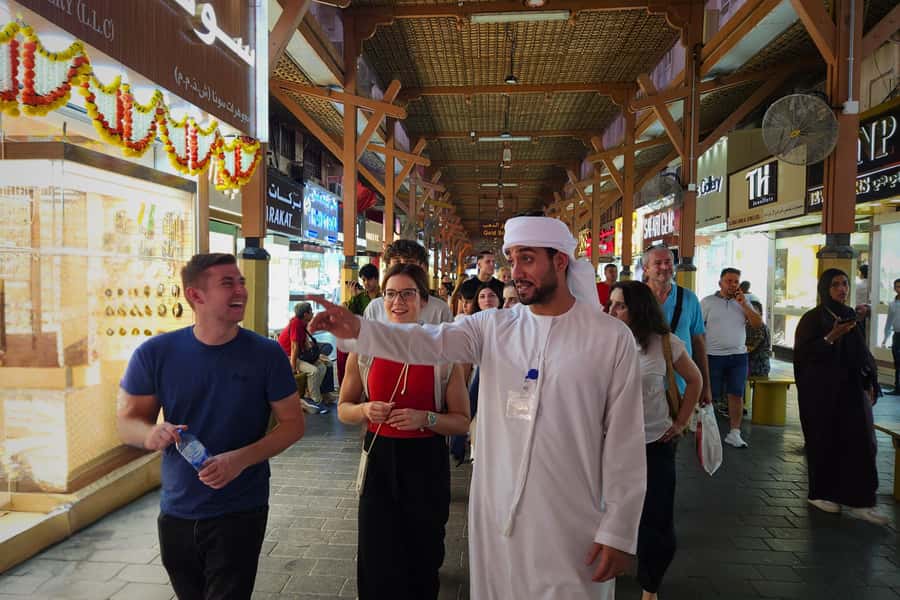
Next you head toward the Al Fahidi Historical Neighborhood, a heritage area where much of the original infrastructure is preserved. This is where the tour turns from sightseeing into understanding. You see museums and heritage houses, and the guide explains how the old commercial hub shaped everyday life.
The value here is the contrast. Dubai today is all height and speed. Al Fahidi gives you the earlier rhythm—more narrow streets, quieter scale, and architecture that feels built for people, not photos. Expect guided walking and a short break/photo stop so you don’t feel like you’re on a treadmill.
Practical note: this is still a walking segment. Comfortable shoes matter, especially if you’re visiting during warmer months.
Souk Al Kabeer and market time: how to browse without wasting it
After Al Fahidi, the tour moves you toward Al Souq Al Kabeer, where you’ll get guided time and some free time to shop and look around. This is where local knowledge becomes money—or at least saves you from overpaying.
The tour also references the Grand Souk area as you continue toward the creek. The key idea is that you’re getting a guided path through the market environment, not just being dropped in the middle and told good luck.
One helpful thing you can do: use the guide to learn what matters. For example, ask how to approach bargaining and what “fair range” feels like in the market. Cash is recommended, and that’s another reason a guide helps—people often know which stalls prefer which payment method and how negotiations typically go.
You’ll have shopping windows, but they’re not endless. So treat the free time like a tasting menu: browse first, then buy only once you’ve got your bearings.
Street food, juice, Arabic coffee, and dates: the best kind of break
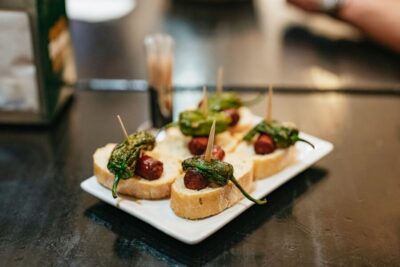
This tour gives you food at the right moments, not just at the end. Along the creek route, you’ll stop for street food like shawarma/falafel, plus fresh juice such as orange, sugar cane, or pomegranate. You’ll also get Arabic coffee and dates, plus bottled water.
A small but important detail: street food is listed as available, and there’s also a note that street food may have an additional charge. Translation for you: don’t assume every single snack upgrade is fully covered. But the overall food-and-drink stops are part of the experience, and you’re not leaving hungry.
I like that the drinks are included because they make the whole route easier on your body. Walking old streets and then doing shopping can dry you out fast. Fresh juice is a nice local touch, and Arabic coffee is a low-effort way to experience hospitality customs.
Spice Souk: where smell becomes a map
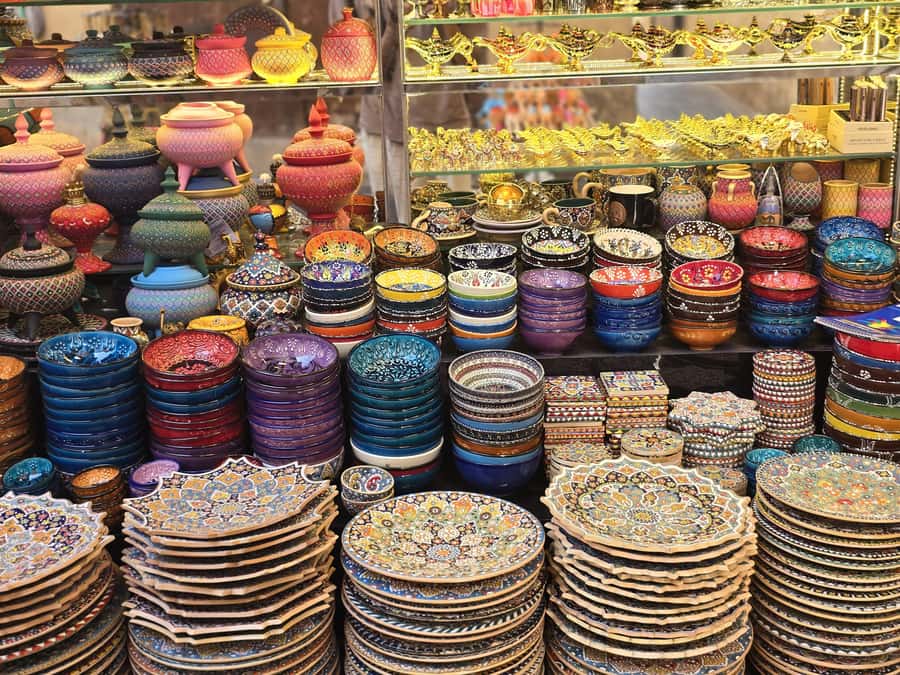
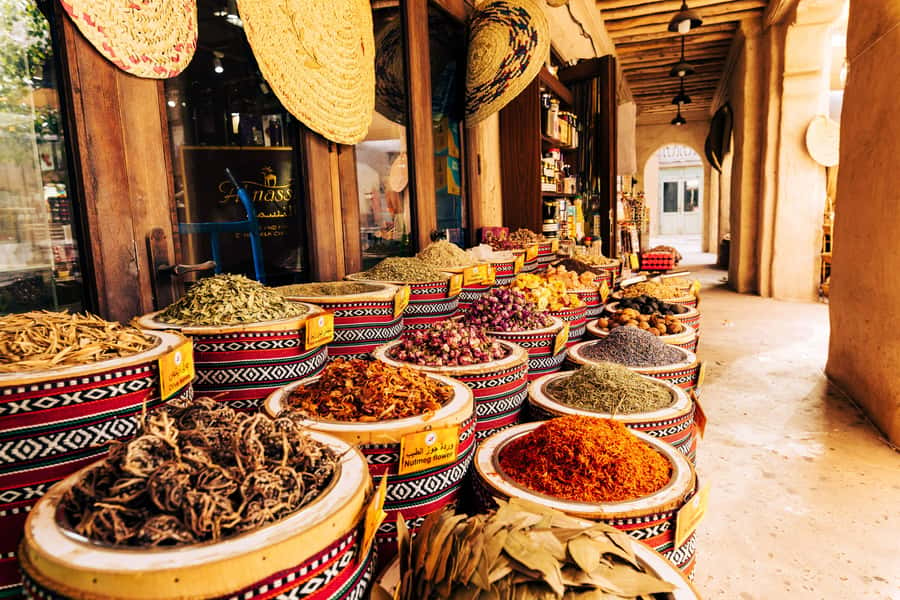
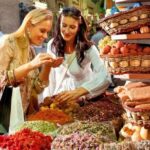
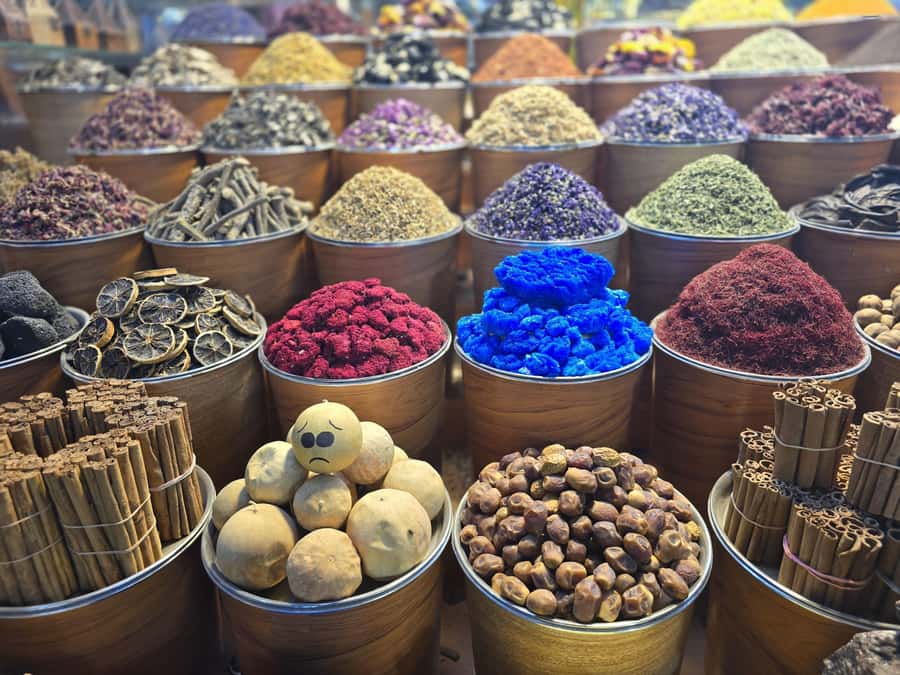
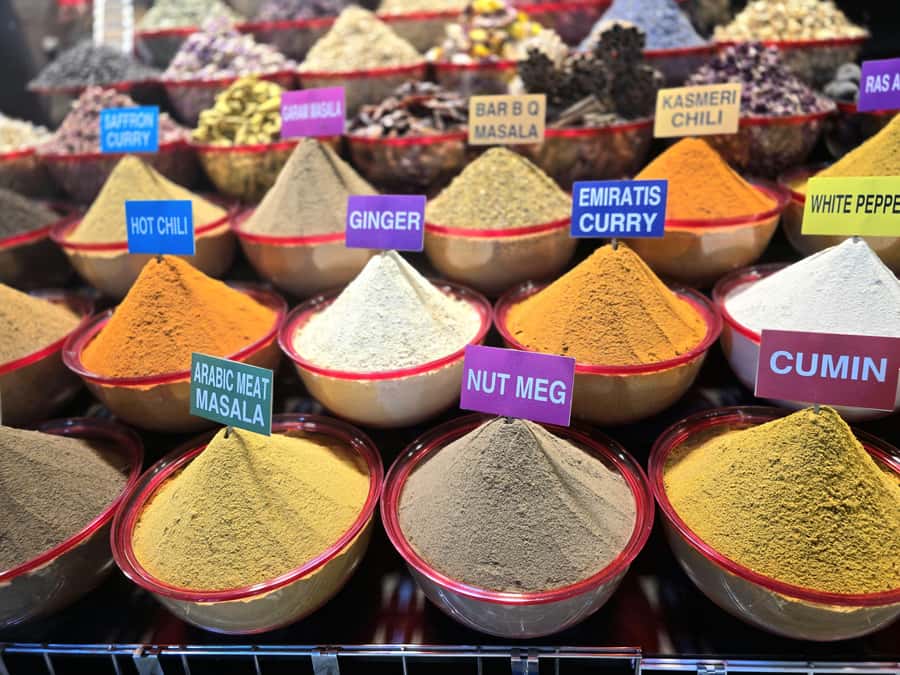
When the tour reaches the Dubai Spice Souk, you’ll immediately get the senses part right. This market is all about aroma and color—spices, ingredients, and the visual chaos that actually becomes easier once someone explains the basics.
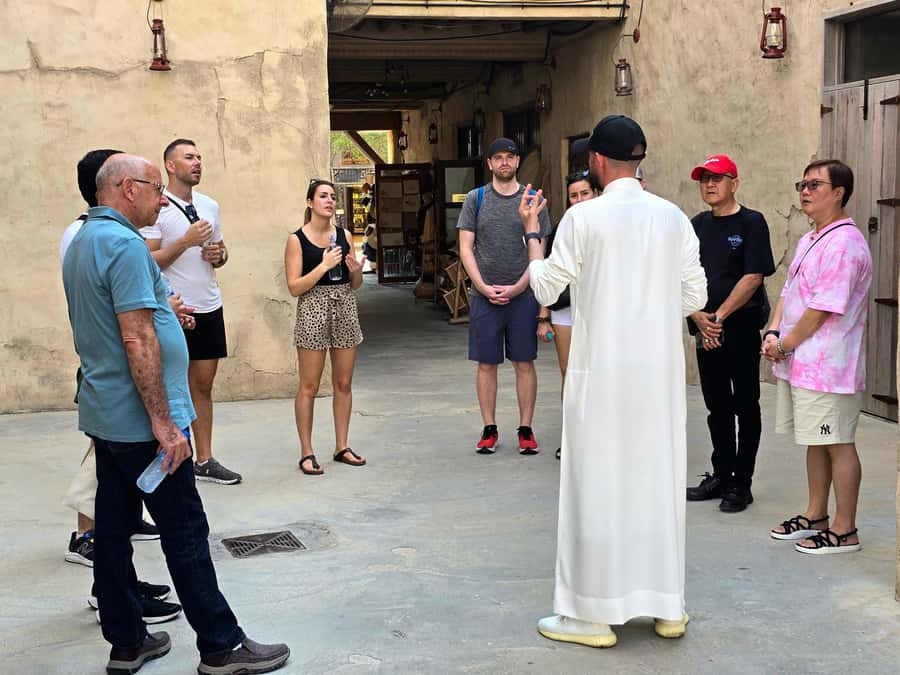
The guide experience matters here because you’re not just standing near shelves. You’re getting context: what items are used for, how people talk about quality, and how to interpret what you’re seeing. You also get time to browse and, if you want, haggling help from local merchants and your guide.
For souvenirs, this is where you can get meaningful stuff without the pressure of jewelry budgets. Think ingredients you’ll actually use at home, or gifts that smell amazing even in a sealed bag.
A few more Dubai tours and experiences worth a look
Gold Souk: bling with guardrails
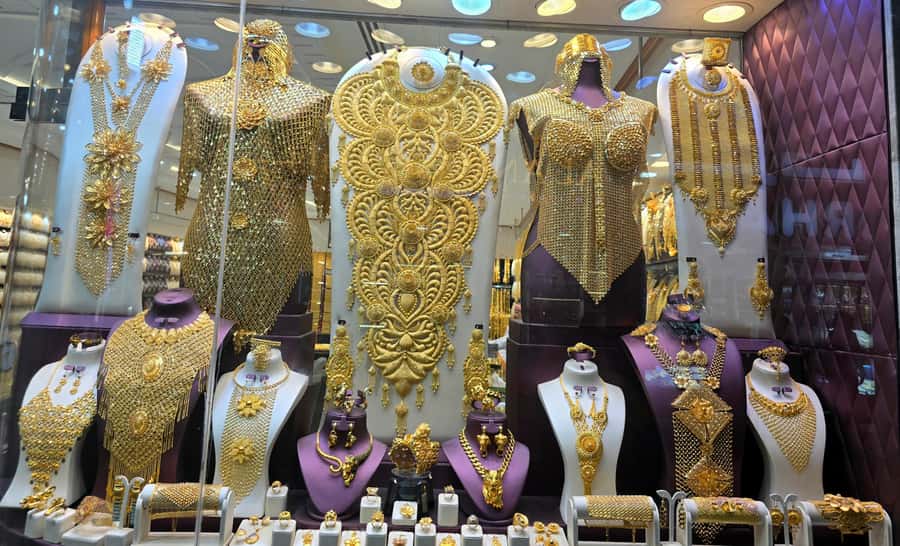
After the Spice Souk, you’ll visit the Dubai Gold Souk. This part of Dubai is famous for a reason: the display is jaw-dropping. Expect fine jewelry, silver, and precious stones, plus plenty of time to look and photo.
The tour includes guided time and free time for shopping. That’s important because if you’ve never seen a gold market up close, it can feel overwhelming. A guide helps you slow down and focus on what you’re there for: craftsmanship, styles, and what questions to ask.
Also, this is where bargaining feels most intense for first-timers. The guide’s shopping pointers can help you shop with more confidence. Even if you don’t buy gold, you’ll learn how pricing and negotiation commonly work in the setting.
One realistic takeaway: if you’re hoping for big discounts, go in with patience and treat it like a conversation. If you’re there for photos and window-shopping, you’ll still get value out of the guided context.
The Abra boat ride across Dubai Creek: quick, classic, and worth it
The boat segment is one of those “small time, big payoff” moments. You’ll board a traditional abra—a small ferry-like boat—and cruise across Dubai Creek. Along the way, you get photo stops and a view of huge trading ships, old shoreline architecture, and the modern skyline towering beyond it.
This is the best way to see how Dubai’s history and today’s skyline line up. On land, you can miss the scale connection. On the water, the trading corridor becomes obvious, and the city looks less like isolated landmarks and more like a single story.
If you care about photos: this is where you’ll want to be positioned smartly. The ride is short, so plan your shots quickly and use the guide’s timing cues.
How the 3–4 hours work in real life
The tour is designed to feel balanced rather than stuffed. You’ll spend time in several areas, with walking plus short museum/heritage moments and marketplace shopping windows.
In plain terms, here’s how it usually feels:
- Al Seef early on gets you ready with creek views and heritage atmosphere.
- Al Fahidi is your “learn Dubai first” portion, with guided walking and a break/photo stop.
- Souk Al Kabeer gives you market browsing time that’s long enough to feel real, but not so long you lose your group.
- The creek portion includes photo stops, boat ride time, and then the Spice and Gold Souks with guided context plus free shopping.
Pacing is a big deal. Many guides keep it relaxed but keep you moving. You get time to ask questions, and you’re not stuck listening for long stretches. That’s especially useful if you want cultural explanations without turning the whole day into a lecture.
Price and value: what $37 covers (and where it could cost extra)
At $37 per person for a 3–4 hour guided Old Town + souks + food + boat ride, the value is in the combination. You’re not just paying for entry tickets or a boat crossing. You’re paying for:
- a local guide for multiple heritage/souk segments
- the abra boat ride across Dubai Creek
- street food with fresh juice and Arabic coffee, plus dates
- entry to heritage sites and museums
- bottled water
- and fees/taxes
The two “watch-outs” are simple. First, there’s no hotel pickup/drop-off, so you’ll need your own way to the meeting point. Second, street food is described as available and may come with an additional charge, so if you’re planning extra snacks beyond what’s offered, budget a little.
If you want to stretch the value, do this:
- Bring cash for markets.
- Decide what you’re buying before you get swept up in the displays.
- Use the guide for shopping guidance at the moment you’re ready to negotiate, not after.
Who this tour suits best (and who should skip)
This tour is a great fit if you want classic Dubai without only seeing shiny towers. It’s especially good for:
- first-time visitors who want Old Dubai context fast
- people who like markets but don’t want to feel lost
- food-minded travelers who enjoy street snacks and drinks
- anyone who wants a guided mix of heritage area + souks + creek views in one outing
It’s less ideal if:
- you have mobility limitations (walking is part of the experience)
- you dislike haggling environments or prefer minimal market time
- you’re expecting hotel-style convenience like pickup and drop-off (that’s not included)
Also, alcohol and drugs aren’t allowed on the tour, which is good to know ahead of time.
Practical tips for Spice and Gold Souk shopping
A few things will make this part of your day easier:
- Bring cash. The tour explicitly recommends it for local markets.
- Wear comfortable shoes. You’ll be walking through uneven, market-style surfaces.
- Ask questions early. If you want fair pricing, get the guide’s input before you commit to a purchase.
- Treat browsing as part of the plan. You’ll have free time in both souks, so move with purpose.
- For food, plan for water and drinks. Bottled water is included, but you’ll still be on your feet.
If you’re unsure what to buy, start with spices and smaller items. Save big purchases for the Gold Souk once you’ve seen how the environment works.
Should you book this Dubai Old Town and Souks tour?
I’d book it if you want a high-value, time-efficient way to see Old Dubai—the creek, Al Fahidi heritage streets, and the souks—plus food and a traditional boat ride. The strongest reason is the guide-driven context: names like Seef, Hassan, Hamza, Islam Shady, and Francis pop up for a reason—your experience changes when you know what you’re looking at.
Skip it if you want a full day of museums, zero walking, or hotel pickup. This is built for a focused 3–4 hour route.
My final advice: come with comfortable shoes, a bit of cash, and a light shopping goal. If you do that, you’ll leave with both photos and real understanding of how Dubai’s old trading world connects to today’s skyline.
FAQ
Where does the tour start?
The guide waits at the entrance of Al Seef Heritage Hotel Dubai, Curio Collection by Hilton, wearing a badge.
How long is the tour?
The duration is about 3 to 4 hours.
What language options are available for the guide?
The tour offers live guiding in Arabic, English, Hindi, German, Spanish, French, and Italian.
Is hotel pickup included?
No. Hotel pickup and drop-off are not included.
What food and drinks are included?
You’ll have street food options, fresh juice, Arabic coffee, bottled water, and dates with chocolate. Street food may have an additional charge depending on what you choose.
Do I need cash for the markets?
Cash is recommended for the local markets.
Is there a dress code?
There is no dress code mentioned.
Is this tour suitable for people with mobility impairments?
No, it is not suitable for people with mobility impairments.