REVIEW · MARRAKESH
Marrakech: Authentic Moroccan Food Walking Tour & Dinner
Book on GetYourGuide →Operated by One Life Trips · Bookable on GetYourGuide
A 3-hour food crawl, minus the guessing. This Marrakech Old Medina walking tour turns street snacks into a story about everyday life, with guided tastings and a proper Moroccan dinner at the end. I like that you’re not just eating random samples; you’re learning what foods mean and when locals crave them, from Harira to mint tea. One watch-out: you walk a lot and eat a lot, so wear comfy shoes and come hungry.
The big decision is the route and the Ramadan timing. If you’re visiting during Ramadan, the dinner setup can differ, and some people end up noticing they feel very full by the finish. Still, with guides like Mehdi, Mohammed, Ali, and Yahya leading groups, the tone stays friendly, organized, and fun, even when the food gets adventurous (snails, sheep’s head, or gazelle ankle pastry).
In This Review
- Key things to know before you go
- Why This 3-Hour Marrakech Food Walk Works in the Medina
- Where You Start: Poste du Maroc and Getting Your Bearings Fast
- The Snack Route: Harira, Chebakia, Msemmen, and More
- Harira and Chebakia: the Morocco taste-bundle
- Msemmen and mint tea: comfort food you can actually order
- Kaab Ghzal: the almond-orange blossom pastry
- Gazelle ankles, snails, and sheep’s head: for the brave (and curious)
- Sweet Stops That Don’t Feel Like Afterthoughts
- Coconut macaroons and Moroccan pastries
- Raïb and yogurt-style comfort
- Panaché: fruit smoothie relief in the heat
- Dinner Finish: Tajine at a Restaurant or Open-Air Moroccan Barbecue
- Restaurant version: Moroccan salad, Tajine, then Raïb
- Open-air version: grillade and Moroccan barbecue
- How the Guide Changes Everything (From Humor to Food History)
- Route Choices: What You Might Eat on Each Path
- Route A highlights you might taste
- Route B highlights you might taste
- Price and Value: Is $52 a Good Deal?
- Who This Tour Suits Best (and Who Should Rethink It)
- Should You Book This Marrakech Food Walking Tour and Dinner?
- FAQ
- What is the meeting point?
- How long is the tour?
- Is hotel pickup included?
- Is the tour guide available in English?
- What food is included during the tour?
- What kind of dinner is included?
- Does the tour run in different routes?
- What should I bring?
- Are there cancellation and refund options?
- Can I reserve without paying right away?
Key things to know before you go
- Meet at Poste du Maroc: easy to find, right in the heart of the Medina area
- Two different food routes: you’ll get a local evening plan that can change with timing and flow
- Classic Moroccan comfort foods: Harira, Chebakia, and mint tea show up no matter which route you take
- Sweet stops are real stops: macaroons, Raïb yogurt, and fruit drinks like Panaché can appear
- Dinner is the finish line: either restaurant tajine or open-air Moroccan barbecue
- Guides make the difference: multiple named guides are praised for humor, history, and taking you off the main tourist paths
Why This 3-Hour Marrakech Food Walk Works in the Medina
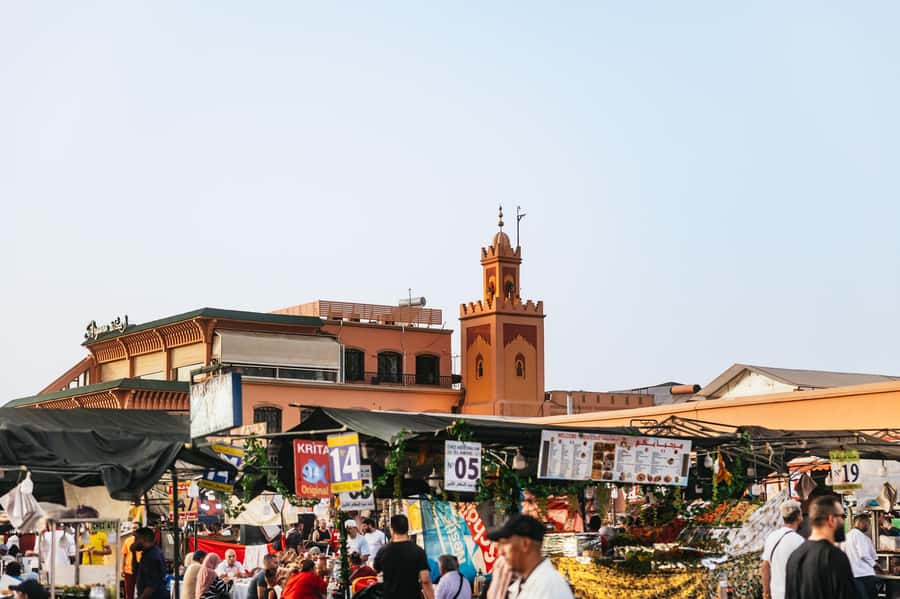
Marrakech’s Medina can feel like sensory overload at first: sounds, smells, alley turns, and constant food calls. This tour helps you sort it out because you’re following a single plan that’s focused on eating and understanding, not wandering blindly.
What I like best is the way it blends street food with sit-down food. You’ll start with snacks that locals actually treat as daily or celebratory comfort, then you land at dinner that feels like a proper Moroccan meal, not just more bites.
The time window is also a plus. At three hours, you get enough tastings to feel like you made a dent in Marrakech food, but you’re still free afterward to explore on your own without turning the whole day into one long stomach experiment.
You can also read our reviews of more tours and experiences in Marrakesh.


Where You Start: Poste du Maroc and Getting Your Bearings Fast
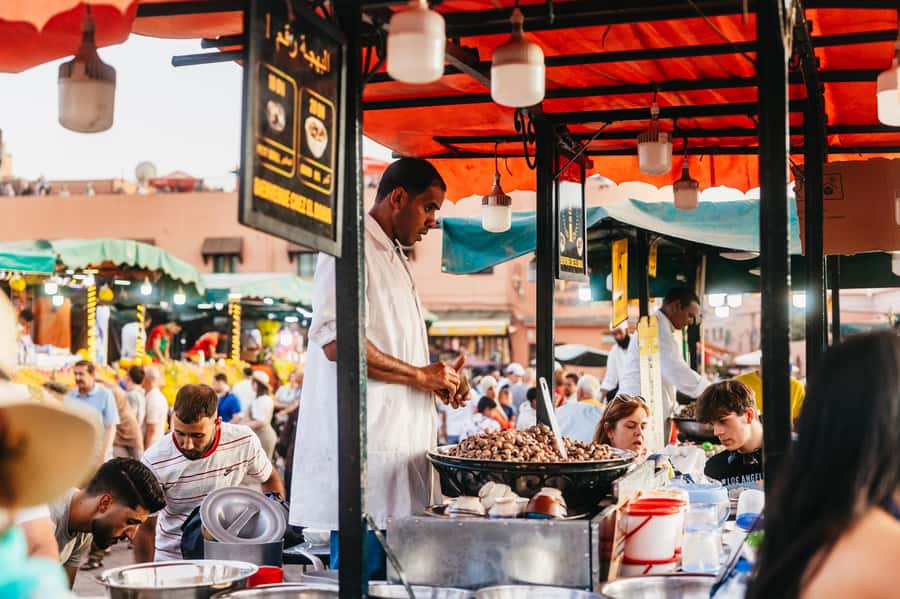
You meet in front of Poste du Maroc (Rue Beni Marine). That matters more than it sounds, because the Medina routes are easier when you begin from a landmark that people actually recognize.
Once the group starts moving, the tour style is simple: walk through the Old Medina and stop frequently. Expect short stretches between tastings, plus a bit of time where your guide explains what you’re eating and why it’s common in Morocco.
If you’re going in the first days of your trip, this is a good move. One consistent theme from guide stories is that early on, you’ll learn how to read the market rhythm. Later, when you return on your own, you’ll know what to look for and where to stand without feeling lost.
The Snack Route: Harira, Chebakia, Msemmen, and More
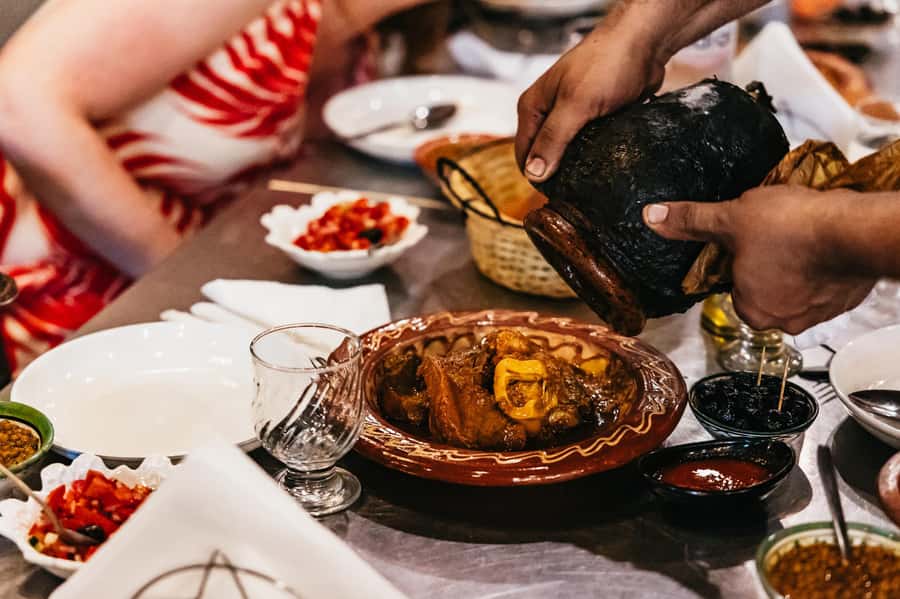
This tour’s food spirit is classic Moroccan: soups, fried dough snacks, pastries with floral notes, and plenty of mint tea. Even when routes differ, you’re almost guaranteed at least one “signature” pairing: Harira plus Chebakia.
Harira and Chebakia: the Morocco taste-bundle
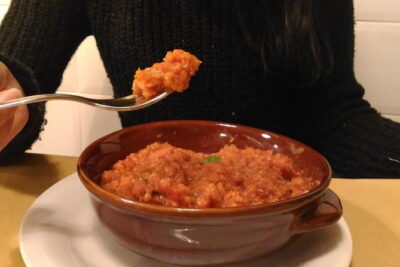
Harira is the famous lentil-and-chickpea soup that shows up in a lot of Moroccan meals. Chebakia is that sweet, deep-fried pastry, often served during Ramadan when people break the fast. On this tour, you’ll try that combo in a way that feels like you’re watching local timing and not just collecting flavors.
In Ramadan season, this becomes extra meaningful. One group experience described the tour coinciding with sunset when fasting ended, and that timing made the meal feel like a shared moment rather than a scheduled stop.
Msemmen and mint tea: comfort food you can actually order
Mint tea is Morocco’s default hospitality drink, so getting it on your route matters. It also helps you slow down between stops, and it’s a built-in palate reset when you’ve just had something fried or rich.
Msemmen is pan-fried layered pancake-like comfort. The tour includes it with honey and cheese in one route, which is basically how Morocco balances savory and sweet without making a big deal about it.
You can also read our reviews of more food & drink experiences in Marrakesh
Kaab Ghzal: the almond-orange blossom pastry
Kaab Ghzal is a pastry filled with almond paste, typically aromatized with orange blossom water. It’s one of those foods that tastes like a dessert even though it shows up as a “proper snack” in Morocco.
If you like sweets that aren’t just sugar, this is a good stop. The flavor is floral, soft, and fragrant, and it’s a nice change from the more doughy, fried items you might see next.
Gazelle ankles, snails, and sheep’s head: for the brave (and curious)
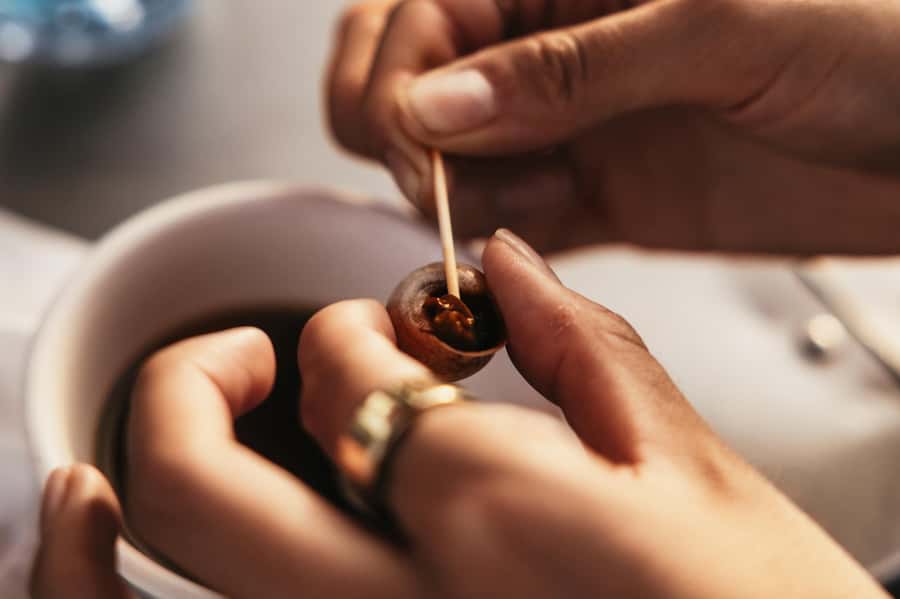
Some stops are more daring. You might see Kaab Ghzal described with Gazelle ankles as part of the name, and you may also run into dishes like Babbouche (snails cooked in an aromatic herbal broth) and even Rass Mbekher (steamed sheep’s head).
None of that is required for you to enjoy the tour, but it is part of the cultural picture. If you’re squeamish, talk to your guide and set expectations early. The same guide team that earns praise for culture talk also tends to be flexible about what ends up on your plate.
Sweet Stops That Don’t Feel Like Afterthoughts
A lot of food tours treat sweets like a quick garnish. This one takes them seriously, with multiple dessert-style tastings that show up across routes.
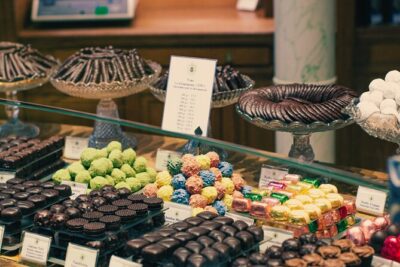
Coconut macaroons and Moroccan pastries
One route includes Moroccan coconut macaroons, described as a kids’ favorite sweet treat. That’s a clue that they’re not overly intense or weirdly flavored; they’re approachable, chewy, and coconut-forward.
Raïb and yogurt-style comfort
In the restaurant-finish version of the tour, you may end with Raïb, a homemade yogurt that people call divine. Yogurt works well at the end because it cools the palate after fried snacks and spices.
Panaché: fruit smoothie relief in the heat
Another route includes Panaché, a colorful fruit smoothie made from fresh seasonal fruits. If you’re traveling in warmer months, this kind of drink is not just “nice.” It can be the difference between feeling great and feeling overheated while still hungry enough for dinner.
Dinner Finish: Tajine at a Restaurant or Open-Air Moroccan Barbecue
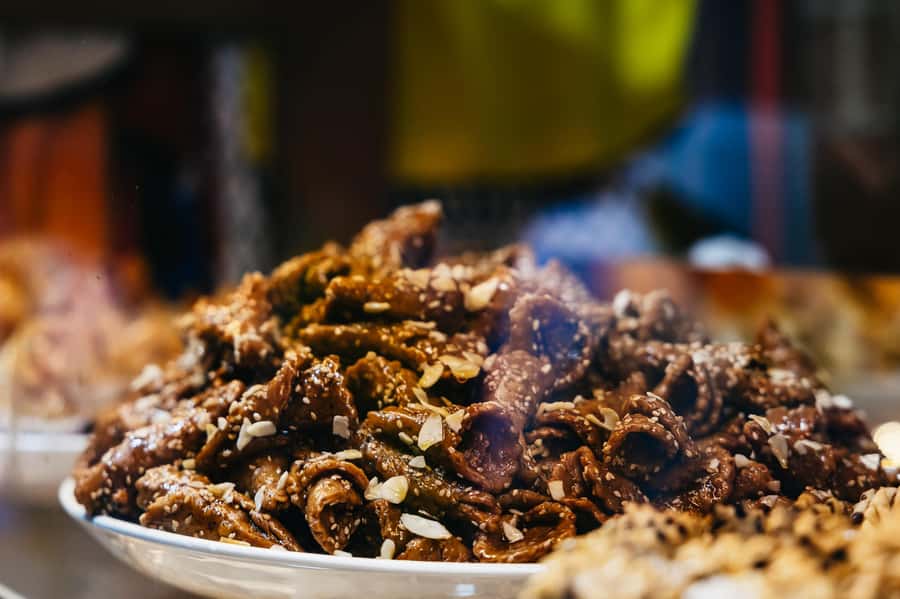
Dinner is where the tour earns its keep, because you’re not just tasting snacks forever. The finish line comes in two styles, depending on the route and timing.
Restaurant version: Moroccan salad, Tajine, then Raïb
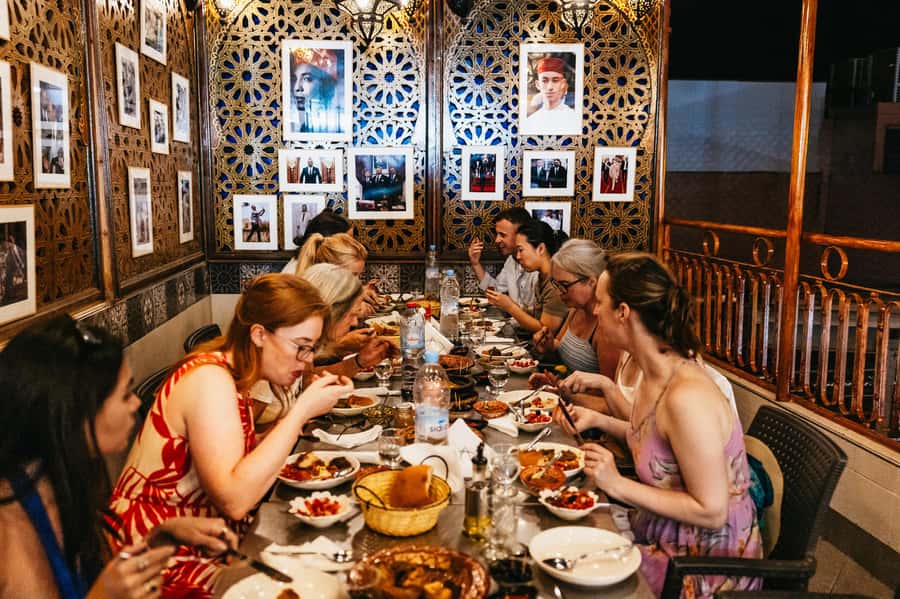
One dinner format is at a local cozy restaurant with Moroccan salad plus a hearty tajine. Tajine is a slow-cooked Moroccan staple, usually aromatic and filling, and it feels like the meal you’d want if you were eating like locals.
Dessert can include Raïb. That means you get both the savory comfort of stew-like tajine and the cooling tang of yogurt.
Open-air version: grillade and Moroccan barbecue
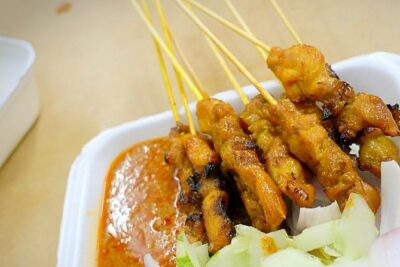
Another dinner style is an open-air Moroccan barbecue (often called grillade). That typically means juicy grilled meats like beef, turkey, and liver, cooked over fire and served in a more social, street-meets-restaurant way.
One practical note: if you’re coming in Ramadan, dinner may not be offered in the standard way. Still, the tour keeps the food flow going with items that match the season and daily rhythms.
How the Guide Changes Everything (From Humor to Food History)
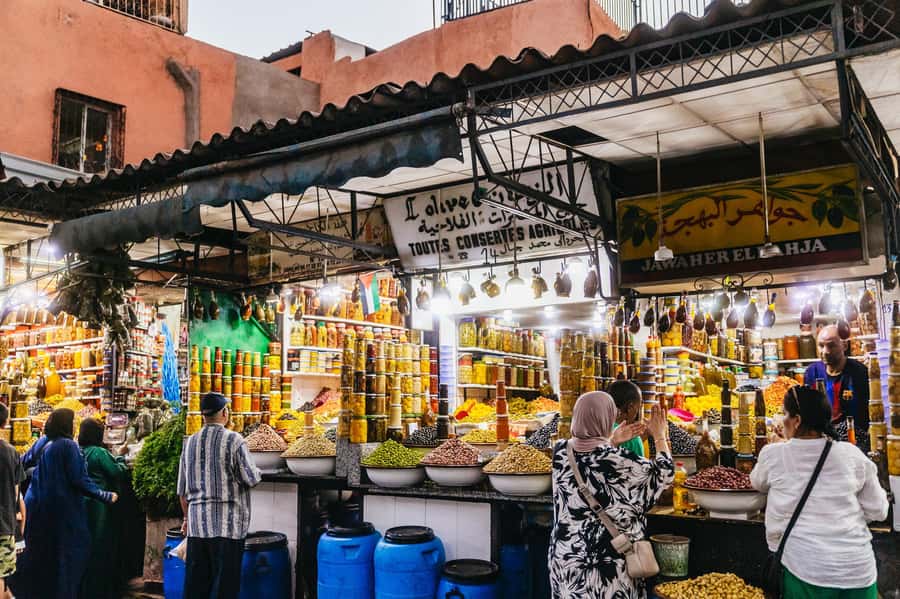
A walking tour lives or dies on the guide. This one has a strong reputation for making the Medina feel navigable and fun, not overwhelming.
Guides named across experiences include Mehdi, Mohammed, Ali, Yahya, and Yaya, plus praise for hosts like Rachid. What gets repeated in the good feedback is how they explain food culture, not just food facts. Expect stories that connect ingredients to daily life, and explanations that make you understand why a snack exists beyond taste.
You’ll also often get small, practical tips along the way. For example, one advice theme is to avoid heavy eating beforehand. The groups that rave about value are usually the ones who arrived hungry, because the tastings stack up fast.
And yes, humor shows up. Several guide comments describe laughter and a relaxed vibe, which helps if the alley streets feel chaotic. A good guide makes the chaos feel manageable.
Route Choices: What You Might Eat on Each Path
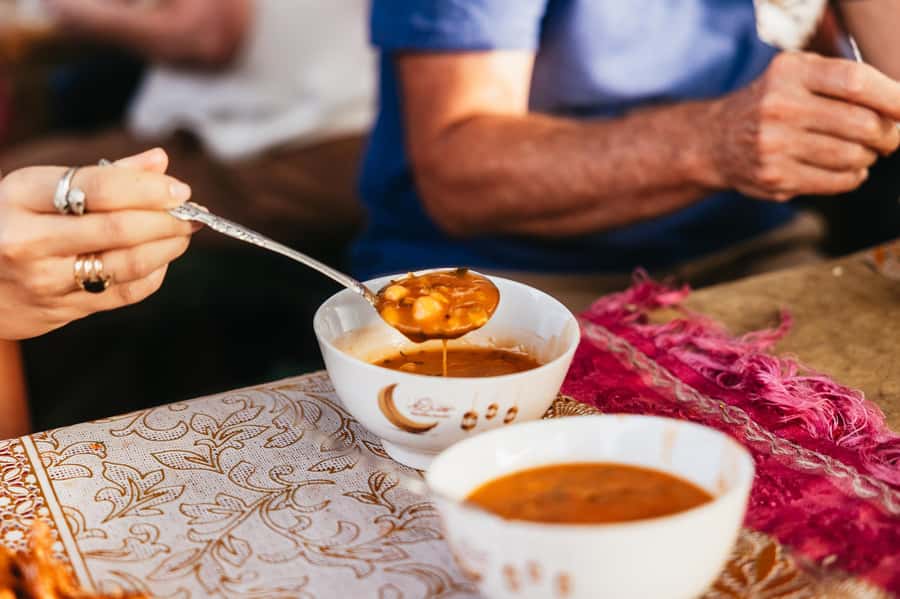
The tour uses two possible routes, depending on the guide, season, and the day’s flow. Both are local, both are delicious, and both cover a spread of snack types: soups, pastries, fried dough, fruit drinks, and tea.
Route A highlights you might taste
You may start with coconut macaroons, then move into Kaab Ghzal, Harira with dates and Chebakia, and Babbouche in herbal broth. You might also hit mint tea with Msemmen, plus snacks like Fakya (dried fruits and nuts often shared during celebrations) and Moroccan olives (greens and reds, sometimes tossed with herbs).
Route B highlights you might taste
Route B can include savory Msemen Amer (stuffed Moroccan pancakes), Harira and Chebakia again, and Makkla bel Kefta (a Shakshouka-style dish). You might see Sfenj (Moroccan donuts), Lhindiya (cactus fruit drink), Khoudenjal (hot herbal infusion made from galangal root), and Panaché.
The “meatier” part can include Rass Mbekher (sheep’s head), sometimes swapped with chawarma (chicken) or crispy falafel depending on the flow.
The good news for planning: either route still gives you the core Moroccan training wheels—tea, soup, pastries, and a real meal at the end.
Price and Value: Is $52 a Good Deal?
At $52 per person for a three-hour guided walking tour with multiple tastings plus mint tea and dinner, the value is in two places: the guide and the meal bundling.
If you tried to recreate this on your own, you’d likely pay for:
- guide time (or lose time figuring out where to eat),
- several separate snacks and drinks, and
- a dinner that you actually want to sit down for.
Here, the price is essentially packaging a “multiple-stop evening” into one ticket. The best part is that you’re not only buying food—you’re buying introductions to what locals actually eat and where they eat it.
Also, the tour has a clear “payoff moment” at dinner. Many shorter tastings end with snacks only. This one ends with enough food that you leave feeling like you had a meal, not a snack parade.
Who This Tour Suits Best (and Who Should Rethink It)
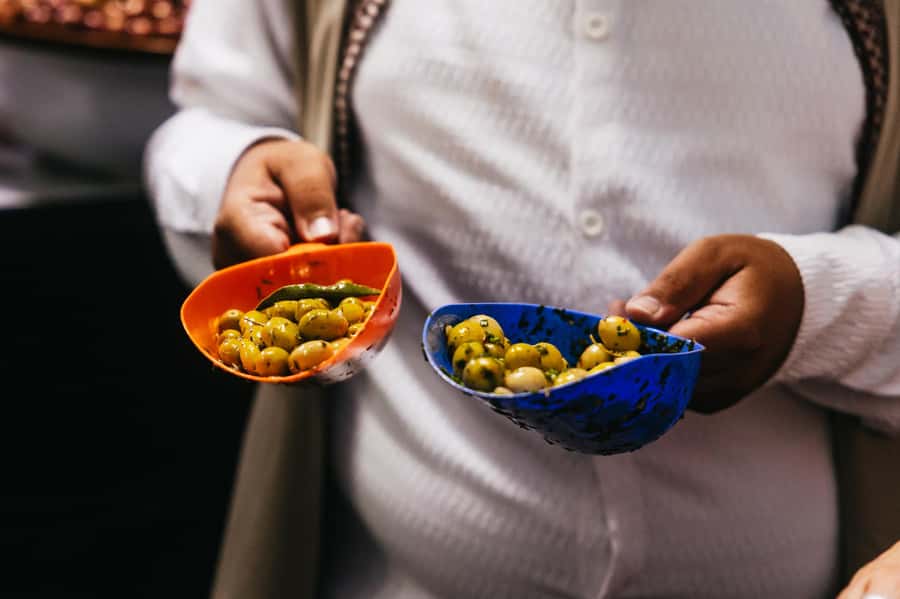
This Marrakech food walking tour & dinner is ideal if you:
- want a first serious taste of Marrakech food culture without guessing,
- like street snacks and soups as part of the meal,
- are comfortable walking in the Medina,
- enjoy learning why foods show up when they do, not just what they taste like.
It might be less ideal if you:
- hate surprises (because some items can be unusual, like snails or sheep’s head),
- have very sensitive dietary needs and haven’t told your guide in advance,
- don’t want a “big eating plan” for three hours.
The best practical tip is simple: come hungry. If you eat a heavy lunch, you’ll feel it by the second or third stop, and you’ll miss the fun.
Should You Book This Marrakech Food Walking Tour and Dinner?
If you’re in Marrakech and you want your first food day to feel organized, local, and satisfying, I think this is a strong booking. The tour does two hard things well: it guides you through the Medina food scene, and it ends with dinner that actually feels like an earned finish.
I’d book it if you’re the type who likes to learn while eating and you’re curious about foods beyond the obvious. Skip it only if you want light snacking, hate walking, or can’t handle adventurous items.
FAQ
What is the meeting point?
Meet your guide in front of Poste du Maroc, Rue Beni Marine.
How long is the tour?
The tour lasts 3 hours.
Is hotel pickup included?
No. Hotel pickup and drop-off are not included.
Is the tour guide available in English?
Yes, the live tour guide speaks English.
What food is included during the tour?
You’ll sample specialty Moroccan foods at multiple stops. Examples listed include Harira, Chebakia, Msemmen, mint tea, Kaab Ghzal, and sweet treats like macaroons and Raïb, plus dinner options depending on the route.
What kind of dinner is included?
Dinner is either an open-air grillade Moroccan barbecue or dining at a local restaurant (not available during Ramadan). The restaurant option includes fresh Moroccan salad and a hearty Tajine, with Raïb for dessert.
Does the tour run in different routes?
Yes. The experience can follow one of two routes depending on the guide, season, and the flow of the day.
What should I bring?
Wear comfortable shoes, since you’ll be walking.
Are there cancellation and refund options?
Yes. Free cancellation is available up to 24 hours in advance for a full refund.
Can I reserve without paying right away?
Yes. The tour offers a reserve now & pay later option (pay nothing today).