REVIEW · PARIS
Paris Latin Quarter Food Tour
Book on Viator →Operated by Sidewalk Food Tours · Bookable on Viator
Food is the fastest way to read Paris. This Latin Quarter tour strings together multiple tastings and a small group (up to 8), turning shop stops into a true walking experience. You’ll get guided commentary while you sample bread, cheese, crepes, cured meats, and seafood, plus wine tasting and lunch.
The main drawback to plan for: it’s a walking tour with a moderate pace, so you’ll be standing and moving for several hours. If that sounds tiring, build in extra rest time afterward and wear comfy shoes.
In This Review
- Key Points If You’re Short on Time
- Entering The Latin Quarter on a Food-First Route
- Price and Value: What $115 Buys in Real Eating Time
- Timing, Walking, and Where You Start (No Hotel Pickup)
- Stop by Stop: Breads, Meats, Seafood, Cheese, and Crepes
- Le Fournil de Mouffetard: Bread First, Always
- Boucherie Jeannot: Cured Meats and Italian Touches
- Poissonnerie Mouffetard (Poissonnerie Quoniam – Mouffetard): Fresh Seafood Matters
- Fromagerie Beillevaire: Cheese as a Real Choice, Not One Block
- Creperie Oroyana: The Classic Latin Quarter Finish
- Notre-Dame and Rue Mouffetard: Why the Sights Belong in a Food Tour
- Wine, Lunch, and the Food-Pause Rhythm
- Guide Style Makes or Breaks It
- Who This Tour Is Best For
- Should You Book This Paris Latin Quarter Food Tour?
- FAQ
- How long is the Paris Latin Quarter Food Tour?
- What is the starting time for the tour?
- Where do I meet the guide?
- Where does the tour end?
- How much does the tour cost?
- What’s included in the tastings?
- Is hotel pickup included?
- How big is the group?
- What is the cancellation policy?
- Is it accessible for everyone?
Key Points If You’re Short on Time
- Small group size (max 8) means you’re more likely to get real attention at each counter.
- 3 hours packed with tastings, not just one big meal, so you’ll leave comfortably full.
- Classic shop types in one route: bakery, butcher, fish shop, cheese shop, and a creperie.
- Lunch plus wine tasting included, so your budget is set before you even arrive.
- Stops are ticketed at each featured food shop, so you’re not guessing what to order.
Entering The Latin Quarter on a Food-First Route
The Latin Quarter is one of those Paris neighborhoods that makes you slow down without trying. You get broad boulevards, university-adjacent streets, and that sense of lived-in city texture—people walking, chatting, and grabbing food on the go. This tour uses that setting on purpose: you don’t just read about French food, you sample it as you move through the neighborhood.
What I like most is how the tour makes the foods feel connected. A great bakery stop sets up the day. Then cured meats and seafood explain how French markets think about preservation and freshness. After that, cheese and crepe choices bring it home in a way that feels very Paris, not touristy.
The other big plus is pacing. It’s not one long line of standing outside a single restaurant. Instead, you hop into shopfronts, sample, and keep walking. That rhythm helps when you’re in a busy area like this, because you’re never stuck waiting in one place for the whole tour.
You can also read our reviews of more food & drink experiences in Paris


Price and Value: What $115 Buys in Real Eating Time
At $115 for about 3 hours, this tour costs more than buying a pastry and calling it a day. But it’s priced like a sequence of paid tastings plus guided time. You’re not only sampling snacks; you’re also getting lunch, beverages, and a wine tasting. On top of that, the tour includes admissions/tickets for the featured food stops.
In plain terms, you should think of it like this:
- You’re paying for access to multiple specialist shops in one route.
- You’re paying for the guide to translate what you’re seeing and tasting.
- You’re paying for the convenience of having food planned in advance.
If you already know you’ll eat your way through the Latin Quarter anyway, the money starts to look reasonable because you’re bundling things you’d otherwise buy separately (bread, cheese, crepes, plus a few extras). If you’re the type who only wants one meal and a quick dessert, then you might find the tasting volume more than you expected. In that case, keep your expectations light and plan to snack lightly the rest of the day.
Timing, Walking, and Where You Start (No Hotel Pickup)
The tour starts at 11:30 am and runs for about 3 hours. There’s no hotel pickup, so you’ll want to arrive at the meeting point a bit early and take a minute to orient yourself.
Start: 96 Rue Monge, 75005 Paris
End: 37 Rue de la Bûcherie, 75005 Paris, near Shakespeare and Company
Because the itinerary includes multiple shopfront stops, you’ll want to dress for movement. This is a moderate-fitness walking experience, and it’s the kind of day where you benefit from comfortable shoes and a light layer you can adjust if weather turns.
One more practical note: it’s a mobile ticket format. Bring your phone with enough battery, and plan to show it at the start so you don’t lose time before you even begin sampling.
Stop by Stop: Breads, Meats, Seafood, Cheese, and Crepes
This is the heart of the tour. Each stop is built around a food specialty, and the order matters because it shapes your palate. You start with bread, then move through proteins and markets, and you finish with the sweet-and-snack payoff of a creperie.
Le Fournil de Mouffetard: Bread First, Always
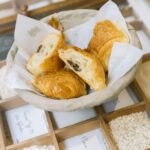
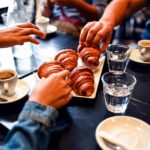
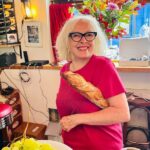
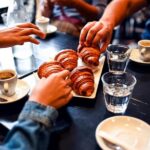
You begin at Le Fournil de Mouffetard, a French bakery focused on authentic breads and desserts/pastries. Bakery is the perfect opener in Paris because everything comes back to flour, fermentation, and technique. Even if you think you already know what a baguette tastes like, France’s bread culture is more precise than most travelers expect.
The upside here: the tasting at a bakery stop is easy to enjoy. You don’t need to learn a lot of terminology to appreciate what’s fresh. You just taste and pay attention to texture—crust versus crumb—and how quickly flavors show up.
Possible drawback: if you’re expecting the bakery to be a quick take-and-go, you might feel you need a little extra time to really enjoy it. The tour works best when you let each stop be its own little moment.
A few more Paris tours and experiences worth a look

Boucherie Jeannot: Cured Meats and Italian Touches
Next is Boucherie Jeannot. This butcher’s shop feels like a traditional market environment where cured meats, cheeses, and even Italian specialties sit side by side. Paris butcher culture is all about choice: salt, spice, aging, and how the shop pairs flavors.
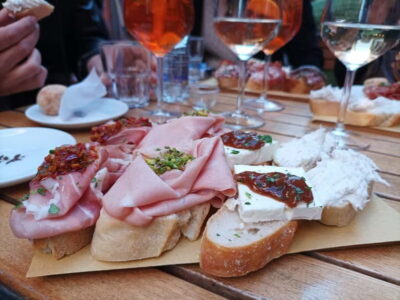
This stop is especially valuable if you’ve ever wondered what makes French charcuterie taste deeper than what you find at home. Here, you’ll get a chance to compare styles through tasting rather than reading labels on a shelf.
What to watch for: butcher counters can be popular, and it’s still a public shop environment. So even with the tour setup, you should expect some normal market foot traffic.
Poissonnerie Mouffetard (Poissonnerie Quoniam – Mouffetard): Fresh Seafood Matters
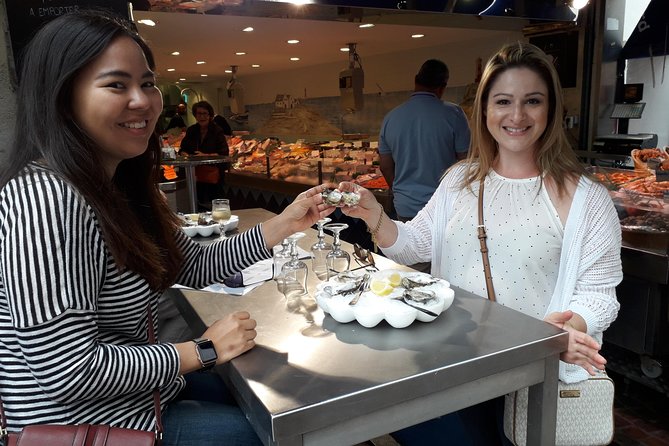
Then you shift gears to seafood at Poissonnerie Mouffetard (listed as Poissonnerie Quoniam – Mouffetard). This shop is positioned as an expert seafood place, with daily arrival of fresh fish and shellfish.
Seafood is a smart mid-tour choice because it resets your palate. After cured meats and bread, the flavors can feel heavy. A seafood stop gives you a different kind of intensity—clean, briny, and very dependent on freshness.
Practical consideration: fish shops often feel busy. If you don’t like crowd-level pressure, keep your expectations calm. This is still a walking market route, not a private dining room.
Fromagerie Beillevaire: Cheese as a Real Choice, Not One Block
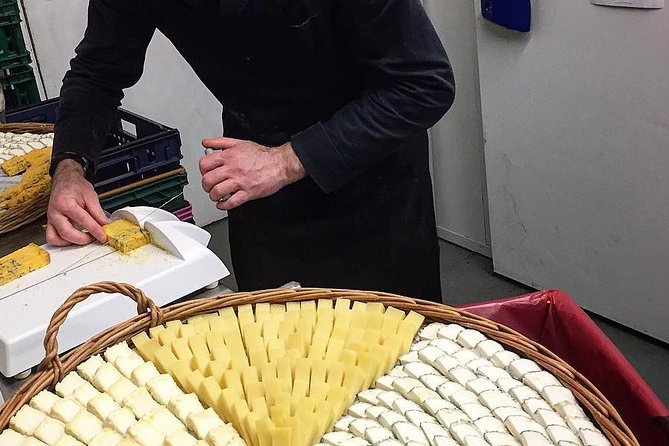
Now it’s time for cheese at Fromagerie Beillevaire. This is where the tour earns its keep for food lovers. A good fromage stop isn’t just about tasting random cheese—it’s about understanding why a shop chooses what it chooses.
The stop is designed around a range of cheeses selected by fromagers, which means you get a more guided comparison. You’ll taste and start noticing how milk type, aging, and texture change the experience from bite to bite.
Potential drawback: if you’re not a cheese person, you may feel you’re spending time on something you’d rather skip. That said, even non-cheese fans often enjoy the structure of this stop because it teaches how to read flavors by texture and intensity.
Creperie Oroyana: The Classic Latin Quarter Finish
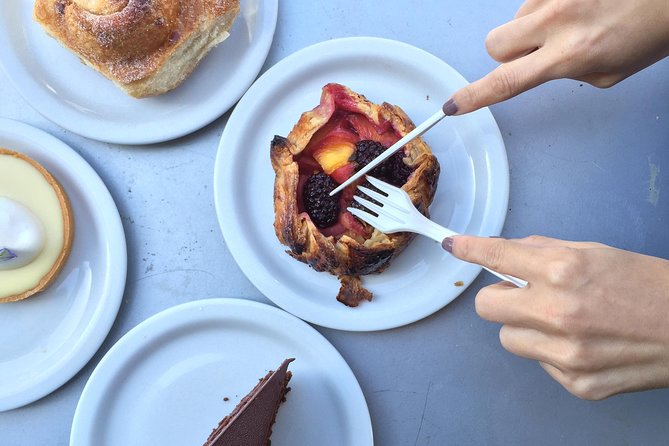
The tour ends with crepes at Creperie Oroyana. Crepes are the obvious sweet payoff, but the real value is how they function as a bridge between all the earlier tastings. After salty foods—bread, meats, seafood, cheese—you want something that feels light but satisfying.
You can also treat this stop as your chance to slow down. The creperie finale gives you something easier to enjoy without the same intensity of explaining market techniques. If you’re the type who likes dessert first and wonders why everyone waits, this is a good stop to savor slowly.
Notre-Dame and Rue Mouffetard: Why the Sights Belong in a Food Tour
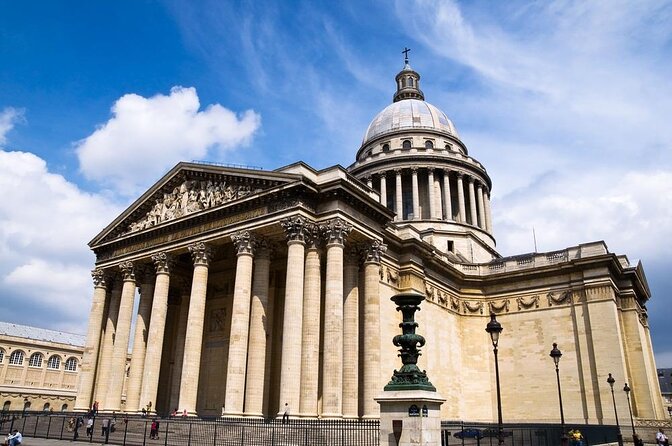
Food tours often forget the point of a neighborhood. This one keeps moving through places that define the Latin Quarter. You spend time around Notre-Dame de Paris on the Île de la Cité and you walk the area around Rue Mouffetard, a recognizable street in the 5th arrondissement.
Here’s why that matters for you: it prevents the day from feeling like a string of disconnected tastings. When you see the cathedral area and the street layout, the history of the neighborhood becomes part of the food story. It’s not just eating for eating’s sake.
Also, Rue Mouffetard is the kind of street where you can understand why markets thrive. Narrow-to-medium lanes, lots of foot traffic, and nearby student life create a constant demand for quick meals and quality shops. You get that feeling in the walk itself, not from a lecture.
Wine, Lunch, and the Food-Pause Rhythm
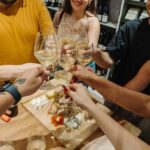
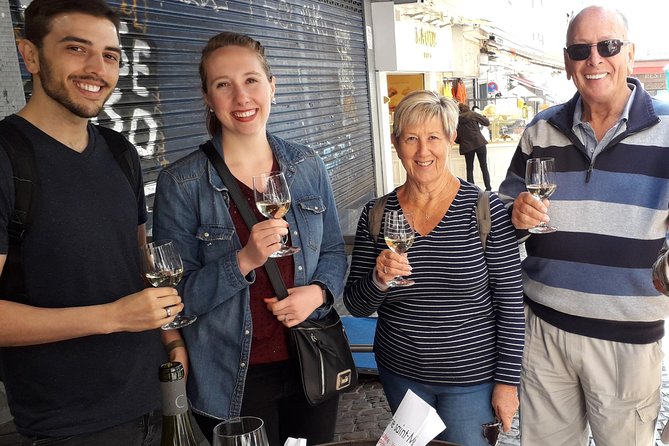
This tour includes wine tasting, plus beverages and lunch. That combo is a practical win because it prevents the usual mismatch of snack tours that end before lunch or force you into an expensive café right after.
The day tends to feel like a sequence of stops where you eat, walk a bit, then eat again. That rhythm is one reason people call it worth it: the tour doesn’t just hand you food—it manages your hunger so you don’t crash too early.
One small thing to keep in mind: water expectations can be different in Paris shop culture than what some travelers expect. You may be offered water at some points, but bottles aren’t automatically included everywhere in the way they might be on other tours. If you’re picky about drinking water, it’s smart to plan to buy some in a grocery store nearby if needed.
Guide Style Makes or Breaks It
The best versions of this tour feel like a friendly food walk with real stories. Many guides have been praised for blending history with food and for keeping things upbeat, including guides like Niko, Sam, Josh, Bailee, and Marko. When your guide can explain what you’re tasting and why it matters, the whole day clicks.
Still, there’s a reality check: guide quality can vary. If you care a lot about precise French pronunciation or deep local context, keep an eye on how quickly your guide settles into the role. A strong sign is how easily they answer questions on the spot and how naturally they connect the food choices to the neighborhood.
What you can do: ask one question early—something simple like what you should taste for first at each stop. If your guide handles it smoothly, you’re in a good session. If answers feel off, you can still enjoy the tastings, but your experience of the stories may feel lighter.
Who This Tour Is Best For
I’d point this tour at three kinds of travelers:
- Food-first visitors who want a guided route through specialist shops rather than wandering randomly.
- Couples and small groups who like a more personal tour format. With up to 8 people, it’s easier to hear the guide and get time at counters.
- People who want both Paris sights and real eating without planning menus for every meal.
It may be less ideal if you:
- Hate walking or standing for stretches (moderate fitness is recommended).
- Only want one or two tastings and would rather skip wine and lunch.
- Have very specific food needs and want strict control over everything. The tour includes set tastings, so it’s not described as fully customizable in the provided details.
Should You Book This Paris Latin Quarter Food Tour?
Book it if you want a high-payoff afternoon with bread, cheese, charcuterie, seafood, crepes, wine, and lunch all stitched into one route. It’s especially attractive if you plan to spend time in the 5th arrondissement anyway, because the tour gives you structure and avoids the guesswork of deciding what to eat where.
Skip it (or adjust expectations) if you’re not in the mood for a multi-stop walking format. Even with shop visits and pit stops, this is still an outdoor neighborhood walk, and you’ll be eating more than you think unless you come hungry.
If you can handle the walking and you actually like tasting different categories of French food, this tour is one of the more logical ways to spend a half-day in the Latin Quarter.
FAQ
How long is the Paris Latin Quarter Food Tour?
The tour is about 3 hours.
What is the starting time for the tour?
The start time is 11:30 am.
Where do I meet the guide?
The meeting point is 96 Rue Monge, 75005 Paris, France.
Where does the tour end?
The tour ends at 37 Rue de la Bûcherie, 75005 Paris, France, near Shakespeare and Company.
How much does the tour cost?
The price is $115.
What’s included in the tastings?
Food tasting is included, along with beverages, lunch, and a wine tasting.
Is hotel pickup included?
No, hotel pickup and drop-off are not included.
How big is the group?
The tour has a maximum of 8 travelers and requires a minimum of 2 people per booking.
What is the cancellation policy?
You can cancel up to 24 hours in advance for a full refund. Changes within 24 hours of the start time aren’t accepted, and there’s no refund within 24 hours.
Is it accessible for everyone?
The tour recommends travelers have a moderate physical fitness level. It is a walking tour with a moderate pace.