REVIEW · PARIS
Montmartre Food Tour: The Most Complete Paris Food Experience
Book on Viator →Operated by French Food Tour in Paris: A new and unique discovery of the french gastronomy · Bookable on Viator
Montmartre smells like food—and this tour follows it. You get a walk through Paris’s artist hill plus a proper sit-down lunch, not just a parade of tiny bites. I like how the stops connect the neighborhood’s culture to what you’re actually eating, from classic French comfort food to sweet finishes.
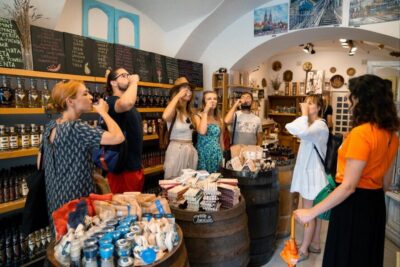
Two things I especially like: the tour includes both wine tastings and a full menu worth of tastings (cheeses, charcuterie, pastries, macarons, and more), and you end with traditional French dishes like beef bourguignon plus a typical starter and dessert. The group cap of 12 also makes it feel personal, so you’re not just another set of boots in line.
One thing to consider before you book: Montmartre is a hill, and there can be a steep stretch up at times. If you have limited stamina, plan for that incline and wear shoes you trust on uneven streets.
In This Review
- Key points that make this Montmartre food tour worth your time
- The Montmartre food tour that turns streets into a menu
- Your 3-hour flow: Place des Abbesses to Lamarck-Caulaincourt
- The hill factor: how much walking you should plan for
- La Petite Maison Rose: Picasso vibes and a very Paris kind of pause
- Le Clos Montmartre: the vineyard tucked behind the view
- Rue des Abbesses: where you learn Montmartre by walking it
- The sit-down meal: the part you will remember
- Wine tastings with a meal rhythm (not a drink-and-dash)
- Group size of 12: why it changes everything
- Who this Montmartre food tour is best for
- Price check: is $156.19 worth it?
- Should you book this Montmartre food tour?
- FAQ
- How long is the Montmartre food tour?
- What’s included in the tour for food and drinks?
- Is the tour offered in English?
- Where do I meet and where does the tour end?
- How many people are on the tour?
- Can I cancel for a full refund?
Key points that make this Montmartre food tour worth your time
- Maximum 12 travelers for a calmer, more personal tasting experience
- Stop at La Petite Maison Rose with deep art-world connections linked to Picasso and Dali
- Le Clos Montmartre vineyard behind Sacré-Cœur, producing limited wine each year
- Real sit-down lunch with beef bourguignon plus starter and dessert from a local restaurant
- Wine tastings (red and white) ending with a small digestive surprise
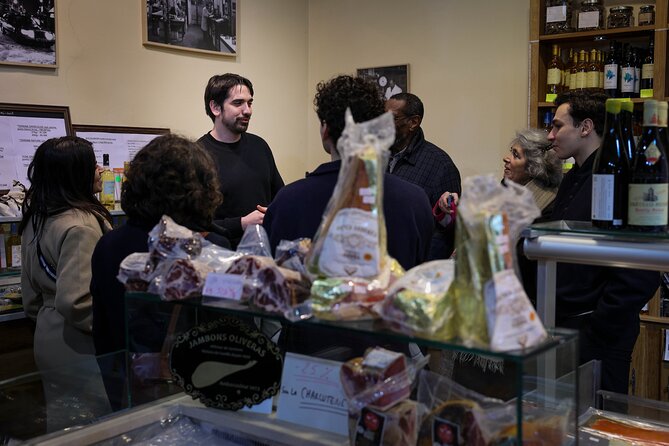
- An oyster stop from a fresh seafood market plus cheese and charcuterie selections
The Montmartre food tour that turns streets into a menu
A Montmartre food tour can be either a quick hit of snacks or a real day of eating. This one leans hard into the second option. You’re sampling along the way, then you settle in for lunch with a full French menu approach.
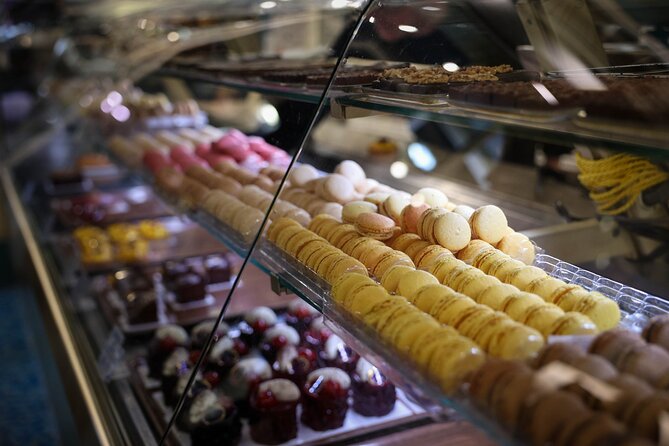
What makes it feel like the most complete Paris food experience is the mix of categories. You’ll hit savory bites (cheeses, charcuterie, oyster, beef bourguignon) and you’ll also get sweets that matter in France (handmade macarons and chocolates, plus freshly baked pastries). The guide, Imrane, also brings the kind of focus that helps you understand what you’re tasting and why it belongs to this neighborhood.
The pace is designed so you can enjoy Montmartre without feeling like you’re sprinting across Paris. Still, you should expect some huffing and puffing because this area includes an uphill climb.
You can also read our reviews of more food & drink experiences in Paris



Your 3-hour flow: Place des Abbesses to Lamarck-Caulaincourt
The tour runs about 3 hours and starts at Place des Abbesses (75018). You’ll finish near Lamarck–Caulaincourt, with the tasting room close to that métro stop.
That matters for two practical reasons. First, it keeps the timing friendly for an afternoon plan or an early evening slot. Second, you get a clean end point that’s easy to reach without extra planning—especially since you’ll already have been walking through Montmartre streets.
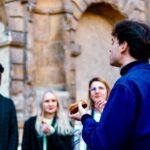
You’ll also meet your guide with a light blue umbrella, which makes it easier than squinting at a crowd when you arrive a few minutes early. You’ll have a mobile ticket, and the tour is offered in English.
The hill factor: how much walking you should plan for
Montmartre’s biggest logistical quirk is altitude. The tour info is clear that there is not so much walking overall, but you do go up to the top of the hill, and parts can feel steep.
If you’re booking this with family or a friend who has limited mobility, this tour is not completely out of the question—but you should be honest with yourself about stamina. One guest shared that Imrane rearranged the tour so a person with limited mobility could still do the distance, without rushing or making them feel like an imposition. That kind of flexibility is the difference between a fun food afternoon and a stressful one.
My advice: wear grippy shoes, bring a light layer, and treat the climb like part of the experience rather than a delay. The payoff is that you’ll eat and drink your way through a neighborhood that feels different once you’re high enough to see it.
La Petite Maison Rose: Picasso vibes and a very Paris kind of pause
One of the stops is La Petite Maison Rose, a café known for its iconic pink façade with green shutters and ivy. This is the kind of place that’s been photographed and painted for decades, and the stop is tied to artists like Dali and Picasso plus writers and visitors who came looking for that Montmartre mood.
Why it’s a smart stop on a food tour: it gives you context. Before you start tasting, you’re reminded that this district isn’t just a backdrop—it shaped the way people in the arts thought about Paris. When you connect that artistic energy to the flavors ahead, the tour feels less like shopping for snacks and more like understanding place.
Is it perfect for everyone? If you hate crowds or want quiet, you might notice this area is popular. But that also means it’s lively, especially around evening light and the after-work bustle you’ll run into in this part of town.
Le Clos Montmartre: the vineyard tucked behind the view
Next comes Le Clos Montmartre, described as a hidden vineyard in the Montmartre district. It’s behind Sacré-Cœur, covers about 1,500 square meters, and produces a limited quantity of wine each year.
This stop is valuable because it flips a common assumption. Paris wine isn’t just Champagne and big-name vineyards—there’s a local tradition right here in the city. You’re not just tasting wine later; you’re seeing where the idea of Montmartre wine comes from.
Practical note: this is a smaller area experience, not a big museum moment. You’ll get the story and the context, then you’ll move on to the tasting portion of the day. It works well if you like food tours that also give you something visual.
A few more Paris tours and experiences worth a look




Rue des Abbesses: where you learn Montmartre by walking it
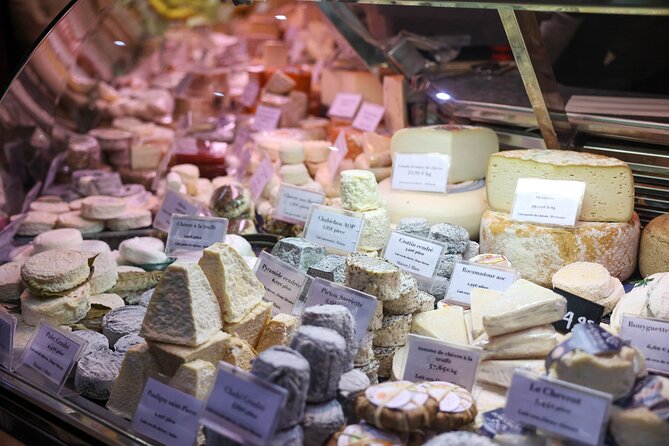
You’ll spend time on Rue des Abbesses, one of Montmartre’s iconic streets. It’s the kind of street where you can actually picture daily life: locals mixed with tourists, brasseries, food shops, and storefronts you can’t help but slow down for.
This is the part of the tour that helps you orient. Even if you plan to return later on your own, this walk helps you understand the geography of the neighborhood so you don’t feel lost when you go off-script.
The downside is also simple: it can be busy. If you’re traveling at peak hours or want lots of space for photos, expect company. The tour’s small group size helps, but you’re still in a famous area.
The sit-down meal: the part you will remember
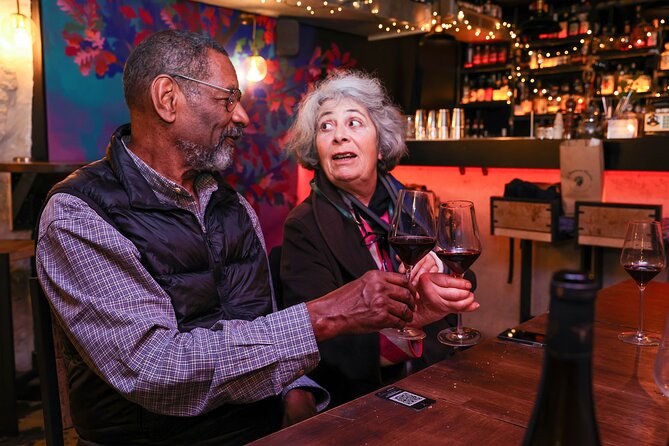
The standout value here is that the tour isn’t only samples. You end with a lunch that’s described as a local restaurant meal with multiple components, plus wine pairings through the experience.
Included dishes and foods you can plan around:
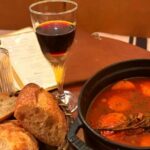
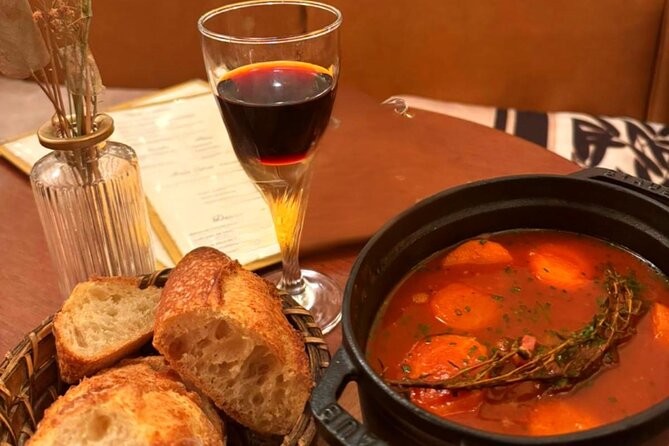
- Traditional beef bourguignon, a classic slow-cooked French comfort dish
- A typical French starter and desert from the local restaurant
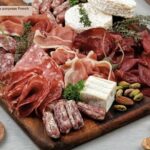
- Selection of high-quality cheeses
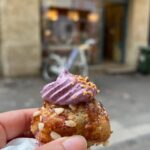
- Handmade pastries
- Handmade macarons and chocolates
- Artisanal charcuterie (tasting of Charcuterie artisanales)
- The best oyster in France from a fresh sea food market
That oyster line is the kind of thing I pay attention to on food tours. It signals the tour isn’t treating seafood like a token item. Paired with the cheeses and charcuterie, it gives you a proper mix of salt, fat, and texture instead of repeating one flavor family.
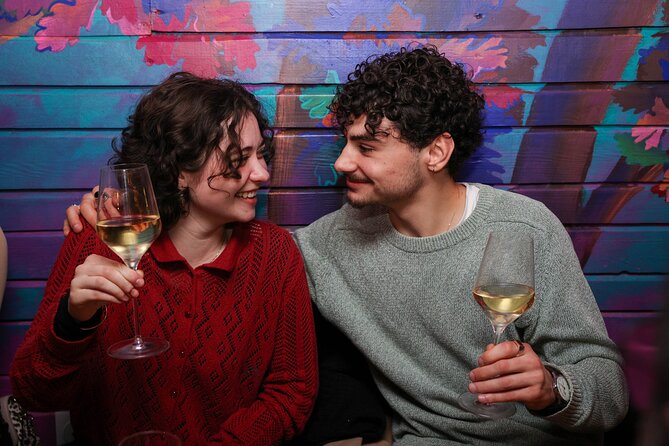
Then there’s the wine. You’ll enjoy a red and white wine tasting, and it ends with a small French surprise as a digestive. That pacing is smart: you don’t get hammered early and then fade. You get to taste, eat, and transition from savory to sweet like a real meal.
If you like to take photos, you’ll have plenty to shoot. But the real win is simpler: you can come hungry and leave satisfied, with food you’d be unlikely to assemble yourself unless you already know the local shops.
Wine tastings with a meal rhythm (not a drink-and-dash)
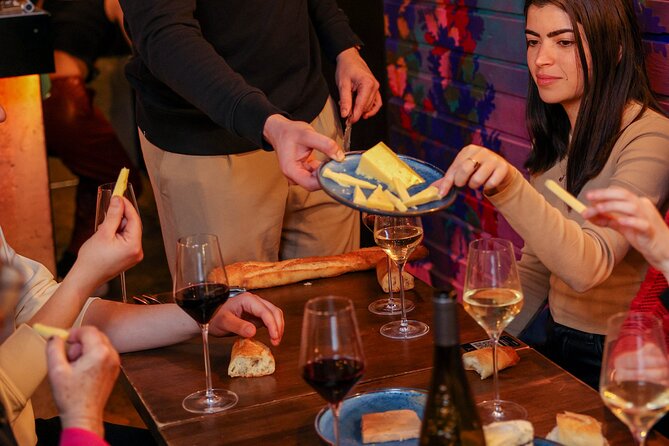
Wine can make or break a food tour. Here, the tasting is structured around the day: you taste both red and white, and the nightcap-style finish is a digestive surprise. That turns wine from a random add-on into part of the dining arc.
What I like about this setup is that it matches how French eating works. You’re not just collecting flavors; you’re experiencing them in the order they’re meant to show up. It also helps if you’re a first-time visitor, because you get a feel for how wine and courses can sit together without turning the whole thing into chaos.
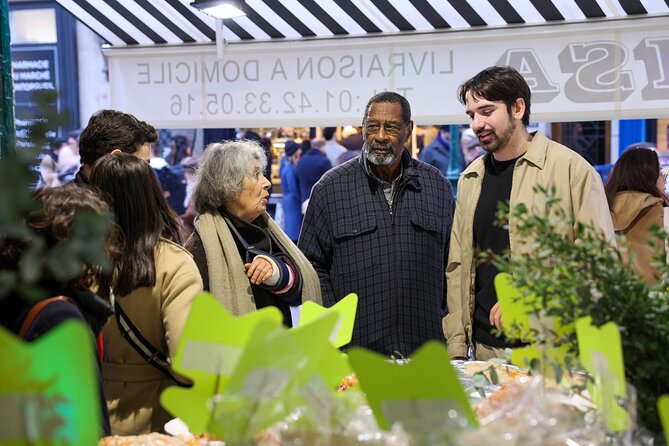
Also, the guide is part of the “why.” In the tour experience, Imrane comes through as friendly and focused, and people specifically praise how he communicates clearly and shares food history and neighborhood context. That matters because it gives your tastings meaning beyond taste alone.
Group size of 12: why it changes everything
A cap of 12 travelers is not a small detail on a food tour. It affects pacing, questions, and whether the guide can actually respond to you instead of speaking at you.
With a bigger group, food tours can feel like a conveyor belt. With a cap like this, you’re more likely to get personal attention when you ask about pairings, shop choices, or what to order if you return. It also helps when the route involves hills, because the guide can manage the group more thoughtfully.
One guest noted Imrane adjusted the route for limited mobility. That’s a good sign if you want a tour that can adapt instead of sticking to a rigid script.
Who this Montmartre food tour is best for
This is a strong fit if you:
- Want an organized French food experience in Montmartre with real meal value
- Enjoy both savory and sweet, including oysters, cheese, charcuterie, macarons, and bourguignon
- Prefer a smaller group and a guide who connects food to place
- Are okay with a bit of uphill walking, especially on steep segments
If your ideal Paris day is mostly skipping between landmarks with minimal food stops, you might find this too eating-focused. But if you want the kind of tour that ends with you full, happy, and already thinking about what you’ll eat tomorrow, this is a great match.
Price check: is $156.19 worth it?
At $156.19 per person, it’s not a budget snack crawl. The value comes from what’s included and how much of it is “real meal” oriented.
You’re getting:
- A lunch in a local restaurant with starter, main (including beef bourguignon), and dessert
- A sequence of tastings across multiple food categories: pastries, chocolates, macarons, cheeses, charcuterie, and an oyster stop
- Alcoholic beverages with red and white wine tastings plus a digestive surprise
When you compare it to the cost of doing the same dishes separately—plus the difficulty of finding good sources in a busy tourist district—the price starts to make sense. You’re paying for access, guidance, and a curated flow so you don’t waste time hunting.
My take: if you’re the type who wants to sample widely and end with a proper lunch, it’s a fair spend. If you only want one or two items and hate wine, it may feel steep.
Should you book this Montmartre food tour?
Book it if you want a food-forward Montmartre experience that actually ends in a sit-down lunch, with wine tastings and classic French plates like beef bourguignon. The small group size and the combination of cultural stops (La Petite Maison Rose and Le Clos Montmartre) make it more than just eating.
Skip it or plan carefully if hills are a major issue for you. Montmartre’s steep moments are part of the deal here, even if the tour says walking isn’t excessive overall.
If you go, do one thing right: come hungry, and expect a day that runs on taste first and sightseeing second. You’ll leave with a clearer sense of Montmartre, and you’ll have eaten like someone who actually lives near the art.
FAQ
How long is the Montmartre food tour?
The tour is about 3 hours.
What’s included in the tour for food and drinks?
You’ll get a lunch plus multiple tastings, including handmade pastries, cheeses, charcuterie, macarons and chocolates, a typical French starter and dessert, traditional beef bourguignon, and an oyster from a fresh seafood market. Alcoholic beverages are included as red and white wine tastings, ending with a small French digestive surprise.
Is the tour offered in English?
Yes, it’s offered in English.
Where do I meet and where does the tour end?
You start at Place des Abbesses (Pl. des Abbesses, 75018 Paris) and end near Lamarck–Caulaincourt (75018 Paris).
How many people are on the tour?
The tour has a maximum of 12 travelers.
Can I cancel for a full refund?
Yes. You can cancel up to 24 hours in advance for a full refund. If you cancel less than 24 hours before the start time, you won’t be refunded.