REVIEW · ZAGREB
Zagreb: Food Tour with Tastings
Book on GetYourGuide →Operated by Free Spirit Tours · Bookable on GetYourGuide
Food in Zagreb tells a story fast. This 210-minute tour is a smart way to get oriented fast, because it pairs central walking with real bites at the Dolac Market and other local stops for tastings you’ll actually remember. I also like that the guide builds the pacing around what you want, which keeps it relaxed instead of scripted.
I’m especially into the Zagreb classics you can’t really fake at home. You’ll sample things like sir i vrhnje (cottage cheese) and štrukli served warm, plus hearty options such as burek and kobasice i ćevapi that make the whole experience feel like a proper meal, not snack duty.
One heads-up: this is a very food-forward format, so if you’re expecting tiny tastes or you ate breakfast already, you may feel stuffed. Plan for big portions and come with comfortable shoes, since you’ll be on your feet around the market area and central square.
In This Review
- Key highlights at a glance
- Food as your Zagreb orientation plan (not just a snack run)
- Ban Josip Jelačić Square start: easy to find, easy to settle in
- Dolac Market: where Zagreb cooks its daily life
- What Dolac Market tasting feels like in practice
- The five tasting stops: the Croatian hit list, done with context
- Peasant-style homemade dish: the comfort baseline
- Sir i vrhnje (cottage cheese): creamy, tangy, and very local
- Burek: a flaky lesson in pastry culture
- Kobasice i ćevapi: the meat-eater’s Zagreb calling card
- Warm štrukli: dessert that tastes like a memory
- Aperitif and regional extras: how Croatia spreads beyond Zagreb
- Dalmatian pršut and Istrian olives: a quick geography lesson
- Aperitif timing: why a small drink/shot stop makes sense
- Dessert at Ban Josip Jelačić Square: the payoff moment
- The chocolate stop: a local brand moment
- Fun facts about Zagreb customs: what you’ll actually use
- A practical tip before you go
- Practical value: is this Zagreb food tour worth $104?
- Who should book, and who should skip
- Should you book this Zagreb food tour?
- FAQ
- Where is the meeting point for the tour?
- How long does the Zagreb food tour last?
- What food will I taste during the tour?
- Is the tour guided in English?
- Are vegetarian or allergy-friendly options available?
- Should I eat breakfast before the tour?
- Is anything extra besides tastings included?
- What should I bring?
- Can I bring pets or luggage?
- What’s the policy on cancellation and flexibility?
Key highlights at a glance
- Meet at Ban Josip Jelačić Square by the horse statue with an orange umbrella
- Dolac Market visit (2.5 hours) at Zagreb’s biggest and oldest green market
- 5 tasting spots featuring classic and modern Croatian food
- Zagreb dessert and sweet stop with warm štrukli and a connection to the local chocolate scene
- Regional add-ons like Dalmatian pršut and Istrian olives for a Croatia-wide flavor map
Food as your Zagreb orientation plan (not just a snack run)
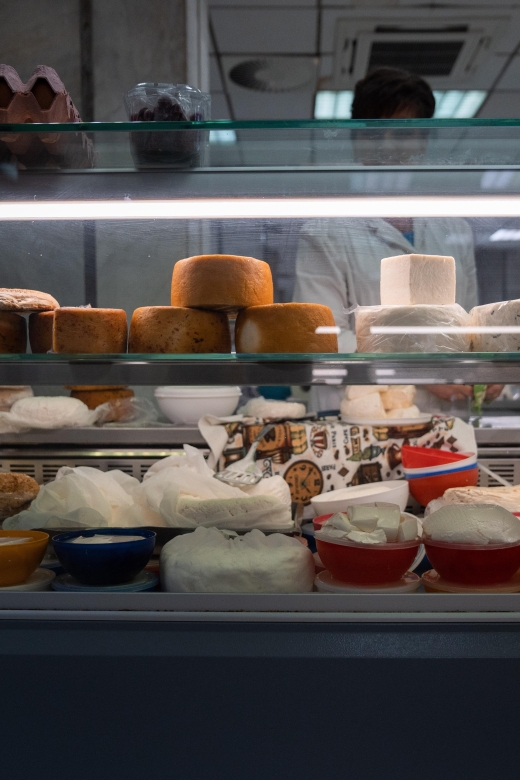
Zagreb can feel compact and doable in a day. This tour fits that reality because it’s built around the city center and one of the biggest food hubs in Croatia. You get to learn why people eat the way they do, using food as the guide.
I like that the lineup spans traditional and more modern Croatian comfort food. You’ll taste familiar staples, then get a couple of curveballs that show how tastes and customs shift from region to region.
The 210-minute length also matters. It’s long enough to slow down at the market, talk through what you’re eating, and still finish with dessert and a few local “customs of Zagreb” stories.
You can also read our reviews of more food & drink experiences in Zagreb
Ban Josip Jelačić Square start: easy to find, easy to settle in
The meeting point is right where you’ll likely end up anyway: Ban Josip Jelačić Square. You meet in front of the horse statue, and the guide carries an orange umbrella, so you won’t be playing a guessing game.
This start location is practical for two reasons. First, it keeps the tour centered in the historic core. Second, if you’re hopping from a tram stop or walking in from elsewhere, it’s simple to connect.
You might be guided by different local hosts—names I saw include Ivana, Ena, Darko, Eva, Diana, Katarina, Tonka, Kristina, Mia, and Vid. Whoever you get, the common theme is that they explain the food and the city side by side, with adjustments when your needs change.
Dolac Market: where Zagreb cooks its daily life
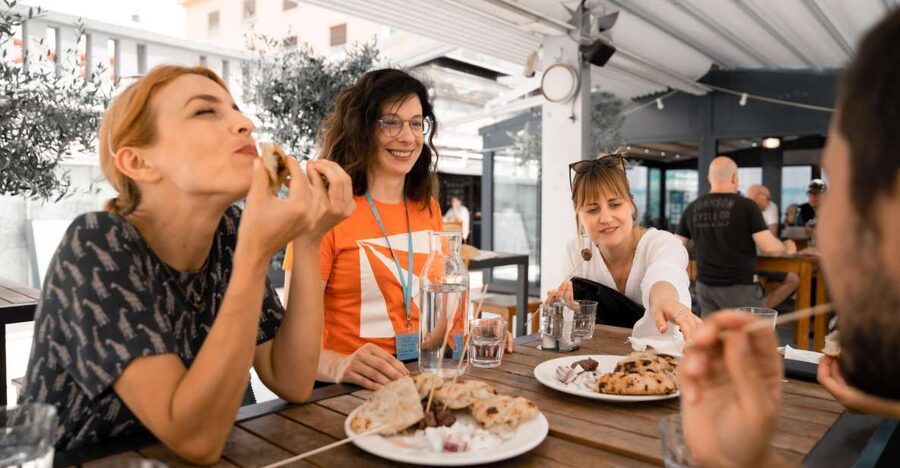
Dolac Market is the star stop, and it’s not short. You’ll spend about 2.5 hours here, and it’s described as the biggest and oldest green market in the area—so you’re not just strolling through tourist stalls.
This is where the tour turns from sightseeing into sourcing. You’ll see fresh local ingredients and get a feel for what’s actually traded and eaten in everyday Croatian life. It’s also a great place to pick up tiny details about customs, because food shopping here is part of how people keep their rhythm.
What Dolac Market tasting feels like in practice
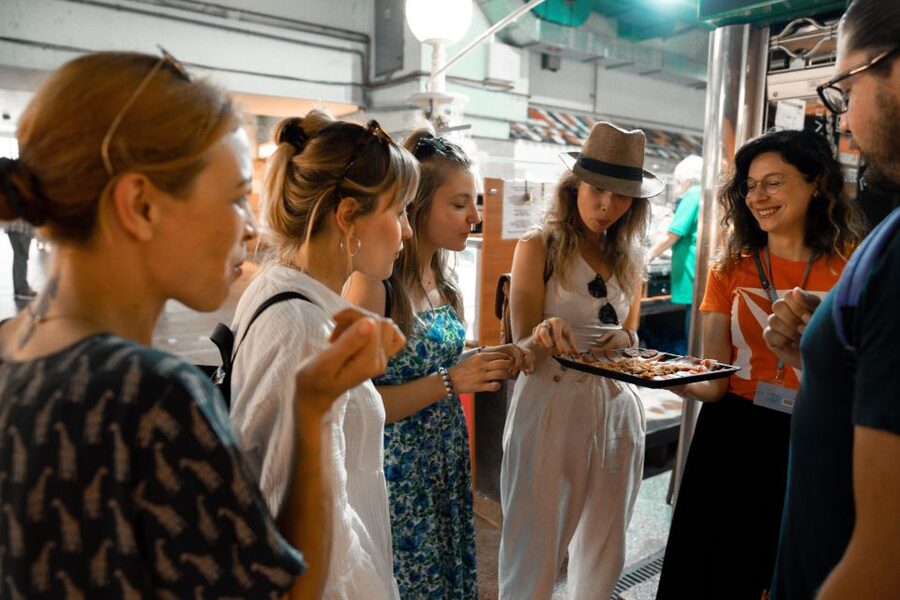
Instead of giving you a single dish and sending you on your way, the tour uses the market as a base for multiple tastes. You’ll eat things that lean “homemade and simple,” then move into items that are iconic street-and-bakery food in Croatia.
If you hate feeling rushed in markets, this is a solid fit. The time allocation suggests you’ll have a chance to look around between tastings, not just stand in one line.
The five tasting stops: the Croatian hit list, done with context
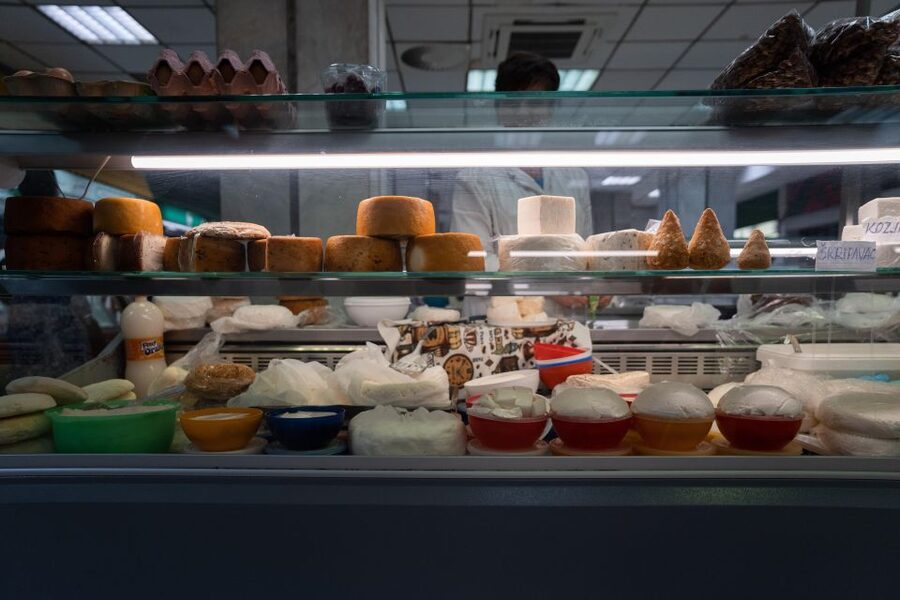
Across the tour, you’ll do food tastings at 5 different food spots. That’s the sweet spot for a tasting tour: enough variety to understand Croatian flavor patterns, but not so many stops that you lose the thread.
Here are the dishes the tour highlights, and what they’re really teaching you:
Peasant-style homemade dish: the comfort baseline
You’ll start with a simple homemade peasant dish. That category matters because it explains the foundation of Croatian home cooking: hearty, practical flavors that keep well and fill you up.
Sir i vrhnje (cottage cheese): creamy, tangy, and very local
Cottage cheese in the Croatian tradition isn’t fancy; it’s everyday comfort. Expect a creamy, slightly tangy profile that works with the salty and savory items you’ll see throughout the tour.
Burek: a flaky lesson in pastry culture
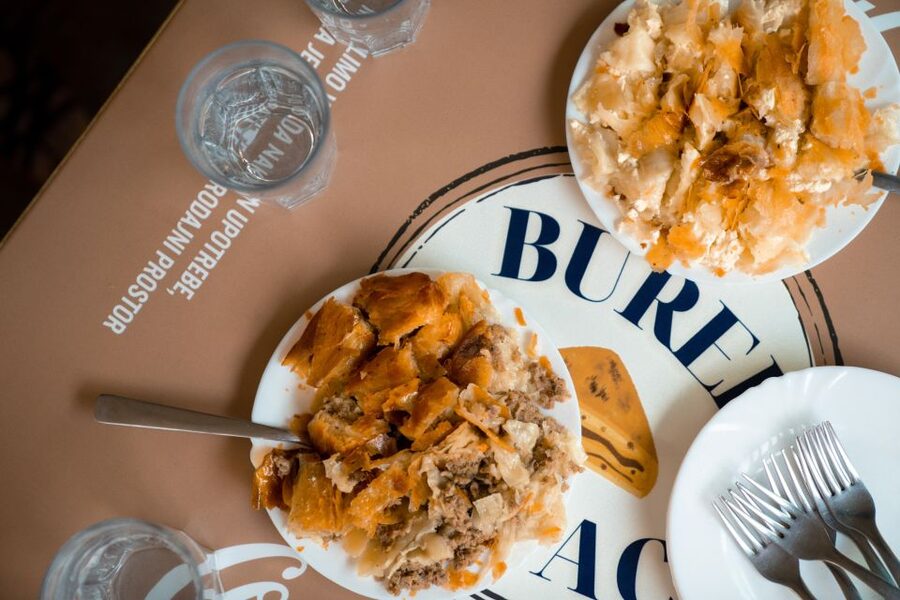
You’ll taste a crusty puffed pastry with fillings (burek). Even if you’ve had burek elsewhere, the Zagreb version tends to feel like part snack, part meal—great for getting through a walking tour without crashing.
Kobasice i ćevapi: the meat-eater’s Zagreb calling card
You’ll also taste local meat dishes: kobasice i ćevapi. This is one of those “learn the language of a city” foods, because it connects directly to how locals gather around grilled comfort.
Warm štrukli: dessert that tastes like a memory
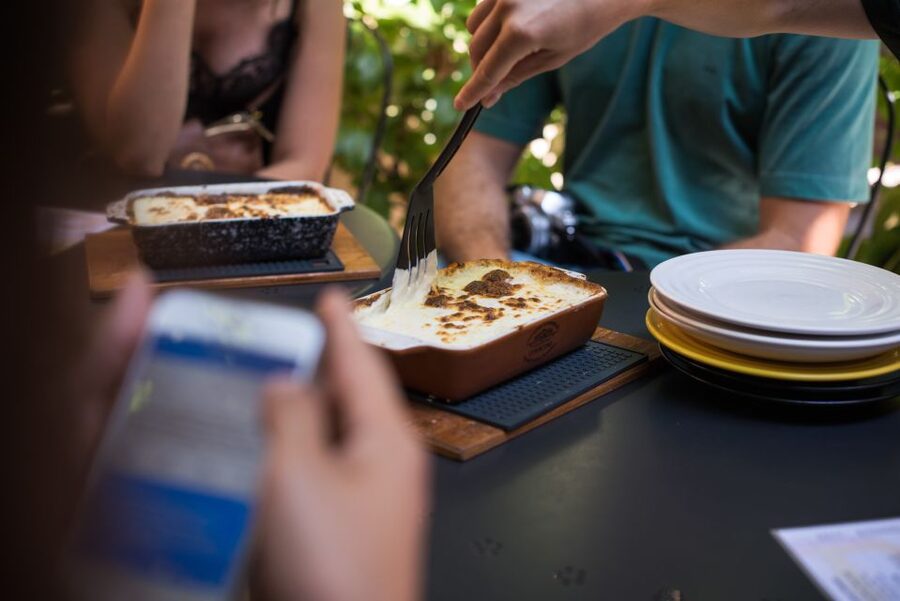
When the tour reaches dessert, it calls out štrukli served warm. That detail is key. Warm štrukli isn’t just sweet; it’s soft, rich, and deeply comforting—exactly the kind of ending that makes the earlier savory bites feel complete.
Aperitif and regional extras: how Croatia spreads beyond Zagreb
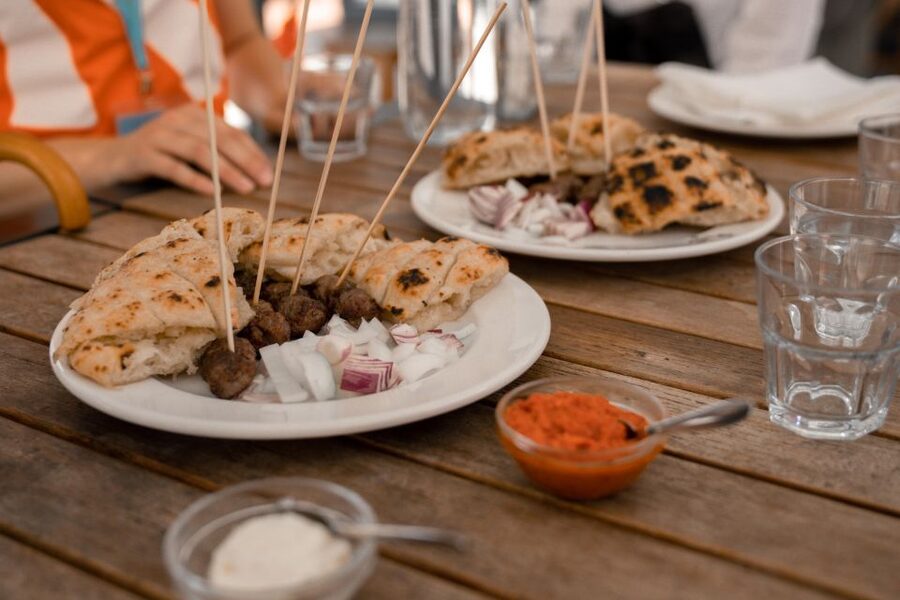
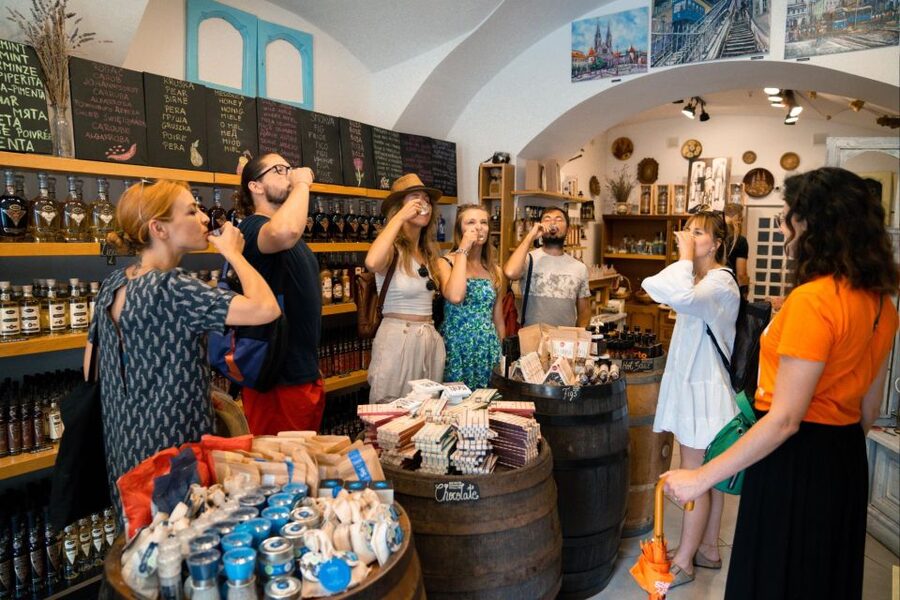
After the main market time, the tour adds shorter food moments: a regional food segment and an aperitif stop. These breaks help you keep energy up without turning the day into a marathon of eating.
Then comes the smart part: you get regional Croatian foods that aren’t strictly “Zagreb only.” That turns the experience into a flavor map of Croatia.
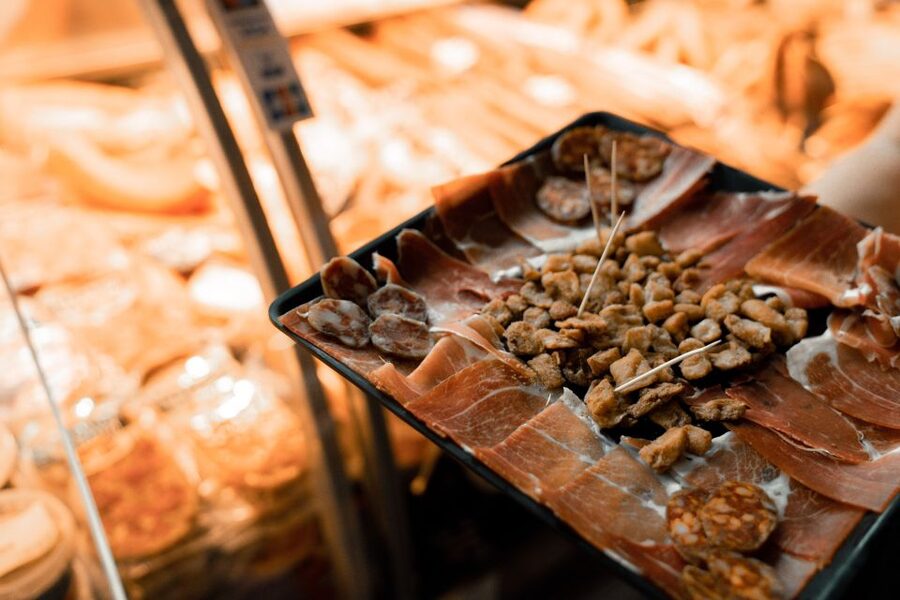
Dalmatian pršut and Istrian olives: a quick geography lesson
You’ll taste Dalmatian pršut and Istrian olives. Even in small portions, they do a lot of teaching:
- Pršut shows Croatia’s coastal, cured-meat tradition.
- Istrian olives hint at a Mediterranean side of the country that pairs well with cheeses and bread.
This mix is valuable if you’re only in Zagreb for a short time. It’s a fast way to understand that Croatia isn’t one single food identity.
Aperitif timing: why a small drink/shot stop makes sense
An aperitif stop (about 15 minutes) gives you a break after the market concentration. It also sets up dessert pacing so you don’t feel like you’re eating sweets only because you ran out of savory.
Dessert at Ban Josip Jelačić Square: the payoff moment
The tour returns you to Ban Josip Jelačić Square for dessert, about 15 minutes. That’s a nice way to end, because it lets you close the loop on the morning’s starting landmark.
In a city like Zagreb, ending in the open space of the square also helps you reset your bearings. Once you’re done eating, it’s easier to choose what you want next: a walk, a coffee, or a museum plan.
And yes, štrukli served warm is the kind of dessert you’ll remember later when you’re trying to explain Zagreb food to someone at home.
The chocolate stop: a local brand moment
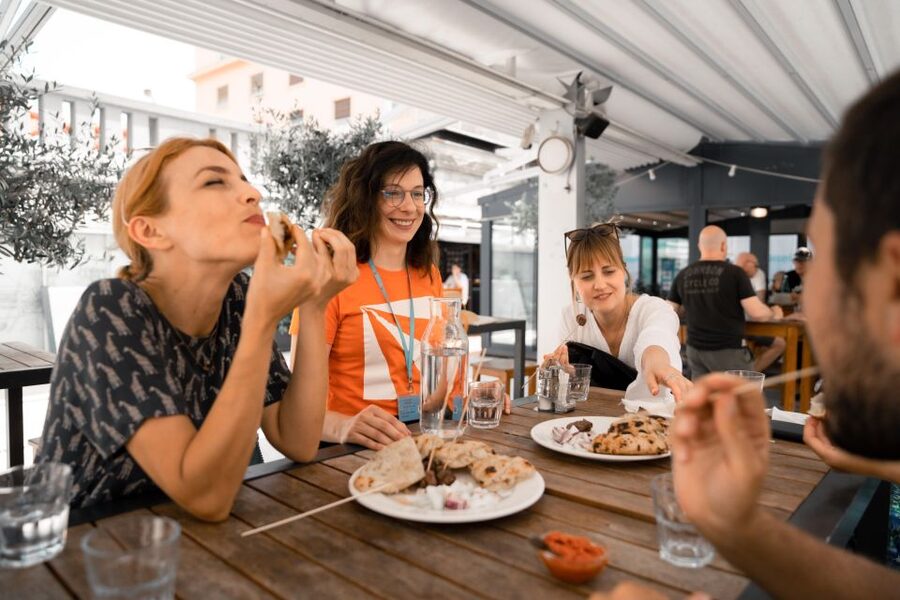
The tour mentions Zagreb’s chocolate factory connection, with a chance to see how chocolate fits into local taste. It’s not presented as a generic sweet stop, but more like a cultural nod to how products get made and how locals think about them.
If you like food that links to real production—not just a dessert counter—this part is worth it.
Fun facts about Zagreb customs: what you’ll actually use
This is billed as part history, part traditions, and part “fun facts” about Zagreb customs. The real value here is that it explains the food in human terms: who eats what, when, and why.
In practice, guides like Ivana and Darko (and others I saw listed) are praised for making the explanations feel personal. You’ll often get context that helps you order confidently later, not just admire the dish name on a menu.
A practical tip before you go
Come ready to take your time with conversations at the market. The tour runs at a pace that leaves room for questions and preferences to shape what you eat.
Practical value: is this Zagreb food tour worth $104?
At $104 per person for 210 minutes, the value comes from three things that matter:
1) You get a certified local guide and multiple tastings at 5 different food spots
2) You’re spending real time in Dolac Market (2.5 hours), not just a quick pass
3) You’re tasting a cross-section of Zagreb staples plus regional Croatia items like pršut and Istrian olives
Also, the tour reduces research time. Instead of you hunting for good places to eat while hungry and jet-lagged, you show up with a plan and a local who knows where locals go.
Two cost notes to keep you honest:
- Additional food and drinks are not included, so you might still want water breaks or optional extras on top.
- If you snack all day before the tour, the value drops. One recurring tip tied to this experience is to skip breakfast because the portions can be generous.
Who should book, and who should skip
Book this tour if you want:
- A dependable intro to Zagreb food culture
- A guided market experience where you learn what you’re eating
- A range of flavors, from savory staples like burek to dessert like warm štrukli
- A relaxed vibe with adjustments for preferences and allergies (special requirements should be arranged in advance with the local supplier)
Skip it if:
- You’re not comfortable walking around central areas and market streets
- You prefer very small tastes with long gaps between stops
- You’re traveling with pets or large bags, since pets and luggage/large bags aren’t allowed
Should you book this Zagreb food tour?
Yes, if you’re hungry for a food-centered first impression of Zagreb and you like learning through what you taste. The best reason to book is simple: you get a guided, structured way to try multiple classic dishes plus regional Croatian flavors without spending your day guessing.
If you’re on the fence, do this math: you’re paying for a guide, time at Dolac Market, and multiple tastings. That’s not just convenience; it’s the fastest way to learn what to order later in Zagreb.
FAQ
Where is the meeting point for the tour?
Meet your guide in front of the horse statue at the center of Ban Josip Jelačić Square. Your guide will have an orange umbrella.
How long does the Zagreb food tour last?
The tour duration is 210 minutes (about 3.5 hours).
What food will I taste during the tour?
You’ll have tastings at 5 different food spots featuring traditional Croatian dishes, including homemade peasant dish, sir i vrhnje, burek, kobasice i ćevapi, and the warm dessert štrukli. The tour also includes regional foods like Dalmatian pršut and Istrian olives, plus an aperitif and a chocolate factory-related stop.
Is the tour guided in English?
Yes, the tour includes a live English-speaking guide.
Are vegetarian or allergy-friendly options available?
For special food requirements (vegetarian needs, allergies, and other requirements), you’re instructed to contact the local supplier in advance.
Should I eat breakfast before the tour?
You’ll do better if you come hungry. The tour is described as providing a lot of food, and multiple comments emphasize skipping breakfast.
Is anything extra besides tastings included?
Additional food and drinks are not included.
What should I bring?
Bring comfortable shoes.
Can I bring pets or luggage?
Pets are not allowed. Luggage or large bags are also not allowed.
What’s the policy on cancellation and flexibility?
Free cancellation is available up to 24 hours in advance for a full refund, and you can reserve now and pay later to keep plans flexible.