REVIEW · SINGAPORE
Singapore: Chinatown Hawker Market Food Tour with 7 Food Tastings
Book on Viator →Operated by Secret Food Tours · Bookable on Viator
Food hits fast in Chinatown.
I love how the guide turns the walk into a simple story, with 7 tastings that range from kaya toast and Nanyang coffee to Hainanese chicken rice, chendol, and more. I also like that this is run for a maximum of 12 people, so you can ask why dishes look and taste the way they do. One watch-out: it’s a fair amount of walking, so bring comfortable shoes and don’t plan on resting much between stops.
Along the way, you’ll see restored shophouses where early Chinatown settlers lived, a Hindu temple built in 1827, and a Tang dynasty–style temple with a tranquil rooftop garden. You’ll also hit a major hawker centre, learn the street-name story of a one-way road tied to Chia Ann Siang, and end with a stop at the Red Dot Design Museum on the Marina Bay waterfront promenade—plus local beer and bottled water included.
In This Review
- Key highlights you’ll feel right away
- Chinatown by foot in about 3 hours: the real pace
- The meal plan: what 7 tastings add up to
- Bee Cheng Hiang at Pagoda Street: a strong place to start
- Restored shophouses: seeing how Chinatown lived
- The Hindu temple built in 1827: why the tower looks so busy
- Tang dynasty–style temple and the rooftop garden reset
- The largest hawker centre stop: where the iconic dishes land
- Chia Ann Siang’s one-way road: learning Chinatown through street names
- Red Dot Design Museum by Marina Bay: a modern contrast to hawker food
- Price and logistics: is $146 good value for this plan?
- Who should book (and who should rethink)
- Should you book this Chinatown food tour?
- FAQ
- FAQ
- How long is the Singapore Chinatown hawker market food tour?
- How many food tastings are included?
- What foods are included on the tour?
- Is transportation included?
- How big is the group?
- Can I cancel for a full refund?
Key highlights you’ll feel right away
- A guide that connects food to place: you’re not just sampling, you’re learning what shaped the dishes.
- 7 included tastings that cover the classics: from bak kwa and popiah to prata/thosai, chwee kueh, and chendol.
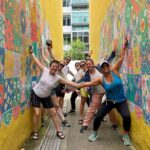
- Small group max of 12: questions land fast, and the tour moves at a human pace.
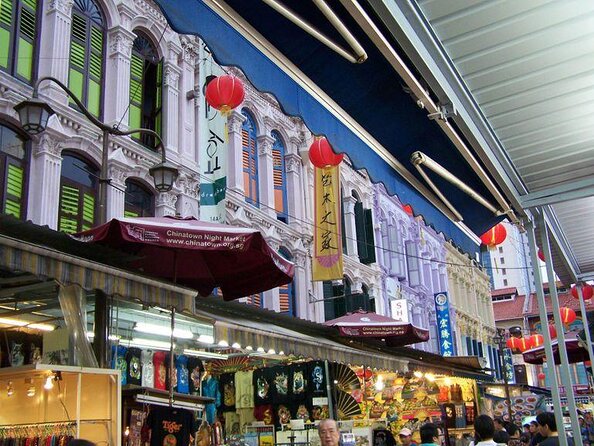
- Chinatown architecture stops: restored shophouses and two temple styles you don’t usually see on your own.
- A Marina Bay design detour: Red Dot Design Museum adds a modern contrast to old Chinatown streets.
Chinatown by foot in about 3 hours: the real pace
This tour is about 3 hours long, and it’s a walking itinerary. That matters because you’ll experience Chinatown as a neighborhood, not a checklist. The best way to enjoy it is to treat it like a morning out on foot: light breakfast (or none), then settle in as the tastings start.
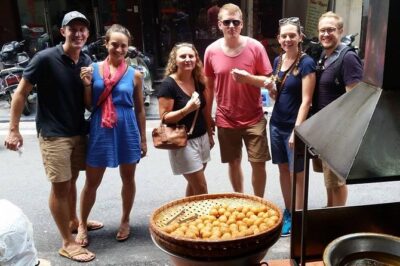
The group size is capped at 12 people, which keeps the flow smooth. You can expect multiple short stops where the guide explains what you’re looking at and what you’re about to eat. If you’re prone to getting tired on foot, you’ll still manage, but you’ll want shoes that can handle cobblestone and pavement.
Also note: it runs as a small-group tour or a private tour option. If you’re traveling as a couple or family and want fewer questions from other people’s schedules, a private format can feel more relaxed.
You can also read our reviews of more food & drink experiences in Singapore
The meal plan: what 7 tastings add up to
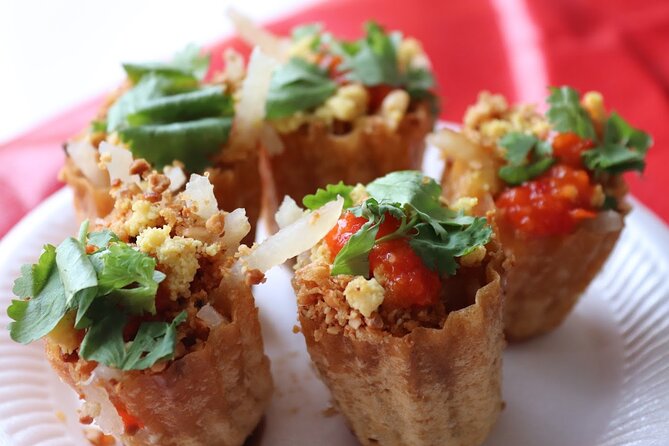
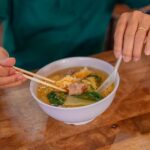
On this tour, you get Local Beer & Bottled Water along with 7 food tastings. The lineup is classic Singapore hawker food with a few variety picks so you’re not stuck eating only one style of dish.
Here’s what’s included:
- Smoky, tender bak kwa (barbecued meat delicacy)
- Nanyang coffee with kaya butter toast
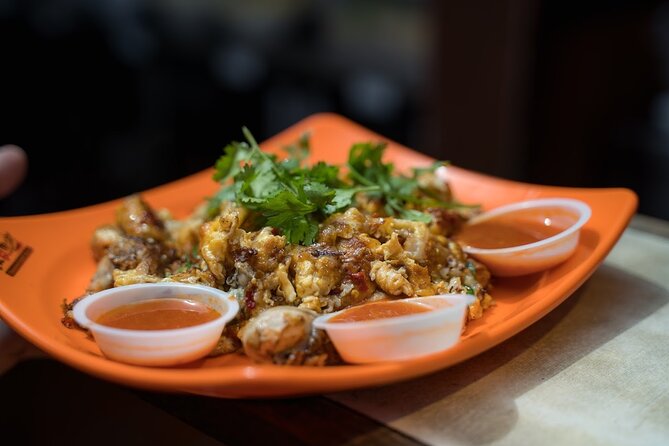
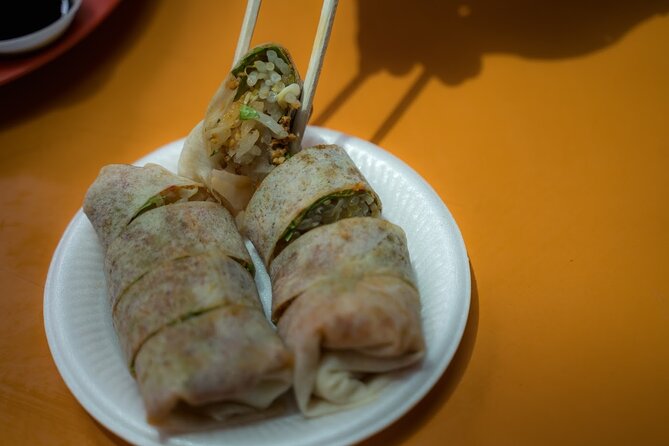
- Crispy popiah or golden oyster cake snack
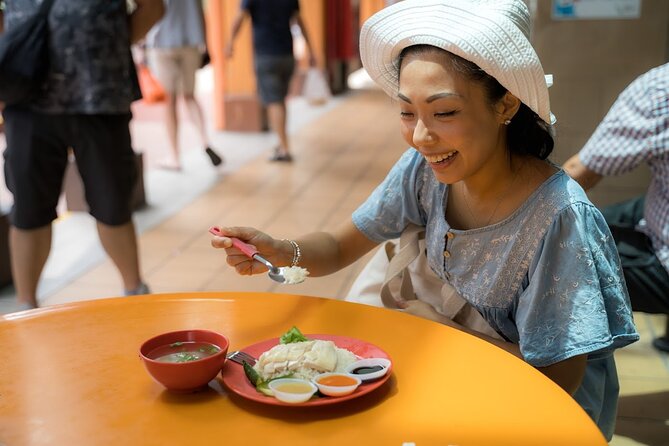
- Hainanese chicken rice (Singapore’s icon)
- Fluffy prata or thosai served fresh off the griddle
- Chendol dessert with coconut and gula melaka
- Chwee kueh topped with savory radish
- A Secret Dish (the one your guide brings in as the surprise)
The smart move? Go in ready to eat. The portion size for hawker-style tastings can still feel like a real lunch once you add beer, dessert, and griddle items. If you arrive starving, that’s great. If you arrive full, you may be eating more slowly than you’d like just to keep your energy steady.
One practical tip: if you’re planning to do more food later in Chinatown, you might want to save it for another day. This tour already stacks the big hits.
Bee Cheng Hiang at Pagoda Street: a strong place to start
Your meeting point is Bee Cheng Hiang (69 Pagoda Street). That’s a useful starting choice because it’s easy to orient yourself in Chinatown, and it sets the tone: this is a food-first walk.
The end point is back at the meeting point, which makes planning simpler. You don’t have to figure out how to get across town after a full meal. It also means you can treat the tour as a built-in foundation for the rest of your day—museums, shopping, or just wandering.
The tour also uses a mobile ticket, which is convenient if you’re the type who doesn’t want to juggle paper while walking.
Restored shophouses: seeing how Chinatown lived
One of the early stops focuses on restored shophouses showing living spaces, furnishings, and artifacts from the early Chinatown settlers. This is more than a pretty photo stop. Shophouses tell you how people actually lived: narrow frontage, careful use of space, and everyday details that shaped community life.
Why I like this stop on a food tour: it gives you a reason for the flavors you’ll eat later. Food culture in places like this isn’t separate from daily life. It’s tied to the way families cooked, traded, and socialized within the neighborhood.
If you enjoy architecture and small historical details, take a minute to look at the layout rather than rushing through. Even a quick scan makes the next temple and hawker centre feel less random.
The Hindu temple built in 1827: why the tower looks so busy
Chinatown’s oldest Hindu temple, built in 1827, is the next major sight. The standout feature is the tower densely ornamented with deities.
Don’t worry about needing to memorize religious facts to enjoy this stop. The guide’s job here is to help you read the visuals—what you’re seeing and why it’s meaningful. And since this is a food tour, you’ll usually get that “why” tied to how Singapore’s communities grew side by side.
A practical note: temples can be busy and lighting can be harsh. If you want photos without constant glare, watch the angle and take fewer, steadier shots.
A few more Singapore tours and experiences worth a look
Tang dynasty–style temple and the rooftop garden reset
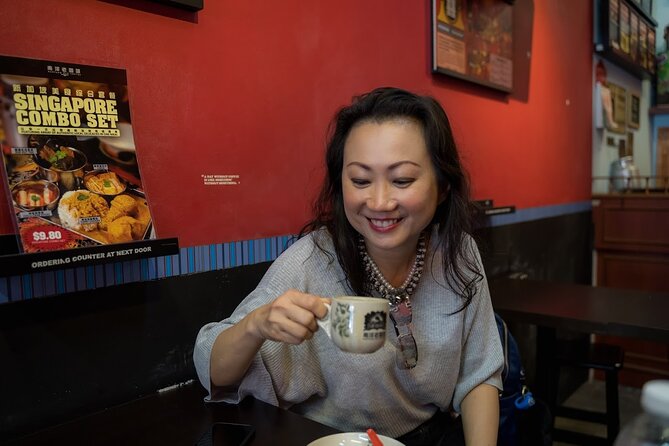
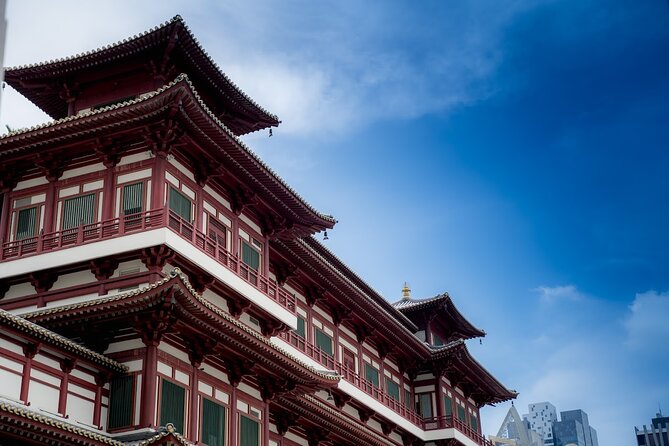
Next comes a Tang dynasty–style temple housing religious relics, with ornate rooms and a tranquil rooftop garden. This is the pacing break you didn’t realize you needed. After walking streets and tasting strong flavors, the calm rooftop stop lets you reset your senses.
This part also helps explain Singapore’s food culture as something shaped by many influences. When you see different temple styles in close proximity, you start to understand why Singapore cuisine is a mix, not a single tradition.
Go slow here. The rooftop garden is the kind of place where you’ll enjoy it more if you stop moving for a few minutes.
The largest hawker centre stop: where the iconic dishes land
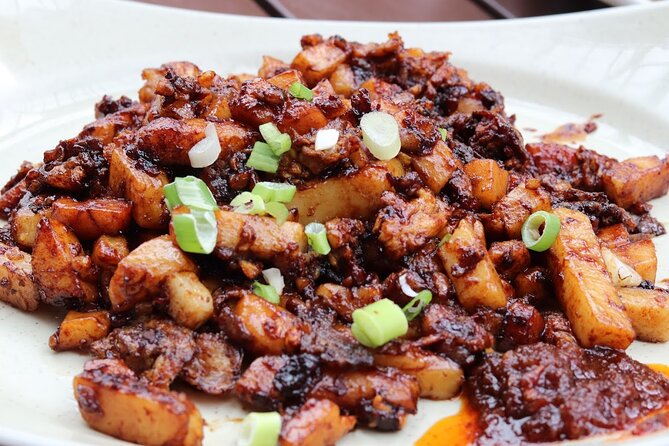
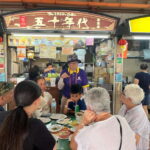
Then you reach one of Singapore’s largest food centres—the place where the food actually feels like a city in motion. This is where your tastings start to hit the classic highlights.
This is the stop that most directly connects to the dishes you’ve likely heard of before, especially:
- Hainanese chicken rice
- prata or thosai served fresh off the griddle
- chwee kueh topped with savory radish
- popiah or golden oyster cake
- and, later, the sweet finish with chendol
Here’s what makes a hawker centre such a good fit for a guided tour: hawkers are great, but choosing confidently is hard if you’re new to the system. A guide helps you order the right things and understand how to eat them (for example, what to expect from textures and sauces).
If you’re used to formal dining, hawker centres can feel louder and more crowded than expected. The upside is you get energy without spending your whole day searching for the next stall.
Chia Ann Siang’s one-way road: learning Chinatown through street names
You’ll also pause at a small hill and the name of a one-way road located in Chinatown. It’s tied to Chia Ann Siang, a wealthy businessman.
I love this kind of stop because it’s small but sticky. Street names are a map of the city’s past. When you understand why a road exists and why it’s named that way, Chinatown becomes easier to navigate later on your own.
It’s also a good moment to check directions before you keep walking. The tour style here tends to slow down just enough for you to process what you’re seeing.
Red Dot Design Museum by Marina Bay: a modern contrast to hawker food
The last sight mentioned is Red Dot Design Museum along the Waterfront Promenade at Marina Bay. It’s described as the physical embodiment of the international Red Dot Design Award.
Why it works on a Chinatown food tour: it gives you that “Singapore has layers” feeling. After temples and hawker-style plates, design culture and public waterfront space offer a different kind of Singapore story.
Keep your expectations flexible here. You’ll likely see the museum concept as part of the walking itinerary, so treat it like an added bonus rather than a deep museum marathon.
Price and logistics: is $146 good value for this plan?
The price is $146 per person for about 3 hours, with 7 tastings, local beer, and bottled water included. Transportation is not included, but the start point is near public transit and the tour begins at a clear address: Bee Cheng Hiang, 69 Pagoda Street.
Here’s how I think about value:
- You’re paying for a guide who explains what you’re eating and seeing, not just handing you food.
- You’re getting alcohol and water included, which changes the math versus buying everything separately.
- You’re also paying for time-saving. Hawker food can be excellent, but figuring out what to order takes trial and error. This tour reduces the guesswork.
Would it be cheaper to eat on your own? Sure, if you’re strict and only buy a few items. But the combination of food + history context + multiple sights tends to feel like money well spent, especially if it’s your first trip to Singapore.
If you’re the kind of traveler who wants to spend more time browsing Chinatown shops and less time tracking down good stalls, this tour can also prevent you from wasting a half-day.
Who should book (and who should rethink)
This tour is a great match if you:
- want Singapore hawker classics without doing hours of research
- like walking with a guide who explains the “why” behind food and street life
- enjoy architecture and temples, not only eating
It might be less ideal if you:
- have very limited mobility or dislike walking for a few hours
- expect only a pure-food crawl with minimal talking
- need lots of special accommodations beyond what the tour notes mention (you should contact them in advance)
On the guide front, this has been led by different people you may see listed by name, such as Kent, Winston, Jag, Edwin, Winston, Ronnie, Paul, and Jeanette. Across those names, the common theme is clear: they’re comfortable mixing history, practical food advice, and a friendly pace that keeps you from feeling rushed.
Should you book this Chinatown food tour?
If this is your first visit to Singapore and you want a fast, guided way to understand Chinatown through food you can actually taste plus sights you’ll remember, I’d book it. The lineup is strong, the small group cap keeps it comfortable, and the beer/water inclusion makes it feel like a real deal.
If you already know Chinatown well and you’re mainly craving one or two specific dishes, you might choose to eat independently. But if you want the easier route—how to order, what to try, and why the neighborhood looks the way it does—this is one of the more sensible ways to spend a morning.
FAQ
FAQ
How long is the Singapore Chinatown hawker market food tour?
It runs for about 3 hours.
How many food tastings are included?
You get 7 food tastings, plus local beer and bottled water.
What foods are included on the tour?
Included tastings include bak kwa, Nanyang coffee with kaya butter toast, popiah or golden oyster cake, Hainanese chicken rice, prata or thosai, chendol, chwee kueh with savory radish, and a secret dish.
Is transportation included?
No. Transportation is not included.
How big is the group?
The tour has a maximum of 12 travelers.
Can I cancel for a full refund?
Yes. You can cancel up to 24 hours in advance for a full refund.