REVIEW · SINGAPORE
Singapore: Foodie Experience Guided Tour with 5 Tastings
Book on GetYourGuide →Operated by Discova Southeast Asia · Bookable on GetYourGuide
Food in Chinatown at 5 pm hits different. You’ll follow a live guide through Chinatown hawker lanes and modern stops, tasting Singapore staples as the streets light up. I especially like the mix of bold flavors (sweet, sour, salty, spicy) and the way guides talk you through what you’re eating, including how to order like a local.
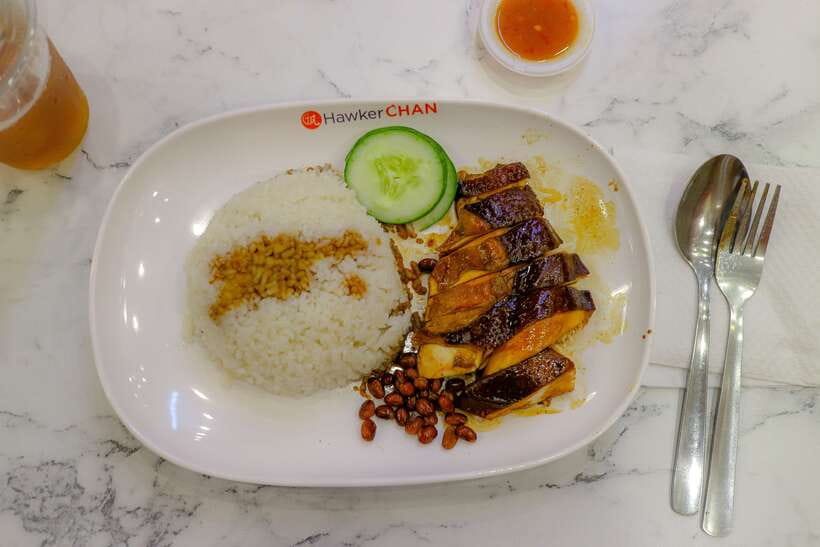
I also like the anchor stop at Singapore’s first Michelin star hawker stall, where you get soya sauce chicken rice with tender marinated chicken, white rice, and peanuts. One drawback to keep in mind: this tour is not suitable for wheelchair users, and street time means you’ll be on your feet through Chinatown.
If you want a simple win on your first night, this is it: five tasting stops plus a guided walk from Pagoda Street to Chinatown Complex and back. Just know the route is mostly covered with a sunroof, and the tour runs in all-weather, so you’re not stuck waiting inside. Your guide meets you at Bee Cheng Hiang Shop, and you’ll get bottled water along the way.
In This Review
- Key highlights to look for
- Why a 5 pm Chinatown walk works so well
- Meeting at Bee Cheng Hiang: the easiest way to start on time
- Pagoda Street start: Bakkwa plus fruit and street snacks
- Chinatown Complex hawker centre: choosing between two classics
- The Michelin-star hawker moment: soya sauce chicken rice
- Ending with dessert and a nighttime feel
- Price and value: where $63 really goes
- Pacing, group size, and who will enjoy it most
- Weather and comfort: what to wear and expect in Chinatown
- Which guides make the biggest difference
- Should you book this Singapore Chinatown Foodie Tour with 5 Tastings?
- FAQ
- How long is the tour, and what time does it start?
- Where do I meet the guide?
- What’s included in the food tastings?
- Is hotel pickup and drop-off included?
- Is chili crab included?
- Does the tour run in bad weather, and is it wheelchair-friendly?
Key highlights to look for
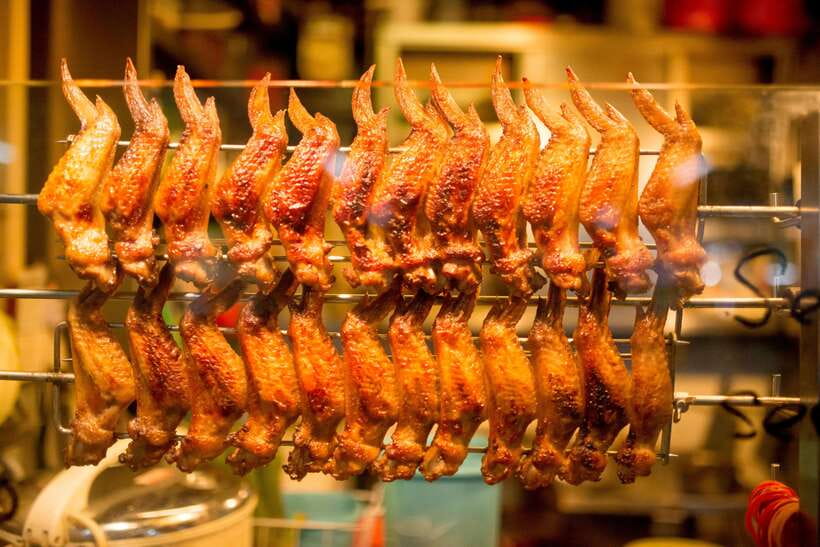
- Charcoal bakkwa on Pagoda Street to start your evening with a smoky, tender bite
- Durian and fruit stalls for the sweet side of Chinatown
- Chinatown Complex hawker tasting between carrot cake and char kway teow
- Soya sauce chicken rice at a Michelin-star hawker stall
- Dessert to close the loop so you don’t finish hungry
- A night walk through Chinatown that feels more local than photo-stop tourism
Why a 5 pm Chinatown walk works so well
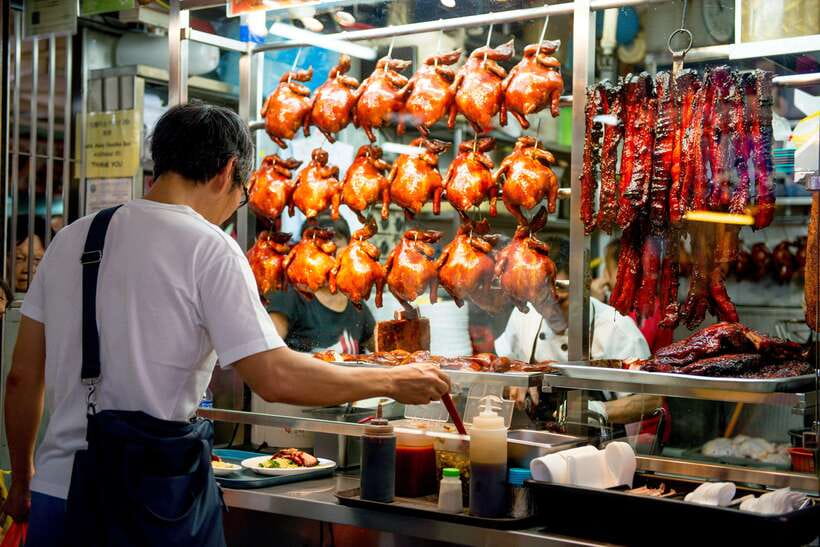
Singapore at night has a different tempo. By the time the tour starts around 5 pm near Pagoda Street, you’re stepping into the part of Chinatown where dinner crowds actually start moving. That matters because hawker food is at its best when stalls are in full swing, not after the food rush has already drained away.
This tour also makes a smart choice with timing: you get to see Chinatown’s blend of tradition and modern life in one route. Hawker stalls sit near newer bars and street-side counters, so the evening feels like Singapore, not a museum. If you’re trying to understand the city fast, this is a practical way to do it: you learn what to order, where to find it, and what to skip later.
The tour is short enough to stay fun. Three hours moves at a steady pace, with time at each stop for tasting and guide stories, but it’s not a half-day mission that drains your energy.
A few more Singapore tours and experiences worth a look

Meeting at Bee Cheng Hiang: the easiest way to start on time
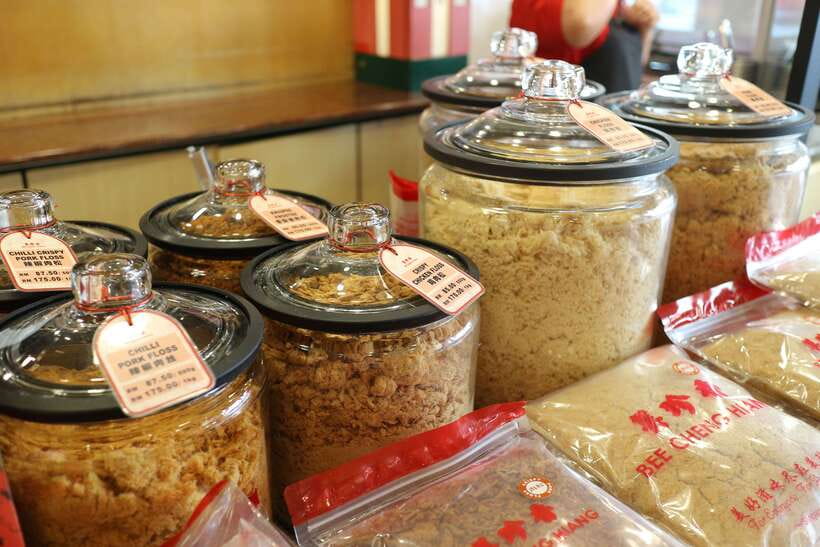
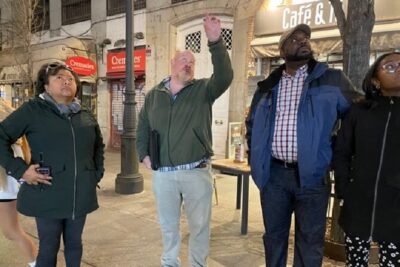
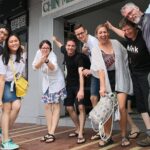
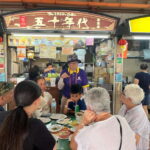
Your meeting point is very specific: Bee Cheng Hiang Shop at 69 Pagoda Street, Singapore 059228. The guide will be waiting for you there wearing a Discova Black T-Shirt, so look for that first, not for the busiest corner.
This is one of those small details that can make or break a tour in Chinatown. Pagoda Street has lots of storefronts and snack signs, so getting oriented early saves stress. Once you find your guide, the tour rhythm clicks into place quickly: walk to the first tasting, eat, then move onward in short hops through the area.
Also note the tour is live English-guided, so you can ask follow-up questions in plain language. That helps because hawker food has its own logic—ordering isn’t always like ordering in a Western restaurant.
Pagoda Street start: Bakkwa plus fruit and street snacks
The experience begins right where you can smell where the night is going. You’ll start at Pagoda Street with bakkwa, a slow-grilled charcoal jerky-style meat. It’s not just a salty snack; it’s a good opener because the smoke and char create a strong baseline for what comes next. You taste something intense early, then the sweetness and variety of later stops make more sense.
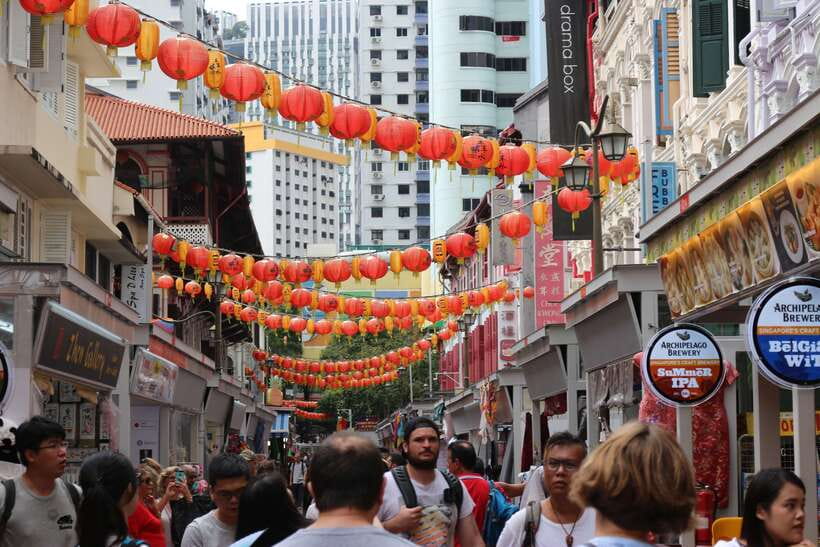
From there, the tour keeps you in street-food mode. You’ll encounter vendors selling tropical fruits, including durian, plus options that feel like daily life in the area—fresh seafood and essentials. This part is valuable because it teaches you what hawkers and fruit stalls offer beyond the single dish you might already know.
If durian is on your food bucket list, Chinatown is where that decision feels least awkward. The guide helps you make the call and match it to the rest of the tasting so you don’t end up overwhelmed by one flavor profile.
Chinatown Complex hawker centre: choosing between two classics
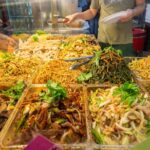
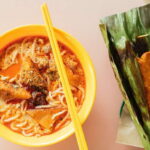
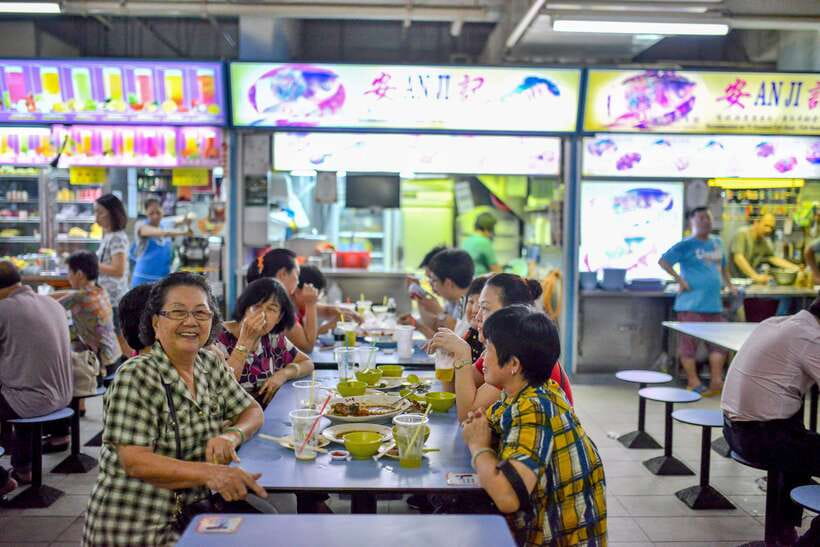
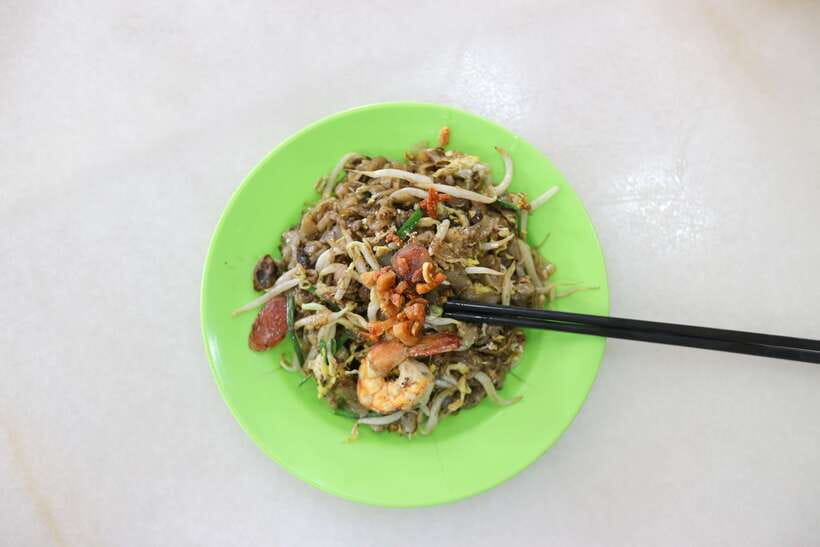
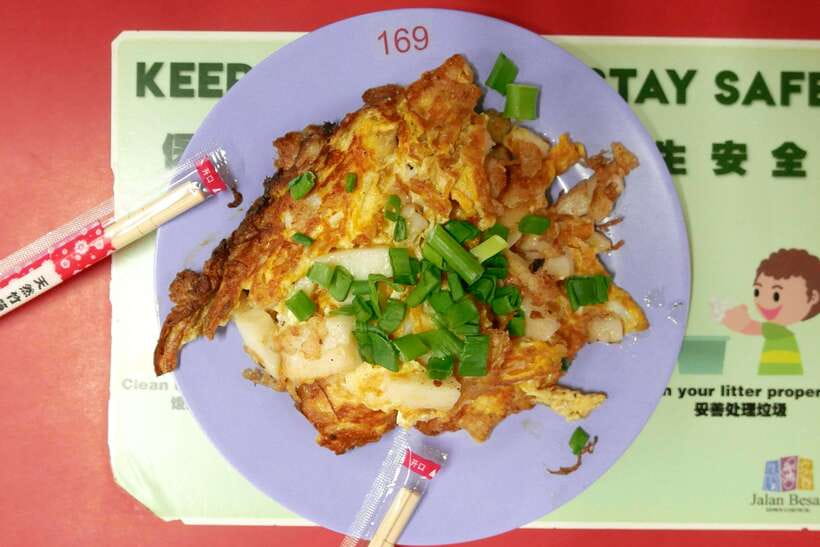
At Chinatown Complex, the tour focuses on a hawker centre atmosphere where you can actually see how Singapore eats: fast, efficient, and mostly local. You’ll sample either carrot cake or char kway teow, both popular comfort-food options with big flavor despite their simple ingredients.
Carrot cake in Singapore hawker form often means soft, savory bites with a savory-sweet balance, usually with garlic and sauces that carry the dish. Char kway teow is a different mood—flat noodles, fried with intensity, with that unmistakable wok aroma. The point isn’t that one is better. It’s that you get a guided tasting that helps you understand what Singapore locals consider a satisfying dinner.
This stop also makes you practical for the rest of your trip. Once you’ve tried one of these dishes with context—what it is, how it’s prepared, and what flavors to expect—you’ll find it easier to order on your own later without guessing.
The Michelin-star hawker moment: soya sauce chicken rice
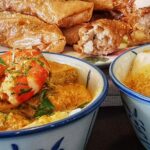
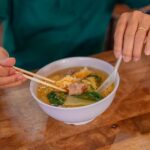
The pinnacle stop is at Singapore’s first Michelin star hawker stall, where you’ll taste soya sauce chicken rice. This is one of the most “Singapore” dishes you can order anywhere: marinated chicken paired with white rice and peanuts, with flavor coming from the sauce rather than heavy seasoning or complexity tricks.
Why this stop is such good value isn’t just the Michelin tag. It’s that you’re getting a dish you can later recognize in hawker stalls across the city. If you learn what soya sauce chicken rice tastes like when it’s done right, you stop seeing chicken-and-rice as generic. You start noticing the differences: the tenderness of the chicken, the balance of the sauce, and the way peanuts add texture.
Also, this is a perfect mid-tour reset. After meat, fruits, and fried noodles, you get something calmer and cleaner, so dessert doesn’t feel like a sudden sugar jump.
You can also read our reviews of more guided tours in Singapore
Ending with dessert and a nighttime feel
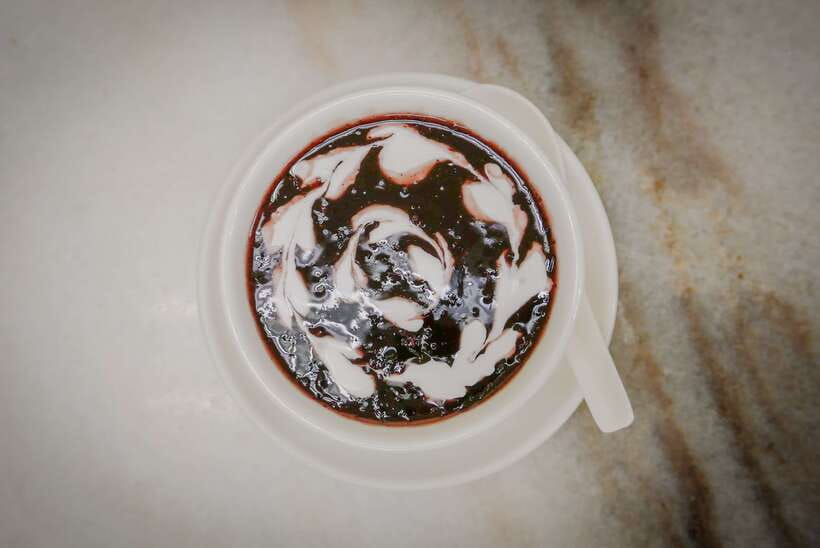
Your last stop is a dessert shop, which is exactly what you want after three hours of salty and savory bites. Singapore desserts often play with textures and temperature—something cool or soft to close out the meal, not a heavy ending.
Then you finish back near 69 Pagoda Street, with the evening’s atmosphere still around you. The tour’s highlight mentions exploring Singapore at night, and that’s what this last stretch delivers: you leave with more than full stomach satisfaction. You leave with a sense of where the energy lives after dark.
One neat extra in the overall tour style: guides show up prepared for mess. In multiple bookings, people mention guides having tissues and wet wipes, and generally making the tasting portion comfortable. That sounds minor, but it changes how relaxed you feel while eating finger-friendly snacks.
Price and value: where $63 really goes
At $63 per person for about three hours, you’re paying for three things you’d otherwise piece together yourself: guidance, tastings, and access to the right stalls in the right order. If you tried to DIY Chinatown on your own, you’d likely spend money anyway—just with more trial-and-error.
What makes the price feel fair is the structure. You get five tasting dishes plus bottled water, and the guide keeps you moving so you don’t waste time searching for the best stall for a particular dish. The Michelin-star hawker stop also boosts perceived value because it’s not the typical “just any hawker” experience.
There’s also the practical advantage of learning ordering and pacing. Multiple bookings highlight guide tips like how to order coffee like a local. Even if you don’t copy every instruction, knowing the process means fewer awkward pauses and fewer wrong turns when you’re hungry.
One more value note: the official pitch is five tastings, but guides sometimes fit in more as part of the flow. Don’t assume that will happen every time, but the tour style clearly leans toward generous eating and a full feeling by the end.
Pacing, group size, and who will enjoy it most
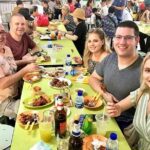
This is built for people who enjoy street food and don’t want to spend their evening researching. It’s also good if you like learning small cultural details along the way, because the guide stories are part of the experience. People name this as a key part of the fun: food stories tied to what you’re tasting.
Group size seems to stay small often, and that’s a big deal. When you have a group of a handful—or even a solo setup—the guide can slow down for questions and help you make choices if you’re unsure about something like durian. Several bookings even mention having time for more back-and-forth, plus getting help navigating the area for the rest of the stay.
If you’re a picky eater, this tour can still work, but you’ll want to go in with flexibility. You’ll be tasting across sweet, sour, salty, and spicy profiles, and part of the point is learning how Chinatown balances those flavors. If spicy is a deal-breaker, tell your guide early so they can steer you toward what fits.
Weather and comfort: what to wear and expect in Chinatown
The tour runs in all-weather. Streets are mostly covered with a sunroof, which helps during sudden rain or harsh sun. Still, Chinatown sidewalks are real sidewalks, and three hours of walking means you’ll feel it.
Bring comfortable shoes with grip. Chinatown has plenty of smooth surfaces and food stalls with quick turnarounds, so you want footwear that won’t slip when you’re dodging people and scooters. Also consider wet weather: while the route is mostly covered, you’ll still pass open-air sections.
Hydration is handled with bottled water included, but you should bring a small personal backup too—like tissue or wipes—if you’re the type who likes to be fully prepared. In several bookings, guides are praised for carrying tissues and wet wipes, which is a strong sign they run a clean, low-stress tasting.
Finally, this tour is not suitable for wheelchair users, so if mobility is an issue, you’ll want to choose another format.
Which guides make the biggest difference
You’ll likely meet a Discova Southeast Asia guide who keeps the night moving and makes the tastings make sense. In the data you provided, guides like Grace, Kim Ping, and Sam show up repeatedly, with the same themes: prepared and considerate, with strong storytelling and the habit of encouraging new tastes.
If you’re deciding whether to book, look at the guide behavior more than the food list. Great guides do two things well:
- They help you order without fear
- They explain what you’re tasting so you can repeat it later
That second part is where the tour becomes more than a meal. You end up with confidence for your remaining nights in Singapore’s food scene.
Should you book this Singapore Chinatown Foodie Tour with 5 Tastings?
Book it if you want a focused way to learn Chinatown food fast. The tour’s strongest value is the sequence: charcoal bakkwa, fruit stops (including durian), a hawker centre tasting of either carrot cake or char kway teow, and then soya sauce chicken rice at a Michelin-star hawker stall—finished with dessert. For $63, that’s a lot of variety and a lot less guesswork than DIY.
Skip it if you need wheelchair accessibility, or if you hate walking for three hours at night. Also skip it if street food makes you uneasy and you only want sit-down restaurant meals.
If you’re planning this as one of your first Singapore experiences, I think it’s a smart anchor. You’ll leave knowing where you like to eat, what you’ll order again, and how to navigate hawker-style ordering with way less stress.
FAQ
How long is the tour, and what time does it start?
The tour lasts about 3 hours and begins at 5 pm at the meeting location on Pagoda Street.
Where do I meet the guide?
Meet at Bee Cheng Hiang Shop, 69 Pagoda Street, Singapore 059228. Look for your guide wearing a Discova Black T-Shirt.
What’s included in the food tastings?
The tour includes food tasting (5 dishes), bottled water, and a local guide. Tastings include items such as bakkwa, hawker options like carrot cake or char kway teow, soya sauce chicken rice, and a dessert shop stop. Fruit vendors include items like durian.
Is hotel pickup and drop-off included?
No. Hotel pickup and drop-off are not included.
Is chili crab included?
No. Chili crab is specifically not included in this tour.
Does the tour run in bad weather, and is it wheelchair-friendly?
The tour runs in all-weather, and Singapore streets are mostly covered with a sunroof. However, it is not suitable for wheelchair users.