REVIEW · SINGAPORE
Singapore: Private Food Tour – 10 Tastings with Locals
Book on GetYourGuide →Operated by Withlocals · Bookable on GetYourGuide
Singapore tastes better with a local route. This private food tour strings together 10 tastings with real neighborhood context, so the food makes sense instead of feeling like random sampling. I especially like the way classics like Teh tarik and rojak land at authentic stalls, and I like that you also get city highlights as you go. The main catch is simple: you’ll walk a fair bit in 3 hours, and it’s not set up for wheelchair users.
What makes it work is the people running it. Guides such as Chin Meng, Stefan, John Tan, Teng, Ron, and Grayson are consistently praised for pairing food with clear stories about the cultures behind it, so you come away understanding how Malay, Indian, and Chinese communities shaped Singapore’s streets and eating habits. With a small group capped at 8, the pace tends to stay friendly and questions are easy to ask.
One more thing to know before you book: you’ll likely be eating a lot. Multiple guests note the portions can feel like more than the time slot allows, so go with a light breakfast or an empty stomach mindset.
In This Review
- Key things I’d bet on before you go
- A Private Singapore Food Tour That Actually Shows You the City
- Meet at Arabica Coffee, Then Start Walking With a Plan
- Kampong Glam and Sultan Mosque: Where Malay Food Culture Shows Up Fast
- Little India and Cow Murals: Indian Street Flavors With Clear Context
- Chinatown’s Elderly Corner: The Part of Singapore That Still Feels Daily
- The Tastings: Teh Tarik, Rojak, and Enough Food to Count as Dinner
- Vegetarian-Friendly Without Making It a Compromise
- Price and Value: Why $160 Can Make Sense in Singapore
- Who This Tour Fits Best (And Who Should Rethink It)
- Should You Book This Singapore Food Tour?
- FAQ
- FAQ
- Where is the meeting point?
- How long is the tour?
- What’s included in the price?
- Is hotel pickup and drop-off included?
- Is the tour in English?
- Can I get vegetarian tastings?
- Is it wheelchair accessible or suitable for mobility impairments?
- Is there free cancellation?
Key things I’d bet on before you go
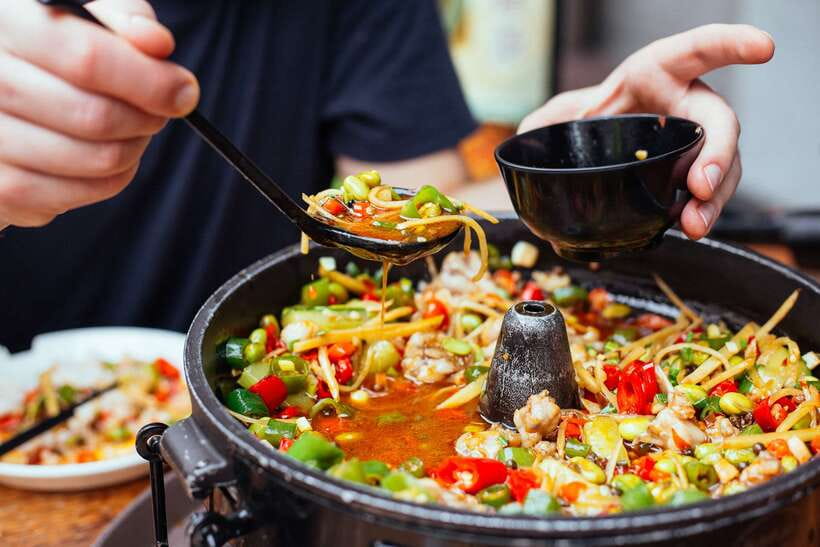
- 10 tastings in 3 hours: enough food to feel like Singapore, not just a snack run.
- Teh tarik and rojak included: classics served where locals actually line up.
- Neighborhood history as you walk: Kampong Glam, Little India, and Chinatown are tied to why people eat what they eat.
- Small group size (up to 8): easier conversation, less rushing, better chances to personalize.
- Vegetarian options available: you’ll get an adapted menu if you tell your guide up front.
- City sights along the route: you’ll leave with both food and bearings for the rest of your trip.
A Private Singapore Food Tour That Actually Shows You the City
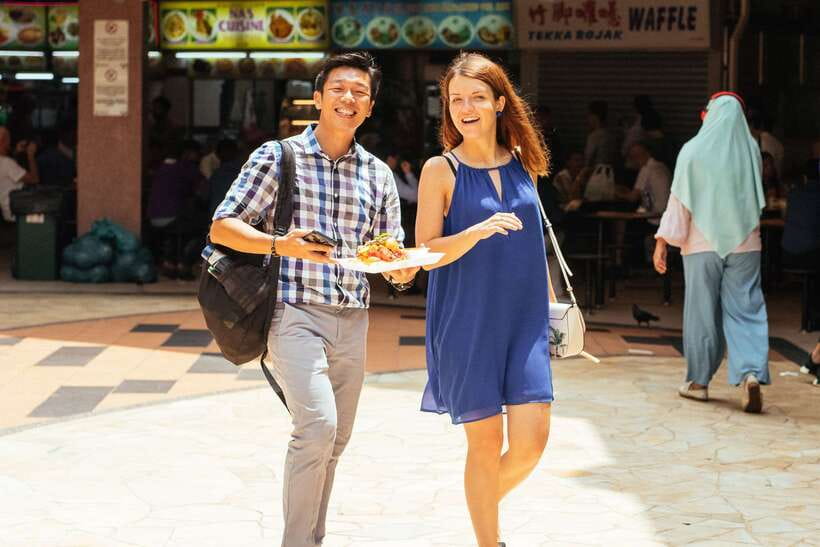
This isn’t just about tasting Singapore. It’s about tasting Singapore where it lives—in the streets of Kampong Glam, Little India, and Chinatown. You get a local guide, but what really matters is how the guide connects flavors to culture: what shaped the stalls, what changed over time, and what still feels familiar today.
You’ll also notice the tour is built for first-time visitors and busy schedules. At $160 per person for 3 hours, you’re buying time and direction. Instead of hunting for the best hawker stalls yourself (and guessing which dishes are worth your money and your stomach space), you’re handed a plan with included bites and drinks.
A big value signal: 10 tastings are included. In Singapore, one good meal can be a deal—but good meals add up fast when you’re paying à la carte. This tour is designed so you can eat well without doing math every time you stop.
You can also read our reviews of more food & drink experiences in Singapore

Meet at Arabica Coffee, Then Start Walking With a Plan
Your meeting point is straightforward: meet your guide in front of the Arabica Singapore Coffee Shop. The tour doesn’t include hotel pickup, so you’ll want to be ready to get there on your own (and not cut it close).
Wear comfortable shoes. The tour is built around neighborhood walking, plus some short transit segments are mentioned by guests. Translation: you’ll cover real ground, and your feet will feel it if you come in sandals or slick shoes.
Because the group is small (up to 8 participants), you can usually keep a relaxed rhythm. That matters in a city like Singapore where crossing busy streets and finding the right stall can eat time. With a guide, you spend your energy eating and looking, not searching.
Kampong Glam and Sultan Mosque: Where Malay Food Culture Shows Up Fast
Kampong Glam is one of those places where you can feel Singapore’s mix of cultures immediately. This tour includes a stop in the area around Kampong Glam and the Sultan Mosque, which gives you a clear visual anchor before you start tasting.
Then comes the best part: food that fits the neighborhood. You’re set up to try Malay-leaning classics, including Teh tarik—the traditional pulled tea that’s famous for its foamy top and smoky-sweet vibe. Even if you think you’ve had teh tarik before, having it as an early stop tends to reset your expectations. You start the tour with a benchmark drink, then you taste your way through the day.
Why this stop is worth your time: you’re not just seeing a landmark—you’re learning how communities influenced Singapore’s streets, food habits, and the way shops clustered around shared identities. That context makes the next neighborhoods easier to read.
Little India and Cow Murals: Indian Street Flavors With Clear Context
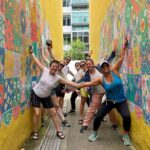
Next up is Little India, a neighborhood that rewards slow walking and curious eating. The tour includes time around standout visual landmarks, including the Cow murals, so it feels like you’re sightseeing, not just eating your way through a food circuit.
Food here is tied to Indian community roots in Singapore—spices, textures, and the kinds of dishes people choose for everyday comfort. You’ll also get classic Singapore items that sit at the intersection of cultures. One standout mentioned across the tour description is rojak, a dish that’s famous for mixing sweet, savory, and tangy flavors into one chaotic harmony.
What to watch for: Little India can make you want to order everything. The tour helps by limiting you to guided tastings, so you don’t accidentally turn your day into a sugar-and-spice overload. Still, bring your appetite—more than one guest notes the volume of food is generous.
Chinatown’s Elderly Corner: The Part of Singapore That Still Feels Daily
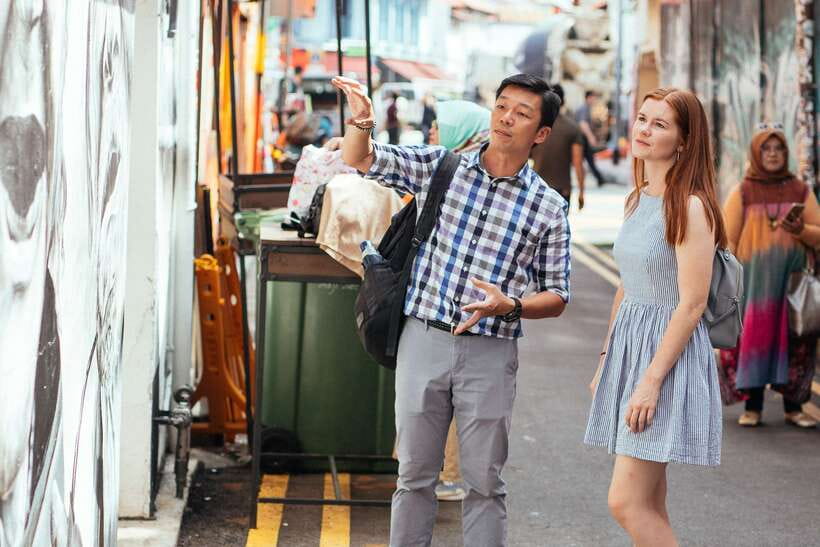
In Chinatown, the tour doesn’t aim for postcard shopping streets. It points you toward places with living routines, including Elderly Corner. That detail matters. Singapore’s food culture isn’t only about “best of” lists; it’s also about where people gather, talk, and keep their habits.
This is also where you’ll get a stronger sense of Chinese influences on Singapore dining. Expect tastings that reflect everyday Chinese comfort eating—served in a way that’s practical for the neighborhood, not formal or staged. And because you’re with a guide, you’ll get the why behind it: how migration patterns, trade history, and community networks shaped what ended up on plates.
Some guests mention that the tour can wrap in or near hawker-style eating areas in Chinatown. If that happens on your day, take it as a sign you’re getting to the places Singaporeans actually rely on for casual meals.
A few more Singapore tours and experiences worth a look


The Tastings: Teh Tarik, Rojak, and Enough Food to Count as Dinner
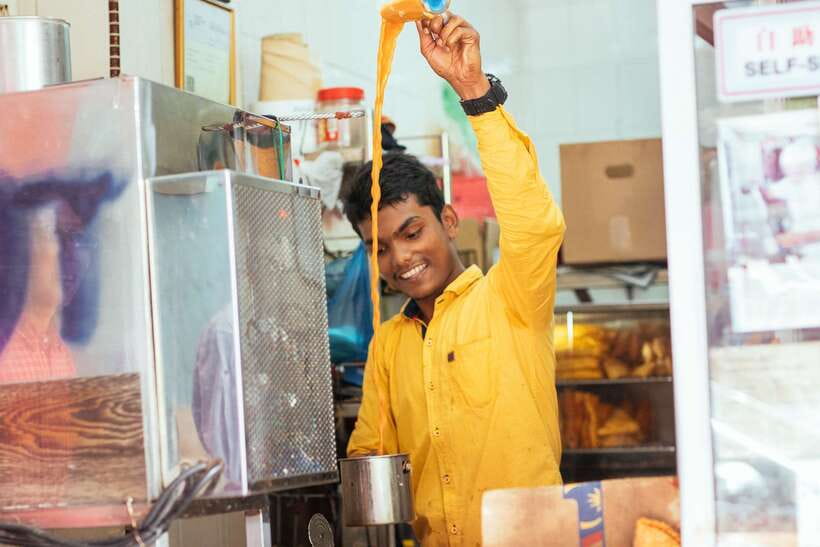
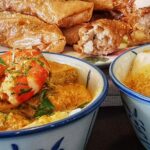
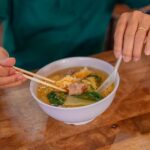
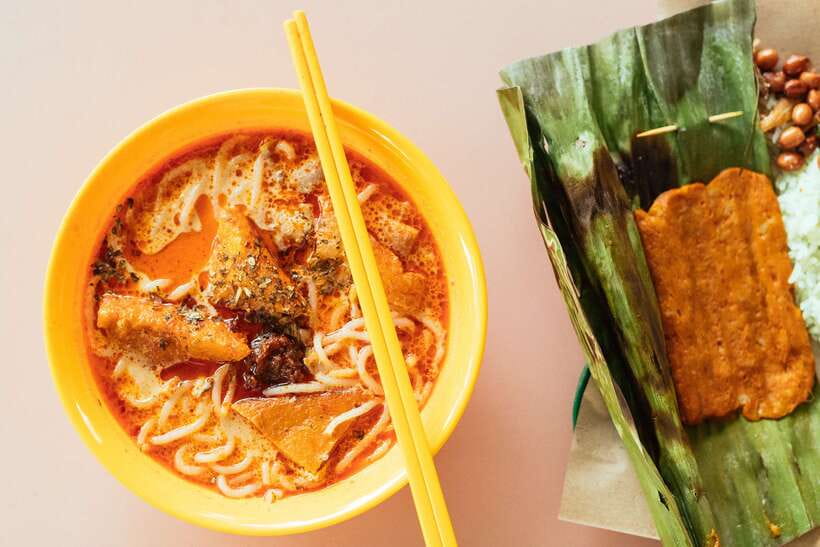
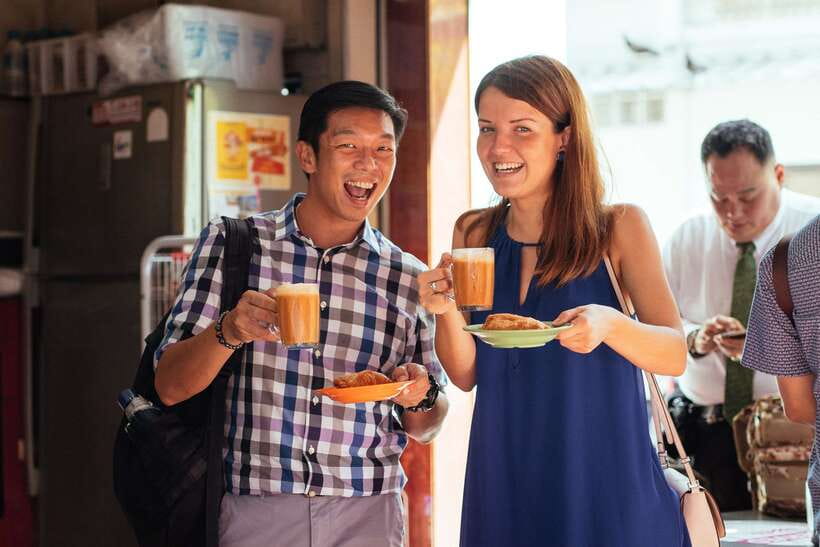
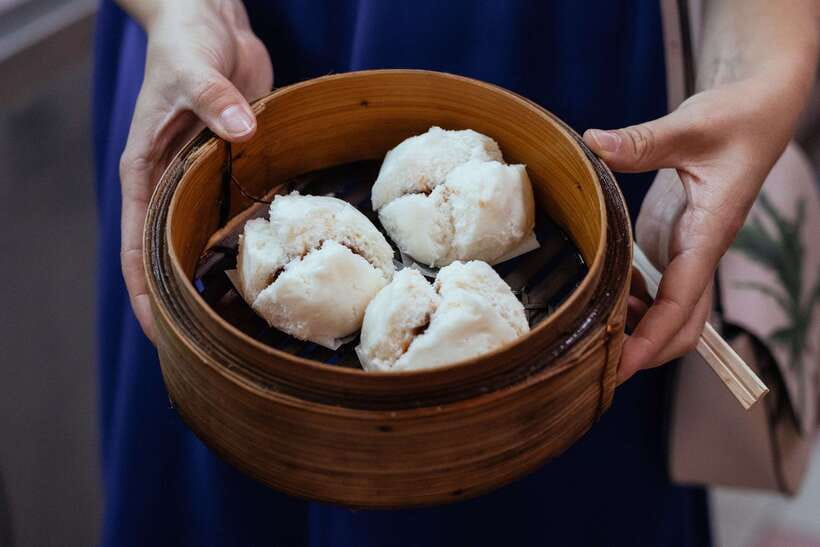
The tour is built around 10 food and drink tastings, with both savory and sweet items. That’s a real advantage because Singapore eating isn’t only about one type of dish. You’ll likely cover salty snacks, saucy mains-in-miniature, and at least a couple of sweet finishes, plus drinks that make the flavors easier to understand.
Two classics are guaranteed by the tour description:
- Teh tarik for the signature pulled-tea benchmark
- Rojak for that sweet-sour-salty mix that turns “snack” into “Singapore food identity”
And then there are the other included tastings your guide selects on the day. This is where the “private” aspect shows value: a local guide can adjust for what the group enjoys and what makes sense for the route.
Portion reality check: multiple guests say the food is more than enough, and a few suggest it can feel like extra time is happening because you’re being served so much. So yes, you should eat breakfast light, or skip it altogether.
Vegetarian-Friendly Without Making It a Compromise
If you’re vegetarian, this tour is set up to work. Vegetarian alternatives are available, and the guide adapts the menu if you tell them at the beginning.
What I like about this approach is that it doesn’t treat vegetarian food as an afterthought. Guests who had vegetarian members in their group describe the guide as making smart replacements and introducing vegetarian tastings that still feel connected to the neighborhood culture.
Practical tip: communicate your dietary needs clearly at the start. Then you can relax and focus on tasting instead of asking the same question at every stop.
Price and Value: Why $160 Can Make Sense in Singapore

$160 for 3 hours sounds steep until you break down what’s included. You’re paying for:
- A local guide
- 10 tastings and drinks
- Time-saving direction across multiple neighborhoods
- Cultural context that helps you understand what you’re eating
If you tried to copy this yourself, you’d spend money just getting to and between the neighborhoods, plus you’d have to choose dishes and stall names. One wrong pick can waste a chunk of your day. This tour reduces that risk by bundling tastings and structuring the route so you’re always eating something worth the stop.
Also, small group matters. With a maximum of 8 participants, it tends to feel more like a guided food day than a crowded conveyor belt. You’re more likely to ask questions and get explanations tailored to what you’re holding in your hands.
Who This Tour Fits Best (And Who Should Rethink It)
This is a great choice if you want:
- A fast, food-first way to understand Singapore’s culture
- A route through Kampong Glam, Little India, and Chinatown
- Teh tarik and rojak as guaranteed highlights
- A small group setting where you can actually talk to your guide
It’s less ideal if you:
- Need wheelchair access or have mobility impairments, since the tour is not suitable for wheelchair users
- Prefer slow, sit-down pacing only, since the route involves walking and multiple stops
Should You Book This Singapore Food Tour?
If you’re landing in Singapore and want a single activity that gives you both food and street-level city understanding, I’d book it. The included tastings are a real anchor, and the guide-led cultural context is what turns it from snack hopping into a meaningful overview of how Singapore’s communities shaped daily eating.
You should also book if you like structured fun—10 stops, a planned route, and no need to guess what to order next. Just go in hungry, wear good shoes, and be ready to eat enough that you’ll spend the rest of your day thinking about tea, sauces, and spices instead of menus.
FAQ
FAQ
Where is the meeting point?
You meet your guide in front of the Arabica Singapore Coffee Shop.
How long is the tour?
The tour duration is 3 hours.
What’s included in the price?
The tour includes 10 food and drink tastings. Vegetarian alternatives are available.
Is hotel pickup and drop-off included?
No. Hotel pickup and drop-off are not included.
Is the tour in English?
Yes. The live tour guide is English.
Can I get vegetarian tastings?
Yes. Vegetarian alternatives are offered. Let your guide know at the beginning so the menu can be adapted.
Is it wheelchair accessible or suitable for mobility impairments?
No. The tour is not suitable for people with mobility impairments or wheelchair users.
Is there free cancellation?
Yes. You can cancel up to 24 hours in advance for a full refund.