REVIEW · NEW YORK CITY
New York City: Food Walking Tour of Chinatown & Little Italy
Book on GetYourGuide →Operated by Essor · Bookable on GetYourGuide
Five Points to cannoli in one smooth walk. This Chinatown and Little Italy tour strings together big food flavors and sharp neighborhood stories, starting near Columbus Park and ending back where you began. You’ll taste classics from both sides of Lower Manhattan, with optional drinks if you want to make it a long lunch.
I loved the handmade fried dumplings most—crispy, fresh, and the kind of stop you can smell for blocks. I also liked how guides such as Amanda keep things clear and easy to follow, with a speaker system that makes history and instructions simple to catch on a crowded street.
One thing to weigh: it’s a 3-hour, food-heavy walk, so if you snack ahead you may feel uncomfortably full before the pizza and cheesecake finishes.
In This Review
- Key things I’d circle before you go
- From Five Points to Nolita: what this 3-hour food walk really feels like
- Finding the group fast: the 42 Mulberry Street meeting point and flow
- Columbus Park and the Five Points setup: why the history matters
- Handmade fried dumplings: the first bite sets the tone
- The 1940s Hong Kong roast pork story and that Cantonese-meets-West flavor
- Chinatown streets: first businesses, the bloody angle, and what you notice on foot
- When Chinatown turns Italian: the neighborhood switch you can actually feel
- Little Italy deli stop and mini cannolis: old-school flavor, less risk
- The pizza and a legendary bar stop: mob-movie New York, handled with context
- Cheesecake finish and the secret dish: how the ending keeps you curious
- Food variety and big portions: the value question behind $154
- Pace, comfort, and who should book this
- Weather and route flexibility: how the day can shift
- Should you book this Chinatown and Little Italy food walking tour?
- FAQ
- How long is the tour?
- Where does the tour start and end?
- How much does it cost?
- Are alcoholic drinks included?
- What kind of food do we try?
- Do I need to bring anything?
- Is the tour in English?
- Can the itinerary or menu change?
- Is it wheelchair accessible?
- Is free cancellation available?
Key things I’d circle before you go
- Orange-umbrella meeting spot across from Tasty Dumpling at 42 Mulberry Street, so you can find your guide fast
- Columbus Park (Five Points) as your starting anchor, tied to the famous Gangs of New York setting
- Chinatown-to-Italian switch as you literally walk through the neighborhood shift between cultures
- Old-school Italian deli cannoli stop with mini cannolis, so you can try more without a food coma
- Cheesecake finale plus a secret dish to keep the ending fun and unexpected
- Optional alcoholic drinks if you want a relaxed, adult version of the afternoon
From Five Points to Nolita: what this 3-hour food walk really feels like
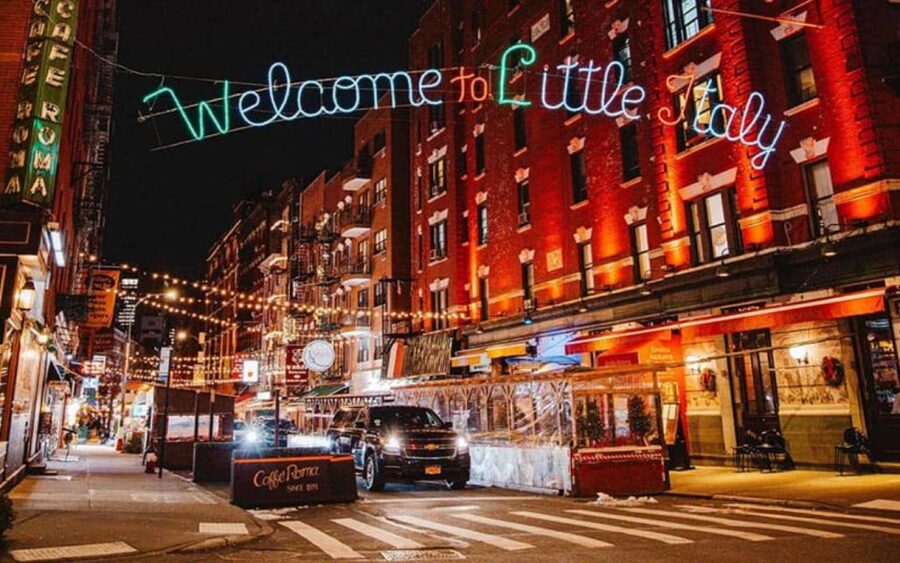
This isn’t a sit-down dinner. It’s a guided stroll through Lower Manhattan where you trade subway rides for a concentrated hit of food, street-level energy, and neighborhood context. The core idea is simple: start with Chinatown, then cross into the Italian side of the map, and compare how New York rebrands flavors as different communities settle and evolve.
The payoff is that you don’t just eat. You learn why these foods show up here and how the neighborhoods changed over time. Guides (I’ve seen names like Hannah, Emily, and Patrick pop up in the tour’s experience) tend to mix practical directions with stories that make the streets feel personal instead of random.
You’ll cover a lot of ground in 3 hours, but the tour is designed around frequent stops. Still, wear comfortable shoes. Even if the pace is manageable, you’ll spend plenty of time standing, walking, and waiting for the next tasting.
You can also read our reviews of more walking tours in New York City

Finding the group fast: the 42 Mulberry Street meeting point and flow
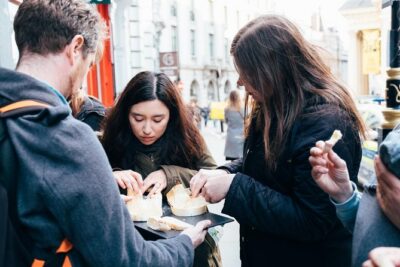
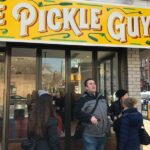
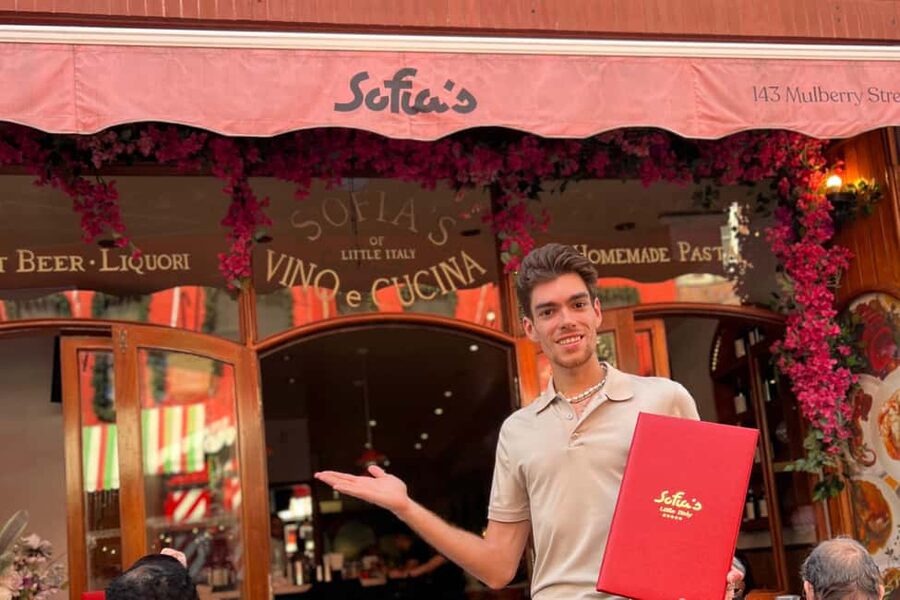
You meet across the street from Tasty Dumpling at 42 Mulberry Street. Your guide will be holding an orange umbrella, which is a huge help in a place where everyone is wearing hoodies and moving fast.
The tour ends back at the same meeting point. That matters more than you’d think. It means you can plan your next stop without guessing how far you’ll wander. It also keeps the experience tight: no long “wandering breaks,” just a chain of food and stories.
If you’re aiming for a smooth day, build in a little buffer time before start. Lower Manhattan traffic and crowds can be unpredictable, and you’ll want to be ready to step in when your group forms.
Columbus Park and the Five Points setup: why the history matters
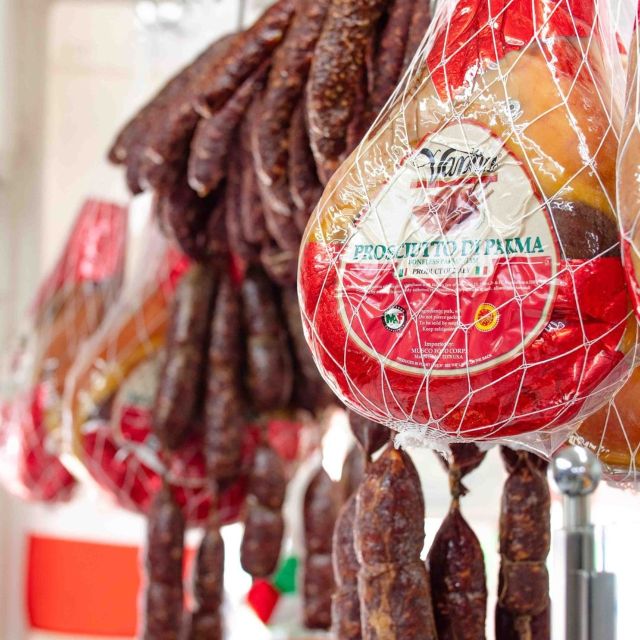
The experience starts at historic Columbus Park, once known as Five Points. This is the area tied to the rough reputation made famous in Gangs of New York, and the tour uses that setting to frame how the city’s neighborhoods got shaped by immigration, work, and conflict.
Why it’s worth starting here: it gives you a mental map before you hit the food. When you later taste Chinatown and Italian staples, you can connect them to New York’s pattern—people arrive, create businesses, build community, and adapt old-country food to a new city’s tools and ingredients.
You don’t need to be a history nerd to enjoy this part. The guide’s job is to keep it readable and tied to what you’re about to eat.
Handmade fried dumplings: the first bite sets the tone
Your first major food stop is handmade fried dumplings from a local hotspot. This is one of those classic Chinatown moves where the quality shows fast: you get something that’s hot, crispy, and clearly made for eating right now, not shipped or warmed from a box.
I like these as a first stop because they’re both comfort food and a preview of the tour’s approach. You’re not eating one random thing. You’re starting with craft, technique, and a neighborhood specialty.
A practical tip: eat slowly. Fried dumplings go down easy, but you’ll want to pace yourself for what comes next—especially if you add the optional alcoholic drinks later.
The 1940s Hong Kong roast pork story and that Cantonese-meets-West flavor
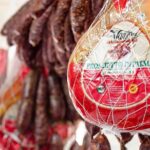
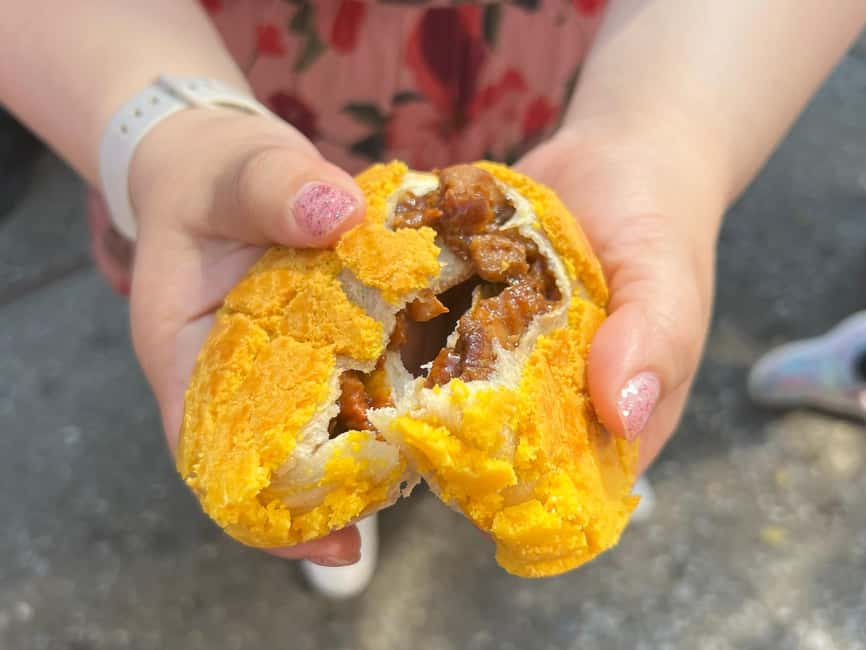
Next comes a standout theme: food roots tracing back to 1940s Hong Kong, where Cantonese roast pork and Western baking techniques helped shape a beloved, hybrid-style treat. On this tour, you’ll see how New York picks up those influences and turns them into something you can only really find in places with real immigration crossover.
You may also hear the guide talk around that cultural mix in plain language: this is what happens when communities share ovens, recipes, and tastes across the ocean. The result is a flavor combo that feels familiar even if you’ve never ordered it before.
From the reviews, a favorite shows up repeatedly: the Pineapple Bao. That’s a strong clue that the tour leans into these Hong Kong–influenced pastries or buns, not just standard dumpling-and-sauce comfort.
You can also read our reviews of more food & drink experiences in New York City

Chinatown streets: first businesses, the bloody angle, and what you notice on foot
Walking through Chinatown here isn’t just about taking photos. The tour includes neighborhood context that changes what you notice at street level: you’ll pass areas tied to early Chinese-owned businesses and learn about the notorious bloody angle.
This kind of story works best when you can look up and around while it’s being explained. And Chinatown is one of those places where you naturally start seeing details: storefront signs, small bakeries, and the tight grid that makes it easy to move from one micro-neighborhood to the next.
You’ll also stop at a bakery for a sweet treat designed for that quick Instagram moment—something you can grab, taste, and keep going. It’s the right pacing break before you shift your taste buds again.
When Chinatown turns Italian: the neighborhood switch you can actually feel
One of the fun surprises on this route is that you walk a corner and it feels like the city switches languages. The Chinese businesses begin to thin out, and suddenly you see Italian-forward storefront energy—customs, food, and heritage showing up right in the streets.
This is where the tour becomes more than a food list. It turns into a living comparison. You can taste the differences and also understand what likely drives them: immigration waves, community needs, and local business survival in a city that always demands variety.
The guide’s commentary is key here. Good guides don’t just say what you’re seeing; they explain why the shift happens and how Lower Manhattan’s neighborhoods overlap instead of staying separate.
Little Italy deli stop and mini cannolis: old-school flavor, less risk
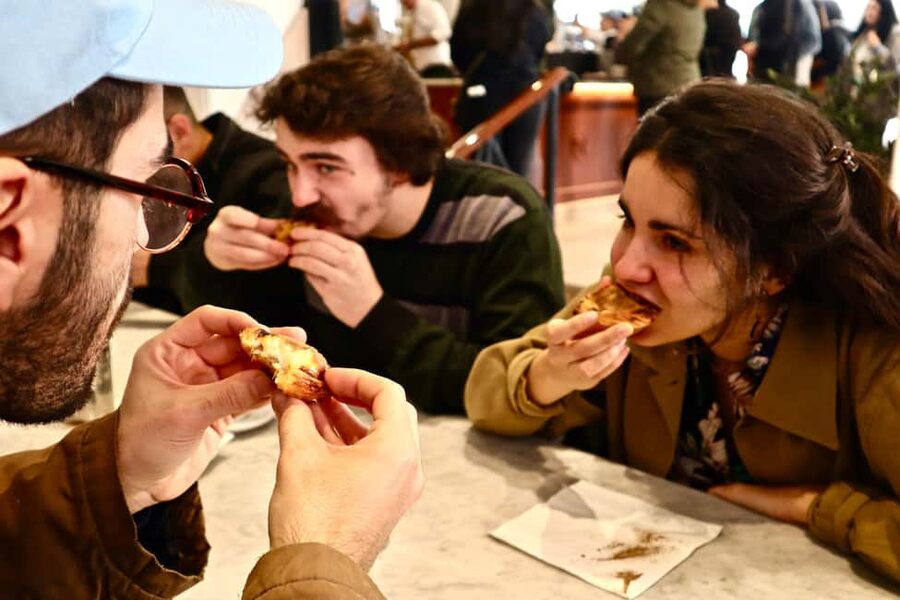
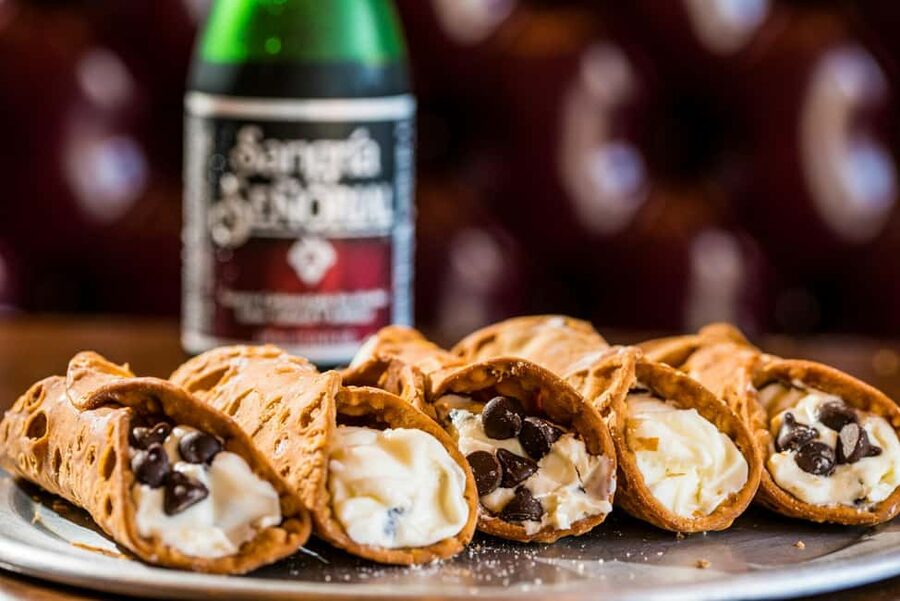
In Little Italy, you’ll visit one of the oldest family-owned Italian delis in the city and sample mini cannolis. Mini matters. You get the classic cannoli experience without committing to a giant portion that slows you down for the rest of the tour.
This stop also anchors the Italian side in something beyond pizza. If Chinatown brought you dumplings and roast pork–style fusion, Little Italy gives you that sweet, crunchy, ricotta-forward profile that people associate with the neighborhood.
I like this moment because it balances the tour. You’ve had savory-heavy bites. Now you get a sweet punctuation mark that resets your taste buds before you go back into richer comfort foods.
The pizza and a legendary bar stop: mob-movie New York, handled with context
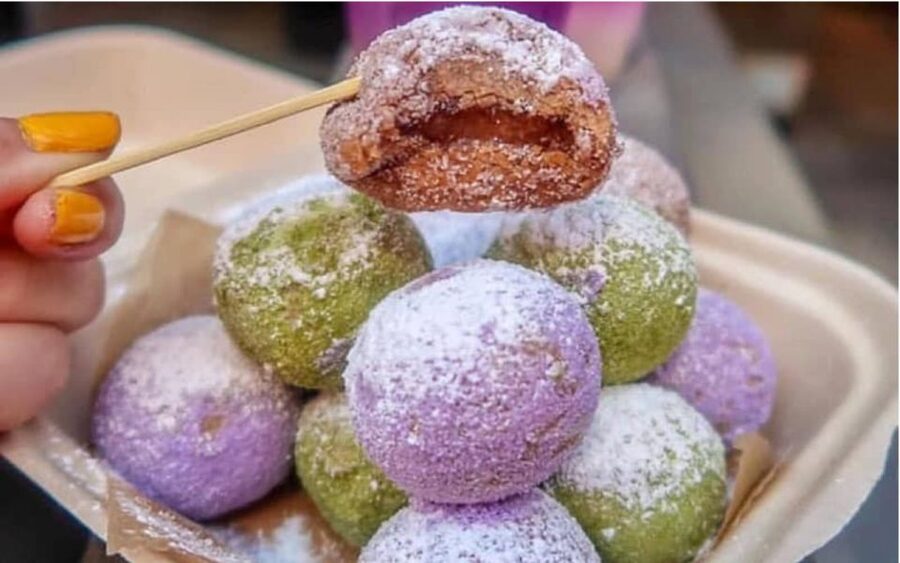
After cannolis, the tour heads toward a legendary bar that’s been featured in several mafioso films and TV shows. I won’t pretend you need to be a film fan for this part to work. What matters is how it connects pop culture to the real Lower Manhattan setting—where certain streets and establishments became shorthand for a style of city life.
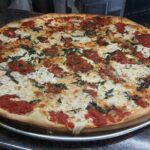
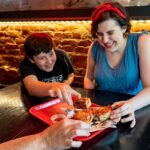
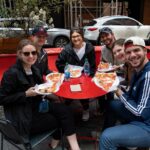
Then you get a slice of pizza described as fit for The Godfather. That line is playfully dramatic, but the idea is clear: you’re getting a real New York-style slice, not a tourist imitation.
Why this works on a walking tour: pizza is fast, crowd-friendly food that keeps you moving while still feeling like a proper treat. It also acts like a cultural bridge. If you’ve been thinking dumplings vs. cannoli, pizza is the “everybody knows it” comfort food that makes the Italian half of the route feel unmistakably New York.
Cheesecake finish and the secret dish: how the ending keeps you curious
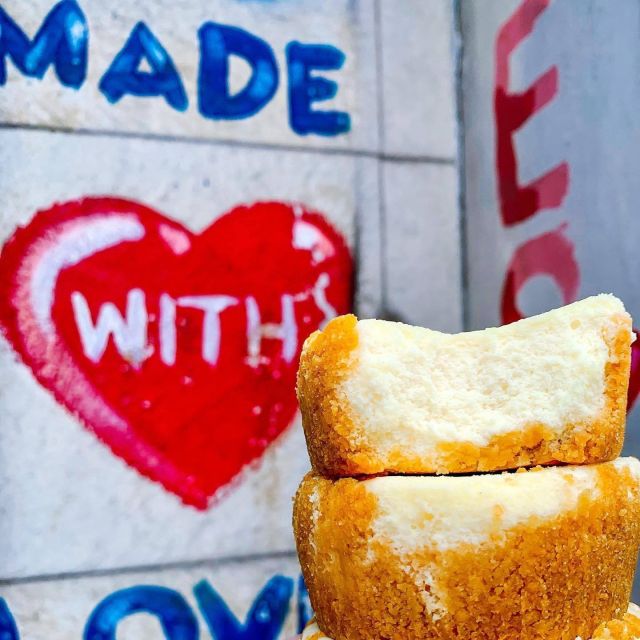
The finale includes mini New York-style cheesecake, which is a smart choice for the last stop. Cheesecake is rich, creamy, and easy to eat without slowing the group down. Mini portions help you enjoy it without regretting it later.
Then there’s the extra layer: a secret dish at the end. That twist keeps you from mentally checking out after pizza and cheesecake. It also rewards curiosity—you’re reminded that the tour is designed to keep you tasting, not just listening.
This combination—sweet finish plus surprise—makes the last segment feel like a reward rather than a routine wrap-up.
Food variety and big portions: the value question behind $154
Let’s talk money. At $154 per person for about 3 hours, the tour is not cheap. But you’re also not paying only for walking and storytelling. You’re paying for multiple food tastings, a guided route through two distinct Lower Manhattan neighborhoods, and the option of alcoholic drinks if you choose that add-on.
Here’s the practical way to think about value:
- If you were to eat all these items on your own, Chinatown and Little Italy meals add up fast, especially if you include a drink and dessert.
- The guide helps you choose places you might skip if you just wandered without local knowledge.
- The route reduces “dead time.” Instead of walking around hungry, you move from tasting to tasting with minimal downtime.
From the reviews, the most repeated pattern is that you get a lot of food. One person even called it a 7-course walking dinner style experience. That’s a good indicator that the tour is designed to be substantial, not just a few bites to make you feel like you did something.
If you love food and you like history stories you can connect to what you’re chewing, this price starts to look more fair.
Pace, comfort, and who should book this
This tour is best for you if you enjoy walking between neighborhoods with a guide, and you like sampling rather than ordering one big meal. It suits:
- First-timers to NYC’s Lower Manhattan who want a compact way to learn what’s where
- Food lovers who enjoy contrasts—dumplings and roast pork buns one moment, cannoli and pizza the next
- People who value a guide who talks clearly while you’re eating, especially in busy street conditions
You’ll want to plan around the food volume. The tours run like an “eat as you go” loop, and one review advice was basically to not eat beforehand. So do yourself a favor: arrive hungry, and keep water handy.
Also note: it’s not suitable for wheelchair users, so if accessibility is a factor, this one won’t fit.
Weather and route flexibility: how the day can shift
The tour’s itinerary and menu can change based on availability and weather. That’s normal for walking food tours, because you’re depending on restaurants and shops to serve groups during the time you’re there.
My advice: don’t treat it like a rigid checklist. Instead, treat it like a plan that adapts. If it’s raining or too hot, you might still get the same overall idea—just with different stops or substitutions.
The upside is that the guide is there to keep the flow moving so you still get a full experience.
Should you book this Chinatown and Little Italy food walking tour?
If you want one afternoon where you taste the best of Chinatown and Little Italy while learning how those communities shaped the food you see today, I’d say yes. It’s a great value when you factor in the number of tastings, the guided storytelling, and the fact that you’re eating from places you might not find as easily on your own.
Skip it only if you know you can’t handle a heavy food schedule, or if you need wheelchair accessibility. Otherwise, bring comfortable shoes, show up ready to eat, and let the day teach you the neighborhood shift—because that moment when Chinatown turns Italian is the whole point.
FAQ
How long is the tour?
The duration is about 3 hours. Starting times vary, so you’ll need to check availability for the slot you want.
Where does the tour start and end?
It starts across the street from Tasty Dumpling at 42 Mulberry Street, and it ends back at the same meeting point.
How much does it cost?
The price is $154 per person.
Are alcoholic drinks included?
Alcoholic drinks are included only if you select the option for them. Otherwise, the tour still includes food tastings and the guide.
What kind of food do we try?
You can expect tastings such as handmade fried dumplings, Cantonese roast pork–influenced Hong Kong style flavors, Italian items like mini cannolis, plus pizza and mini New York-style cheesecake. A secret dish is included at the end.
Do I need to bring anything?
Wear comfortable shoes. Since it’s a walking tour, that’s the main practical item.
Is the tour in English?
Yes, the live tour guide speaks English.
Can the itinerary or menu change?
Yes. The itinerary and menu can change based on locations’ availability, weather, and other circumstances.
Is it wheelchair accessible?
No. It’s not suitable for wheelchair users.
Is free cancellation available?
Yes, you can cancel up to 24 hours in advance for a full refund.