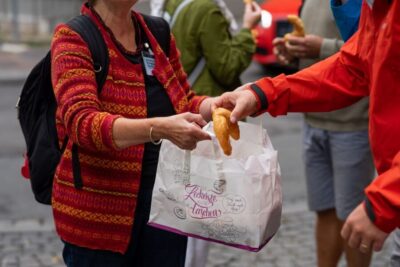
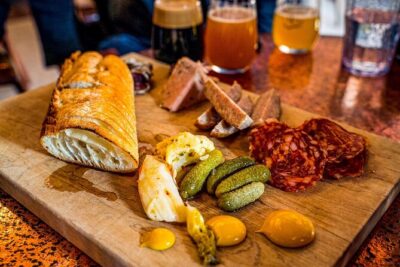
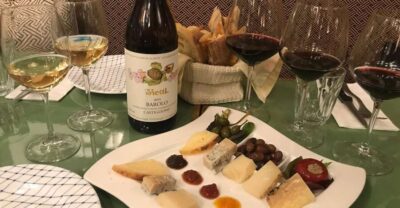
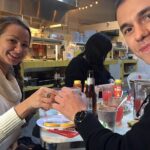
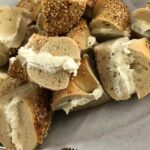
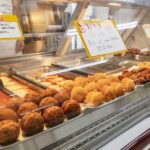
Four bites, two neighborhoods, one great walk. I like how this tour turns Chinatown and Little Italy into a story you can taste, led by a historian guide who explains how these areas took shape and how food traditions grew around real people. It is not just a series of stops; it is a guided walk where you learn while you eat.
What I like most is the balance: you get four food tastings plus coffee or tea, and the guide keeps the focus on family-owned spots and off-the-beaten-path places. I also appreciate the small group size (capped at 15, and often experienced as even more intimate), because it feels easier to ask questions and actually follow the neighborhood history as you go.
One thing to think about before you book: at $99, you want to feel like you’re getting enough food for the price, and that is where opinions split. Most people say they do not leave hungry, but a few found the portions light and one noted that the pizza was only okay.
In This Review
- Quick hits before you go
- Chinatown to Little Italy in 2 hours: what the walk really delivers
- Price and value: is $99 fair for four tastings?
- Where you start on Baxter Street, and why the small group matters
- Chinatown tastings: dim sum, dumplings, and the neighborhood story in plain sight
- Little Italy tastings: pizza, cannoli, and mafia-era storytelling
- The historian guides: why names keep coming up
- Lunchtime or dinner: how to choose the right time for your day
- Family-owned focus and off-the-beaten-path stops: why that’s a win
- Who should book this tour, and who might want a different plan
- Final call: should you book this Chinatown and Little Italy food tour?
- FAQ
- How long is the Chinatown and Little Italy food tour?
- What does the tour cost?
- How many food tastings are included?
- Is there a lunch or dinner option?
- Where does the tour start?
- How many people are in the group?
- Is the tour ticket mobile?
- Are coffee and/or tea included?
- Do children ages 0 to 6 get food included?
Quick hits before you go
- Historian guide focus: neighborhood origins and how food customs formed
- Four tastings included: plus coffee or tea to keep the pace comfortable
- Small group: maximum of 15 people, so it stays personal
- Family-owned businesses: fewer chains, more local character
- Two classic neighborhoods: Chinatown and Little Italy on a single 2-hour walk
Chinatown to Little Italy in 2 hours: what the walk really delivers
This is a tight, focused food tour across two Manhattan neighborhoods that feel totally different on the surface—until the stories behind them start connecting. You begin in Chinatown on Baxter Street, then you walk through streets that still show the imprint of immigration and community life. Then you cross into Little Italy, where the mood shifts and the guide adds dramatic New York lore along the way.
You should expect a walking tour first, with tastings built in as you go. That means the history is not delivered in a lecture hall—it is tied to what you see on the block, the types of businesses you pass, and the food traditions the guide explains.
If you’re the type of traveler who hates “hit-or-miss” wandering, this format helps. Instead of guessing which bakeries, dumpling shops, or pizza spots to try, you follow the guide’s plan and you go home with a short list of places you can return to on your own.
You can also read our reviews of more food & drink experiences in New York City

Price and value: is $99 fair for four tastings?
At $99 for about 2 hours, this tour lives in the mid-to-higher range for food walks. The upside is that the price includes four different food tastings and coffee or tea, so you are not paying extra at every stop just to sample.
Also, the tour’s promise is not only food. It is food plus a guided neighborhood narrative—especially the Chinatown origin story and the Little Italy tales that include mafia crime threads. If you care about context, the $99 starts to make more sense because you are paying for interpretation, not just bites.
Now the honest part: some people want more food volume or more stops. A few comments flagged that the tastings felt like smaller samples at each place, and one person called the pizza average. That does not mean the tour is bad; it just means you should show up with the right expectations—think sampling and learning, not a full-course meal.
If you’re hungry-hungry, I suggest doing one smart thing: eat a light meal beforehand so you can enjoy the tastings without getting stuffed too early. And plan to treat dinner afterward as optional, depending on how big you prefer your meals.
Where you start on Baxter Street, and why the small group matters
You meet at 119 Baxter St, New York, NY 10013 in Chinatown. The tour ends back at the same starting point, which is handy when you are figuring out the rest of your day. If you’re using public transit, this area is set up for it, and you will be near options for getting in and out.
The group size cap is one of the quiet quality signals here. Maximum of 15 travelers keeps the tour from turning into a stampede. The tour also mentions an intimate size experience with no more than 10 people—so if your group lands on the smaller side, you’ll feel it immediately in the pacing and how quickly the guide can respond to questions.
This matters more than you might think on a food tour. With a smaller group, you can pause, listen, and ask what you are eating without the guide rushing to “catch up” to the next table. It also makes street-walking feel safer and more controlled, especially around crowded intersections.
One other practical detail: you use a mobile ticket. That keeps things simple on the day, since you do not have to worry about printing anything.
Chinatown tastings: dim sum, dumplings, and the neighborhood story in plain sight
Chinatown is where the tour sets its tone. You start with a walk through winding streets and you get a clearer sense of where the neighborhood came from—how communities formed, and how food became part of daily life. The guide is a historian, so expect more than surface-level facts about what you see.
Food-wise, the tour is set up for classic Chinatown flavors. You might taste things like dim sum and dumplings—the kind of items that reward you for slowing down and noticing textures, fillings, and sauces. Even if you’ve had these foods before, a tasting approach helps you compare different versions and notice what each shop does well.
A good way to get the most out of the Chinatown portion is to pay attention to what the guide highlights as you’re eating. People often remember the “wow, I didn’t know that” story more than the bite itself, and that is exactly what this tour is aiming for: food as evidence of culture.
Potential drawback in the Chinatown stretch: because you are walking and tasting, you might find yourself grazing rather than eating a full portion. If you like big, heavy meals, you’ll need to plan around that with a snack later—or you might decide to eat lightly before the tour starts.
Little Italy tastings: pizza, cannoli, and mafia-era storytelling
Then you cross into Little Italy, and the tour leans into the dramatic New York angle. You get stories that include mafia crime threads—kept as neighborhood lore and context rather than a clickbait thrill. The point is to explain how communities functioned, what pressures shaped them, and how food culture can reflect those changes.
The tastings here are the iconic hits. You should expect classic items like pizza and cannolis. This is where a lot of people get excited, because these are foods you usually recognize—but tasting can still surprise you. Cannoli is a great example: you can tell a lot about quality from the shell crispness and the filling consistency.
One thing to keep in mind: at least one comment flagged the pizza as average. That tells you the tour is not trying to crown the best slice in the city at all costs. It is more about the overall neighborhood experience, the tasting variety, and the connection between food and place.
If you are a food-first traveler, I’d treat Little Italy as the portion where you may want to do a follow-up on your own. If the cannoli makes you happy, you’re likely to want to return to the shop afterward, and that is the best kind of “bonus” a tour can create—your own plan built from the tour’s lead.
A few more New York City tours and experiences worth a look



The historian guides: why names keep coming up
A food tour stands or falls on the guide. What’s striking here is that multiple guides get singled out for being entertaining, personable, and strong on storytelling. Names that come up include Ryen, Diego, Ben, Wes, Tom, Lake, Seth, Braeden, and Jackson—and the common thread is not just friendliness. It’s the ability to connect a bite to a reason.
When the guide is good, you start seeing the route like a map. Baxter Street becomes a starting point, the streets become a timeline, and each tasting becomes a clue. You end with more than just food memories—you get practical context for other stops you’ll make later, like knowing what kind of shops to look for in the neighborhoods.
How you can tell you’ll like this format: if you enjoy learning while walking and you’re fine with a bit of humor and street-level storytelling, this tour fits. If you only want to eat and would rather skip history, you might feel the time is better spent elsewhere.
Lunchtime or dinner: how to choose the right time for your day
The tour offers a choice of lunch or dinner start times, with roughly 2 hours on the schedule. That flexibility is useful because Chinatown and Little Italy change vibe during the day. Lunch can feel easier for families and travelers who want to fit the tour before evening plans. Dinner can feel more atmospheric if you like walking after the day’s earlier rush.
Either way, the food plan stays built on four tastings plus coffee or tea. So your decision is less about what you eat and more about when you want the walk, how tired you are, and what you’ve got planned after.
Practical tip: if you pick dinner and you tend to eat late, consider eating a light snack beforehand so you can enjoy each stop. If you pick lunch, you can often treat the rest of the day as “walk off the food” time without getting too heavy too fast.
Family-owned focus and off-the-beaten-path stops: why that’s a win
One of the promises here is that the tour emphasizes family-owned businesses and off-the-beaten-path venues. For you, that usually means fewer touristy places and more businesses locals actually rely on. It also tends to make the tasting experience more interesting, because you’re not only sampling famous brands—you’re sampling the kind of shop where the food has a reputation inside the neighborhood.
It also helps with value. When a tour picks local places instead of only “Instagram famous” stops, you’re more likely to find at least one item or shop you want to repeat. And with the small group size, you get a better chance of hearing why that place matters.
Is there any risk with this approach? Sometimes “local favorites” do not match everyone’s taste. That might explain the mixed notes on specific items like pizza. But overall, sampling multiple places spreads the risk—you are not betting everything on one perfect stop.
Who should book this tour, and who might want a different plan
This tour is a strong match if you want food plus story. It works well for first-time visitors to New York who want to understand these neighborhoods beyond the basics. It also fits couples, small groups of friends, and solo travelers who like meeting a handful of people and hearing guided commentary while they walk.
You’ll likely enjoy it even more if you like variety. Four tastings across Chinatown and Little Italy is a nice way to cover different cuisines in a short span. And because it includes coffee or tea, you get a built-in reset between stops.
Who might not love it: if you expect a lot more than sampling portions, or if you only care about one food item (like pizza) and nothing else, the structure could feel limiting. Also, if you hate walking tours, you’ll feel the time is more “streets and stops” than “sit-and-eat.”
Final call: should you book this Chinatown and Little Italy food tour?
I’d book this tour if you want a guided walk that mixes real neighborhood context with multiple tastings, and you care about eating at places a local historian can explain. The small group cap and the emphasis on family-run spots are the kind of details that usually lead to a more human experience.
I’d pause and compare your expectations if you’re a heavy eater who expects each stop to feel like a full meal, not a sample. At $99, you’re paying for four tastings plus storytelling, so if you mostly want food volume, this may not hit your personal target.
If you’re happy with sampling and learning on your feet, you’ll likely leave with two things: a short list of places to revisit in both neighborhoods and a better sense of why the streets feel the way they do.
FAQ
How long is the Chinatown and Little Italy food tour?
It runs for approximately 2 hours.
What does the tour cost?
The price is $99.
How many food tastings are included?
The tour includes four different food tastings, plus coffee or tea.
Is there a lunch or dinner option?
Yes. You can choose either a lunch or dinner time option for schedule flexibility.
Where does the tour start?
The meeting point is 119 Baxter St, New York, NY 10013, USA.
How many people are in the group?
The maximum group size is 15 travelers.
Is the tour ticket mobile?
Yes, the tour uses a mobile ticket.
Are coffee and/or tea included?
Yes. Coffee and/or tea are included.
Do children ages 0 to 6 get food included?
No. Children’s tickets for ages 0–6 do not include food.