REVIEW · RABAT
Rabat: Walking Food Tour
Book on GetYourGuide →Operated by MoroccanFoodTour · Bookable on GetYourGuide
Your stomach will do the sightseeing here. This 3-hour guided walk through Rabat’s Medina is built around eating street classics while your guide ties each bite to local history and daily life, from market corners to photo-worthy alley views.
I love the practical focus: you get six tasting stops plus a full meal, not just a quick nibble tour. And I love that the guide keeps the explanations human—why people eat what they eat, how Rabat’s markets work, and how to spot good ingredients.
One heads-up: you really do need to start with an empty stomach. This can be a lot of food for one sitting, and there’s no transportation included, so you’ll be walking the whole time.
In This Review
- Key takeaways before you go
- Why Rabat’s Medina Food Walk Works in 3 Hours
- From Gare Rabat Ville into the Medina’s Food Map
- Six Tasting Stops: The Classics You’ll Actually Want to Remember
- The Full Meal in the Medina: Where the Tour Turns from Snacks to Real Lunch
- Pictures, Alleys, and a Scenic Finish at Kasbah des Oudayas
- Diets, Allergies, and the Real Talk About Portion Size
- Price and Value: Is $72 a Fair Deal for Food and a Guide?
- Who This Tour Suits Best (And Who Should Skip It)
- Should You Book the Rabat Walking Food Tour?
- FAQ
- How long is the Rabat Walking Food Tour?
- Where do I meet, and where does the tour end?
- What’s included in the ticket price?
- Does the tour accommodate dietary restrictions?
- Is transportation included?
- What should I do before the tour starts?
Key takeaways before you go
- 6 tasting stops + full meal means you’ll leave properly fed, not just curious
- Medina streets and market stops help you see Rabat like a local, at foot level
- Guide-led food stories link dishes to culture, traditions, and what’s typical here
- Dietary needs can be handled if you tell the team in advance
- Comfort matters: you’re on a walking route from Gare Rabat Ville toward Kasbah des Oudayas
Why Rabat’s Medina Food Walk Works in 3 Hours
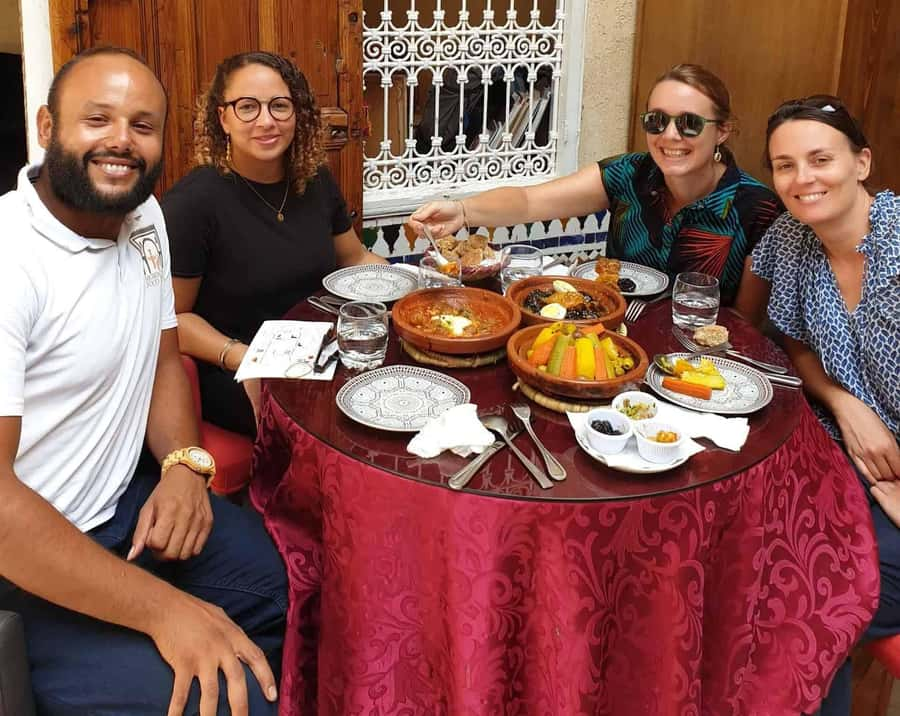
Rabat is a city where food feels tied to routine. People shop for the day, snack as they go, and sit down for lunch like it’s non-negotiable. This tour leans into that rhythm. You’re not just “sampling.” You’re moving through neighborhoods where the smells, sounds, and routines make the food story make sense.
The timing is also smart. At three hours, you get enough stops to taste a real range—without turning it into an all-day marathon. The walk is anchored in the Medina district, with narrow alleyways and traditional architecture that makes each turn feel like a mini reveal. And because you end near the Kasbah des Oudayas, the whole outing has a natural arc: eat, learn, then land in a scenic finish.
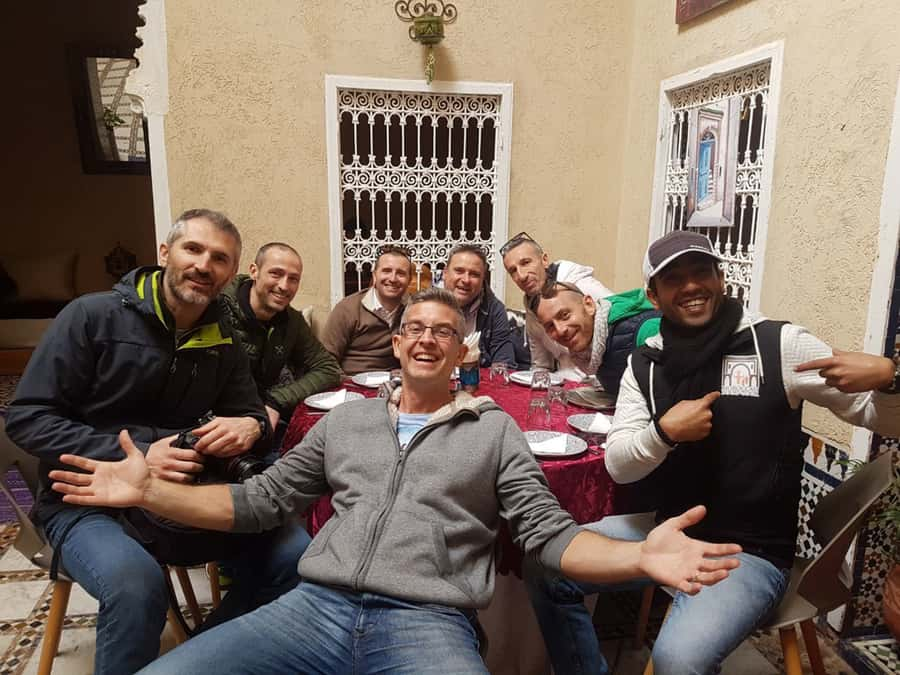
I also like the “ask questions” vibe. The tour is designed for interaction. If you’re the type who likes to understand why something is made a certain way (not just what it tastes like), you’ll get more out of it.
You can also read our reviews of more tours and experiences in Rabat.

From Gare Rabat Ville into the Medina’s Food Map
You meet at Gare Rabat Ville, on Ave Mohammed V, in front of the main door of the station. It’s a clear starting point, which matters when you’re visiting a new city. From there, you head into the Medina, where the tour shifts from “finding food” to “learning how people find food.”
In the Medina, you’ll notice how much daily life happens in the open. You’ll pass fresh-produce vendors, small-scale artisans, and regular market activity. The guide also builds in “how to look” moments—what to notice in ingredients, how street snacks are assembled, and what makes certain bites more worth your attention than others.
One practical plus: your route includes excellent photo opportunities. That doesn’t mean it’s a photo-only tour. It means your guide chooses angles and stops where the architecture and alley perspectives help you understand Rabat’s layout, not just document it.
And since the tour is English, you don’t have to play food translator. If something sounds odd (and some dishes are), you can ask right then and get the context immediately.
Six Tasting Stops: The Classics You’ll Actually Want to Remember
This tour isn’t shy about variety. With 6 tasting stops, you should expect a lineup that covers both sweet and savory, plus a range of Moroccan textures—from flaky pastry to spiced bites and seafood-forward items. The tour description explicitly calls out sardine, stuffed dates, and chabakia, and those names are a good clue to the direction.
Here’s what that usually means in practice:
- Sardine tastings give you a “Morocco basics” anchor. It’s one of those flavors people either love fast or remember forever, especially when it’s prepared with local spices and handled with care.
- Stuffed dates bring you into the sweet-salty world. Dates are a staple here for a reason: they’re naturally sweet, easy to shape into snacks, and they show up everywhere from market tables to celebratory platters.
- Chabakia is the kind of pastry people talk about for a reason. It’s often associated with Moroccan tradition and seasonal habits, so it’s not just dessert—it’s food with a cultural job.
Beyond the named staples, guides tend to steer you toward items you’d struggle to order on your own. Some tastings you might encounter include things like smoothies from local juice-style counters, assorted pastries from small shops, and other street bites that feel “market-made,” not tourist-made.
The biggest value of the tastings isn’t only flavor. It’s that your guide explains what you’re eating and why it’s typical in Rabat. You start learning patterns: how meals are built, how snacks fit between shopping and errands, and which ingredients show up again and again.
If you’re worried about being overwhelmed: the tour is designed around bite-size tastings, not huge plates at every stop. Still, it adds up.
The Full Meal in the Medina: Where the Tour Turns from Snacks to Real Lunch
After the street stops, the outing includes a full meal. This is the part that turns the tour from “tasty walk” into “proper experience.”
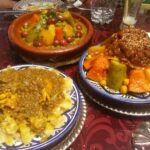
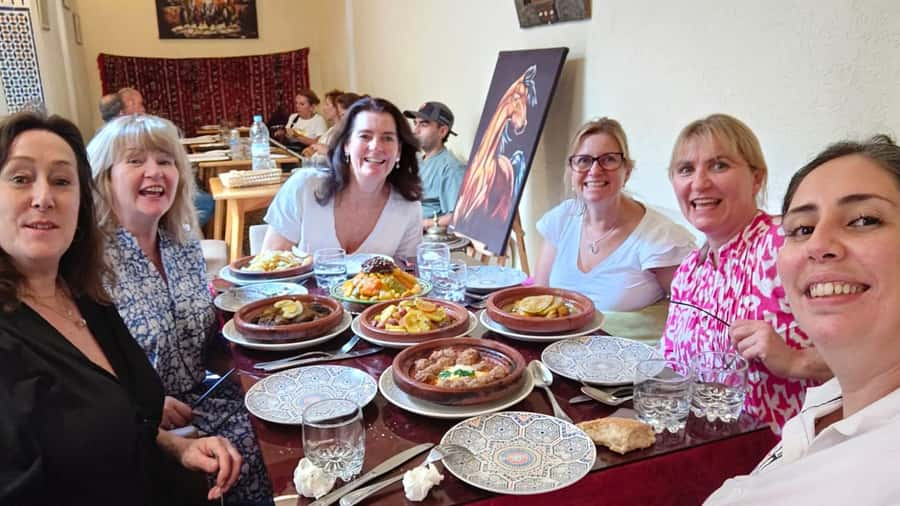
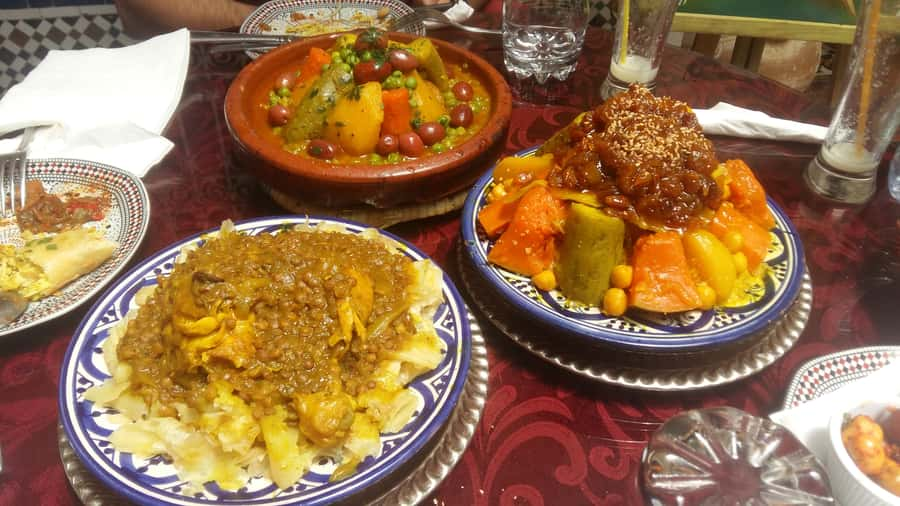
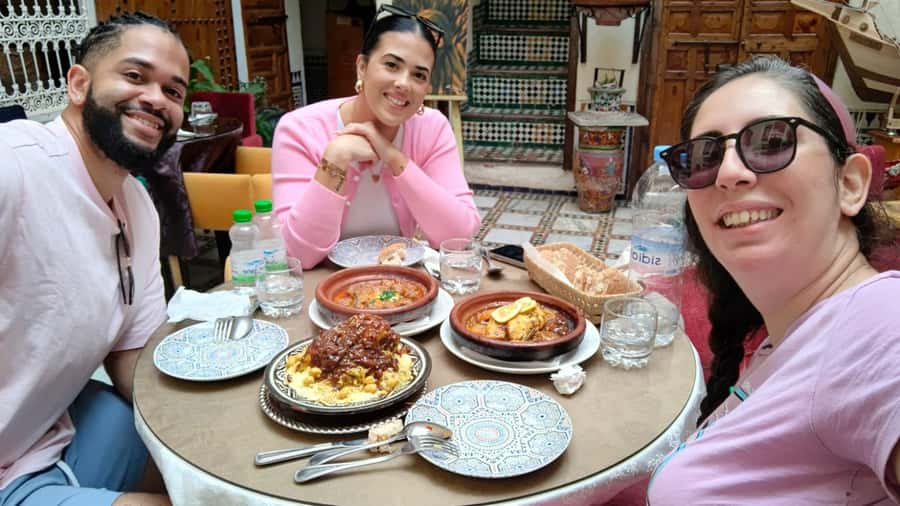
In past tours, the meal has been described as traditional spreads and salads first, followed by main dishes like tagine and couscous. One highlight people mention is getting more than one tagine dish at lunch, plus the comfort of couscous as a base that ties the flavors together. There are also hints of how local dining settings feel—simple, local, and food-first.
You may even see touches like community-oven style traditions referenced during the tour flow. Even when you don’t get every behind-the-scenes detail, the guide uses the meal setting to connect food to the way people live here: ingredients, cooking methods, and table culture.
One tip: treat this meal as part of the tour, not a separate “lunch break.” If you’ve already been eating tastings back-to-back, you’ll want to pace yourself for the main course. If you try to power through everything like it’s a food challenge, you’ll regret it at the end of the walk.
Also, this matters for your planning. A full meal means you probably won’t need dinner afterward—unless you love mint tea desserts that much (and in Morocco, that’s a real risk).
Pictures, Alleys, and a Scenic Finish at Kasbah des Oudayas
The tour ends at Kasbah des Oudayas. That finish point is a gift for two reasons: it gives your food experience a visual landing, and it places you near a spot that’s easy to remember once you’re done eating and learning.
As you move through the Medina, you’ll get those “pause for a photo” moments—views from certain alley openings and the kind of architectural texture that makes Rabat feel distinct. The route is designed to keep you in the Medinas’ real corridors rather than skipping straight to a restaurant and calling it a day.
Why I like the ending: you’re not just walking away from the last bite. You’re walking toward an actual place. So when your brain is full of dates and sardines and pastry names, you still end with a sense of geography—where you are, what area you just explored, and how it all connects.
And if you’re the type who uses a walking tour as your orientation tool, this finish can help you plan the rest of your day. You’ll know what direction to head, and you’ll have a better feel for how Rabat is layered.
Diets, Allergies, and the Real Talk About Portion Size
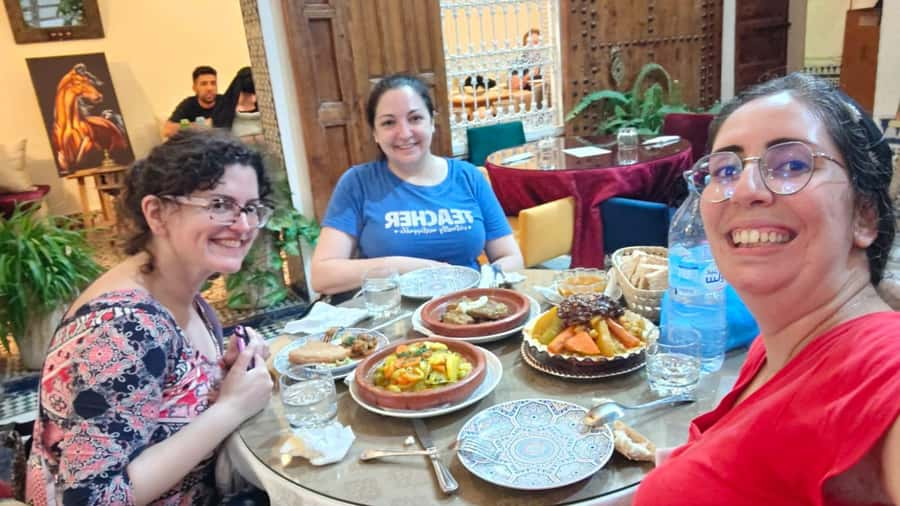
Good news first: the tour is designed to accommodate dietary restrictions, including vegetarian, gluten-free, and lactose-free, as long as you tell the team your needs ahead of time. The point here isn’t just “we can try.” It’s that the tour is set up to adjust. So if you want to eat safely and still participate fully, this is the kind of tour to choose.
The other real talk is portions. People often say there’s a lot of food. Even with tastings, the combination of 6 stops plus a full meal adds up fast. One person even mentioned that quantities could be smaller to reduce waste and overeating. So I’d treat this tour like a “lunch event,” not like a casual snack crawl.
Practical move: come hungry, then eat at a comfortable pace. If you start feeling stuffed midway, slow down at the next stop. You’re not there to prove willpower. You’re there to taste, learn, and enjoy.
Also wear comfy shoes. You’ll be on your feet through the Medina streets, and you’ll want stability. This is not the tour for “pretty but painful” footwear.
Price and Value: Is $72 a Fair Deal for Food and a Guide?
At $72 per person for about 3 hours, this sits in the “not cheap, but not random tourist markup” category—especially because the tour includes 6 tasting stops and a full meal, plus a live English guide.
Here’s what drives the value:
- You’re paying for a guided route through the Medinas, where you’d likely miss things if you only wandered.
- You’re paying for interpretation: what you’re eating and the culture behind it.
- You’re paying for the meal, which makes the experience feel substantial rather than snack-only.
Where it can feel pricey: if you’re the type who dislikes eating lots of small items, or if you’re only looking for a light taste without a full meal. Then the price per hour might feel high.
But if you want a guided, food-focused Rabat experience that replaces an entire meal day plan, it’s easier to justify. You’re basically buying access to a planned food circuit plus a restaurant component that would cost you money anyway—just without the context and route guidance.
Who This Tour Suits Best (And Who Should Skip It)
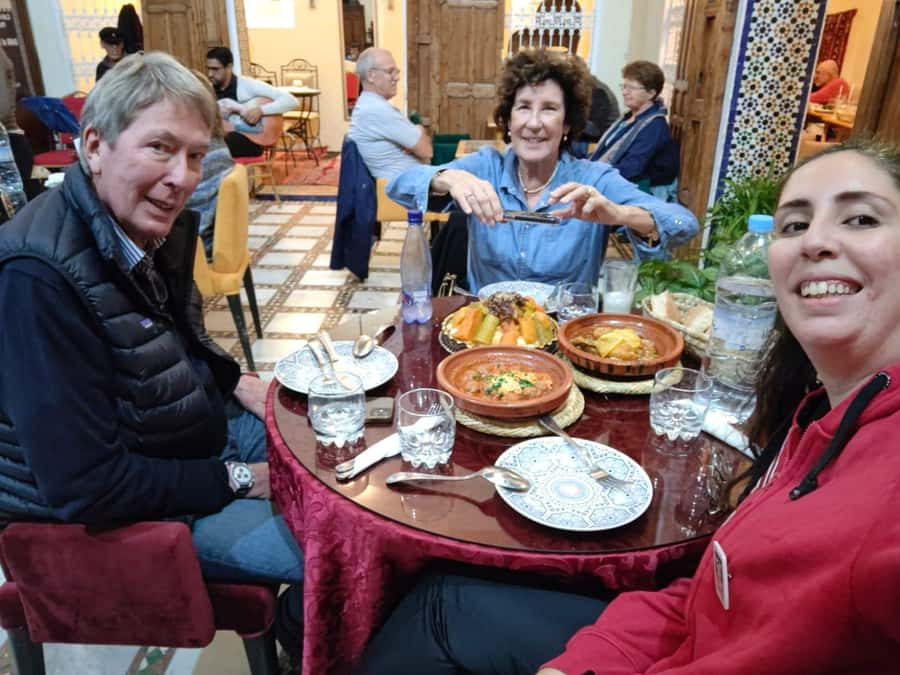
This tour is a strong match if you:
- want a guided food route through Rabat’s Medina, not just random eating
- like learning the story behind what you’re tasting
- have dietary restrictions and want a structured way to adjust your food
It’s also ideal if you’re traveling with a range of ages. One family described doing the tour with both a child and a teen and still having a great time with the conversations and food pace. That suggests the tour isn’t only for adults who want a late-night food binge.
You might reconsider if you:
- don’t want a heavy food day
- hate walking or get uncomfortable in narrow alley settings
- expect a short-and-sweet tasting with minimal volume
Should You Book the Rabat Walking Food Tour?
I think you should book this tour if you’re after an honest Rabat experience where food is the main language. The structure makes sense: Medina streets, real market life, 6 tastings, and then a full meal that turns the afternoon from “sampling” into “eating like you belong.”
The decision comes down to one thing: your appetite and your pace. If you come with a good attitude toward lots of food, you’ll likely leave impressed and stuffed in the best way. If you’re trying to keep it light, look at how other options might fit better—because this one is built for eating.
FAQ
How long is the Rabat Walking Food Tour?
The tour lasts 3 hours.
Where do I meet, and where does the tour end?
You meet at Gare Rabat Ville, Ave Mohammed V, in front of the main door of the station. The tour finishes at Kasbah des Oudayas.
What’s included in the ticket price?
The tour includes 6 tasting stops, a full meal, and a tour guide.
Does the tour accommodate dietary restrictions?
Yes. The tour is designed to accommodate dietary restrictions such as vegetarian, gluten-free, and lactose free. Let the team know your preferences.
Is transportation included?
No. Transportation is not included, so plan to get yourself to the meeting point and expect walking during the tour.
What should I do before the tour starts?
Come on an empty stomach so you can fully enjoy the tastings and the meal.