REVIEW · SINGAPORE
UNESCO Hawker Culture: Chinatown Food Tasting Tour
Book on Viator →Operated by LC Travel Planners · Bookable on Viator
Hawker food meets temple streets. This 3-hour Chinatown experience pairs up to 10 tastings with landmark stops like Sri Mariamman Temple and the Buddha Tooth Relic Temple, all while showing you Singapore’s mix of Malay, Indian, and Chinese food. I love the small group pace and how the guide turns what you eat into a clear story you can remember.
One possible drawback: it’s an active walk (alley time plus hawker-court time), so you’ll want comfy shoes and a calm attitude about crowds.
If you want Singapore without doing math on where to eat and what to order, this is a smart way to get full fast and learn even faster.
In This Review
- Key things I’d plan around
- Why this Chinatown hawker tour works in 3 hours
- Start at Bee Cheng Hiang, then Sri Mariamman Temple sets the tone
- Ann Siang Hill Park and the shophouse lesson
- Maxwell Food Centre: the hawker-court that anchors the tasting
- Buddha Tooth Relic Temple: a temple stop that adds context
- Chinatown Complex and Smith Street: shophouses, tiles, and murals
- What you’ll actually eat and drink (and why the guide matters)
- Price and value: what $88.81 buys you
- Small group size and pacing: good for families and first-timers
- When you might want to reconsider
- Tips to get the most from your Chinatown hawker tasting
- Should you book this UNESCO Hawker Culture: Chinatown Food Tasting Tour?
- FAQ
- What’s included in the tour price?
- How many dishes and drinks will I sample?
- How long is the experience?
- Where do I meet and where does the tour end?
- Is the tour a small group?
- Can I cancel for a full refund?
Key things I’d plan around
- UNESCO hawker culture, made practical with a licensed local guide who helps you navigate what to order
- 9–10 hand-picked dishes and drinks at famous hawker centres, including Michelin Bid Gourmand Award dishes
- Temple-and-shophouse stops that explain why the food scene looks the way it does
- Smith Street murals by Yip Yew Chong plus a traditional coffeehouse break
- Maximum 10 participants for better pacing and easier table turns
- Guide-led photo moments tied to Chinatown architecture and pop-culture Singapore scenes
Why this Chinatown hawker tour works in 3 hours
Singapore hawker centres are famous for a reason. They’re affordable, fast, and full of flavor. The problem is simple: with hundreds of options, even a good-intentioned foodie can freeze and waste time deciding.
This tour fixes that. You get a guided route through Chinatown and nearby areas, with just enough structure to keep you moving and eating without feeling rushed. You’re sampling “hand-picked” dishes and drinks—up to 10 total—so you can taste more than you’d realistically order on your own.
I also like that it treats hawker food as culture, not just snacks. You’re not only trying chicken rice or other classics. You’re also getting context for the neighborhood: temples, shophouses, and the immigrant-era design that shaped what people ate and where they gathered.
And yes, there’s a little extra fun factor. The walk includes spots that map well to scenes people associate with Crazy Rich Asians, plus time for murals and architecture photos. That matters because you don’t just eat—you look around and understand what you’re seeing.
You can also read our reviews of more food & drink experiences in Singapore

Start at Bee Cheng Hiang, then Sri Mariamman Temple sets the tone
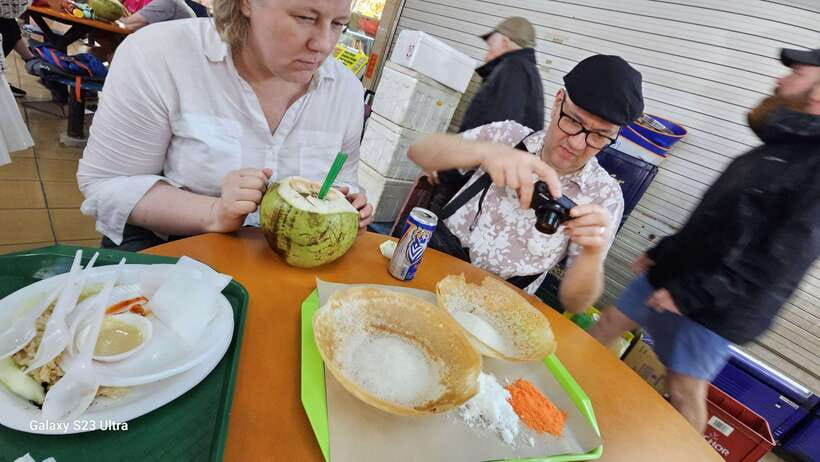
The tour begins at Bee Cheng Hiang 美珍香 at 69 Pagoda Street. It’s a straightforward meeting point: you can orient quickly, and it’s close to public transportation.
From there, the first stop is Sri Mariamman Temple, founded in 1827 by Naraina Pillai, a prominent figure in Singapore’s Indian community. It’s also recognized as a National Monument for architectural and historical significance.
This stop is short—about 10 minutes—but it gives you a grounding. The food you’re about to eat doesn’t come from nowhere. Singapore’s hawker culture grew out of communities living side by side, and temples are one of the most visible ways that history still shows up in daily life.
Practical tip: take a minute before the food part kicks in to look up and around. The temple is where your guide’s “why this neighborhood looks like this” explanation starts making sense.
Ann Siang Hill Park and the shophouse lesson
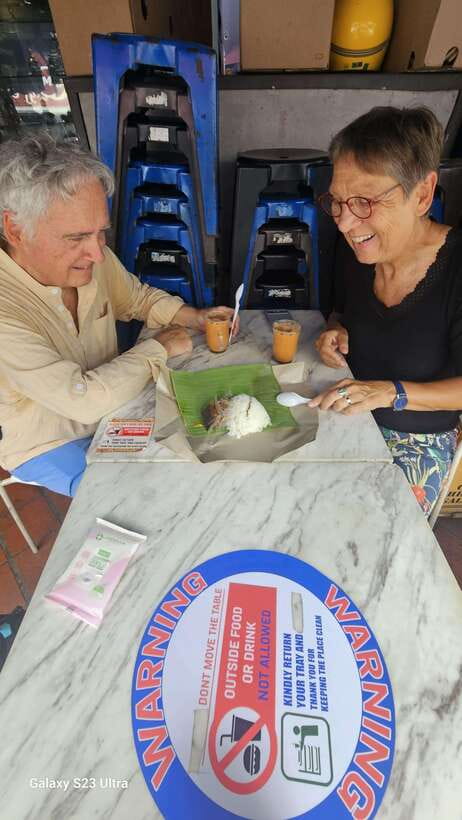
Next you’ll head toward Ann Siang Hill Park, where the story turns toward Chinese immigrant history. This area was once a busy business centre for Chinese immigrants, and the tour includes time to appreciate the architectural charm that remains—especially restored ethnic shophouses.
This is the kind of stop that can sound boring on paper. It’s not. Shophouses in Singapore are practical buildings—shop on the ground floor, living above, all designed for tight city space. When you see them while someone explains the immigrant-era background, the food scene feels less random. You start to understand how communities shaped streets, markets, and kitchens.
The time here is about 15 minutes, so it’s not meant to replace a full architecture day. It’s a quick set-up so your later hawker tastings feel connected.
Maxwell Food Centre: the hawker-court that anchors the tasting
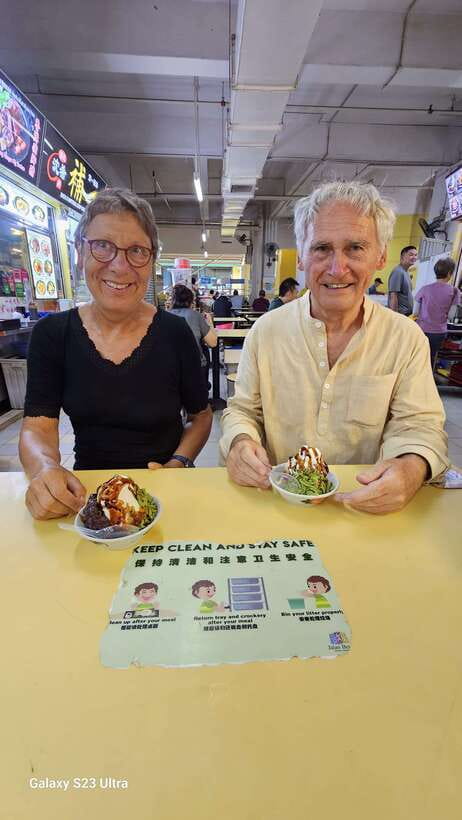
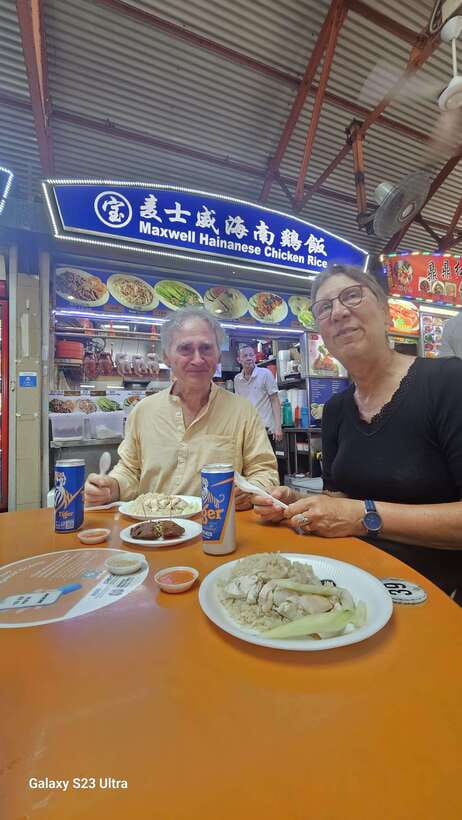
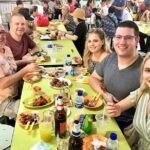
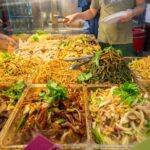
Maxwell Food Centre is where the tour really turns into food time. You get around 35 minutes here, and it’s built for exactly what hawker centres do best: lots of stalls, lots of regulars, lots of people eating right now.
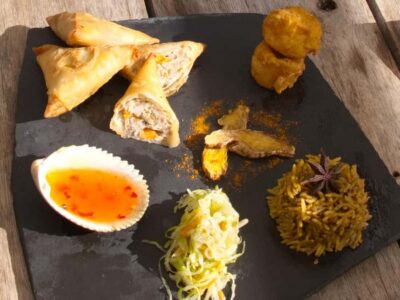
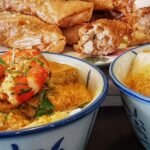
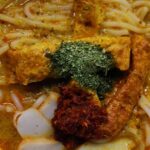
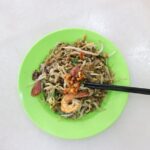
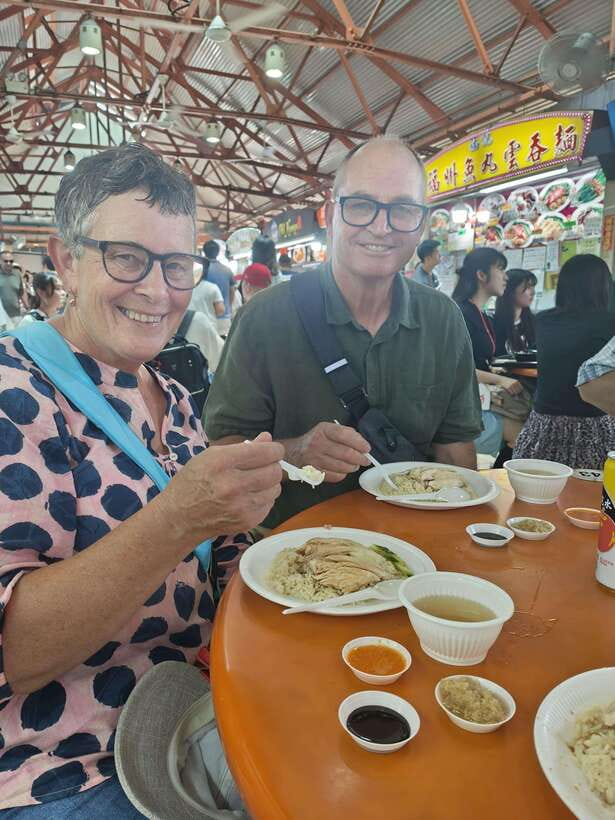
The dishes mentioned in the tour notes include Singapore’s famous chicken rice and Fuzhou pancakes, plus other hawker food. This is also where you’re likely to get some of the dishes that help you realize what hawker dining does better than restaurants: speed, consistency, and variety without the menu overload.
Chicken rice is the star in many Singapore food plans, and for good reason. It’s iconic, but it can still be confusing for first-timers. Having a guide helps you avoid the common problem: ordering something you think sounds right and missing what makes the local version different.
In addition, the tour is designed around the idea that you’ll sample 9–10 dishes and drinks across the whole experience. That changes how Maxwell feels. It’s not one long sit-down meal. It’s one major tasting stop that sets your palate up for the rest of Chinatown.
Practical tip: hawker portions are filling. If you reach the coffeehouse stop later and you feel too full, it’s still okay to slow down. The tour pacing is built around tasting, not racing.
Buddha Tooth Relic Temple: a temple stop that adds context
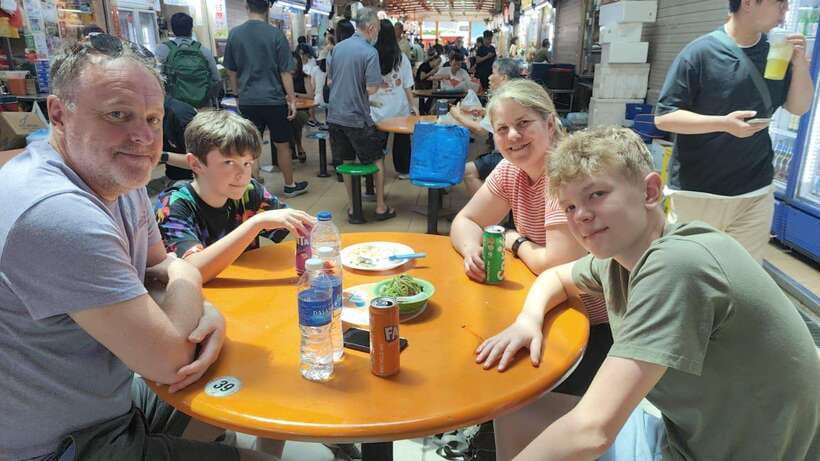
After Maxwell, you move to the Buddha Tooth Relic Temple and Museum. The tour describes it as a Tang-styled Chinese Buddhist temple with richly designed interiors and museum exhibits on Buddhist art and history.
You get about 10 minutes here. That short time means you won’t see everything at a museum-level depth. But it still does something important: it shifts the day from food-only to a broader cultural lens.
Temples like this also help explain why you can’t separate Chinatown’s street food from the neighborhood’s spiritual and community spaces. Food sellers, shoppers, and worshippers all use the same city geography. The more you connect those dots, the more the hawker culture theme clicks.
A few more Singapore tours and experiences worth a look
Chinatown Complex and Smith Street: shophouses, tiles, and murals
The next blocks lean into architecture and photo-worthy details.
You’ll spend about 20 minutes in Chinatown, including time at Chinatown Complex, described as a repository of unique architectural heritage. It highlights shophouses with Chinese-style tile ornaments and motifs, and it notes that street hawkers used to ply their trade here.
That “used to” detail matters. Hawker culture in Singapore is evolving, but the spirit stays. You’re seeing how the city keeps food traditions close even as buildings change and markets modernize.
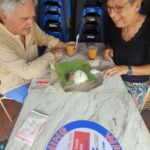
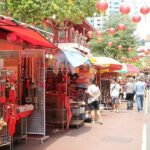
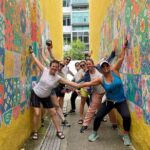
Then comes Smith Street (about 30 minutes). This is the alley-walk portion: ethnic picturesque shophouses, Instagrammable murals by local artist Yip Yew Chong, and a rest stop at a traditional coffeeshop.
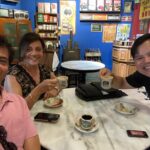
This is where I’d call the tour’s “Singapore nostalgia” moment. Hawker culture is food heritage, but the coffeehouse culture is part of the same everyday rhythm. The aroma and the slow pause matter, especially after you’ve been eating for hours.
Practical tip: the murals are great for photos, but don’t stand in the middle of the walkway. Side-step. Let people pass. You’ll get better photos and keep the group moving.
What you’ll actually eat and drink (and why the guide matters)
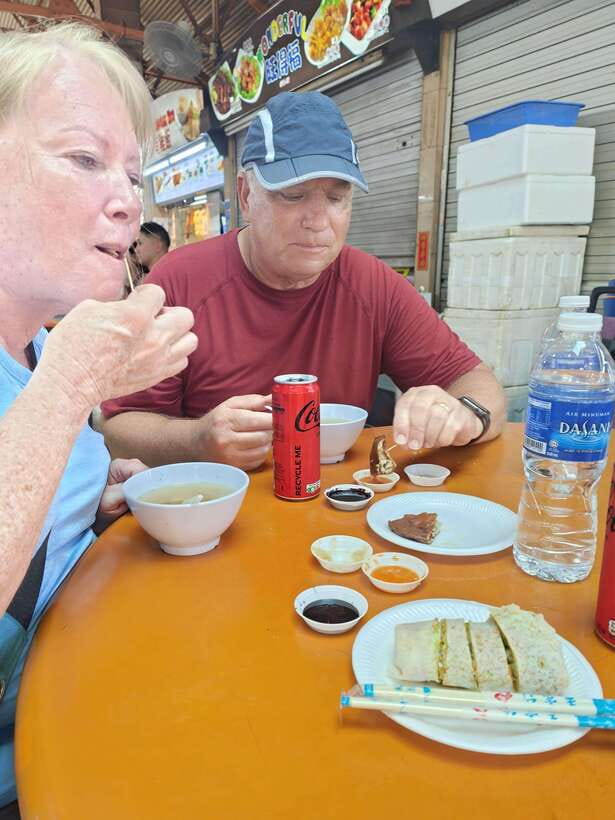
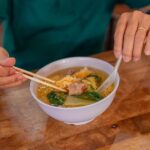
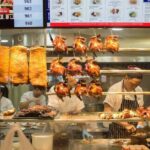
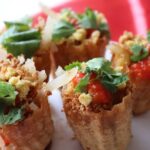
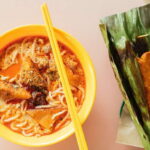
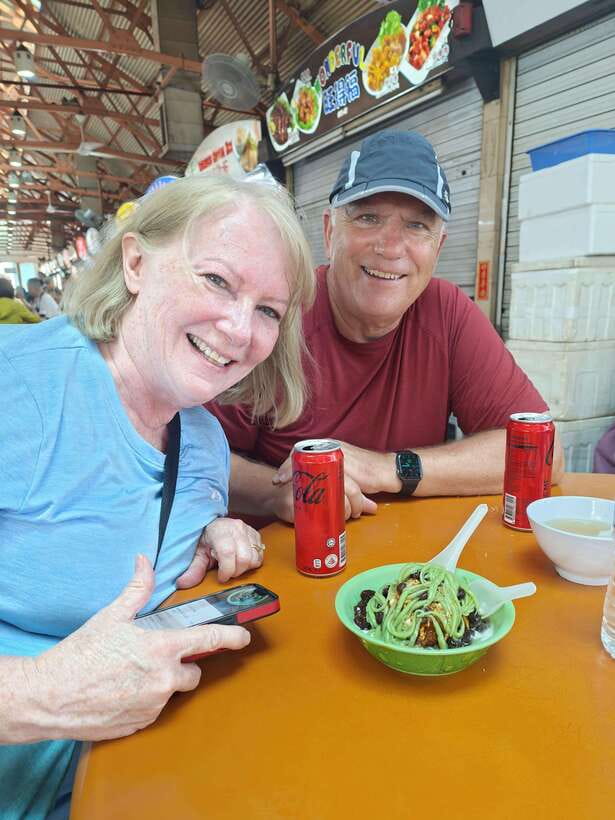
The tour is built around tasting up to 10 hand-picked dishes and drinks at hawker centres. It also mentions that some stops may include vendors recognized by Michelin, and it specifically references Michelin Bid Gourmand Award dishes in the overview.
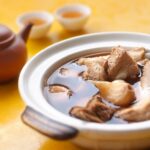
That means you’re not stuck with only one “famous dish” per stop. The tour is meant to give variety—different flavors, different cooking styles, and enough sampling to feel like you experienced more than one side of Singapore street food.
The included items are also clear:
- 1 bottle of mineral water
- about 9–10 hand-picked food and drink tastings
- 3 hours with a licensed local guide
And you’re not expected to do the planning yourself. The guide handles which stall to try, what to order, and when to move on. That’s the value people often don’t put a dollar figure on until they try a hawker centre without a plan.
From the guide names people mention, you can also expect strong communication. I’ve seen repeated praise for guides like Ron, Silvia, Kelvyn, Jeanette, Liang, Ronnie, Pauline, and Edwin. The common thread in their styles is simple: friendly, clear explanations and the kind of pace that keeps you eating instead of waiting too long.
One guide, Ron, also gets singled out for helping people ask questions about Singapore’s current state—economy, government, and the way history connects to daily life. That’s not always on a food tour menu, and it’s a nice bonus if you like context.
Price and value: what $88.81 buys you
At $88.81 per person for about 3 hours, the cost isn’t “cheap-eats-only.” It’s a guided cultural meal route. The math you should do is this:
You’re paying for:
- a 3-hour licensed local guide
- up to 10 tastings (not just one entrée)
- support navigating hawker courts (where queues and stall choices can be a headache)
Could you buy food yourself for less? Sure, if you already know exactly what you want and you don’t need help deciding across multiple cuisines. But first-timers often end up with a smaller variety—or they spend time walking around and waiting rather than tasting.
That’s why I think the pricing makes sense for many people: it turns Singapore’s famous street food scene into a guided sampling experience with less guesswork.
Also, there’s an option to upgrade to a private tour with more personal timing. If you want slower pacing, fewer pauses, or just a more flexible route, that upgrade can justify the whole plan.
Small group size and pacing: good for families and first-timers
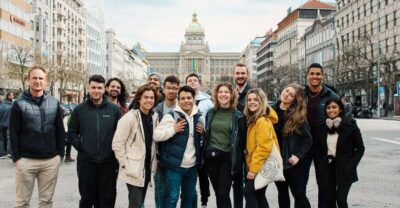
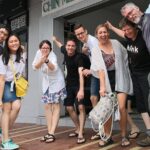
This tour has a maximum of 10 travelers, which changes the feel. In a big group, hawker counters can become chaotic. In a smaller group, the guide can manage spacing, and you can ask questions without feeling like you’re holding everyone up.
I also like that the tour notes say most people can participate. It’s built as a walking tour with museum/temple stops and hawker-centre time. If you’re a first-timer, you’ll appreciate having someone take you to the main places that define Chinatown.
Families are also mentioned in the feedback for this experience style—especially because you get structured stops and plenty to look at, not just food.
When you might want to reconsider
The biggest “maybe” is the walking and the crowd energy at hawker centres. If you’re expecting a slow, sit-down food-only afternoon, this won’t match that vibe.
Also, like any outdoor city walk, weather can affect how things feel. The tour notes mention that if any paid attraction is closed due to unforeseen circumstances, the operator may substitute with an alternative of similar value and no refunds or compensation for those changes. That’s normal in the tour world, but it’s worth knowing in advance.
If you’re the type who hates being on a set schedule, consider whether 3 hours with multiple stops is your ideal style. You can still enjoy it—but the day is guided.
Tips to get the most from your Chinatown hawker tasting
Here’s how to make this kind of tour feel like a win, not a food coma:
- Wear shoes you can walk comfortably in for a few hours. Smith Street and alley sections add up.
- Go in hungry, but not stressed. You’ll sample multiple dishes, so expect filling portions.
- Plan for a couple of “sit and reset” moments. The coffeehouse stop is meant to slow you down.
- Ask questions as you go. If your guide is the kind who answers bigger questions about Singapore—economy, government, and how the neighborhoods formed—you’ll get more out of the experience.
Should you book this UNESCO Hawker Culture: Chinatown Food Tasting Tour?
I’d book it if you want:
- a structured way to taste 9–10 dishes and drinks without menu guessing
- the mix of Chinatown architecture, temples, murals, and a coffeehouse break
- a small-group feel and a licensed local guide
I’d think twice if:
- you want a fully relaxed, low-walking afternoon
- you dislike crowds or don’t like sharing limited counter space with others
- you prefer to choose every dish yourself, without guidance
For most first-timers (and even repeat visitors who want a more guided food hit), this tour is a practical, high-value way to experience Singapore’s hawker culture where it matters—through the streets, the temples, and the bowls.
FAQ
What’s included in the tour price?
The price includes 1 bottle of mineral water, 9–10 hand-picked food and drinks at hawker centres, and 3 hours with a licensed local guide.
How many dishes and drinks will I sample?
You’ll taste up to 10 hand-picked dishes and drinks during the tour.
How long is the experience?
It runs about 3 hours (approx.).
Where do I meet and where does the tour end?
You start at Bee Cheng Hiang 美珍香, 69 Pagoda St, Singapore 059228. You end at Chinatown Complex, 335 Smith St, Singapore 050335, with Maxwell Station as the nearest MRT option.
Is the tour a small group?
Yes. The tour has a maximum of 10 travelers.
Can I cancel for a full refund?
Yes. Free cancellation is allowed up to 24 hours in advance for a full refund. If you cancel less than 24 hours before the start time, the amount paid won’t be refunded.