REVIEW · ZANZIBAR CITY
Zanzibar: The Swahili Spice Experience – Spice Tour + Culinary Journey
Book on GetYourGuide →Operated by Arnoldis Seafood Limited · Bookable on GetYourGuide
Spices hit you before you even taste them. This 3 to 4 hour Swahili Spice Experience pairs a guided farm visit with spice tastings and a high-rated Arnoldi’s on the Cliff culinary stop. I like the interactive way you learn, especially the guesswork by smell. I also love the food payoff at Arnoldi’s, where the sea view actually feels like part of the meal. One consideration: the farm can be hot, and the timing can stretch a bit depending on how slowly you take the tastings.
If you’re shopping for one Zanzibar activity that mixes culture, flavor, and a proper sit-down lunch, this is a strong option. You’ll tour a working spice farm, stop at a spice merchant, then move to Swahili cuisine with dessert and spiced coffee or tea included in the price.
In This Review
- Key points at a glance
- Zanzibar’s spice farm plus Swahili lunch, without the fluff
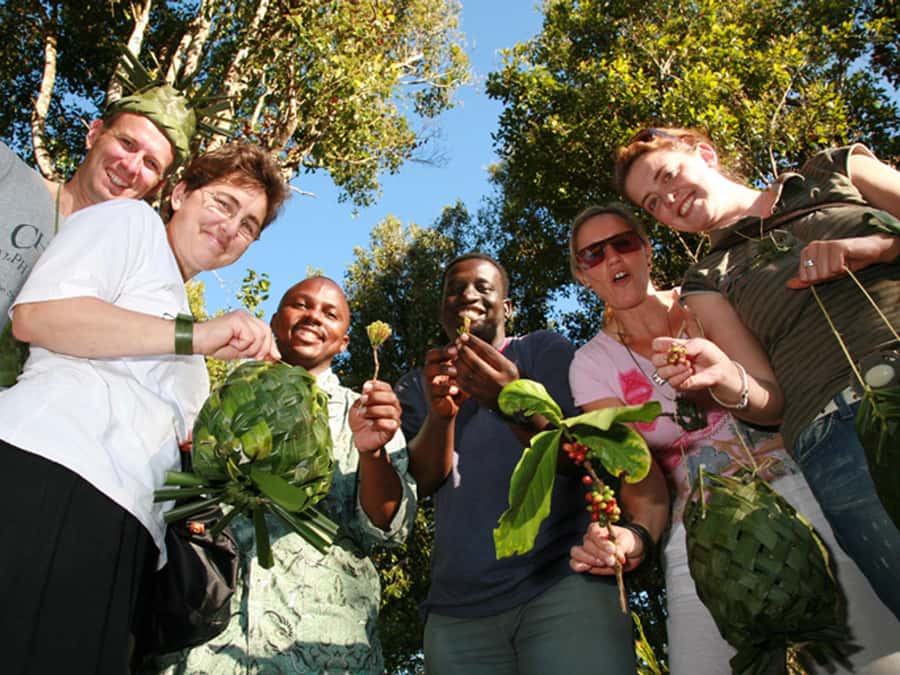
- The spice farm part: learning with your senses
- Heat and timing: what to plan for
- The spice merchant stop: where Zanzibar flavor turns into a souvenir
- Cash vs card
- Arnoldi’s on the Cliff: Swahili cuisine with oceanfront theater
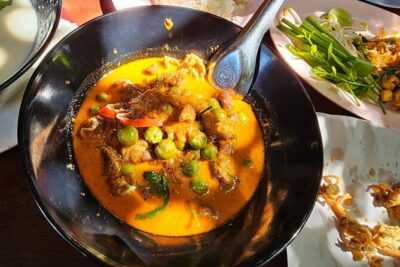
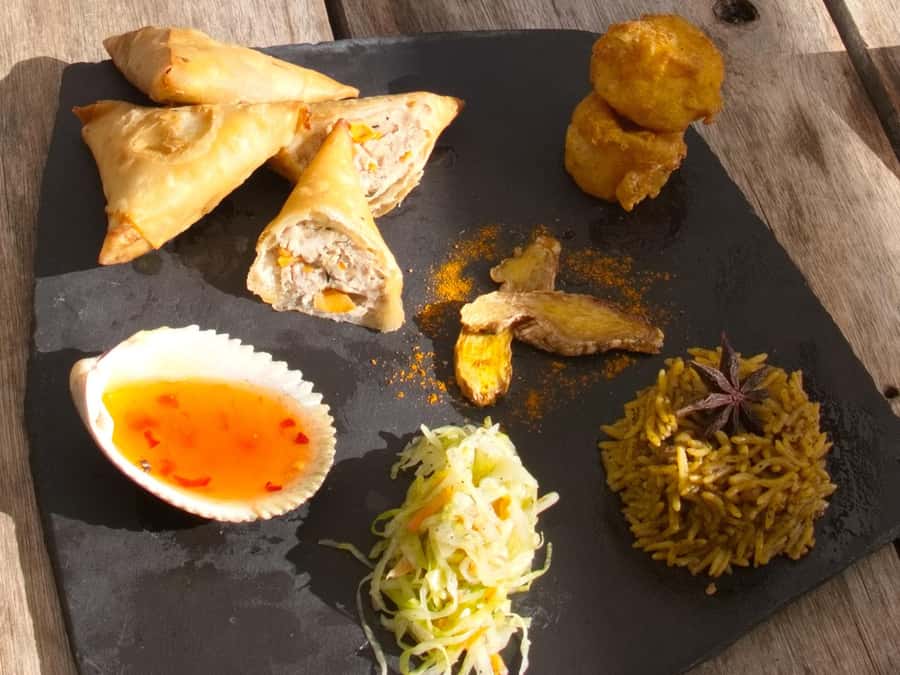
- What you’re actually eating
- Drinks: the included ones vs the splurge ones
- The guides make the tour feel personal
- Getting there: Stone Town transfers or self-drive
- Included transfers
- Optional pickup and a practical note
- Self-drive option (cheaper, but you do the driving)
- Vegetarian and vegan meals: included, not an afterthought
- Should you book the Swahili Spice Experience?
- FAQ
- How long is the Swahili Spice Experience?
- What does the $21 per person price include?
- Is lunch at Arnoldi’s on the Cliff included?
- Do they offer vegetarian or vegan options?
- Can I do this tour with a rental car?
- Where do you pick up and drop off?
- What languages are the guides?
- Is swimming possible during the tour?
Key points at a glance
- Guess spices by smell, then taste: the farm guide turns learning into a game, not a lecture
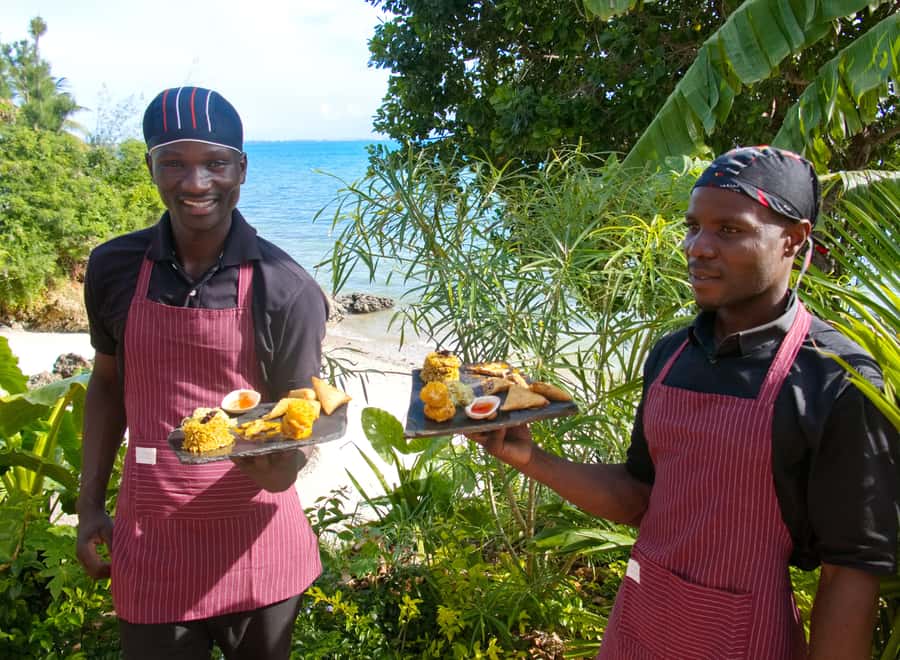
- Arnoldi’s on the Cliff earns the 5-star reputation: people rave about the food, service, and ocean setting
- Your Swahili-food lesson comes with explanations: chefs break down dishes so you know what you’re eating
- Great value for the full package: spice tour plus a real culinary journey for about $21 per person
- Vegetarian and vegan options are available: so you’re not stuck with plain sides
- Spices and souvenirs are part of the plan: you may find chances to buy directly from the merchant or stalls
Zanzibar’s spice farm plus Swahili lunch, without the fluff
This tour works because it does two things well. First, it makes the spice farm understandable. Second, it cashes in that knowledge with a Swahili meal that tastes like Zanzibar, not like a theme-park version of Zanzibar.
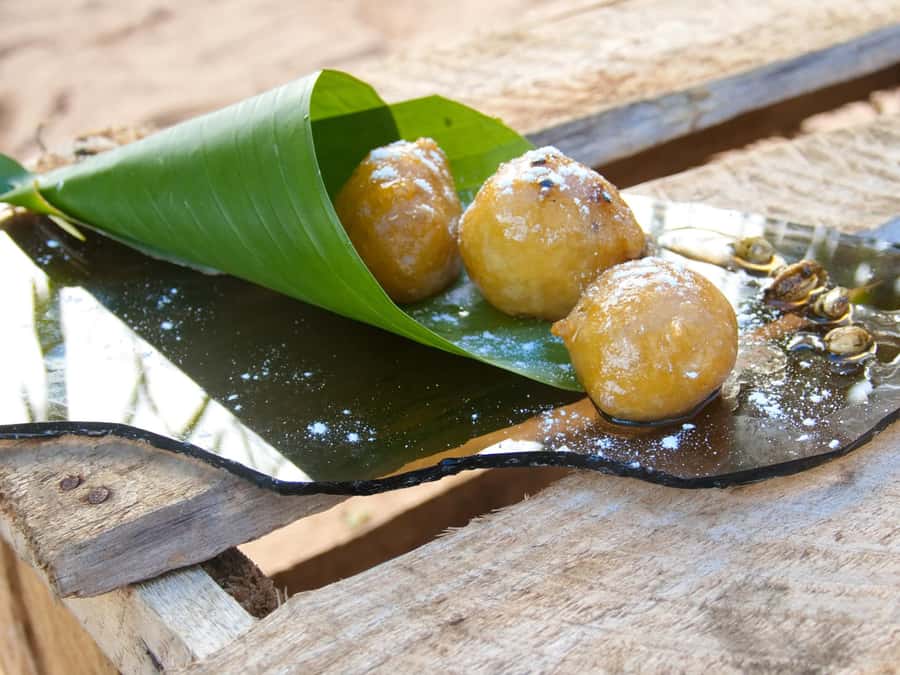
At Hill Kidichi spice farms, you walk through spice plants and learn what they are and what they’re used for. You’re not handed a list and sent on your way. You’re encouraged to identify what you’re seeing by smell, which is exactly how spices make sense in real life. Then you move from the farm to Arnoldi’s on the Cliff for a culinary journey through Swahili cuisine, including a main course, dessert (Zanzibar Kalimati), and spiced coffee and/or spiced tea.
The whole thing lasts about 3 to 4 hours. That’s long enough to feel like you did something, but short enough to still enjoy beaches later the same day.
The spice farm part: learning with your senses
The core of the experience is a guided farm tour, roughly an hour, focused on how spices grow and how they’re processed before sale.
Here’s what I think makes this farm stop genuinely useful:
- You get a guided walk, but the guide keeps it interactive.
- You taste and smell key spices commonly used in Zanzibar cooking and Swahili spice blends.
- You learn the process from plant to product, not just the final jar on a shelf.
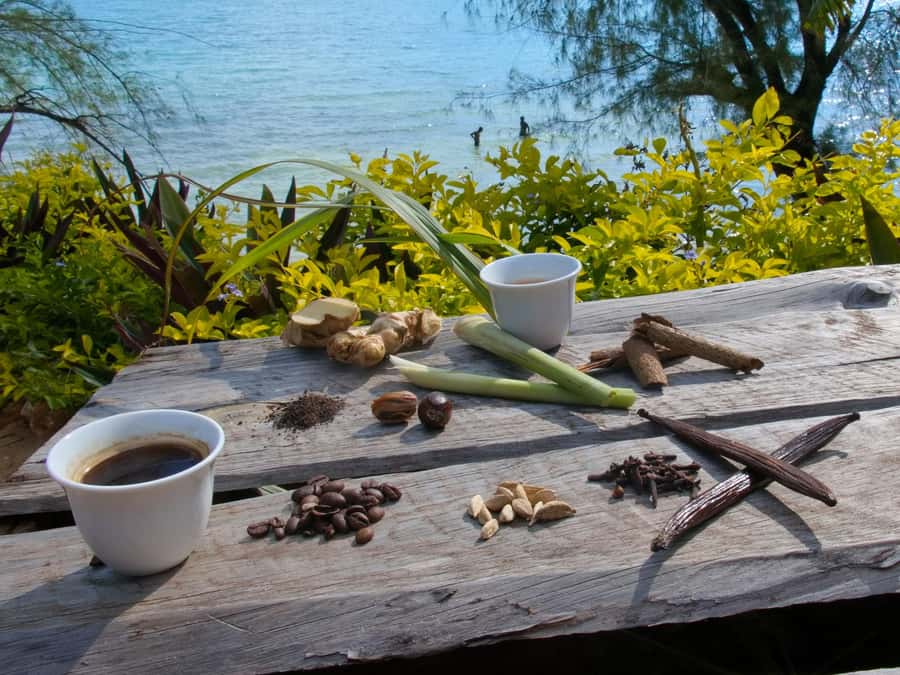
Spices you may encounter include pepper, cinnamon, vanilla, nutmeg, and more. The exact mix depends on what’s available on the farm, but the method stays the same: see, smell, guess, then confirm.
You’ll also likely feel the practical rhythm of Zanzibar farming. Farms here aren’t just backdrops. There’s a working logic to how spices are maintained, harvested, and prepared. That’s why the visit doesn’t feel like a museum.
Heat and timing: what to plan for
One thing to plan around is sun and heat. Several people mention that shade makes a noticeable difference, which means the tour is best if you come ready for warm weather. Bring sunscreen and a sun hat. Wear something breathable. Even if the farm tour is mostly under trees and in shaded areas, you’ll still spend time outdoors.
Also, a couple of people noted the day can run a bit longer than described. If you have a hard dinner reservation later, I’d give yourself some cushion.
The spice merchant stop: where Zanzibar flavor turns into a souvenir
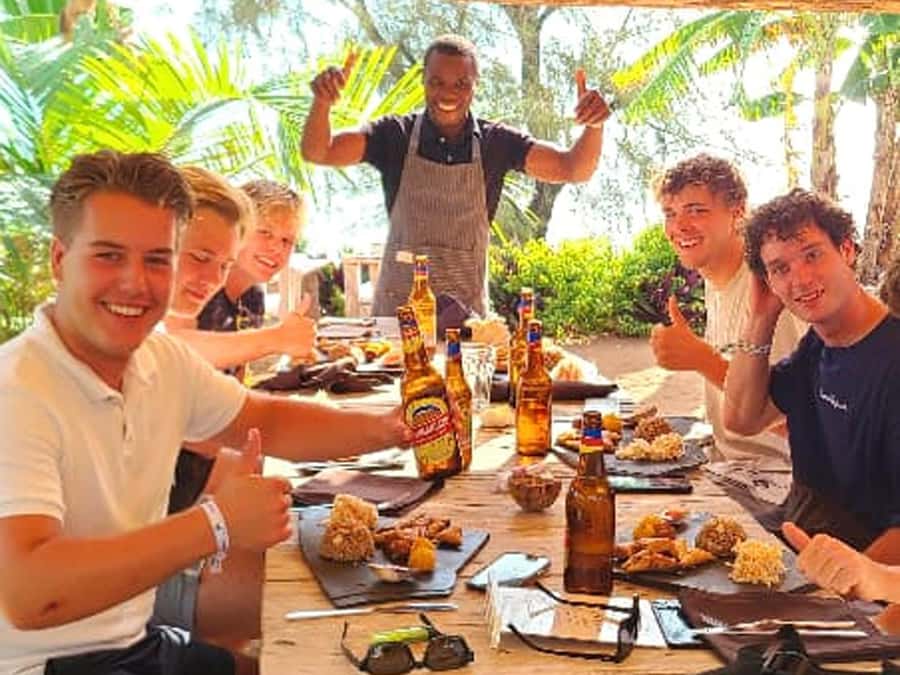
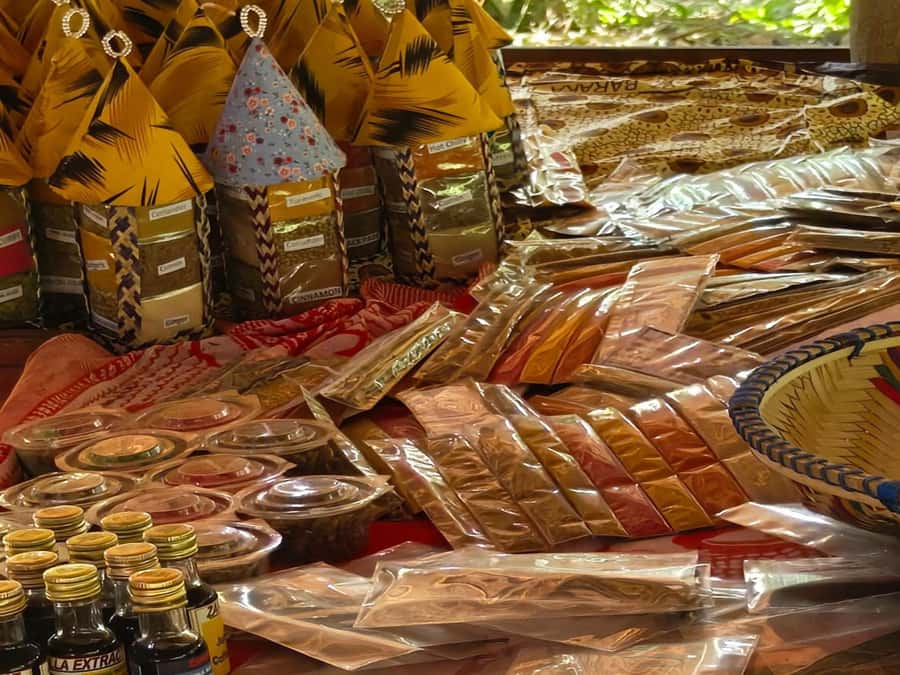
After the farm walk, you’ll head to a market-style stop to visit a spice merchant. This is where the tour becomes practical for your suitcase.
The idea is simple: learn what you smelled and saw, then buy it while it’s still fresh. Many people like this part because it avoids that awkward souvenir feeling. You’re not buying random trinkets. You’re buying ingredients with a story: what plant they came from, what they’re used for, and why they matter in Swahili cooking.
You can also expect the merchant experience to be part education, part sales, in a normal human way. And it helps that the guides are often friendly and engaging. In past bookings, Hassan (a spice merchant) gets mentioned by name, and that kind of consistent guidance makes the market stop less stressful.
Cash vs card
The information you’ll want to bring includes both cash and a credit card. Reviews also mention the value of having cash for purchases and tipping. In other words: don’t count on card-only transactions if you plan to buy spices.
Arnoldi’s on the Cliff: Swahili cuisine with oceanfront theater
Then comes the highlight for many people: Arnoldi’s on the Cliff Bar & Bites.
This isn’t just a meal stop. It’s a full culinary payoff with an ocean setting that changes the mood of the day. You’re eating near the Indian Ocean, and the setting is part of the experience, not just scenery.
What you’re actually eating
The tour includes:
- A main course (regional food / Swahili cuisine)
- Dessert: Zanzibar Kalimati
- Spiced coffee and/or spiced tea
People repeatedly call out the food quality and presentation. Common menu mentions from past bookings include sambusas and kalimati. You may also see multiple small dishes or courses, depending on what’s available and what the kitchen is serving that day.
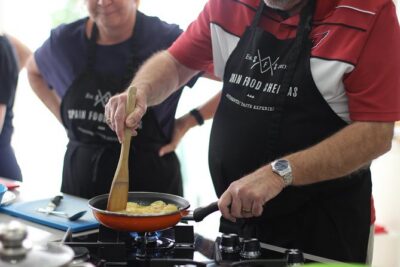
The chef’s explanations matter too. Several reviews mention that the chef explains dishes clearly, which makes the meal feel like another layer of learning rather than just “food arrived, enjoy.”
Drinks: the included ones vs the splurge ones
You get spiced coffee and/or spiced tea included in the price. That’s a nice way to tie the farm flavors to the meal without turning it into a bar tab.
But people also rave about cocktails at Arnoldi’s, including favorites like a standout frozen margarita, plus options such as the Baboon’s Fart. Those cocktails are not included, so if you want one, budget for it.
Also, one person mentioned a mojito made with fresh mint grown behind the bar. That’s the kind of detail you remember because it sounds small, but it affects the taste.
The guides make the tour feel personal

A big part of the warmth here is guide personality. This is the kind of tour where the wrong guide could turn it into a rushed checklist. The guides mentioned in bookings tend to be funny, engaging, and good at teaching without making it feel like homework.
Names that show up in past bookings include:
- Ramadan as a guide in one farm-day experience
- Amina as a farm guide who led interactive guessing
- Azizi with groups that included two 10-year-olds
- Ali and Sheha as drivers connected to smooth, friendly transport
- Luton as part of a team delivering a fun, structured day
And on the food side, Arnoldi and Leo show up in reviews with consistent praise for friendliness and service.
You don’t need to choose a tour based on guide names. But when you see repeated mentions like this, it’s a strong sign you’re more likely to get a tour that feels human.
Getting there: Stone Town transfers or self-drive
Transportation is handled two ways.
Included transfers
The standard option includes transfer from and back to Old Fort Stone Town. The schedule includes a van ride of about 75 minutes each way, so even though the day is only half-day, you will spend time on the road.
The upside: you avoid the navigation stress. Stone Town is busy, and Zanzibar roads take patience. If you want a low-effort day, take the transfer.
Optional pickup and a practical note
Pickup is optional for any accommodation on the island of Zanzibar. One practical note: because drivers can have difficulty accessing resorts, you may be asked to wait about 5 minutes before the pick-up time at the gate.
That’s common on Zanzibar. It’s not a drama. Just plan to be ready.
Self-drive option (cheaper, but you do the driving)
If you have a rental car and want more freedom, there’s a self-drive option. It’s described as affordable, but it does not include transfers. That means you’ll need to handle getting to the meeting point on your own.
One self-drive booking praised how clear the meeting-point instructions were and that a guide waited with a sign. Still, if you don’t like figuring out meeting points, transfers are the safer bet.
Vegetarian and vegan meals: included, not an afterthought
This tour offers vegetarian and vegan options. That matters because many spice-and-cuisine tours accidentally turn into “you can have sides” for non-meat eaters.
Here, the expectation is that the Swahili culinary journey includes an appropriate main course and dessert setup for your dietary preference. In practice, that should make the meal feel like part of the experience, not a compromise.
If you have strict allergies, you’ll still want to confirm with the operator in advance, but the option itself is clearly stated.
Should you book the Swahili Spice Experience?
I’d book it if:
- You want a true spice-farm learning experience with smell-and-taste interaction
- You care about the food, not just the sightseeing
- You like the idea of finishing at a sea-view restaurant like Arnoldi’s on the Cliff
- You want good value at around $21 per person for farm tour plus a full meal and dessert
- You’re traveling with a group where not everyone wants the same kind of beach time
I’d skip or reconsider if:
- You have limited patience for hot outdoor time
- You have a tight evening schedule and need guaranteed timing to the minute
- You only want a quick photo stop and no meal-based culinary journey
If you’re aiming for one half-day that feels distinctly Zanzibar, this is one of the more sensible bets.
FAQ

How long is the Swahili Spice Experience?
The duration is about 3 to 4 hours.
What does the $21 per person price include?
It includes the spice farm tour with a professional guide, a spice merchant visit, a culinary journey through Swahili cuisine with a main course and dessert, spiced coffee and/or spiced tea, and water during the spice tour. Transfers from and to Old Fort Stone Town are also included for the standard option.
Is lunch at Arnoldi’s on the Cliff included?
Yes. You’ll have a lunch-style main course and then later coffee/tea and dessert at Arnoldi’s on the Cliff Bar & Bites.
Do they offer vegetarian or vegan options?
Yes, the tour is available with vegetarian and vegan options.
Can I do this tour with a rental car?
Yes. There is a self-drive option, and it does not include transfers. You would handle reaching the meeting point on your own.
Where do you pick up and drop off?
The included transfer is from and back to Old Fort Stone Town. Pickup can be optional from accommodations on Zanzibar, and drop-off includes Old Fort (with two drop-off locations mentioned).
What languages are the guides?
The tour guide is listed as available in English and Swahili.
Is swimming possible during the tour?
There’s an option to swim in the Indian Ocean at the end of the experience if you want to. Bring swimwear if you might do it.