REVIEW · LIMA
Lima Just For Foodies
Book on Viator →Operated by Lima Tasty Tours · Bookable on Viator
Lima’s best street eats start indoors. This 3-hour Lima food tour in Barranco takes you to one of Peru’s standout indoor food markets and serves it with context from your guide, including Arturo, who connects food to daily life. I love the small group size (max six), and I love that the menu goes beyond basics with bites like Amazonian fried rice and slow-cooked pork.
The main thing to consider is that this isn’t built for plant-based eaters. It includes many non-vegetarian samples, and it’s explicitly not recommended for vegetarians and vegans—so go in with the right expectations and plan around your comfort level.
In This Review
- Key things to know before you go
- Price and logistics: what $69 buys you in real food time
- Barranco morning walk with a small group of six
- The indoor food market: where Lima eats like a local
- Signature bites you’ll actually want to remember
- Amazonian fried rice
- Slow-cooked pork
- Street snack rhythm: salsa, chips, soup, fruit
- Banana-leaf and local fruit surprises
- What the guide adds: Arturo’s role in making food make sense
- Timing and pace: how to handle 3 hours without getting stuffed or bored
- Who this Lima food tour fits best
- Value check: is it worth $69?
- Should you book Lima Just For Foodies in Barranco?
- FAQ
- What’s included in the tour?
- How long is the Lima food tour?
- Where do I meet the group?
- What time does the tour start?
- How many people are in the group?
- Is this tour suitable for vegetarians or vegans?
- What if I have allergies or food restrictions?
Key things to know before you go
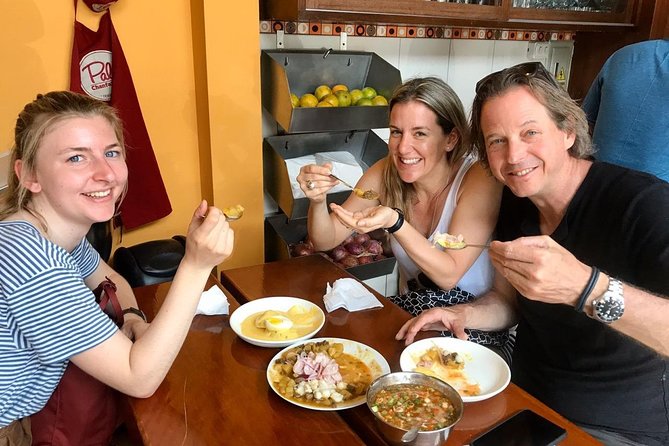
- Max six people keeps the pace relaxed and questions actually get answered
- Brunch-style tastings are included (but alcohol is not)
- Expect Lima street-food flavors shown through market stalls you might miss alone
- You’ll walk in Barranco, not just “touristy” checkpoints
- The food mix can include non-veg dishes, so it’s best for flexible eaters
- Arturo-style storytelling adds meaning to what you’re eating and where it comes from
Price and logistics: what $69 buys you in real food time
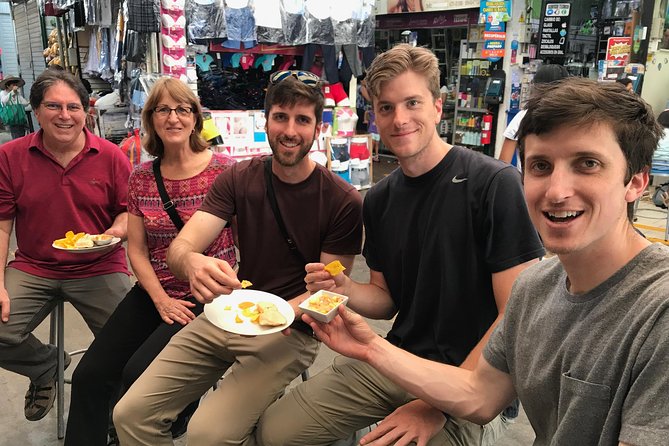
At $69 per person for about 3 hours, this is priced like a focused tasting—one that replaces the guesswork of “where do I actually eat?” with a planned route and multiple samples. Because food is included and it’s a small group, you’re paying for three things you’d struggle to replicate on your own: local guidance, access to a reliable market rhythm, and enough variety to understand Peru’s everyday flavor logic.
One practical note: this tour starts at 9:00 am at Biblioteca Municipal / Parque Municipal, Barranco 15063, and ends back there. That matters because the experience is designed around a morning schedule—cooler temps, active vendors, and a market that feels alive rather than winding down.
Also, you’ll want to confirm what meeting experience applies to you. One review mentioned hotel pickup happening for some people, while another person met only at the voucher meeting point and had to walk to it. The tour clearly uses a stated meeting location, so don’t assume pickup will match every plan—check your confirmation details.
You can also read our reviews of more tours and experiences in Lima.


Barranco morning walk with a small group of six
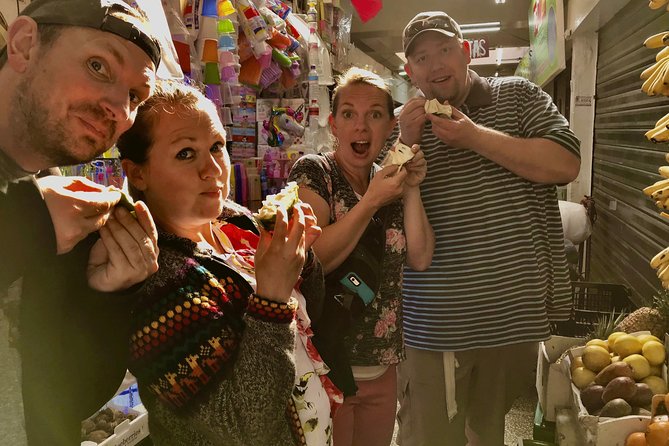
Barranco is a good choice for a food tour because it’s a neighborhood where walking makes sense. Instead of rushing between random spots, you get the chance to see how locals move through the area—what’s for sale, what’s popular, and what feels normal for morning.
The small group size (max six) changes the whole vibe. You can stop, ask questions, and still keep momentum. In a larger group, you often spend half the tour waiting. Here, the expectation is that the guide can keep the pace and attention on the food.
A strong point from the reviews: the guide, Arturo, was described as personable, funny, and attentive—showing up as a real person, not a voice-over. That kind of guide matters because markets are sensory and confusing. When someone can translate what you’re seeing—fruits, sauces, cooking styles, and how dishes are built—you get more than a list of foods. You learn how to order and what to look for next time.
The indoor food market: where Lima eats like a local
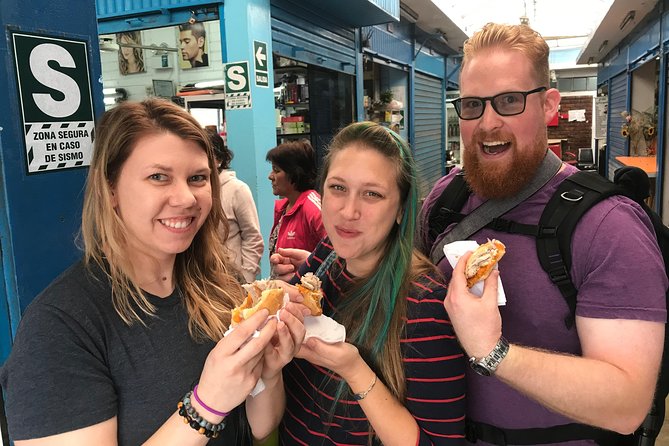
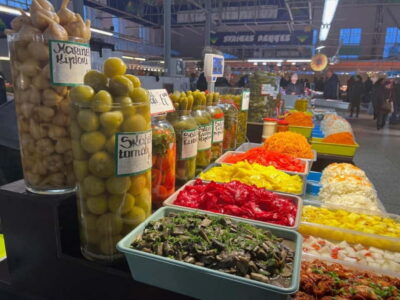
This tour’s heart is an indoor market that locals treat like an everyday stop. That’s a big deal in Lima, because indoor markets let you experience a wide range of vendors without the constant “where do I stand safely?” problem that can happen on street-food-only routes.
Here’s what this style of market visit does for you:
- It explains how Peru’s flavors work on a daily scale, not just for tourists.
- It gives you a controlled way to try multiple things in a short window.
- It helps you notice patterns—what shows up with what, what sauces are used, and how dishes balance salt, acidity, and heat.
From the tastings described, you can expect a mix of fruits and vegetables, plus snack-style bites that act like “flavor primers” before the heartier dishes. One example from the review set: plantain chips with salsa, soup, and coffee. You also might see items presented in banana leaves, along with chocolate and local fruit pieces. Even if you’re not sure what everything is called, you’ll usually understand what you’re tasting: crunchy, savory, sweet, creamy, or spiced.
The point isn’t to hit one “famous” plate. It’s to show you the menu logic of Lima—what people grab, how they build a meal, and how ingredients travel from market to plate.
Signature bites you’ll actually want to remember
This tour isn’t built around one dish. It’s built around variety. The provided highlights and the food list from feedback give you a pretty clear picture of the types of tastes you’ll run into.
Amazonian fried rice
One of the standout examples is Amazonian fried rice. If you’ve only had fried rice in a generic sense, this is the kind of dish that surprises you with regional influence. In practice, it’s a satisfying “main” flavor that helps you understand how far Peruvian cooking can stretch beyond what you might first associate with Lima.
Slow-cooked pork
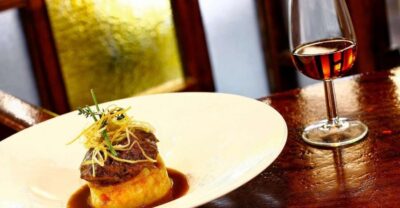
Slow-cooked pork is another featured dish. Slow cooking usually means deeper flavor—more tender meat, stronger seasoning, and a sauce you can taste even before you identify every ingredient. It’s the kind of plate that makes the market stops feel worth it, because it’s not just snacks. It’s a real meal component.
Street snack rhythm: salsa, chips, soup, fruit
You’ll also get the kind of smaller bites that make eating fun and help you keep pace across multiple stalls. One review described plantain chips and salsa, a spoon of soup, coffee, and a smoothie alongside fruit items and a small chocolate piece. That matters because it keeps the tour from feeling like a single long wait for one big dish.
Banana-leaf and local fruit surprises
Some food items showed up as pieces tucked into or served with banana leaves, plus bits of local fruit. These are the types of details that help you “read” markets faster later—because you see how vendors package food for transport and freshness.
What the guide adds: Arturo’s role in making food make sense
A tasting tour can be either a food parade or an education. This one aims for education through storytelling and context, and at least one review made it clear that Arturo leaned into history through food without turning it into a lecture.
Here’s what that looks like in real life:
- You hear what a dish is called and why it’s eaten.
- You learn what to look for when you shop or order later.
- You get small culture notes that make flavors connect to place and routine.
When a guide is attentive—staying aware of comfort levels, moving the group efficiently, and checking in—it affects the whole experience. One review specifically praised how the guide went out of his way to make people feel comfortable. That’s not a small thing in markets, where sights and sounds can get overwhelming fast.
There was also one caution from another review: the guide spent a decent amount of time on a phone. That doesn’t erase the food value, but it’s a reminder that your experience can depend on how the day runs. If you’re the kind of person who really wants continuous commentary, you might want to set your expectations: the tour is centered on food first, and stories happen around the tastings.
Timing and pace: how to handle 3 hours without getting stuffed or bored
This tour runs about 3 hours, starting at 9:00 am. That’s a smart time window. Morning markets are active, and you’re not stuck eating heavy food at the end of a long day.
Because this is brunch-style, you don’t want to plan a full second breakfast right before. If you arrive hungry, great. If you arrive already fed, you may still enjoy it—but you might feel rushed by the next sample. Either way, pace is part of the design: it’s a relaxed walk through Barranco plus tastings in an indoor market circuit.
One more practical point: keep your expectations aligned with the sample style. This isn’t an all-you-can-eat buffet. It’s a selection of bites. In one review, someone described leaving hungry because the quantity felt lower than what other recent reviews suggested. That experience might not match yours, but it’s a good reason to ask yourself: do you want a true meal, or do you want a sampling tour? This one leans sampling, with several meaningful dishes.
Who this Lima food tour fits best
This is best for people who:
- Want Peruvian street-food style flavors with real market context
- Enjoy walking and learning why dishes are made the way they are
- Prefer a small group over crowded bus tours
- Like the idea of trying both cooked dishes (like pork and fried rice) and snacky items (chips, salsa, fruit)
It’s not a great fit if you:
- Are strictly vegetarian or vegan, since it includes many non-vegetarian samples and isn’t recommended for plant-based diets
- Have strong restrictions and can’t eat shared-market foods without special accommodations (you should still contact the operator with allergies or restrictions)
Also, if you’re someone who needs hotel pickup every time, don’t assume it’s guaranteed. The tour does state a meeting point, and real-world pickup experiences can vary.
Value check: is it worth $69?
For me, value here comes from three factors.
First, food is included. That shifts the math. When alcohol isn’t included, you can keep costs controlled while still trying a full spread of flavors.
Second, the group size is small. You’re not paying for a “walk-and-point” tour. You’re paying for guided ordering and explanations that help you understand what you’re tasting.
Third, the tour gives you a repeatable skill. After walking Barranco and seeing an indoor market routine, you’ll likely feel more confident ordering in Lima later. Even if you don’t remember every dish name, you’ll remember how the flavors were assembled—and that’s the kind of payoff that lasts longer than a single meal.
Should you book Lima Just For Foodies in Barranco?
Book it if you want a morning that teaches you Lima through food—especially if you’re flexible with non-vegetarian samples and you like market-focused travel.
I’d skip it if you’re vegetarian/vegan, or if you expect an extremely generous quantity of food like a full restaurant meal. This is a tasting route. It should leave you satisfied, but it’s not designed as a calorie guarantee.
If you do book, a smart move is to message about allergies or restrictions early and double-check whether your day includes any pickup option versus meeting at Biblioteca Municipal / Parque Municipal. Then wear comfortable shoes, keep your phone for photos after each stop, and come hungry enough to enjoy the snack rhythm without panicking about portion size.
FAQ
What’s included in the tour?
The tour includes brunch and all food samples. Alcoholic beverages are not included.
How long is the Lima food tour?
It lasts about 3 hours.
Where do I meet the group?
The meeting point is Biblioteca Municipal / Parque Municipal, Barranco 15063, Peru, and the tour ends back at the meeting point.
What time does the tour start?
The start time is 9:00 am.
How many people are in the group?
The tour has a maximum of 6 travelers, which keeps the pace relaxed.
Is this tour suitable for vegetarians or vegans?
It’s not recommended for vegetarians and vegans, and the tour includes many non-vegetarian samples.
What if I have allergies or food restrictions?
You should let the provider know about your allergies or food restrictions. Confirmation is received within 48 hours of booking, subject to availability.