REVIEW · SAN FRANCISCO
SF’s Chinatown: Tea & Dim Sum Food Tour – Includes full meal, 3hr
Book on Viator →Operated by Stretchy Pants LLC · Bookable on Viator
One word: food-first. This 3-hour Chinatown tour strings together dim sum, tea, and classic snacks into a tight route that keeps you moving and eating. You’ll also hear how the neighborhood changed over time, plus fun stops like a fortune cookie factory and a tea tasting that can turn into a mini show.
I especially like the sheer amount of food you get for the price, plus how many bites come from different corners of Chinese cooking. The final tea stop is a big favorite in the feedback, with people naming guides like Jacob, Robert, Robin, Marcy, and Dale for making the stories and pacing feel natural.
One thing to consider: the walkways can be uneven, so it is not recommended for limited mobility, and the history focus can feel uneven depending on the guide. If you want only facts and fewer food breaks, this may not match your style.
In This Review
- Key Things You’ll Remember
- A Chinatown Food Tour That Actually Fits 3 Hours
- Meeting at House of Dim Sum and Getting Oriented Fast
- Stop 1: Dim Sum First, Then the Neighborhood Stories
- Stop 2: Golden Gate Fortune Cookies and the Factory Feel
- Stop 3: Chinatown Taiwan Fruit Tea and the Boba Break
- Stop 4: AA Bakery & Cafe for a Heritage Snack
- A Church That Survived the 1906 Quake
- Portsmouth Square Picnic (or Plan B in Rain)
- Stop 6: Vital Tea Leaf and the 30-Minute Tea Tasting Show
- Food Amount, Dietary Options, and What $99 Really Buys
- The Guide Factor: Why History Might Feel Different Day to Day
- Comfort Notes: Walking, Timing, and What to Bring
- Should You Book This Chinatown Tea and Dim Sum Tour?
- FAQ
- What’s the duration of the SF Chinatown tea and dim sum tour?
- Where does the tour start and where does it end?
- How much does the tour cost?
- Is the tour vegetarian-friendly?
- Is this tour accessible for people with limited mobility?
- What language is the tour offered in?
- What’s included in the price?
Key Things You’ll Remember
- A full dim sum meal that gets you past the browsing stage and straight into ordering comfort
- Golden Gate Fortune Cookies where you sample cookies and see how they’re made
- Tea tasting as the climax, often led by people like Ming and the tea-room Uncle G
- Boba and bubble tea stop with extra context about the neighborhood’s old stories
- Small group size (up to 10 people) that helps your guide answer questions
- Flexible picnic moment at Portsmouth Square when the weather is good
A Chinatown Food Tour That Actually Fits 3 Hours
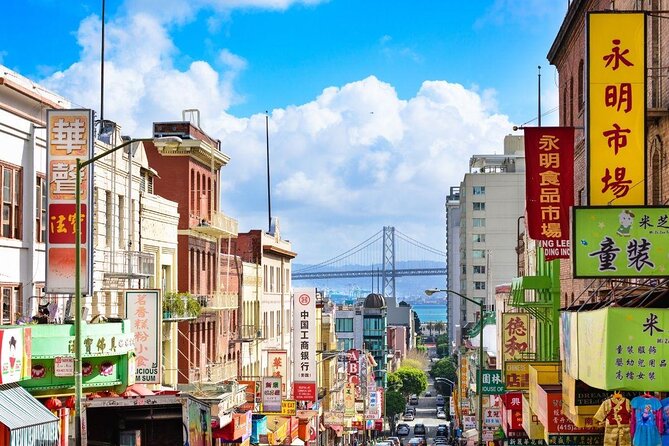
San Francisco’s Chinatown can feel like a maze if you go solo. This tour works because it’s built for time. In about three hours, you get a sequence of stops that read like a greatest-hits playlist: dim sum first, fortune cookies next, then tea-and-sweet breaks, followed by a proper tea tasting.
You’ll walk a manageable distance and the day is structured so you’re not stuck waiting too long at any one place. The tour also starts at 11:30 am and ends about five blocks from where it begins, so it’s easy to tack onto the rest of your day.
The group is kept small (maximum of 10 people). That matters because Chinatown is crowded at times, and small-group pacing makes it easier to hear your guide and keep things flowing.
You can also read our reviews of more food & drink experiences in San Francisco

Meeting at House of Dim Sum and Getting Oriented Fast
You’ll start at House of Dim Sum, 735 Jackson St. That’s a smart anchor point. It’s not just convenient; it sets expectations. You begin the experience with food, not a lecture, and you learn how the neighborhood’s story connects to what you’re about to eat.
From the start, I like that the tour doesn’t pretend you’ll instantly understand everything about Chinatown. Instead, your guide gives you a thread: the food choices connect to migration, local character, and the day-to-day life that shaped the area.
Practical note: this route is best if you can handle regular walking and uneven sidewalk surfaces. If that’s a concern, you’ll want to think twice because the tour is not recommended for limited mobility.
Stop 1: Dim Sum First, Then the Neighborhood Stories
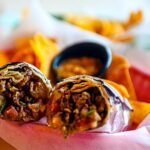
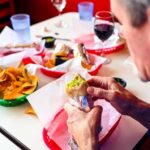
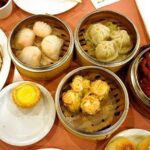
The tour kicks off in Chinatown with a dim sum feast. Dim sum is perfect for this kind of tour because it turns a meal into a menu lesson. You get to try multiple items without committing to one dish, and your table becomes a tasting map.
You’ll also get an opening history layer—things like how Chinatown became established and why it became such an important part of San Francisco. The tone here is important: you’re given enough context to understand what you’re eating, but not so much that you forget to chew.
What stands out in the feedback is that the portion size tends to feel generous. People mention ample food and leaving happy. If you’ve ever done tours where the first stop feels like a teaser, this doesn’t feel like that.
Tip for you: come hungry. Even if you think you have a light appetite, dim sum adds up fast—dumplings, savory snacks, and sides all stack quickly.
Stop 2: Golden Gate Fortune Cookies and the Factory Feel
Next you go to Golden Gate Fortune Cookies Co. This stop is a fun reset because it’s playful and visual. You’ll sample a fortune cookie (people often joke about needing more than one), and you’ll see the hands-on process happening nearby.
One practical consideration: if a line forms, the time you spend inside can be brief. That’s normal for popular food-side attractions. The upside is you still get the core experience—taste and the factory vibe—without losing the day’s momentum.
If you like food culture that’s more than just flavors—if you enjoy quirky local traditions—this is the stop that helps Chinatown feel like a living place instead of a museum.
Stop 3: Chinatown Taiwan Fruit Tea and the Boba Break
Then it’s time for a bubble tea refresh at Chinatown Taiwan Fruit Tea. This is more than a sugary pause. It’s a chance to recharge so you can keep enjoying the next savory bites without your energy crashing.
You’ll also hear neighborhood stories tied to the alleyways—references like the gambling block era, sailors, 10-cent haircuts, and dreams of a new world. Even when history stops are a little “storytelling heavy” for some tours, this one tends to keep the tone light enough that it feels like context, not homework.
Tip for you: if you’re sensitive to caffeine or sugar, pick a drink option that matches your comfort. Tea tasting comes later, so you don’t want to overload too early.
A few more San Francisco tours and experiences worth a look


Stop 4: AA Bakery & Cafe for a Heritage Snack
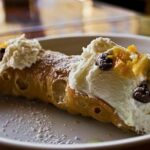
After the boba stop, you head to AA Bakery & Cafe for a heritage-style Chinese snack. The exact location may change, but the promise is consistent: you’ll get a pastry.
This is a good place in the route to use your senses. Bakeries reward slow attention. You’ll notice texture, sweetness level, and how the shop balances comfort food with more traditional flavors.
From what people say, this stop often lands as a favorite because it gives that final bridge between savory dim sum and the tea tasting finale. It also helps break the day up so it doesn’t feel like everything is dumplings, dumplings, dumplings.
A Church That Survived the 1906 Quake
At some point on the walk, you’ll get to marvel at a church that stood after the 1906 earthquake. This is one of those Chinatown moments that makes the neighborhood feel real. It’s not just about food; it’s about survival, continuity, and how communities leave physical marks behind.
This part of the route also gives your feet a moment of pause. You can look, listen, and reset your posture before continuing toward the park.
If you enjoy history that’s tied to a visible place, this stop is one of the best “oh, wow” beats on the walk.
Portsmouth Square Picnic (or Plan B in Rain)
Then you reach Portsmouth Square. If the weather cooperates, you’ll picnic in the park. If not, you’ll end up in a nearby local restaurant. Either way, the goal stays the same: taste Cantonese flavor in a setting that feels local.
This stop is valuable because it changes the pace. Chinatown can be compressed and intense. Portsmouth Square offers breathing room, so you feel less like you’re sprinting through a checklist.
It’s also a practical moment for you to slow down and actually talk with your guide. With a small group size, you’re more likely to get answers instead of hearing things secondhand.
Stop 6: Vital Tea Leaf and the 30-Minute Tea Tasting Show
Finally you arrive at Vital Tea Leaf for a tea tasting that runs about 30 minutes. This is repeatedly named as the highlight—often the emotional peak of the whole experience.
The format matters. You’re not just drinking something hot. You get a structured experience with explanation, and in the feedback, people mention tea-room personalities like Ming and an Uncle G who can turn the tasting into something memorable.
You’ll learn about tea benefits and how tea changes depending on preparation. If you’ve ever had tea that tasted flat, this is the kind of stop that can explain why. It also gives you a takeaway you can use later—so you’re not leaving with only a full stomach.
Tip for you: pace yourself. Tea tasting can include multiple pours, so keep sipping slowly. If you finished a snack earlier, you might want to focus on the savory balance instead of going full sweet.
Food Amount, Dietary Options, and What $99 Really Buys
The big question is value. At $99 per person for roughly 3 hours, you’re paying for more than “a couple bites.” This experience includes a full meal, beverages, afternoon tea, food tastings, snacks, and lunch, plus a local guide and all activities.
That’s the key math: you’re not budgeting separately for dim sum + sweets + tea. You’re paying once, then letting the route do the planning for you.
On top of that, there are dietary options. A vegetarian option is available if you tell them when you book. People in the feedback also mention guides being accommodating with diets like gluten-free and pescatarian eating, which is a strong sign the team pays attention to real-life needs.
If you’re picky, tell your guide early. Small-group tours work best when you set expectations at the start.
The Guide Factor: Why History Might Feel Different Day to Day
One of the most honest patterns in the feedback is that guide style affects how you experience the tour. Names like Robert, Dale, Jacob, Robin, Marcy, and even Kasey come up, and the stories land differently depending on the person leading your group.
Most guides connect Chinatown’s past to what you’re eating. But if you’re someone who wants a lot of long-form storytelling about Chinese Americans over the last 150 years, you might find the history portion lighter or more focused on early gold rush era context. On the flip side, people who came mainly for food often leave feeling like the stories added just enough flavor.
My take: treat the history as a bonus layer, not a substitute for a dedicated museum visit. It’s there to help you read the neighborhood while you eat, not to replace deeper study.
Comfort Notes: Walking, Timing, and What to Bring
This tour runs about three hours around Chinatown’s streets. That means you should be ready for uneven sidewalks, turns, and stopping in tight spaces.
It is not recommended for limited mobility, so if your walking is limited, you’ll want to choose something else. For most people, it’s doable, but plan to wear shoes you can trust.
What to wear and do:
- wear something comfortable for frequent short stops
- bring a light layer if you’re sensitive to fog or wind
- consider carrying water, even though the tour includes beverages
And yes, the advice from people is consistent: bring stretchy pants. Dim sum is filling, and the snacks plus tea can make you feel like you ordered too much on purpose.
Should You Book This Chinatown Tea and Dim Sum Tour?
Book it if you want a food-focused Chinatown experience that feeds you in several steps: dim sum meal, fortune cookies, boba, a pastry snack, and a tea tasting that can be genuinely fun. The small group size, the consistent praise for guides like Jacob and Robert, and the amount of included food make it a strong deal for a first-time SF visit.
Skip or choose another option if:
- you need a low-walking experience (the tour is not recommended for limited mobility)
- you want hours of deep, sustained history about Chinese Americans specifically
- you prefer a quieter pace with fewer food stops
If you’re the sweet spot person—curious about food culture, happy to learn while tasting, and ready for a meal that lasts you into the afternoon—this is a solid way to spend your time in Chinatown.
FAQ
What’s the duration of the SF Chinatown tea and dim sum tour?
It runs for about 3 hours.
Where does the tour start and where does it end?
It starts at House of Dim Sum, 735 Jackson St, San Francisco, CA 94133, and ends about five blocks from the start at Grant Avenue.
How much does the tour cost?
The price is $99.00 per person.
Is the tour vegetarian-friendly?
A vegetarian option is available. You need to advise at the time of booking.
Is this tour accessible for people with limited mobility?
No. It is not recommended for limited mobility.
What language is the tour offered in?
The tour is offered in English.
What’s included in the price?
Included are beverages, afternoon tea, food tasting, snacks, a local guide, all activities, and lunch. Drinks are noted as not included.