REVIEW · SAN FRANCISCO
San Francisco Chinatown Food Tour
Book on Viator →Operated by Sidewalk Food Tours · Bookable on Viator
Food on Grant Avenue starts a story. This San Francisco Chinatown tour mixes temples, landmarks, and five tastings into a 3-hour walk with a friendly guide. I also like the small group size (max 12), which makes it easier to ask questions as you go. The only thing to watch is that it’s genuinely filling, so plan for a full stomach and bring a bag if you want extras.
You’ll begin in the Grant Avenue area, then move through Chinatown’s key sights, including a Taoist temple and a well-known fortune cookie bakery. The pacing works well if you enjoy walking between stops and you like learning why the food shows up where it does. A possible drawback: temple access can be affected by current rules, so expect the route to be built around the sites even if entry isn’t guaranteed.
At $99 per person, you’re paying for more than snacks. You’re buying a guided route through Chinatown’s major touchpoints plus enough food for a meal, bottled water, and a city map. It’s a solid value if you want both flavor and context without spending your vacation guessing where to eat.
In This Review
- Key things I’d bet on before you book
- Why This San Francisco Chinatown Food Tour Works in 3 Hours
- Meeting on Grant Avenue: The Walk Setup You’ll Feel Immediately
- Portsmouth Square: Where the Tour Starts With Place, Not Food
- Old Saint Mary’s Cathedral: Chinatown’s Religious Layers
- Tin How Temple: Mazu and the Sea Goddess Connection
- Golden Gate Fortune Cookies Co: Watch the Snack Get Invented
- New Hollywood Bakery: Cha Siu Pork Buns That Move the Tour Forward
- House of Xian Dumpling: Handmade Noodles and Dumplings
- House of Dim Sum and Grant Place Restaurant: When the Meal Becomes a Tour
- AA Bakery & Cafe: Egg Tarts as a Sweet Finale
- Price, Value, and What You’re Actually Paying For
- Guide Power: Why People Keep Mentioning Specific Names
- Food Portions and Smart Ways to Survive 9 Stops
- Who This Tour Suits Best
- Should You Book This San Francisco Chinatown Food Tour?
- FAQ
- What’s the duration of the San Francisco Chinatown Food Tour?
- How many tastings are included?
- What’s the price per person?
- Where does the tour start and end?
- Is the tour offered in English?
- Are there vegetarian options?
- Is bottled water included?
- Is temple entry guaranteed?
- How many people are in the group?
- What’s the cancellation policy?
Key things I’d bet on before you book
- Five tastings that add up to a meal, not just tiny bites
- Max 12 people, so the guide can actually answer questions
- Temple-and-bakery route, from Tin How Temple to fortune cookies
- Handmade noodles and dumplings stop, plus multiple dim sum moments
- $99 includes bottled water, tastings, and a city map
- Vegetarian option available if you request it ahead of time
Why This San Francisco Chinatown Food Tour Works in 3 Hours
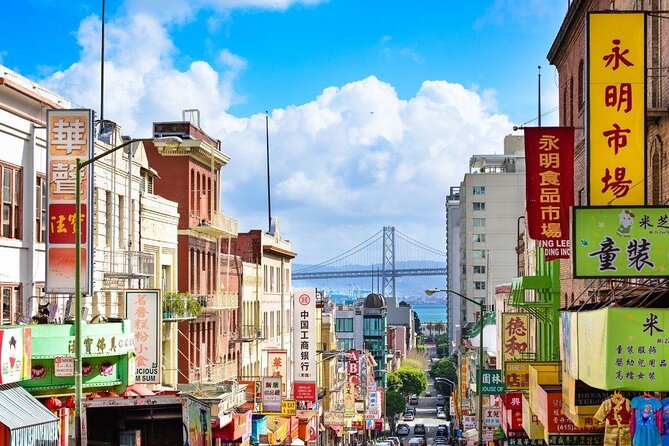
Chinatown can feel like sensory overload. This tour turns that into something you can manage by keeping the day focused: walk a few blocks, eat something, learn a piece of the neighborhood, repeat. In about three hours, you get a working sense of where you are and what to look for once you’re on your own.
At $99, I’d think of this as a guided “eat and orient” experience. Five tastings plus water, with enough food for a meal, tends to cost more if you recreate it randomly. You’re also not just chasing the next restaurant name on a map; you’re moving through the cultural landmarks that shaped the food scene.
The practical upside is timing. With stops around 15 minutes each and a limited group size, you’re not stuck waiting through long stretches. The main tradeoff is that the portions stack up fast, especially once you hit the dumpling and dim sum stops. If you’re the type who hates feeling overly full on a tour, go easy at the beginning and save your appetite for the noodle and dim sum moments.
You can also read our reviews of more food & drink experiences in San Francisco
Meeting on Grant Avenue: The Walk Setup You’ll Feel Immediately
You’ll meet at 1066 Grant Ave near Chinatown’s core and finish close by at 1068 Stockton St. That start location matters because it puts you in the center of things right away, not shuttling out to a far corner of the neighborhood.
This is a walking tour, and the schedule is built for a steady pace. Wear shoes you can live in. Chinatown streets are tight, sidewalks can vary, and you’ll be moving often enough that uncomfortable footwear will turn into an issue.
You’ll also get a mobile ticket, which makes day-of simpler. And because the tour caps at 12 travelers, it tends to feel more like a group stroll with a professional storyteller than a frantic food line. If you’re traveling with dietary needs, plan ahead: a vegetarian option is available if you ask at booking.
Portsmouth Square: Where the Tour Starts With Place, Not Food
The route begins at Portsmouth Square, a one-block park that serves as Chinatown’s symbolic center. It’s a great first stop because it’s easy to understand without needing any background reading. You get bearings fast: streets, blocks, and how the neighborhood layout supports community life.
This stop is short, but it does useful work. A good guide uses the square to set up the bigger picture: why Chinatown’s institutions cluster where they do, and how the neighborhood’s history shows up in daily routines. You’re also still fresh enough at this point to absorb the info, which helps later when you’re hearing food stories while standing in front of real storefronts.
Old Saint Mary’s Cathedral: Chinatown’s Religious Layers
Next comes Old Saint Mary’s Cathedral at the corner of California Street and Grant Avenue. This is the kind of landmark that quietly changes how you see the neighborhood. Chinatown didn’t form in a vacuum; it developed in the middle of San Francisco’s broader religious and civic life.
The value here is context. When you understand that Chinatown intersects with larger city history, you stop treating it like a sealed-off theme district. You’re seeing how communities overlap, share space, and influence each other while still keeping distinct traditions.
Since this is a guided walking stop, expect it to be informational rather than long. It’s enough time to notice the building’s presence and to connect it to the story your guide is building for the food to come.
Tin How Temple: Mazu and the Sea Goddess Connection
Tin How Temple is a major highlight for anyone who likes living cultural sites. It’s dedicated to Mazu, a Chinese sea goddess known as Tin How in Cantonese, and it’s recognized as one of the oldest Taoist temples still operating in San Francisco’s Chinatown.
You should expect a calm, respectful stop where the guide explains what Mazu represents and why that matters to the people who maintain the tradition. If you’ve only seen temples from the outside before, this is the kind of stop that helps you understand what you’re actually looking at.
One practical consideration: temple rules can change. Even when the tour includes admission, entry access may depend on current conditions. So keep your expectations flexible: treat this as a meaningful temple visit in the route plan, not a guaranteed long interior hangout.
A few more San Francisco tours and experiences worth a look


Golden Gate Fortune Cookies Co: Watch the Snack Get Invented
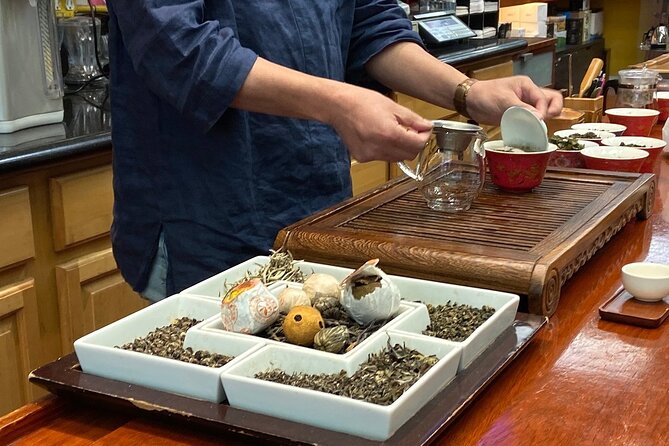
Then it’s off to Golden Gate Fortune Cookies Co, where you can see homemade fortune cookies prepared in a tiny open kitchen. It’s a fun stop because it turns a familiar snack into something more personal. The theater is in watching the process and hearing the story behind it.
This is also one of those moments where the tour proves it’s not just about eating. Fortune cookies feel like a Chinatown stereotype to some people. A good guide helps you understand why they show up in this neighborhood and how they fit into the wider food culture.
You’ll also get a short, clear experience: learn, watch, and taste. It’s quick enough to keep the walking schedule intact, but memorable enough to be a mental bookmark for the rest of your Chinatown day.
New Hollywood Bakery: Cha Siu Pork Buns That Move the Tour Forward
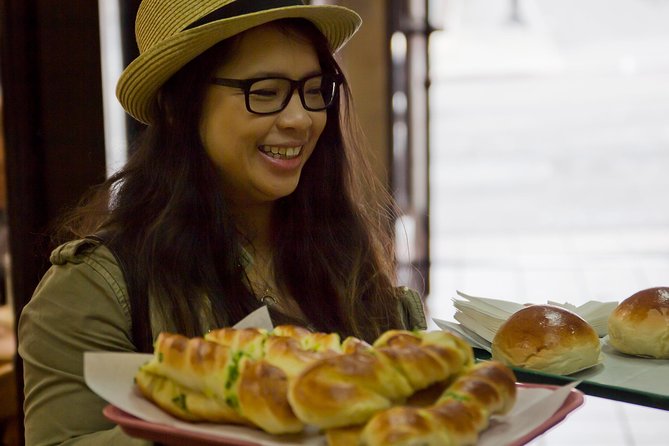
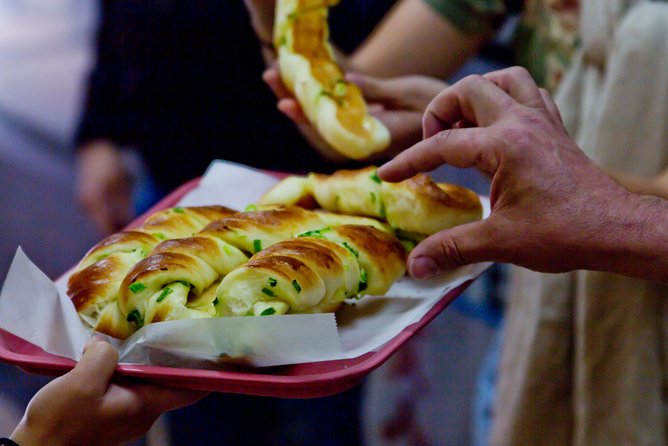
At New Hollywood Bakery (established 1991), you’re in for a specific kind of Chinatown comfort food: light, buttery buns filled with barbecue-flavored cha siu pork. This stop usually hits well because it’s warm, portable, and satisfying without being overly heavy.
This is a smart mid-tour placement. After temple and cookie stops, you need something that feels like actual street food you’d crave on a walk. The guide’s pacing usually sets you up to taste first, then listen—so you don’t end up full of info and not full of food.
If you’re concerned about portion overload, this is a good stop to use your “taste control” muscles. You’ll still eat enough for the tour meal, but you can decide whether you want to slow down your pace at the next dumpling and dim sum-heavy parts.
House of Xian Dumpling: Handmade Noodles and Dumplings
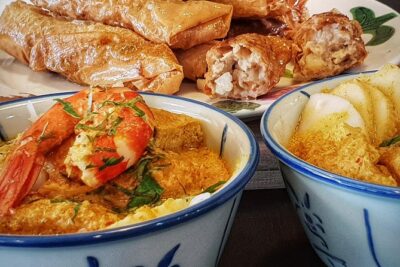
At House of Xian Dumpling you’ll focus on handmade noodles and traditional dumplings. This is often where food tours start feeling real, not just curated. You get textures you can recognize immediately—chewy noodles, tender dumplings, and that homemade feel you rarely get when you order generic items.
The best part of this stop is the balance of carbs and satisfaction. It’s the kind of tasting that gives you energy to keep walking without feeling like dessert is already coming. And if you’re a noodle person, this is typically one of the most memorable stops of the day.
Watch for how the guide explains ingredients and technique. Even when you don’t go home cooking dumplings, you’ll understand why the dish tastes the way it does, and you’ll know what to look for when you order similar items later.
House of Dim Sum and Grant Place Restaurant: When the Meal Becomes a Tour
The next stretch is dim sum territory, with House of Dim Sum followed by Grant Place Restaurant, a local favorite known for Hong Kong-style dim sum and Chinese specialties.
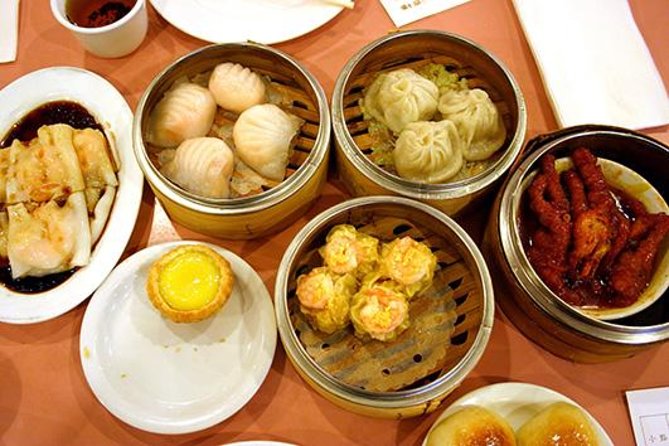
This is where the tour earns its “enough food for a meal” promise. Multiple stops mean you sample a range of styles rather than repeating the same flavor profile. You’ll likely notice how different places handle fillings, wrappers, and seasoning so your “Chinatown taste” becomes more complete.
One consideration: the dumpling and dim sum phase can feel long if you’re already full from earlier tastings. A small-group tour helps because the guide can adjust flow and keep you moving, but the food itself is still food. If you know you’re sensitive to being overfed, take smaller bites and pace your sips of water.
Also, don’t just eat on autopilot. This is a great time to ask the guide what to order if you come back on your own. That’s where tours can translate into real-world value.
AA Bakery & Cafe: Egg Tarts as a Sweet Finale
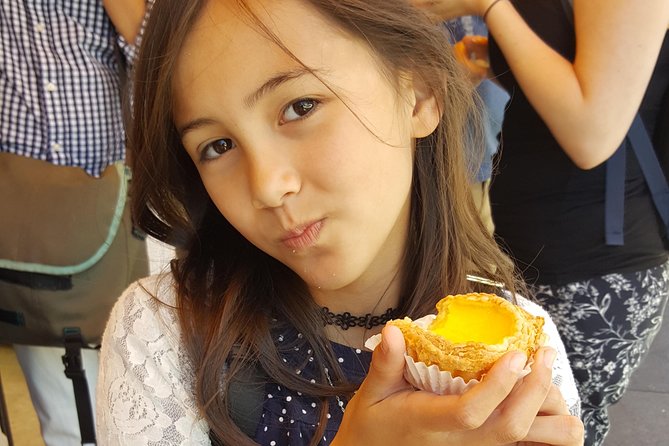
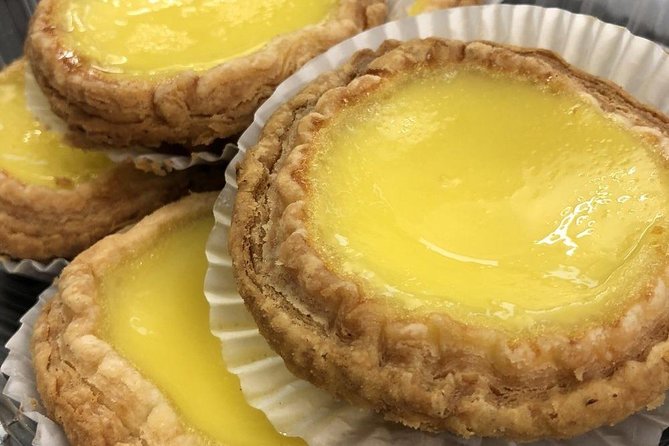
Finally, you end with AA Bakery & Cafe, including their Hong Kong-style egg tarts. Think smooth, flan-like centers inside a buttery, flaky crust. It’s a classic ending because it’s rich but not overwhelmingly heavy the way some desserts can be.
This stop also works psychologically. By the time you reach the final tasting, you’ve already walked through savory food, so the sweet note feels like a reward instead of another obligation. And because egg tarts are easy to share, it’s a nice way to turn the tour into something you can bring back to your group’s day.
If you’re tempted to buy more sweets afterward, keep in mind you’ll already be full. Consider taking it slow here and saving shopping for your own post-tour wander.
Price, Value, and What You’re Actually Paying For
The $99 price tag can look high until you translate it into what’s included: five tastings, enough food for a meal, bottled water, a local guide, and a city map. If you’ve ever tried to build a “food tour” solo, you know it usually turns into a string of overpriced plates and still leaves you asking where the next good bite is supposed to be.
What you’re really paying for is efficiency and direction. A guide helps you avoid tourist traps, but more than that, they help you understand why each stop matters. That’s the difference between eating in Chinatown once versus getting a handle on the neighborhood so you can come back and order smarter.
If you’re local, you’re still likely to get value because the tour leans into landmark context. If you’re a visitor, it functions like a shortcut: you learn the geography of Chinatown while eating the types of food people actually come back for.
Guide Power: Why People Keep Mentioning Specific Names
The experience can rise or fall on the guide, and this tour has a strong track record. In recent runs, names like Jinny P., Michael, Spud, Ted, Casey, Scott, Marvin, and Kasey show up in praise, especially for story-driven pacing and vendor-friendly access.
What I take from that pattern is simple: these guides don’t just read facts. They connect the food to the neighborhood and keep the group moving without turning it into a rushed parade. One guide was specifically praised for following up on interests with a reading list, which is a smart touch if you like to go deeper after the tour ends.
If you have an allergy or a vegetarian need, look for guides who actively check in. Some guests have called out that certain guides handled allergy preferences with real care, and that’s exactly what you want from a professional food guide.
Food Portions and Smart Ways to Survive 9 Stops
This is a food tour, so here’s the honest part: you may be full by the time you reach the heavier dim sum moments. One of the most practical bits of advice from past guests is to bring water and a bag for extra purchases. A takeaway container can also help if you want to save something for later.
If you’re trying to pace yourself, use this simple strategy:
- Eat enough at each tasting to sample and enjoy
- Don’t force every bite if the stop comes after several dense items
- Sip water consistently so you don’t crash
Also, keep your expectations realistic. This is not “tiny bite, then stroll, then tiny bite” the whole way. It’s structured for full tastings that add up to a meal.
Who This Tour Suits Best
This tour fits best if you want a guided walk through Chinatown that includes both landmarks and food. You’ll like it if you enjoy learning as you eat, and you want recommendations you can actually use later.
It’s a good match for:
- First-time visitors who want a focused introduction to Chinatown
- Food lovers who like dumplings, dim sum, and bakery items
- Small groups that want a more personal pace than giant group tours
- People traveling from another neighborhood who want a self-contained 10:00 am plan
If you’re traveling with kids, the guide-led storytelling and variety can work well, but plan for the fact that this is still a walking and eating day.
Should You Book This San Francisco Chinatown Food Tour?
Book it if you want a guided route through Chinatown with real tastings and landmark context, all in about three hours. The $99 price makes more sense when you factor in that it includes a meal’s worth of food, water, and a guide, not just a few samples.
Skip it or rethink it if you have a very small appetite, hate walking, or dislike being in a group setting where you’re moving from stop to stop. And if temple entry is a dealbreaker for you, keep expectations flexible, since access can depend on current rules.
If you can handle getting full and you want Chinatown explained through food and place, this is one of the better ways to do it without spending your whole day hunting for the next meal.
FAQ
What’s the duration of the San Francisco Chinatown Food Tour?
The tour is listed as about 3 hours.
How many tastings are included?
The tour includes five tastings.
What’s the price per person?
The price is $99.00 per person.
Where does the tour start and end?
It starts at 1066 Grant Ave, San Francisco, CA 94133 and ends at 1068 Stockton St, San Francisco, CA 94108.
Is the tour offered in English?
Yes, it’s offered in English.
Are there vegetarian options?
Yes. A vegetarian option is available if you advise at booking.
Is bottled water included?
Yes, bottled water is listed as included.
Is temple entry guaranteed?
The tour includes admission tickets at the stops, but access can be affected by current rules, so it’s wise to stay flexible about what you’ll be able to enter.
How many people are in the group?
The tour has a maximum of 12 travelers.
What’s the cancellation policy?
Free cancellation is available. You can cancel up to 24 hours in advance for a full refund; within 24 hours, refunds are not available.