REVIEW · SAN FRANCISCO
San Francisco: Food Walking Tour of Chinatown & North Beach
Book on GetYourGuide →Operated by Local Tastes of the City Tours · Bookable on GetYourGuide
Your appetite meets San Francisco movie lore. This walking tour ties together Chinatown by twilight and North Beach’s Beat-era sites, with food stops that explain why the neighborhoods feel the way they do. I like that the route starts right at the Chinatown Gate at Bush and Grant, then shifts gears into coffee, pizza, and screenwriting history in North Beach.
I love the pairing of dim sum with a close-up fortune cookie moment you can actually watch take shape. I also like the guide approach many people mention, including names like Brian and Ryan, where the stories stay practical and the food stays front and center.
One possible drawback: you’ll be walking a fair bit, including some uphills, so comfortable shoes matter more than you think.
In This Review
- Quick, Specific Highlights
- Chinatown by Twilight: Starting at Bush and Grant
- Dim Sum and the Old-Bakery Flavor That Sets the Tone
- Fortune Cookies Made by Hand: The Moment You’ll Remember
- Tea Shop Time: Chinatown’s Tea Culture Meets Coffee Logic
- Finding Crafts and Pottery as You Walk
- North Beach and the Beat Generation: The Godfather + Steve Allen
- Pizza and Wine in North Beach: Where the Appetite Lands
- How Much Walking Is Involved (And Who Should Plan for Hills)
- Price and Value: Is $94 Worth It?
- Practical Tips to Make the Day Go Smoothly
- Should You Book This Chinatown and North Beach Food Walk?
- FAQ
- Where is the meeting point?
- How long is the tour?
- How much does it cost?
- Is transportation included?
- What’s included in the price?
- Is there a live guide, and what language is it in?
- What are some of the food and drink highlights?
- Is it possible to cancel for a full refund?
- Are there multiple starting times?
- What famous places are connected to the tour?
Quick, Specific Highlights
- Twilight Chinatown start near the Chinatown Gate, with early snacks timed for the neighborhood vibe
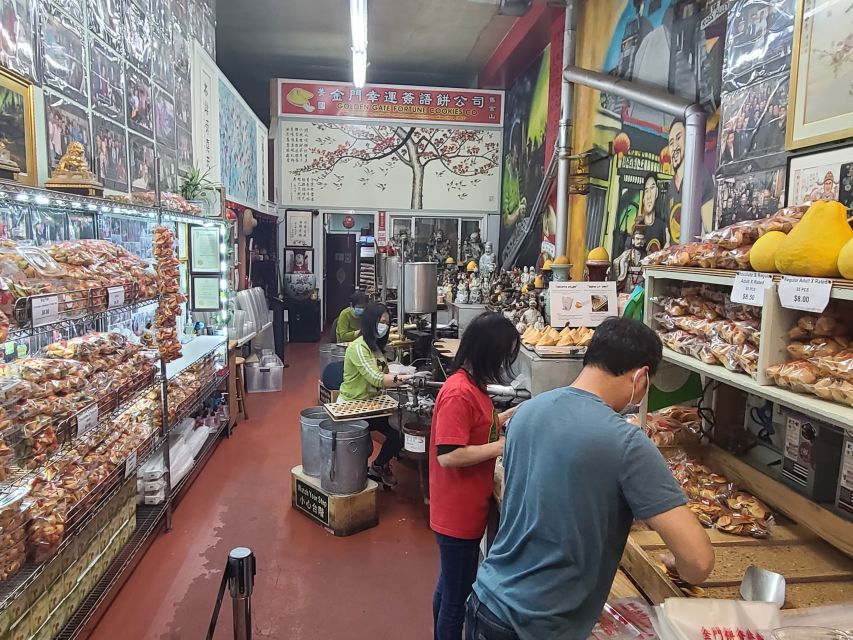
- Hand-made fortune cookies made right in front of you, not just collected at the end
- Tea + fresh-ground coffee tasting that contrasts Chinatown’s tea culture with North Beach’s coffee pull
- Chinese and Italian crafts plus pottery you can spot as you move through the streets
- The Godfather screenplay location and Steve Allen’s start in North Beach
- Pizza and wine stop that lands after you’ve worked up an appetite walking the blocks
Chinatown by Twilight: Starting at Bush and Grant
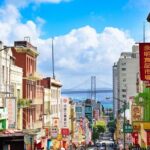
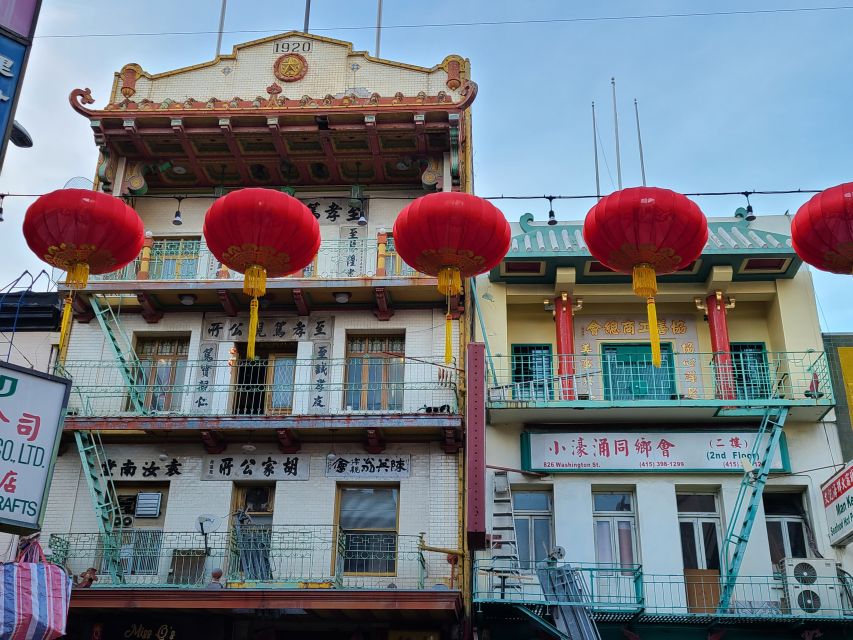
This is a 4-hour, food-forward walking tour through two San Francisco neighborhoods that feel totally different on their own. Chinatown tends to wake up your senses fast with aromas, storefront detail, and temple-adjacent quiet near the edges of the action. North Beach, just a short shift across the city’s culture map, brings in coffee counters, old-world Italian touches, and a whole lot of movie-and-music mythology.
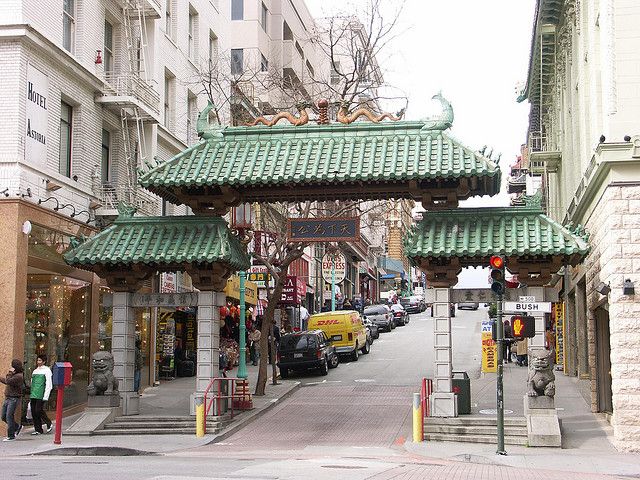
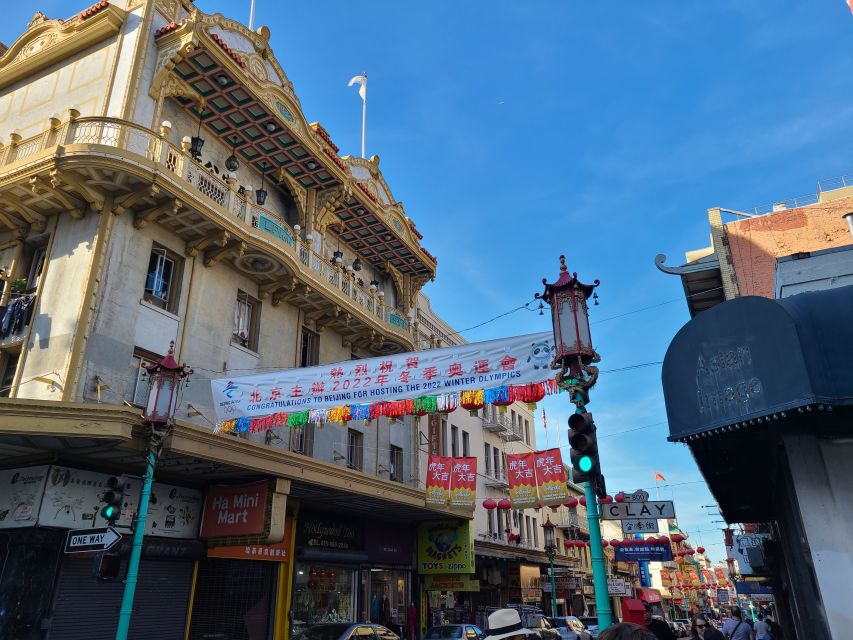
You meet in front of the Chinatown Gate at the corner of Bush and Grant. That matters. The gate is more than a photo spot; it helps you orient fast, and it sets the tone that you’re about to move through a neighborhood on foot, not just pop into a restaurant.
The tour’s early rhythm is built around tasting as you go. It’s not wait-forever, then suddenly eat. You start with dim sum, and the guide’s job is to connect the flavors to what you’re seeing in the streets: architecture, sculpture, and the small cultural signals locals notice without thinking.
You can also read our reviews of more walking tours in San Francisco
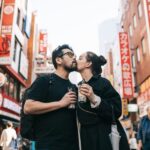
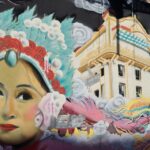
Dim Sum and the Old-Bakery Flavor That Sets the Tone
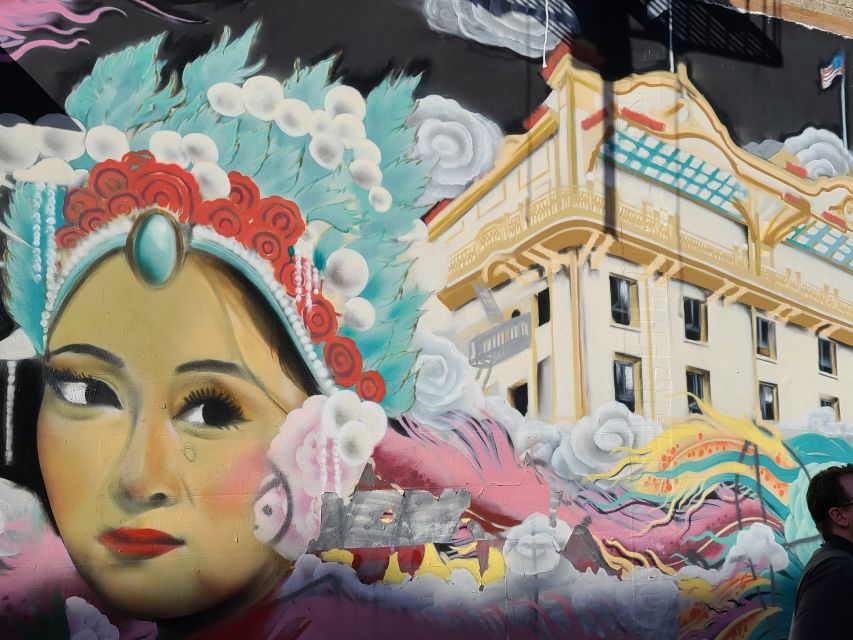
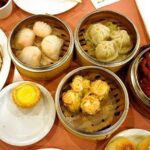
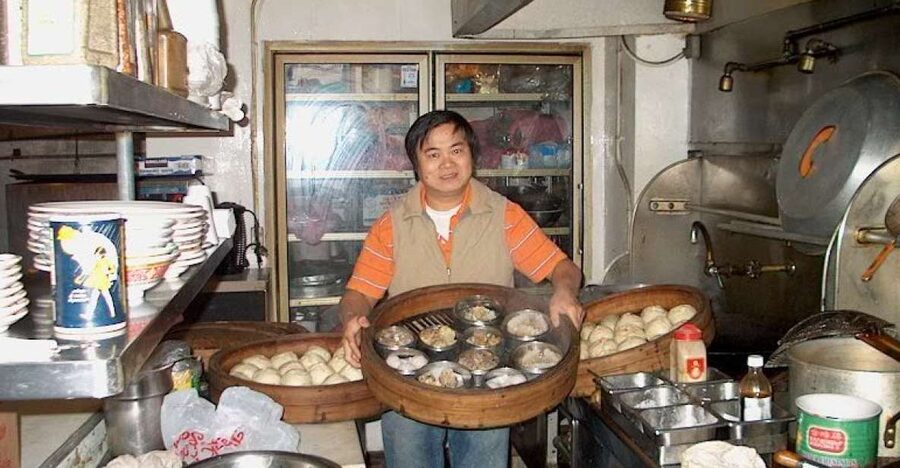
The first real food anchor is dim sum, served during your Chinatown stretch. The plan calls out tasting from one of the older bakeries in the area, and that’s a big part of why this stop works. A place that’s been doing it for a long time tends to keep things straightforward: hot, fresh, and dependable.
Dim sum also does something practical for a first-time visitor. It gives you a quick sampler of textures and styles—steamed vs. pan-fried, mild vs. savory, bite-sized comfort vs. richer flavors. That makes the rest of Chinatown easier to read as you walk, because you’re not just looking at details; you’re actively comparing flavors to what’s around you.
As you move, you also get cultural context tied to what you’re seeing. The tour description mentions Chinese mysticism and culture, and that usually shows up in the form of street-level symbols, sculptures, and architecture cues. It’s not about memorizing facts; it’s about learning what to notice so the neighborhood feels less random.
One more reason this works: starting in Chinatown at twilight helps the streets feel calmer while you eat. You’re not fighting full daylight crowds, and you’re more likely to catch the small visuals the guide points out.
Fortune Cookies Made by Hand: The Moment You’ll Remember
This tour’s most eye-catching food moment is the fortune cookie-making stop. Instead of getting a sealed package and moving on, you watch the process closely and learn what goes into the ritual of the cookie itself.
Why this is worth your time: fortune cookies are one of those items people think they already understand. Hand-making flips that. You can see how the cookie is formed, timed, and handled, and it turns a quick snack into a tiny performance with meaning.
The guide ties this moment to Chinatown culture and symbolism, with attention to the neighborhood’s artistry and craft traditions. It’s the kind of stop that slows you down in a good way—just long enough to absorb what you’re eating while you also understand why it’s part of the place.
If you’re a foodie, this is also a great mental reset. After dim sum, your palate is warming up. The cookie is lighter, sweeter, and playful, which keeps the tour from feeling like a single long, heavy meal.
Tea Shop Time: Chinatown’s Tea Culture Meets Coffee Logic
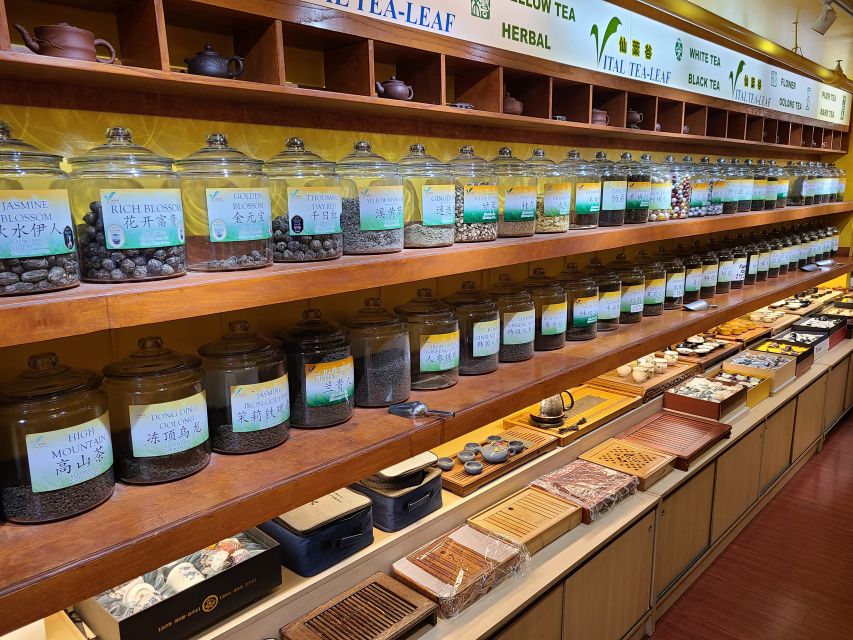
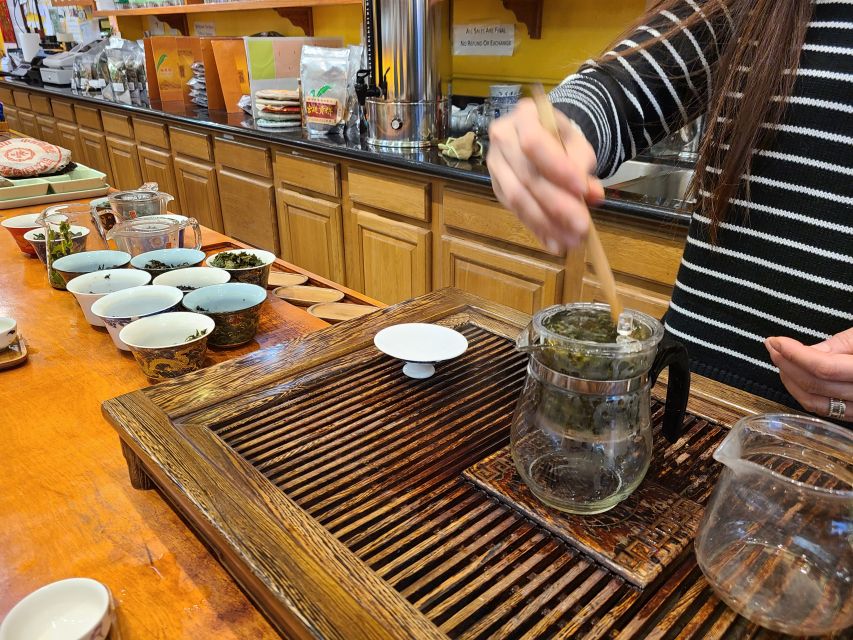
Chinatown is to tea what North Beach is to coffee in this tour’s framing, and you get both. The plan explicitly includes a tea tasting during the Chinatown portion, which is useful because it changes the pace from food-only tasting to something calmer and more reflective.
Tea tasting can go two ways: either it’s a lecture you can’t taste, or it’s a guided sip you can actually enjoy. The tour’s format leans into the second one. From the way people talk about the tea shop experience, it tends to be informative without turning into a hard sell.
Practically, this helps your stomach too. After several bites of savory food, tea (even if you don’t become a tea expert) gives you something warm and grounding. It also sharpens your attention for what’s next, because you’re tasting with your head slightly cleared.
Then you transition toward coffee culture for the North Beach side. Even if you don’t consider yourself a coffee person, fresh-ground beans and cappuccino stops are a low-effort way to appreciate how North Beach’s Italian identity shows up in everyday routines.
Finding Crafts and Pottery as You Walk
One of the things I like about this tour is that it includes crafts and pottery as part of the route, not as a separate shopping side quest. The description points out authentic Chinese and Italian crafts and pottery, which fits the walking-tour reality: you see small details up close only when you’re moving through the blocks slowly.
This is also where the tour becomes more than eating. Crafts and ceramics are a language. They tell you what artisans value—materials, patterns, and the everyday objects that hold cultural meaning. You’ll likely notice more during the second half of the tour once you’ve trained your eyes to spot these textures in the first half.
The plan also mentions hidden secrets locals know, including finds in secret alcoves. That’s the kind of phrase that sounds vague until you remember what a guided walk does well: the guide knows where to stand, where to look, and which doors and details are usually overlooked.
If you’re the type who loves street-level realism—doors, signage, stairways, tiny corners—this is the part where you’ll feel the tour pays off.
You can also read our reviews of more food & drink experiences in San Francisco

North Beach and the Beat Generation: The Godfather + Steve Allen
After Chinatown, you shift into North Beach, and the tour uses that shift to tell a story San Francisco people love: how neighborhoods become creative engines.
The big headliners here are the places connected to The Godfather screenplay and Steve Allen. The tour description calls out the location where Francis Ford Coppola wrote the screenplay, and it also includes the place where Steve Allen got his start, noting that the performance setting hasn’t changed.
This is a clever move for a food tour. Food tours can sometimes feel like you’re repeating restaurant stops in different neighborhoods. By tying your tasting to movie and entertainment history, the walk becomes a map of how culture gets made—not just what people ate.
It also makes North Beach feel less like a generic “Little Italy” vibe and more like a living creative district with a timeline. Even if you only know The Godfather from the headlines, you’ll get enough context during the walk to understand why San Francisco’s writers, comedians, and filmmakers were drawn to these streets.
And because this is still a food tour, you’re not stuck inside history. You’re actively eating again soon, which keeps the pace from turning into pure sightseeing.
Pizza and Wine in North Beach: Where the Appetite Lands
The North Beach portion brings in pizza and wine, plus coffee-style stops like cappuccinos. The tour highlights locally made pizza in this area, and it’s a smart finish because pizza is both crowd-pleasing and easy to compare with what you ate in Chinatown.
Think about it this way: dim sum and tea teach you a Chinatown rhythm—steamed, savory, bite-sized and shared. Pizza teaches a North Beach rhythm—hot, slice-based, and usually a bit more direct on flavor. That contrast is exactly what makes the Chinatown + North Beach pairing work.
Wine also helps the transition feel like an evening out rather than a snack sprint. The tour description frames it as going from tea and coffee into pizza and wine in the Beat-era neighborhood, so the final act feels like you’re rounding the story, not just collecting last bites.
If you like food that’s portable and satisfying after a walk, this is the part you’ll likely remember most when you look back at the day.
How Much Walking Is Involved (And Who Should Plan for Hills)
This is a walking tour, and you’ll likely feel it in your legs. The feedback includes plenty of “lots of walking” notes, plus specific concern about uphills for at least one guest.
So here’s the practical approach: wear shoes you can walk in for four hours, and don’t treat this like an easy stroll. If you have balance limits, heart or stamina concerns, or just know hills are hard for you, plan extra patience. The tour is designed to keep the group together, and guides are described as gracious when people move more slowly, but you’ll still want to choose a start time that fits your energy.
One more listening tip: if your guide is talking while walking ahead (which can happen on any group walk), aim to stay closer to where you can hear clearly. That’s the simplest way to make sure you catch the stories even when the pace picks up.
Price and Value: Is $94 Worth It?
At $94 per person for 4 hours, you’re paying for three things at once: guided route storytelling, multiple food tastings, and drinks (tea, coffee, and wine are explicitly part of the experience plan).
Is that expensive? Yes, it’s not a bargain-basement walking snack. But value depends on what you’d otherwise do on your own. If you plan to visit Chinatown and North Beach anyway, $94 can feel reasonable because you’re not just paying for food—you’re paying for someone to connect the food to where you are, help you choose what to order, and keep the day flowing without you spending hours figuring out logistics.
One sign it’s priced with real food in mind is the repeated mention of variety and plenty of quantity. This is not designed as one appetizer and a goodbye cookie. You leave with enough bites to cover a substantial meal plan, plus multiple drink moments that change the pace.
Also, the $94 point feels more fair if you’re short on time. Four hours is a useful chunk if you want to understand both neighborhoods without the mental load of building your own route.
If you’re someone who prefers restaurants over walking, or you’re only interested in one neighborhood, you might feel this is more than you need. But if you like the idea of tasting your way through Chinatown by twilight and then jumping into North Beach’s coffee-and-pizza world, it’s a solid use of money.
Practical Tips to Make the Day Go Smoothly
A few small choices can make this tour more comfortable and more fun.
- Bring a light layer: twilight can feel cooler as you move, especially along shaded streets.
- Eat breakfast lightly or plan a snack earlier: the tour is food-and-drink heavy, and you’ll enjoy it more when you’re hungry.
- Keep water handy if you tend to get thirsty while walking: drinks are included, but it’s still a four-hour stroll.
- Position yourself for hearing: if the guide is walking and speaking ahead, staying near the front helps you catch the stories.
- Ask about your interests: if you’re a movie fan, flag that you want extra context around The Godfather and Steve Allen’s sites.
And one last tip: treat it like a neighborhood walk first and a tasting tour second. When you watch for the architecture, crafts, and street corners the guide points out, you get the full payoff.
Should You Book This Chinatown and North Beach Food Walk?
I’d book this if you want a San Francisco day that mixes food with actual neighborhood context. It’s especially good for people who like film and entertainment history as much as they like eating, because The Godfather location and Steve Allen’s start give North Beach meaning beyond restaurants.
Skip it (or choose a different option) if walking and hills are tough for you, or if you only care about one neighborhood. And if you have dietary restrictions, this is clearly a tour centered on food and drinks, so you’ll want to plan carefully before you commit.
For most visitors, the sweet spot is simple: you’ll end up with a full stomach, a better sense of Chinatown and North Beach as living neighborhoods, and a few stories you’ll actually remember while you’re eating.
FAQ
Where is the meeting point?
Meet in front of the Chinatown Gate, at the corner of Bush and Grant Street.
How long is the tour?
The duration is 4 hours.
How much does it cost?
The price is $94 per person.
Is transportation included?
No. Transportation is not included.
What’s included in the price?
The tour includes a walking tour, a guide, and food and drinks.
Is there a live guide, and what language is it in?
Yes, the tour has a live tour guide, and the language is English.
What are some of the food and drink highlights?
You can expect dim sum, locally made pizza, hand-made fortune cookies, tea tastings, and coffee made from fresh ground beans. Wine is also part of the plan.
Is it possible to cancel for a full refund?
Yes. Free cancellation is available up to 24 hours in advance for a full refund.
Are there multiple starting times?
The duration is 4 hours, and you can check availability to see starting times.
What famous places are connected to the tour?
The tour includes a stop related to where The Godfather was written and a spot connected to Steve Allen’s start.