REVIEW · SAN FRANCISCO
San Francisco Authentic Food Tour with 5 Locals Favorites Dishes
Book on Viator →Operated by Secret Food Tours · Bookable on Viator
Food, history, and murals—on one walk. I love the small-group pace (max 12) and how the guide turns each bite into Mission District context. I also like the built-in surprise of a secret dish, which adds real suspense to the schedule. One watch-out: this is a fair amount of walking, and the first burrito can feel like a big hit right at the start.
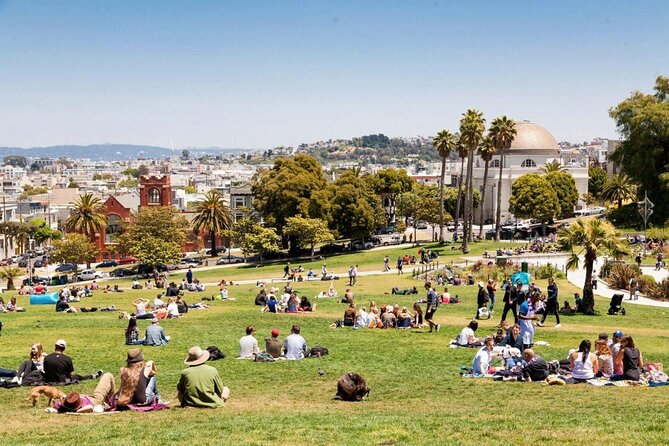
At $87 for about 3 hours 30 minutes, it works out like a guided food plan plus a neighborhood stroll. You finish at Dolores Park near 20th and Church, which is a nice place to decompress after eating your way through the area.
In This Review
- Key Highlights You’ll Notice Fast
- Price and Logistics: What $87 Really Covers
- Where It Starts (and Where You End): 3900 20th St to Dolores Park
- The Mission Cultural Center Start: How the Walk Gets Its Momentum
- Stop #1: The Mission Burrito (Including Quesabirria)
- Pan Dulce at Mariquitas: The Sweet Reset
- Italian Stops: Pizza, Deli-Style Bites, and the North Beach Swing
- Clam Chowder and Comfort Food Stops: Why They Fit Here
- Stuffed Dumplings and Coffee Tasting: The Chinatown Touch
- The Secret Dish: The Mystery Stop That Keeps It Fun
- Walking Pace, Portion Logic, and What to Wear
- Guides and Storytelling: Why People Keep Recommending It
- Who This Tour Fits Best (and Who Might Want a Different Option)
- Should You Book This San Francisco Mission Food Tour?
- FAQ
- How long is the San Francisco authentic food tour?
- Where does the tour start and where does it end?
- What’s the group size limit?
- Is the tour offered in English?
- Can the tour accommodate dietary requirements?
- What’s the cancellation policy if weather changes?
Key Highlights You’ll Notice Fast
- Max 12 people: easier conversation and fewer lines than a bigger tour
- Secret dish included: the mystery stop is part of the fun
- Mission burrito opener: start with a classic, in Mission-style form
- Food + neighborhood stories: murals, immigration links, and architecture show up between bites
- Mixed cuisines: Mission-style Mexican alongside Italian and other comfort foods
- Early afternoon timing: you get done in time to keep exploring on your own
Price and Logistics: What $87 Really Covers
Let’s talk value in plain terms. For $87 per person, you’re paying for a guided walking route (about 3 hours 30 minutes) plus multiple paid tastings from a set of locally favored spots. The biggest practical win is that you’re not doing the planning grind yourself. The stops are sequenced so you can skip some of the usual waiting around each place.
This tour also has a small-group limit of 12, which matters in a city where popular eats can create bottlenecks. With fewer people, the guide can keep the pace humane and make sure the ordering timing lands well.
One more practical note: the itinerary and menu can change based on availability and weather. That means you should expect the day’s version of the route to be close to the outline, not a rigid script. You’ll still get the Mission focus and the signature included items that are explicitly listed.
You can also read our reviews of more food & drink experiences in San Francisco
Where It Starts (and Where You End): 3900 20th St to Dolores Park
You meet at 3900 20th St, San Francisco, CA 94114. From there, you’ll begin at the Mission Cultural Center area with your guide and your small group (12 or fewer).
The tour ends at Dolores Park on the corner of 20th and Church Street. That end point is more than geography. It gives you a natural “landing zone” after the walking and eating. If your day has you looking for a place to sit, this is one of the easiest ways to close out the experience without scrambling to find something nearby.
Because it’s near public transportation, you can also build the rest of your day around it without locking yourself into one long taxi-and-wait cycle.
The Mission Cultural Center Start: How the Walk Gets Its Momentum
Most food tours start with you hungry and end with you stuffed. This one has a sharper opening strategy: you begin right away with a classic Mission stop. The guide uses that first bite to set the tone—Mission District food isn’t just food here. It’s part of how the neighborhood tells its story.
As you walk, the guide ties the tastings to what shaped the Mission over time—especially the mix of Latino culture plus older immigration waves. The area may be known today as the epicenter of Latino San Francisco culture, but it has also hosted Irish, German, and Italian immigrants not long ago. That blend is part of why you’ll see Italian touches appear alongside Mission-style Mexican favorites.
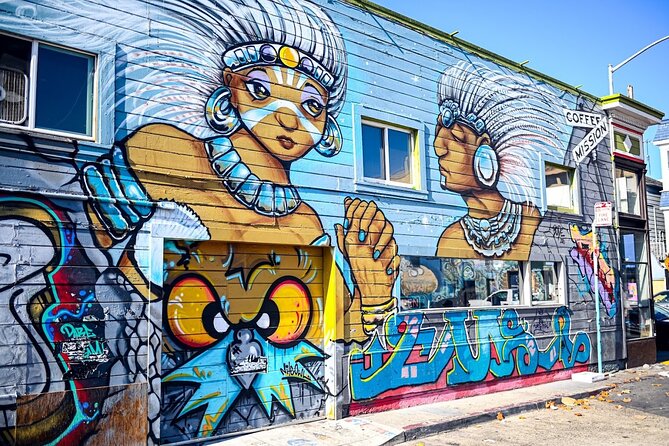
You’ll also get to see how the neighborhood looks, not just how it tastes. Murals and architecture come up as you move between stops, so the walk has visual payoff, not just food payoff.
Stop #1: The Mission Burrito (Including Quesabirria)
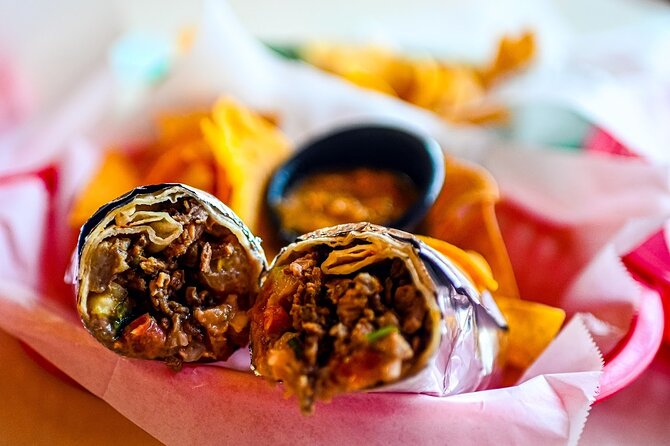
The first stop is the Mission-style burrito, and on this tour it specifically includes quesabirria. This matters because burrito debates in San Francisco are real—people argue size, fillings, sauces, and what counts as truly Mission-style.
Starting with a burrito is a bold move for two reasons. First, it gives you a clear baseline flavor for the rest of the tour. Second, it sets you up for the history talk that comes with beans, fillings, and local legends tied to the dish.
The downside is also straightforward: this is filling early. One of the most common practical concerns with starting this way is finishing your portion when you haven’t yet “warmed up” to the walking. If you’re the type who snacks rather than meals, go in mentally prepared for a big first bite and consider pacing yourself while you eat.
Pan Dulce at Mariquitas: The Sweet Reset
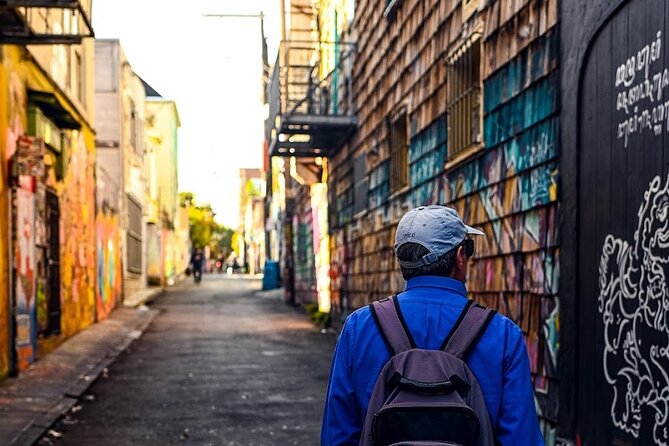
After the savory hit, you’ll usually swing into pan dulce at Mariquitas. This stop is one of the easiest ways to balance the day. Sweet bread works like a palate reset, and it helps keep you from feeling like you’re only working through one flavor lane.
Pan dulce is also a practical checkpoint. If you’re worried about food overload, this is where you can slow down, take a breath, and still keep the momentum going. The tour structure is built so you’re eating often enough to stay comfortable, but not so fast that you lose the neighborhood stories between bites.
This is also a nice reminder that the Mission District isn’t only “one kind of food.” It’s a place where bread culture sits right next to burrito culture, and the tour keeps that contrast front and center.
A few more San Francisco tours and experiences worth a look

Italian Stops: Pizza, Deli-Style Bites, and the North Beach Swing
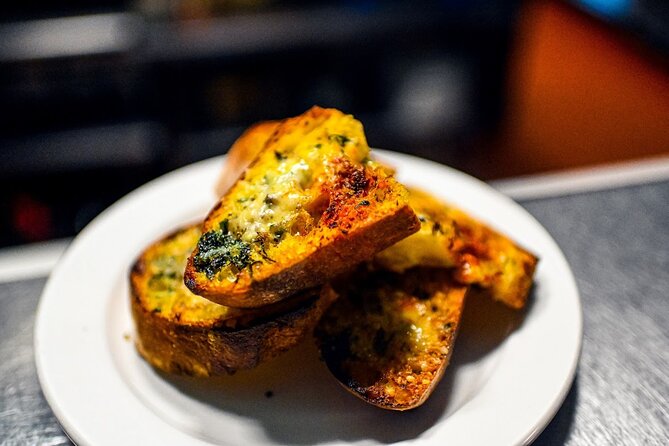
Depending on the day’s logistics and what’s available, you may get Italian-style stops that echo the neighborhood’s immigrant layers. The tour description talks about Italian sandwiches and an Italian deli, and the included menu list also points to authentic Italian pizza.
You may also see Italian sweets show up through gelato or sorbet. That’s a smart addition after savory tastings because it helps cut through heavier flavors and keeps you comfortable for the next walk segment.
Some versions also include a coffee tasting and connect more of the food route toward the broader North Beach and Chinatown area. That doesn’t erase the Mission focus; it just adds another angle on what “Italian” and “classic comfort food” can mean in San Francisco neighborhoods that sit close to each other.
Clam Chowder and Comfort Food Stops: Why They Fit Here
One of the Mission’s best attributes is that it can feel specific and local while still being part of a wider city food map. The itinerary points to a traditional clam chowder shop as a possible stop, and that’s a classic San Francisco move.
Clam chowder is also ideal for a walking tour because it’s comforting and filling without being as chaotic as some other dishes. It’s the kind of food that helps you keep energy while you’re moving between mural-heavy streets and historic-looking buildings.
Even if you’ve had clam chowder before, the value here is pairing it with the neighborhood context. The guide’s stories are part of why these stops feel like more than just eating.
Stuffed Dumplings and Coffee Tasting: The Chinatown Touch
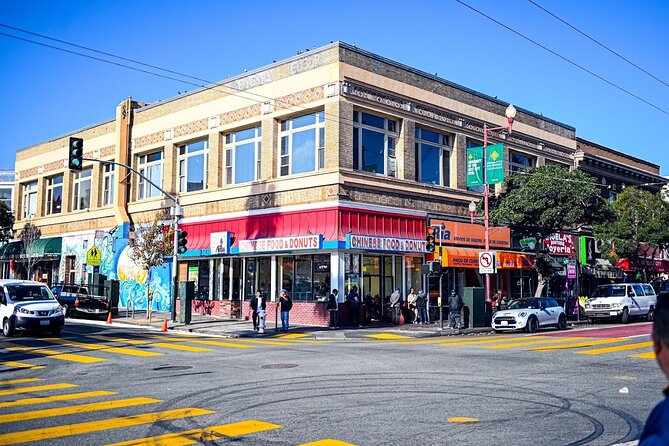
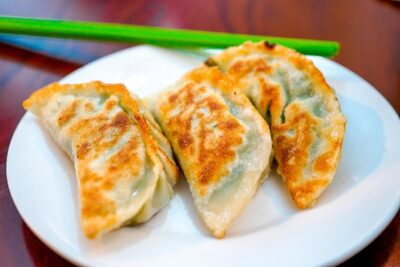
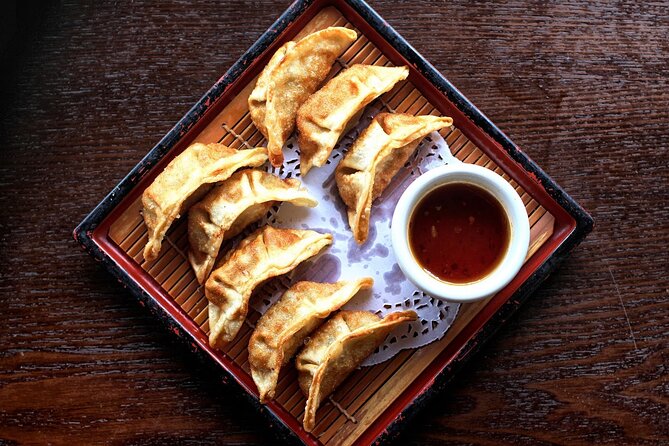
The included items also list stuffed dumplings and a coffee tasting. That’s a big reason this tour feels like more than a single-cuisine food crawl.
Dumplings bring variety in both texture and style, so your tasting isn’t just burrito-adjacent the whole time. Coffee tasting adds another layer: it helps you cleanse the palate and gives the day a more “curated” rhythm, even if the exact places can shift.
If you like tours where you get a mix of savory styles—Mexican comfort, Italian comfort, and something else entirely—this is one of the best parts of the package.
The Secret Dish: The Mystery Stop That Keeps It Fun
The standout feature is the secret dish. You’ll see it listed as included, and it’s designed to be a surprise rather than something you can predict from the first stop.
That mystery has a real effect on your experience. It’s not just a gimmick. It breaks up the routine of knowing exactly what’s coming next. It also lets the tour adapt to what the guide can lock in that day, which is important in a city where availability can change fast.
You can treat the secret dish as your pacing tool. If you’ve been eating steadily, the final mystery bite is usually the payoff. If you’ve been pacing carefully, it becomes a reward instead of a scramble.
Walking Pace, Portion Logic, and What to Wear
This tour involves a fair amount of walking, so comfortable shoes are a must. The route includes enough distance that you’ll feel it by the middle, but it’s not described as a grind of steep climbs. Still, San Francisco sidewalks can be uneven, so don’t show up in brand-new shoes.
Portions are another practical piece. The burrito opener is intentionally big, and the tour is built around timed stops so you’re not waiting in line for every bite. Some people love that rhythm. Others find the opening burrito hard to finish. If that sounds like you, focus on eating to enjoy, not eating to prove you can clear every bite.
A helpful mindset: you’re doing a “walk-and-taste” tour, not an all-you-can-eat contest. If you take a bite, pause, and listen while you eat, the experience tends to feel smoother.
Also, bring the kind of energy that’s ready for history talk. The best tours here are the ones where you look up at murals, notice architecture, and treat the guide’s stories like part of the meal.
Guides and Storytelling: Why People Keep Recommending It
This is one of those tours where the guide can make or break the day. The experience is designed for small groups and relies on storytelling between stops, so a strong guide style matters.
In the examples I’ve seen, guides like Dominica, Zachary, Dara, Mark, Jamie, Christy, Dave, and Cory H are praised for being upbeat, efficient with timing, and able to connect food with what’s around you. People also highlight that the pacing feels well managed—that the ordering timing and the walk timing don’t leave you starving or stuck.
This matters for your real day because you’re buying less stress. You don’t have to decide which place to try first, where to go next, or how to time your meals between walks.
If you’re the type who likes practical food advice—where to go after the tour, what to try next—this tour format supports that. You’ll leave with more than just full stomachs.
Who This Tour Fits Best (and Who Might Want a Different Option)
I’d send couples, small friend groups, and solo eaters who love walking and want a neighborhood-led day. It’s also a good fit if you want to see how the Mission District connects to wider San Francisco food styles through Italian and other comfort foods.
It’s especially well suited to people who enjoy murals, architecture, and cultural context between tastings. The tour is built around food, but it doesn’t treat history as an add-on. It’s part of the route.
If you hate walking, you might find this tour too much. If you’re sensitive to being overfull early, the burrito-first structure could be a problem. And if you’re expecting a very high number of distinct tastings beyond what’s listed, plan your expectations around a focused set of stops rather than a huge sampling marathon.
If you want more attention and less group energy, there’s also an option to upgrade for a private tour, which can be a smart move if you’re celebrating or you just prefer slower conversation.
Should You Book This San Francisco Mission Food Tour?
Book it if you want a small-group food walk that blends Mission District flavor with Italian comfort and a couple of extra surprise-style stops like coffee tasting and stuffed dumplings. This is also a good bet if you like finishing with a real place to unwind, since the tour ends at Dolores Park.
Skip it or consider a different option if you dislike walking, get uncomfortable with very filling food early, or want more variety that feels lighter from stop to stop. The burrito opener is not subtle, and the day is built to feed you.
If your goal is an authentic neighborhood day where food and story move together, this one is a strong choice for San Francisco.
FAQ
How long is the San Francisco authentic food tour?
It’s about 3 hours 30 minutes long.
Where does the tour start and where does it end?
You start at 3900 20th St, San Francisco, CA 94114. You end at Dolores Park on the corner of 20th and Church Street.
What’s the group size limit?
The tour has a maximum of 12 travelers.
Is the tour offered in English?
Yes, it’s offered in English.
Can the tour accommodate dietary requirements?
If you have dietary requirements, contact the tour in advance so they can cater for them as best as possible.
What’s the cancellation policy if weather changes?
You can cancel for a full refund up to 24 hours before the experience starts. The tour requires good weather, and if it’s canceled due to poor weather, you’ll be offered a different date or a full refund.