REVIEW · SAN FRANCISCO
San Francisco: Chinatown Culinary Walking Tour
Book on GetYourGuide →Operated by Local Tastes of the City Tours · Bookable on GetYourGuide
Follow the smell of tea and hot dumplings. This San Francisco Chinatown Culinary Walking Tour turns the neighborhood into a full-sensory lesson, with handmade fortune cookies and tea tastings woven into the walk through alleys off Grant Avenue and Stockton Street. I like how the tour mixes real street-level shopping—herbs, goods, cookware—with food stops that keep you moving and guessing what comes next.
I also love the guided explanations that connect what you’re eating to what people sell and use every day. One thing to consider: the experience is designed for people who can walk comfortably and snack through a lot of small portions, so you’ll want comfortable shoes and a light start.
Plan on about three hours of walking and tasting, starting at the Chinatown Gate (Bush and Grant). If you’re curious about Chinese cuisine, teas, and the way this part of the city has stayed active for generations, this is a smart use of your time.
In This Review
- Key highlights you should expect
- Chinatown Gate start: where the flavor walk begins
- The walking route that turns storefronts into a story
- Fortune cookie craft: the quick spectacle you’ll remember
- Tea and herbs: the tasting that teaches you what you’re tasting
- Markets and produce stops: what to notice as you walk
- Dim sum stop at Chinatown’s oldest-style bakery experience
- Pottery, antiquities, and ritual objects you can actually see
- Buddhist temple inside an old cathedral setting
- Price and value: why $84 makes sense for 3 hours
- Who this Chinatown culinary walk is best for
- Should you book this Chinatown culinary walking tour?
- FAQ
- Where do I meet for the tour?
- How long is the San Francisco Chinatown Culinary Walking Tour?
- What does the price include?
- What should I bring?
- Do I need to eat beforehand?
- Is the tour guided in English?
- Can the tour accommodate dietary needs?
Key highlights you should expect
- A maze of Chinatown alleys off Grant Avenue and Stockton Street, where storefront life is the show
- Tea and herb lessons from vendor counters, not just a generic tasting flight
- Fortune cookies made by hand as you watch the craft happen close up
- Dim sum at a historic bakery stop that’s described as the oldest of its kind in the city
- Food plus objects: pottery, antiquities, and ritual items you can actually see in person
Chinatown Gate start: where the flavor walk begins
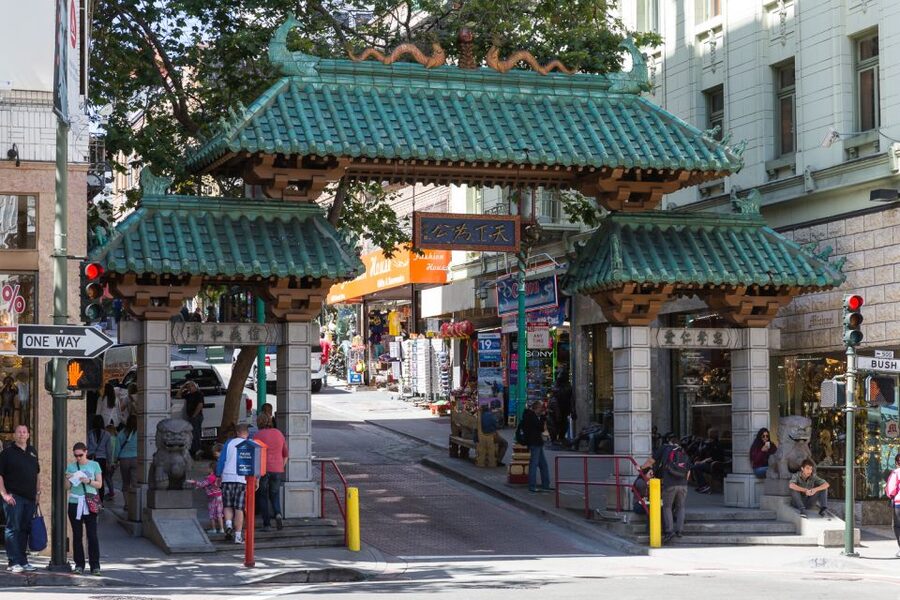
The meeting point is easy to find: in front of the Chinatown Gate at the corner of Bush and Grant streets. That matters, because Chinatown is a grid that can feel confusing fast, and the tour’s whole point is to guide you off the main roads and into the tighter network of side streets.
You’ll want to show up with one mindset: you’re not “just tasting a little.” The tour includes all food and drink tastings, and the portions are designed to add up over the full route. If you tend to graze during the day, you’ll still have enough room. If you eat a big brunch first, you’ll likely regret it—this one goes heavy.
Also, wear shoes you can stay in for a while. The route is walking-heavy, and the pacing can be brisk enough that you’ll appreciate not thinking about your feet.
You can also read our reviews of more walking tours in San Francisco
The walking route that turns storefronts into a story
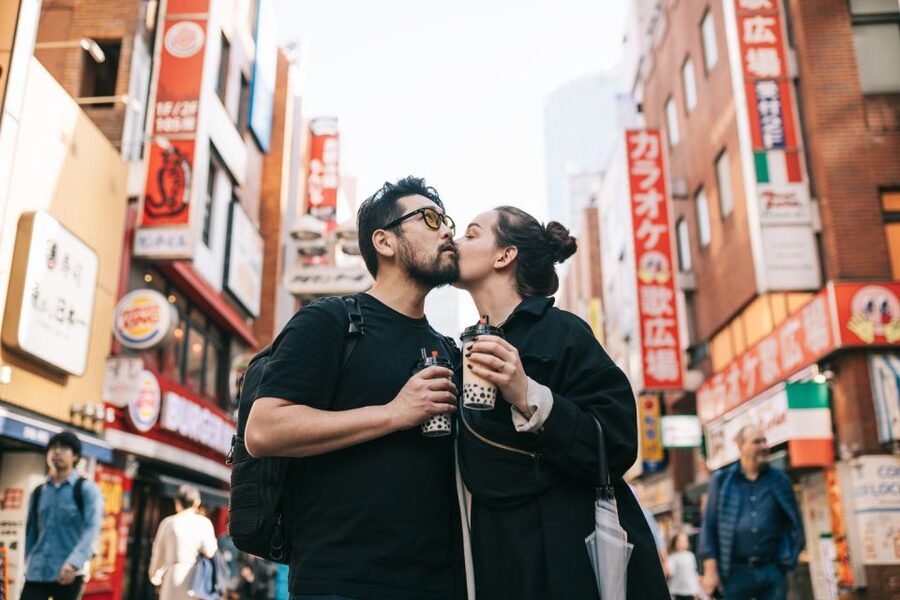
Here’s what makes a Chinatown walking tour work: the neighborhood changes block to block, and the meaning of what you see depends on what a local would point out. This tour does that by sending you through a maze of alleys off Grant Avenue and Stockton Street, where older techniques and daily habits still show up in the details.
As you walk, you’ll be guided through:
- food markets and neighborhood restaurants
- shopfronts selling goods you might not know how to shop for on your own
- artisans doing small, hands-on tasks that you normally miss just passing by
It’s not only about what’s sold, either. The guide helps connect the dots between cuisine, ingredients, and the culture of buying and preparing food here. If you’ve ever wandered Chinatown and felt like you were looking through glass, this route helps you see the mechanisms behind the scenes.
Fortune cookie craft: the quick spectacle you’ll remember
One of the most memorable moments is watching fortune cookies get made by hand. It’s simple in concept—small cookie, paper message—but the process is physical, practiced, and surprisingly engaging to watch up close.
Why this stop matters: it gives you a break from eating long enough to actually focus on something real. You’re not just consuming. You’re learning how a tradition shows up as craft and product right on the street.
If your guide happens to be Andres or Scott, you may get extra storytelling around how food traditions travel and change, and why these sweet treats became part of Chinatown’s everyday scene. If Isabella is leading, you can expect a very active style of guiding, with help spotting details that many people overlook.
Either way, it’s a short stop that keeps the tour from feeling like a conveyor belt. You’ll taste later; this is one of the moments that makes the tasting feel earned.
Tea and herbs: the tasting that teaches you what you’re tasting
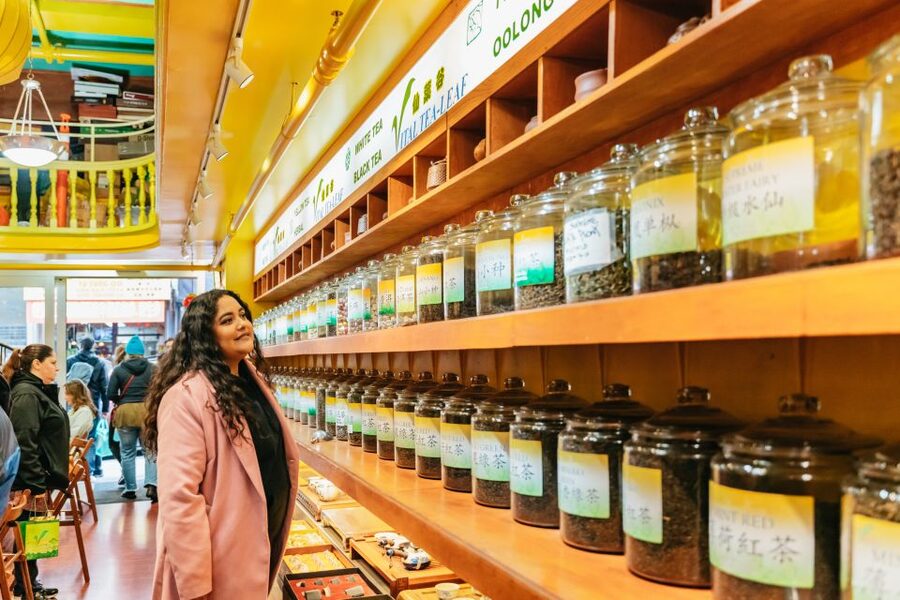
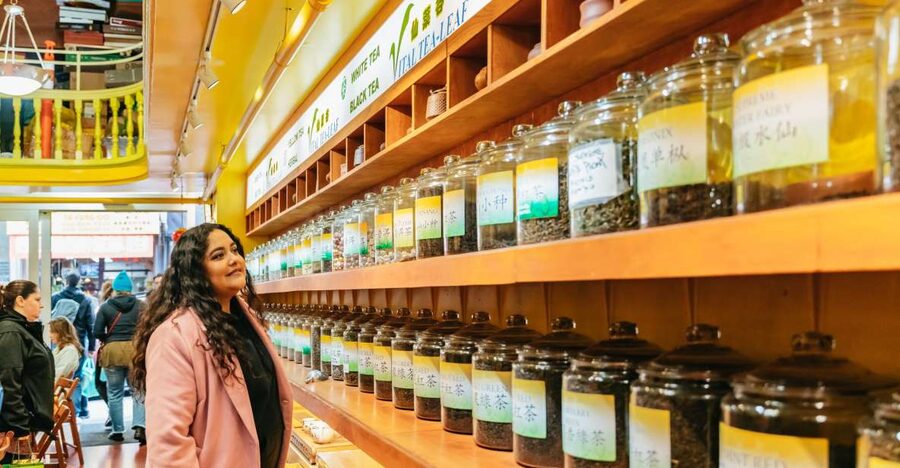
The tour’s tea and herb component is one of the big reasons people come back happy. You’ll learn about the varieties of Chinese teas and herbs from the vendors themselves—people who actually sell these items for day-to-day use.
I like that this isn’t just a sip-and-smile event. The guide helps you understand:
- what makes teas different from each other
- how herbs fit into everyday food and wellness traditions
- how vendors talk about flavor, aroma, and usage
And yes, this is a tasting tour, so you’ll have tea to sample. The best part is that you’re tasting in context. You’re not waiting until the end to figure out what you like; you’re learning while you’re still surrounded by the shelves, jars, and signage that make the flavors make sense.
Ednita and Emily-style favorites in the provided experiences point to the tea tasting as a highlight—so if you’re a tea person, this is worth showing up for alone. If you’re not, you’ll likely leave with a better sense of what to order next time in a restaurant.
Markets and produce stops: what to notice as you walk
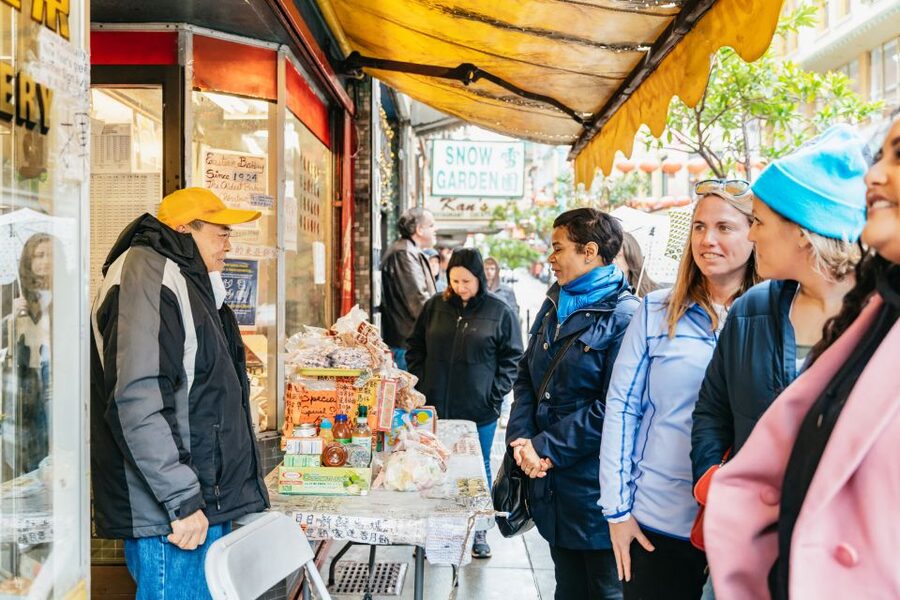
Chinatown has plenty of visual drama, but the tour trains your eyes. Instead of only seeing colorful piles and packaged goods, you start noticing details like textures, shapes, and what ingredients get used together.
As you peruse streets for interesting produce and goods, you’ll also get explanations that help you understand why certain items show up here. That turns shopping into something practical: you’ll be more confident returning later and picking items that match what you actually want to cook or eat.
If you’re the type who likes food shops more than museums, you’ll probably enjoy this part. And if you’re the type who usually tunes out “history talks,” the guide’s approach tends to keep the history tied to what you can see and taste right now.

Dim sum stop at Chinatown’s oldest-style bakery experience
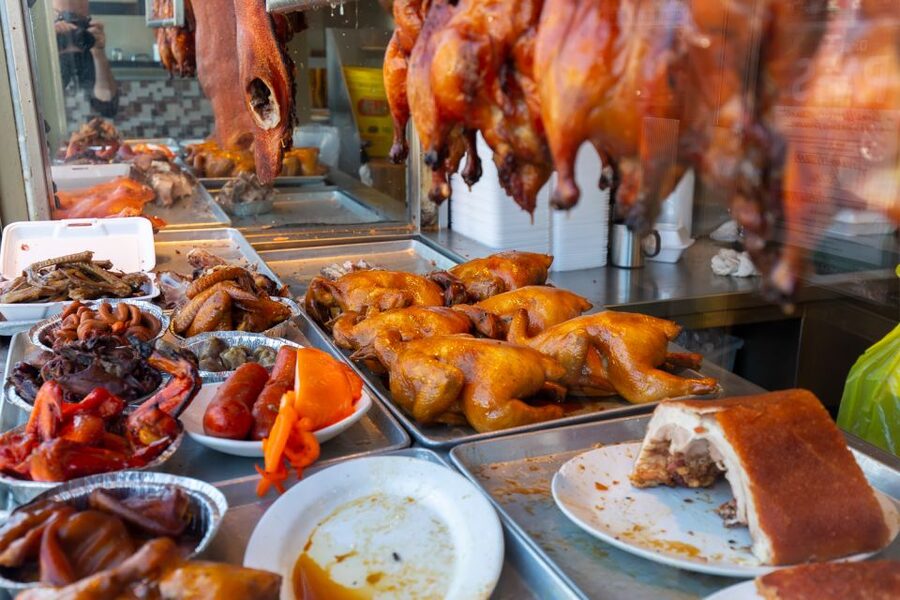
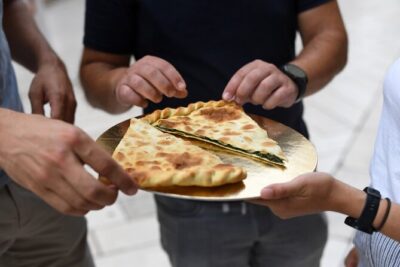
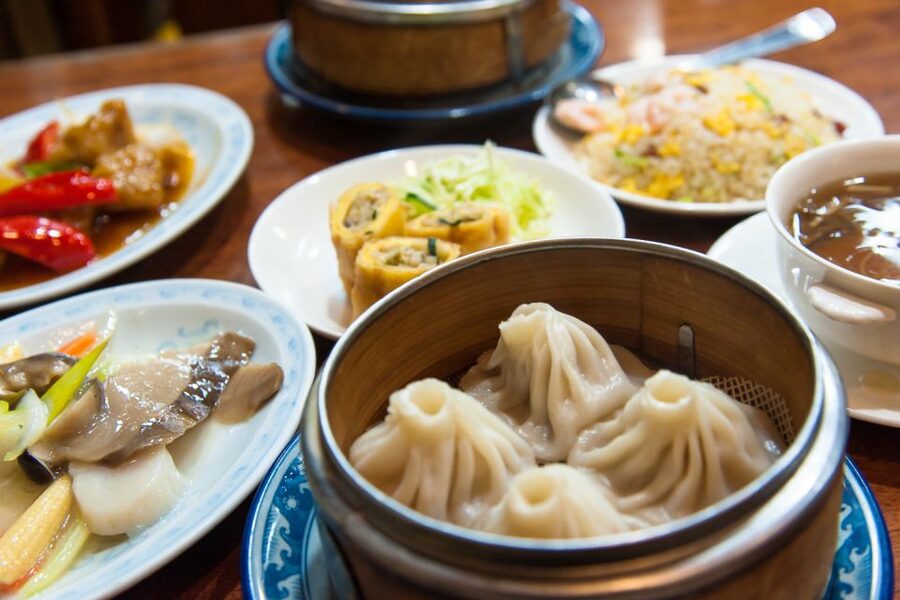
The tour includes dim sum at the oldest Chinese bakery in the entire city (as described). This is a key food stop for a reason: dim sum is one of the clearest ways to understand Chinese comfort food—small portions, lots of variety, and a mix of steamed and pan-friendly bites.
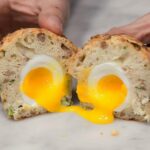
You’ll get a chance to taste while learning how these items work within a broader food culture. In the materials tied to this experience, you’ll also see examples of what else you might encounter along the way—things like onion buns, pork rolls, moon cake, and fortune cookies, plus multiple meals during the walk.
What to watch for: because the tour includes many tastings, you shouldn’t try to compare bites like they’re separate restaurants. Think of this stop as one chapter in the larger flavor arc.
If you have dietary needs, several guides in the experiences tied to this tour have been described as accommodating preferences such as gluten free or vegetarian/no pork. Still, don’t treat that as a guarantee for every dish—if you have serious allergies, use the reservation channel to communicate your needs clearly.
Pottery, antiquities, and ritual objects you can actually see
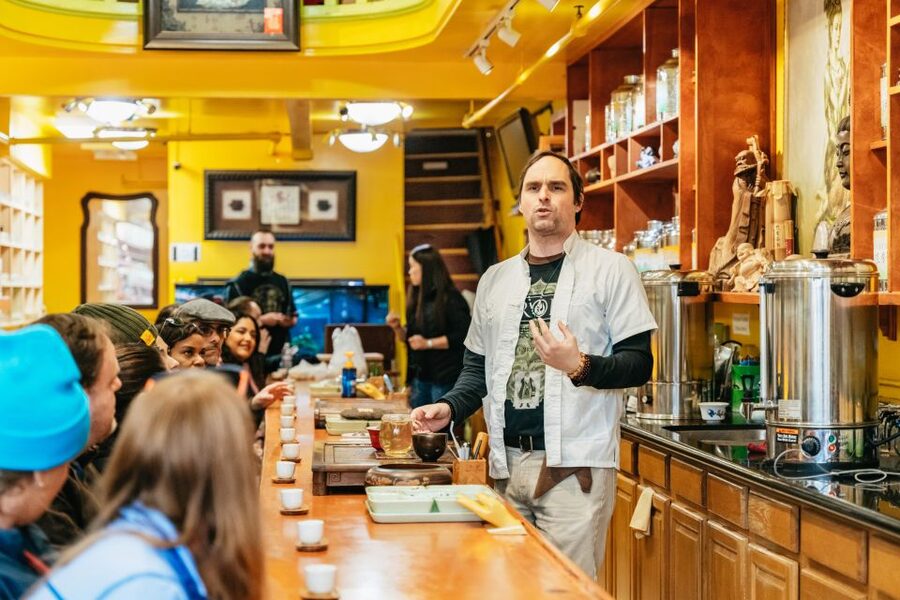
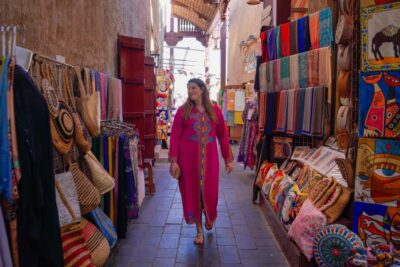
Not every Chinatown tour gives you a reason to care about objects. This one does. You’ll peruse shopfronts for authentic cookware and antiquities, and you may see statuettes and ritual objects described as thousands of years old.
Even if antiques aren’t your hobby, this part can be eye-opening because it reframes what Chinatown is. This neighborhood isn’t only food. It’s also about home rituals, religious objects, and how families maintain cultural ties through everyday items.
I especially like that the tour includes a mix of “eat now” and “look closely.” You’re not just collecting snacks—you’re learning how culture gets packaged into small, specific objects, the kind you might never notice from outside.
Buddhist temple inside an old cathedral setting
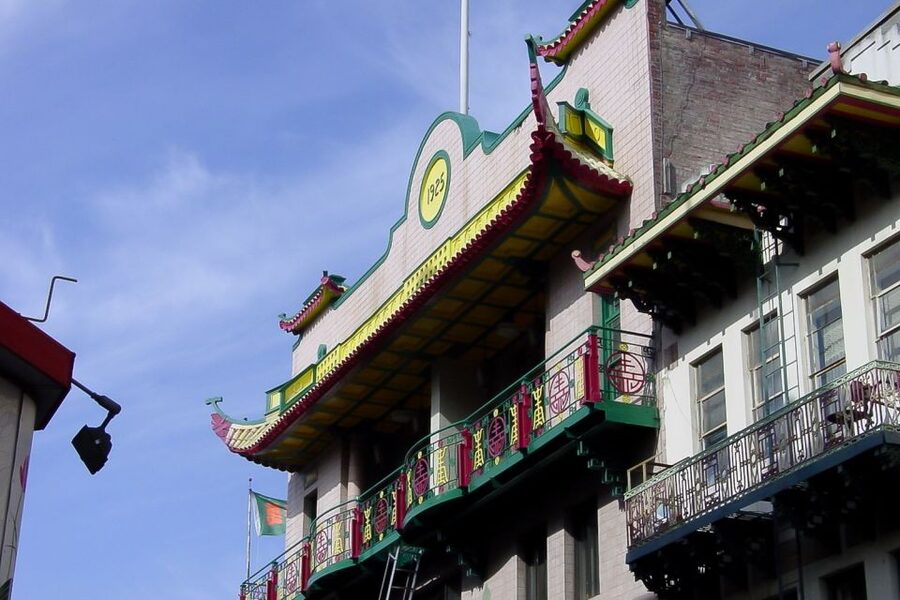
The tour ends by heading to one of the city’s oldest cathedrals and taking a look inside a Buddhist temple. That blend is part of the charm of San Francisco: different faiths and communities sharing space and story in one walkable area.
You’ll get a guided look inside the temple, and you’ll likely notice details you’d miss on your own. Some experiences associated with this tour specifically praise guides like Isabella for helping people locate places higher up or tucked away, so if a temple area feels easy to pass, your guide can help you find the meaningful corners.
This final stretch gives the tour a human scale. The food brought you in, but the temple stop is what helps you understand the neighborhood as living culture, not just a snack route.
Price and value: why $84 makes sense for 3 hours
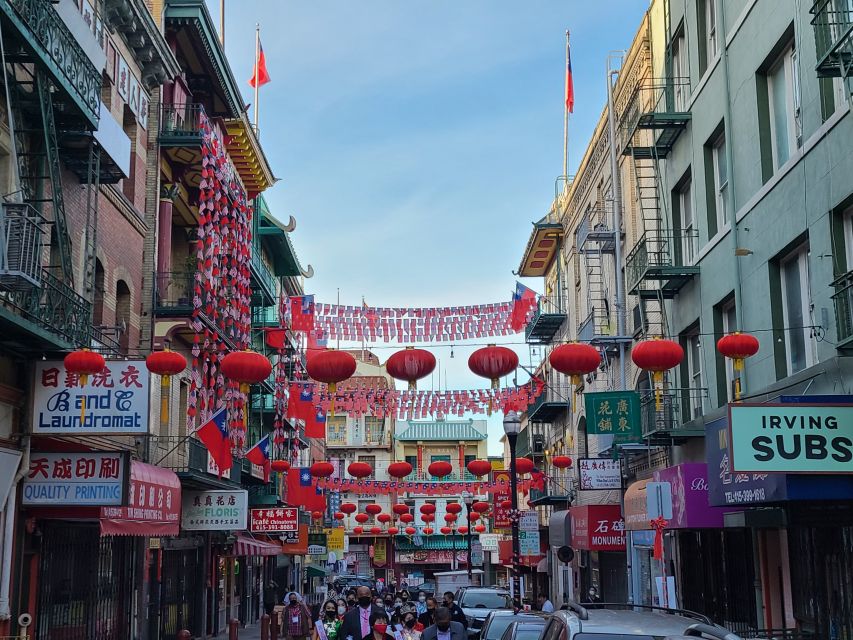
At $84 per person for about three hours, this tour isn’t cheap in the way a self-guided snack crawl is. But here’s the value logic that makes it feel fair:
- You’re paying for access: a guide who knows what matters and where to go, so you don’t waste time guessing.
- You’re paying for variety: multiple tastings plus dim sum and tea, which can add up quickly if you do it alone.
- You’re paying for interpretation: tea and herb explanations, plus context for objects and the neighborhood itself.
If you tried to recreate this on your own, you’d likely spend less on a guide but more on trial-and-error—where to buy tea, which bakery makes the dim sum stop worth your time, which shops have what you can’t easily identify, and how to piece it all together into a single walk. The guide compresses the learning curve.
The other value point: you can end up with a small group. One of the experiences associated with this tour mentioned an intimate group size (including a solo traveler). Smaller groups tend to make it easier to get specific questions answered while you’re eating.
Who this Chinatown culinary walk is best for
This tour is ideal if you’re:
- here for food with context, not just food
- interested in Chinese teas, herbs, and ingredient stories
- the kind of traveler who likes seeing how traditions show up in daily business
It’s also a great fit for first-timers in San Francisco Chinatown, because you’ll get a map in your head by the time you finish. The walking route, combined with tastings, makes it easier to return later and navigate without feeling lost.
If you dislike walking, or you only want one or two quick tastings, you might find this too full. The tour is built around having you eat enough that you’ll need the advice to not eat too much before you start.
Should you book this Chinatown culinary walking tour?
Yes—if you want a structured way to experience Chinatown through the senses. I’d book it if you like tea and dim sum, and if you appreciate guides who connect what you eat to where it comes from and how locals actually shop.
I’d hesitate only if you’re sensitive to walking time, overwhelmed by crowded streets, or you prefer fully independent dining plans. Otherwise, this is one of the stronger ways to spend a half-day in San Francisco when you want your visit to feel specific, not generic.
If you do book, do one simple thing: arrive hungry, wear good shoes, and ask your guide about what you’re tasting as you go.
FAQ
Where do I meet for the tour?
Meet in front of the Chinatown Gate at the corner of Bush and Grant streets.
How long is the San Francisco Chinatown Culinary Walking Tour?
The tour lasts about 3 hours.
What does the price include?
The price includes the walking tour, a live guide, and all food and drink tastings.
What should I bring?
Bring comfortable shoes for walking.
Do I need to eat beforehand?
You’re advised not to eat too much before the tour, since the tasting portions are ample.
Is the tour guided in English?
Yes, the live tour guide is English.
Can the tour accommodate dietary needs?
Guides have been described as accommodating preferences and restrictions such as vegetarian, no pork, and gluten free in the experiences tied to this tour.