REVIEW · TOKYO
Classic Tsukiji Food Tour
Book on Viator →Operated by Arigato Japan KK · Bookable on Viator
Tsukiji feels real early in the morning. This small-group seafood breakfast tour takes you through the outer market streets with food tastings, vendor talk, and a quick culture stop before you head back into Tokyo full of new flavors. You’re not just looking at fish—you’re learning how the place works and why it matters.
One catch: this experience isn’t set up for everyone. It’s not recommended for vegans and no-seafood diets, so if that’s you, you’ll likely feel stuck with limited options.
In This Review
- Key points before you go
- Entering Outer Tsukiji for a morning that actually makes sense
- Turret Coffee Tsukiji: the first hit of flavor and the morning reset
- Tsukiji Hongan-ji: a short cultural pause before the tastings
- Outer Tsukiji Fish Market tastings: where you learn by eating
- The Tsukiji Fish Market stop: seeing what’s iconic, even without the full wholesale frenzy
- Namiyoke Inari Shrine: a quick reset plus a sweet ending
- Price and value: what $231 buys you in Tsukiji time
- Who this tour fits best (and who should skip it)
- Timing, weather, and market reality you should plan for
- Practical tips to make your Tsukiji morning smoother
- Guides you might meet: why the human factor matters
- Should you book the Classic Tsukiji Food Tour?
- FAQ
- How long is the Classic Tsukiji Food Tour?
- What time does the tour start?
- Where do I meet the tour?
- What is included in the price?
- How much does it cost?
- Is it good for vegetarians, pescatarians, or gluten-free diets?
- Is it recommended for vegans or people who avoid seafood?
- How big are the groups?
- Do I need to bring cash?
- Is the tour family-friendly and what about kids?
Key points before you go
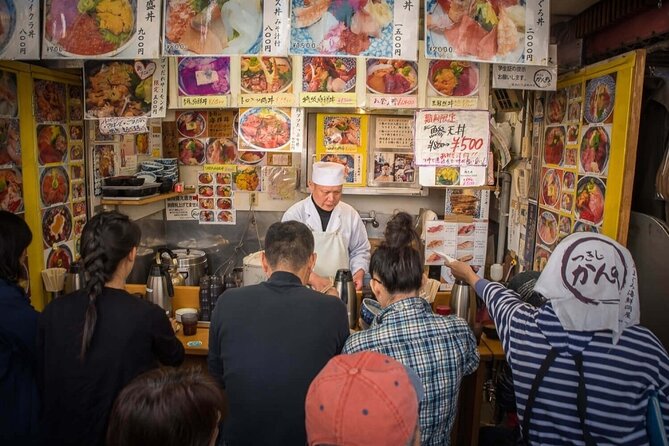
- Max 10 people keeps the pace human and the guide’s attention practical
- Full Tsukiji specialty seafood breakfast plus tastings means you won’t start the day hungry
- Outer Tsukiji focus gives you the flavor of the area without trying to cram in everything
- Coffee first, shrine pause, sweet finish keeps the morning varied instead of one long market loop
- Bring cash if you plan to buy snacks or souvenirs, since credit cards aren’t generally accepted
- Diet options exist, including vegetarian, pescatarian, and gluten-free, but not vegan/no seafood
Entering Outer Tsukiji for a morning that actually makes sense
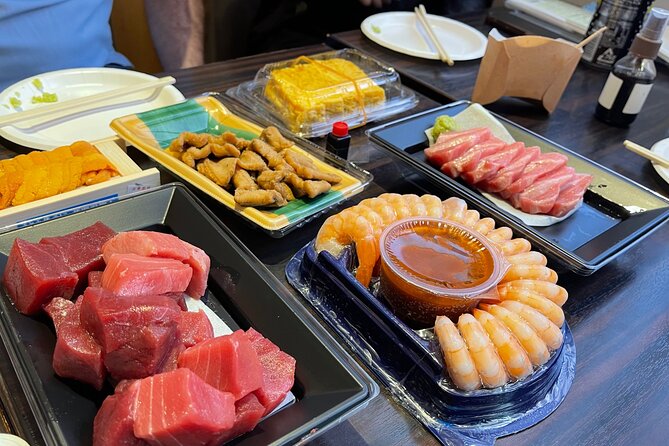
Tsukiji can feel like sensory overload. This tour is a smart way to see the area without treating it like an endless photo scavenger hunt. You start with a short coffee stop, then you walk the historic lanes around the outer market, tasting along the way while your guide helps you connect what you’re eating to the culture of the neighborhood.
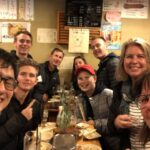
I like that the format is built for a real morning rhythm. In about three hours, you get a drink, a full breakfast, and several stops that give context. The group size is also small—up to 10—so it’s easier to ask questions and keep up without the shuffle.
Here’s what you’ll take away: Tsukiji is more than famous fish. It’s a food ecosystem built on trading, neighborhood tradition, and the daily habits of vendors who’ve stayed in place and made the area their home.
You can also read our reviews of more food & drink experiences in Tokyo
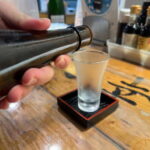

Turret Coffee Tsukiji: the first hit of flavor and the morning reset
You meet at Turret Coffee Tsukiji and start around 8:30 am. The first taste is a drink, and it works as a reset button. Getting coffee early helps you settle in and deal with the reality of a market morning—people, sounds, smells, and lots of walking.
This stop also sets the tone for the rest of the tour. Your guide uses it to point you toward the kinds of specialties that define Tsukiji. You’ll hear about what’s typical here and what you’re unlikely to find in the same way anywhere else.
Practical note: coffee shops in busy areas can get crowded. Arrive a few minutes early so you’re not doing last-second stress while everyone else is forming up.
Tsukiji Hongan-ji: a short cultural pause before the tastings
After coffee, the tour includes Tsukiji Hongan-ji. This isn’t a long detour—it’s a quick cultural reset. In a food tour, it’s easy to stay stuck in eat-eat-eat mode. This moment gives you a little grounding, so when you return to market life, it feels more connected than random.
Also, it helps you slow down just enough to notice details you might miss while focused on eating. You start noticing how the market area sits inside the broader Tokyo rhythm: not just commerce, but community life and traditions that keep shaping what’s sold and how people behave.
If you’re the kind of traveler who enjoys small pauses that add meaning, you’ll appreciate this stop.
Outer Tsukiji Fish Market tastings: where you learn by eating
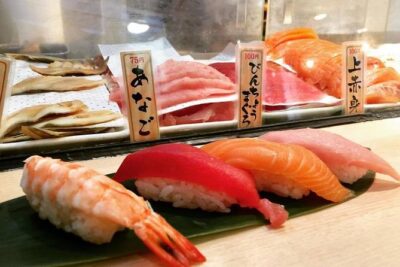
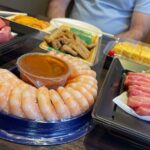
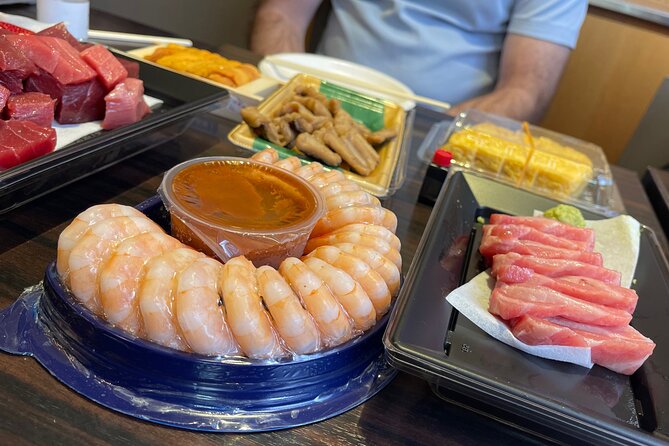
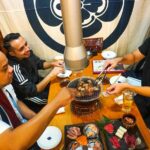
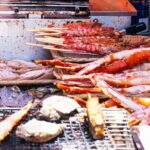
The main action happens around the Tsukiji Outer Market. You’ll spend time walking through the specialty fish market area where vendors still operate in the neighborhood. The tour includes a tasting break with seasonal bites, so you’re not only sampling seafood—you’re also learning what changes as the seasons change.
What makes this part valuable is the vendor context. You’re not just handed food and sent on your way. Your guide helps you interpret what you’re tasting and why it fits Tsukiji’s identity. That’s the difference between a tour that feeds you and one that teaches you how to think like a local for ten minutes at a time.
Time-wise, this stop is about 20 minutes. That might sound short on paper, but in practice it keeps you moving and prevents the common market-tour problem: spending half the morning in one spot waiting for the next tasting while the rest of the area passes you by.
A drawback to consider: markets follow their own pace. Even with a plan, tasting opportunities can shift based on what’s available that morning, schedules, and conditions.
The Tsukiji Fish Market stop: seeing what’s iconic, even without the full wholesale frenzy
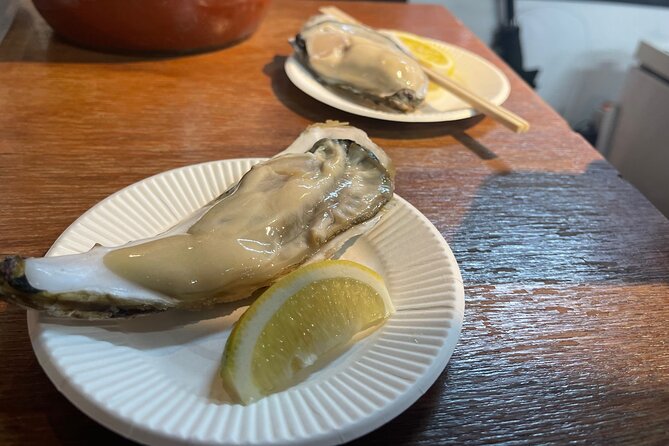
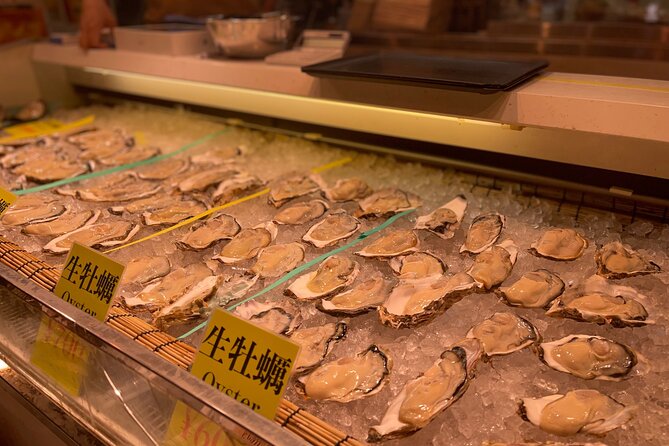
You’ll also visit the Tsukiji Fish Market area. You’ll hear the idea that many people associate Tsukiji with the wholesale side that moved, but this part of town is still a strong food zone with restaurants and shops tied to seafood culture.
This stop is another 20-minute block, and it’s best understood as a guided orientation. You get to see what still signals Tsukiji’s seafood identity, plus you get enough time to notice patterns—how shops present their products, how people browse, and where food feels integrated into the surrounding streets.
If you’re hoping for non-stop tasting every few minutes, manage expectations. This tour is structured around breakfast plus tastings at key moments. It’s more like a curated morning walk than a “sample everything” marathon.
A few more Tokyo tours and experiences worth a look


Namiyoke Inari Shrine: a quick reset plus a sweet ending
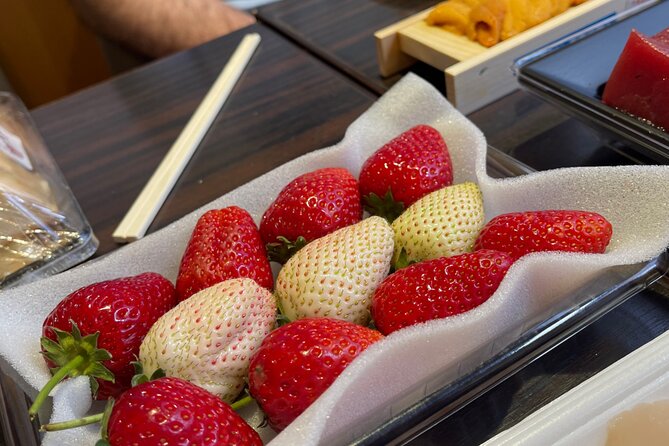
The tour includes Namiyoke Inari Shrine, with time set aside for a brief visit. It’s one of the moments that helps the morning feel like more than eating in a line. You’ll get a short pause at a shrine before the tour finishes with a Japanese sweet snack.
That sweet finish matters more than you might think. Markets work up an appetite in a hurry. The shrine stop gives you a mental breath, and the final snack gives you closure—something easy to enjoy as your stomach catches up.
Also, because you’re walking through different kinds of spaces (coffee spot, market streets, shrine grounds), the morning doesn’t blur into one long aisle. You’ll remember the route more clearly.
Price and value: what $231 buys you in Tsukiji time
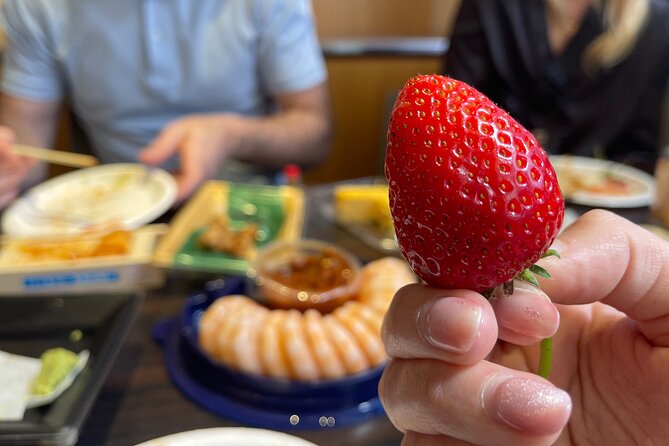
At $231 per person, this isn’t a budget snack tour. But it’s also not trying to be a bargain. The value comes from a few concrete inclusions: a local English-speaking guide, one drink, and a full Tsukiji specialty seafood breakfast.
That matters because breakfast in Tokyo can be pricey, and market tastings add up quickly if you’re doing it on your own without guidance. Add in the guide’s role—sorting out what to try, when to try it, and how to read the market atmosphere—and the price starts to look more like paying for time, context, and structure.
The small-group limit (max 10) is a key value driver. You’re not stuck in a giant herd where questions go unheard and the pacing feels rigid.
One more value tip: if you plan to buy extra food or souvenirs, bring cash. Credit cards aren’t generally accepted for many purchases in this area, so having yen ready keeps your morning smooth.
Who this tour fits best (and who should skip it)
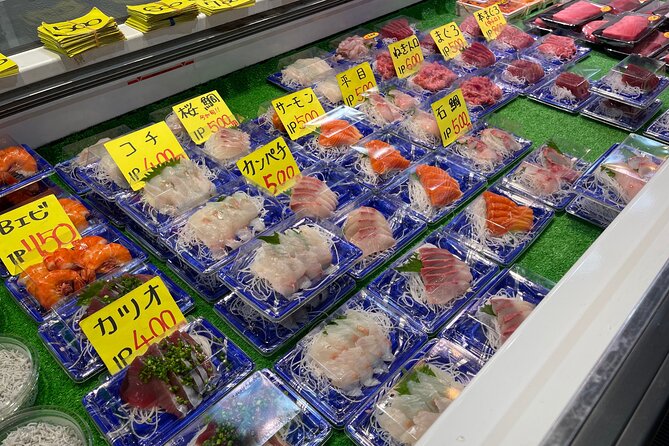
This tour is a great match if you want an organized, food-first introduction to Tsukiji’s outer area. It’s also family-friendly, though children must be with an adult. There’s also a note that passport information copy is required for kids 10 and above, so plan that paperwork early.
Diet-wise, the tour lists options for vegetarian, pescatarian, and gluten-free. That’s helpful. What it doesn’t support well is vegan and no-seafood diets, since it’s geared around Tsukiji’s seafood culture and the seafood breakfast format.
Fitness matters a bit, too. You’ll need a moderate physical fitness level. You’re not doing a hike, but market walking adds up, and the schedule is tight enough that you’ll want comfortable shoes.
If you’re a solo traveler, there’s guidance that you can email for coordination. Also, because the group is small, you’ll likely get more of the guide’s attention than on big bus-style tours.
Timing, weather, and market reality you should plan for
This tour runs in the morning, starting at 8:30 am. That’s ideal because you get the “early day” feel of Tsukiji—plus you’re done before the rest of Tokyo fully wakes up.
It’s also weather-dependent. If weather is poor, the tour may be offered on a different date or you’ll receive a full refund. The reason is simple: market walking with short outdoor segments isn’t something you can fake in bad conditions.
One more detail that affects your expectations: the market has its own calendar, and visits can shift based on restaurant schedules, public holidays, weather, or other issues. Substitutions can happen, so if you’re the type who likes rigid checklists, stay flexible.
Practical tips to make your Tsukiji morning smoother
If you want this to feel effortless, do a few prep moves before you go:
- Bring cash if you plan to buy anything. Credit cards aren’t generally accepted.
- Wear good walking shoes. The time on your feet matters.
- Eat breakfast with the group, then treat extra snacking as optional. The tour already includes a full seafood breakfast.
- Expect a guided flow, not total free time. The stops are short by design.
- If you have dietary needs, confirm they match what the tour states you can accommodate (vegetarian, pescatarian, gluten-free).
Also, keep in mind you’ll be using a mobile ticket. Make sure it’s ready on your phone before you reach the meeting point.
Guides you might meet: why the human factor matters
A big reason this tour stands out is the guidance style. Some groups have been led by Asami, with support mentioned alongside Jordan and Asha. The recurring theme is that the guides explain what you’re seeing in a way that feels friendly and personal—not just like facts being recited.
That makes a difference at a place like Tsukiji, where everything is crowded and fast-moving. When someone helps you connect food, tradition, and the market’s daily rhythm, your experience feels less confusing and more rewarding.
And you’ll likely enjoy the cultural extras, like the shrine stop and the way the guide ties food traditions to how long this area has shaped Japanese eating habits.
Should you book the Classic Tsukiji Food Tour?
Book it if you want:
- A structured morning walk that covers Tsukiji’s outer market area
- Breakfast plus tastings, not just sightseeing
- A guide who helps you understand what’s worth eating and why
Skip it if you:
- Are vegan or avoid seafood entirely
- Want a mostly free-form market wander with zero structure
- Can’t walk comfortably for a market-paced morning
Final advice: if you’re serious about doing Tsukiji early, reserve soon. This tour averages booking about 34 days in advance, and it’s capped at a small size, so prime time slots can disappear.
FAQ
How long is the Classic Tsukiji Food Tour?
It runs for about 3 hours.
What time does the tour start?
The start time is 8:30 am.
Where do I meet the tour?
You meet at Turret Coffee Tsukiji, 2-chōme-12-6 Tsukiji, Chuo City, Tokyo 104-0045.
What is included in the price?
The tour includes one drink, a full Tsukiji specialty seafood breakfast, and a local English-speaking guide.
How much does it cost?
The price is $231.00 per person.
Is it good for vegetarians, pescatarians, or gluten-free diets?
The tour states options for Vegetarian, Pescatarian, and Gluten Free.
Is it recommended for vegans or people who avoid seafood?
No. It is not recommended for Vegans and No Seafood diets.
How big are the groups?
The tour has a maximum of 10 travelers.
Do I need to bring cash?
Yes. If you plan to buy souvenirs or food, bring cash, since credit cards are not generally accepted.
Is the tour family-friendly and what about kids?
It is family-friendly. Children must be accompanied by an adult, and a passport information copy is required for kids 10 and above.