REVIEW · TOKYO
Best of Shibuya Food Tour
Book on Viator →Operated by Arigato Japan KK · Bookable on Viator
Tokyo at night is a whole different animal. This Shibuya tour strings together neon landmarks and side-street eats so you experience the neighborhood like a local rather than a checklist. I like the way the route mixes famous spots (like Hachiko and Shibuya Crossing) with the smaller lanes where you actually get fed. One thing to consider: at $217 for about three hours, you’ll want to go in hungry and ready to appreciate the guide-led food choices, because a few people felt the overall value didn’t match the price.
What I particularly love is the “eat while you walk” format, with five food stops plus dessert and one included drink. I also love that guides named in feedback—like Seika, Clara, Ray, Saika, and Jacob—sound great at matching the mood of Shibuya with practical food talk, from what you’re tasting to how to order and enjoy it. The main drawback is that meeting point precision matters, and if you show up late, you can lose time (and money) fast on a tight schedule.
In This Review
- Key Points to Know Before You Go
- Shibuya After Dark: Why This Food Walk Feels Different
- Meeting at Hachiko and the Fast Track to Shibuya Basics
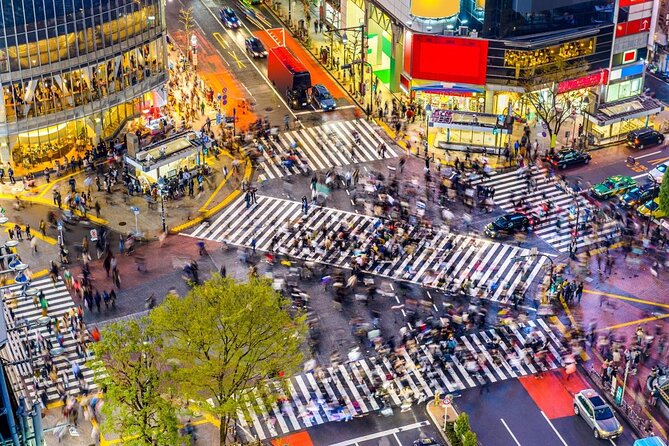
- The Landmark Loop: Center-gai, Shibuya Crossing, and the Shopping Streets
- Where the Eating Actually Happens: 5 Stops, One Drink, and a Dessert Finish
- The depachika element (underground food halls)
- Nonbeiyokocho and the Alley Shift: The Moment Shibuya Becomes Local
- Practical Pacing: What 3 Hours Feels Like on Your Feet
- Price and Value: Is $217 Worth It in Real Life?
- Who This Tour Fits Best (and Who Might Want to Skip)
- The After-Party Option: Karaoke in the Same Spirit
- Ending at Tokyu Food and Your Next-Move Plan
- Should You Book This Shibuya Food Tour?
- FAQ
- How long is the Shibuya food tour?
- What time does the tour start?
- Where do you meet the guide?
- Where does the tour end?
- How much does the tour cost?
- What food and drinks are included?
- Are there age limits for the included drink?
- Is the tour family-friendly for kids?
- FAQ
- How many people are in the group?
- Is the tour cancelable?
Key Points to Know Before You Go
- Small group size (max 10): easier pacing, more personal guidance, less waiting around.
- Night route in Shibuya: you see the district glow after most daytime crowds thin out.
- 5 food stops + dessert + 1 drink: built for a full meal, not just “snacks.”
- Side alleys and depachika access: you get beyond the main shopping corridors and into the food-hall world.
- Family-friendly with a clear plan for kids: kids are served chicken skewers instead of beef.
- Diet flexibility (vegan/vegetarian-friendly): you’re not stuck with only one option.
Shibuya After Dark: Why This Food Walk Feels Different
Shibuya is famous for a reason, but day-time Shibuya can feel like a stage: lots of people, lots of noise, not much room to breathe. This tour is scheduled for the afternoon going into night (start time is 4:00 pm), which is when the streets look best and the restaurant vibe shifts from fast turnover to comfortable dinner flow.
The big idea here is simple: you don’t just get food, you get context. As you move through the district, your guide explains customs and backstories tied to what you’re seeing and eating. It’s a good way to turn all those neon signs and busy crosswalk moments into something you can actually understand, piece by piece, instead of just taking photos and moving on.
You can also read our reviews of more food & drink experiences in Tokyo

Meeting at Hachiko and the Fast Track to Shibuya Basics
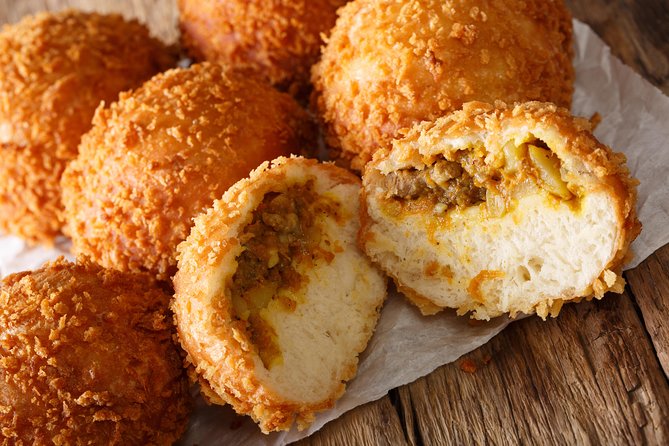
You start at Hachikō Family 2 Chome-1 Dogenzaka, right by the station area outside the Wall Mural of Hachiko (at the Hachiko Exit). This matters because the tour is designed to leave on time and keep a steady rhythm.
From there, the early stops are about orientation. You’ll get a quick rundown of the area and Japanese customs tied to the spot—plus a short pause at Hachiko himself. This is a smart move for first-timers: it gives you a local reference point before you fan out into harder-to-navigate shopping streets.
Then the tour continues to Myth of Tomorrow. Even though it’s only a short stop, it helps set the tone: Shibuya isn’t only about food. It’s also pop culture, street style, and modern Tokyo energy.
The Landmark Loop: Center-gai, Shibuya Crossing, and the Shopping Streets
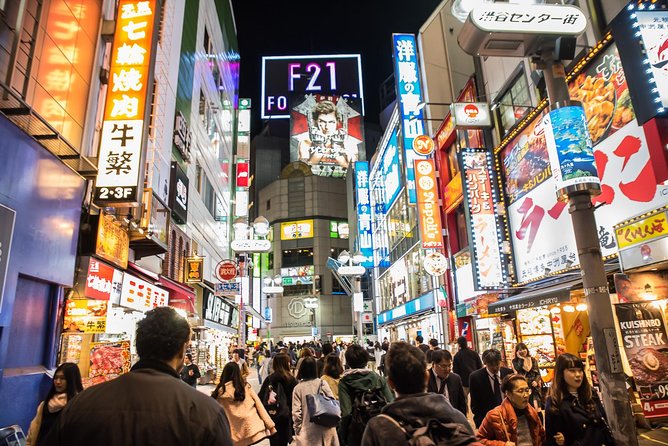
After the Hachiko intro, you head into Shibuya’s main corridors—Shibuya Center-gai, then Shibuya Crossing. Center-gai is one of those stretch-of-streets places where you can feel the district’s pulse. Expect lots of storefronts and a mix of older-school neighborhood spots alongside newer shopping energy.
At Shibuya Crossing, you’re not just going “wow.” This stop is where many guides help you understand how to experience the space better. In the feedback, guides like Alex have been praised for pointing out where to see the crossing from above, which is a big upgrade from a basic ground-level photo.
Next comes Shibuya 109 and MEGA Don Quijote (Shibuya). These stops are useful because they show you where crowds gather—and more importantly, how you move away from the busiest lines afterward. Don Quijote is also a good mental cue for what kind of shopping culture Shibuya has: loud, practical, and designed for browsing.
One practical note: this is still a walking tour. If you’re easily tired by stairs and crowds, slow down your pace early. The group is small, so your guide can help adjust the flow, and multiple reviews mention guides watching pace for comfort.
Where the Eating Actually Happens: 5 Stops, One Drink, and a Dessert Finish
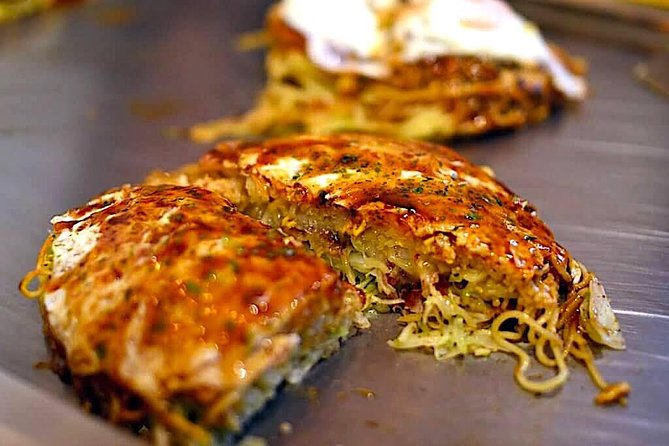
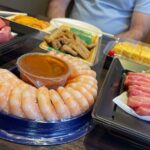
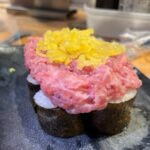
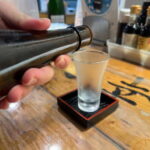
The tour is built around five food stops plus dessert included, and one drink included. The menu can vary by group, but the types of foods you may encounter are very clearly in the Japanese comfort-food lane.
Based on the food options listed, you could see regional favorites such as:
- Hiroshima-style okonomiyaki
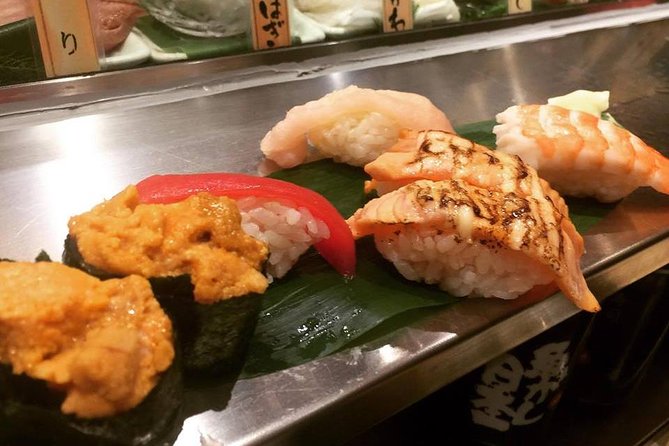
- Sushi (including nigiri in some menus described in feedback)
- Yakitori skewers, including Wagyu beef
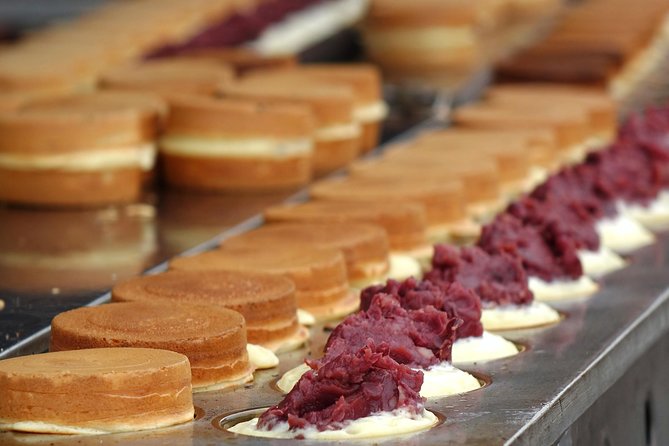
- Dessert, which often acts like a final sweet reset after the savory course
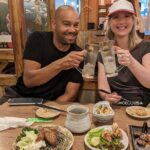
A few people described specific combinations like ramen plus sushi (including around eight pieces of nigiri), along with sides such as gyoza and chicken wings. Others highlighted how the sushi was fresh and how the ramen broth can be especially satisfying on a walking tour where you need comfort-food energy.
If you’re wondering how much you’ll eat: the repeated advice is straightforward—go hungry. Reviews specifically mention being stuffed by the end. Still, remember: portion sizes and exact items can change, especially if you have dietary needs.
The depachika element (underground food halls)
One of the most fun parts for me on tours like this is when you get into a depachika—those underground food halls packed with vendors. Here, the tour includes a chance to wander through that food-floor maze, where you can see how Tokyo treats food like a destination. It’s also a great way to end your meal circuit because you can keep browsing without committing to a full extra dinner somewhere else.
A few more Tokyo tours and experiences worth a look

Nonbeiyokocho and the Alley Shift: The Moment Shibuya Becomes Local
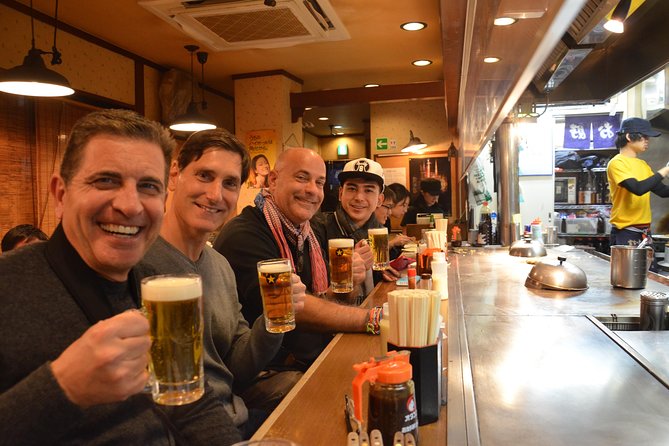
After the bigger shopping stops, the route reaches Nonbeiyokocho, an area known for narrow, nightlife-leaning lanes and small-eat energy. This is the “why” behind booking a guided food tour in the first place: it’s where the vibe turns more intimate and less like a department-store corridor.
This is also where a good guide earns their keep. Guides named in feedback (including Jacob and Vanessa, among others) are praised for not only choosing good food but also sharing tips on how to enjoy what you’re eating—like how to season ramen better or what to pay attention to while you order.
If your goal is off-the-beaten-path flavor, Nonbeiyokocho is the kind of place you can walk past on your own without realizing how much is happening just behind the main street.
Practical Pacing: What 3 Hours Feels Like on Your Feet
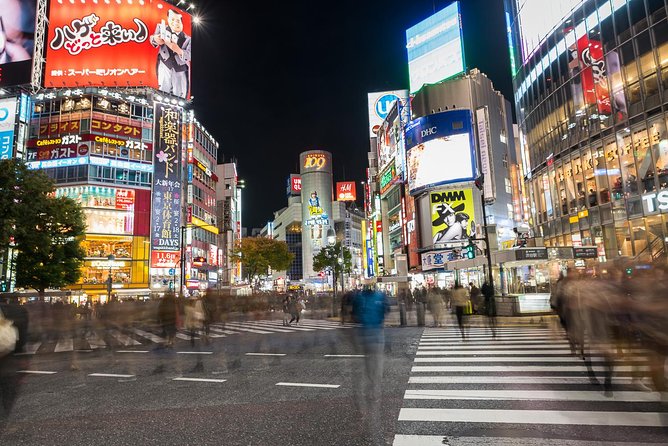
The tour runs about 3 hours. That time includes sightseeing stops, moving between food spots, and actually sitting (at least briefly) to eat. It’s a “moderate physical fitness” situation, which generally means you should be okay with steady walking and some crowded intersections.
A good sign in the feedback is that guides reportedly help with pacing. One review described a guide slowing down to match the slowest person, and another mentioned restroom awareness for families. That’s exactly what you want on a short, concentrated evening tour: less rushing, more flow.
Price and Value: Is $217 Worth It in Real Life?
Let’s talk value without pretending it’s cheap. At $217 per person for around 3 hours, you’re paying for:
- a local guide
- 5 food stops plus dessert
- one included drink
- a route that mixes landmarks with side alleys
- a small group experience (maximum 10 travelers)
- coverage of both iconic Shibuya and food-hall wandering
For many people, the math makes sense because the food quantity is described as generous and the tasting list includes multiple major categories (sushi, ramen, skewers, and dessert). Also, the guide removes the “what is this place and will I understand the menu?” problem, which in Tokyo can be the difference between having a fun meal and settling for something convenient.
That said, there were a couple of complaints. Some people felt it was overpriced for what they got, and others mentioned restaurants that seemed empty with other tour groups present. If you’re the type who hates tourist-style seating or you’re picky about whether each stop feels unique, that’s your main risk.
My advice for protecting your value: treat this as a guided food-and-neighborhood experience, not just a bargain sampler. If you want to optimize cost, you can always eat on your own. If you want Tokyo food context plus a smooth night plan, this is built for that.
Who This Tour Fits Best (and Who Might Want to Skip)
You’ll likely love this tour if you:
- want a night plan in Shibuya that feels organized
- enjoy street food and Japanese comfort food (ramen, sushi, skewers, okonomiyaki)
- want a guide to help you pick places you wouldn’t find quickly
- travel with friends or family and want an easy “meet up and go” structure
- like the idea of stopping by a depachika food hall
You might rethink it if you:
- expect a totally private or high-end dining sequence (this is more street-level and casual)
- hate guided group pacing or worry about feeling like you’re in a food-tour circuit
- need super strict dietary control beyond what’s supported (the tour says vegan/vegetarian-friendly flexibility, but exact accommodations beyond that aren’t listed)
It’s also family-friendly, and there’s a clear kids plan: children must be accompanied by an adult, and kids get chicken skewers instead of beef. If you’re traveling with kids, make sure you have the required passport copy for children 10 and above.
The After-Party Option: Karaoke in the Same Spirit
If you like to keep the night going, the experience offers a karaoke after party option. You won’t find details here on how it’s run, but the fact it exists signals that the tour company tries to make this more social than just a “walk and eat” session.
Ending at Tokyu Food and Your Next-Move Plan
The tour ends back near your starting area, at the Tokyu Department Honten store—specifically the basement level under the station. That location is ideal because it’s a convenient food and transport hub. After you’re finished, you can either head out for the rest of the evening or use the area to regroup and decide on dinner plans (if dessert didn’t already do the job).
Ending underground also matches the depachika vibe you’ve been building toward. You can look around a bit more, pick up snacks, or just enjoy a calmer final moment while the rest of Shibuya continues to hum above you.
Should You Book This Shibuya Food Tour?
Book it if you want a night in Shibuya that’s built for eating: five tastings, dessert, and a drink, plus a route that gets you to the iconic parts without ignoring the side streets where the real local feel lives. If you’re going for your first Tokyo trip or your first Shibuya night, this is one of the easiest ways to get your bearings fast and still leave with a full stomach.
Skip or be cautious if you’re looking for low prices or worry that guided stops might feel repetitive. The best move is to go with the right mindset: you’re paying for a local guide to steer you through Shibuya’s food world, not for a guaranteed perfect sequence at every single restaurant.
FAQ
How long is the Shibuya food tour?
It lasts about 3 hours.
What time does the tour start?
The start time is 4:00 pm.
Where do you meet the guide?
You meet in front of the Wall Mural of Hachiko at the Hachiko Exit, at Hachikō Family 2 Chome-1 Dogenzaka.
Where does the tour end?
It ends at Tokyu Department Honten Store, basement level under the station.
How much does the tour cost?
The price is $217.00 per person.
What food and drinks are included?
You get 5 food stops, dessert included, and one drink included.
Are there age limits for the included drink?
Yes. The minimum drinking age is 21 years.
Is the tour family-friendly for kids?
Yes. Children must be accompanied by an adult. Kids 10 and above require a copy of passport information, and children get chicken skewers instead of beef.
FAQ
How many people are in the group?
The tour has a maximum of 10 travelers.
Is the tour cancelable?
Yes, free cancellation is available up to 24 hours before the start time for a full refund.