REVIEW · TOKYO
Eat and Drink Like a Local: Tokyo Ueno Food Tour-Taverns&Ramen
Book on Viator →Operated by Best Experience Japan · Bookable on Viator
You can eat like a Tokyo insider in Ueno. This 3-hour, max-10 person tour pairs food tastings with Japanese drinks while a guide handles the busy-street and ordering parts for you.
I especially like how it mixes real neighborhood stops (including Ameya Yokocho) with clear guidance on what you’re eating. I also like the confidence boost: you finish knowing how to order and enjoy a proper ramen bowl.
One thing to consider: some of the dishes can feel adventurous, and standing bars mean you’ll want to be comfortable eating in close quarters and moving from place to place.
In This Review
- Key points before you go
- Why Ueno is a smart place for your first Tokyo food night
- The $95 price tag: what value looks like here
- Meet at Atre Ueno: the tour’s calm start before the food storm
- Stop 1 in Ueno: your first set of dishes sets the theme
- Ameya Yokocho and Okachimachi: standing bars feel easier with a guide
- The train-system lesson and the Ueno District drink culture stop
- Okachimachi Panda Hiroba: ramen as a final lesson, not just a meal
- Food tone: adventurous, but guided enough to keep it fun
- Who should book this Ueno Food Tour
- Should you book this Ueno ramen and taverns tour?
- FAQ
- Where do I meet for the tour?
- How long is the Tokyo Ueno food tour?
- How many people are in a group?
- What food and drinks are included?
- Is there help with language?
- Is free cancellation available?
Key points before you go
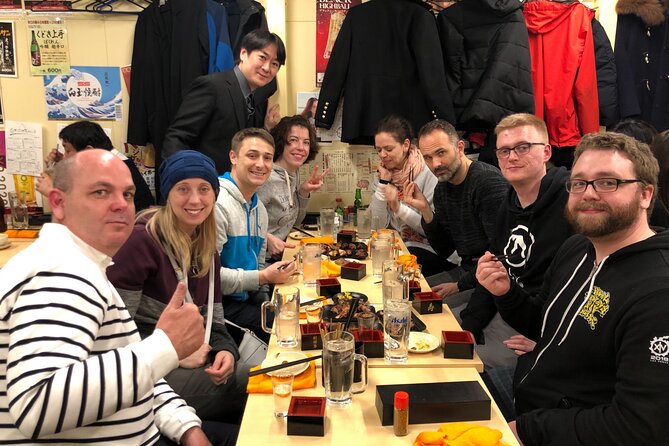
- Small group (up to 10): easier conversation and less waiting at each stop
- Translation help: the guide takes care of language and ordering so you don’t stall
- Food + drinks included: you get multiple tastings rather than just one “sample”
- Ueno + Ameya Yokocho focus: you get a local-feeling area without hunting all night
- Last stop is ramen: ending with a hands-on ramen lesson is a smart way to leave prepared
- Guide-led culture explanations: from Tokyo basics to drink culture and how taverns work
Why Ueno is a smart place for your first Tokyo food night
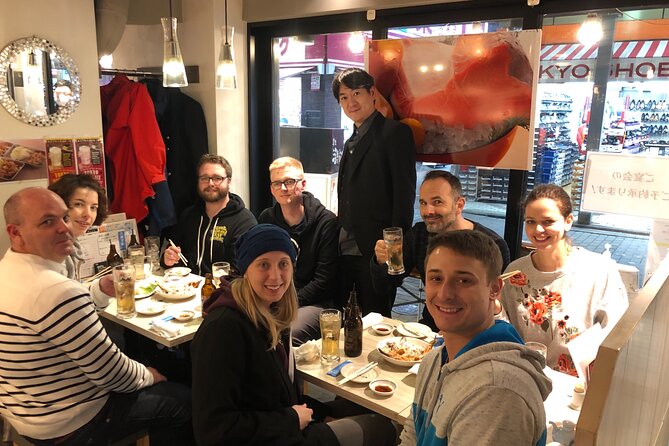
Ueno is a great “start here” neighborhood because it blends several kinds of Tokyo in one area. You’ve got the formal side near Ueno Park and the more everyday side right where people shop, snack, and drink around Ameya Yokocho.
This tour leans hard into the second side: standing bars, izakaya-style taverns, and casual places where locals go without needing a translator. That’s a big deal if you’re visiting for the first time, because Tokyo’s food culture can feel intimidating when you’re staring at menus that don’t explain themselves.
Also, Ueno is practical. You’re walking through a compact area, so the whole evening feels like a single plan rather than four separate restaurant hunts. That flow matters when you’re tired after travel or you want a high-energy first night.
You can also read our reviews of more food & drink experiences in Tokyo

The $95 price tag: what value looks like here
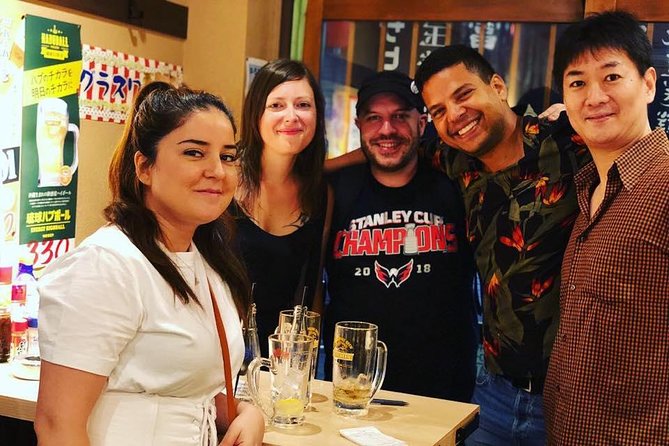
At about $95.21 per person for roughly 3 hours, this isn’t a “buy one snack” experience. It’s priced like a guided eating circuit: multiple stops, tasting portions, and drinks included, plus a guide who translates and helps you navigate.
You’re also paying for something hard to replicate on your own: knowing what to order and where to go in a crowded maze. Several guides and participants emphasize that Japan’s bar and restaurant scenes can be awkward to enter solo. When you’re with someone who has done this many times, you skip the guessing and spend the night eating.
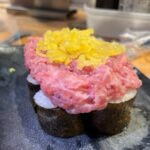
A helpful detail: the first restaurant stop includes 4 dishes, and the night continues with additional food and drink. Even if you’re not an expert in Japanese menus, you’ll still get a real cross-section of flavors, from seafood items like sashimi (mentioned in the tour overview) to grilled and skewered dishes and, at the end, ramen.
One more value point: the tour is kept small, with a max of 10 people. Bigger groups can turn food tours into a conveyor belt. Here, the pace is designed so you can ask questions and keep the night moving at a comfortable tempo, which is part of why the rating is so high.
Meet at Atre Ueno: the tour’s calm start before the food storm
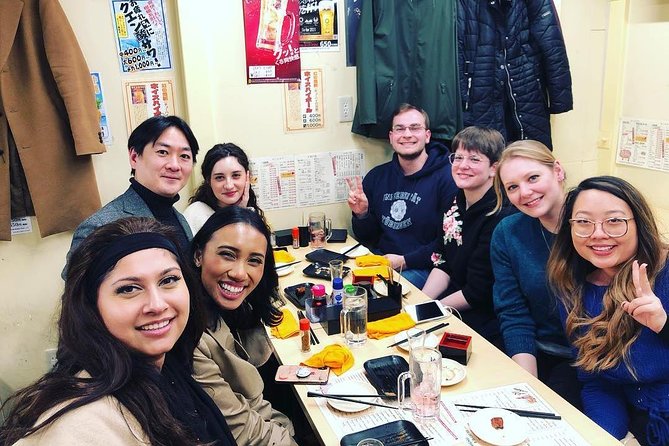
You’ll meet at the Starbucks inside atre Ueno (Ueno, Taito City). The setting is easy to find because it’s inside a major station-area complex, which helps if this is your first time in Tokyo and you’re still getting your bearings.
Before you eat, you get the basics. The guide talks about Tokyo history, then shifts to what’s happening around Ueno Park, and even touches on Ueno Zoo during the intro. That might sound like “extra talk,” but it actually matters for food tours: it helps you understand why the area feels the way it does and what kinds of people are showing up tonight.
Once you start walking toward the first restaurant stop, the vibe changes. You move from “getting oriented” to “learning how to do this like a local.” Reviews also mention a first toast moment where some groups are greeted with a small pear-infused sake shot for a first kampai. Even if your group doesn’t get that exact detail, the tour clearly starts building momentum early.
Stop 1 in Ueno: your first set of dishes sets the theme
The first food stop happens in the Ueno area and includes 4 dishes. The guide explains what you’re eating, so you’re not just taking bites and hoping you guessed right.
What I like about this approach is timing. You start with a guided “intro plate set,” so you can learn patterns quickly: how Japanese taverns serve food, how flavors are balanced, and how drinks work with the meal. When you later hit standing bars and izakaya-style spots, you’re already reading the situation.
Also, because the tour overview includes items like sashimi, skewered meat, and grilled fish, this first stop is likely where that “local variety” vibe begins. Even if the exact lineup differs by day, the goal is consistent: show you a range fast enough that you don’t feel stuck with just one style.
The first stop lasts about 30 minutes, which is long enough for tasting and questions, but short enough to keep your appetite for the next places.
Ameya Yokocho and Okachimachi: standing bars feel easier with a guide
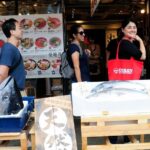
After stop 1, you head through Ameya Yokocho, one of the most well-known market streets in the Ueno area. It’s busy, loud, and packed with smells. Without guidance, it can turn into aimless wandering.
With a guide, it turns into “here’s what to look for” walking. The tour moves toward Japanese-style taverns around Okachimachi Ekimae Street, and the guide explains the local drinking culture in the izakaya area.
This is one of the most practically useful parts of the night. Japan’s izakaya rhythm is different from many Western pub nights. People often order in a pattern that builds across the evening, and drinks flow with small plates rather than one big meal at once. When someone explains the logic, you feel less like you’re interrupting and more like you’re part of the routine.
In the feedback I saw, guides like Aki (also written Akira) and others were praised for steering groups smoothly through the area’s chaos while keeping the tone fun and clear. That combination matters: it’s not just “food info,” it’s also comfort in a setting that can feel intimidating when you’re standing outside looking in.
A few more Tokyo tours and experiences worth a look

The train-system lesson and the Ueno District drink culture stop
Between stops, the guide explains the train system in Tokyo. This is brief, but it’s a smart pairing with a food tour, because many people do their “food research” and their “transport research” at the same time. When you understand the basic logic of how moving around works, you’ll feel more independent for the rest of your trip.
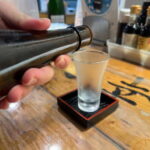
Then you shift to Stop 3: Ueno District, where the tour focuses on Japanese alcoholic drinks and how taverns operate. This portion is about pairing the idea of drinking with the food in front of you. You’re not just learning terms; you’re learning how locals think about what goes together and when.
One key advantage here is that you can pepper the guide with questions. The night is built for interaction, not passive listening. That makes a difference if you want to ask about how to order, what to choose if you’re unsure, or why a certain drink is popular in that kind of place.
Reviews also repeatedly call out that guides keep the energy up and make ordering feel manageable. A common theme is that you get enough cultural context to act with confidence, even when you’re in a place where menus aren’t designed for tourists.
Okachimachi Panda Hiroba: ramen as a final lesson, not just a meal
Your last stop is Okachimachi Panda Hiroba, at a ramen store near Okachimachi Panda Park. This is the payoff for a reason: the guide explains how to order and how to eat ramen properly, so you leave with a repeatable skill.
Ramen is also where “confidence” really shows. Once you learn the ordering flow, you stop treating ramen like a guessing game. And because this is the final stop, you’re often ready for the comfort-food hit after a few different bites and drinks.
In the feedback, the ramen gets praised as a highlight in multiple ways, with people calling it the best they’ve had or at least among the best. That tracks with the tour’s structure: you build curiosity through taverns and small plates, then end with something that’s simple to remember and easy to reproduce later.
Also, this stop is timed at about 30 minutes, which gives you time to eat without rushing. You’re not being asked to swallow the bowl as fast as possible and sprint to the next task.
Food tone: adventurous, but guided enough to keep it fun
The tour is clearly built for people who want to try more than the usual “safe” picks. The overview calls out local specialties like sashimi, skewered meat, and grilled fish, and the reviews mention a wide variety of what some people jokingly describe as mystery meat options and unusual choices.
That can be a drawback if you only want very familiar foods. One review noted that some dishes felt unusual or difficult to eat. Another complaint mentioned trouble understanding a guide. Those two issues are worth considering because this is a tasting tour, not a polished tasting menu where every item is predictable.
Still, the overall pattern in the feedback is positive: most people say the guide explains what’s coming and helps you navigate the eating style. And there’s also evidence that dietary needs can be handled. One comment specifically praised the guide for taking care of a vegetarian in the group by checking ahead, and multiple mentions refer to accommodating dietary restrictions.
So the practical advice is simple:
- If you’re adventurous and open-minded, this tour is likely a great fit.
- If you’re very picky or dislike trying unfamiliar textures, be ready for a couple curveballs.
Who should book this Ueno Food Tour
This is a strong match if you’re:
- In Tokyo for the first time and want an organized first-night plan
- Curious about izakaya culture and standing bars, not just sit-down restaurants
- The kind of eater who wants several small tastings rather than one big meal
- Motivated by leaving with practical confidence for future Tokyo dining
It’s also a good pick if you’re going with friends or a couple and want a social energy. The small group size helps people talk, and guides are described as encouraging questions and keeping the night lively.
Where it might not fit as well:
- If you hate crowded streets or standing formats
- If you want only very classic, Western-palate dishes
- If you’re uncomfortable with a guide doing most of the ordering help and you’re hoping for complete independence (this tour is designed to reduce that friction)
Should you book this Ueno ramen and taverns tour?
If your goal is a smooth first Tokyo food night that covers more than just one restaurant, I’d say yes, book it. The structure is smart: you start with context, then you taste across multiple stops, and you end with a ramen lesson that makes you feel capable after the tour.
It’s also great value in practice because so much is bundled together: multiple tastings, drinks, and translation help, all paced for a small group. At $95-ish for a guided evening with several stops, you’re paying mostly for access and ease.
My final “make the call” checklist is short:
- Are you willing to try some unfamiliar dishes?
- Do you want help ordering and navigating?
- Are you hungry at the start?
If you answered yes to those, this is the kind of tour that turns Ueno from a place you pass through into a place you remember.
FAQ
Where do I meet for the tour?
You meet at Starbucks Coffee – atre Ueno (1F), at Ueno, Taito City, Tokyo 110-0005.
How long is the Tokyo Ueno food tour?
It runs for about 3 hours.
How many people are in a group?
The tour has a maximum of 10 travelers.
What food and drinks are included?
The experience includes food tastings and drinks. You’ll try local dishes such as sashimi, skewered meat, and grilled fish, and the tour ends with a ramen stop. Japanese alcoholic drinks are also part of the experience.
Is there help with language?
Yes. The tour includes a guide who handles translation, so there are no language barriers during ordering and explanations.
Is free cancellation available?
Yes, you can cancel for a full refund up to 24 hours before the experience starts. If you cancel within 24 hours, the amount is not refunded.