REVIEW · TOKYO
Tsukiji Fish Market Small-Group Food Walking Tour
Book on Viator →Operated by MagicalTrip Inc. · Bookable on Viator
Seafood chaos, with a guide. This Tsukiji small-group food walk takes you through the Tsukiji Outer Market and ends with a seafood lunch that actually satisfies. You also weave in temple-and-shrine stops, so it’s not just eating, it’s culture you can see with your own eyes.
I love the way this tour turns the market into a guided path. You try multiple seafood bites and snack-style tastings instead of wandering lost among stalls and souvenir shops. You leave with your stomach full and your Tokyo food instincts sharpened.
One thing to consider: it’s no vegan options, and they cannot promise allergy-free food since kitchens are not dedicated to dietary needs.
In This Review
- Key things that make this Tsukiji tour worth it
- First steps at Tsukiji: meeting point, timing, and how the walk flows
- Tsukiji’s outer market reality check: what you’re really seeing
- Seafood tastings that build up fast: what you can expect to try
- Lunch inside the market: why it’s a value add (and not just a stop)
- Old Tsukiji Market: history, religion, and a Tokyo view pause
- Tsukiji Jogai Market: the second wave of snacks and seafood hunting
- Small-group size (up to 7) changes how the tour feels
- Price and value: is $87.37 for 3 hours a smart buy?
- Practical tips for comfort: heat, shoes, and how to eat like a local
- Who this tour suits best (and who should skip it)
- Should you book this Tsukiji Fish Market Small-Group Food Tour?
- FAQ
- How long is the Tsukiji Fish Market Small-Group Food Walking Tour?
- What is included in the tour price?
- Where do I meet the guide?
- Where does the tour end?
- Is a seafood lunch included, or is it optional?
- Are there vegan options?
- Can the tour accommodate allergies or dietary restrictions?
- How many people are in the group?
- Is the tour ticket mobile?
- What should I bring during summer in Japan?
- Can I cancel for a full refund?
Key things that make this Tsukiji tour worth it
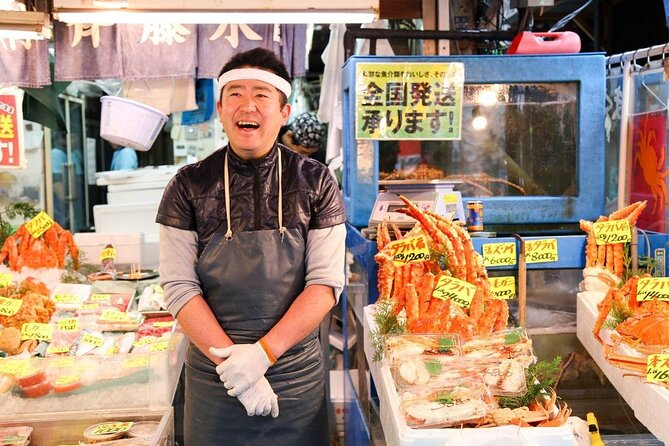
- Max 7 people means you can actually hear your guide and move as a group without getting swallowed by the crowd
- Seafood lunch included, plus extra samples around the outer market lanes
- Temple + shrine context adds meaning to the food stops, not just a quick photo stop
- Tokyo city/bay views work their way into the route when you pause for lookout time
- Bring a hat and water in summer. The walk is short, but Japan heat can still hit hard
First steps at Tsukiji: meeting point, timing, and how the walk flows
You’ll meet at Tsukiji Station Exit 1, where the guide is waiting for you. The tour runs about 3 hours, which is a sweet spot: long enough to taste a range of seafood, short enough that you’re not exhausted before lunch.
This isn’t one of those sit-on-a-coach tours. You’re on your feet, moving through tight streets and busy market areas. That means your best strategy is simple: eat lightly before you go, and bring comfortable shoes that can handle lots of standing and slow walking.
If you’re arriving early, do it. One helpful tip that pops up again and again: show up a bit before the start and check around to confirm you’re at the right meeting spot. In a market like Tsukiji, timing and exact corners matter.
You can also read our reviews of more walking tours in Tokyo
Tsukiji’s outer market reality check: what you’re really seeing
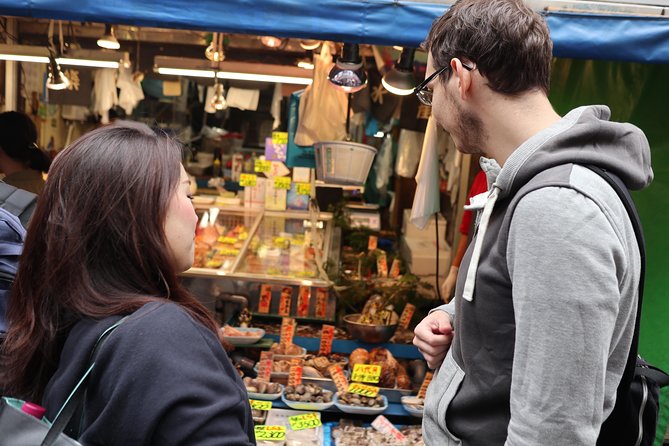
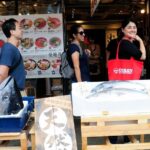
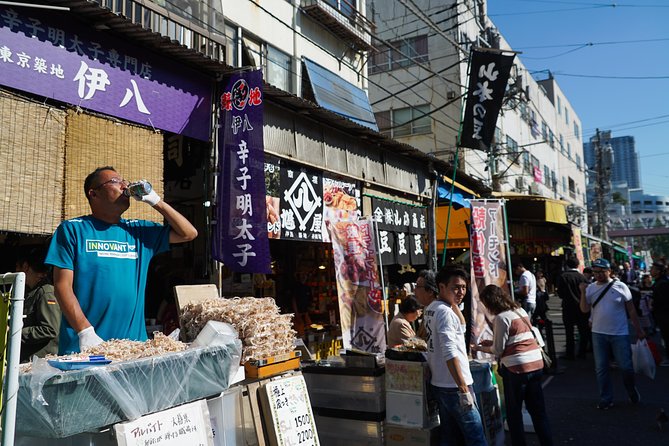
The headline about Tsukiji is famous, but the wholesale auction portion of Tsukiji is not what this tour focuses on. Instead, you’re working the outer areas: food shops, snack stalls, and the restaurant-style lanes where the public comes to eat and browse.
That’s actually good news for most visitors. You get a market feel without needing early-morning auction logistics. You also spend time in areas where food culture is visible day-to-day, including stalls selling dried goods and seafood treats alongside fresh items.
Plus, the route is set up for tasting. You won’t just read signs and guess what to try. You’ll follow your guide’s plan through the market section, where each stop has a reason and a bite type that makes sense.
Seafood tastings that build up fast: what you can expect to try
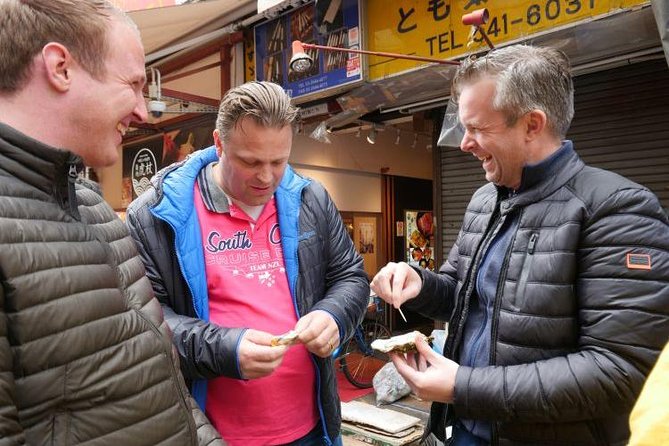
The tour is built around eating in stages. You start with a general market area and then move through more specific sections where seafood and snacks show up in different forms. The important part for you: the food is served in small, manageable portions that let you try a range instead of one big meal.
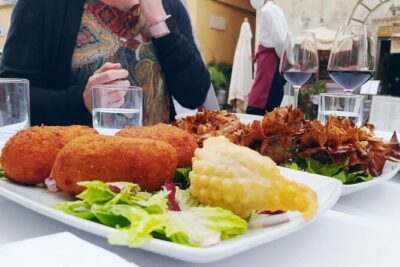
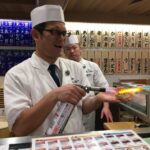
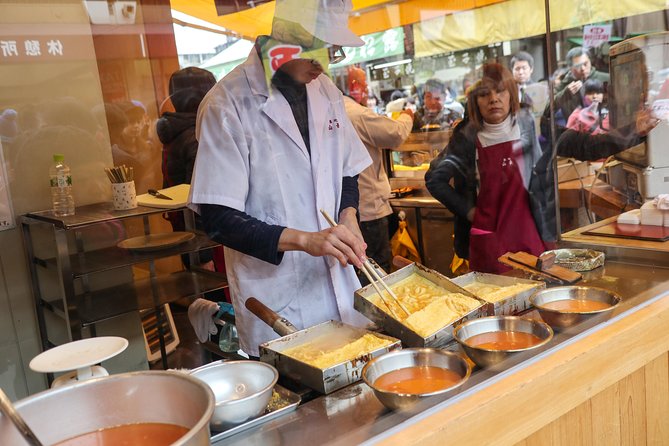
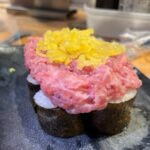
You can expect seafood highlights like sushi-style bites and grilled or barbecued items, along with snack-size treats such as Japanese omelette (tamagoyaki) and other market favorites. If you’re a seafood person, you’ll likely recognize enough items to enjoy the variety, even if you can’t pronounce everything.
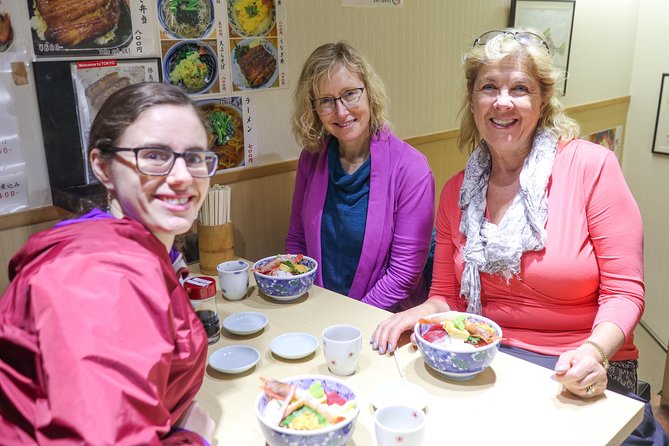
Lunch is included, and it’s not just a sad token portion. In at least one experience, the sit-down meal allowed choices from what was offered, which helps if you want to steer your own seafood direction. The best move is to go in hungry and then slow down during lunch so you can enjoy it instead of rushing.
One more practical note: market eating is loud, fast, and close. You may see signs asking people not to block walkways while eating. The upside is you’ll get a good flow through the stalls if you follow your guide’s rhythm.
Lunch inside the market: why it’s a value add (and not just a stop)
A lot of food tours say lunch is included, then deliver something small and generic. Here, lunch acts like your anchor point. You spend part of the morning or early afternoon tasting, then you sit down for a proper seafood meal that ties the flavors together.
In the reviews, people often point to the meal as a favorite moment. One description mentions a lunch inside a small booth setting, which is exactly the kind of experience you can’t easily recreate on your own. It’s also where the tour format really pays off: you’re not scrambling for reservations or hunting down a place that will serve you what you want.
From a value perspective, $87.37 for about 3 hours with a guided market walk plus lunch and multiple tastings can make sense because the cost is doing the heavy lifting. You’re paying for convenience, guidance, and the fact that you’ll be fed in multiple steps rather than paying full price for each item separately.
Old Tsukiji Market: history, religion, and a Tokyo view pause
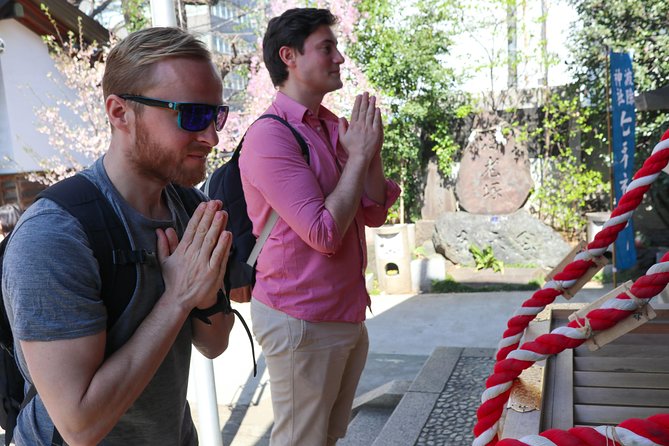
One of the more distinctive parts of this tour is the way it slows down for meaning. You’ll hit what’s described as the Old Tsukiji Market section for food sampling and local snacks, then transition into a learning moment tied to the area’s religious and cultural setting.
This is where you get the Buddhist temple and Shinto shrine context. Even if you’ve visited temples in other Japanese cities, Tsukiji adds a different angle because it’s a food hub. You’re seeing how spiritual spaces sit alongside everyday commerce, not far from the food world everyone comes to see.
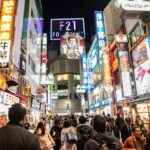
The route also includes time for sightseeing, including a Tokyo city view. One review specifically mentions a lookout over Tokyo bay, which tells you the tour doesn’t stay locked in market alleys the whole time. That change of pace helps after you’ve been standing and snacking.
A drawback of these learning stops: if you’re the type who only wants eating, the cultural segments can feel like a break from action. But if you want the market to make sense beyond seafood names, this is where the tour becomes more than a food crawl.
You can also read our reviews of more food & drink experiences in Tokyo


Tsukiji Jogai Market: the second wave of snacks and seafood hunting
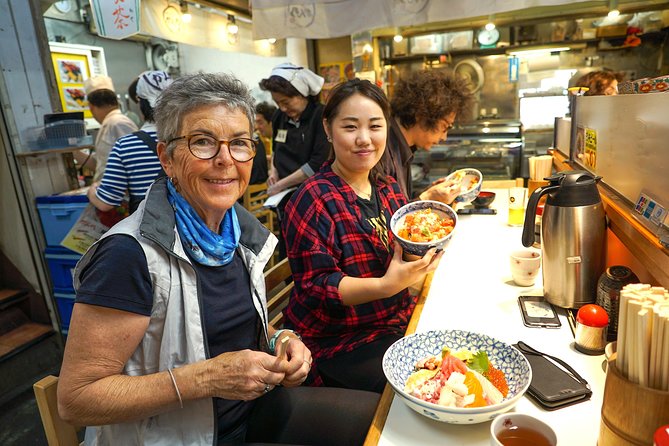
After the Old Tsukiji Market segment, the tour moves you into the Tsukiji Jogai Market area. Think of this as another tasting zone, where the feel stays market-forward but the offerings shift as you move from section to section.
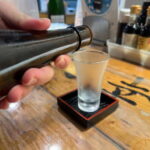
This stop is set up for continued sampling of fresh seafood and local snacks. It’s also a good part of the tour to use your instincts. If you tasted something you liked earlier, this is where you’ll often get a related option in a different form, so you can compare flavors and textures across bites.
The biggest practical win here is momentum. Instead of you trying to map Tsukiji on your own, you get a planned route that keeps you from backtracking through the densest lanes. That saves time, and it also reduces the chance you miss the tastiest stops because you wandered the wrong direction.
Small-group size (up to 7) changes how the tour feels
A max group size of 7 travelers is a big deal in Tsukiji. In a crowd-heavy place, smaller groups mean you don’t have to fight for space around stalls, and you can ask questions without yelling over everyone’s shoulder.
It also makes it more likely your guide can adapt on the fly. One review mentions a coeliac guest, and the guide went out of their way to find appropriate options with substitutions when needed. Of course, the tour still says they cannot guarantee allergy-free foods because of shared kitchen setups, so don’t treat this as a promise. But it does show guides pay attention to needs when they can.
Even if you don’t have dietary concerns, smaller groups make it easier to get your bearings. You learn where to stand, when to move, and what to order style-wise, so you can keep enjoying the walk instead of stress-checking your route.
Price and value: is $87.37 for 3 hours a smart buy?
Let’s break it down in the way that matters when you’re budgeting in Tokyo.
You’re paying for:
- a guided walk through multiple Tsukiji sections
- food samples at several shops/stalls
- a fresh seafood lunch included
- cultural stops involving a Buddhist temple and Shinto shrine
- a small group capped at 7
- a mobile ticket for entry and check-in
If you tried to do this on your own, you’d likely spend money in three different ways: guide cost (if you hire one), the food cost (multiple tastings and lunch), and the time cost (figuring out what to try and where to go). The tour compresses that into a single outing.
Also, this is the kind of experience that sells out. The booking pattern is described as often booked around 40 days in advance on average, which means it’s not just a slow-selling add-on. If you see a date that fits your schedule, it’s worth grabbing it early rather than gambling on availability.
At $87.37, the value is strongest if you want guidance plus structured tasting. If you already know the market well and plan to eat a lot anyway, you might spend less on food alone. But most visitors benefit from not having to guess what’s good and where to stand.
Practical tips for comfort: heat, shoes, and how to eat like a local
Summer in Japan can be hot and humid, and this tour includes outdoor walking. Bring water and a hat if you’re going in warmer months. Even if the tour is only about 3 hours, the heat can make small delays feel bigger.
Wear shoes that can handle uneven or crowded sidewalks. Market lanes aren’t built for long, comfortable strolling. You want traction and comfort for repeated stop-and-go movement.
When it comes to eating, go in order and stay curious. The tastings are meant to add up, so don’t assume one bite will satisfy you fully. That’s especially true because the lunch is a separate step designed to be the bigger meal.
If you have allergies or strict diet needs, the tour data is clear that they cannot guarantee allergy-free food, and vegan options are not available. You can still ask the guide about the safest options during the tour, but plan your expectations around that policy.
Who this tour suits best (and who should skip it)
This is a great fit if you want:
- a guided Tsukiji market experience without trying to crack the market maze alone
- multiple seafood tastings plus a real lunch
- cultural context through a Buddhist temple and Shinto shrine
- a short, high-reward outing that still includes sightseeing time
It’s also a good match for food-first couples and small groups, including honeymooners, since the small group setup keeps things relaxed. The route ends around the Shiodome Tower area, which is helpful if you want to continue your day in central Tokyo.
You might skip it if you’re vegan (vegan options are not available) or if you require strict allergy guarantees. Also, if you dislike crowds or prefer quieter museums over food lanes, Tsukiji’s dense market feel could be too intense.
Should you book this Tsukiji Fish Market Small-Group Food Tour?
I’d book this if you want a structured, tasty introduction to Tsukiji’s outer market world, with lunch and cultural stops built into the route. The small group size helps a lot, and the tour’s combination of seafood tastings, temple-and-shrine context, and a city lookout pause makes the experience feel more complete than a simple snack tour.
If you’re worried about diet needs, read the policy carefully and talk with the guide about what you can safely eat. And if you’re going in summer, pack the basics—water and a hat—because your feet and head will thank you.
Bottom line: at $87.37, this tour earns its price when you value guidance, variety, and a proper seafood lunch in a place that’s hard to navigate well on your own.
FAQ
How long is the Tsukiji Fish Market Small-Group Food Walking Tour?
The tour lasts about 3 hours.
What is included in the tour price?
You get a guided walk, food samples at local shops and stalls, and a fresh seafood lunch is included.
Where do I meet the guide?
You meet at Tsukiji Station Exit 1.
Where does the tour end?
The tour ends at Shiodome Tower (Higashishinbashi, Minato City, Tokyo 105-0021, Japan).
Is a seafood lunch included, or is it optional?
A fresh seafood lunch is included as part of the tour.
Are there vegan options?
No, vegan options are not available.
Can the tour accommodate allergies or dietary restrictions?
They cannot guarantee allergy-free food or cater to dietary restrictions because the food is prepared in kitchens that do not belong to MagicalTrip, and substitutions may not be possible at every stop.
How many people are in the group?
The tour has a maximum of 7 travelers.
Is the tour ticket mobile?
Yes, the tour uses a mobile ticket.
What should I bring during summer in Japan?
They recommend bringing water and wearing a hat to prevent heat stroke since summer is very hot and humid.
Can I cancel for a full refund?
Yes, you can cancel up to 24 hours in advance for a full refund.