REVIEW · BAMBERG
Bamberg: Guided Historical Culinary Tour
Book on GetYourGuide →Operated by Geschichte Für Alle e.V. · Bookable on GetYourGuide
Bamberg teaches beer with every stop. This guided historical culinary tour strings together the city’s old-town sights and brewing legacy—then backs it up with tastings. I like that you actually walk through key corners of the town, not just sit and listen. I also like the focus on food and drinks tied to Bamberg’s beer culture, including the distinctive smoked-beer style and classic local bites.
One thing to consider: this is a walking tour, rain or shine, so cold weather can make the experience feel longer even though it’s only 2 hours. If you’re sensitive to winter chill or don’t like standing around for tastings, bring warm layers and comfortable shoes.
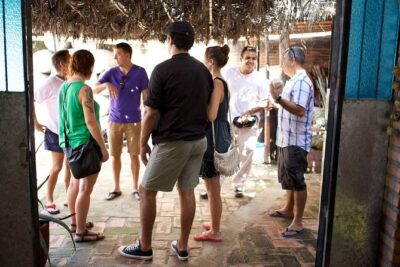
Meet your guide at the old slaughterhouse area, and you’ll roam with a plan: history talk, short strolls, and frequent stops to taste what Bamberg is known for. If you’re lucky enough to have Ulla or Laura, the vibe sounds like it matters as much as the facts—at least that’s what comes through strongly in the feedback.
In This Review
- Key things you’ll really notice on this Bamberg tour
- Walking beer history in Bamberg’s old town
- Price and value: what $29 buys you in practice
- Where the tour starts: Alter Schlachthof and the big-ox landmark
- Stop-by-stop: what each part of the walk is really for
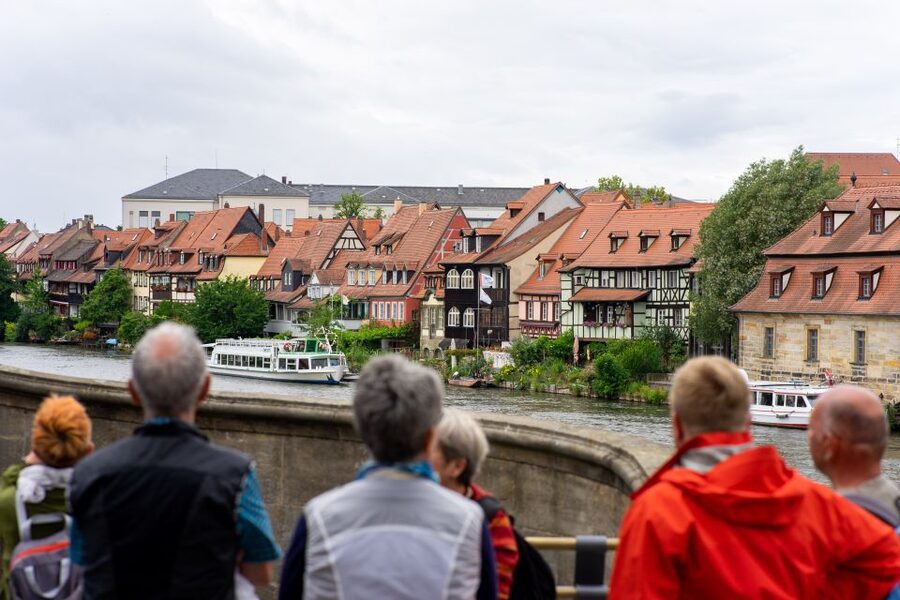
- Grüner Markt: the feel of the old market square
- Untere Brücke: guided history plus a wine tasting moment
- Schlenkerla: smoked beer in Bamberg’s most famous style
- Pfahlplätzchen: small-town texture and more food tasting
- Eckerts Wirtshaus: the finish with your chance to choose a full beer
- What you’ll actually taste (and why those choices work)
- Brewing history made practical: the 1000-year tradition angle
- The guide experience: German-led, and human
- What to wear and bring so the tour feels easy
- Who this tour suits best (and who should skip)
- Should you book Bamberg: Guided Historical Culinary Tour?
- FAQ
- How long is the Bamberg guided historical culinary tour?
- Where do I meet the guide?
- What’s included in the price?
- What can I taste during the tour?
- Is the tour offered in German?
- Does it run in bad weather?
- What do I need to bring and is it cancellable?
Key things you’ll really notice on this Bamberg tour
- Alter Schlachthof meeting point: the tour starts in front of the old slaughterhouse area with the big ox, easy to find with the coordinates.
- Smoked beer at Schlenkerla: you get the city’s signature style, not a generic beer tasting.
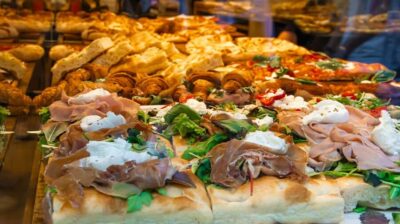
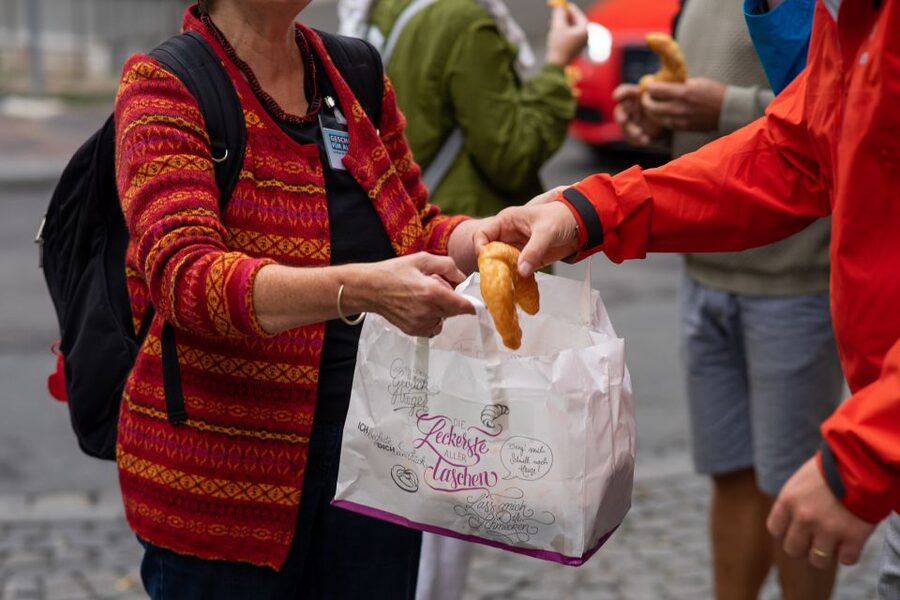
- Local specialty bites: you’ll try Bamberger Hörnla and Zwetschgenbames as part of the food component.
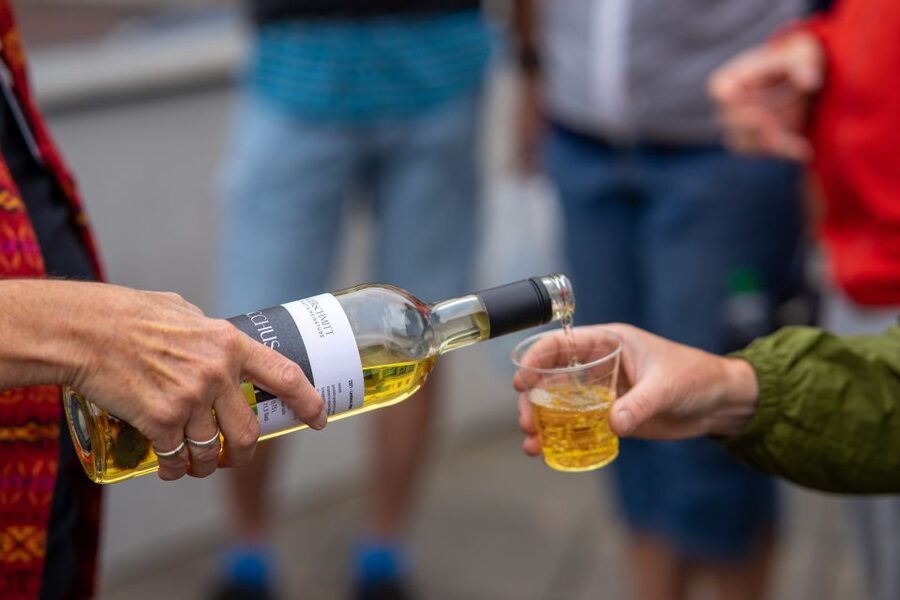
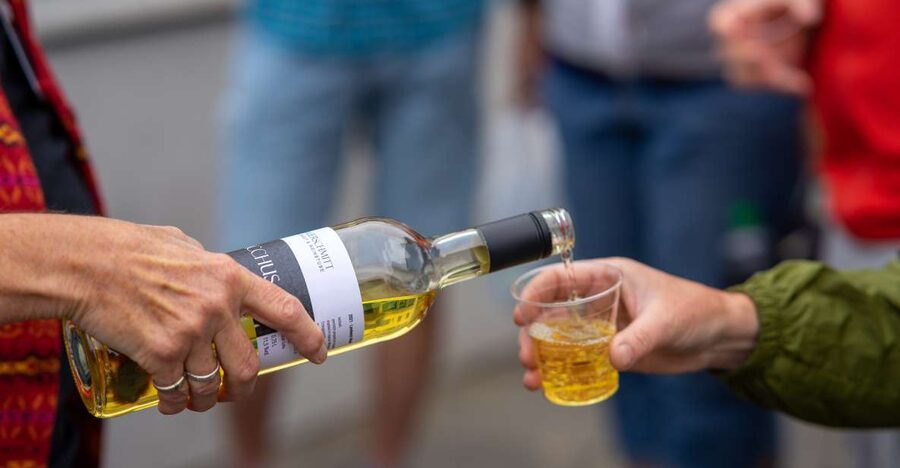
- Under the bridge stop on Untere Brücke: includes both guided context and a wine tasting moment.
- Ends at Eckerts Wirtshaus: you finish with the chance to choose a full beer to enjoy.
- Guides who keep the group moving: people call out strong speaking and “group energy,” even in serious cold.
Walking beer history in Bamberg’s old town
Bamberg is the kind of place where brewing isn’t a side hobby. It’s part of how the city developed, how people ate, and how they celebrated—so it makes sense that this tour teaches history while you’re still in motion. You’re not just hearing dates. You’re being pointed toward the places where brewing culture would have mattered day-to-day.
The tour is built around a simple rhythm: you meet, you walk, your guide explains what you’re seeing, and then you taste. At $29 for a 2-hour experience, the value is in the combination—your money buys guided context plus multiple samples (snacks and beer) rather than a single drink ticket.
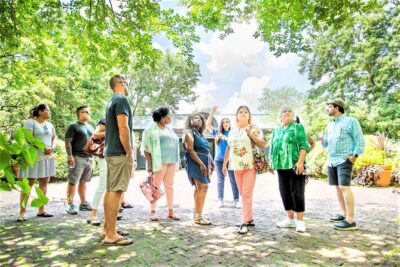
Also, you get the feel that the guide is a real communicator, not a slideshow. In feedback, Ulla is singled out for keeping the group cheerful and holding attention during cold weather, and Laura is praised as friendly and engaged, with extra little touches that make the walk feel social as well as informative.
Price and value: what $29 buys you in practice
At $29 per person for 2 hours, this is priced like a “doable now” tour: long enough to connect stops and story beats, short enough that you won’t feel you’ve lost half a day. The included items matter. You’re not paying for only a walk-through—snacks and beer are part of the package.
Here’s the value angle I’d focus on if you’re deciding:
- You get guided food tasting, not just a guided history lecture.
- You’re tasting the city’s beer identity—especially smoked beer—rather than generic lagers.
- You finish at a traditional spot where you can choose a full beer (so it’s not only small samples).
If your travel style is “I’ll learn, but I also want to eat,” this fits well. If you only want a long, academic brewing lecture with no food/drink, you might feel the format is more snack-and-story than textbook.
Where the tour starts: Alter Schlachthof and the big-ox landmark
You’ll meet at Alter Schlachthof, in front of the old slaughterhouse area with the big ox. The tour gives coordinates—49°53’33.7″N 10°53’11.1″E—which is helpful when you’re arriving in a new town and want confidence that you’re in the right place.
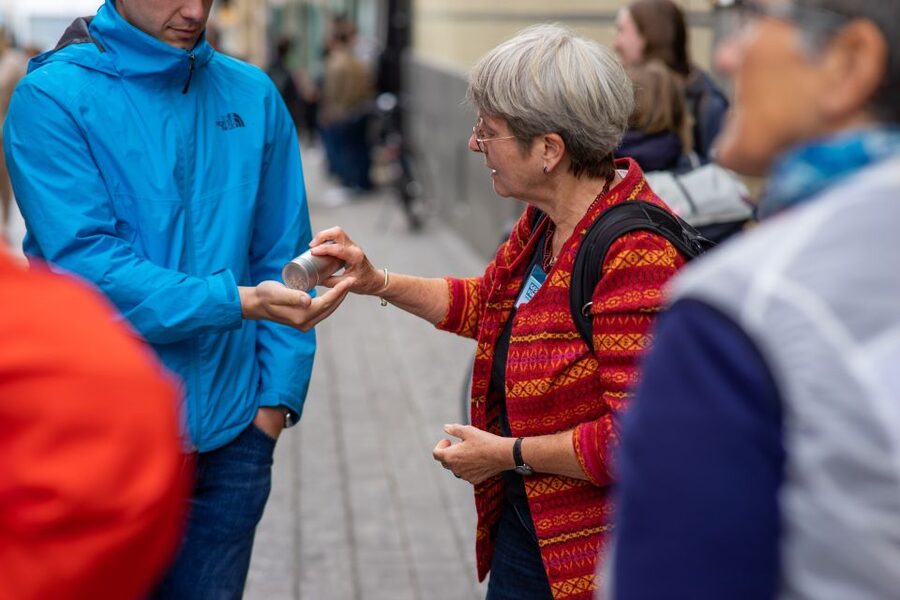
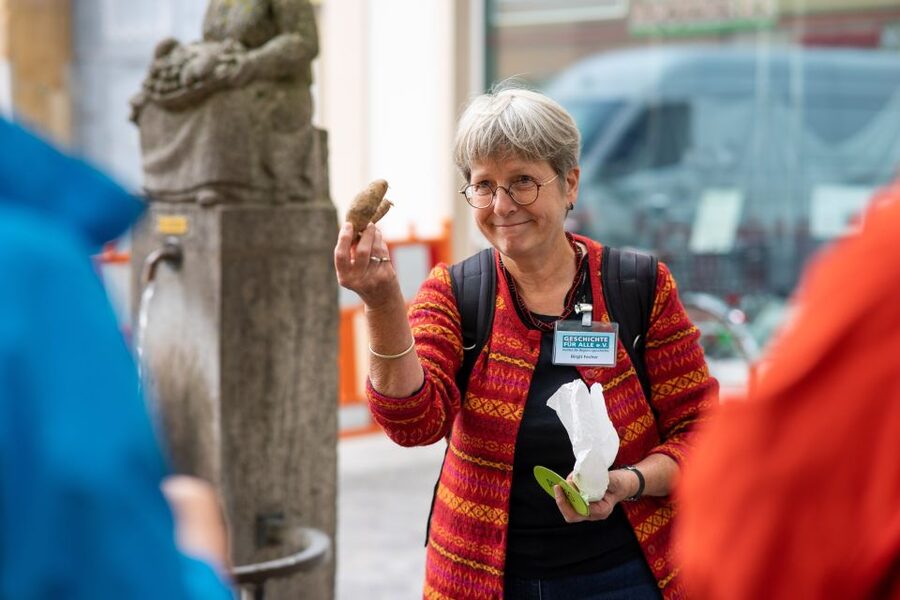
Your guide will be holding a picture folder and wearing a name tag that says Geschichte Für Alle e.V. This is the kind of meeting setup that reduces the usual “Are you the tour?” stress. It also signals that the tour is organized around story and visuals, which usually makes the history portion easier to follow.
If you’re coming from a hotel nearby, give yourself a few minutes buffer. It’s a walking tour, and you’ll get started right away.
Stop-by-stop: what each part of the walk is really for
Grüner Markt: the feel of the old market square
Early on, you’ll be guided through Grüner Markt. Even without turning this into a sightseeing checklist, a market square stop is the right choice for a brewing-and-food tour. Historically, places like this are where goods moved, people gathered, and local products mattered.
What I like about this kind of stop is that it helps you understand beer and food as something social. You’re not treating drinking as a private activity. You’re seeing it as part of daily city life and community rhythm.
Drawback to consider: because it’s a guided walk with tasting moments, you’ll want to stay attentive at the square. It can be easy to drift into photo mode and then miss the context that makes the food tastings more meaningful.
Untere Brücke: guided history plus a wine tasting moment
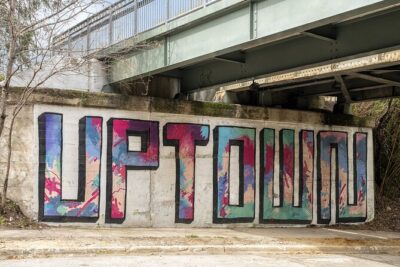
Next comes Untere Brücke, and the itinerary has you there more than once. One segment includes guided tour plus a wine tasting. The short on-foot stretches between stops make this feel like a compact tour even though you’re covering multiple landmarks.
Why this works: bridges and river areas are often where trade routes, water access, and city planning intersect. For a beer-focused tour, this kind of location helps connect the practical side (how a city operated) with the cultural side (what people enjoyed).
If you don’t usually drink wine, don’t worry—you’re not being forced into anything. The wine tasting is one more sample in a broader tasting strategy.
Schlenkerla: smoked beer in Bamberg’s most famous style
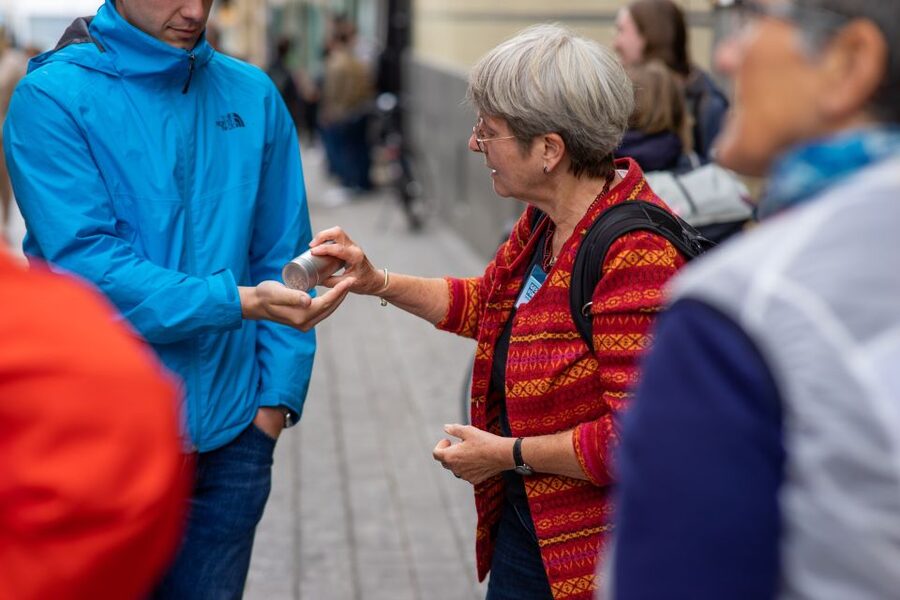
Then you hit Schlenkerla, where you’ll have another guided segment. This is one of the biggest reasons to book the tour. Bamberg is known for a smoked-beer taste, and this stop is where that identity becomes tangible.
This isn’t a generic “try a beer” moment. The distinctive character of the smoked style is part of what makes Bamberg different from almost every other German beer stop. When you taste here, the guide’s brewing-history explanation makes more sense because you’re connecting flavor to tradition, not just chasing a trend.
Practical tip: if you’re sensitive to stronger flavors, take your time with the sample. Smoked beer is bold, and it’s best enjoyed slowly while your guide is still explaining what you’re tasting.
Pfahlplätzchen: small-town texture and more food tasting
After Schlenkerla, you move to Pfahlplätzchen, another guided stop that includes food tasting. This is where the tour starts feeling less like “big attraction hopping” and more like stepping into the texture of old Bamberg.
Small tasting stops are where you can notice how your palate changes as you move from one flavor profile to another. If you’re the type who wants to understand food culture, these moments matter. If you’re only chasing one signature flavor, you might feel the tour is giving you variety for variety’s sake—but that variety is exactly what turns it into a culinary tour rather than a single-beer visit.
Eckerts Wirtshaus: the finish with your chance to choose a full beer
The tour ends at Eckerts Wirtshaus. You’ll have the guided segment there, and you’ll also get the option to choose a full beer to enjoy after the tasting portion.
This matters because it closes the loop. You start with guided context and sample-sized tastes, then you end with something you can actually sit with and enjoy properly. It’s also the part of the tour where the social side shows up. One of the comments highlighted that after the tour people had a nice shared moment, including eating together and having a beer, which is a strong sign that the end stop feels welcoming rather than rushed.
What you’ll actually taste (and why those choices work)
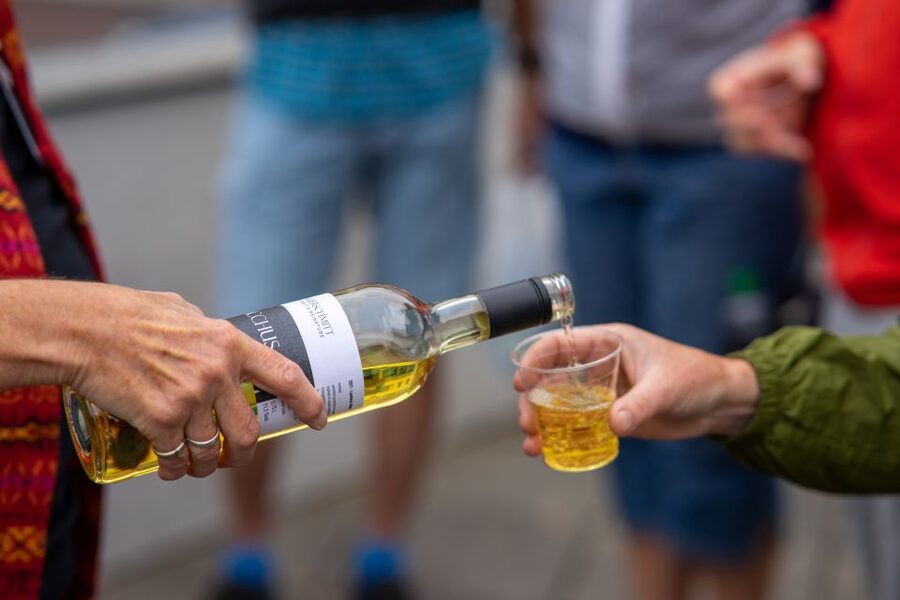
This tour isn’t random snacking. It’s built around recognizable Bamberg names and flavor categories.
You can expect:
- Local smoked beer with a distinctive Bamberg character
- Bamberger Hörnla, a classic local treat tied to the city’s food identity
- Zwetschgenbames, another local tasting item
- Additional snacks along the way
- A beer choice at the end once you reach Eckerts Wirtshaus
The smart part is that you don’t have to guess what you’re getting. You’re tasting a sequence that makes sense for a city tour: beer culture first, then local specialties that complement the drinking experience.
If you’re coming with friends, this also helps. Everyone can try multiple bites and beers, then you can compare which ones felt most “Bamberg.”
Brewing history made practical: the 1000-year tradition angle
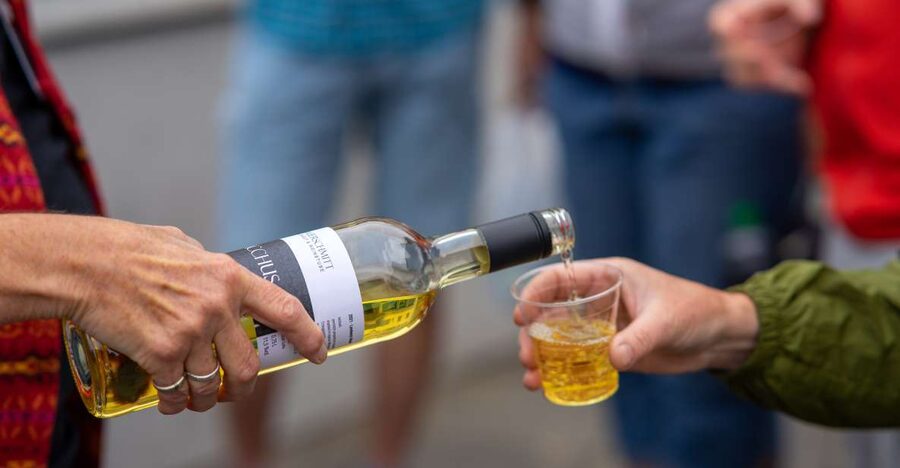
A key promise of the tour is learning about the city’s almost 1000-year tradition of brewing. That’s a big claim, but it’s also the right kind of theme for Bamberg. When beer is that old in a place’s story, it’s not just one brewery or one recipe. It’s infrastructure, routine, and local pride.
You’ll also hear about the centuries-old past of the historic city of Nuremberg as part of the storytelling. That connection is useful because it situates Bamberg within a broader regional history. Instead of treating Bamberg like an island, the guide connects dots so you leave with a sense of how brewing culture traveled and evolved.
If you like history but don’t want a classroom experience, this tour hits the sweet spot: story points are tied to what you’re tasting and where you’re standing.
The guide experience: German-led, and human
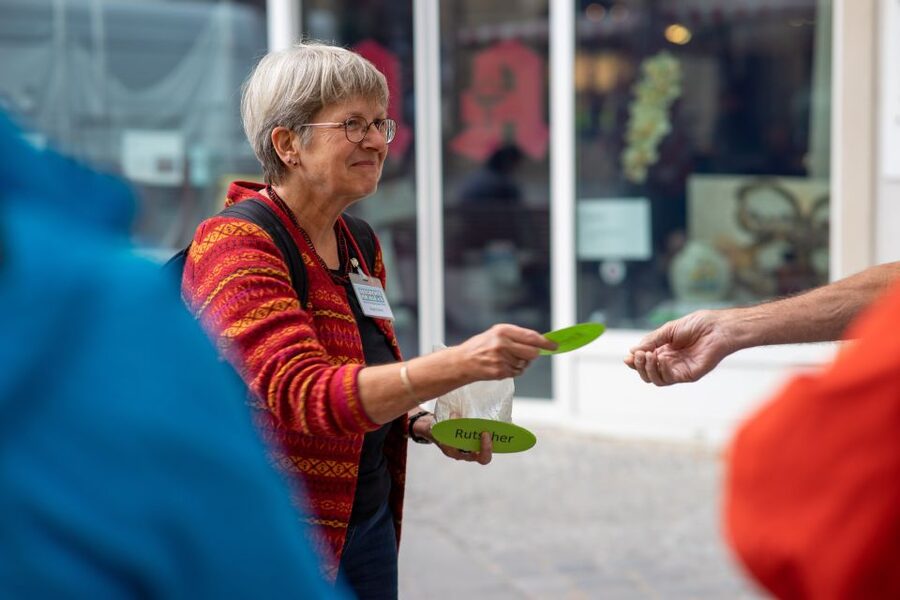
The tour guide speaks German and you’ll be walking with a group format. The guide holding the picture folder and wearing the Geschichte Für Alle e.V. name tag suggests you’re not getting a scripted monotone delivery. You’re getting a human explanation with visual support.
The feedback I’d treat as most meaningful is about how guides handle the group. Ulla is praised for rhetoric and keeping the group in good spirits even when it was very cold. Laura is described as competent, friendly, and engaged, adding small extras that keep the tour feeling fun and not just informational. Another positive point was that the tour ends with a shared chance to enjoy food and a beer together, creating easy conversation among participants.
In plain terms: the guide’s tone can make or break short food tours. This one seems to get that right.
What to wear and bring so the tour feels easy
This is a rain or shine walking tour. Wear layers, especially if you’re visiting in winter. Keep your shoes comfortable since you’ll be moving between stops for short stretches.
You should bring:
- Passport or ID card
If you’re expecting to take lots of photos, still keep your focus for the tastings. The story matters, and the tastings are time-based.
Who this tour suits best (and who should skip)
This works best for you if:
- You want a guided old-town walk that includes real food and drinks
- You’re curious about smoked beer and local Bavarian brewing culture
- You enjoy learning history through places you can picture
- You like a compact experience that fits into a busy travel schedule
It may not be the best match if:
- You hate tasting menus or prefer to order everything à la carte
- You need long, slow pacing with no standing for guided moments
- You only care about beer and don’t want additional bites or the wine tasting portion
Should you book Bamberg: Guided Historical Culinary Tour?
If you’re going to Bamberg anyway, I think this is a strong booking choice. The biggest selling points are practical: you’re getting Bamberg-specific tastings (including smoked beer and local named specialties) while also learning why the brewing tradition is such a big part of the city’s identity. At $29 for 2 hours, the value comes from the mix of guidance plus multiple included samples—and from the way the guides seem to keep energy high even when the weather isn’t friendly.
If your plan is limited, this helps you pack in the right flavors without doing the “guessing game” on what’s truly local.
FAQ
How long is the Bamberg guided historical culinary tour?
The tour lasts 2 hours.
Where do I meet the guide?
You meet at Alter Schlachthof, in front of the old slaughterhouse area with the big ox (coordinates 49°53’33.7″N 10°53’11.1″E). The guide holds a picture folder and wears a name tag that says Geschichte Für Alle e.V.
What’s included in the price?
The tour includes a walking tour, a guide, snacks, and beer.
What can I taste during the tour?
You’ll taste local smoked beer, Bamberger Hörnla, Zwetschgenbames, and there is also a wine tasting stop. At the end, you can choose a full beer to enjoy.
Is the tour offered in German?
Yes. The live tour guide language is German.
Does it run in bad weather?
Yes. The tour runs rain or shine.
What do I need to bring and is it cancellable?
Bring a passport or ID card. Free cancellation is available up to 24 hours in advance for a full refund, and you can reserve now and pay later.