REVIEW · TOKYO
Tokyo: Tsukiji Fish Market Food and Culture Walking Tour
Book on GetYourGuide →Operated by Japan Wonder Travel · Bookable on GetYourGuide
Tokyo’s food market feels like theater.
This Tsukiji Outer Market walk is a smart way to taste your way through Japanese food culture without getting lost in the crowds, and it focuses on a clear payoff: high-grade wagyu beef skewers plus a final sushi or seafood bowl stop. I also like how the guide turns snacks into context, explaining why top chefs show up here and what you’re actually eating as you go. One thing to keep in mind: the experience is not designed for vegetarians, vegans, or gluten-free/halal needs, and there’s moderate walking on packed streets.
The big draw is the “how to eat here” training.
You’ll follow a small-group route through the vendor maze, stopping for samples along the way like Japanese omelet (tamagoyaki), fried fish cake, and seasonal fruit—then finishing with a proper meal-style bowl or sushi. The possible drawback is practical: on days when the market areas close (the tour notes Uogashi wholesaler market closures), a few items can’t be served and the menu shifts.
In This Review
- Key things I’d circle before you go
- Why Tsukiji’s Outer Market is a food-lover’s shortcut
- Meeting at Tsukiji Hongan-ji Temple: start with calm rules
- Outer Market maze walking: what you’re really paying for
- The tasting menu: what you’ll likely eat (and why it works)
- Wagyu skewers: why this one item matters for value
- Your final bowl or sushi stop: how it usually feels
- When closures change the menu: plan for Wednesday and Sunday
- Rain, crowds, and hearing your guide: real-world advice
- Guide names you can look for: what makes a good one
- Shopping after the tour: how to turn tastings into purchases
- Who this tour is for (and who should skip it)
- Price and logistics: is $96 actually fair?
- Should you book the Tsukiji Fish Market Food and Culture Walking Tour?
- FAQ
- How long is the Tokyo Tsukiji Fish Market Food and Culture Walking Tour?
- What is the price per person?
- Where do I meet the guide?
- What food is included in the tasting menu?
- Is this a small group tour?
- Does the menu change on Wednesdays and Sundays?
- Is the tour suitable for vegetarians, vegans, or gluten-free diets?
- Is the tour wheelchair accessible?
Key things I’d circle before you go
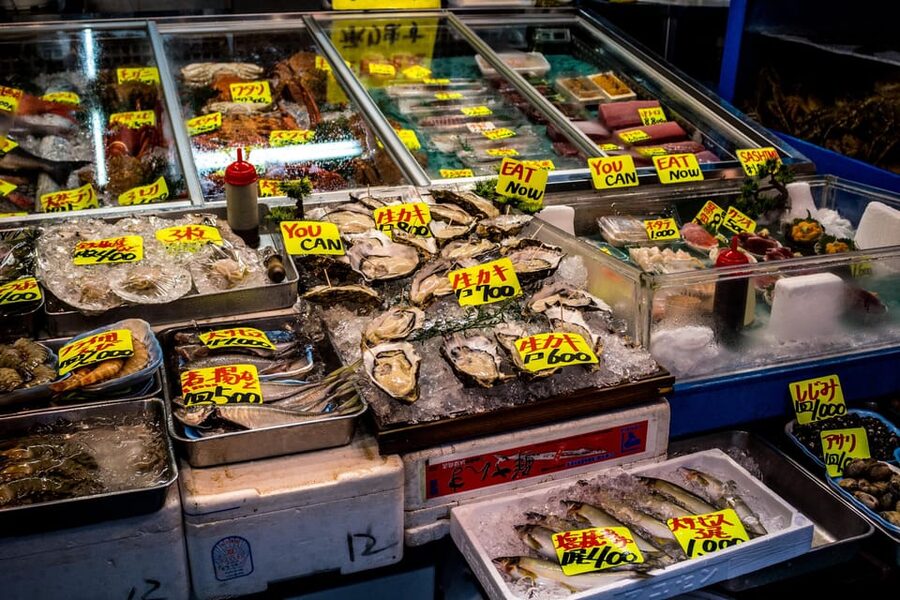
- Small group size (2 to 8 people) keeps questions easy and the route manageable
- Wagyu skewers are a highlight, not just a token sample
- Tamagoyaki, fried fish cake, and seasonal fruit round out the sweet–savory range
- Final stop is sushi or a fish bowl depending on the day
- Guides like Kenji, Miki, Nazu, and Robert are repeatedly praised for making vendor interactions smooth
- Market closures can change tastings, especially on Wednesdays and Sundays
Why Tsukiji’s Outer Market is a food-lover’s shortcut
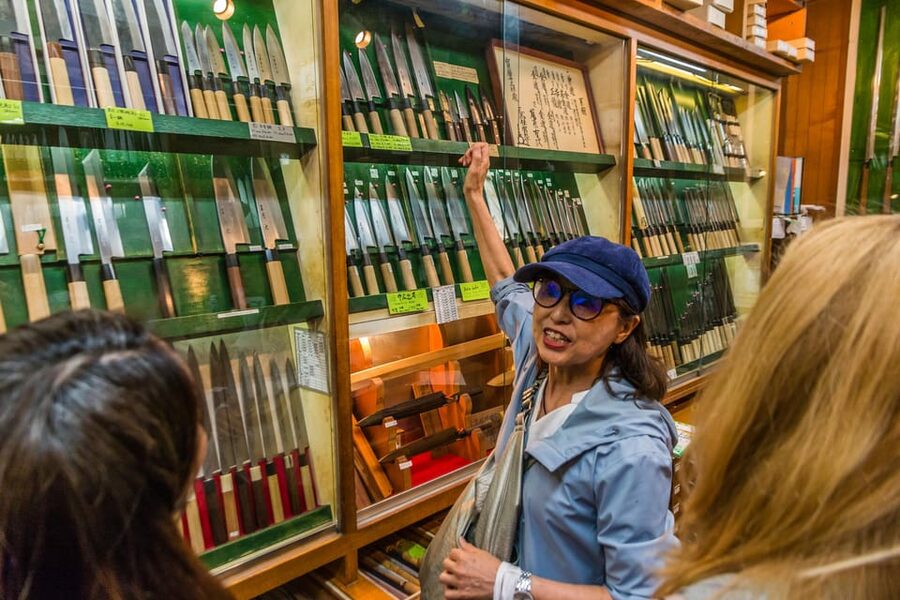
Tsukiji isn’t only about raw fish. It’s about how Tokyo buys, trims, seasons, and sells food in huge volume every day. The Outer Market area is the part you can realistically walk and taste, and that’s where this tour shines: you get the sights and the smells, but you also get a plan.
The tour also gives you a useful lens. You’re not just sampling random bites; you’re learning the logic behind Japanese market eating—how chefs source ingredients, why certain stalls specialize, and what a “good choice” looks like when you’re surrounded by options.
You can also read our reviews of more walking tours in Tokyo
Meeting at Tsukiji Hongan-ji Temple: start with calm rules
Your day begins at the main gate of Tsukiji Honganji-Temple (浄土真宗本願寺派 築地本願寺). I like this start because it’s a natural transition from regular Tokyo into “market mode.” Before you hit the food stalls, you’re given a cultural intro that helps you understand the area, and in at least some cases guides also reference shrine etiquette and proper conduct.
Also, keep your arrival tight. The tour starts at the temple gate, and the market streets can turn chaotic fast. Wear comfortable clothes that you don’t mind getting slightly “market-scented.”
Outer Market maze walking: what you’re really paying for
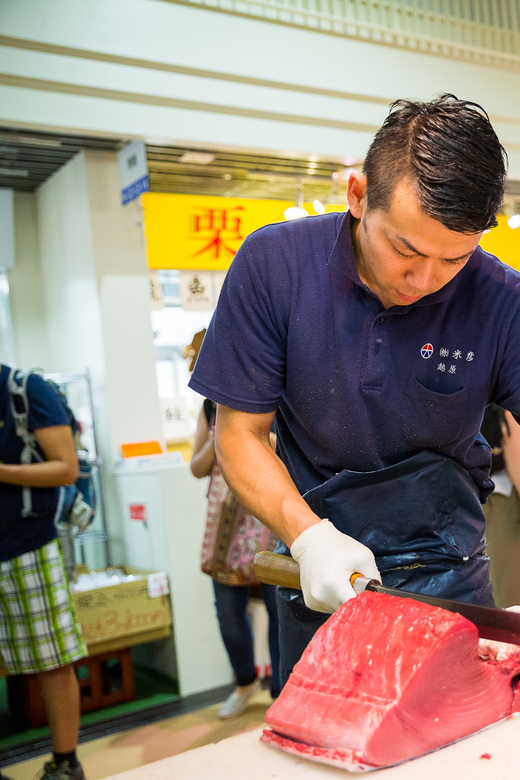
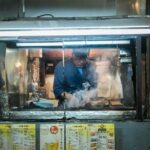
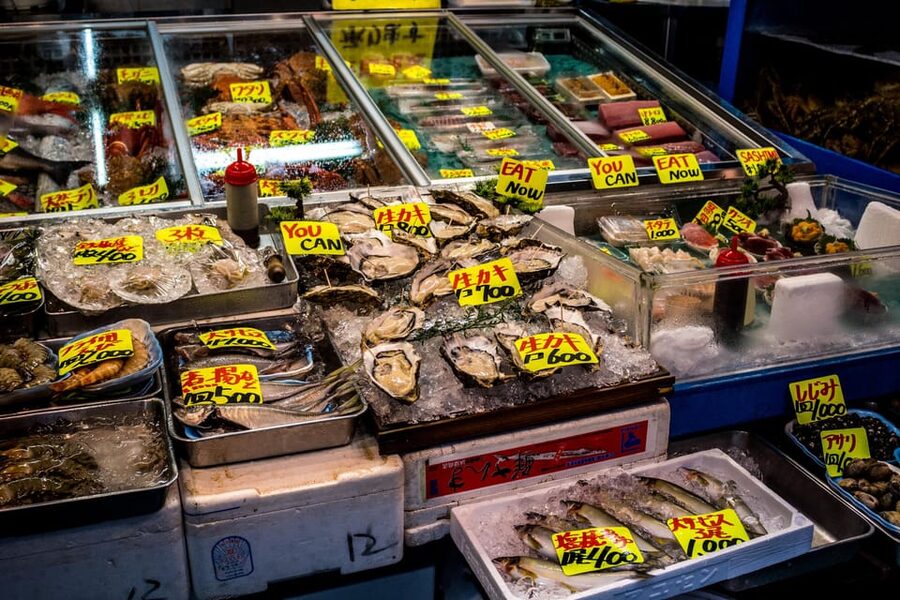
Tsukiji’s Outer Market can feel like a sensory overload—fish, seafood, steam, sauces, and people squeezing past people. That’s where a guide earns their fee. With a route, you’re not stuck repeatedly asking basic questions like What should I buy? and Where do I stand?
On this tour, you’ll spend about 30 minutes with your first market segment and then about 2.5 hours in guided tasting mode. That timing matters. Early on, you get your bearings. Later, you can focus on the tastings and the stories behind them.
You should expect moderate walking. It’s not an all-day marathon, but it is steady and you’ll be on your feet. Bring a camera, but also remember you’ll want hands free when you’re offered food samples.
The tasting menu: what you’ll likely eat (and why it works)
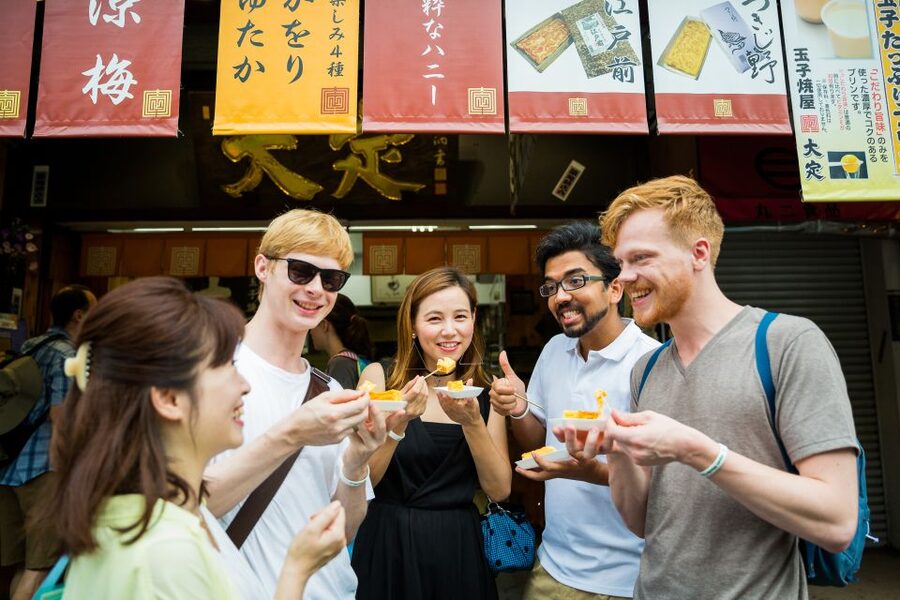
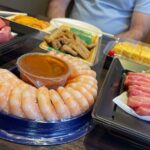
The tour includes tastings designed to cover multiple Japanese flavor categories, not only seafood. Your included foods can include:
- Wagyu beef skewers (described as highest grade rank in the menu)
- Fresh fish bowl or sushi (depending on the day)
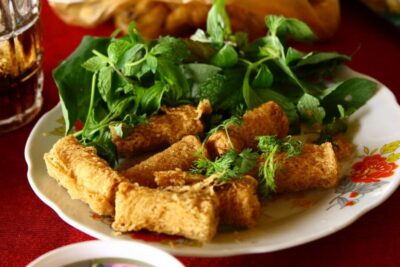
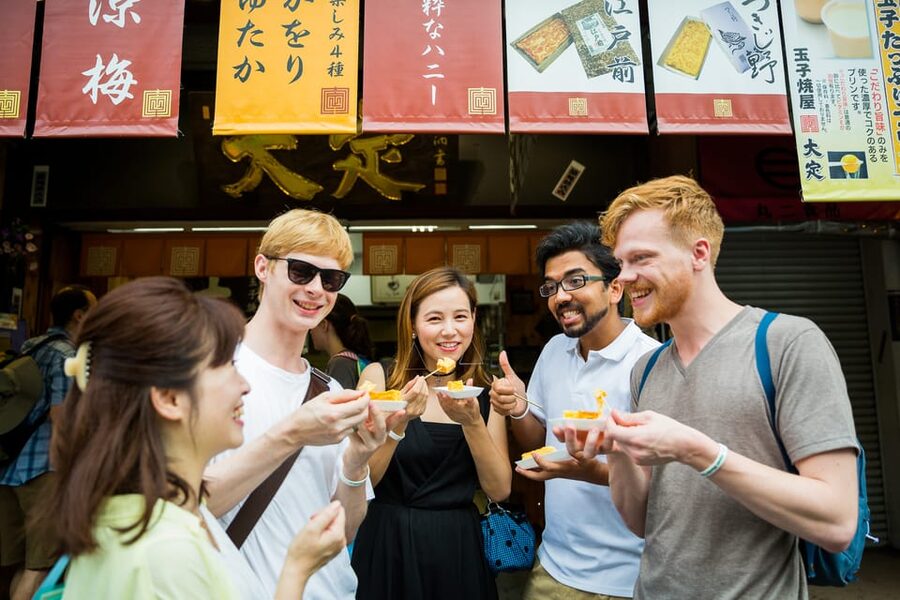
- Japanese omelet (tamagoyaki)
- Seasonal fruits
- Fried fish cake
That mix is practical. If all you eat is fish, you miss the texture contrast and the sweet finish that makes Japanese market food satisfying. Tamagoyaki is comforting and egg-forward. Fish cake adds a different chew. Seasonal fruit gives you a palate reset so you can keep tasting without feeling overloaded.
A note on the final meal-style stop: depending on the day and time, you’ll be served either a sushi course or a seafood bowl. Either way, it’s the moment you’ll likely feel most full, and it’s also where the guide’s instruction helps you eat with confidence.
Wagyu skewers: why this one item matters for value
Yes, wagyu is pricey. That’s exactly why it’s such a strong anchor for the tour value. At $96 per person for a 3-hour guided experience, you’re not just paying for movement through the market. You’re paying for a specific “wow” food item plus multiple smaller tastings.
The skewers are repeatedly called out as a standout in the feedback, and I get why. Skewers are easy to share, easy to eat while walking, and they show off wagyu in a way you can compare with other bites later. It’s also a good entry into Japanese beef culture without needing a full sit-down restaurant booking.
One more practical angle: the guide also helps you avoid the common trap of buying something good-looking but not great. When you’re surrounded by vendors calling your name, having a plan is how you convert curiosity into quality.
You can also read our reviews of more food & drink experiences in Tokyo



Your final bowl or sushi stop: how it usually feels
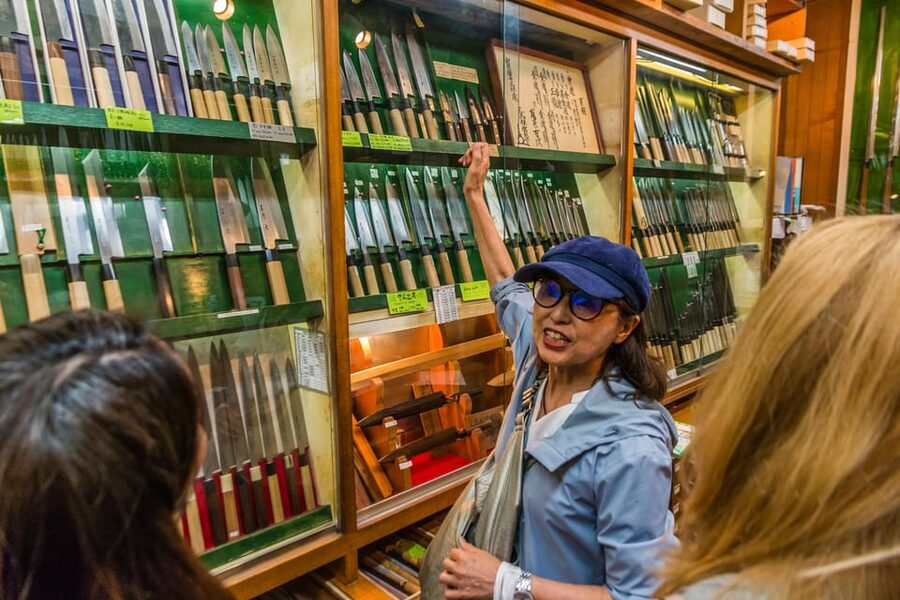
The tour wraps up with either a fish bowl or sushi before you head back toward Tsukiji Station. This ending matters because it turns scattered snacks into one “meal-like” finish. By then, you’ve been eating small things for a while, and your taste buds are awake enough to appreciate the last stop.
If you’re someone who worries about market tours being too short on food, this is where the tour’s structure reassures you. You won’t just taste one or two items and wander off. You’ll get a proper concluding dish included in the menu.
When closures change the menu: plan for Wednesday and Sunday
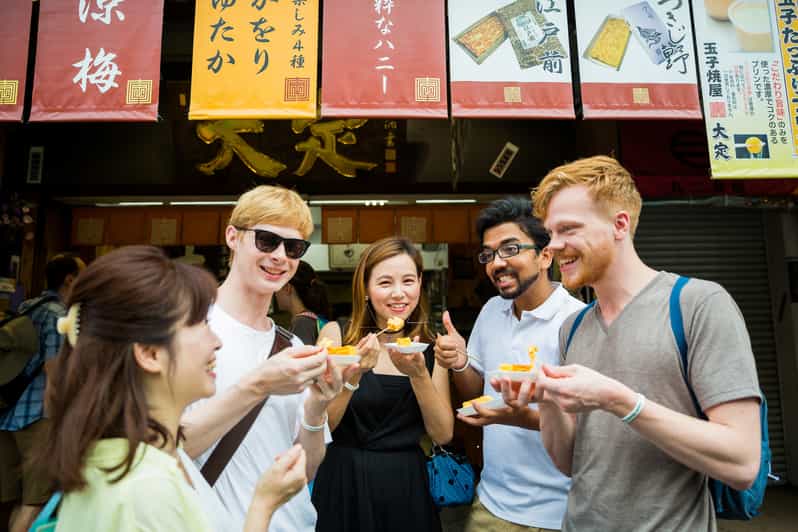
The tour includes an important heads-up: the fish market (Uogashi wholesaler market) is closed on Wednesdays, Sundays, and other closed market days. When that happens, the tour notes that Japanese omelette, fish cake, and fruits cannot be served because the shops are closed.
Two things to do with this information:
1) Don’t build your personal must-eat list around those exact items if you’re booking for a closure day.
2) Expect that your route and final tastings can shift, including the sushi vs. bowl decision.
This is also the reason I think the guide’s role is extra valuable. If the shop situation changes, your tour should be able to pivot to an alternative so you’re not left hungry.
Rain, crowds, and hearing your guide: real-world advice
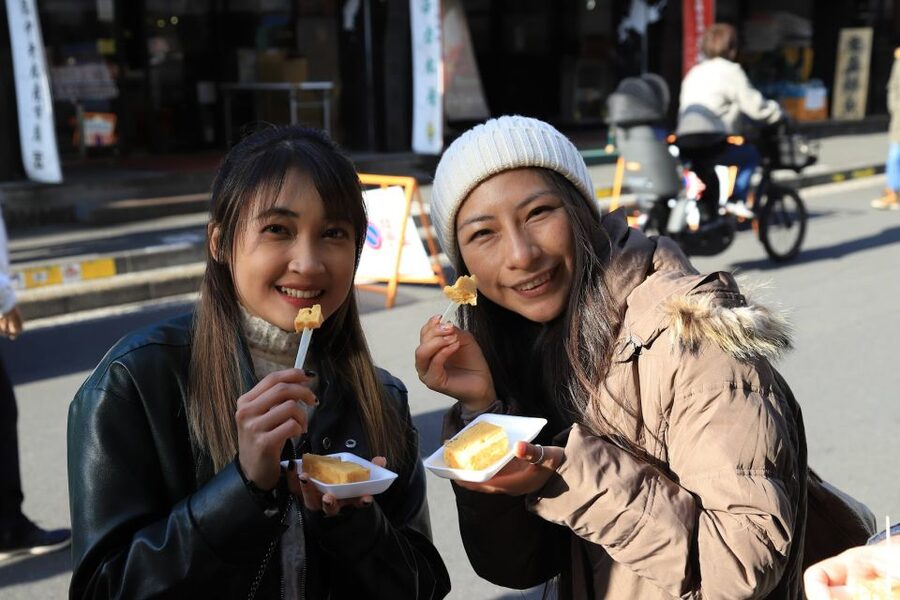
Tsukiji doesn’t care about your weather app. Crowds expand, lines thicken, and umbrellas create their own traffic jam. One recurring theme in the feedback is that on very busy mornings, it can be hard to hear instructions over the market noise.
So here’s how to make it easier:
- Keep your pace steady and close to the group when the guide is talking.
- If it’s crowded, stop moving for a second before asking questions so your turn isn’t lost in the shuffle.
- If rain shows up, expect the market to be slick and crowded at the same time.
Mid-week mornings are often calmer than weekends. If you have flexibility, that’s a simple way to improve your experience even before you book.
Guide names you can look for: what makes a good one
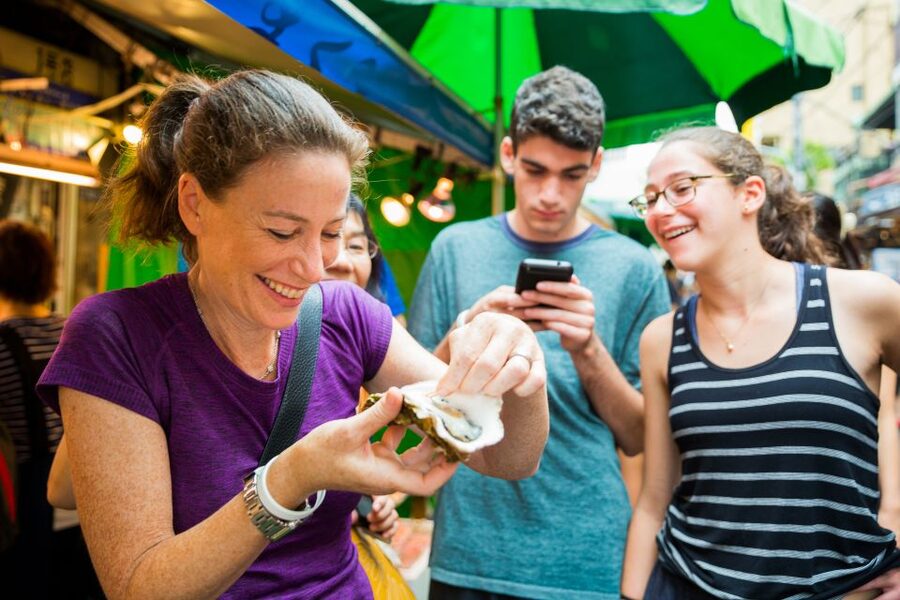
Different guides bring different personalities, but the best ones share the same traits: they make vendor interaction feel normal, they explain what you’re tasting, and they help you choose what to do next.
A bunch of guides get praised for this, including Kenji, Miki, Nazu, Robert, Daichi, Luna, Shun, Tadashi, Keiko, and Nori. You’ll see how that shows up in practice: people describe tours where the interactions with vendors feel effortless, where history and market facts are woven into the food stops, and where the guide helps with practical choices like what to try first.
If you can request or be assigned a specific guide, I’d treat that like a meaningful preference. In a maze like Tsukiji, the route only works if the guide can guide.
Shopping after the tour: how to turn tastings into purchases
This tour is built for tasting and learning, not an hour-long shopping free-for-all. Still, it’s a great setup for follow-up buying on your own afterward. You’ll finish near Tsukiji Station, which makes it easy to continue your day without a long commute.
My suggestion: after the tour, go back to the stalls that matched your favorites during tastings. You’ll have a better sense of what you like, and you’ll understand the menu context enough to ask smarter questions the second time around.
Also, don’t wait until the last minute to buy souvenirs. Food purchases can be time-sensitive in a market where crowds and closing hours move fast.
Who this tour is for (and who should skip it)
This is a great fit if you want:
- A guided approach to a crowded food market
- Multiple tastings, not a single-item demo
- A food-culture explanation while you eat
- A small group experience (2 to 8 people) that feels personal
It’s not a good fit if you:
- Need wheelchair access or mobility-friendly routes (the tour notes it’s not suitable for mobility impairments or wheelchair users)
- Follow a vegetarian, vegan, halal, or gluten-free diet (the tour does not accommodate these requests)
There’s also a minimum drinking age of 20. If you’re offered alcohol like sake or beer during the tour, assume it’s optional and likely extra. Even if you don’t drink, that info still matters because it can affect pacing at certain stalls.
Price and logistics: is $96 actually fair?
For a 3-hour walking tour, $96 looks steep at first glance. Here’s the value logic that makes it feel more reasonable: you’re paying for (1) a guided route through a place that’s hard to navigate, (2) a set menu of included tastings, and (3) at least one high-impact item like wagyu skewers plus a final sushi/bowl stop.
If you tried to DIY Tsukiji from scratch, you’d still want a plan—market eating is confusing, and you can easily end up with smaller portions or less impressive choices. With this tour, the guide reduces guesswork and gets you to the kinds of stalls that make the day worth it.
So I see this as good value if you like eating but don’t want to gamble on where to start.
Should you book the Tsukiji Fish Market Food and Culture Walking Tour?
I’d book it if you’re coming to Tokyo with food goals and you want a guided way to hit the Outer Market without feeling overwhelmed. The combination of wagyu skewers, egg-and-seafood tastings, and a final sushi or seafood bowl stop gives you a complete arc in just 3 hours.
I’d skip or choose a different plan if closures on your travel dates would wipe out the foods you’re most excited about—especially omelette, fish cake, and fruits on Wednesday/Sunday closure days. I’d also skip if dietary needs don’t match the tour’s limits, or if you know you can’t manage steady walking in crowds.
If your schedule lines up and you want that “market education through food” feeling, this tour is a strong bet.
FAQ
How long is the Tokyo Tsukiji Fish Market Food and Culture Walking Tour?
The tour lasts 3 hours.
What is the price per person?
The price is $96 per person.
Where do I meet the guide?
Meet your guide at the main gate of Tsukiji Honganji-Temple (浄土真宗本願寺派 築地本願寺).
What food is included in the tasting menu?
The tour includes wagyu beef skewers, a fresh fish bowl or sushi (depending on the day), Japanese omelet, seasonal fruits, and fried fish cake.
Is this a small group tour?
Yes. It’s a small group tour with 2 to 8 people.
Does the menu change on Wednesdays and Sundays?
Yes. The fish market (Uogashi wholesaler market) is closed on Wednesdays and Sundays, and on those days Japanese omelette, fish cake, and fruits cannot be served.
Is the tour suitable for vegetarians, vegans, or gluten-free diets?
No. It does not accommodate vegetarian, halal, or gluten-free requests, and it is not suitable for vegans or vegetarians.
Is the tour wheelchair accessible?
No. It is not suitable for people with mobility impairments, and it does not accommodate wheelchair users.