REVIEW · TOKYO
Tokyo: Shinjuku Food Tour (13 Dishes at 4 Local Eateries)
Book on Viator →Operated by Traveling Tokyo · Bookable on Viator
Tokyo’s food shortcuts beat wandering. This Shinjuku tour takes you through classic alleyways and night-district corners while you try 13 included dishes across 4 local eateries. You also get a guided city walking and culture layer so it feels less like snack roulette and more like understanding the neighborhood.
I really like two things: first, I can show up hungry and not think about paying at each stop because the tastings are included. Second, I enjoy how the food types are spread out, so I’m not just eating one style of Japanese meal for three hours.
One thing to keep in mind: with a small group up to 12, it’s still a social walking tour, and the amount of dish-by-dish explanation can vary by guide. If you want extra detail for every bite, ask questions early and often.
In This Review
- Key Things I’d Mark On Your Map
- Shinjuku in 3 Hours: The Real Point of This Tour
- Finding Omoide Yokocho: Tiny Stalls, Big Atmosphere
- Kabukicho and a Traditional Stop: Nightlife Without the Confusion
- Golden Gai: Post-War Lanes and Tiny Bars
- How the 13 Dishes Work (And How to Eat Smart)
- Guides, English, and That Extra Layer of Shinjuku
- Meeting Point, End Point, and Night-Walk Common Sense
- Price and Value: Is $86.22 a Good Deal?
- Should You Book This Shinjuku Food Tour?
- FAQ
- What is the duration of the Shinjuku food tour?
- How many dishes and eateries are included?
- What food types will I eat during the tour?
- Are drinks included?
- Do I need to pay for food at each stop?
- Where is the meeting point?
- Where does the tour end?
- Is gratuity included?
- How large is the group?
- What is the cancellation policy?
Key Things I’d Mark On Your Map

- 13 dishes across 4 eateries so your food bill stays simple
- Two complimentary drinks that can be alcohol or non-alcohol
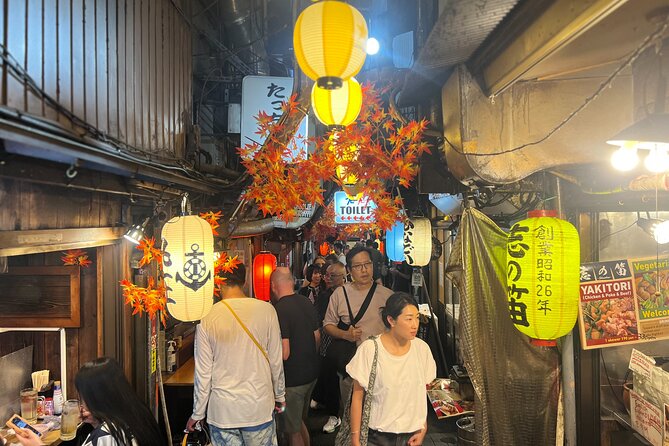
- Omoide Yokocho for narrow lanes of izakayas and tiny stalls
- Golden Gai with its post-war architecture and lanes packed with tiny bars
- Kabukicho stops tied to Japan’s entertainment-district culture
Shinjuku in 3 Hours: The Real Point of This Tour
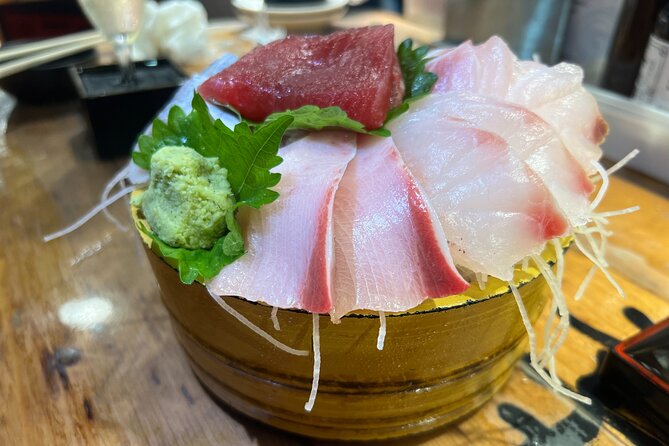
Shinjuku can feel like a food maze: busy streets, neon, and a lot of places you can’t easily evaluate from the outside. This tour is built for speed and confidence. You walk to the right pockets of the district and sit down where locals go, rather than guessing from a menu outside.
The biggest value is psychological. At most food experiences, you’re constantly paying, then deciding what else to buy, then adding up the damage afterward. Here, you’re given a structured route with tastings included, plus two drinks. That means you can focus on eating, asking, and learning instead of doing math every 10 minutes.
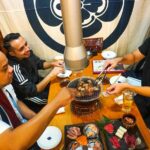
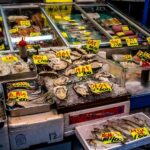
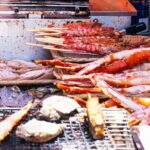
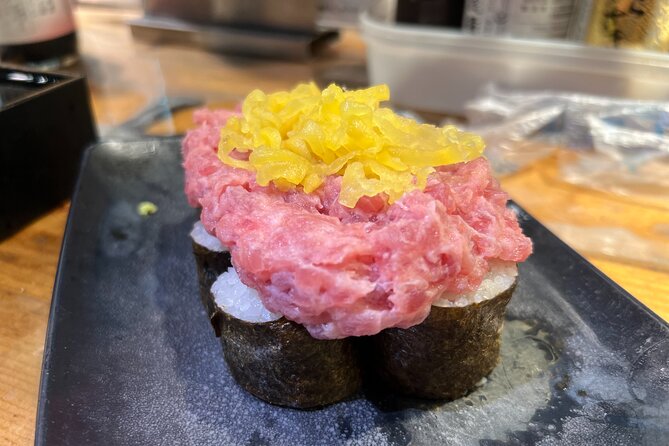
And because the tour is about variety, you get a blend of Japanese eating styles: a stall-style stop, an izakaya stop, a traditional restaurant, and then a gastrobar stop. It’s the kind of mix that helps you figure out what you personally like—crispy, grilled, soupy, small-plate style, or something street-snack related—without committing to one category all night.
The tour lasts about 3 hours and is designed as a walking experience. That’s long enough to feel like you visited several parts of Shinjuku, but short enough that you won’t feel trapped. You also finish near JR Shinjuku Station, which helps if you want to keep exploring afterward.
You can also read our reviews of more food & drink experiences in Tokyo

Finding Omoide Yokocho: Tiny Stalls, Big Atmosphere
Omoide Yokocho is one of those Shinjuku places you understand instantly. The lanes are narrow, and the scene is made of tiny izakayas and small food stalls lined up close together. It’s the kind of area where you’re not shopping for views—you’re shopping for the next bite.
This is also where the tour’s “no planning needed” approach really pays off. Walking in on your own, you might see a dozen similar-looking spots and get stuck trying to pick the one that won’t be disappointing. On the tour, you’re guided into the rhythm of the area, and the point is tasting, not hunting.
Timing is part of why this stop works. You spend about an hour here, which gives you enough time to settle in and eat without feeling rushed. It also helps you enjoy the vibe without standing in line forever like you might on your own.
What I’d do before you arrive: keep your expectations realistic. Omoide Yokocho isn’t a polished, wide-open dining room. It’s compact and close-up, and you’ll be shoulder-to-shoulder in parts of it. If you’re sensitive to tight spaces or noise, that’s the one trade-off with this kind of alley.
Kabukicho and a Traditional Stop: Nightlife Without the Confusion
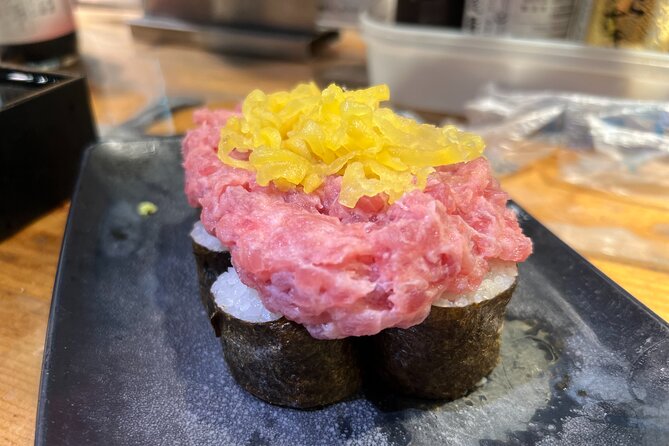
Kabukicho is Tokyo’s famous entertainment district, and the energy shows up fast: bright signs, crowded sidewalks, and constant motion. The tour doesn’t treat it like a tourist backdrop; it uses the neighborhood context to explain what kinds of establishments you’ll see and how the area fits into Tokyo nightlife.
Then you head into a traditional restaurant stop tied to the tour route. This is a smart contrast. You get a look at Kabukicho’s outside world, then you step into a more seated, structured meal where you can slow down and actually taste.
I like this design because it helps you separate two things that often get mixed up in Shinjuku: the nightlife setting and the food culture inside it. You’re not just walking through streets—you’re using the streets to understand what kind of dining Shinjuku supports.
Drawback to note: Kabukicho is still Kabukicho. Even with a guided route, you’ll be in an active area, so it’s not the calmest walk of your trip. If you’re traveling with someone who wants quieter sightseeing, you may want to treat Kabukicho as the “energy stop” and mentally prepare for crowds.
Golden Gai: Post-War Lanes and Tiny Bars
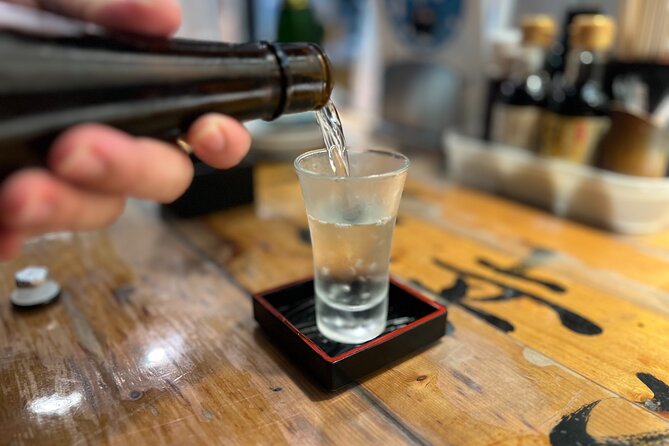
Golden Gai is one of those places that feels like a maze by design. The alleys are narrow, and the scene includes over 200 tiny bars, most of them tucked into small spaces. The tour connects this to Tokyo’s post-war architecture, which is part of why the neighborhood feels frozen in time.
This stop is also ideal for people who want to see Japan beyond the big, standard sightseeing checklist. Golden Gai is not about one giant venue. It’s about how the city keeps small spaces alive, and how social drinking in Japan can happen in rooms so small you feel like you’re sharing someone else’s secret.
The tour gives you about an hour here. That length is useful. Golden Gai can be slow to navigate if you’re on your own, because it’s easy to get disoriented in the alleys. With a guide, you get to spend your time actually experiencing the lanes and the atmosphere, instead of mapping every turn.
One more practical point: Golden Gai is tightly packed. Even if you’re only passing through, it’s worth keeping your shoulders narrow in your own mind, and your pace steady. It’s also a place where people often linger, so the group can feel a little slower than on a wide street.
How the 13 Dishes Work (And How to Eat Smart)
The tour’s core promise is simple: no need to stop and pay for food because the tastings are included, and you’ll sample 13 Japanese dishes across 4 eateries. That’s a lot of food for 3 hours, so it’s not just “a snack tour.”
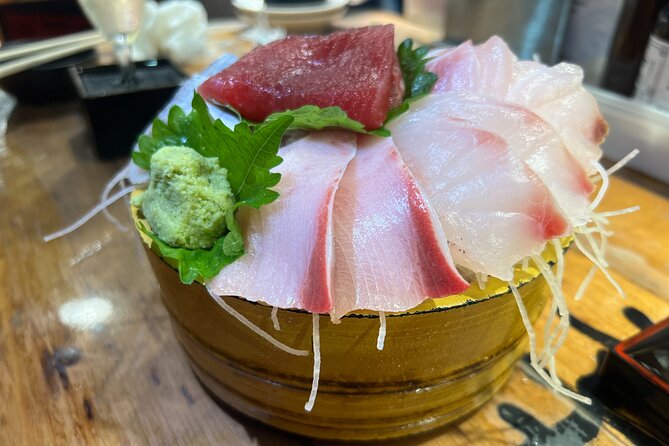
Here’s how I’d think about it as your planning tool: the tour is trying to match different textures and meal styles to your curiosity. One stop leans toward street-stall eating, another toward an izakaya format, another toward a more traditional meal, and the gastrobar adds yet another angle. If you love variety, this is exactly the kind of structure that keeps your taste buds from getting bored.
You’ll also get two complimentary drinks, and the drinks can be alcohol or non-alcohol. This matters if you’re not sure whether you want sake-beer vibes. You can still get the social part without committing to alcohol.
To avoid the classic “I ate too fast and missed the flavors” problem, pace yourself like this:
- Take a moment before each dish to decide how you’ll eat it (hot first, then sauce, then texture).
- Share sips, not just bites, if you’re in a group at a table.
- Save anything sweet you’re excited about for later, so you don’t get overwhelmed right after a heavier savory item.
Also, pay attention to how your guide frames the food. Even when the guide’s style varies, having someone explain what you’re eating can turn a good meal into a memorable one. If you want more explanation, ask directly—like what to look for in the flavor or how to order something similar later.
A few more Tokyo tours and experiences worth a look

Guides, English, and That Extra Layer of Shinjuku
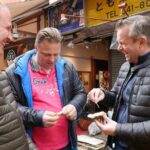
What makes a food tour worth it is often the guide. The tour description includes professional expert guidance, and the real-world results show up in the guide styles people receive.
For example, I’ve seen how guides like May are praised for making the stops fun and full of flavor. Hoshi gets called out for excellent English and for sharing insight into Japanese food and culture. Kei is noted for adding extra fun sightseeing moments alongside the meals, including things like a 3-D cat, Godzilla on top of a building, and references to Shinjuku’s red-light district context.
Even when your guide doesn’t add bonus sights, you should expect story time tied to the neighborhoods—Kabukicho’s entertainment-district character and Golden Gai’s alley history are the big examples. That context is helpful because it makes the food feel like part of a living neighborhood, not just a list of dishes.
One practical detail I like: some guides also help with personal logistics when needed. There’s an example of Lloyd coordinating cab help for a parent with mobility issues so the group could keep moving between restaurants. Even if you don’t need that, it’s a sign that the guide role can be flexible when circumstances change.
If you’re picky about explanations, remember that guide personalities vary. If your tour feels light on the “what exactly is this and why,” you can fix that with questions. Ask what you’re eating, what local people pair it with, and what you should try next time on your own.
Meeting Point, End Point, and Night-Walk Common Sense
The tour meets at AOKI Shinjukunishiguchi Honten, listed at 1-chōme-8-5 Nishishinjuku, Shinjuku City, Tokyo 160-0023. You end near JR Shinjuku Station, close to the Southeast Exit. If you’d rather return to the meeting area near a Starbucks, you can ask your guide and they’ll escort you back.
That end location is more than a convenience. Shinjuku Station is a giant transit hub. Finishing nearby makes it easier to keep your evening going—either heading back to your hotel or using the station to connect to another area.
Because the experience is mostly walking, I’d dress for comfort and movement. You’ll be stepping through dense streets and narrow lanes, especially around Omoide Yokocho and Golden Gai. Comfortable shoes matter more than pretty shoes here.
Also, plan for the fact that this is an active nightlife zone. Even if your meal times are guided, you’ll still experience the district’s sound and crowd levels. If you’re sensitive to that, choose your mindset: treat the walk as part of the show.
Price and Value: Is $86.22 a Good Deal?
At $86.22 per person, the tour looks simple on paper, but the value comes from what’s included. You’re paying for a guide, walking time, 13 included dishes, and 2 complimentary drinks. You’re also not being asked to make quick cash decisions at each stop, which is often the hidden cost in food tours.
If you price food in Tokyo normally, you know how fast meals add up—especially in nightlife districts where the easy-to-find places can be pricey. This tour bundles a lot of eating into a single payment, so you’re buying certainty.
Where the price might feel less perfect is if you’re the kind of person who wants one or two favorite foods instead of many small ones. If you’re seeking depth in a single dish category, you might prefer a more focused meal plan. But if you want a fast education in Shinjuku eating, the structure is designed for that.
I also like the group size cap of 12. That’s small enough for the guide to handle ordering and keep the pace manageable, while still letting you talk and meet people.
Should You Book This Shinjuku Food Tour?
Book it if you want a guided way to eat across multiple parts of Shinjuku without overthinking menus. I’d especially recommend it if you’re excited by places like Omoide Yokocho, the entertainment-district setting of Kabukicho, and the alley maze vibe of Golden Gai. The best fit is someone who likes variety and wants a clear plan for a night out.
Consider skipping or adjusting expectations if you’re extremely focused on deep explanations for each dish. The tour can be great on flavor and neighborhood context, but the level of detail can vary by guide and the alley stops involve tight space and active street energy. If that doesn’t sound like your style, you might prefer a more calm, sit-down dinner approach.
FAQ
What is the duration of the Shinjuku food tour?
It runs for about 3 hours.
How many dishes and eateries are included?
You’ll try 13 Japanese dishes across 4 local eateries.
What food types will I eat during the tour?
You’ll have food at a stall, an izakaya, a traditional eatery, and a gastrobar.
Are drinks included?
Yes. The tour includes 2 complimentary drinks, alcohol and non-alcohol options.
Do I need to pay for food at each stop?
No. The tastings are included, so you do not need to stop and pay for the food during the tour.
Where is the meeting point?
The meeting point is AOKI Shinjukunishiguchi Honten at 1-chōme-8-5 Nishishinjuku, Shinjuku City, Tokyo.
Where does the tour end?
It ends near the Southeast Exit of JR Shinjuku Station. You can also request an escort back to Starbucks.
Is gratuity included?
No. Gratuity is optional.
How large is the group?
The maximum group size is 12 travelers.
What is the cancellation policy?
You can cancel for a full refund if you do so at least 24 hours in advance.