REVIEW · TOKYO
Tsukiji Fish Market: Street Food & Culture Walking Tour
Book on Viator →Operated by Local Guide Stars · Bookable on Viator
Fish turns into food-fast in Tsukiji. This small-group tour pairs street food stops with a fish-cutting show that explains what you’re seeing while you walk Tokyo’s market lanes. I especially like the pace and focus on real tasting and real craft, plus the small-group setup that gives your guide room to talk. There’s also practical value in having the tour end where it starts, so you’re not stuck figuring out your next move.
One thing to weigh: it gets busy in the market areas. If you’re sensitive to crowds or you need extra time to check in at each stop, you’ll want to manage your expectations and plan for a little hurry.
In This Review
- Key things I’d put on your radar
- Tsukiji Street Food with a Local at Tsukiji Jogai Market
- The Fish-Cutting Show That Makes the Whole Area Make Sense
- Tsukiji Fish Market: Watching Traders Work Without Pretending It’s Easy
- Tsukiji Hongwanji Temple: A Quick Culture Reset
- Price and Time: Is $33.16 a Good Deal?
- Logistics That Matter in a Working Market
- Who Should Book This Tsukiji Tour (and Who Might Skip It)
- My take: Book it if you want structure and a real highlight
- FAQ
- What’s the duration of the Tsukiji Fish Market Street Food & Culture Walking Tour?
- How much does the tour cost?
- What food-related experiences are included?
- Where does the tour start and end?
- Are there admission tickets included for the stops?
- Is the tour suitable for wheelchairs or strollers?
Key things I’d put on your radar
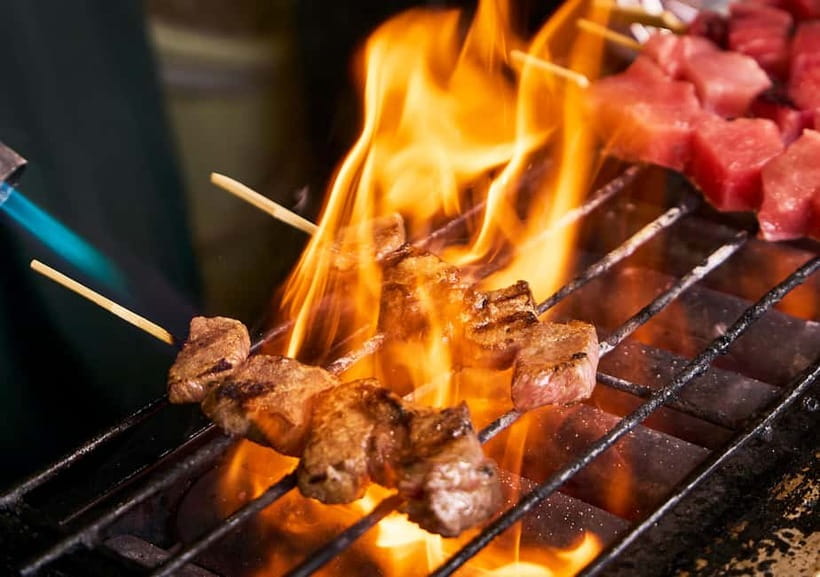
- Small group, up to 30 people so the guide can actually steer the experience.
- Traditional fish-cutting show paired with a seafood bowl so the story has a payoff.
- Wheelchair and stroller accessible with a route designed for moving through a working market.
- Multiple Tsukiji zones (Jogai street food, trader market, then a temple) so it feels like a whole area, not one photo stop.
- Guides named George and Tomo show up in standout feedback for clear English and strong food guidance.
Tsukiji Street Food with a Local at Tsukiji Jogai Market
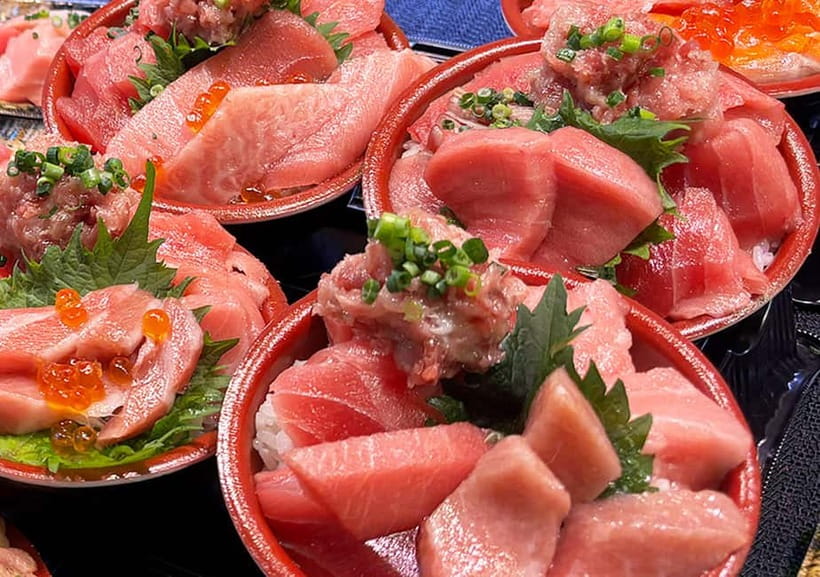
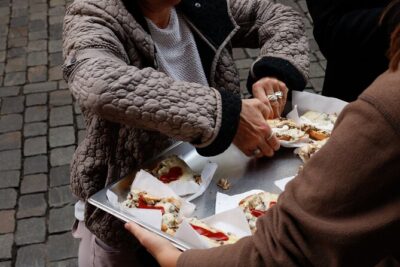
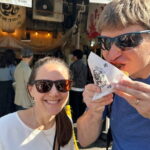
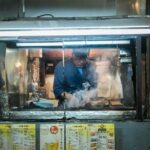
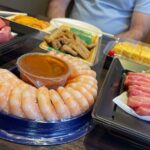
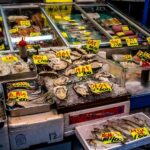
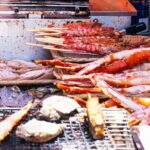
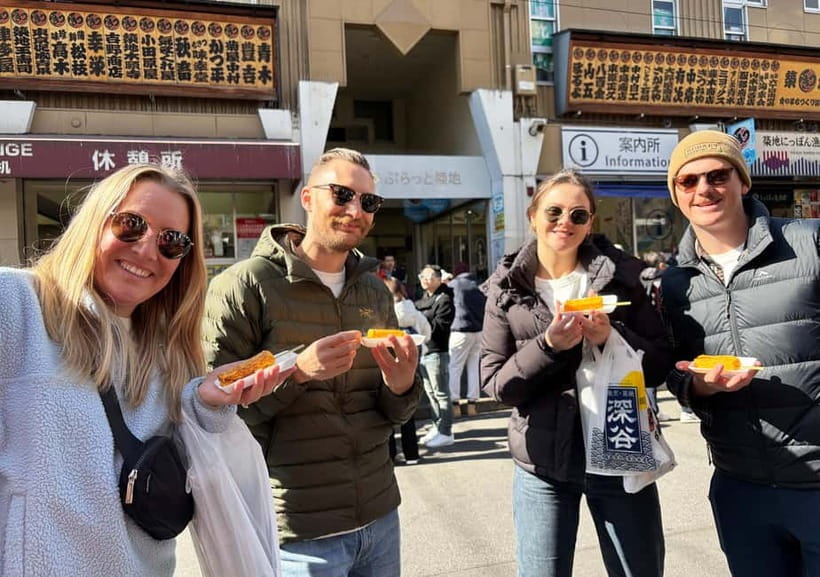
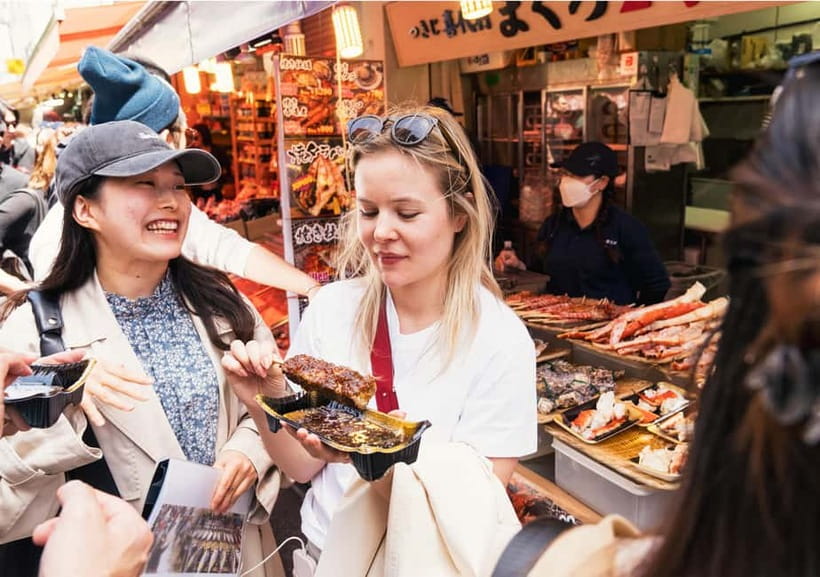
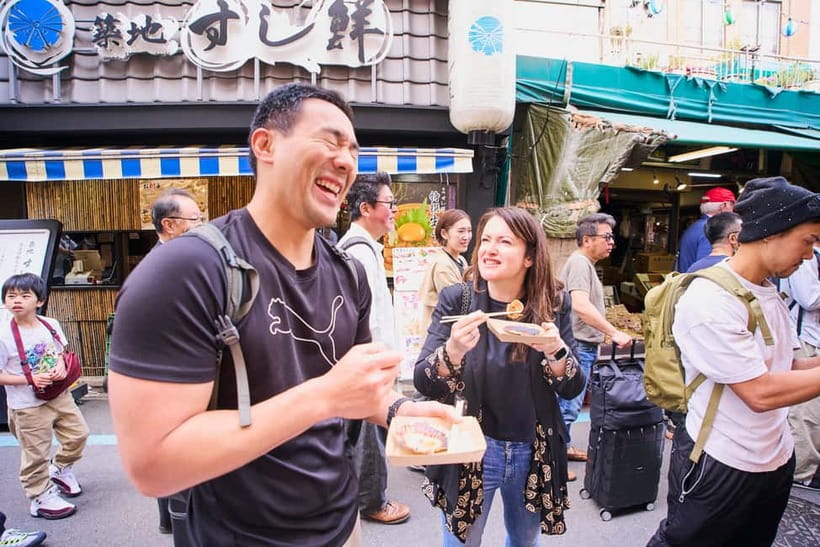
Tsukiji’s reputation can make it feel like a theme park. This tour keeps it more grounded by starting in the Jogai Market area with food you can actually eat, right where people shop and snack.
You’re looking at about 45 minutes here, with street food culture as the theme and no ticket admission cost tied to the stop. That’s a smart structure: you get time to graze, ask questions, and settle into the market rhythm before you hit the heavier “watch the professionals” parts.
What I like about this opening is that it gives you context fast. Instead of arriving at a fish market already overwhelmed, you start with smaller tastes and plain explanations. You learn what to look for—how food is handled, how vendors talk to regulars, and how Japanese market eating often works: quick, specific, and very ingredient-driven.
Possible drawback? Street food stops naturally mean lots of small decisions. If you have strong dietary limits or you dislike waiting on lines, you might feel squeezed by the “keep moving” flow. The tour does include a guide who can help point you toward good options, but the environment is still a working market.
You can also read our reviews of more walking tours in Tokyo
The Fish-Cutting Show That Makes the Whole Area Make Sense
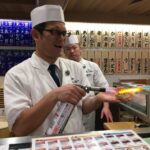
If you want one reason this tour is worth considering, it’s the fish-cutting show. This is the moment where the market stops being abstract and becomes practical—your eyes finally catch what your tastebuds have been waiting for.
You get about 30 minutes for this stop, and the show admission is included. A skilled chef fillets a whole fish using traditional techniques, and the guide helps you understand what you’re seeing. After the show, you’ll enjoy a fresh seafood bowl (included) so the craft isn’t just a performance—it turns into a meal.
This pairing is smart for two reasons. First, cutting technique is hard to appreciate from a distance. Seeing it up close helps you understand why the cuts matter for texture and flavor. Second, the bowl gives you an instant “translation.” You’re not just taking photos; you’re connecting the technique to something you can eat.
In feedback, guides like George (noted for taking people to the best tasting spots and making the food feel easy to choose) and Tomo (praised for history and culture explanations in clear English) show up with strong results here. That matters because a great fish market show still needs the right guidance to keep it from turning into noise and confusion.
One consideration: this is still a short stop in a busy area. If you want slow, uninterrupted viewing time, you may not get it. But if you’re there to learn and then taste the outcome, this portion is the tour’s high point.
Tsukiji Fish Market: Watching Traders Work Without Pretending It’s Easy
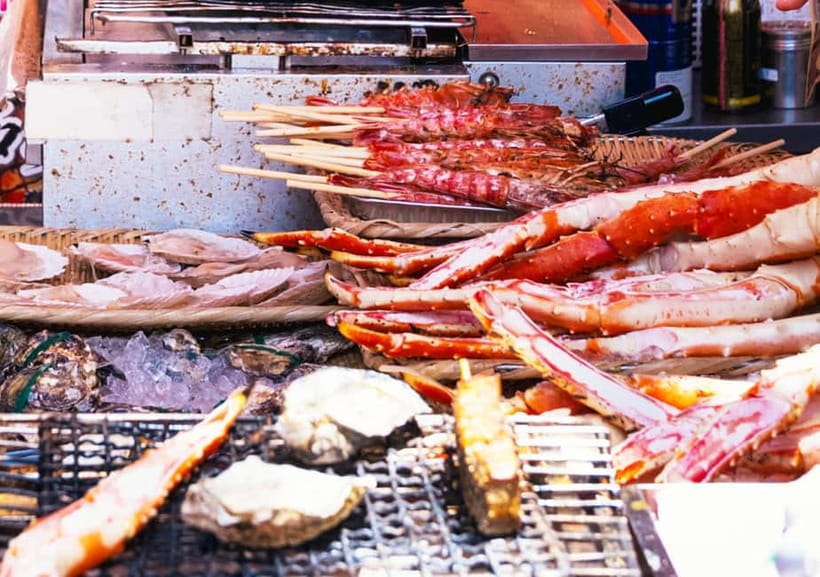
After the show and bowl, you head into the Tsukiji Fish Market area for about 30 minutes, focused on the authentic atmosphere where professional traders operate. This is where you see the market’s “real job” side: people moving with purpose, merchandise changing hands, and the whole place operating like a system.
The value here isn’t that someone hands you a scripted “market experience.” It’s that you’re given a short, timed window with a guide so you don’t waste that time guessing where to look. You get help reading what’s happening—what you should pay attention to, and which areas show the market’s working tempo.
Also, this stop is free of admission ticket costs. That’s not about saving money so much as keeping the tour from becoming a checklist of paid entries. You’re paying for the guide and the flow between parts.
Drawback to expect: it can feel crowded, especially during peak travel periods. One set of feedback mentioned that near New Year the area was very busy and timing felt tight. That’s normal here; the market doesn’t slow down just for a tour group. If you’re the type who gets stressed in dense spaces, bring calm expectations and stay close to your group.
Tsukiji Hongwanji Temple: A Quick Culture Reset
After the market intensity, the tour adds a quieter stop: Tsukiji Hongwanji Temple. You’ll spend around 15 minutes inside with a local guide, learning about the charm of the site and the culture and history of Buddhism.
This temple moment is brief, but it plays a useful role. Market areas can blur together. A short cultural pause helps you reset your brain so the next street scene doesn’t feel like overload. It also gives the day a broader “Tokyo culture” frame, not only seafood and shopping.
That said, there’s a split in feedback on value. Some people felt the temple stop didn’t add much compared to just walking the market on your own. If you’re mainly motivated by food and fish, you might treat this as a short educational breather rather than the day’s centerpiece.
If you do go, come in with the right mindset: you’re there for a compact intro and a respectful look, not for a long guided lecture.
Price and Time: Is $33.16 a Good Deal?
At $33.16 per person for about 2 hours (approx.), this tour is priced like an experience built around guidance, not a long sightseeing day. And that’s the right comparison. You’re paying for someone to help you navigate a busy food-and-market zone, plus the coordination of the show and the included bowl.
Here’s how I’d weigh the value:
- You get a fish-cutting show plus an included seafood bowl. That alone turns the tour from “just walking” into something you actually eat and remember.
- Admission is free for the other stops. That keeps your money tied to the portions that are hard to replicate on your own without wandering.
- Small-group format (max 30). More groups usually means more chaos and less ability for questions. This one aims for the opposite.
So is it a good deal? For most people who want structure + a highlight meal + someone to explain what they’re looking at, yes. For people who hate crowds or prefer slow independent browsing, the price may feel less satisfying, especially if you feel the pace doesn’t match what you want.
You can also read our reviews of more food & drink experiences in Tokyo


Logistics That Matter in a Working Market
This tour uses a mobile ticket, starts and ends at the same meeting point, and is described as near public transportation. That matters because Tsukiji-area days can be tight. When your tour loop returns you to the starting point, you can plan dinner or onward travel without doing extra navigation in the heat and noise.
The maximum group size is 30 travelers, which is on the larger side for some “small group” expectations, but the tour is still designed to keep movement managed. You should still expect waiting at food stands and show viewing areas. That’s not a failure; it’s the market.
Weather is another practical factor. The experience notes it needs good weather, and if poor weather cancels it, you’ll be offered a different date or a full refund. Plan for flexibility, because the market atmosphere is outside-focused even when some stops are indoors.
Accessibility is clearly addressed too. The tour is wheelchair and stroller accessible, which is a real plus in an area where many streets can feel uneven or crowded.
Who Should Book This Tsukiji Tour (and Who Might Skip It)
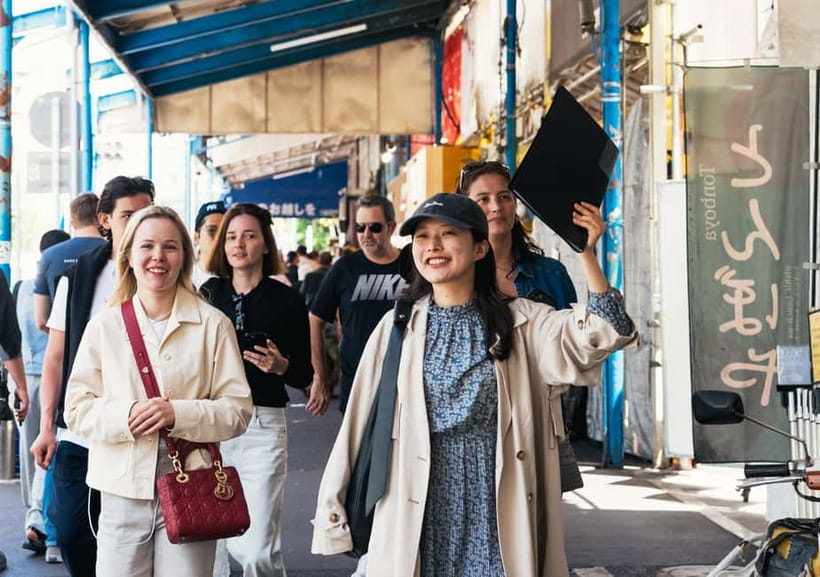
This tour is a great fit if you:
- Want guided help choosing what to eat in a market setting.
- Appreciate a fish-cutting explanation rather than just watching silently.
- Like a short, organized experience that covers street food, market working life, and a temple in one loop.
- Prefer small-group movement through crowded spaces.
It may not be the best fit if you:
- Hate crowds and waiting.
- Want lots of time to linger at stalls on your own.
- Expect a long, detailed history lesson at every stop. The temple component is compact, and the market side moves with practical momentum.
One pattern from mixed feedback: some people felt the tour was too “stop, try, move” and not enough explanation. If you’re coming mainly for deep historical context, you might want to pair this with additional time on your own afterward—or choose a different style of tour.
My take: Book it if you want structure and a real highlight
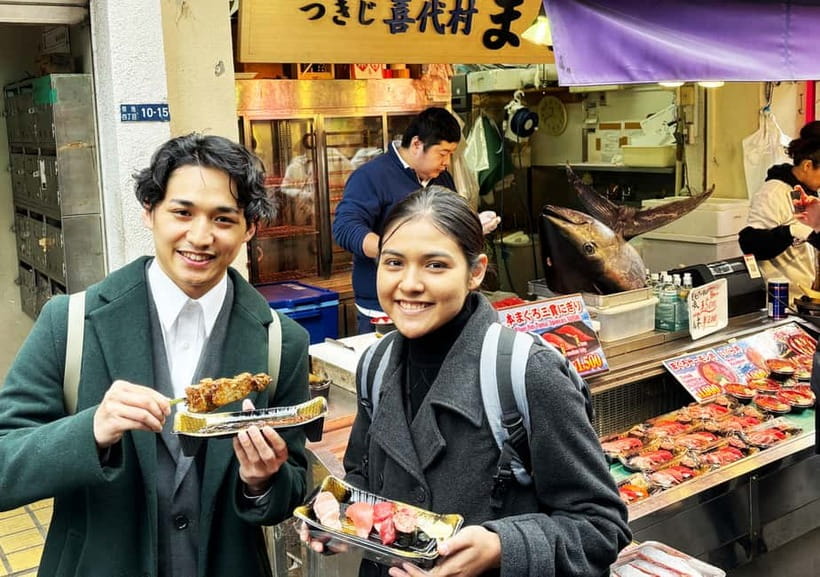
If your ideal Tsukiji day includes at least one meal you’re excited about plus a structured look at how the fish is prepared, this is a smart booking. The show and included bowl are the anchor, and the guide’s job is to keep you from feeling lost in a busy place.
I’d book it especially if you’re not sure where to start. The meeting point is clear, the loop returns to it, and you get a timed introduction to multiple parts of the Tsukiji area instead of one scattered walk.
Skip or reconsider if you need a slow pace, lots of quiet time, or you’re worried about hearing your guide over crowds. In busy periods, staying close matters, and the market has its own speed.
FAQ
What’s the duration of the Tsukiji Fish Market Street Food & Culture Walking Tour?
It runs for about 2 hours (approx.).
How much does the tour cost?
The price is $33.16 per person.
What food-related experiences are included?
You’ll see a fish-cutting show and then enjoy a fresh seafood bowl afterward. Meals beyond that are not included.
Where does the tour start and end?
It starts at 築地本願寺本堂3-chōme-15-1 Tsukiji, Chuo City, Tokyo 104-0045, Japan, and ends back at the same meeting point.
Are there admission tickets included for the stops?
The fish-cutting show stop has admission included. Other stops listed are noted as free of admission ticket costs.
Is the tour suitable for wheelchairs or strollers?
Yes, the tour is wheelchair and stroller accessible.