REVIEW · ROME
Rome Food Tour in the Historic Centre with 8+ Food Tastings
Book on Viator →Operated by Secret Food Tours · Bookable on Viator
Eight bites and a lot of Rome. This 3-hour walking food tour stitches together 8+ tastings with Roman landmarks from Piazza Navona to Largo di Torre Argentina, including classics like supplì, pizza, and gelato. I love the way the food comes as a real course-style progression, so you’re not just sampling random bites. I also love that the stops are tied to neighborhoods you can’t really understand from a postcard, especially the old Jewish ghetto in Sant’Angelo.
One possible drawback: this is still a walking tour. You’ll be on your feet for roughly three hours, so wear good shoes and plan to move at a steady pace.
In This Review
- Key Highlights You’ll Care About
- Piazza Navona Meeting Point: fountains, stadium history, and first tastings
- From Pizza to Supplì: the course-style menu that fills you up
- Drinks and the 18+ note
- High Renaissance Palace and the French Embassy interlude
- Sant’Angelo Jewish Ghetto: history you can taste
- Four Rivers fountain, a 2nd-century walkway, Campo de’ Fiori, and Pompey’s Theatre area
- Why the fountain + ancient walkway combo works
- Campo de’ Fiori: where food energy fits the story
- Largo di Torre Argentina: a fitting finish
- Price and Group Size: is $118.51 a fair deal?
- Small Group Pace: who this works for (and who should rethink)
- Should you book this Rome food tour?
- FAQ
- How long is the Rome Food Tour?
- Where does the tour start and end?
- How many food tastings are included?
- Is the tour offered in English?
- What group size should I expect?
- Are pets allowed?
- Can I cancel and get a full refund?
Key Highlights You’ll Care About
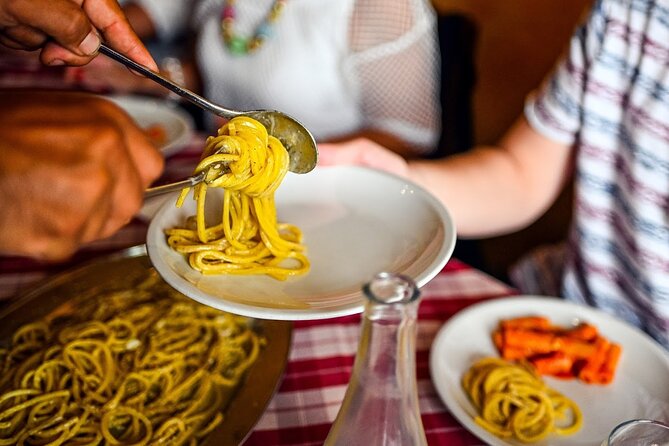
- Course-style Roman food: homemade pizza, supplì, two Roman pastas, cheeses, cannoli, artisanal gelato, plus a secret dish
- Historic route with real context: Piazza Navona’s ancient setting, the Sant’Angelo Jewish ghetto, and the Largo di Torre Argentina area
- Small group energy: maximum 12 people means you’re not lost in a crowd
- Guides that mix food and stories well: names you may hear include Massimiliano, Rocio, Luda, Manuel, Federico, and Eduardo
- You leave full: the portions are meant to feed you, not just tease you
Piazza Navona Meeting Point: fountains, stadium history, and first tastings
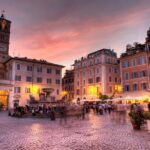
Your tour begins at Sant’Agnese in Agone, Piazza Navona, right by the action. Piazza Navona is one of those Rome squares that feels theatrical even when you’re just walking through it. It sits on the site of an ancient stadium, so the vibe is layered: baroque façades and lively café life on top, older Roman ground underneath.
As you start, you’ll get an immediate “Rome by mouth” introduction. Piazza Navona is surrounded by places where people snack and linger, so it’s an ideal start for classic bites like pizza bianca-style bread/pizza moments, espresso culture, and street snacks. The tour uses this setting well: instead of treating the food and the sights like two separate activities, the guide links what you’re eating to what you’re seeing around you.
If you’re the type who likes to understand why a place looks the way it does, this stop delivers. It’s not just a pretty square. Your guide helps you connect fountains and architecture with how Romans used public space—then you get food that matches that everyday rhythm.
You can also read our reviews of more food & drink experiences in Rome


From Pizza to Supplì: the course-style menu that fills you up
The headline here is 8+ food tastings, and the menu isn’t built to be confusing. It’s built to make sense in your stomach.
You can expect:
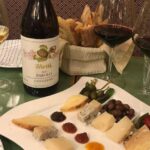
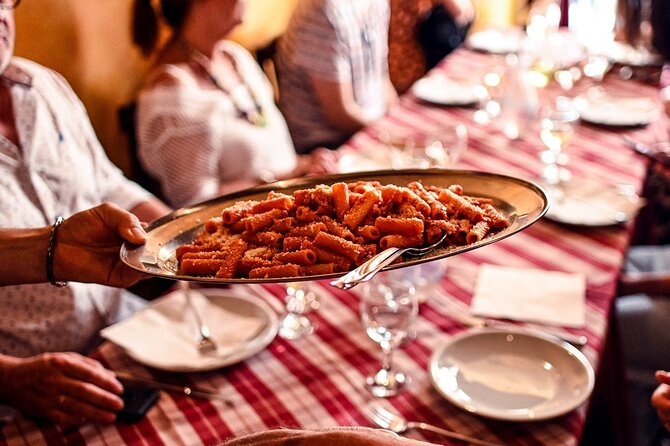
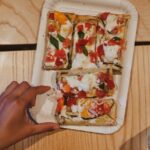
- Two different types of homemade pizza
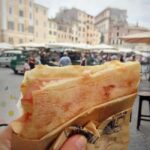
- Supplì (that beloved Roman fried rice ball)
- Italian cold cuts and cheeses
- Two Roman pastas
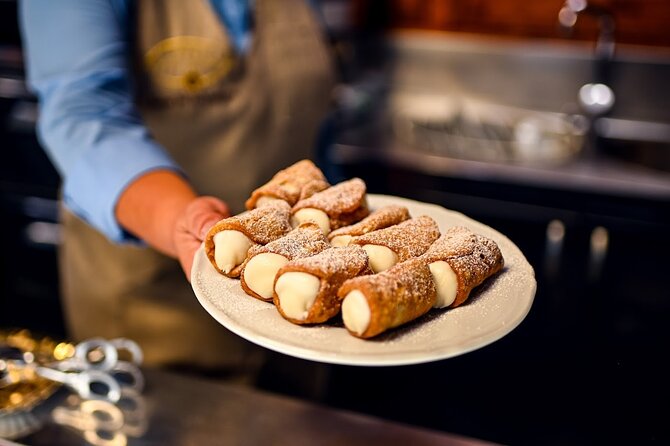
- Cannoli
- Artisanal gelato
- An Our Secret Dish tasting that you won’t know in advance
What I like about this setup is that it covers the full Roman comfort-food spectrum. Pizza and pasta give you the “big two” that visitors chase in Rome. Supplì and cold cuts/cheeses add the everyday street-level realism—food you’d actually see at counters and takeaways. Cannoli and gelato finish the loop with the kind of dessert that turns a meal into a memory.
And yes, you should plan for real hunger. More than one guide-hosted experience I’ve seen from this route is heavy on quantity, and the goal is that you’re very full by the end. If you snack lightly before you meet, you’ll probably be fine. If you arrive starving, you’ll be in heaven.
Drinks and the 18+ note
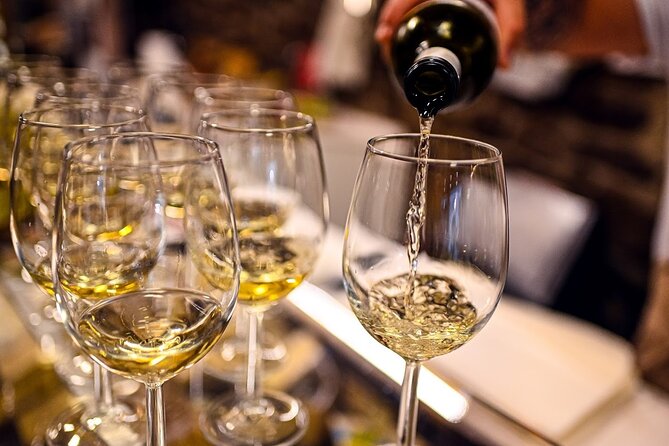
The tour includes a minimum drinking age of 18, which is worth noting if you’re traveling with anyone under that age. Also, some guides build in coffee or wine around tastings, so treat the day like a food-focused outing, not a quick hit.
High Renaissance Palace and the French Embassy interlude
After Piazza Navona, the route turns toward a major landmark: a High Renaissance palace in Rome that now serves as the French embassy in Italy. This is a smart move in the itinerary because it changes the mood. Piazza Navona is all about open space and public life; this kind of palace stop reminds you that Rome’s food culture grew alongside power, art, and wealthy patronage.
The practical value: you get a break from constant street corners and you still stay within the same walking rhythm. It also helps you understand why Roman food tastes so “official” and “serious” while still being casual. Even when you’re eating something street-adjacent like pizza or supplì, the city’s culture is rooted in status, craft, and long traditions.
I also like that this stop is timed so you’re not chewing while staring at a building tour poster. Your guide can talk while you walk, and then the tastings keep coming.
Sant’Angelo Jewish Ghetto: history you can taste
One of the most meaningful parts of this experience is the walk through the Jewish ghetto area—specifically tied to the neighborhood established in 1555 in the Rione Sant’Angelo.
Food tours that skip the hard edges of a city usually feel shallow. This one doesn’t. Even if you don’t know Rome’s Jewish history going in, the guide helps you connect what happened to how neighborhoods evolved—then you see why this part of Rome became a food culture on its own. In other words: you’re not just collecting facts. You’re learning how a community shaped daily life, including what people ate and how they gathered.
This stop also has a real emotional tone. The area feels more intimate than the big-ticket monuments, and it makes the tastings land differently. Instead of thinking, “cool food,” you start thinking, “food as history in motion.”
If you’re traveling with kids, this is another reason the tour can work. A strong guide keeps things engaging, and the walk gives you a chance to talk about culture in a way that feels human, not like a textbook.
A few more Rome tours and experiences worth a look


Four Rivers fountain, a 2nd-century walkway, Campo de’ Fiori, and Pompey’s Theatre area

By the time you hit the later stops, you’ll feel the tour’s pacing sharpen. The route is still walkable, but it’s more focused: fewer “look at that” moments, more “here’s why this matters” moments.
You’ll see:
- A classical 17th-century fountain honoring the Four Rivers, with a Roman obelisk topped by a dove
- The remains of an ancient walkway originally built in the 2nd century B.C. to connect two Roman temples
- Campo de’ Fiori, a rectangular square that literally means field of flowers
- The finishing zone around Largo di Torre Argentina, near the remains of Pompey’s Theatre and four Roman Republican temples
This is where the tour becomes very “Rome.” You’re moving through squares that still function like squares—meeting points, conversation hubs, and natural stages for daily food life.
Why the fountain + ancient walkway combo works
The Four Rivers fountain is one of those Rome landmarks that’s easy to remember because the visuals are clear. But what makes it valuable on this tour is that it connects art and civic pride back to how Romans organized space. Then, the ancient walkway ruins bring you back down to the practical side: Rome’s grandeur wasn’t only for show, it was for movement and connection across temples.
If you like travel days that teach you something without making you feel stuck reading plaques, this pairing does that well.
Campo de’ Fiori: where food energy fits the story
Campo de’ Fiori is a famous square for a reason, and it’s also a great place to understand how Romans mix daily life with tourism. It feels like a neighborhood square even when it’s busy. By the time you reach it, the tour’s food progression has probably gotten into your “I’m ready for the next bite” zone—which is exactly when a stop like this makes sense.
It’s also a good moment to take mental notes. After you leave, you’ll have a better sense of where to return on your own for dinner or dessert.
Largo di Torre Argentina: a fitting finish
The tour ends at Largo di Torre Argentina, a dramatic little finish area with the remains of Pompey’s Theatre and Roman Republican temples nearby. It’s not the biggest monument on paper, but it’s a strong closing point because it feels layered and ancient without needing a long ticket line.
And if gelato is part of your priority list (it is here, with artisanal gelato included), this ending zone feels right for that last sweet stop. You get to finish with something easy and familiar while the surrounding ruins keep the day anchored.
Price and Group Size: is $118.51 a fair deal?
At $118.51 per person for about three hours, this is priced like a real food experience, not a casual stroll-and-sip. The value comes from two things you can feel immediately:
First, the food quantity and variety. Two types of homemade pizza, supplì, cold cuts and cheeses, two Roman pastas, cannoli, gelato, and a secret dish is not “two bites and a story.” It’s a full meal cycle spread across multiple stops.
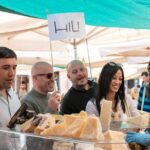
Second, the small group size. The max is 12 travelers, and that matters more than people think. You spend more time eating and asking questions, and less time waiting and squeezing. It also tends to keep the tour lively rather than chaotic.
You’ll also get a mobile ticket and the tour is offered in English, which is helpful if you want to stay focused on the food and the stories instead of deciphering menus on the fly.
One final value point: you’re walking a route through high-demand Rome areas without having to plan each individual stop. For many first-timers, that alone can make the cost feel worth it.
Small Group Pace: who this works for (and who should rethink)
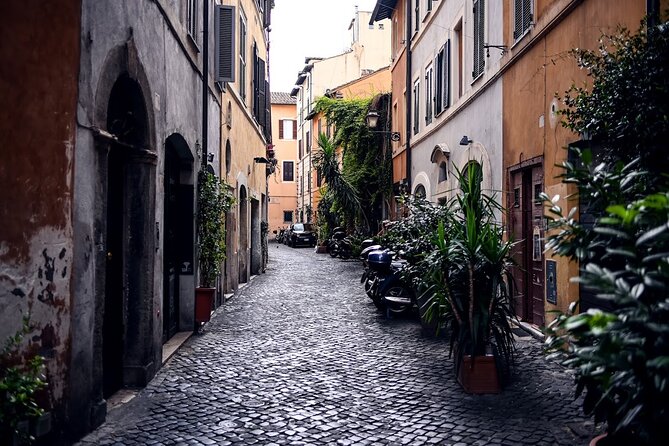
This tour is designed for most people. It’s also capped at 12, which helps with pacing and attention. The route is walk-heavy in the sense that you’re outside for about three hours, so come ready with comfortable shoes and water.
It’s also a decent fit if you want a guided orientation to neighborhoods. Several experiences on this kind of route highlight how the guide helps you connect history and food, not just show up and hand you samples. With guides like Massimiliano and Rocio mentioned often, the vibe tends to be engaging and story-led—so you get more than a list of dishes.
If you have dietary needs, the tour data doesn’t promise a specific menu swap. But at least one experience from this route mentions vegetarian accommodations. My advice: if you’re vegetarian or have a specific restriction, message ahead and be clear about what you need. Don’t assume.
Who might rethink it: anyone who can’t handle a steady three-hour walk. Also, anyone traveling with a pet should know pets can’t be accommodated on these food tours.
Should you book this Rome food tour?
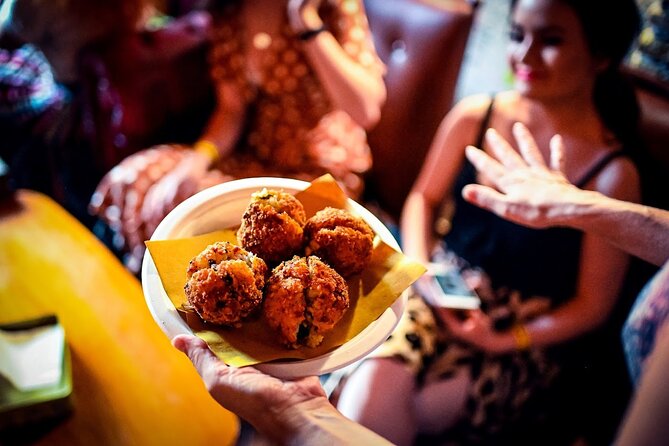
If your goal is a high-ROI Rome experience—good food, a tight route, and local stories that make the city feel less random—then I’d book it. You’ll get a structured, course-style lineup with pizza, supplì, pasta, cannoli, and gelato, plus you’ll walk through meaningful parts of central Rome, including the Jewish ghetto area.
Book it especially if:
- You want to eat your way through Roman classics without hunting down the best spots
- You like history that connects to daily life, not just monuments
- You prefer a small group format
Skip it if:
- You hate walking tours or you know you’ll struggle with three hours on foot
- You want a more flexible, choose-your-own-restaurant kind of day
If you’re on the fence, I’d lean yes. This is the kind of tour where the “I’m glad we did that” feeling shows up in your stomach first, then in your memory.
FAQ
How long is the Rome Food Tour?
It runs about 3 hours.
Where does the tour start and end?
It starts at Sant’Agnese in Agone, Piazza Navona, 14, 00186 Roma RM, Italy, and ends at Largo di Torre Argentina, 00186 Roma RM, Italy.
How many food tastings are included?
The tour includes 8+ food tastings, with items such as two homemade pizzas, supplì, Italian cold cuts and cheeses, two Roman pastas, cannoli, artisanal gelato, and a secret dish.
Is the tour offered in English?
Yes, it’s offered in English.
What group size should I expect?
The tour has a maximum of 12 travelers.
Are pets allowed?
No, pets can’t be accommodated on these food tours.
Can I cancel and get a full refund?
Free cancellation is available up to 24 hours in advance for a full refund. If you cancel less than 24 hours before the start time, the amount paid isn’t refunded.