REVIEW · ROME
Rome: Trastevere or Jewish Quarter Street Food Tour
Book on GetYourGuide →Operated by Food Raphael Tours and Events · Bookable on GetYourGuide
Rome gets tastier fast with a guided route. I like the way this tour layers five street-food tastings with Roman stories, so you taste dishes and also understand where the flavors fit. My other favorite part is that it ends with a proper Roman gelato sweet stop. One catch: most tastings are served standing, so comfy shoes matter.
You choose your neighborhood: Trastevere for classic Rome square-hopping around the Basilica of Santa Maria in Trastevere, or the Jewish Quarter with Campo de’ Fiori for market energy and historic side streets. The total walk is about 2.5 hours, and it moves at a steady pace without feeling rushed.
If you’re going during the day, note that the Campo de’ Fiori market portion only works on morning tours. Also, this isn’t for vegans, and it’s listed as not suitable for people with gluten intolerance—so check with the operator early if you have diet needs.
In This Review
- Key highlights at a glance
- Trastevere vs Jewish Quarter: which Rome street-food route fits you
- Starting point and pacing: how the 2.5 hours plays on your feet
- What you actually eat: Roman classics you’ll recognize (and one or two you won’t)
- Campo de’ Fiori market stop: where the tour gets real
- Jewish Ghetto streets to Portico d’Ottavia: history you can walk through
- Via dei Chiavari and the Pantheon pass-by: snacks plus Roman wow-factor
- Sant’Eustachio dessert and the final gelato payoff
- Price and value: is $51 worth it?
- Who should book (and who should skip)
- Should you book this Rome street-food tour?
- FAQ
- How long is the street food tour?
- How many food tastings are included?
- Are drinks included in the price?
- Where does the tour start?
- Is the Campo de’ Fiori market stop always included?
- Is the tour suitable for vegans or gluten intolerance?
- FAQ
- Can I cancel for free?
- Is there a pay-later option?
Key highlights at a glance
- Trastevere or Jewish Quarter options: pick the vibe, not the food (the classics stay)
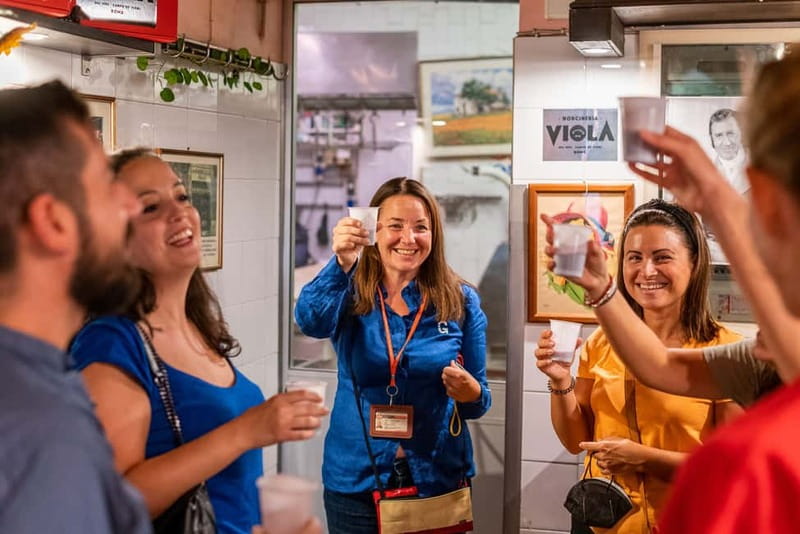
- Five tastings plus beer and wine: a real meal’s worth of Rome in 2.5 hours
- Campo de’ Fiori market time (morning only): you get the market feel, not just storefront snacks
- Portico d’Ottavia and Turtle Fountain area: history stops that connect to daily life
- Jewish Ghetto walking segment: thoughtful pacing through historic streets
- Guides set the tone: names like Ramona, Mattia, and Marco show up in the kind of feedback this tour earns
Trastevere vs Jewish Quarter: which Rome street-food route fits you

This tour is built around the same idea—guided walking, quick stories, and you eating while you go—but the neighborhood choice changes the flavor of the experience.
Choose Trastevere if you want an easy-to-love Rome loop with lively church-and-square energy. The Trastevere option is centered around the area near Piazza di Santa Maria in Trastevere and the Basilica of Santa Maria in Trastevere. It also brings in Roman favorites like cheesy supplì and a Sicilian-style cannoli stop, ending with gelato.
Choose the Jewish Quarter with Campo de’ Fiori if you want a route that feels like a timeline: open-air market, historic architecture, then walking into the Jewish Ghetto area. You’ll also pass major landmarks along the way, including the Portico d’Ottavia area (with the Turtle Fountain nearby). If you like history told through everyday places, this is the better match.
You can also read our reviews of more food & drink experiences in Rome


Starting point and pacing: how the 2.5 hours plays on your feet

The start depends on which option you book. The Trastevere version can start at Piazza San Bartolomeo All’Isola, while the Jewish Quarter route starts at Campo de’ Fiori. Either way, you begin with quick orientation and then settle into the flow: short walks between tasting stops, plus a couple of brief guided segments for context.
Most tastings happen while standing. That’s not a dealbreaker, but it changes the way you should plan your body for the day. Reviews and the format both point to limited seating, so I’d treat this as a walking tour first and a sit-down meal second. Bring comfortable shoes and expect to pause for bites rather than lounge.
The pace is designed to let you actually see the neighborhoods. You’ll stop, eat, walk again, and pick up enough narrative so the streets stop looking random.
What you actually eat: Roman classics you’ll recognize (and one or two you won’t)
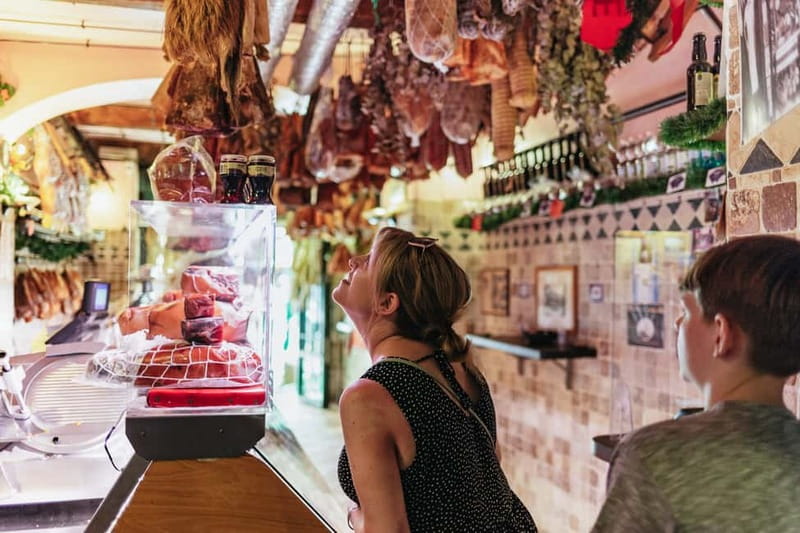
This is the kind of food tour where you end up eating the hits—but also finding new favorites because the guide decides what’s worth trying.
Across the tour, you’re looking at five street-food tastings that commonly include:
- Supplì (deep-fried rice ball, often cheesy)
- Pizza
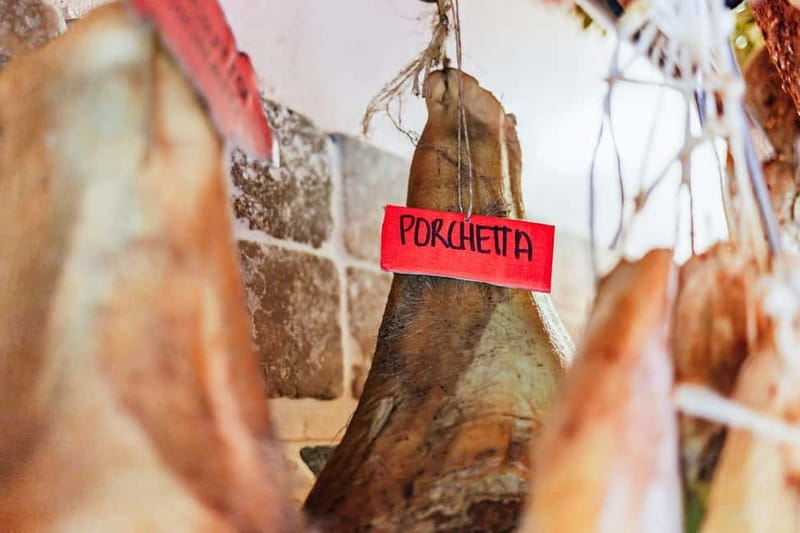
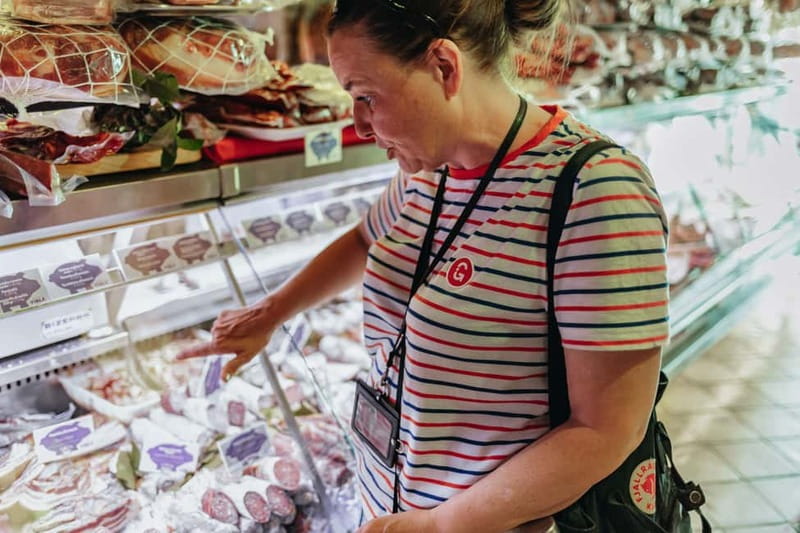
- Cured meat
- And Roman sweets, with gelato as the finish
On the Trastevere option specifically, you’ll also see the cannoli flavor category show up (it’s mentioned as a Sicilian cannoli stop). The Jewish Quarter route keeps the core Roman street-food logic and adds tasting moments tied to market and ghetto-area walking.
The drinks included are small but useful: one beer sample and one wine sample. They may be served in plastic cups. Extra drinks are not included, so if you’re thirsty after your last gelato bite, plan to buy water or an extra drink on your own.
Campo de’ Fiori market stop: where the tour gets real
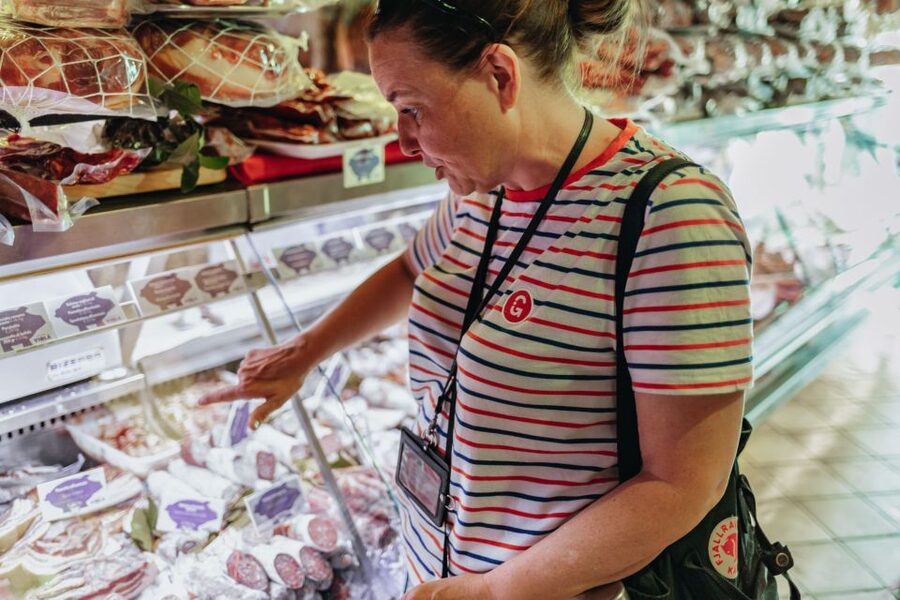
On the Jewish Quarter route, Campo de’ Fiori is the anchor. You start there and you get time right in the market zone, not just a quick photo.
Here’s what makes this stop valuable:
- You get a food-market visit component (about 20 minutes)
- You get an initial food tasting right in the same area
- Then later you return for a wine tasting and another food tasting
This matters because Campo de’ Fiori isn’t just a place to buy snacks. It’s one of Rome’s old open-air market spots, which gives the guide an easy way to explain how Rome’s daily eating culture grew around public squares.
Two practical notes: the Campo de’ Fiori market is only open during the morning tour window, and you’ll be standing while you eat. If you’re the type who likes to watch how food moves through a market—baskets, chatter, quick exchanges—this stop will feel like the “real Rome” moment of the walk.
Jewish Ghetto streets to Portico d’Ottavia: history you can walk through
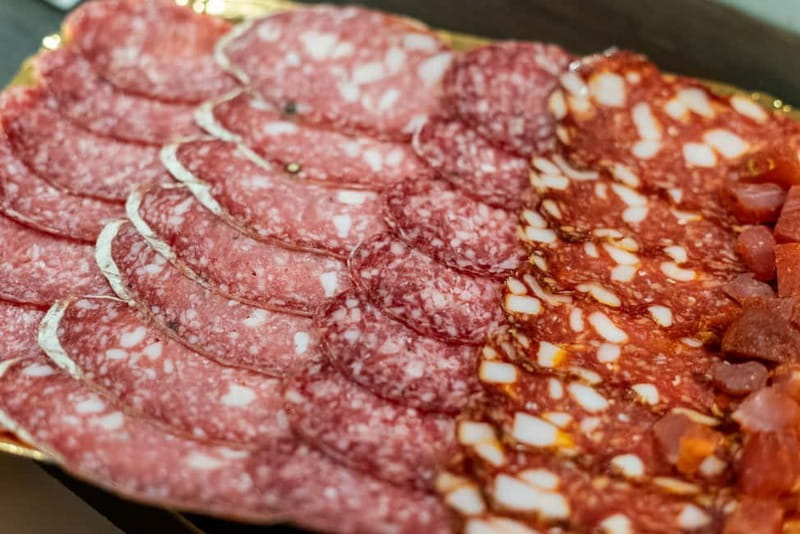
After the Campo de’ Fiori tastings, the route shifts into historic streets. There’s a guided segment, then you head toward the Jewish Ghetto area for another tasting stop.
Why this part works:
- The Jewish Ghetto segment isn’t treated like a background postcard. You’re eating and walking, which keeps the experience grounded.
- You get photo time at Portico d’Ottavia, which helps you connect what you just heard to actual stone.
The Portico d’Ottavia stop is also where you’ll hear the big anchor story: it was originally built by Augustus, the first Roman emperor. Nearby, the Turtle Fountain is a memorable detail—bronze turtles placed by major artists Bernini and Della Porta. That combination of food tour + architectural landmarks can sound odd on paper, but on the ground it gives your tastings a clearer setting.
One more tip for this portion: keep your phone handy for photos, but don’t stare at it the whole time. The walking pace is intentional, and the guide’s story links the food stops to what you’re seeing.
A few more Rome tours and experiences worth a look






Via dei Chiavari and the Pantheon pass-by: snacks plus Roman wow-factor
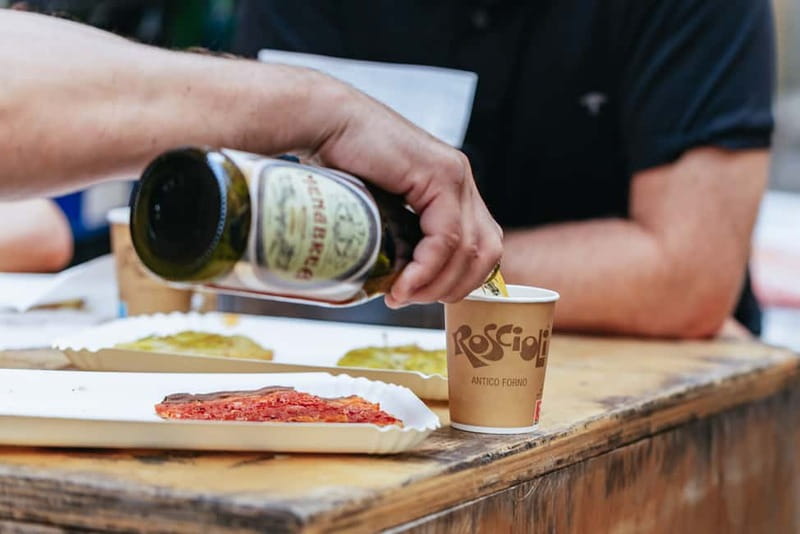
Between tasting points, you’ll move through short stretches that keep the walk interesting. One named corridor is Via dei Chiavari, where you’ll get street-food tastings tied to the regional style.
Then there’s a pass-by moment near the Pantheon area, with scenic views on the way. You’re not doing a long detour into the Pantheon itself on this tour, but that quick visual shift is a nice breather. It gives your feet a reset and gives your brain something “major Rome” to attach to the day.
This is also where I like the tour format most: you’re not stuck in a single small pocket. You bounce between markets, lanes, and famous reference points, but still stay within the same food-and-story theme.
Sant’Eustachio dessert and the final gelato payoff
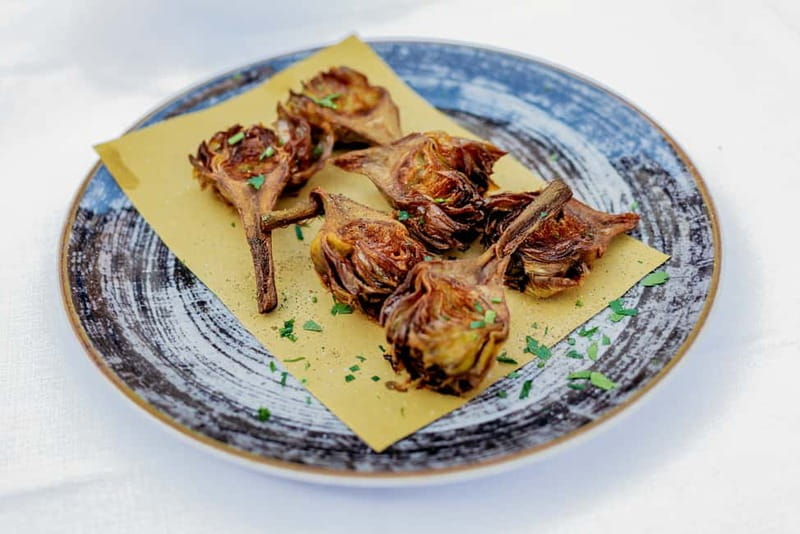
The last stretch centers on dessert and finishing strong. The tour includes a stop around Sant’Eustachio for a dessert tasting, and then you walk through additional scenic segments on the way to the finish.
If you’ve ever left Rome hungry even after a meal, this is the fix. The itinerary is built so gelato is a true end point, not an afterthought. And because you’ve been standing and walking for much of the tour, a sweet finish hits better than it would at the start of the day.
Practical advice: go easy during the earlier tastings if you know you love gelato. The tour’s structure is set up so you’ll taste enough throughout that the final dessert can feel like a reward instead of a chore.
Price and value: is $51 worth it?
At about $51 per person, you’re paying for guided walking, five tastings, plus one beer sample and one wine sample. That’s a lot of “paid time” packed into 2.5 hours.
Here’s how I’d judge the value:
- You’re not just buying random snacks. The tastings are planned as a set, and the guide connects them to landmarks and neighborhood context.
- You’re getting both savory and sweet, which makes it feel like an actual meal.
- Drinks are included at least at sample size, which saves you money compared with buying each stop separately.
Is it budget-friendly? It depends on how you eat in Rome. If you usually bounce from one bite to the next on your own, this can feel like a strong deal because it prevents the common mistake of paying for street food twice (once with your eyes, once when you’re still hungry).
Just keep your expectations aligned: this is street-food style—standing, moving, snacking—rather than a sit-down tasting menu experience.
Who should book (and who should skip)
This tour is a great fit if you want:
- A guided way to learn street-food names and what to order
- A fast orientation to Trastevere or the Jewish Quarter
- The food + landmark combination, including Portico d’Ottavia and Turtle Fountain-area details
- A group-friendly pace with enough story moments to make the walk feel meaningful
It may not fit if:
- You need a fully sit-down meal format (most tastings are standing)
- You’re vegan (it’s listed as not suitable for vegans)
- You have gluten intolerance (listed as not suitable)
If you’re dealing with allergies, the tour’s format can still work, but you should plan ahead and communicate clearly. In one case mentioned by a guide named Marco, he worked to find safe choices so a guest felt included.
Should you book this Rome street-food tour?
Book it if you’re the kind of traveler who likes to eat, walk, and learn without adding extra planning. The structure is simple: five tastings plus beer and wine, then a gelato finish, all tied to either Trastevere landmarks or Campo de’ Fiori and Jewish Quarter streets. With comfortable shoes and a morning-tours-only mindset for the market portion, it’s one of the easier ways to get a lot of Rome into a single half-day.
Skip it if you can’t do standing food stops, if you’re vegan, or if you need gluten-free options. In those cases, you’ll waste energy asking for workarounds that aren’t supported by the tour’s stated suitability.
FAQ
How long is the street food tour?
The tour lasts about 2.5 hours.
How many food tastings are included?
You’ll get 5 street food tastings.
Are drinks included in the price?
Yes. The tour includes 1 sample of beer and 1 sample of wine.
Where does the tour start?
The meeting point depends on the option you choose: Piazza San Bartolomeo All’Isola for the Trastevere route or Campo de’ Fiori for the Jewish Quarter route.
Is the Campo de’ Fiori market stop always included?
The Campo de’ Fiori food market is only open during the morning tour, so that market visit is tied to morning departures.
Is the tour suitable for vegans or gluten intolerance?
No. It’s listed as not suitable for vegans and not suitable for people with gluten intolerance.
FAQ
Can I cancel for free?
You can cancel up to 24 hours in advance for a full refund.
Is there a pay-later option?
Yes. You can reserve now & pay later, so you don’t have to pay immediately.