REVIEW · ROME
Rome: Trastevere & Campo de Fiori Street Food Walking Tour
Book on GetYourGuide →Operated by Hili srl · Bookable on GetYourGuide
Rome smells like dinner on this walk. I love the way this route turns Trastevere and Campo de’ Fiori into a real food map, not a list of spots—think suppli, Roman pizza, and gelato with context you can use the rest of your trip. You also get a guided history thread, from the area’s church heritage to how street food became everyday Rome culture.
What I like most is the mix of old and everyday: you’ll pass Santa Maria in Trastevere, a Byzantine-style church, and then shift to hands-on bites from local places that have served Romans for years. The second big win for me is the pacing—this is a 2.5-hour walk with several tastings, so you leave properly full without doing a full sit-down meal.
One thing to consider: this tour is not suitable for vegans and it also isn’t designed for gluten intolerance, so check your needs before you book.
In This Review
- Key highlights at a glance
- Why this walk works: food with a neighborhood brain
- Trastevere’s street-level Rome: from church stories to first bites
- The pizza moment: why local “since” matters
- Campo de’ Fiori: where shopping turns into lunch
- The Tiber crossing feel: scenic stops that change the mood
- The “secret” stop and the sandwich era
- Gelato at Gelateria Regusto: the final “order it again” moment
- Guide style: what you can expect when locals lead
- Price and value: why $51 can feel like a lot or a steal
- Who this tour is best for (and who should skip it)
- My booking call: should you book the Trastevere & Campo de’ Fiori tour?
- FAQ
- How long is the Rome Trastevere & Campo de’ Fiori Street Food Walking Tour?
- Where do I meet the guide?
- Is food included in the tour price?
- Are drinks included?
- What languages are the tours offered in?
- Is the tour suitable for vegetarians or other diets?
- Is the tour suitable for vegans or people with gluten intolerance?
Key highlights at a glance
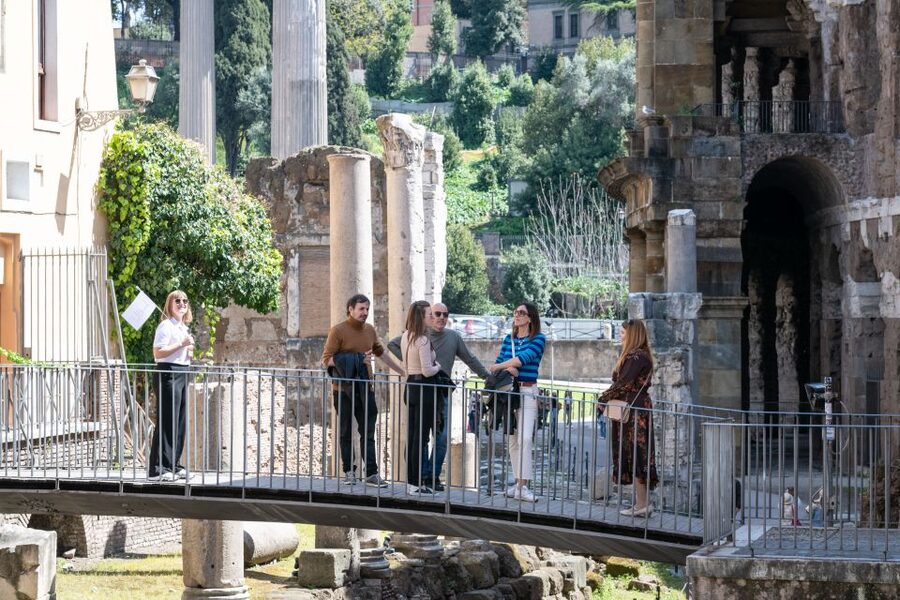
- Santa Maria in Trastevere visit-by-story, connecting a Byzantine-style church to nearby food traditions
- Trastevere’s food lanes, where you meet the real rhythm of the neighborhood
- Campo de’ Fiori market stop, with a focused look at how Romans shop and snack
- Suppli and Roman classics, including crunchy Roman-style pizza and other local bites
- Gelato finale at Gelateria Regusto, ending with a sweet that feels like a finish line
- Small group feel (limited to 14), which makes questions and crowd-avoidance easier
Why this walk works: food with a neighborhood brain
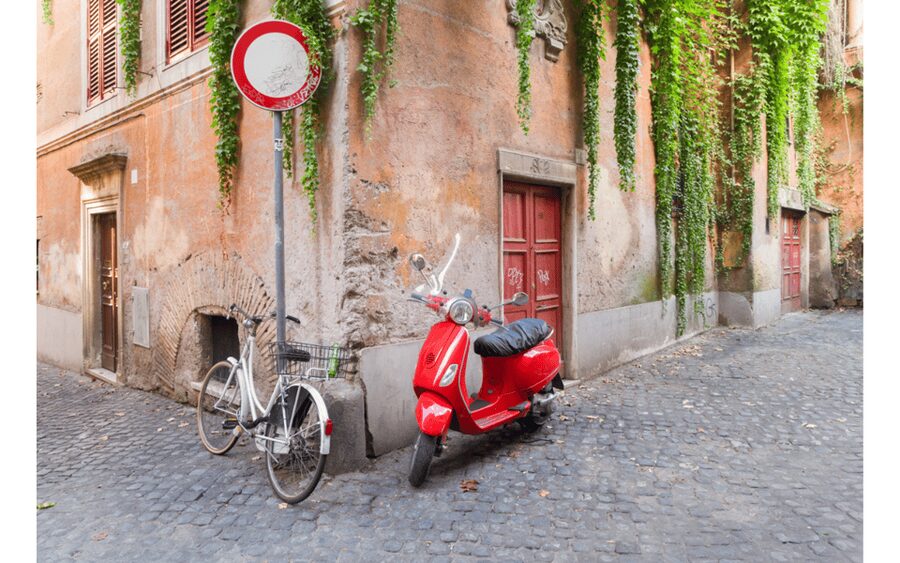
This tour succeeds because it’s not just about eating. It teaches you how Romans think about food: what they buy quickly, what they snack while walking, and what’s tied to place and people, not just taste.
You’ll start in Piazza San Simeone by the fountain, then move through the Trastevere side and toward Campo de’ Fiori. Along the way, you’re basically learning two things at once: how the neighborhoods differ and why the food identities feel so distinct.
Also, you’ll notice the “small group” difference fast. With a limit of 14 people, the guide can keep the group together and still talk through details instead of rushing past everything.
You can also read our reviews of more walking tours in Rome
Trastevere’s street-level Rome: from church stories to first bites
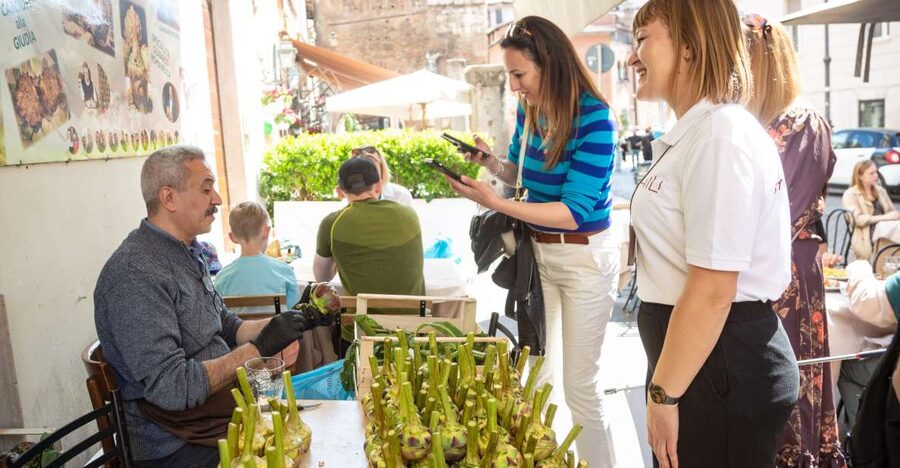
Trastevere is where Rome feels closest to real daily life. It’s the neighborhood people reference when they talk about Roman characters—vendors, bar regulars, and families who know exactly where to go for their usual.
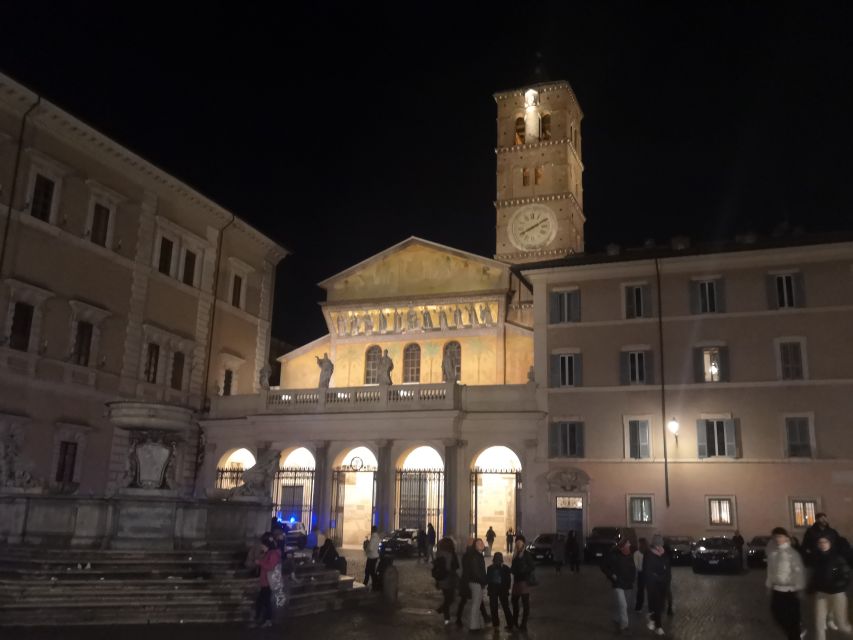
A key early moment is Santa Maria in Trastevere, a Byzantine-style church you explore through guided storytelling as you move through the area. Even if you’re not chasing religious art, it helps you read the neighborhood. You start to see why food traditions cling to long-standing spots and why Rome’s streets carry layered identities.
Then the tour shifts gears into your first round of tastings. Expect classic Roman street food energy—crunch, contrast, and snacks you can actually imagine ordering again when you’re hungry later. From what’s described, the stops often feel generous, not tiny. Plan to arrive ready to eat.
Practical tip: wear shoes you can walk in for 2.5 hours. This is a walking tour with real streets, not a sightseeing bus loop.
The pizza moment: why local “since” matters
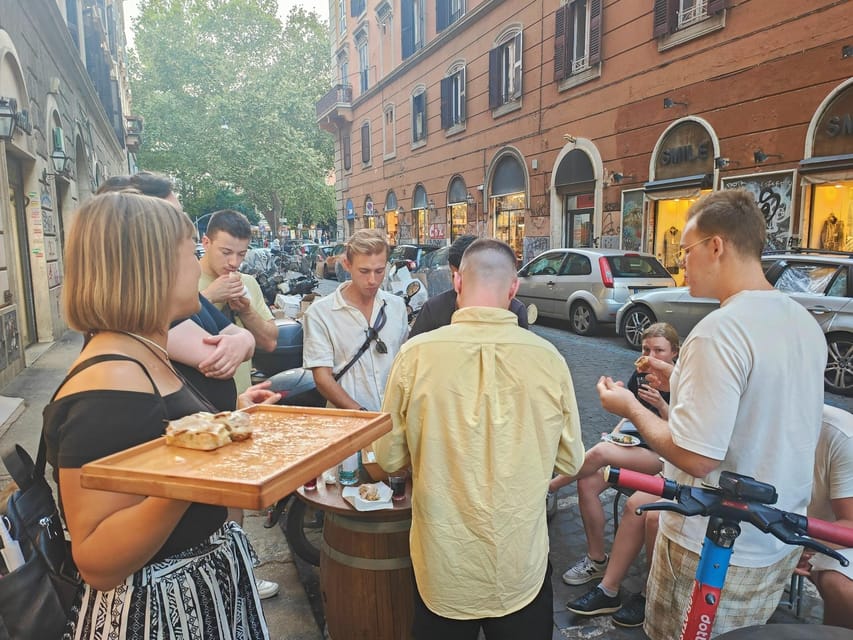
One of the most memorable parts is the mention of a famous bakery that’s been serving Roman-style pizza since 1870. That detail isn’t trivia fluff; it’s your clue that you’re not just tasting something good—you’re tasting continuity.
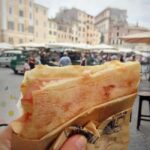
Roman-style pizza often means different things depending on where you are in Italy, but here you get the crunchy, snackable type you associate with Rome street corners. It’s the kind of bite that makes you understand why people treat pizza like something you can grab between errands.
This stop also sets you up for how the rest of the tour works: you’re not tasting five random foods. You’re moving through a line of local logic—market to bakery to sandwich to sweet—so each stop lands in context.
Campo de’ Fiori: where shopping turns into lunch
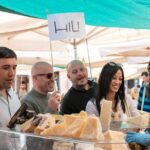
Campo de’ Fiori is one of those Rome places that rewards an early look. The tour uses one of Rome’s oldest outdoor market areas as a central anchor, and it’s a great choice because you see how locals shop and graze in the same space.
You’ll spend around 25 minutes here for a market visit. That’s enough time to get the feel of the place, not just stand in a photo line. You can also ask your guide what to look for if you decide to come back later.
The featured target is suppli—those classic Roman rice balls—usually served fresh and made by local vendors. If you’ve never had suppli, it’s the kind of food that teaches you what “street food” means in Rome: warm, handheld, and built for quick satisfaction.
Practical tip: if you’re picky about texture, suppli are your test. They’re crisp outside and soft inside, and that mix is part of why they’re so popular.
The Tiber crossing feel: scenic stops that change the mood
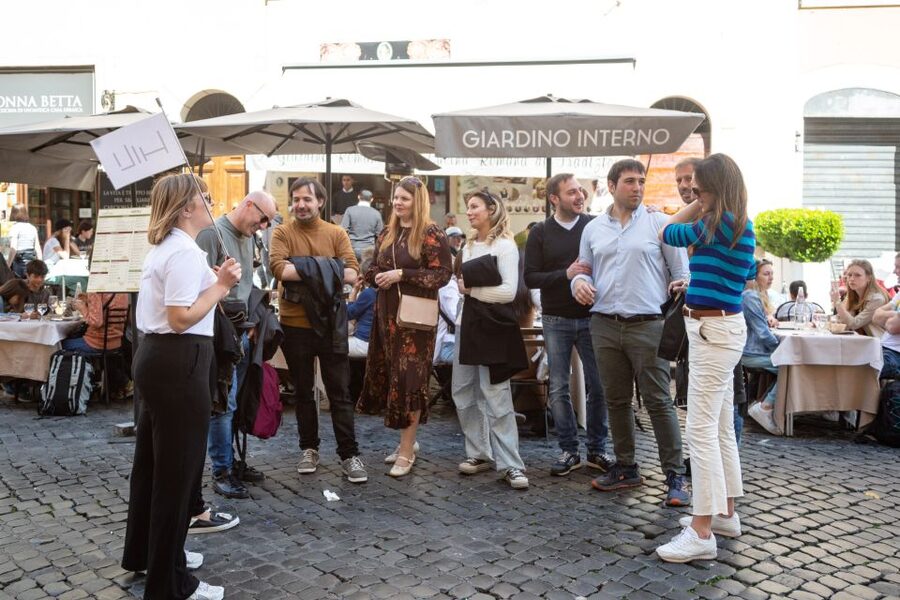
Between Trastevere and Campo de’ Fiori, the tour includes walking segments with short “pass by” moments and one scenic stretch over toward views near Ponte Sisto.
That matters more than you might expect. In a food tour, people can get stuck in eat-eat-eat mode and lose the sense of where they are. Here, the guide uses the walking rhythm to keep you oriented—so you remember the geography, not just the flavors.
Stops like Piazza Farnese and Ponte Sisto help you connect what you’re eating to the broader city canvas. You get little visual pauses, which also helps digest tastings before the next round.
You can also read our reviews of more food & drink experiences in Rome




The “secret” stop and the sandwich era
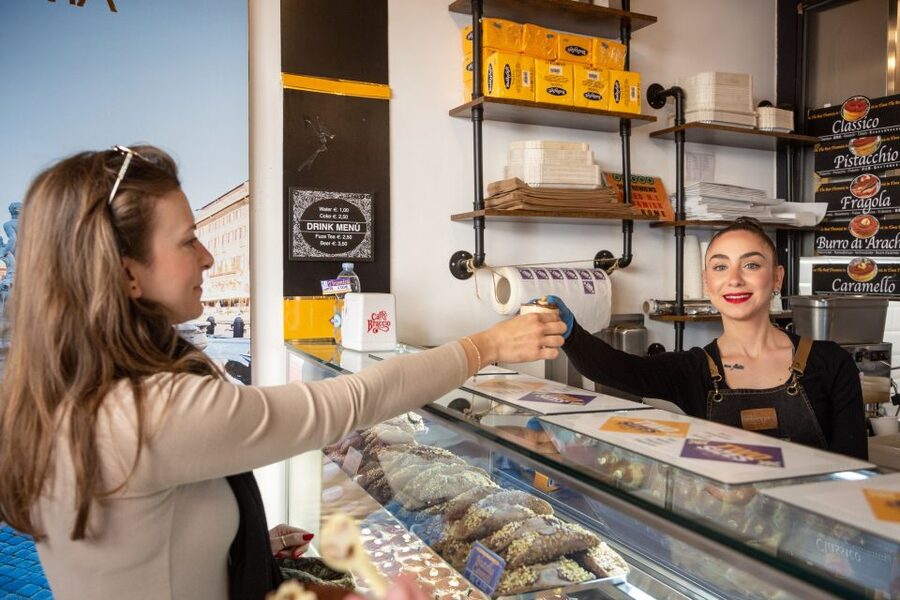
A big part of the value in a tour like this is the selection. There’s an extra stop labeled as a secret stop with another tasting, which is usually where the guide swaps in the most seasonal or best-available bite.
Based on the kind of foods people describe, you’re likely to see variety beyond the headline items. In guides’ stories you’ll often hear about things like mortadella and other Roman specialties, plus the kind of sandwiches and comfort bites that make Rome street food feel like a whole language.
This is also why the guide matters so much. One reason you’ll see consistently high marks in the guide-led reviews is that the guides don’t just hand you food—they explain what it is, why it’s Roman, and how locals treat it.
Who should care: if you want more than a snack parade—if you want to learn how to order like a local—this kind of stop is where the tour earns its money.
Gelato at Gelateria Regusto: the final “order it again” moment
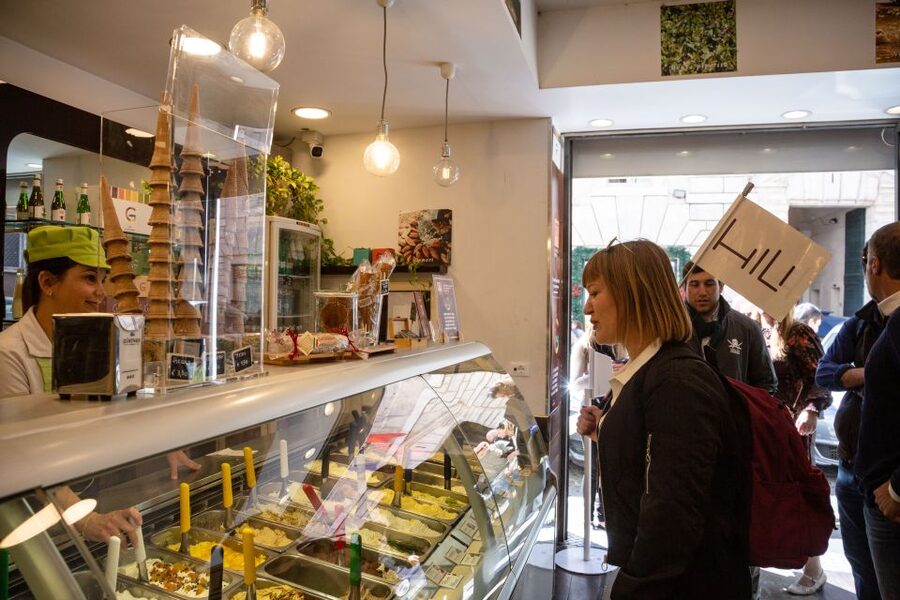
Every good food tour needs a clean finish, and this one ends with gelato at Gelateria Regusto. It’s the kind of finale that feels like an official end to the route, not just a random dessert stop.
Gelato is also a smart closer for a few reasons. It cools you down after salty bites, and it gives you a final flavor memory you can recreate later. Plus, when you’re full, dessert becomes a small reward instead of a heavy meal.
If you’re comparing gelato later, pay attention to texture and melt speed—those are the details that often show you whether the shop is treating it like craft or commodity.
Guide style: what you can expect when locals lead
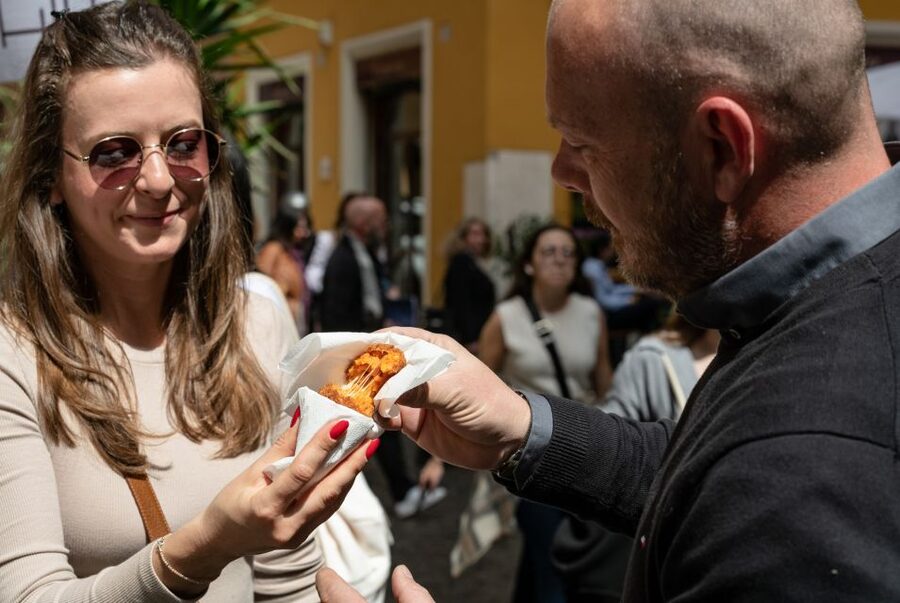
This tour runs with licensed guides who tend to be lively, interactive, and locally rooted. The names that show up in recent feedback—Daniele, Leonardo, Alessandra, Fiammetta, Caterina, Simone, and others—share a consistent theme: they connect food to streets, people, and Roman daily life.
What that means for you on the ground is simple. Expect questions, short explanations that actually land, and practical ideas you can use right away—like where else to eat once the tour is done. One recurring note is that guides can handle different group needs, including fussy eaters, without making anyone feel sidelined.
Also, the tour is offered in Portuguese and English, so you should have an easy time following the stories even if your Italian is still waking up.
Price and value: why $51 can feel like a lot or a steal
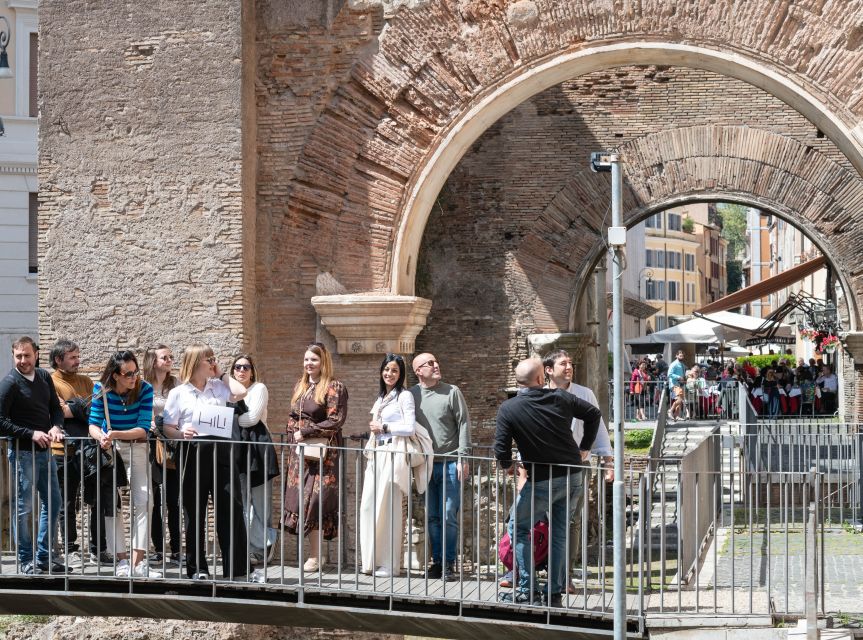
At $51 per person for a 2.5-hour walking tour with food included, you’re paying for two things: guided direction and a lot of small, tastings-based eating.
If you’re used to paying per dish at busy tourist spots, the value can feel obvious. Here, you’re not paying separate menu prices at each place—you’re getting a structured route where the guide handles the “what to order” part for you.
A second value layer: the tour limits group size (up to 14), so you’re not stuck behind other people while you eat. That turns into a better experience and usually better conversation, especially if you like asking “what would you get?” questions.
What’s not included matters too: drinks aren’t included. Some people mention wine as an option in their descriptions, but don’t count on it being part of the standard included setup. If you want a drink with tastings, plan for that separately.
Who this tour is best for (and who should skip it)
This is a great pick if you:
- want a food-first overview of two neighborhoods in one morning or evening
- like your history tied to real life, not just monuments
- want a guide who can steer you toward places you’ll actually enjoy returning to
It’s not a great fit if you:
- are vegan (the tour is not suitable for vegans)
- have gluten intolerance (it’s not suitable for that)
- prefer fully seated meals over handheld street food bites
If you’re vegetarian, you should be in better shape—dietary options include vegetarian and other diets supported, with the important step being that you let the provider know your needs when booking.
My booking call: should you book the Trastevere & Campo de’ Fiori tour?
If you’re doing Rome for the first time, or you want your first pass at food to set you up for the rest of the week, I’d book this. The route makes sense, the tastings are built for variety, and the ending gelato gives you a satisfying close.
I’d especially recommend it early in your trip. When the guide points you to where locals go and how to choose, you can turn that into better meals for the rest of your stay.
Skip it if vegan or gluten is part of your reality. And if you don’t walk well, check whether 2.5 hours on streets is manageable for you—this is a true walking tour, not a mostly-stopped-by-car experience.
FAQ
How long is the Rome Trastevere & Campo de’ Fiori Street Food Walking Tour?
It runs for about 2.5 hours.
Where do I meet the guide?
You meet in Piazza San Simeone, next to the fountain in the middle of the square.
Is food included in the tour price?
Yes. Food is included as part of the tour.
Are drinks included?
No, drinks are not included.
What languages are the tours offered in?
The live guide speaks Portuguese and English.
Is the tour suitable for vegetarians or other diets?
Vegetarian and other diets are supported, as long as you inform the activity provider of your dietary needs when booking.
Is the tour suitable for vegans or people with gluten intolerance?
No. It’s not suitable for vegans or people with gluten intolerance.