REVIEW · ROME
Rome: Eat Like a Roman Ghetto & Campo de’ Fiori Food Tour
Book on GetYourGuide →Operated by Hili srl · Bookable on GetYourGuide
One neighborhood change can feel like a time machine. This guided food walk strings together Campo de’ Fiori street life and the Jewish Ghetto—with Roman staples you can actually eat, not just admire. You’ll sample classic foods like supplì, Roman-style pizza, and fried artichokes, plus an ending gelato stop near major sights.
I especially like how the tour pairs each bite with a story you can place on a map. Guides such as Angelica and Giulia are praised for tying food differences to Rome itself, and Claudio and Daniele come up again and again for turning small streets into big context. One other thing I really value is the food variety: you’re not stuck on one theme of fried snacks or one kind of bread.
A possible consideration: the tastings add up, but it’s not the right fit if you need a vegan menu, and it’s also listed as not suitable for people with gluten intolerance. If you’re juggling allergies or dietary needs, you’ll want to alert the organizer ahead of time.
In This Review
- Key things to know before you go
- Why this Campo de’ Fiori to Ghetto route is a great first Rome-food plan
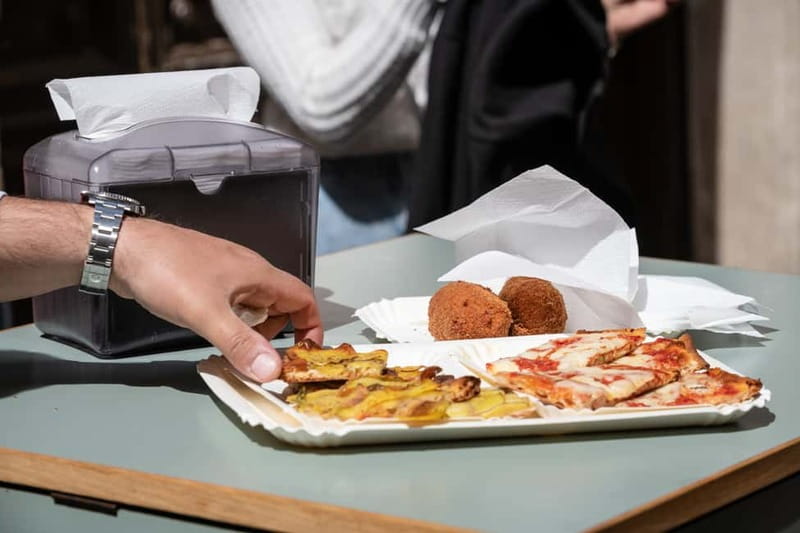
- Your tastings: what you’ll actually eat (and what makes it Roman)
- Campo de’ Fiori: the market stop that turns food into a local routine
- The Jewish Ghetto: fried artichokes with context, not just spectacle
- A history walk without the lecture: what you’ll see between bites
- Gelato finish at Gunther Gelateria: the sweet landing you’ll appreciate
- Value check: is $36 worth it?
- Practical tips so you enjoy every stop (not just the food)
- Who this Rome street-food tour is best for
- Should you book this tour?
- FAQ
- Where does the tour start?
- How long is the tour?
- Is the tour in English?
- What food tastings are included?
- Are vegetarian options available?
- Is the tour suitable for vegans?
- Is it suitable for people with gluten intolerance?
- Are drinks included?
- Is the tour wheelchair accessible?
- Is there free cancellation?
Key things to know before you go
- Campo de’ Fiori meets the Jewish Ghetto: two iconic areas, connected by food and clear walking stops.
- Morning tours add extra tastings: market time plus olive oil, truffle, and vinegar sampling.
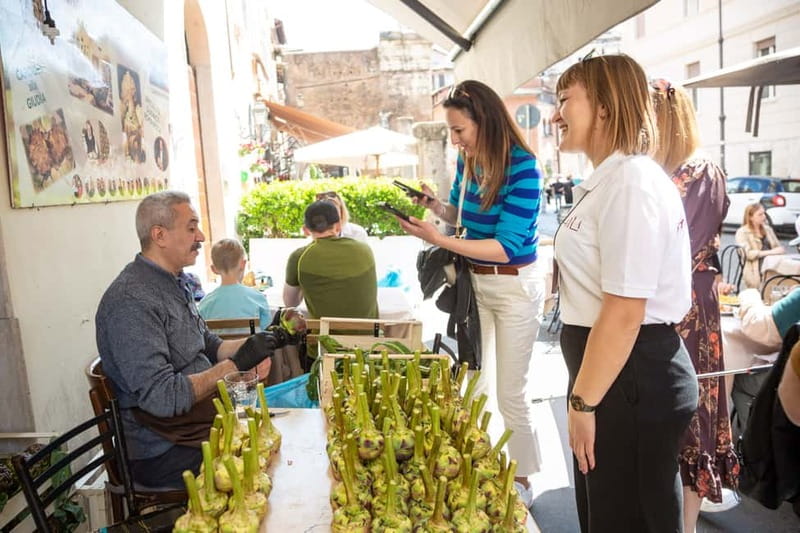
- Carciofo alla Giudia is the star: Roman fried artichokes, in their proper setting.
- Your guide’s job is both food and stories: many guides are singled out for history mixed with practical explanations.
- Gelato ends the walk near landmarks: a sweet finish that doesn’t feel random.
Why this Campo de’ Fiori to Ghetto route is a great first Rome-food plan
Rome’s food tours can fall into two buckets. Either you eat your way through a shopping street and call it “local,” or you wander until you’re hungry and hope the next stop saves you. This one works because it moves through places that already feel like Rome’s living stage: Campo de’ Fiori for daytime market energy, then the Jewish Ghetto for a different rhythm, history, and culinary identity.
The walk is designed for food-and-history lovers, and it keeps the pace reasonable. You’ll start near Piazza di San Simeone by a fountain, then head on foot through a string of recognizable sights. You’re not doing a museum run. Instead, you’re learning why certain foods show up here, and how the city’s layers shaped what people ate and sold.
Also, the structure matters. You’ll hit a mix of quick bites and slightly longer stops at specific tasting locations. That turns the experience from “we walked around and ate something” into a sequence where each item has a place.
You can also read our reviews of more food & drink experiences in Rome


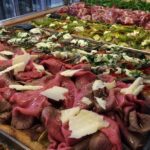
Your tastings: what you’ll actually eat (and what makes it Roman)
If you’re trying to eat like Romans—not like an “Italian food theme park”—this tour gives you the standards that show up in everyday Rome culture. The big advantage is that you’re eating them in a planned order, so you can compare flavors instead of just collecting snacks.
Here’s what’s on the menu:
- Panini with porchetta
This is your savory opener. Expect tender pork flavor and the kind of bread-and-butter simplicity Italians do best. It’s also a useful base before the fried stuff.
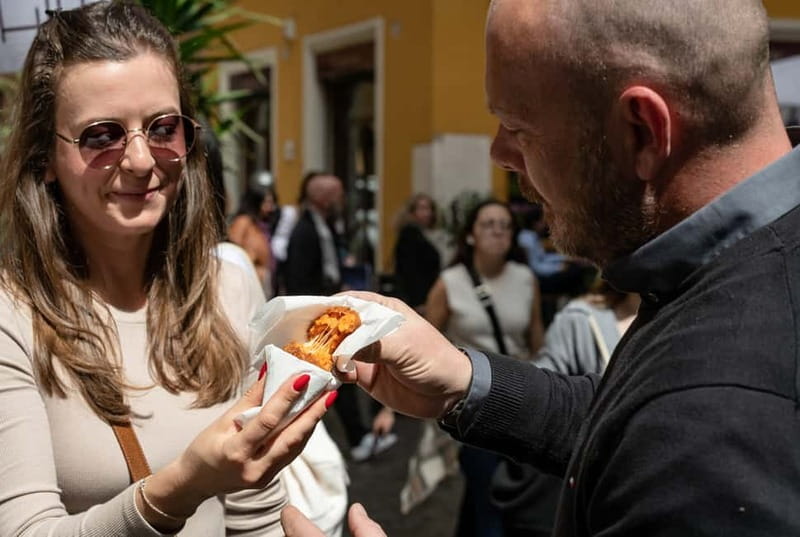
- Supplì
These are deep-fried rice balls, usually with melty filling inside. The texture is the point: crisp outside, hot and soft inside. It’s the kind of street food you can’t fake at home.
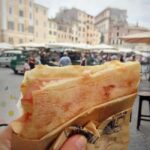
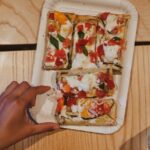
- Roman-style pizza
This isn’t just “pizza somewhere.” The tour frames pizza as a Roman habit, so you taste with more context and less guesswork about what makes it Roman.
- Fried artichokes (Carciofo alla Giudia)
This is the signature stop tied to the Jewish Ghetto. You’re tasting them where they belong, and that changes how the food lands. It’s less of a novelty and more of a tradition.
- Artisanal gelato
Gelato isn’t treated as an afterthought. It’s your finish line, and it comes near a landmark-area gelateria stop (Gunther Gelateria shows up on the route).
On top of those core bites, morning tours can include additional sampling: olive oil, truffle, and vinegar tasting (this is listed for morning departures), plus market time that’s part of the experience rather than a background photo stop.
Vegetarian options are available, which helps if you want the tour but your food comfort zone is narrower. Still, keep expectations realistic: it’s not labeled vegan-friendly, and gluten-free needs aren’t supported.
Campo de’ Fiori: the market stop that turns food into a local routine
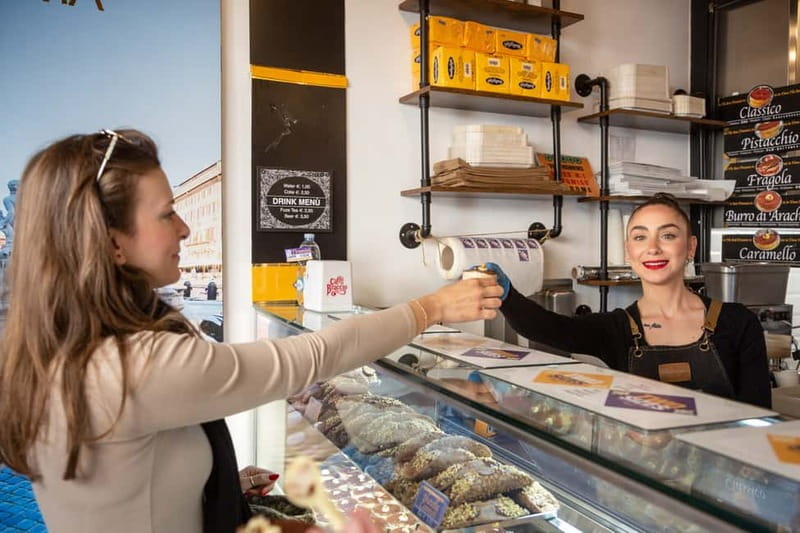
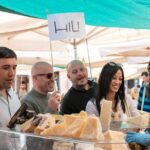
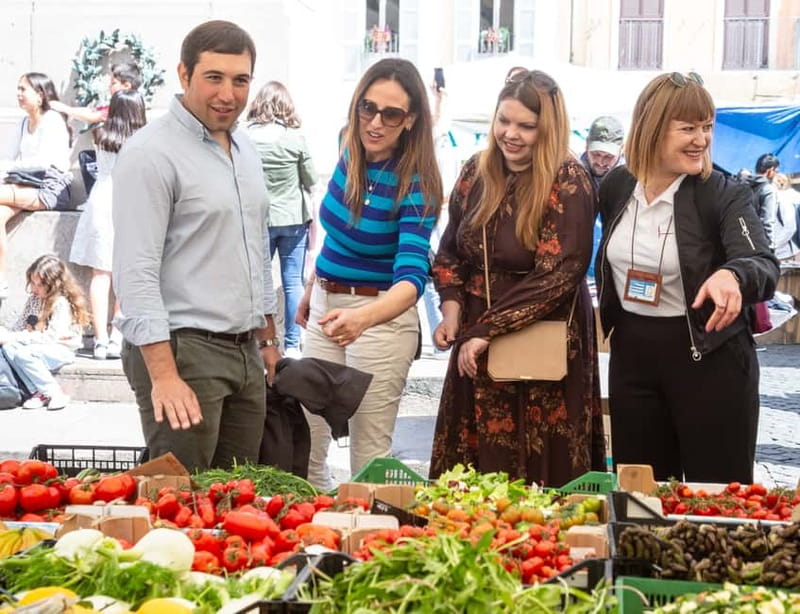
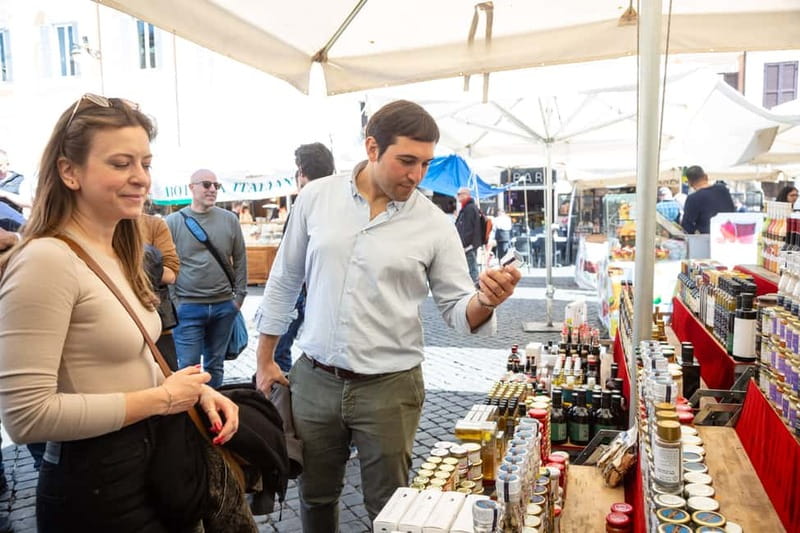
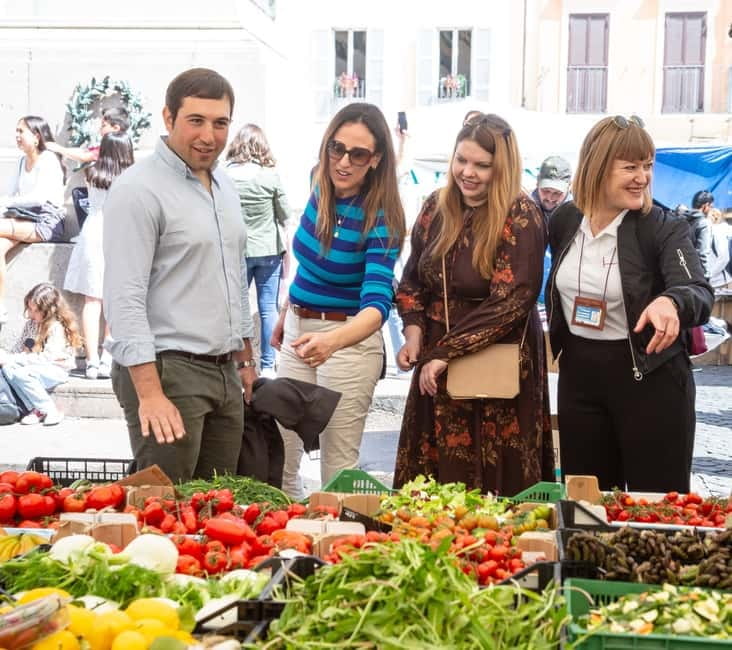
Campo de’ Fiori is where Rome shows off its daily life. For morning tours, you get a chance to see the area’s lively market side. One review theme is that people loved this extra layer because it makes the tastings feel like they came from real buying and real sellers, not just plated tourism.
In the morning version, you may also stop at a local fruit market. That matters because it teaches you how Romans think about ingredients: produce, oil, small bites, and a day that starts with food you can grab and go.
Even if you booked an afternoon departure, the route still takes you through the Campo de’ Fiori area. You’ll feel the difference between “this is a square” and “this is a place where people actually shop,” especially when your guide points out what to notice.
The Jewish Ghetto: fried artichokes with context, not just spectacle
The Jewish Ghetto segment is often the emotional center of the tour. It’s not only because of the Carciofo alla Giudia tasting. It’s because the guide connects the neighborhood’s identity to what’s eaten there and why that matters.
As you walk, you’ll also pass or reference landmarks such as:
- Portico d’Ottavia
- the Turtle Fountain
- and other points that help you understand the area’s layout
Then you hit the food moment: fried artichokes. The way the tour presents it is practical. You don’t just get told it’s famous; you get the idea that this is part of a local food language—one that survived, adapted, and became recognizable even to people walking through today.
One thing I like about this approach is that it avoids turning the ghetto into a vague backdrop. You get specific, and you understand why this part of Rome belongs in a food tour.
A history walk without the lecture: what you’ll see between bites
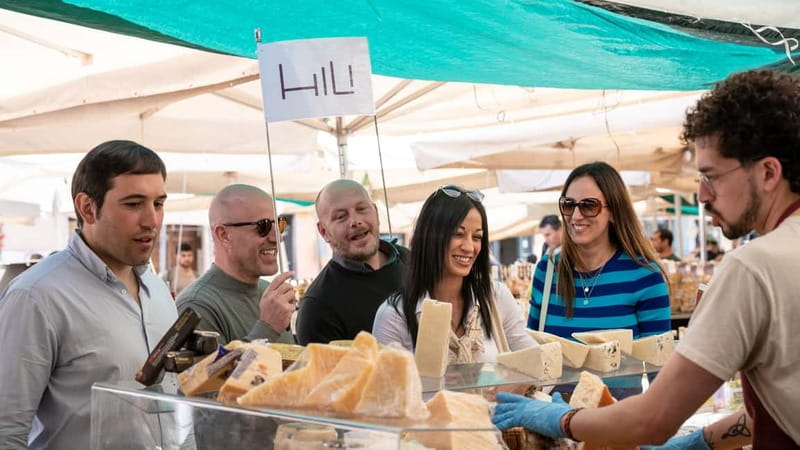
This isn’t a silent stroll. The guide gives stories, but the pacing keeps the information from turning into a school trip. You move through a cluster of major Rome references that you’ll recognize even if this is your first visit.
Some stops and sight beats on the route include:
- Chiostro del Bramante (passed by)
- Piazza and Passetto del Biscione
- Teatro Marcello
- Largo di Torre Argentina, tied to Julius Caesar’s assassination
- and then a pass near the Pantheon area
What makes this valuable is how it links to the food. You’re not memorizing dates. You’re connecting food choices to a city that has been rebuilt, reshaped, and re-stacked for centuries. The end result is that Rome feels less like a list of monuments and more like a place with continuity.
A bonus: several guides are praised for being patient and personable. Names that come up include Julia, Fiammetta, Mateo, and Claudio. That’s a good sign for a tour like this, where the best moments come from questions—like how one Roman dish differs from a similar Italian cousin.
A few more Rome tours and experiences worth a look


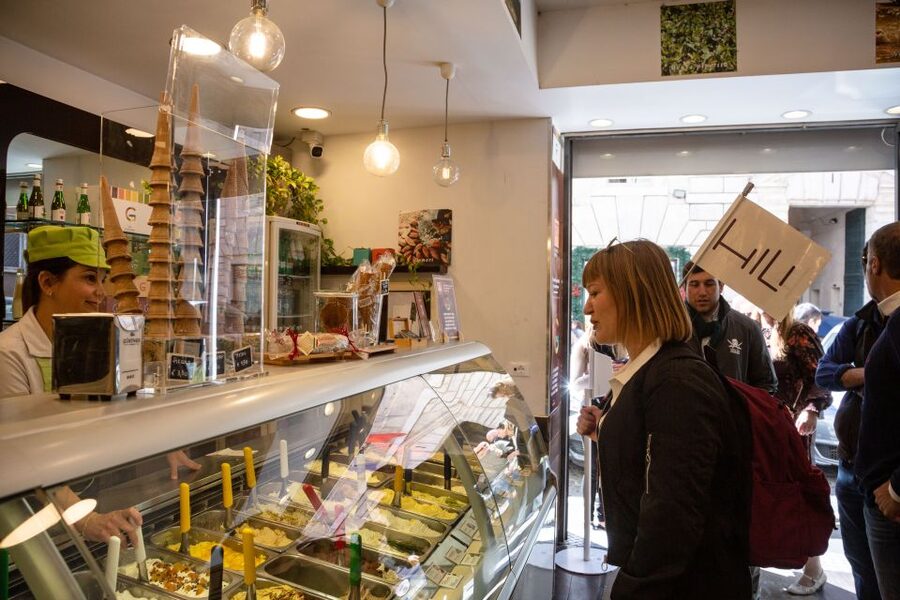
Gelato finish at Gunther Gelateria: the sweet landing you’ll appreciate
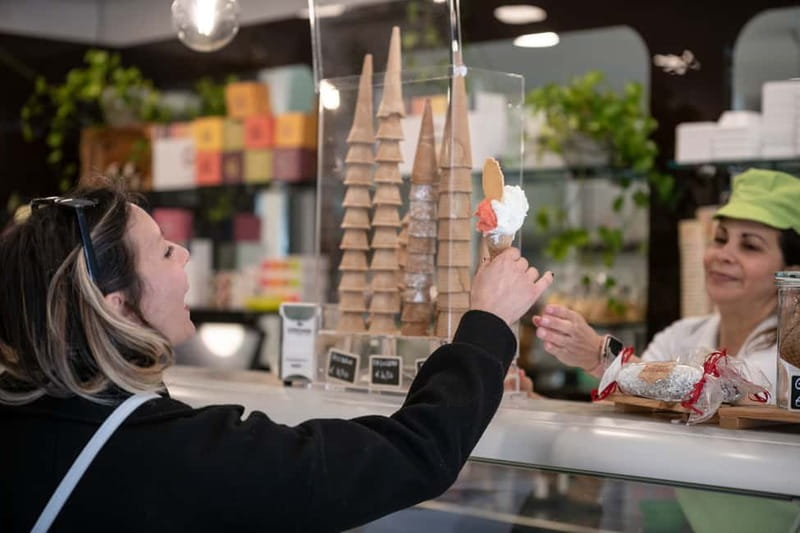
If you’ve ever done a walking food tour and ended up in the middle of nowhere for dessert, you’ll appreciate how this one closes. The final stop includes artisanal gelato at Gunther Gelateria on the route.
This timing helps. By the last part of the walk, you’ve had savory hits and fried crunch. Gelato is the reset button. It’s also a way to keep your final memory simple: you leave with a taste you can describe and a landmark-area image you’ll remember.
Value check: is $36 worth it?
At $36 per person for about 2.5 hours, this is a strong value if your goal is both food and navigation. You’re paying for:
- a guided walk through two major areas
- multiple tastings (including several true street-food staples)
- and a guided explanation of what you’re eating and where it fits
The biggest “value” factor here is that you’re not just consuming; you’re getting context. The guide-led stories around Rome’s landmarks—especially the Caesar assassination reference at Largo di Torre Argentina—turn the tour into a shortcut for understanding what you’re seeing later on your own.
Also, the price is more appealing when you catch a morning tour, because you get the extra market-style component and the olive oil, truffle, and vinegar tasting. Same base structure, more variety.
Practical tips so you enjoy every stop (not just the food)
Wear shoes you can walk in. The route is compact but active, with lots of short hops between tasting points.
If you’re picky about timing, consider booking early. Morning departures can add market time and that oil/truffle/vinegar tasting.
Go in hungry, but not starving. You’ll eat several things in a row—porchetta panini, supplì, pizza, fried artichokes, then gelato. People with sensitive stomachs might want to pace themselves and take small bites during the earlier stops.
If you have allergies or dietary needs, tell the organizer in advance. The tour specifically asks you to let them know about allergies and restrictions, which is exactly what you want to see for a food-focused experience.
Who this Rome street-food tour is best for
This tour is a great fit if:
- you want Roman street food without having to “research like a detective”
- you like history that’s tied to real neighborhoods, not just general facts
- you want a guided way to handle Campo de’ Fiori and the Jewish Ghetto in one plan
- you’re traveling with kids or teens who might actually enjoy food-led explanations (many guides are praised for making the experience work for younger people)
It’s not the best fit if:
- you need a vegan tour (it’s listed as not suitable for vegans)
- you have gluten intolerance (it’s listed as not suitable)
- you want drinks included (drinks are not included)
Should you book this tour?
Book it if you want a compact, high-flavor Rome experience that mixes street food with real place-based history. The standout strength is the pairing: tasting stops feel intentional, and the guides (often mentioned by name like Julia, Angelica, Giulia, Claudio, and Fiammetta) are repeatedly praised for making the stories clear and the food worth it.
Skip it if your dietary needs are strict (especially gluten) or if vegan options are a must. If that’s your situation, you’ll likely spend the tour worrying instead of enjoying.
If you’re flexible, I’d aim for a morning slot. You’ll squeeze in more of what makes this plan special: market atmosphere and the extra oil/truffle/vinegar tasting.
FAQ
Where does the tour start?
You meet your guide at the fountain in the center of Piazza di San Simeone.
How long is the tour?
It lasts about 2.5 hours.
Is the tour in English?
Yes. The live guide speaks English.
What food tastings are included?
Included tastings include panini with porchetta, supplì, Roman-style pizza, fried artichokes (Carciofo alla Giudia), artisanal gelato, and (on morning tours) olive oil, truffle, and vinegar tasting.
Are vegetarian options available?
Yes, vegetarian options are available.
Is the tour suitable for vegans?
No. It’s listed as not suitable for vegans.
Is it suitable for people with gluten intolerance?
No. It’s listed as not suitable for people with gluten intolerance.
Are drinks included?
No. Drinks are not included.
Is the tour wheelchair accessible?
Yes, it’s listed as wheelchair accessible.
Is there free cancellation?
Yes. Free cancellation is available up to 24 hours in advance for a full refund.