REVIEW · LISBON
Lisbon Awakens: A Culinary Crossroads, Reborn.
Book on Viator →Operated by Culinary Backstreets Walks · Bookable on Viator
Lisbon tastes better when the story has a spine. This 5.5-hour walk links Portuguese food to churches, markets, and neighborhoods you’d never pick on your own, with guides who explain how history shows up in what you eat and drink. Expect enough tastings to feel like a meal, not a quick snack stop-and-go.
Two things I really like about Lisbon Awakens: the small group size (max 7) keeps it personal, and the pacing is built for variety—sweet bites early, then savory, coffee, and drinks as the day moves along. Guides such as Kika (a former teacher), Inês, Gisela, Laura, and Celia come through in the same way: clear stories, real local points of view, and room for questions.
One consideration: it’s a walking food tour, so plan your day around that. Also, you’ll get asked to skip a big breakfast—arrive hungry, or the tastings can feel like too much too fast.
In This Review
- Key highlights worth planning around
- A first-day Lisbon win: the city’s food logic in one walk
- Small-group comfort: what max 7 changes for you
- The route strategy: neighborhoods over a checklist
- Stop 1: Basilica da Estrela and the pastry-and-spice backstory
- Stop 2: Mercado de Campo de Ourique for real market energy
- Stop 3: Jardim da Parada custard tarts and 19th-century tiles
- Stop 4: Igreja do Santo Condestável in an artists-and-writers pocket
- The food rhythm: why you should skip breakfast (and how it helps)
- How your guide turns Portugal’s history into food stories
- Price and value: is $150 worth it?
- Planning and weather: the one thing that can change your day
- Who should book Lisbon Awakens?
- Should you book this tour?
- FAQ
- What is Lisbon Awakens and where does it take place?
- How long is the tour?
- What does it cost?
- How many people are on the tour?
- Is the tour offered in English?
- Are admission tickets included for the stops?
- What kinds of food should I expect to try?
- Should I eat before the tour?
- What if I have allergies or dietary restrictions?
- What happens if the weather is poor?
- What is the cancellation policy?
Key highlights worth planning around

- Max 7 people means fewer strangers and more actual conversation with your guide
- A full-feeling meal built from multiple bites and samples, not one restaurant stop
- Off-the-tourist-path neighborhoods with a local rhythm, from Campo de Ourique to nearby churches
- Food tied to history through spice, trade, and cultural connections explained along the route
- Free admission at each listed landmark, so your money stays on tastings and experiences
- Multiple guides with strong storytelling, including Kika (former teacher) and Inês
A first-day Lisbon win: the city’s food logic in one walk
If you’re trying to understand Lisbon fast, I’d treat this as an early priority. The tour is designed like an orientation: you start with iconic architecture nearby and then shift into local shopping streets and neighborhood parks. By the time you finish, you get a framework for how Lisbon’s food culture connects to Portugal’s wider history—spices, trade routes, and the way different influences show up in everyday dishes.
The timing matters too. At about 5 hours 30 minutes, you’ll have enough time to eat properly, walk off the calories, and still enjoy your afternoon or evening. It also tends to book up quickly (on average about 36 days in advance), so if your dates are fixed, don’t wait.
You can also read our reviews of more tours and experiences in Lisbon.



Small-group comfort: what max 7 changes for you
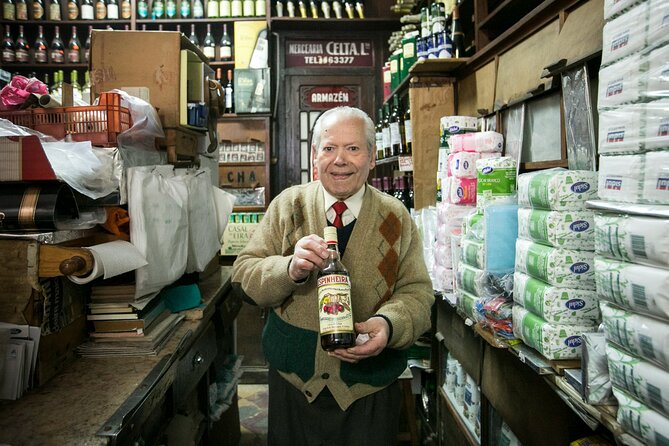
A tour capped at 7 people isn’t just a marketing number. It affects how the whole day feels. You’ll get more direct answers, easier group discussions, and less pressure to speed through tastings. You’re also less likely to lose the thread when the guide explains a story—because the guide can actually read the room.
You’ll meet at Jardim da Estrela, Praça da Estrela (1200-667 Lisboa) and end back at the same place. Since it’s described as near public transportation, you can pair it with other plans without building your day around a single neighborhood. You’ll also get a mobile ticket, which is practical if you’re juggling museum tickets and restaurant reservations on the same trip.
The route strategy: neighborhoods over a checklist
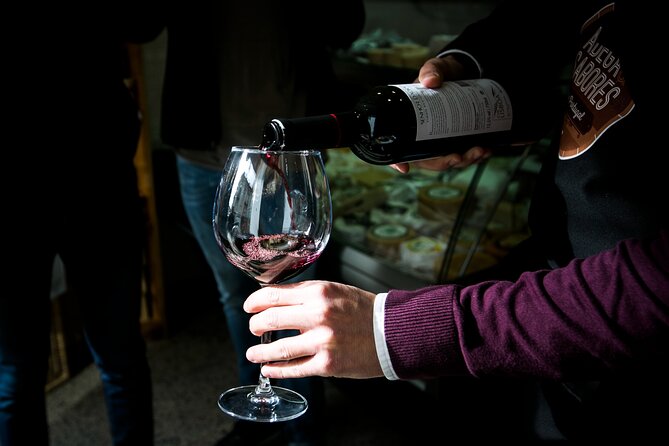
This tour works because it moves you through different “food Lisbon” zones. You begin in an area tied to iconic religious architecture and food traditions, then transition to a working neighborhood market, followed by a garden stop known for custard tarts, and finish with a newer gothic church in an arts-and-writers area.
That mix is the point. Lisbon isn’t just one style of eating. You see how pastry traditions, market culture, and neighborhood institutions each shape the way locals snack, gather, and celebrate.
Stop 1: Basilica da Estrela and the pastry-and-spice backstory
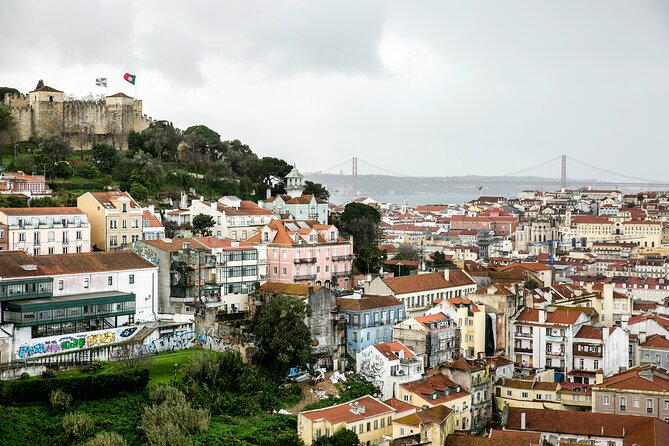
Your first stop is the Basilica da Estrela area, where the day’s theme locks in: history you can taste. The tour frames the setting through pastries, spices, and the religious world around convents and churches—the kind of influence that shows up in Portuguese sweets and kitchen habits.
This is also your “set your senses” moment. Early in the walk, you’re primed to notice flavors and textures. If you’ve been eating purely by chance up to this point, this stop helps you start connecting ingredients to place.
Practical note: this stop runs about 1 hour, and admission is listed as free for the landmark visit. That means less fiddling with ticketing and more time on the food storytelling.
Stop 2: Mercado de Campo de Ourique for real market energy
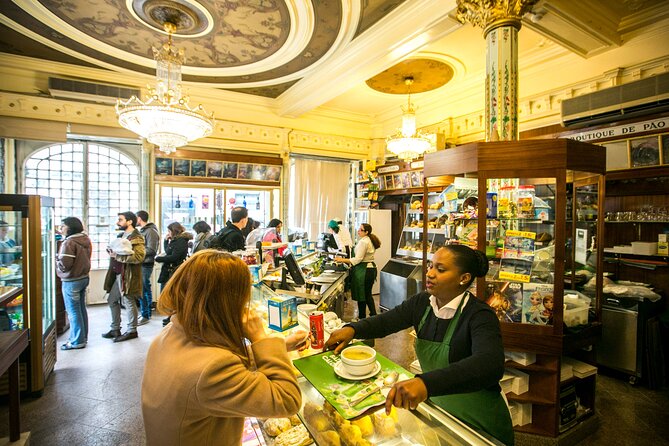
Next comes Mercado de Campo de Ourique, set in Campo de Ourique, a neighborhood full of traditional food shops and everyday commerce. This is a different kind of tasting experience. Instead of tasting one set menu item, you get exposed to how markets work—variety, choice, and the small rituals that make regular shopping feel like community.
The time here is about 45 minutes, and admission is also listed as free. The tour’s value is in the way it treats the market as a living food ecosystem, not a photo-op. Expect samples and a neighborhood perspective that helps you understand what locals reach for.
If you like buying a snack to carry, this stop is where that instinct makes sense. Several guests highlight the market as a standout because it feels specific to Lisbon, not imported “tour food.”




Stop 3: Jardim da Parada custard tarts and 19th-century tiles

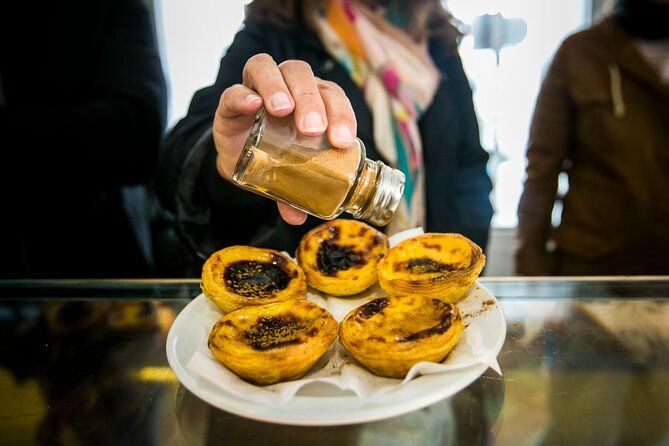
Then the tour slows down in a good way: Jardim da Parada. This stop is about two things—some of the city’s famous custard tarts and the visual calm of 19th-century tiles and tree-filled paths.
It’s an effective mid-tour reset. You’ve walked and sampled, then you get a moment that feels like taking a breather without losing momentum. The custard-tart focus also keeps the story grounded: Portuguese pastry isn’t random sweetness. It has technique, tradition, and an identity you can recognize as the flavors repeat.
This stop runs about 45 minutes, and admission is listed as free. If you tend to get snack-sated, this is still a solid place to recharge because the surroundings make it easier to pace yourself.
Stop 4: Igreja do Santo Condestável in an artists-and-writers pocket
The last landmark is Igreja do Santo Condestável, described as a new gothic church in a neighborhood known for artists and writers. It’s shorter—about 25 minutes—but it fits the day’s arc. After food-heavy stops, you get a visual palate cleanser and a final slice of Lisbon’s cultural texture.
This is a good finish because it closes the story loop: Lisbon’s religious architecture, its neighborhood identity, and its public spaces all connect back to why food traditions last. Admission is listed as free, so the time stays focused on the experience.
The food rhythm: why you should skip breakfast (and how it helps)

Here’s the practical advice that shows up again and again: don’t eat a big breakfast. Even the tour’s structure supports this. You’re moving through multiple food stops in a few hours, and the tastings are frequent enough that arriving with a full stomach can turn the experience into a struggle.
One guest called out the tour as doing “no less than 8 places” before the day wraps—so the sheer number of bites is real. The tour also leans into variety: coffee, wines, spirits, savory items, plus sweets that start the journey gently and build toward richer flavors later.
For you, that translates into an easy strategy:
- Eat something light before you go, or nothing at all if you can handle it.
- Bring water energy (not a full meal), especially if you’re sensitive to walking + tasting.
The payoff is you’ll actually enjoy the range instead of forcing it.
How your guide turns Portugal’s history into food stories
The best part of Lisbon Awakens is the way the guide connects what you taste to why it exists. You’ll hear about Portugal’s influence beyond its borders, including how former Portuguese colonies and trade shaped flavors and habits back at home. That’s not abstract talk. It shows up when you see the same ingredient patterns—spices, sweets, and cooking styles—moving through Lisbon’s food culture.
You’ll also notice something about the guides themselves. Guests repeatedly mention storytelling styles that keep the pace fun and explain things clearly. Kika is described as a former teacher who made the day feel effortless. Inês and Gisela are praised for linking history, culture, and local food traditions. Laura and Celia are described as warm conversational storytellers who kept the group engaged.
For you, that means the tour isn’t just “tasting what’s good.” It’s learning how Lisbon thinks about food—how people preserve tradition while still adapting.
Price and value: is $150 worth it?
At $150 per person, this isn’t a bargain snack tour. But it does look like good value for the format. Here’s what you’re paying for:
- Small group size (max 7), which usually costs more than big-group tours
- Multiple tasting stops designed to add up to a generous meal
- Story-led guiding (not just handing you samples) with strong historical context
- Landmark visits where admission is listed as free for the included stops
If your goal is to get fed and learn something real in one morning/early afternoon block, the price starts to make sense. If you hate walking, or you only want one or two bites and hate questions, then any multi-stop tasting day will feel expensive. But if you enjoy mixing food, city culture, and neighborhood wandering, this price tag is in the right neighborhood.
Planning and weather: the one thing that can change your day
This tour requires good weather. If it’s canceled due to poor weather, you’ll be offered a different date or a full refund. Also, the experience requires a minimum number of travelers, so if it doesn’t meet that threshold, you’ll get another date/experience or a full refund.
The key for you: keep a flexible plan for the day you book. Lisbon is walkable, but weather can turn your comfort level from pleasant to annoying fast.
Who should book Lisbon Awakens?
This fits best if you:
- Want a food-first Lisbon introduction that also teaches history in plain language
- Prefer smaller groups and conversations over crowd herding
- Like neighborhood atmosphere—markets, gardens, and churches—not just famous sights
- Enjoy sweet and savory variety instead of one single restaurant experience
It may be less ideal if you:
- Want purely indoor stops with minimal walking
- Have a very limited diet and didn’t send dietary needs in advance
- Hate the idea of tasting lots of small items quickly
Should you book this tour?
Yes—if you’re the kind of traveler who wants Lisbon to make sense through what people eat. The small-group size, the multi-stop tasting approach, and the guide storytelling are a strong combo, and the route threads together pastry culture, market life, and neighborhood identity in a way you can carry into the rest of your trip.
Book it early if you can. If your schedule is tight, it can still work on a later day, but early booking helps you use what you learn when choosing where to eat afterward.
FAQ
What is Lisbon Awakens and where does it take place?
Lisbon Awakens: A Culinary Crossroads, Reborn is a culinary walking tour in Lisbon, Portugal. The tour starts at Jardim da Estrela, Praça da Estrela, 1200-667 Lisboa and ends back at the meeting point.
How long is the tour?
The tour lasts about 5 hours 30 minutes.
What does it cost?
The price is $150.00 per person.
How many people are on the tour?
The tour has a maximum of 7 travelers, making it a small-group experience.
Is the tour offered in English?
Yes, it’s offered in English.
Are admission tickets included for the stops?
Admission for the listed landmarks is marked as free for each stop: Basilica da Estrela, Mercado de Campo de Ourique, Jardim da Parada, and Igreja do Santo Condestável.
What kinds of food should I expect to try?
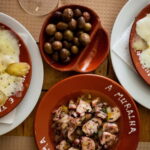
Expect a range of Portuguese food tastings and samples, including custard tarts and items connected to Portuguese culinary traditions. Reviews also mention tasting coffee, wine, and spirits, along with sweet and savory bites.
Should I eat before the tour?
It’s a good idea to avoid a big breakfast beforehand. Multiple guests suggest arriving hungry because there are many tastings throughout the walk.
What if I have allergies or dietary restrictions?
You should send your allergies or dietary restrictions when booking so the team can account for them.
What happens if the weather is poor?
The experience requires good weather. If it’s canceled due to poor weather, you’ll be offered a different date or a full refund.
What is the cancellation policy?
You can cancel for a full refund up to 24 hours in advance of the experience start time. If you cancel less than 24 hours before, the amount paid is not refunded.