REVIEW · ROME
Rome Food Tour: Campo de’ Fiori, Ghetto, Trastevere Winner 2024
Book on Viator →Operated by GOURMETALY FOOD TOURS OF ROME · Bookable on Viator
Three neighborhoods, one appetite, zero guesswork. I love the small group size because it keeps the walk human and lets your guide pause for real questions instead of rushing you along. I also love that you get 15 food tastings across five stops plus three wine tastings, so you actually eat your way through Roman favorites; the only real catch is you do a fair amount of walking on uneven streets.
This tour is built for mornings and good shoes: you’ll start near Piazza Farnese, then (on the morning option) hit the Campo de’ Fiori market before working your way through history-heavy stops in the Jewish Ghetto and then into Trastevere. Guides getting named again and again in the feedback include Natalia, Clelia, Luca, and Anastasia, with lots of praise for how they explain what you’re eating and where the flavors came from.
In This Review
- Key highlights worth planning around
- Rome’s Food Walk Starts in Piazza Farnese and Ends with Gelato
- Campo de’ Fiori Market: Where Rome Gets Its Weekly Rhythm
- Grocery Counter Stops: Ruggeri and Norcineria Viola dal 1890
- Antico Forno Roscioli and Roman Pizza You’ll Actually Remember
- Into the Jewish Quarter: History Walk Meets Food at the Right Places
- Tiber Side to Trastevere: Fried Specialties, Wine, and Pasta
- The Gelato Finale at Fiordiluna
- What You Get for the Price: Value in Tastings, Not Just Sites
- Tips So You Enjoy Every Stop (Even If It Rains)
- Should You Book This Rome Food Tour?
- FAQ
- How long is the Rome Food Tour?
- Where does the tour start and end?
- How much does it cost?
- How many tastings and wine tastings are included?
- Is the Campo de’ Fiori market visit included for every departure?
- What language is the tour offered in?
- Is the group size small?
- Can vegetarians or people who are dairy-free join?
- Is the tour suitable for vegan travelers or people with celiac disease?
- Does the tour end with gelato?
Key highlights worth planning around
- Campo de’ Fiori market timing: learn what’s in season before you taste
- Old-school grocery culture: Ruggeri family stop and Norcineria Viola dal 1890 for cured meats
- Jewish Ghetto context: food stories connected to places like the oldest synagogue area
- Pasta + wine pairing: a proper seated pasta moment in Trastevere
- Fiordiluna gelato finale: the last taste is the payoff, not an afterthought
Rome’s Food Walk Starts in Piazza Farnese and Ends with Gelato
The route is designed like a meal in motion. You begin at a clear meeting point near Piazza Farnese, then spend about 3.5 hours moving through the city’s food hubs: market streets first, then grocery counters, then bakeries, then seated pasta, and finally gelato.
What makes this tour feel worth the money is the mix of styles. You’re not bouncing between random restaurants. You start with what locals buy, then you follow the thread into prepared specialties, then you sit down for pasta and wine, and you close with gelato. One review sums it up with the very Roman rule: come hungry.
Because the group maxes out at 12, the pace is easier to handle. You’re not fighting crowds at each stop, and your guide can steer the group toward the right counters and help you understand what to look for in the food. That matters a lot in Rome, where “trying something” can turn into guesswork fast.
One practical note: the tour runs in all weather, so plan for rain. Cobblestones, small steps, and narrow sidewalks don’t disappear when it’s wet. If your feet get cranky, you’ll be happier with supportive walking shoes and a light rain layer.
You can also read our reviews of more food & drink experiences in Rome
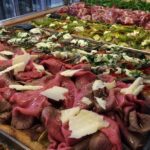
Campo de’ Fiori Market: Where Rome Gets Its Weekly Rhythm
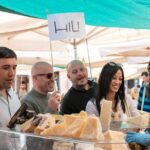
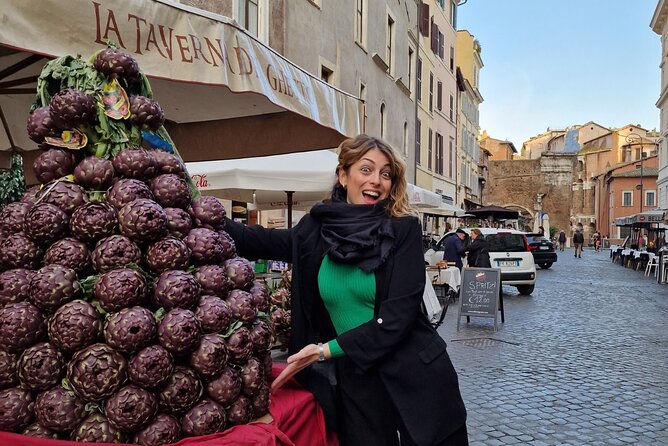
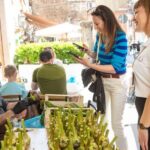
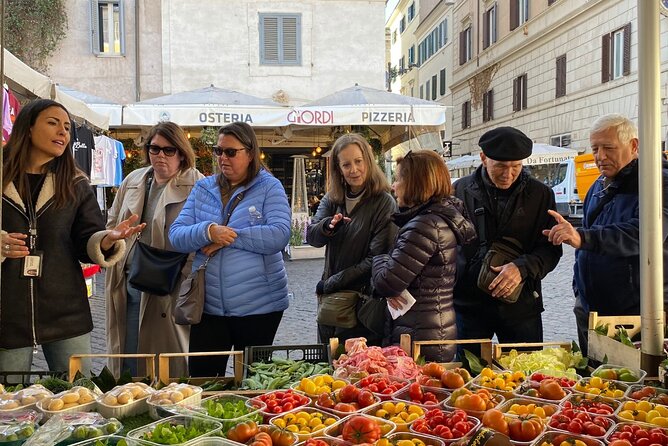
If you book the morning version, Campo de’ Fiori is your first big hit. You’ll walk through the market and get oriented to seasonal ingredients before tasting. That’s the smart move. Instead of sampling bites without context, you learn what’s available and why it shows up in Roman cooking when it does.
Campo de’ Fiori is also a great warm-up because you’re not yet deep in long history explanations. You’re reading the stalls like a local shopper would: colors of vegetables, cured meats behind the scenes, and cheeses that look like they’ve been traded for generations.
From there, the tour starts adding story. You’ll stop by the Statua di Giordano Bruno and tie what’s happening historically in the area to the way food traditions survived and adapted. It’s not a museum lecture. It’s more like your guide pointing out how the neighborhood’s past shaped who ate what, and how Rome’s food culture kept moving.
The practical payoff for you is this: once you understand what’s in season, you’ll recognize those ingredients later when you order on your own. That turns your next meal from random into intentional.
Grocery Counter Stops: Ruggeri and Norcineria Viola dal 1890
The heart of this tour is the way it treats grocery shops like food landmarks. Two stops do a lot of heavy lifting here.
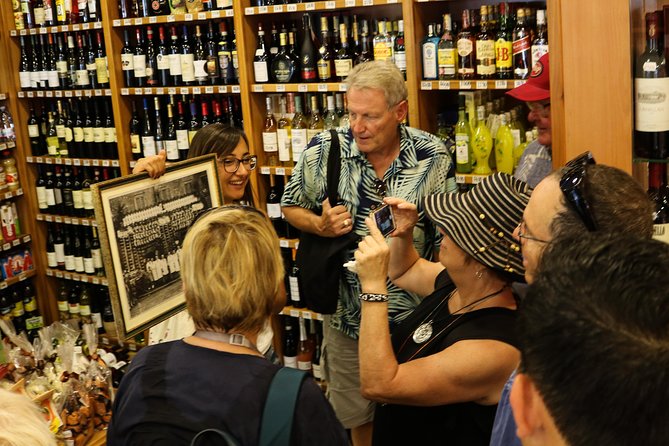
First is Ancient Pizzicheria Ruggeri, where you meet the Ruggeri family and taste from their decades-old operation. This is the kind of place you might walk past on your own, but without a guide you’d miss the reason it matters. Family shops like this are where Roman snacking culture gets preserved: cured meats, cheeses, small bites that are built for conversation.
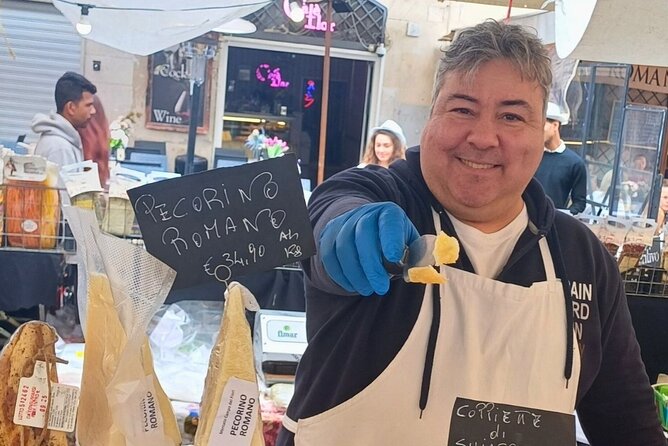
Next comes Norcineria Viola dal 1890, a store famous for the cured meats displayed overhead. Think guanciale, salami, and prosciutto hanging in plain view. The tastings here fit the Roman rhythm: salty, fatty, and unapologetically delicious. If you like that flavor profile, this stop will feel like a highlight rather than just another sampler.
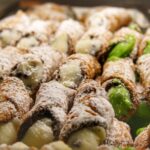
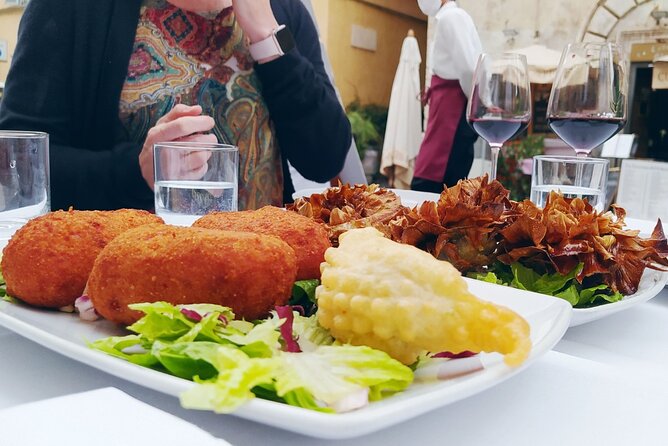
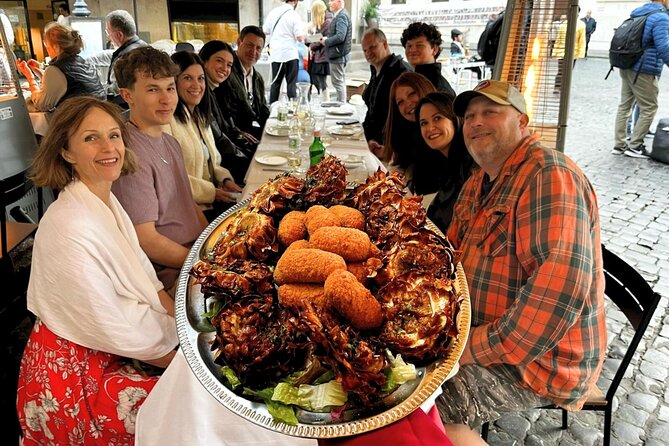
One more detail that’s easy to overlook but important: seasonality. In the feedback, I saw a clear theme that the tour swaps fried items based on the season. For example, fried artichokes may appear when it’s the right time of year, while zucchini flowers can replace them in other months. That’s not just a workaround. It’s how you get a more accurate Roman plate.
Antico Forno Roscioli and Roman Pizza You’ll Actually Remember
You’ll then head to Antico Forno Roscioli, described as the oldest bakery in town. That alone sets the expectation: you’re not tasting trendy pizza. You’re tasting Roman-style baked goods with a reputation that’s been earned the slow way.
Here’s what you can expect to taste from the tour’s menu style:
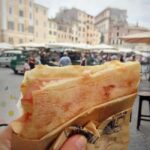
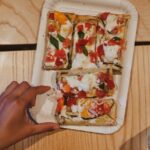
- pizza bianca with mortadella
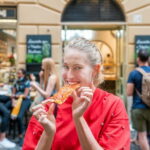
- pizza rossa
- suppli
- plus fried specialties like fried artichokes or zucchini flowers, depending on the season
This section works because it bridges “market” to “meal.” The market teaches you ingredients. The bakery gives you the classic Roman comfort bite. And the fried items keep it snackable and exciting instead of turning into one long sit-down.
In one review, the biggest advice was simple: you really will eat a lot. That’s true. The tastings aren’t tiny nibbles. They’re portioned to let you compare flavors and textures across stops without leaving you starving for your next reservation.
Into the Jewish Quarter: History Walk Meets Food at the Right Places
After pizza, the route shifts into the Jewish Quarter area. Expect more atmosphere: vintage shops, art-studio vibes, and the feeling that the streets are layered with older Rome.
You’ll pass key landmarks around Piazza della Cinque Scole and learn food connections tied to the neighborhood. The stop at the oldest synagogue area is one of the more meaningful moments on the route. You’re not just checking a box. The guide’s goal is to connect place to plate, so the foods start to feel like part of a living story rather than random samples.
Then you’ll walk toward Isola Tiberina, Rome’s only island. Even if you’re not a big fan of history stops, the island break is useful. It gives you a moment to reset your pace and look out across the river before the tour starts packing in the next food wave.
This is also where the tour’s “small-group” advantage matters. Narrow streets and tighter corners are easier to navigate when your group stays calm and your guide can keep everyone moving without drama.
A few more Rome tours and experiences worth a look

Tiber Side to Trastevere: Fried Specialties, Wine, and Pasta
From the Jewish Quarter area, the tour reaches across and down toward Il Portico di Ottavia and Pont Fabricius. Those are both part of the walk that makes you feel like you’re moving through Rome instead of just ticking off stops.
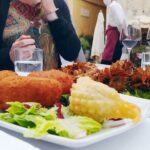
At Il Portico di Ottavia, the tasting focuses on fried specialties. This is a Roman pattern worth noticing: frying turns simple items into street-food comfort, and pairing it with wine helps cut through the richness. If you tend to think wine tours are more about posing than drinking, this one is more practical. The tastings are meant to support the flavors.
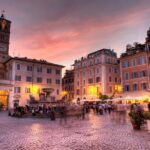
Next comes Trastevere, which the tour frames as nightlife territory, but it’s more than that. Trastevere streets feel like everyday life meets after-dark energy. You’ll taste more Italian specialties here, then get a seated moment that feels like a real dinner segment.
The tour includes two pasta-focused stops:
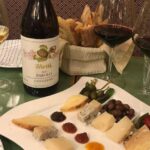
- Ristorante Sette Oche in Altalena for a special pasta experience with wine pairing
- Ercoli Trastevere for cacio e pepe along with an appetizer and wine
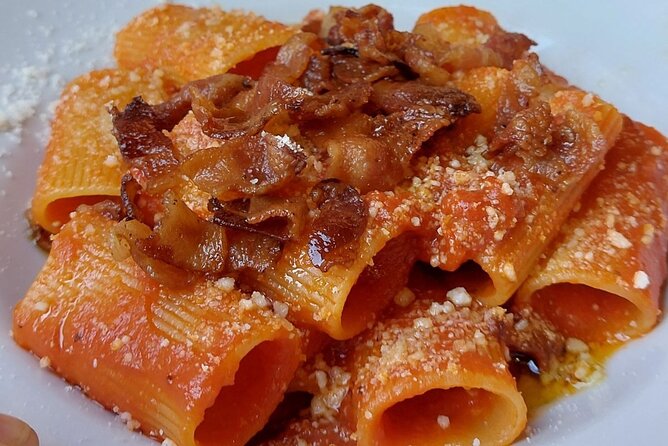
From the provided menu style, you’ll also see classic Roman targets like amatriciana showing up as a main. That matters because Roman cuisine is easier to understand when you taste the signatures back-to-back. You get a clearer picture of what makes Roman cooking Roman compared with other Italian regions you may try later.
About the wine: most of the feedback is positive, and you’ll have three wine tastings spread across the tour. Still, one review mentioned that a red wine sample didn’t land well. So if you’re picky about wine, keep your expectations flexible and focus on the pairing with food. In this format, wine is the supporting character, not the whole plot.
The Gelato Finale at Fiordiluna
By the end, you’ll have walked through markets, grocery shops, bakeries, a historic neighborhood, and at least one proper sit-down pasta stop. The final moment is gelato from Fiordiluna, described as linked to a gold medal gelato reputation.
This finale is smart for two reasons:
- it finishes the tour with something you can savor slowly without rushing
- it gives you a clean end point even if you still feel full
One of the most repeated pieces of advice from the feedback is straightforward: plan to have dessert. This is the kind of tour where you don’t want to show up planning to fit everything into a normal dinner afterward.
If you’re traveling with kids or a group with different tastes, gelato also helps. Even when the savory tastings are heavy, most people can enjoy a sweet ending without negotiations.
What You Get for the Price: Value in Tastings, Not Just Sites
At about $88.28 per person for roughly 3.5 hours, this tour stacks value by doing two things well: it includes a high number of tastings and it includes wine and a gelato finale. The tour also caps at 12 people, which is a big deal in Rome, where large groups can turn every stop into a timed scramble.
You’re not just buying access. You’re buying structure:
- 15 samples across five locations
- three wine tastings
- pasta and fried specialty moments included
- an included guide and a free best-restaurants guidebook/cookbook style resource
You’ll likely leave with enough food to count as your main meal. That’s why starting early can be the easiest move. If you’re planning your first day in Rome, this kind of tour often works better than a later dinner reservation, because it gives you bearings, neighborhood familiarity, and a feel for what Roman cooking tastes like.
One consideration: the tour is not positioned as vegan-friendly. It explicitly says it’s not recommended for vegan travelers, and it also notes restrictions around allergens. If you have major allergies, it’s worth checking carefully in advance, because the tastings can include milk, eggs, soy, mustard, nuts, and gluten.
Tips So You Enjoy Every Stop (Even If It Rains)
Here’s how to set yourself up for an easy win.
Wear shoes you trust. The route includes cobblestones and walking between neighborhoods. A short rain shower turns surfaces slick fast, so stick to grippy soles.
Plan your stomach for a real meal. Between pizza, fried bites, cheeses, cured meats, pasta, wine, and gelato, you’ll likely feel satisfied before the end.
Watch the season swaps. If you see artichoke on the menu but travel in another time of year, zucchini flowers can replace it. That’s normal here and often a better sign you’re eating seasonally.
If you need dietary adjustments, tell them early. Vegetarian or dairy-free options may be available with advance notice. But the tour also flags that vegan is not recommended and that people with certain food allergy conditions can’t participate if the allergens can’t be managed.
Keep your expectations realistic about wine. Most tastings are well received, but wine quality can be sample-specific. Focus on pairing and flavors rather than hunting for one perfect glass.
Should You Book This Rome Food Tour?
If you want a Rome intro that’s practical and delicious, I’d book it. This is especially worth it when:
- you like food plus place-based history
- you want to eat across Campo de’ Fiori, the Jewish Quarter, and Trastevere in one smooth route
- you prefer small-group pacing over big-group lines
- you don’t want to spend the trip guessing where to go for classic Roman bites
Skip it if:
- you’re vegan or you need strict allergy accommodations that might not be manageable
- your mobility is limited, since the tour involves walking and older streets
- you hate wine tastings or you’re trying to keep your day very light
If you’re on the fence, my advice is simple: treat this as a meal and plan your day around it. You’ll come out with full stomach clarity and a better sense of how Romans actually snack, shop, and sit down to eat.
FAQ
How long is the Rome Food Tour?
The tour runs for about 3 hours 30 minutes.
Where does the tour start and end?
It starts at Via Dei Baullari, 106, 00186 Rome, and ends at Via della Lungaretta, 12, 00153 Rome.
How much does it cost?
The price is $88.28 per person.
How many tastings and wine tastings are included?
The tour includes 15 food tastings across five locations and three wine tastings.
Is the Campo de’ Fiori market visit included for every departure?
The market visit is included on the morning tour, but it is not included on the afternoon tour and not on Sunday morning. If you choose those options, you’ll have free time to browse local shops instead.
What language is the tour offered in?
The tour is offered in English.
Is the group size small?
Yes. The tour has a maximum group size of 12 travelers.
Can vegetarians or people who are dairy-free join?
Vegetarian or dairy-free options are available if you advise the operator at booking.
Is the tour suitable for vegan travelers or people with celiac disease?
The tour is not recommended for vegan people. It also notes that people in real danger of life due to celiac disease should contact the operator for a private option.
Does the tour end with gelato?
Yes. The tour finishes with gelato from Fiordiluna as the grand finale.