REVIEW · TOKYO
Tokyo: Shibuya Food Tour (13 dishes and 4 Eateries)
Book on Viator →Operated by Traveling Tokyo · Bookable on Viator
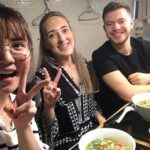
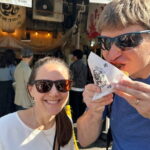
Shibuya at night tastes better together. This 3-hour small-group food walk mixes Tokyo icons like Shibuya Crossing and Hachiko with a focused hunt for places locals actually go.
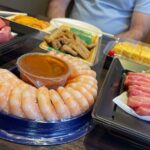
I especially liked the 13-dish variety. You’re sampling classics such as sushi, yakiniku, udon, karaage, and more, and the portions are big enough that you won’t be hunting dinner right after.
One possible drawback is that the sightseeing stops are short. Shibuya Crossing and Hachiko are time-boxed, so if you want long explanations at each landmark, you may need to ask your guide for extra details.
In This Review
- Key things to know before you go
- Shibuya’s Crossing and Hachiko: a fast start that sets the mood
- Dōgenzaka: where the izakaya energy turns into a real meal plan
- Shibuya Center-gai: the last stretch that keeps your appetite from crashing
- The 13 dishes across 4 eateries: why the structure matters
- Guide-led ordering: the quiet advantage you’ll feel mid-tour
- Group size and walking: how this tour avoids the “too much Shibuya” problem
- Price check: what $77.44 buys you in real food value
- Who should book this Shibuya tour, and who should skip it
- Should you book it? A simple decision rule
- FAQ
- What is the duration of the Tokyo Shibuya food tour?
- How much does the tour cost?
- How many dishes and eateries are included?
- Where does the tour start and where does it end?
- Does the tour include drinks, and is alcohol included?
- Is this tour a walking tour?
- How big is the group?
- What is included in the price?
- What happens if weather is bad?
- What is the cancellation policy?
Key things to know before you go
- 13 dishes across 4 eateries keeps the menu moving and avoids the usual single-restaurant food tour rut
- Short, practical sightseeing at Shibuya Crossing and Hachiko helps you orient fast before you start eating
- Most of the time is spent walking food streets through Dōgenzaka and Shibuya Center-gai
- English-speaking guide + small group (max 10) means fewer pauses and less confusion at night
- Food and drinks are included, with alcohol only served if you’re 20 or older
- Tour ends in Shibuya and your guide can point you toward Shibuya Station
Shibuya’s Crossing and Hachiko: a fast start that sets the mood
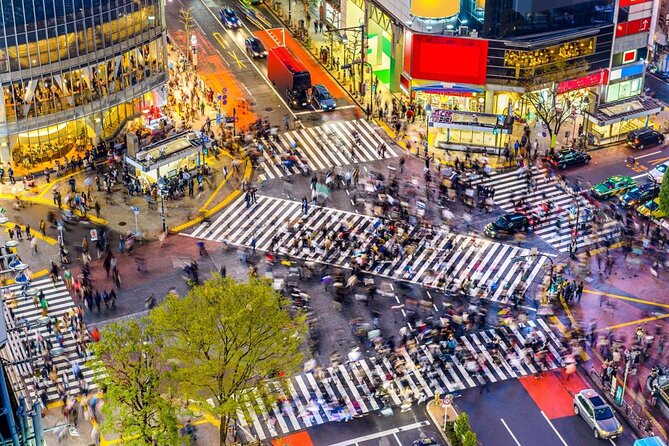
The tour opens with two quick Shibuya landmarks that do more than look good on photos. Shibuya Crossing is Japan’s biggest crossing, so you get the feel of the chaos and choreography right away, before you settle into the slower pace of eating. It’s also a helpful landmark if you’re still figuring out your way around the area.
Then you move to Hachiko, the well-known story of loyalty that’s tied to Shibuya’s station area. Even if you’re not a deep-history person, this stop helps you understand why Shibuya is more than shopping and screens. It’s the cultural warm-up before you start sampling real food from the neighborhood.
Tip: ask your guide one simple question early, like what dish you’re most likely to enjoy based on your tastes. Guides often use the early minutes to read the group, and it can make the rest of the night smoother.
You can also read our reviews of more food & drink experiences in Tokyo

Dōgenzaka: where the izakaya energy turns into a real meal plan
After the quick landmarks, the tour spends a solid block of time in Dōgenzaka. This is where Shibuya’s late-night restaurant culture shows up in full force, with lots of izakaya-style spots and snacky places that feel local rather than staged.
This is also the part of the night where the eating really starts to stack up. Across four different eateries, you’ll rotate through multiple dishes, and Dōgenzaka is a natural setting for that rhythm because it’s made for walking between small food stops.
Expect the guide to help with the practical stuff you might otherwise miss. That includes what to order (and how much to pace yourself), plus how to handle the flow when you’re moving as a group. On a food tour, pacing is everything, and Dōgenzaka’s restaurant density makes your guide’s timing a major value.
Shibuya Center-gai: the last stretch that keeps your appetite from crashing
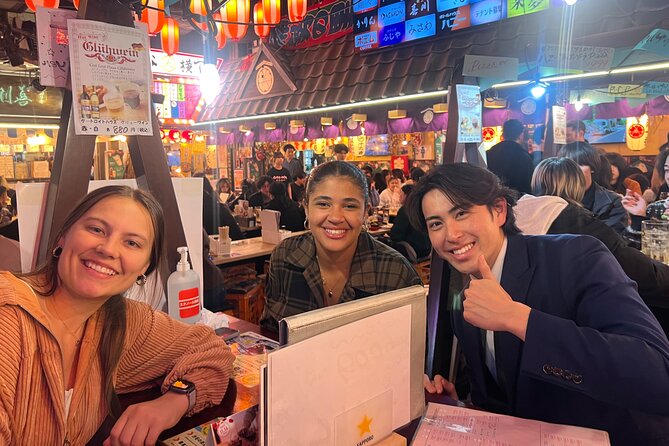
From Dōgenzaka you shift toward Shibuya Center-gai, another key pedestrian street area where Shibuya’s energy stays high. The difference here is that Center-gai often feels more like a street corridor you walk through, with lots of shops and food nearby. It’s a good place to keep moving without feeling like you’re stuck in one corner.
This is also when the later tastings land—often the ones that turn the tour from a snack run into a full food night. The tour is designed so you get variety, not just repeats of the same flavor family. You might finish with dessert, and that final sweet bite is usually the relief you want after savory dishes.
Practical note: if you’re sensitive to very strong flavors, tell your guide early. The tour includes a range of Japanese favorites, and your guide can steer your picks within the tastings so you don’t end up with a dish you can’t stand.
The 13 dishes across 4 eateries: why the structure matters
The “13 dishes” claim sounds big, and it is. What makes it work is the structure: four eateries means you get variety in both food style and dining vibe. You’re not just doing one long menu; you’re switching settings, which keeps things interesting even when you’re full.
What you’ll likely taste includes classics such as:
- Sushi (typically easy to eat on the move, and a good baseline dish)
- Yakiniku (grilled flavors that anchor the savory side)
- Udon (comfort food energy when you need a calmer bite)
- Karaage (crispy, punchy fried chicken that Japan does well)
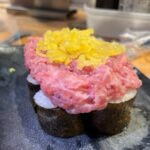
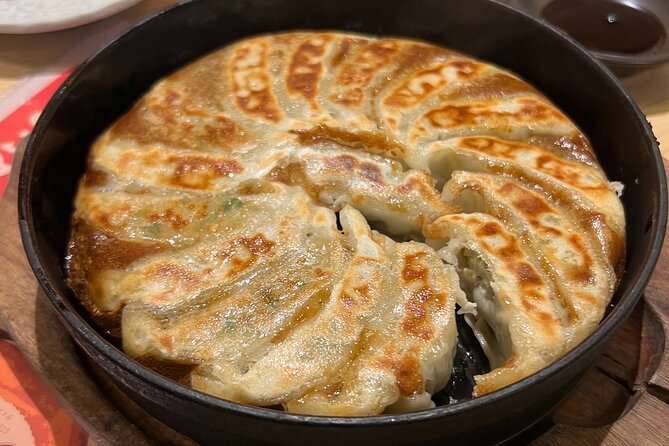
- Plus other items in the lineup such as dumplings, different tuna preparations, and dessert
The portion plan also matters. Several guides have been described as ensuring you don’t leave hungry, and that aligns with the tour goal of filling you with multiple small plates. If you like sampling, this is a strong format because you can taste lots of textures—grilled, fried, noodle-soft, and sweet—without committing to a full entrée at each place.
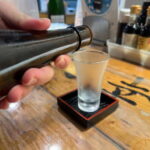
One more thing: drinks are included, but alcohol has a clear rule. If you’re under 20, you won’t be served alcohol on this tour, so you’ll stick to the non-alcoholic drink options that are available with the included meals.
Guide-led ordering: the quiet advantage you’ll feel mid-tour
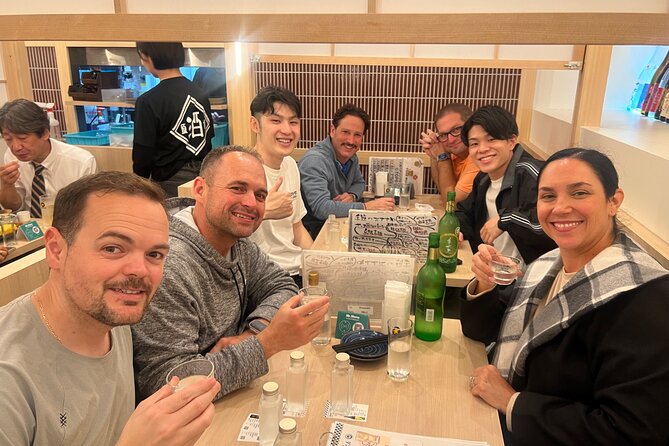
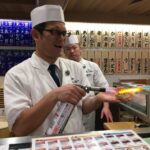
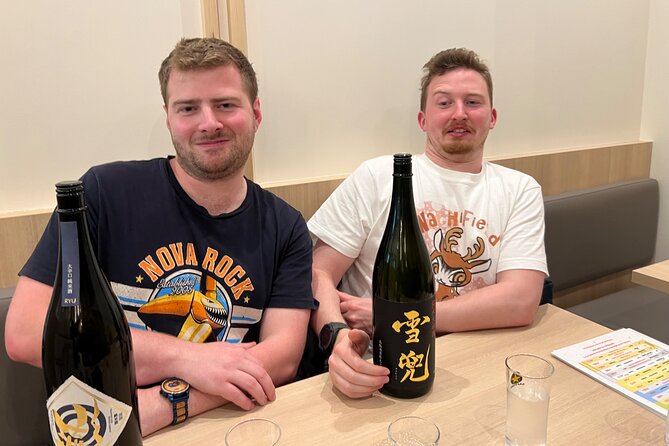
A good food guide doesn’t just explain food. They help you order and eat like you belong there. On this Shibuya tour, the English-speaking guide is part of why the route stays smooth—especially in an area that can be loud, crowded, and confusing after dark.
You’ll also get advice for the rest of your stay, which can be more valuable than it sounds. After tasting in Shibuya, you’ll have a better sense of what you like, so the guide’s suggestions can help you choose where to go next without wasting time.
From what you’ll be offered, you’ll likely see two benefits:
- You don’t have to decipher menus alone
- You don’t have to guess what a dish will taste like for you personally
And yes, pacing matters. One guide-friendly moment you’ll appreciate is when you’re handed food at the right time so you’re not stuck waiting with an empty stomach—or worse, too full to enjoy the next stop.
A few more Tokyo tours and experiences worth a look

Group size and walking: how this tour avoids the “too much Shibuya” problem
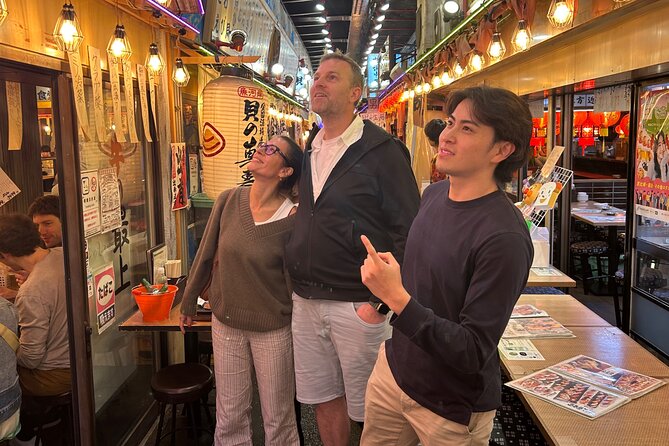
This tour caps at 10 travelers, and that detail matters. Smaller groups move faster through narrow spaces, and guides can check in with you more easily if someone needs a bathroom break or has a dietary question.
The walking is also a key part of the deal. This is a walking tour through Shibuya streets, so you should be ready for continuous movement for about 3 hours. The benefit is you see the area, not just the inside of restaurants.
The tour includes a mobile ticket, which helps you spend less time on logistics and more time tasting. Also, because the start point is near public transportation and the tour ends in Shibuya, it’s easier to connect to your next plans.
Comfort tip: wear shoes you can walk in for a long stretch. Shibuya is manageable if you’re moving, but it’s tiring if your shoes give you pain halfway through.
Price check: what $77.44 buys you in real food value
At $77.44 per person for roughly 3 hours, this tour is priced like a true food experience, not a cheap sampler. The value comes from three things that are bundled together:
- A guide and walking route
- Access to local bars and izakaya
- Food and drinks included across 4 eateries
If you want a quick math view, the tour works out to about $6 per dish, before you even factor in drinks. And because multiple dishes plus drinks are included, you’re not stuck adding costs later just to make the tour feel complete.
Still, price is personal. If you’re the type who hates guided meals that feel pre-decided, this may not feel worth it. On the other hand, if you want someone to handle the ordering and route, the price can feel fair because you save time and avoid menu guesswork.
A good strategy is to treat this as your main meal plan for the evening. With multiple savory bites and dessert, you usually don’t need a full extra dinner after.
Who should book this Shibuya tour, and who should skip it
This tour fits best if you:
- Want to eat your way through Shibuya’s restaurant streets without getting lost
- Like trying foods you wouldn’t confidently order on your own
- Prefer a guided experience where someone else handles the timing
It also works well for people staying close to Shibuya who want a one-stop plan. The tour’s start and end are both in the Shibuya area, and your guide can take you to Shibuya Station.
You might skip it if you:
- Want deep, slow museum-style commentary at each landmark
- Prefer fully independent dining with your own restaurant choices
- Have very specific dietary needs that you need heavily customized beyond what a standard group tasting can offer
Should you book it? A simple decision rule
Book this tour if you want high variety in a short window, with a guide who keeps the night moving and meals covered. For many visitors, it’s the easiest way to turn Shibuya from confusing streets into a clear food route.
Skip or reconsider if your main goal is long sightseeing explanations rather than food. The landmark moments—Shibuya Crossing and Hachiko—are intentionally brief, and the tour’s heart is the eating across multiple local spots.
FAQ
What is the duration of the Tokyo Shibuya food tour?
The tour lasts about 3 hours.
How much does the tour cost?
The price is $77.44 per person.
How many dishes and eateries are included?
You’ll taste 13 dishes at four different eateries.
Where does the tour start and where does it end?
It starts at Kusumoto Bld., 1-chōme-3-3 Dōgenzaka, Shibuya, Tokyo 150-0043, Japan, and ends in Shibuya. The guide can take you to Shibuya station.
Does the tour include drinks, and is alcohol included?
Food and drinks are included. Alcohol beverages are only served to travelers who are 20 or older.
Is this tour a walking tour?
Yes. It includes a walking tour.
How big is the group?
The tour has a maximum of 10 travelers.
What is included in the price?
Included items are a local English-speaking guide, the walking tour, admission to local bars and izakaya, food and drinks, and advice on future plans from the guide.
What happens if weather is bad?
If the tour is canceled due to poor weather, you’ll be offered a different date or a full refund.
What is the cancellation policy?
You can cancel for a full refund if you cancel at least 24 hours in advance of the experience start time.